Akita Traditional Crafts: Kabazaiku, Kawatsura Lacquer, Magewappa
This guide is translated from the Japanese edition. Read the Japanese edition
Akita traditional crafts: cherry-bark kabazaiku from Kakunodate, 800-year-old Kawatsura lacquerware and bent cedar Odate magewappa, plus where to see and try them.
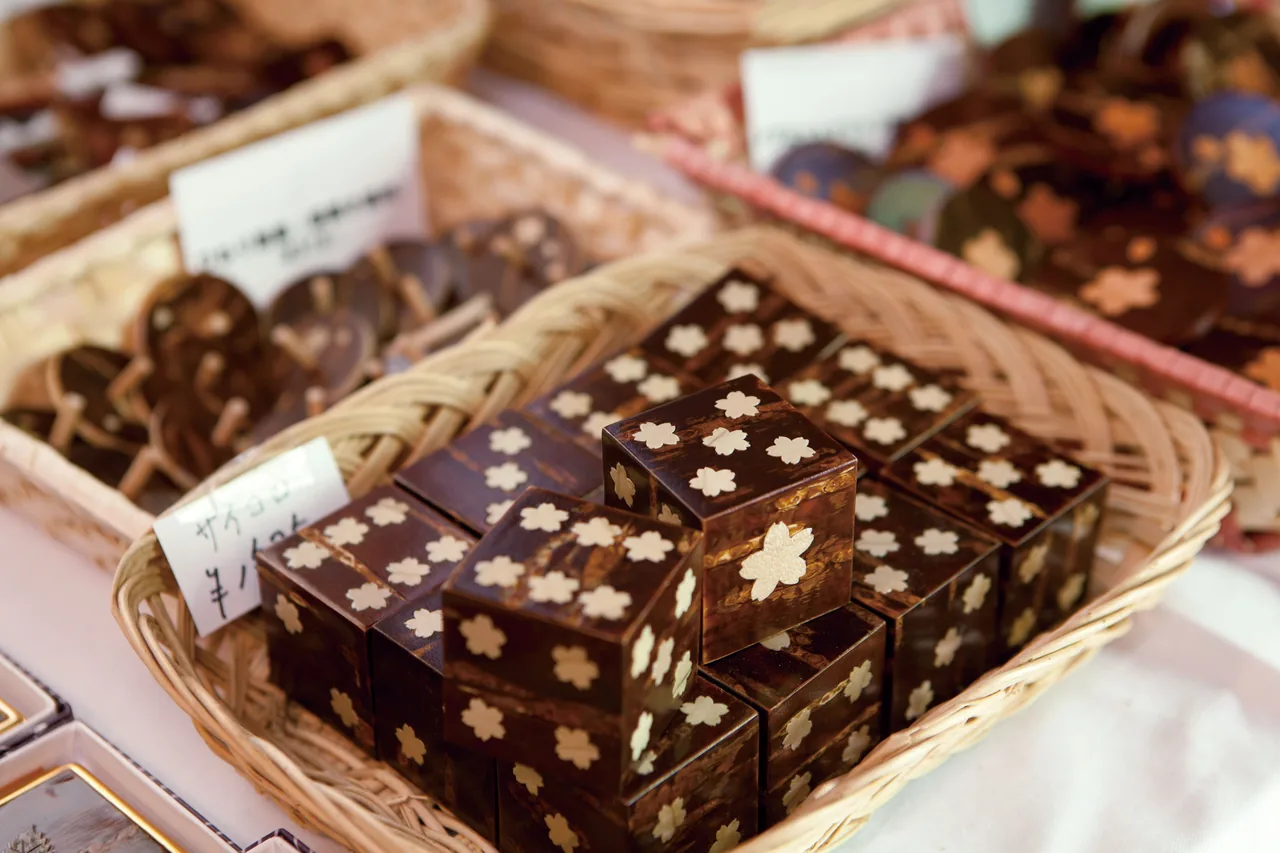
Pick up one of the small boxes in a Kakunodate souvenir shop and its surface glows a deep reddish brown. That is not paint but the bark of the mountain cherry tree itself. Akita's handcrafts come from the trees of its mountains, each built around a clear material, bark, lacquer or cedar, and all made as tools for everyday life. Among the national Traditional Crafts designated by the Minister of Economy, Trade and Industry, three represent Akita: kabazaiku from Kakunodate, Kawatsura lacquerware from Yuzawa and Odate magewappa, and each production area has places where you can pick up the pieces and choose your own.
Kabazaiku: Kakunodate's Craft of Mountain Cherry Bark
Kabazaiku is a craft of Kakunodate in Semboku City that uses the bark of the mountain cherry. The bark is carefully peeled from the trunk, dried in the shade for more than a year, shaved with a knife to bring out its color, and then applied over a wooden base. Polished, it takes on a glossy reddish brown, with the fine patterns of the bark left as they are.
It is said to date from the Tenmei era (1781–1789), when Fujimura Hikoroku, a samurai of Kakunodate, learned a technique handed down in the mountains of northern Akita and spread it. It was designated a national Traditional Craft in 1976. Many pieces are a handy size, such as small boxes and trays.
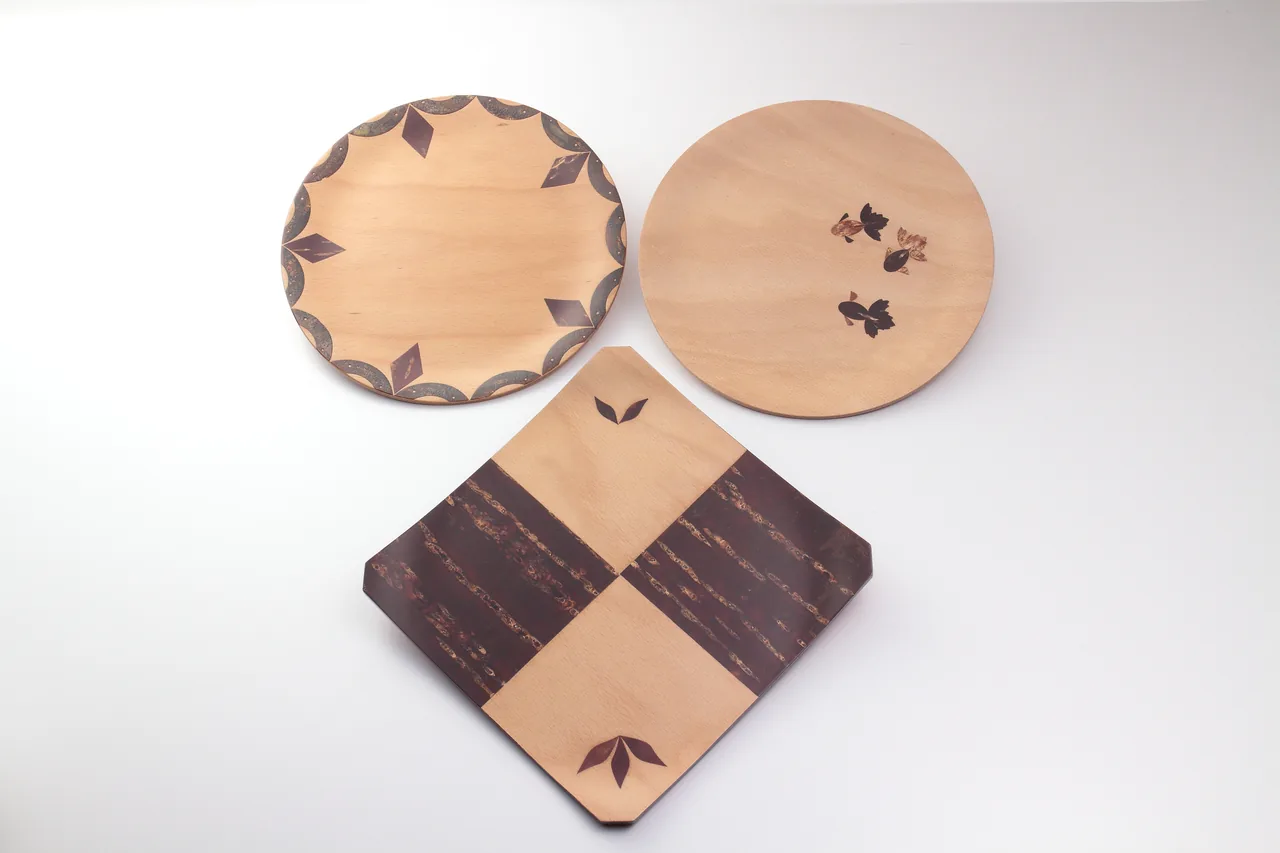
Photo: Akita Prefecture
Watching Kabazaiku Being Made in Kakunodate
The Kakunodate Kabazaiku Denshokan, a city-run exhibition hall on the Kakunodate Samurai District, opened in 1978. Craftspeople give demonstrations inside, so you can watch the fine work of shaving and applying bark up close. There are also workshops where a craftsperson helps you make a wall hanging or coaster; Semboku City takes the reservations. Check the city's information for demonstration times and workshop details before you go.
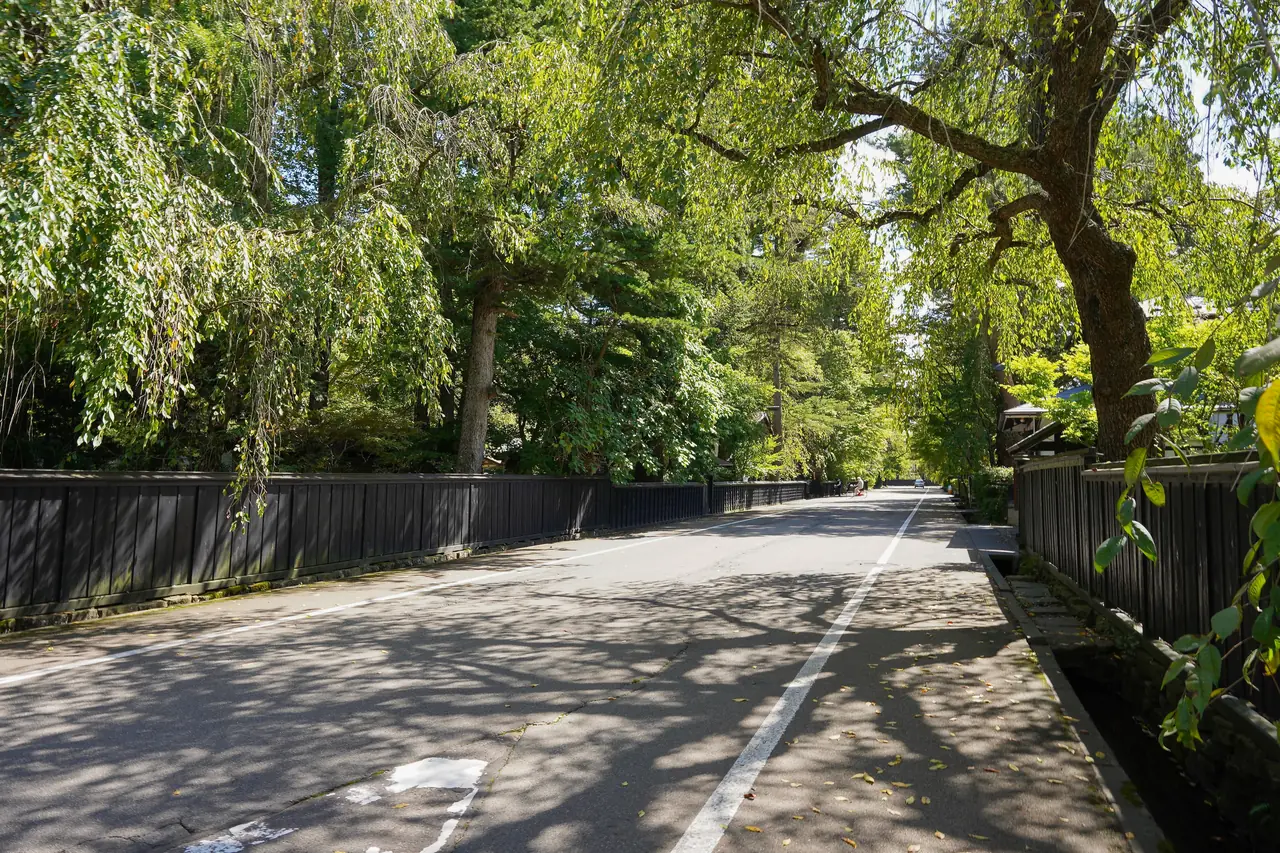
The hall is about a 20-minute walk from JR Kakunodate Station. Combine it with the samurai houses open to the public and you get a good sense of how handcrafts were passed down in this samurai town.
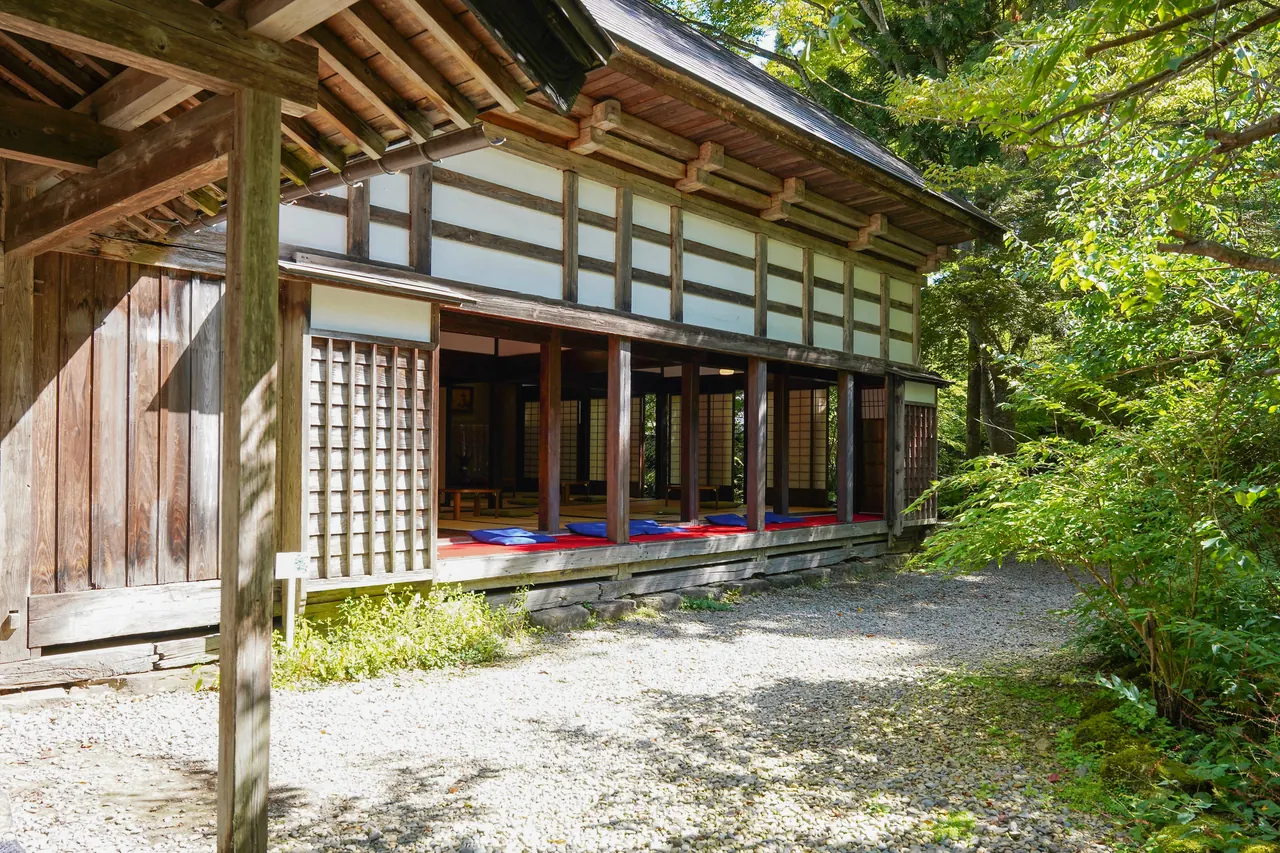
Photo: Akita Prefecture
Kawatsura Lacquerware: Sturdy Bowls Built on Careful Groundwork
Kawatsura lacquerware, made in Kawatsura in Yuzawa City (formerly Inakawa Town), is said to have more than 800 years of history. In 1193, during the Kamakura period, Michinori, younger brother of Onodera Shigemichi, lord of Inaniwa Castle, built a residence here and had his retainers lacquer weapons and armor such as sword sheaths, bows and suits of armor; that is said to be how it began. It took shape as an industry in the Edo period, and today it focuses on everyday tableware such as soup bowls and stacked boxes.
Its sturdiness comes from the groundwork. Before the top coats, the base is built up again and again: jizumi-tsuke, coats of persimmon tannin mixed with charcoal powder that are applied and sanded; kaki-togi, more persimmon tannin and sanding; and jinuri, a coat of raw lacquer. It is designated a national Traditional Craft.
At the Kawatsura Lacquerware Traditional Craft Center in Kawatsura, the first floor displays and sells work by local makers and the second floor covers the history of Kawatsura lacquerware.
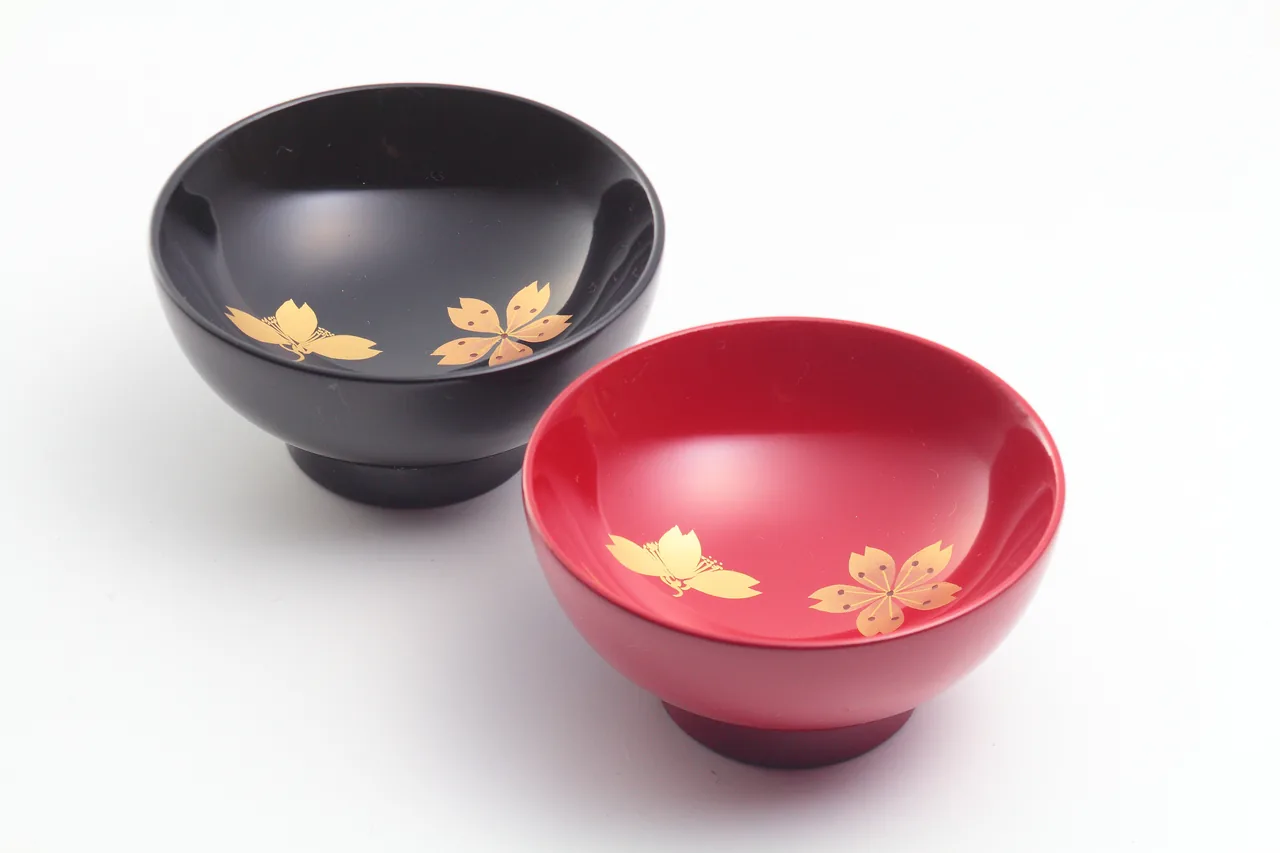
Photo: Akita Prefecture
Odate Magewappa: Bent Akita Cedar Lunch Boxes
Odate magewappa are wooden vessels made by softening thin sheets of Akita cedar in hot water, bending them into shape and stitching them closed with mountain cherry bark. The craft is said to have developed in the late 17th century, when the Satake-Nishi family, lords of Odate Castle, encouraged it as a side job for lower-ranking samurai. It was designated a national Traditional Craft in 1980.
The best-known piece is the oval bento box. The straight grain of the cedar runs around it, and when you lift the lid there is a faint scent of wood. Some are left as plain wood and others are lacquered. Several workshops and shops in Odate offer magewappa-making experiences; many require a reservation, so look them up through Odate City's tourist information and book ahead. Odate is also the hometown of the Akita dog, so it pairs well with our guide on where to see Akita dogs.
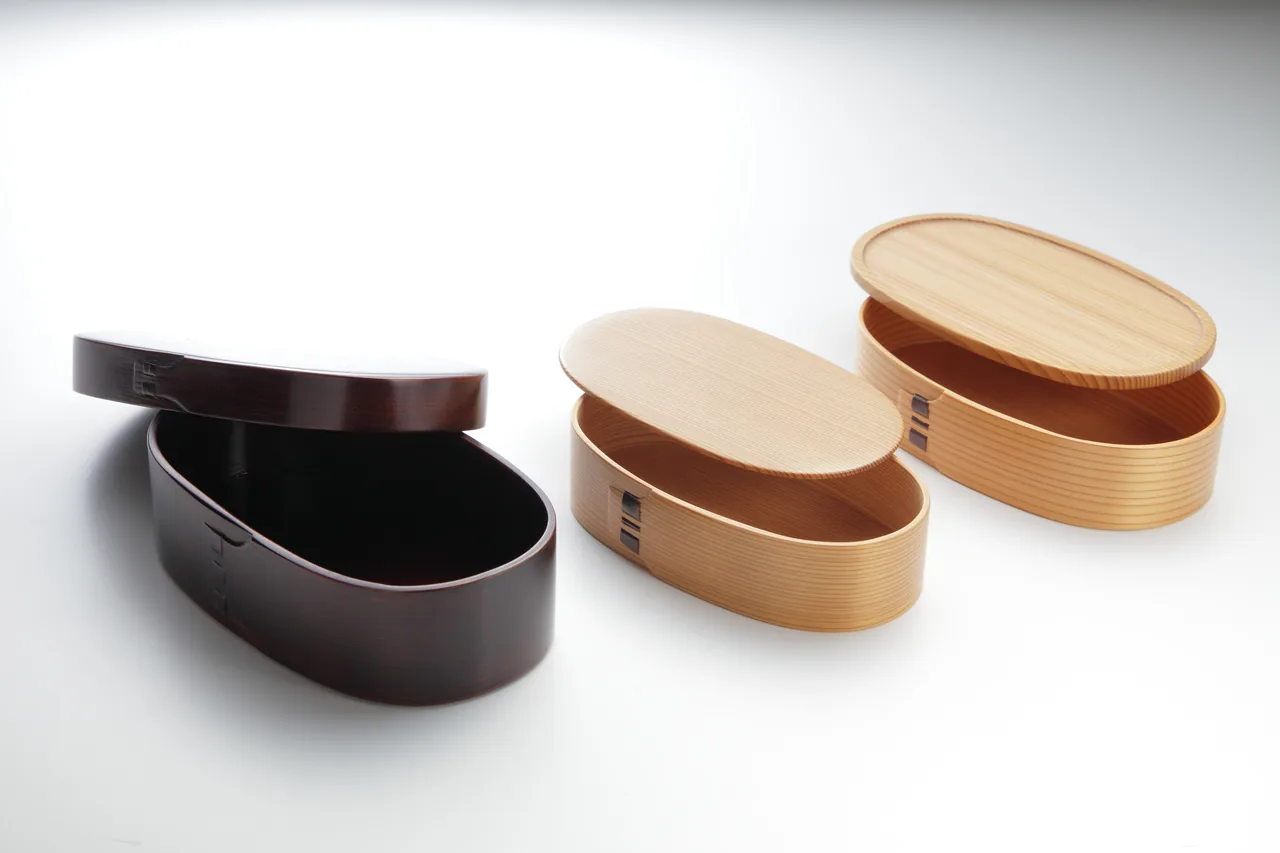
Photo: Akita Prefecture
Akita Furusato-mura: Small Crafts in One Place
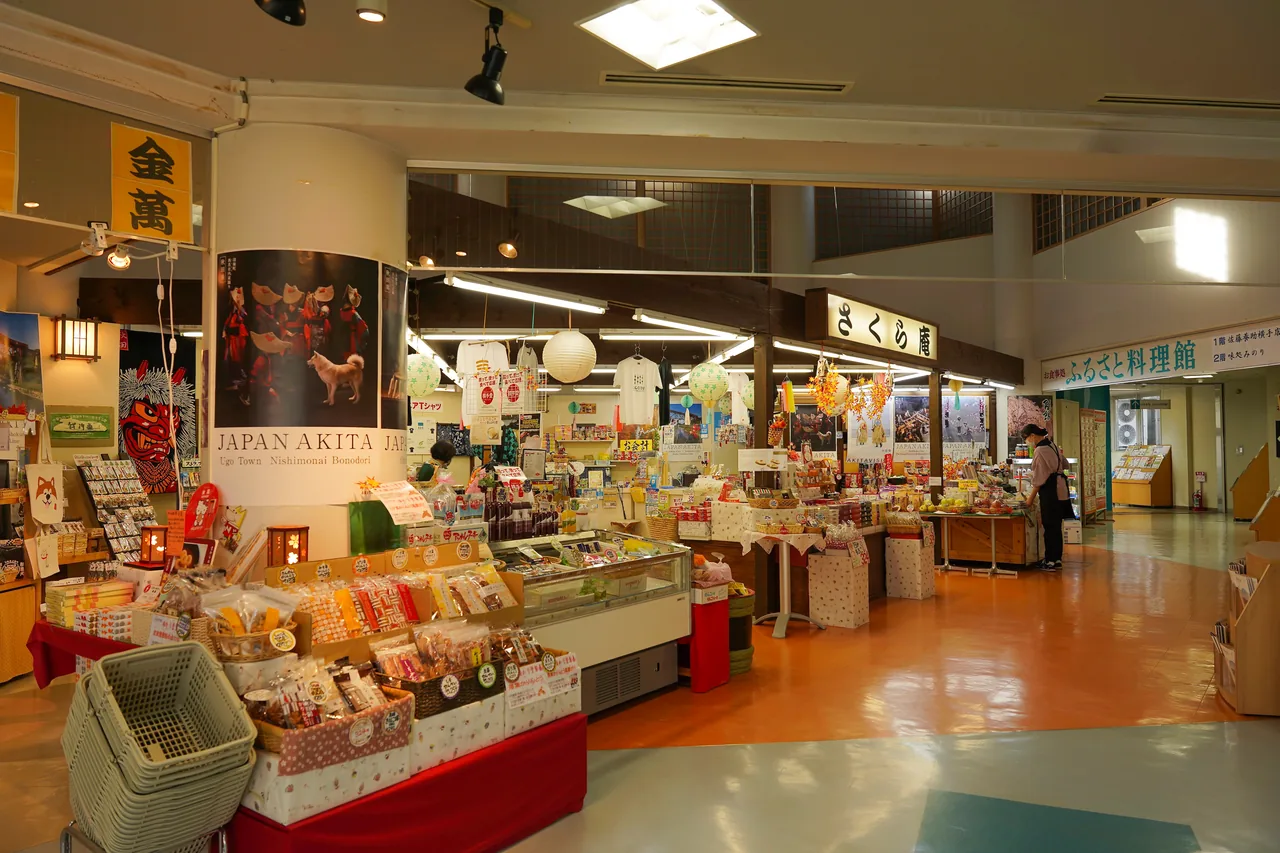
If you don't have time to visit the production areas, Akita Furusato-mura near the Yokote interchange is convenient. Its shops gather souvenirs from across the prefecture, including small items such as wooden figurines. There is also a hands-on craft workshop; check the official website for what is offered and how to book.
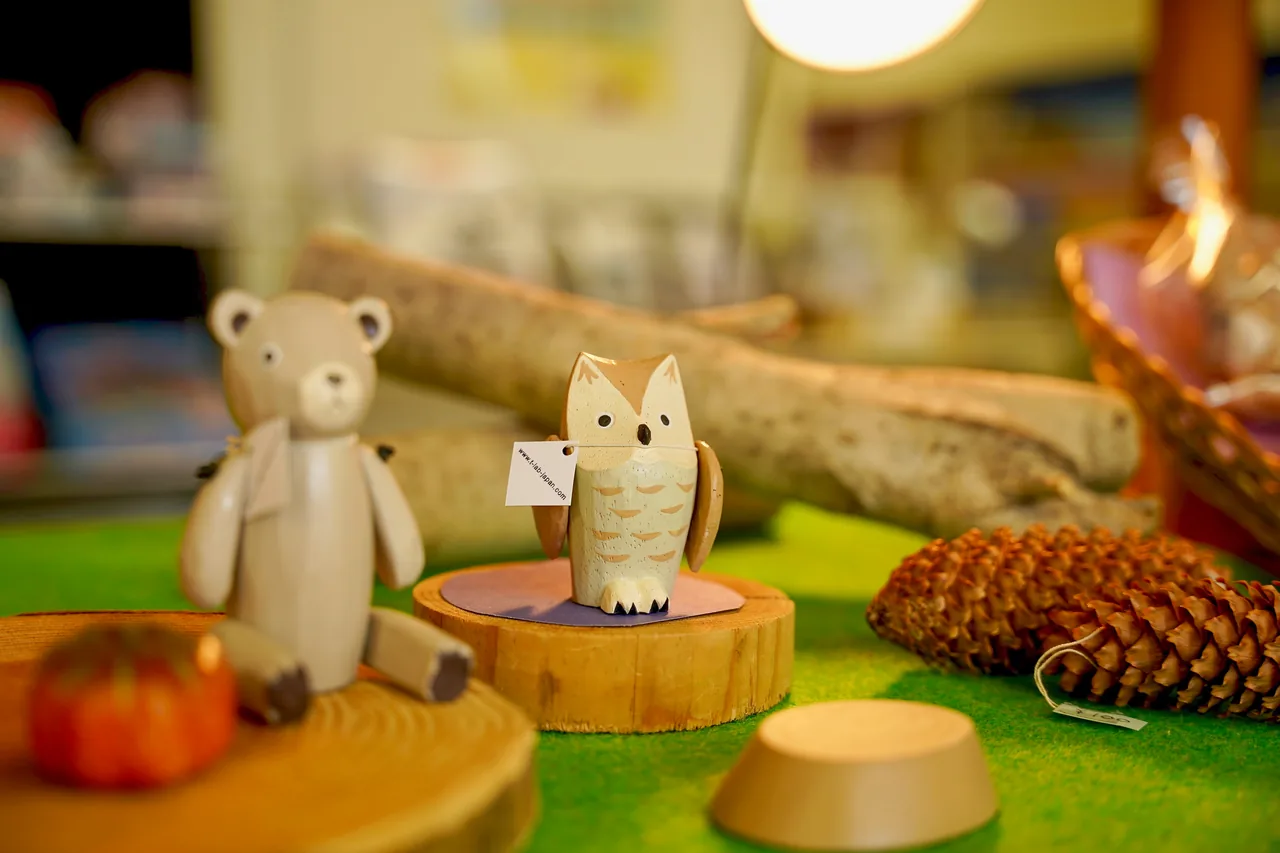
Photo: Akita Prefecture
Tips for Buying and Bringing Crafts Home
- Ask where it was made: Souvenir shops also carry similar-looking items. If you want to know where a piece comes from, ask the staff.
- Caring for lacquer and wood: Many lacquerware and magewappa pieces are not suited to microwaves or dishwashers, so ask how to use them when you buy.
- Carrying them home: Kabazaiku and lacquerware scratch easily, so have them wrapped and keep them in your carry-on.
- Book workshops first: Demonstrations and workshops don't run every day, and many workshops are small operations, so get in touch before you visit.
For a list of national Traditional Crafts and their production areas, see the website of the Association for the Promotion of Traditional Craft Industries.