Akita Food Guide: Kiritanpo, Inaniwa Udon, Hatahata and More
This guide is translated from the Japanese edition. Read the Japanese edition
Akita food by region: kiritanpo hot pot, Inaniwa udon, Yokote yakisoba, smoked iburi gakko, hatahata and shottsuru, Oga stone-boiled seafood, and where to eat them.
At the end of November, thunder rolls over the Akita coast and the hatahata season begins, while inland farmhouses fill with smoke from daikon radishes being cured. Akita has long winters and deep snow, and many of its dishes were made to get through the cold: hot pots and soups, pickles that keep, and dried noodles. The flavors change by region, from kiritanpo in the north to the noodles of the south and the fish dishes of the coast, and there are plenty of places to try them on your trip and things to take home.
Kiritanpo Hot Pot and Hinai Jidori: the North's Signature Dish
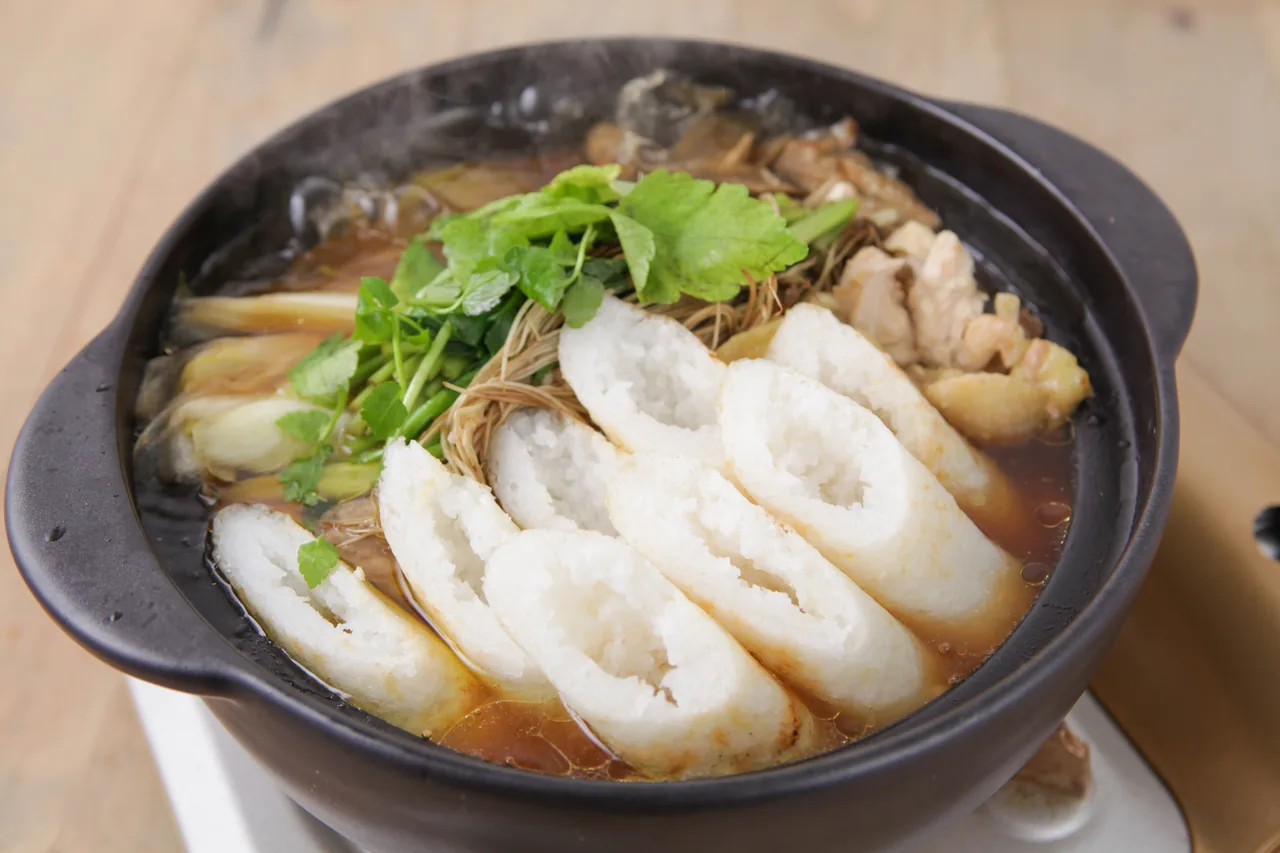
Kiritanpo is cooked rice that has been mashed, wrapped around a cedar stick and grilled. It is said to come from the Odate and Kazuno areas in the north of the prefecture, where people working in the mountains grilled leftover rice on sticks; adding it to a chicken hot pot is how the dish began.
For the hot pot, the kiritanpo is cut into pieces and simmered in a broth made from chicken bones, together with chicken, burdock root, long green onion, seri (Japanese parsley) and maitake mushrooms. Once it soaks up the broth, the outside turns slightly chewy while the inside still has the texture of rice grains. In Odate, the authentic set is said to be Hinai jidori chicken, burdock, maitake, green onion, seri and kiritanpo.
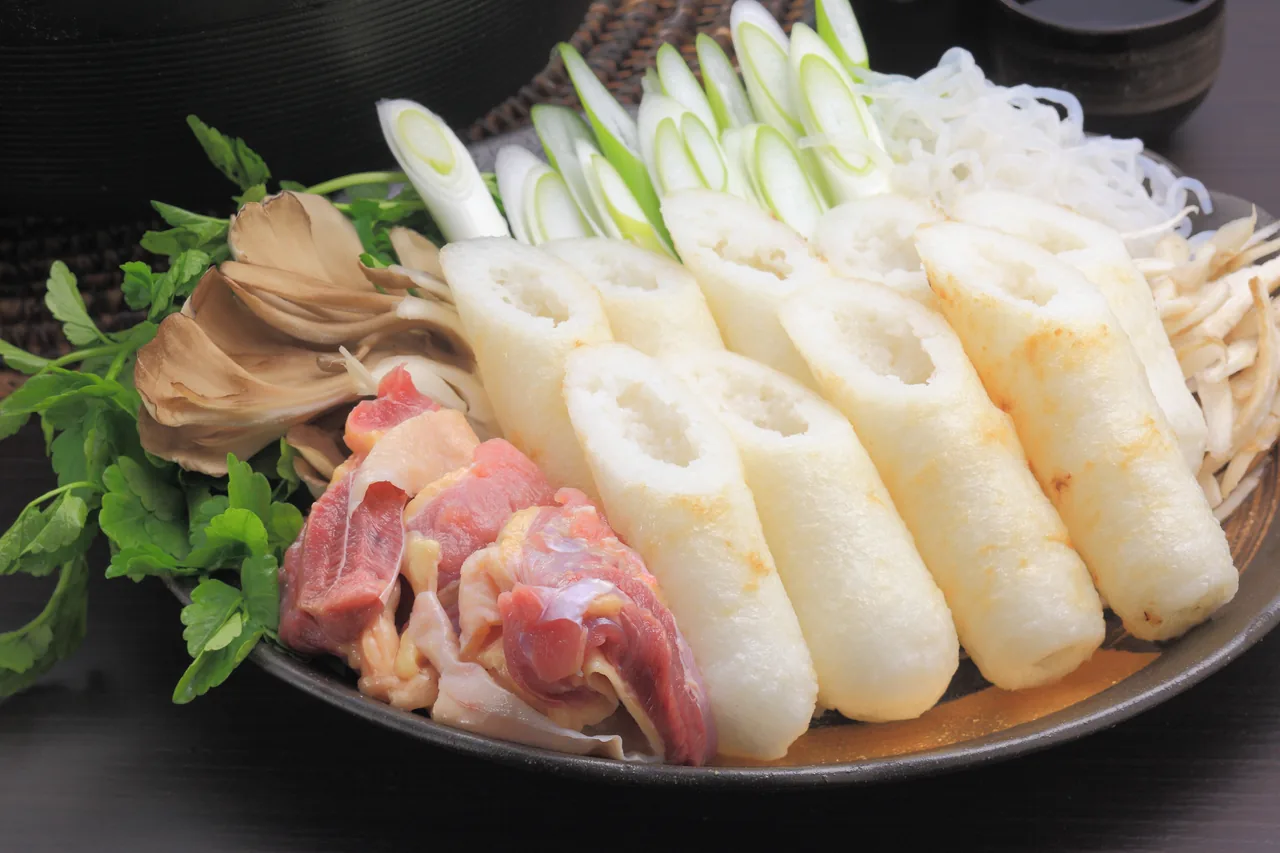
Photo: Akita Prefecture
Hinai jidori, the chicken that gives the broth its depth, is a cross between a rooster from the line of the Hinai-dori, a breed designated a national Natural Monument, and a hen of the American Rhode Island Red breed. Akita Prefecture runs a certification system that controls how the birds are raised. Restaurants in Odate and elsewhere serve it not only in hot pot but also as oyakodon, chicken and egg over rice.
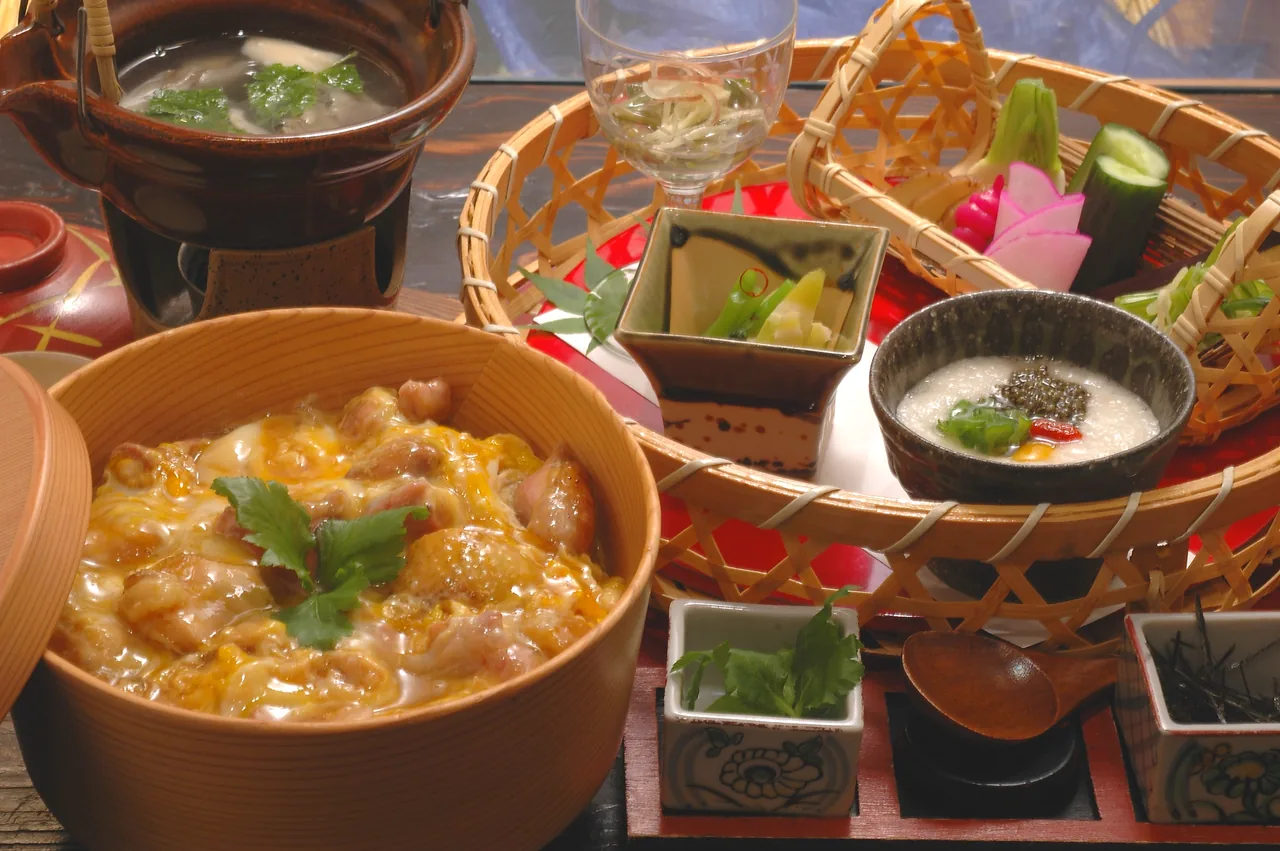
Photo: Akita Prefecture
Inaniwa Udon and Yokote Yakisoba: Noodles of the South
Inaniwa udon, made in the Inaniwa district of Yuzawa City in the south of the prefecture, is a dried udon stretched by hand. The noodles are thin and flat, smooth on the tongue and pleasantly firm. The method is said to have been established in 1665, early in the Edo period. You can eat it cold with a dipping sauce or hot in broth. Because it is dried, it travels well and is a standard souvenir.
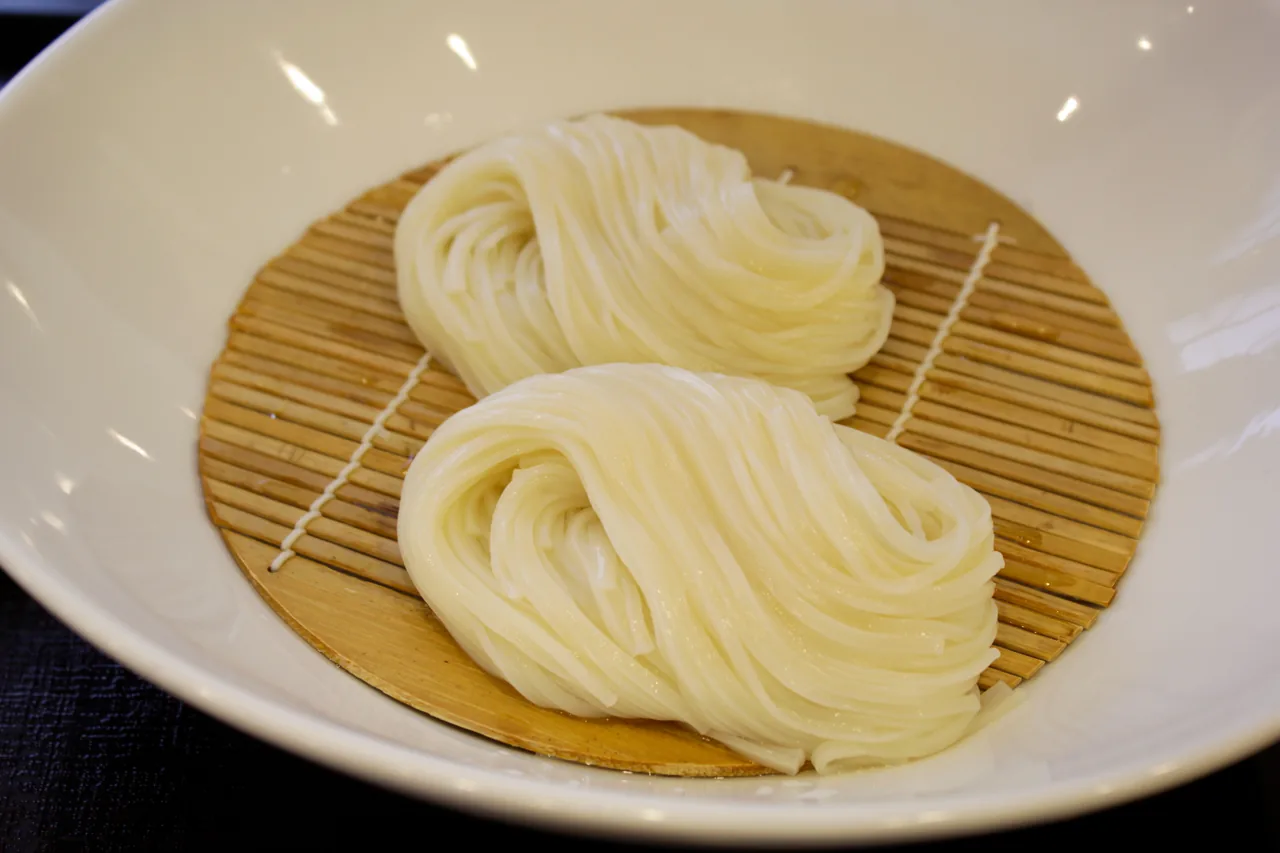
Photo: Akita Prefecture
Yokote yakisoba, from Yokote City, is made with thick, straight boiled noodles stir-fried with cabbage and minced pork in a slightly sweet sauce. It is always topped with a soft fried egg and served with fukujinzuke pickles. Break the yolk and mix it into the noodles. The dish became known across Japan after it won the Gold Grand Prix at the B-1 Grand Prix, a regional food contest held in Yokote in 2009.
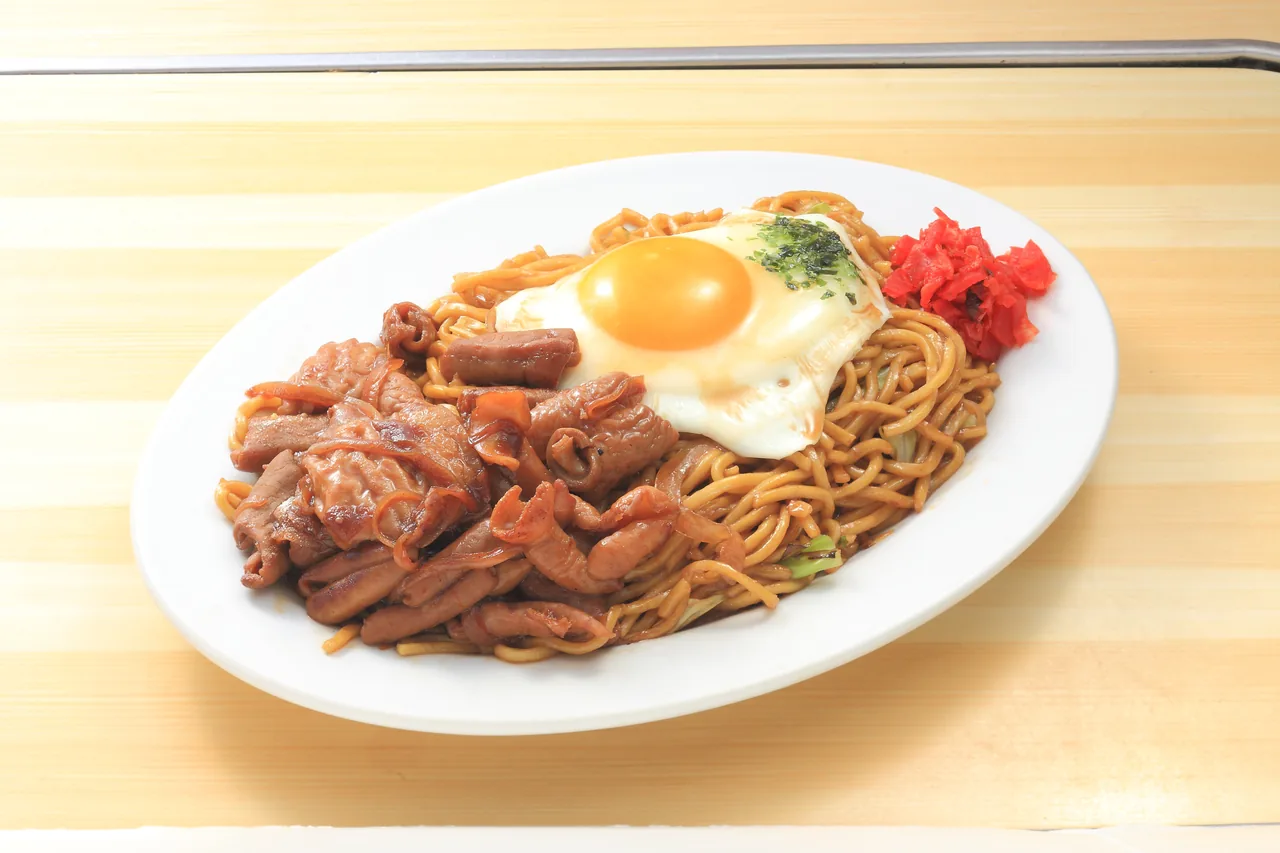
Photo: Akita Prefecture
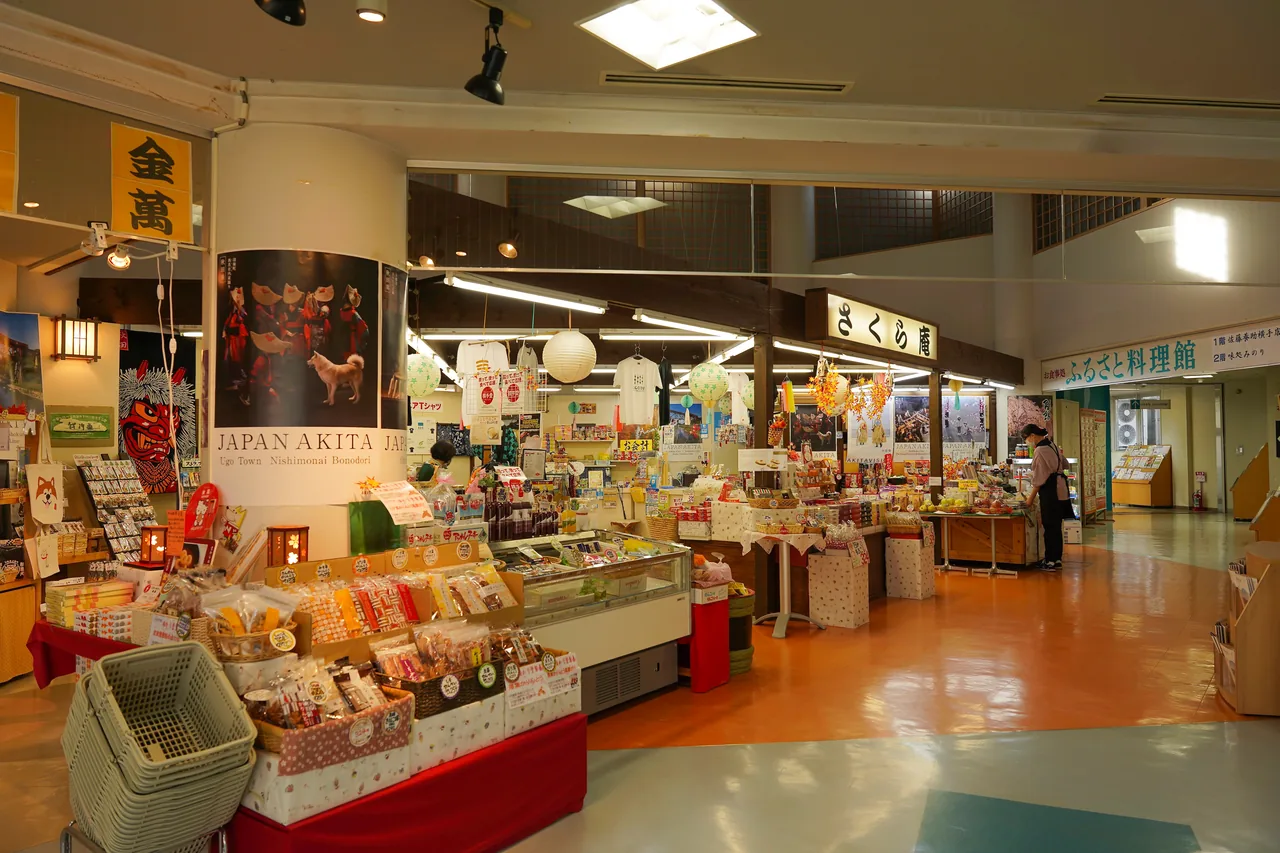
Akita Furusato-mura, right by the Yokote interchange, has restaurants serving Inaniwa udon and Yokote yakisoba and shops gathering souvenirs from all over Akita, so you can try both in one stop.
Iburi Gakko: Pickles Smoked over the Hearth
Iburi gakko is Akita's smoked takuan: daikon radish smoked and dried, then pickled in rice bran and salt. Gakko means pickles in the Akita dialect. Snow comes early in Akita, and daikon left to dry outdoors could freeze before it dried, so people hung it from the rafters and dried it in the smoke of the irori hearth. Today it is usually smoked in a smoking hut over fires of oak, cherry or other hardwoods. It started on farms in the inland part of the prefecture and is now made all over Akita. In 2019 the Akita method of smoking and drying the daikon was registered as a Geographical Indication (GI) by the national government.
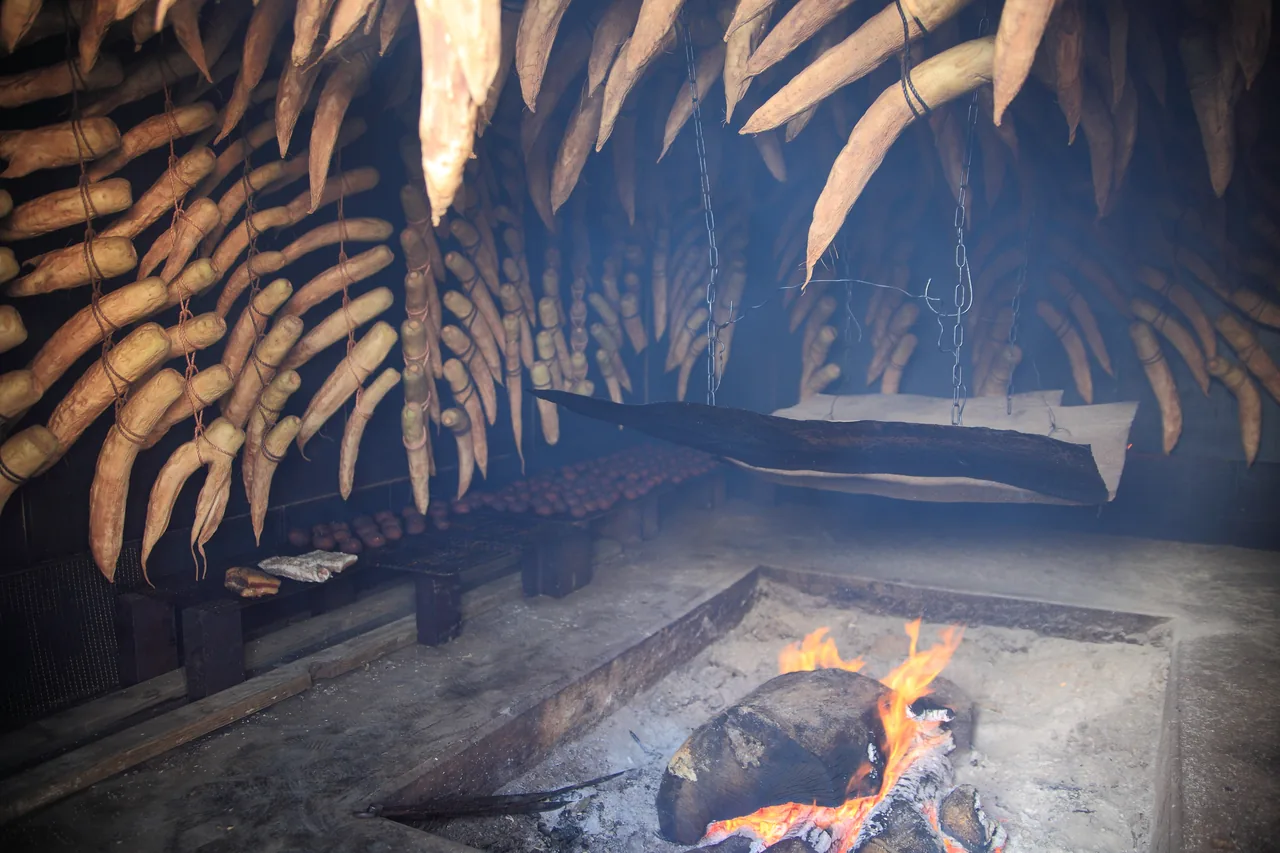
Photo: Akita Prefecture
It has a crunchy bite and a smoky aroma. People eat it as is with tea or sake, and lately you will often see it paired with cream cheese. Vacuum-packed iburi gakko keeps well, which makes it a good souvenir.
Hatahata, Shottsuru Hot Pot and Kayaki: Fish from the Coast
Hatahata (sandfish) is Akita's official prefectural fish. From late November to early December the fish are said to arrive along the coast in huge schools to spawn, together with winter thunder, and the name is thought to come from hatatagami, an old word for thunder. There are two peak seasons: December, when you can taste the roe, called buriko, and October to November, when the fish are fattening up before spawning. Besides salt-grilled hatahata, there is hatahata-zushi, a fermented sushi pickled with rice and koji. In recent years, however, the catch has dropped sharply, and depending on the season and the year it can be hard to find.
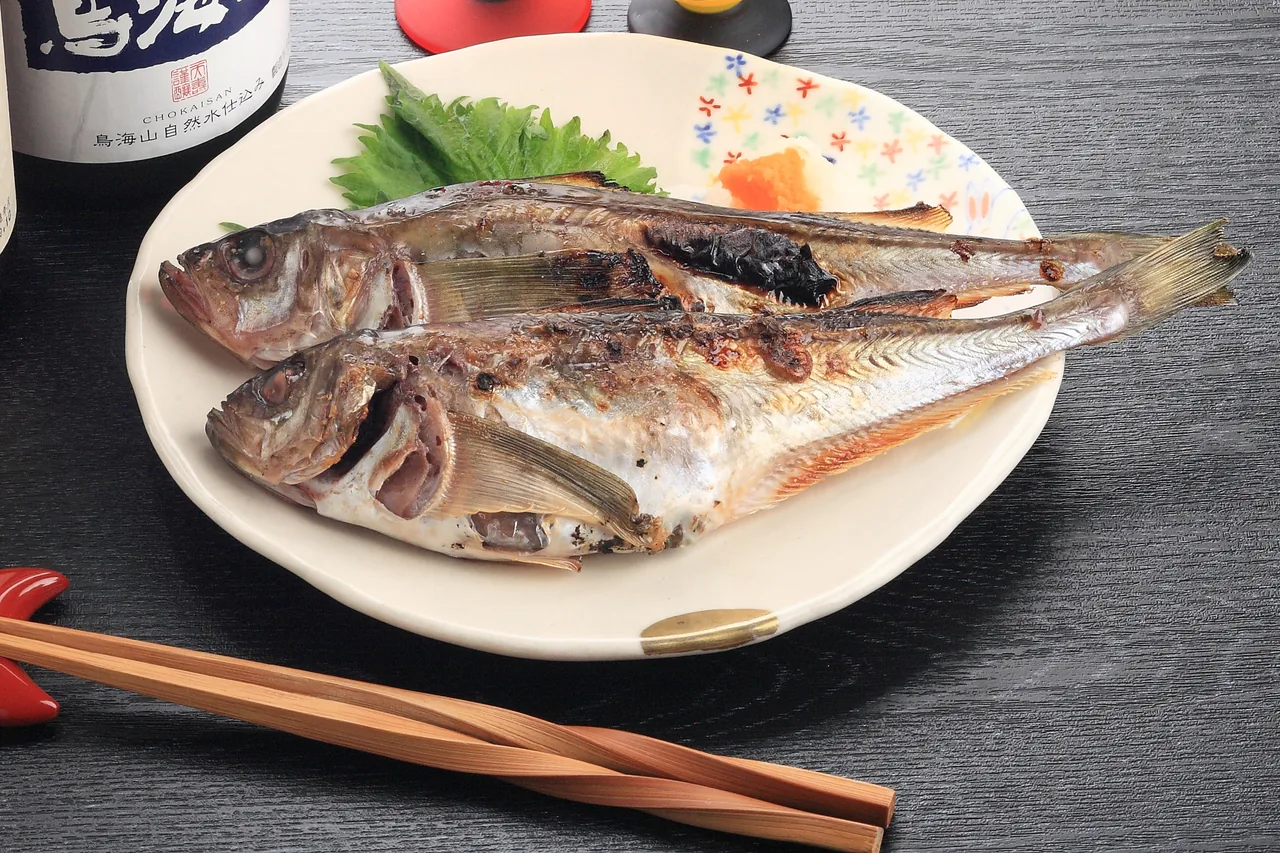
Photo: Akita Prefecture
Akita has its own fish sauce, shottsuru, made by salting fish and leaving it to mature for a long time. Shottsuru nabe is a hot pot seasoned with it and made with hatahata. Simmered with tofu, green onion and mushrooms, the fish gives its flavor to the broth.
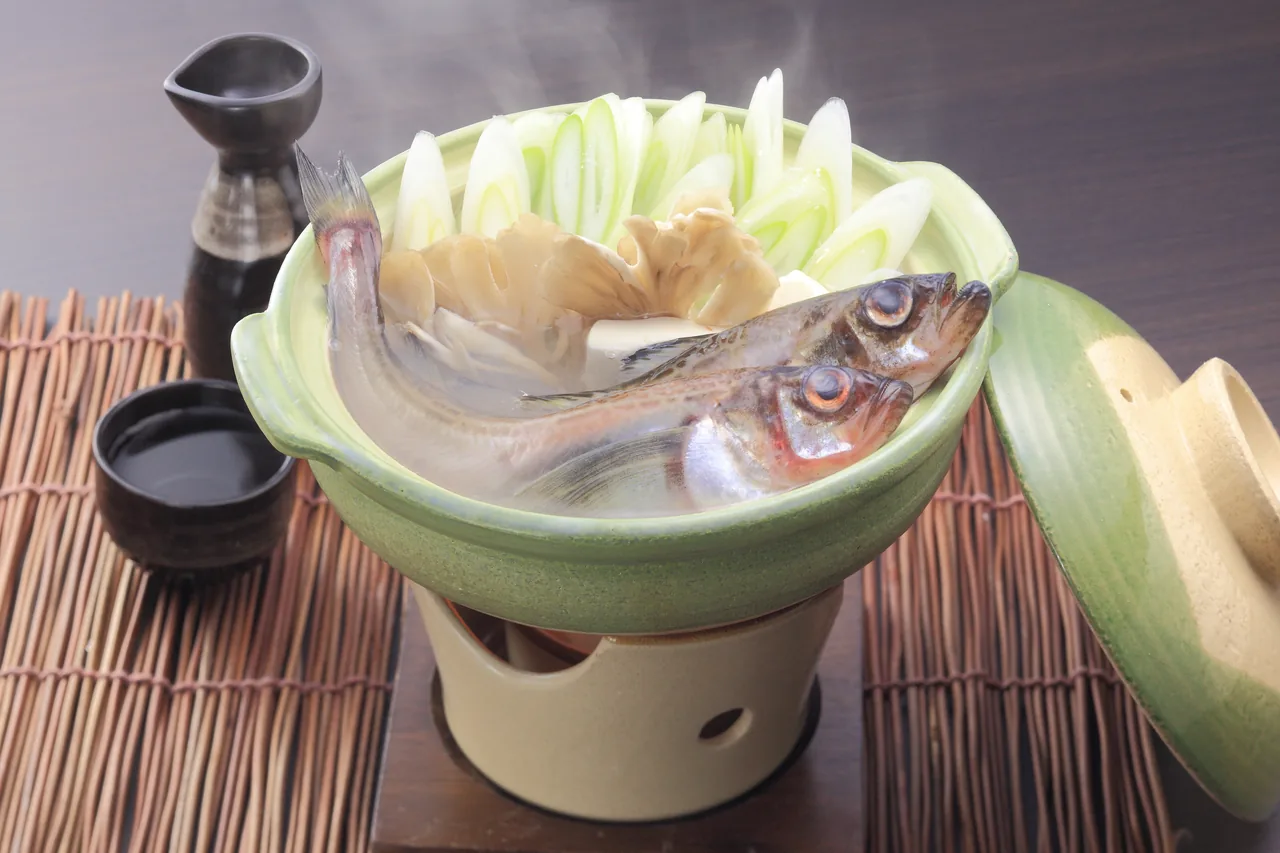
Photo: Akita Prefecture
Another dish that uses shottsuru is kayaki. A large shell serves as a small pot, and seasonal fish and vegetables are simmered in it and seasoned with shottsuru.
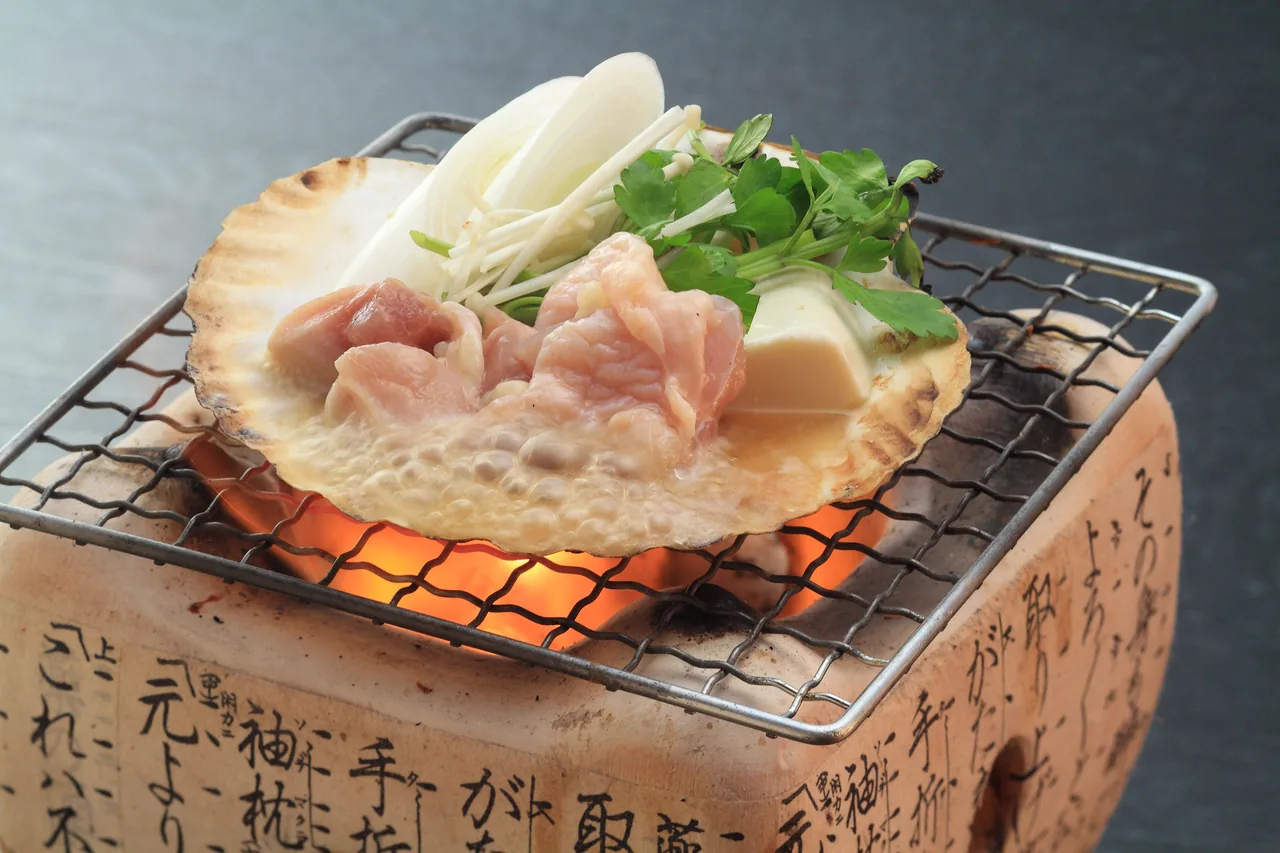
Photo: Akita Prefecture
Oga Ishiyaki: Boiled in a Flash with Red-Hot Stones
On the Oga Peninsula, ishiyaki is made by putting seafood, seaweed and green onion in a wooden tub and dropping in stones heated until red-hot, which bring it to a boil in an instant. It is said to have started with fishermen cooking their catch on the spot, and it is seasoned with miso and other flavors. The moment the stone goes in, the tub hisses and bubbles, so it is quite a sight when it is finished in front of you. It is served mainly at inns in the Oga Onsen area and at restaurants in Oga, and many require a reservation, so when choosing where to stay, check whether they serve ishiyaki.
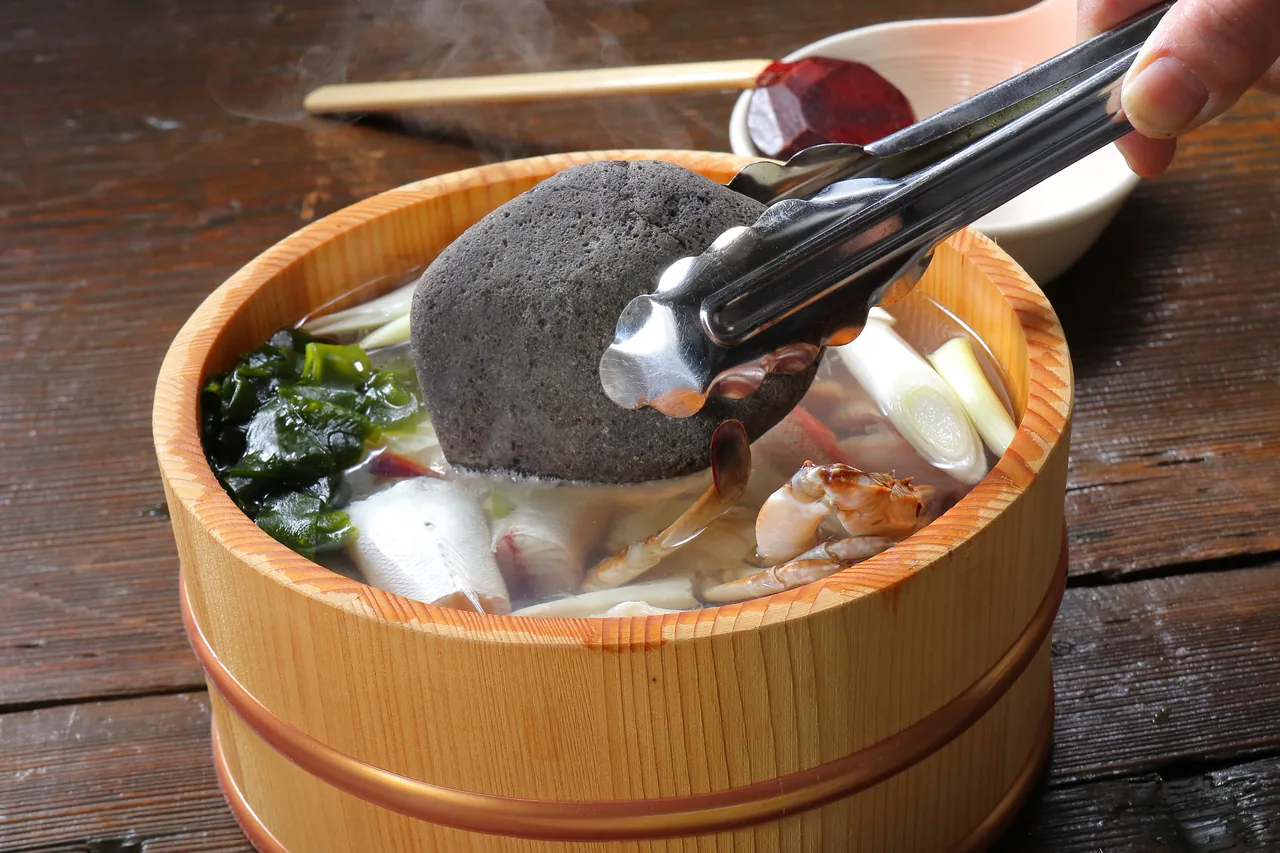
Photo: Akita Prefecture
Natto Soup and Morokoshi: a Winter Soup and a Classic Sweet
Nattojiru, a tradition in the south of the prefecture, is miso soup with ground natto dissolved in it. The ingredients vary by household and restaurant, but mountain vegetables, mushrooms and tofu are common, and the slightly thick broth warms you up. In some areas people still make a big pot at New Year and reheat it through the first three days of the year.
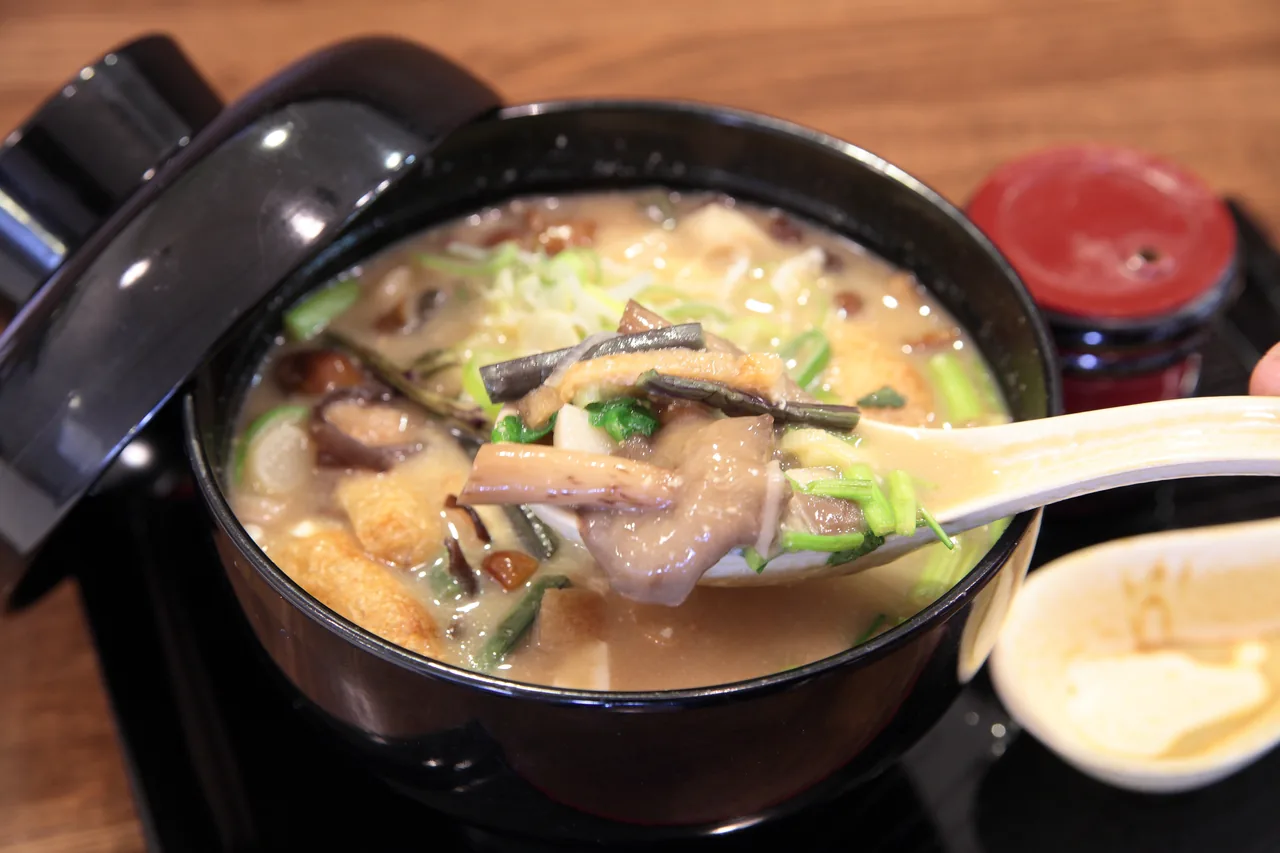
Photo: Akita Prefecture
For something sweet, Akita's classic confection is morokoshi, a dry sweet made from azuki bean flour and sugar. It is said to have been made since the Edo period; it crumbles softly in the mouth and releases the toasty aroma of roasted azuki beans. It is written with the characters for "surpassing all," and one story says the name comes from praise that its flavor surpassed all other sweets. You can buy it at confectioners across the prefecture, including in Kakunodate, and some shops offer it in different colors and shapes.
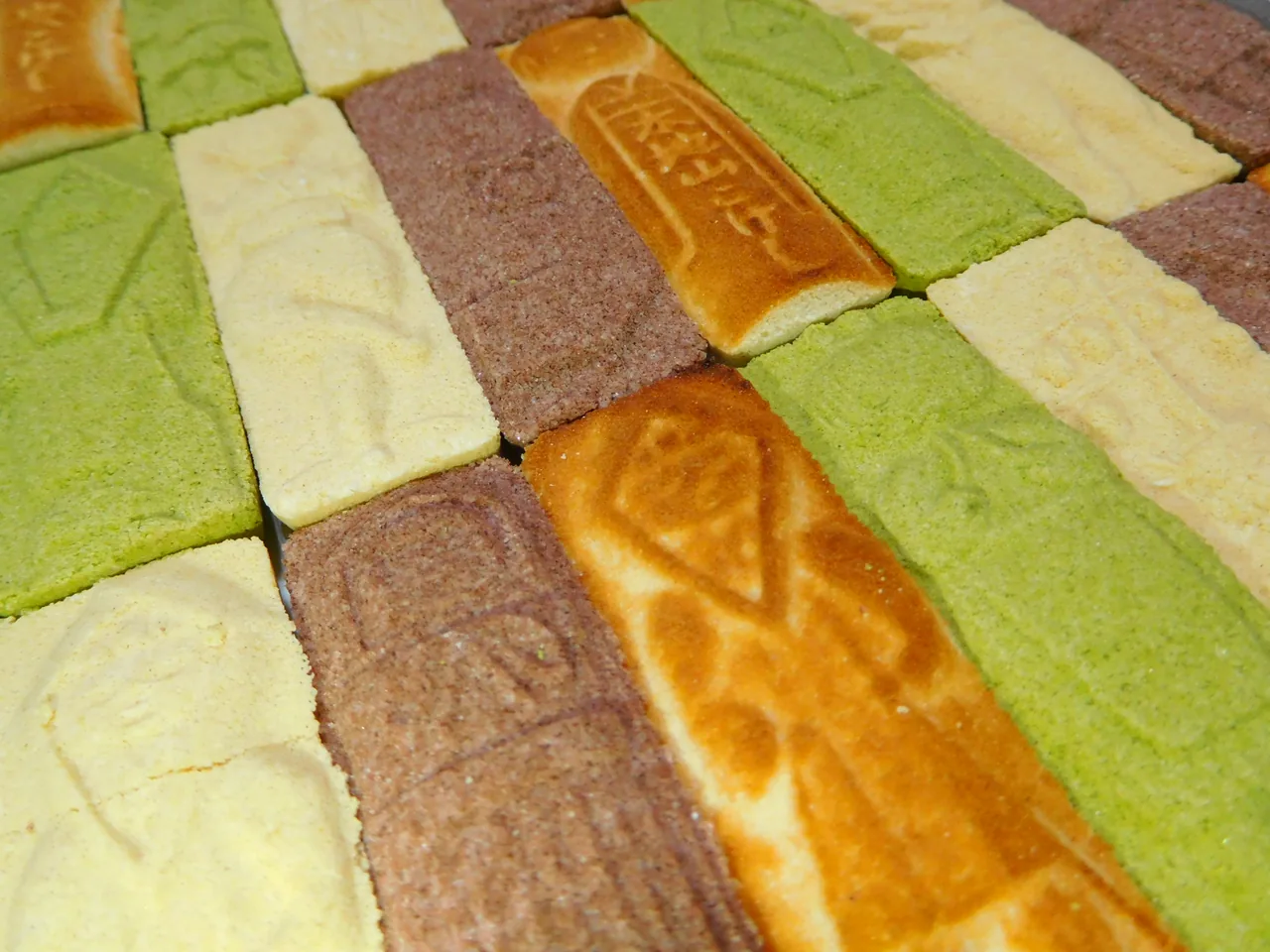
Photo: Akita Prefecture
Where to Eat and Shop on Your Trip
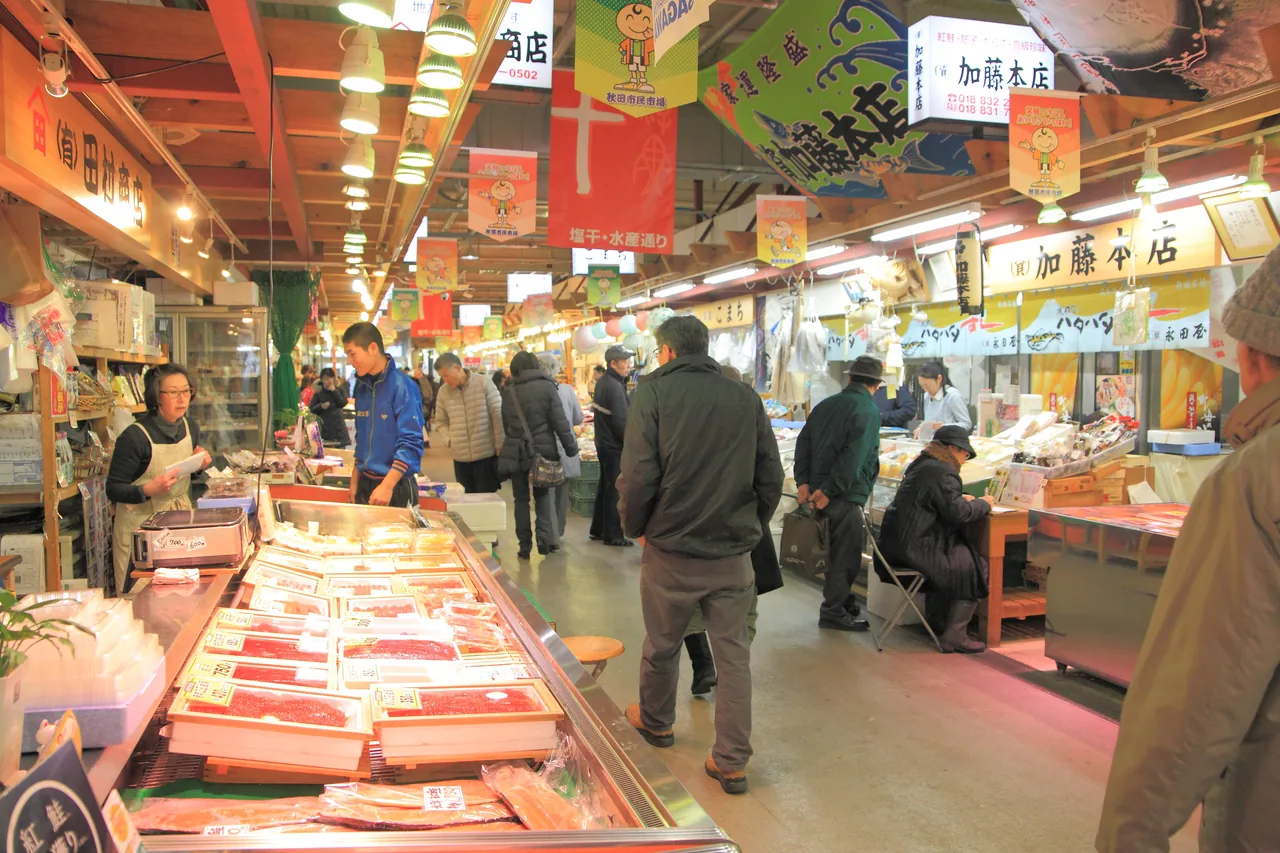
- To see a bit of everything in Akita City: Akita City Market, within walking distance of Akita Station, has hatahata, iburi gakko and prepared foods. You can also eat at the diners and sushi restaurant inside.
- Kiritanpo hot pot: Local restaurants in Akita City and in Odate and Kazuno serve it, mainly from autumn through winter. Whether they use Hinai jidori varies, so check the menu.
- Ishiyaki and shottsuru hot pot: Inns and restaurants in Oga often require a reservation, and on some days hatahata is not available because of the catch.
- Souvenirs: Inaniwa udon, iburi gakko, morokoshi and shottsuru are easy to carry at room temperature. If you take liquid seasonings home by plane, mind the carry-on liquid limits.
To pair these dishes with local sake, see our Akita sake brewery guide. For more on local dishes and ingredients, the Ministry of Agriculture, Forestry and Fisheries has a page on Akita in its "Our Regional Cuisines" series (in Japanese).