Akita Sake Brewery Guide: Sake, Miso and Soy Sauce, and a Winery
This guide is translated from the Japanese edition. Read the Japanese edition
Akita sake brewery guide: Hinomaru Jozo in Masuda, Takashimizu in Akita City, Yukinobosha, a Yuzawa miso and soy sauce maker and Kosaka's winery, with tour tips.
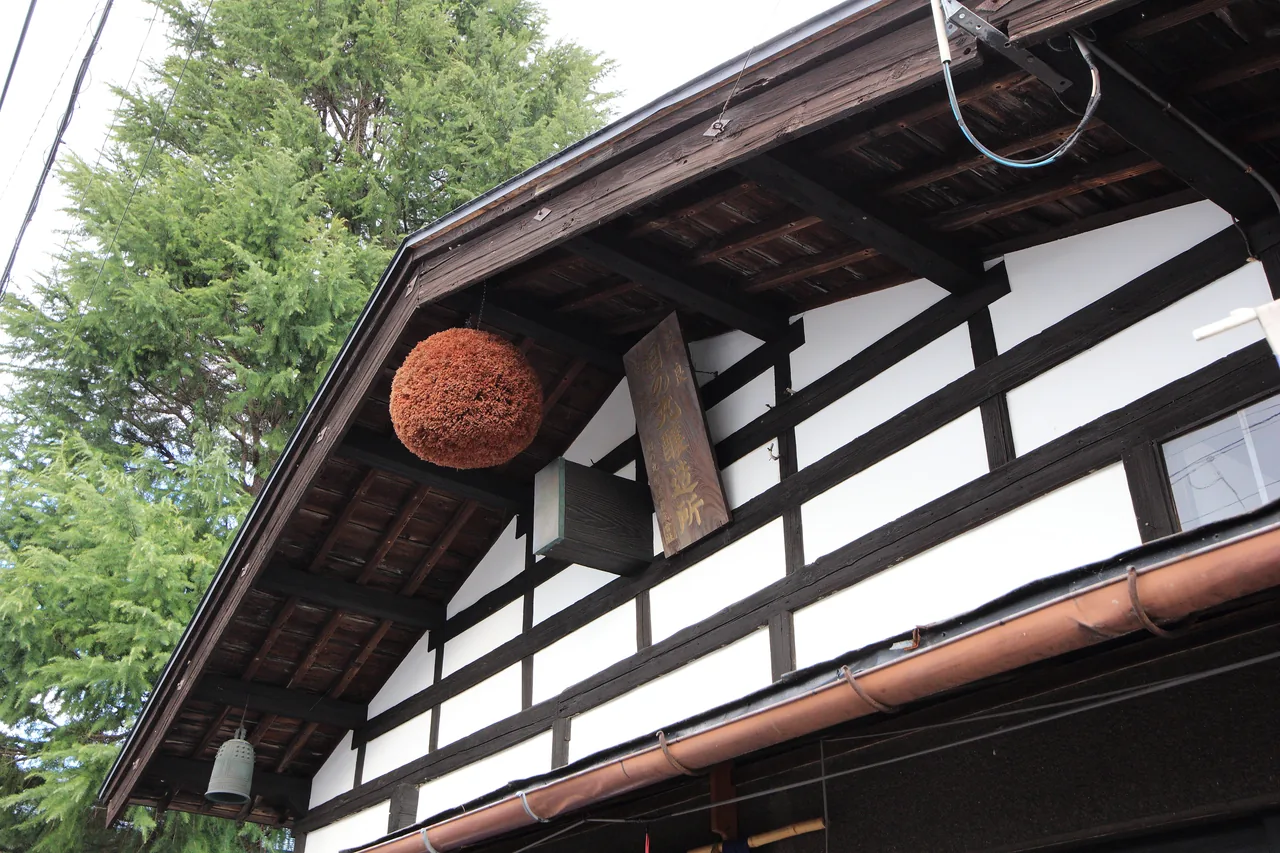
Walk through an Akita town in winter and you will spot balls of bundled cedar leaves, called sugidama, hanging from the eaves of white-walled storehouses. They mark a sake brewery. Akita is rice country, its cold winters suit sake making, and breweries survive all over the prefecture. Rice and koji make more than sake, though. A brewery trail in Akita can combine five places: three sake breweries, a miso and soy sauce maker, and a winery that uses wild mountain grapes.
Sake Making in Akita: Rice, Brewers and Winter Cold
Akita Prefecture has invested heavily in rice bred for sake. Akita Sake Komachi came out of a 15-year program that began in 1988; its grains are large and it is said to share many qualities with Yamada Nishiki, the best-known sake rice. Newer varieties such as Ichihozumi and Hyakuden have followed and are used by breweries across the prefecture for junmai and ginjo sake.
The sake itself is made under a master brewer called a toji. In Akita, the Sannai toji are well known, and quite a few breweries say they carry on their skills. Many also point to slow fermentation at low temperatures, making use of the cold winter climate, as a hallmark of their sake.
Hinomaru Jozo: the Brewery in Masuda, Town of Hidden Storehouses
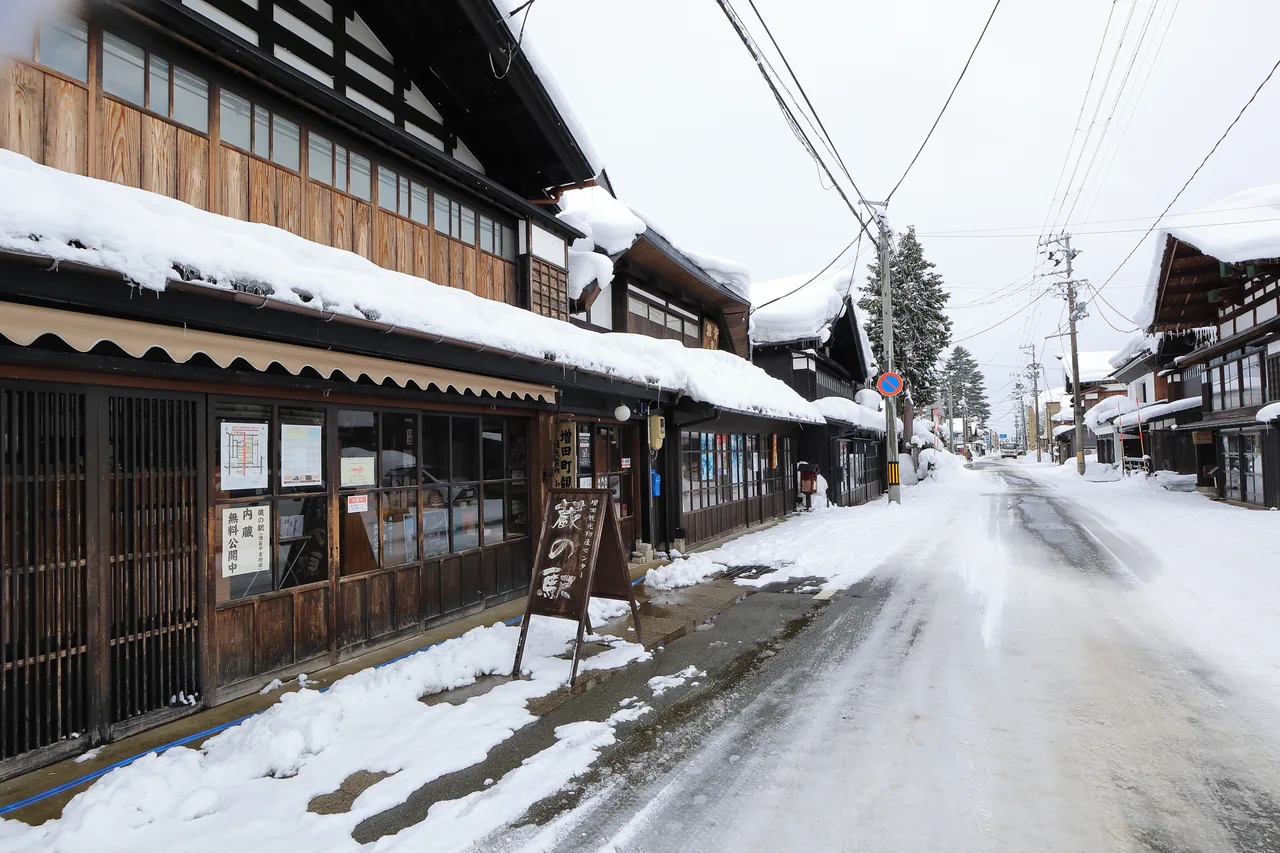
Masuda in Yokote City is known for its uchigura, earthen storehouses hidden behind merchant houses, and the Masuda Historic Townscape is a nationally designated Preservation District for Groups of Traditional Buildings. Hinomaru Jozo, on the main street, is now the only sake brewery in Masuda. Its signature brand is Mansaku no Hana, and the big sign out front reads "founded in the second year of Genroku."
The main house dates from the Meiji period and the bunko-gura storehouse at the back from 1908; both are registered Tangible Cultural Properties. The brewery also sells limited sake available only at the brewery. Whether you can tour the uchigura or taste sake varies by season, so check Yokote City's guide to Masuda's open buildings or contact the brewery before you go.
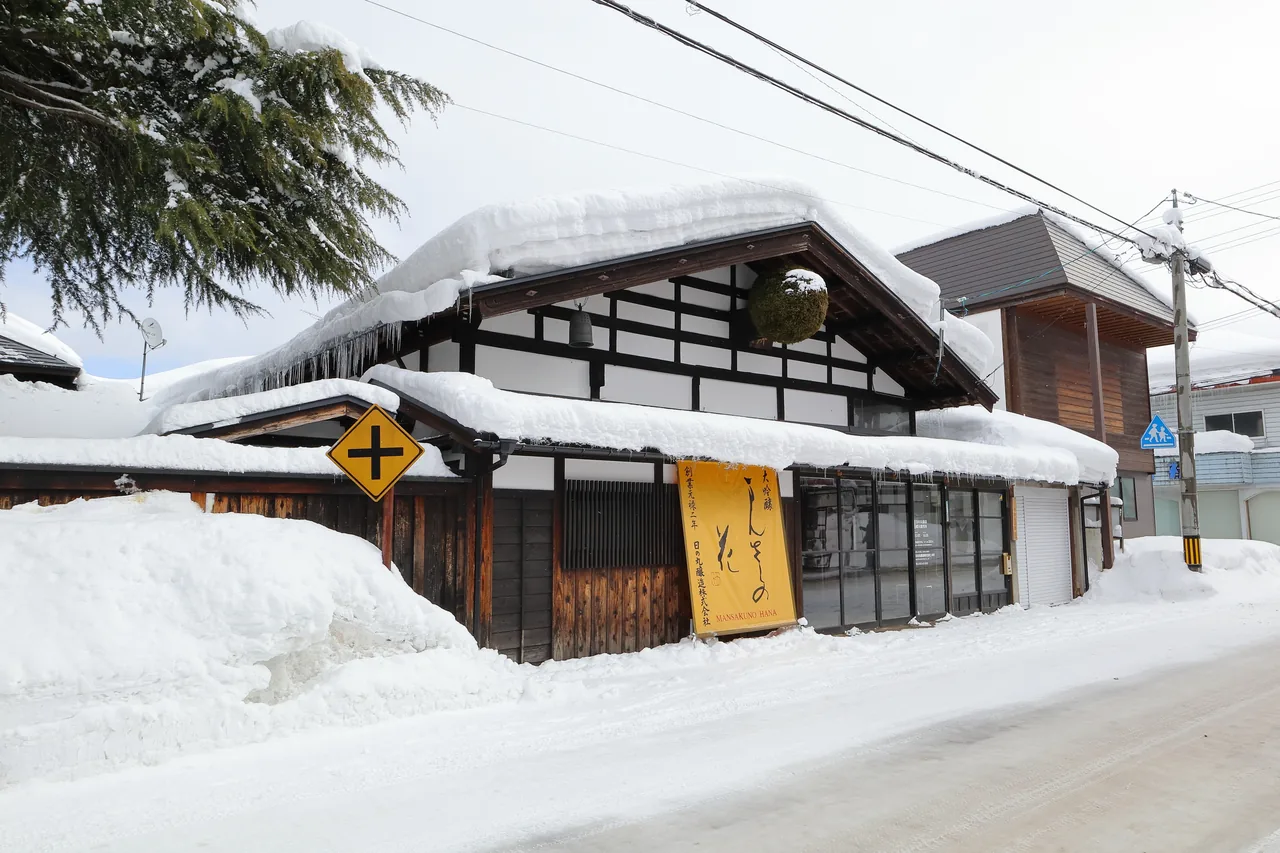
Photo: Akita Prefecture
Takashimizu: a Large Brewery to Tour in Akita City
Akita Shurui Seizo in Kawamoto, Akita City, is the brewery behind the Takashimizu brand. Tours of the head brewery are by reservation: staff show a video of the production process, take you around the brewery and finish with a tasting and shopping. The site holds two brewing buildings, Senshu-gura and Sennin-gura, a hand-crafting brewery school that passes on Takashimizu's history. Actual brewing takes place from about December to February. Reservations are accepted by phone, email or the form on the official website.
The company shop Kura Kura, next to the head brewery, sells sake and related goods even if you don't join a tour. Around the Akita Kanto Festival in early August, tour times and shop days can change, so check the notices on the official website.
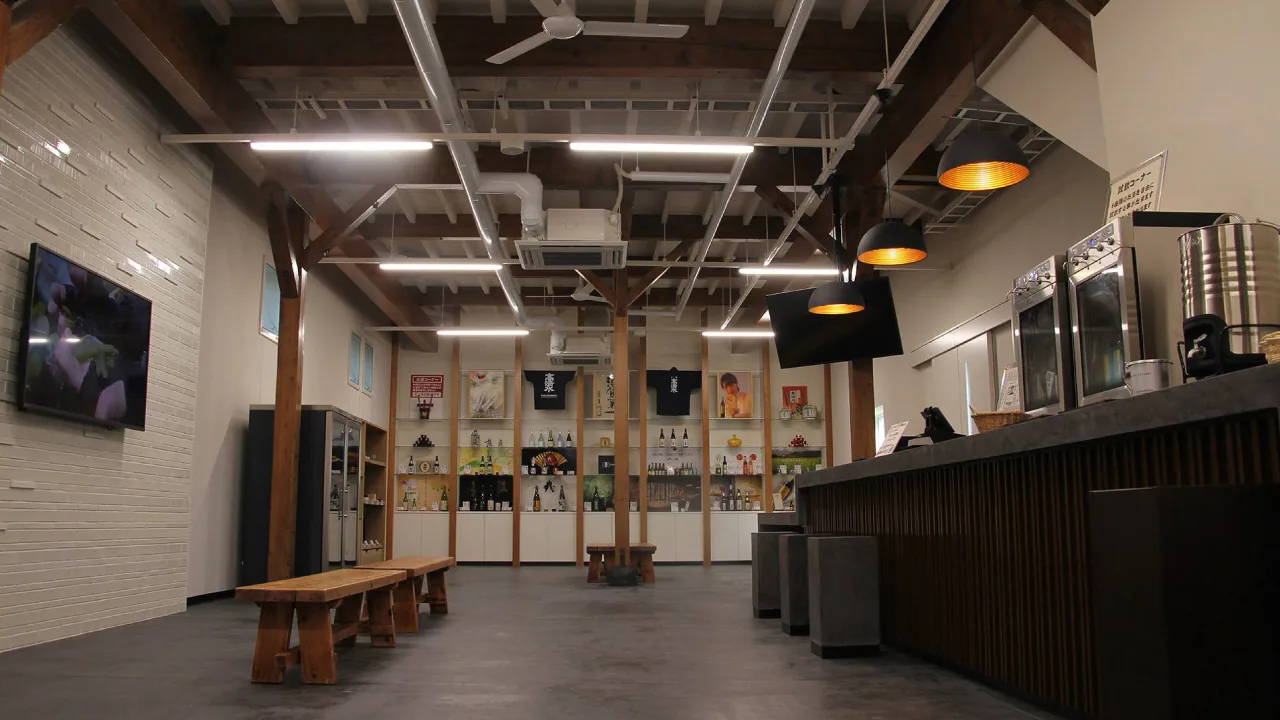
Photo: Akita Prefecture
Yukinobosha: a Hillside Brewery in Ishiwaki, Honjo
Ishiwaki, in the Honjo area of Yurihonjo City, prospered from river trade on the Koyoshi River and is blessed with spring water. Saiya Shuzoten has been making sake here since 1902 and produces the Yukinobosha and Yuri Masamune brands. The brewery is built into a slope and is also known as the "climbing brewery." Ten of its buildings, including the house and shop, are registered Tangible Cultural Properties.
Across the street, its own shop, Hakko Koji Taya, shows the brewery on video and sells its sake.
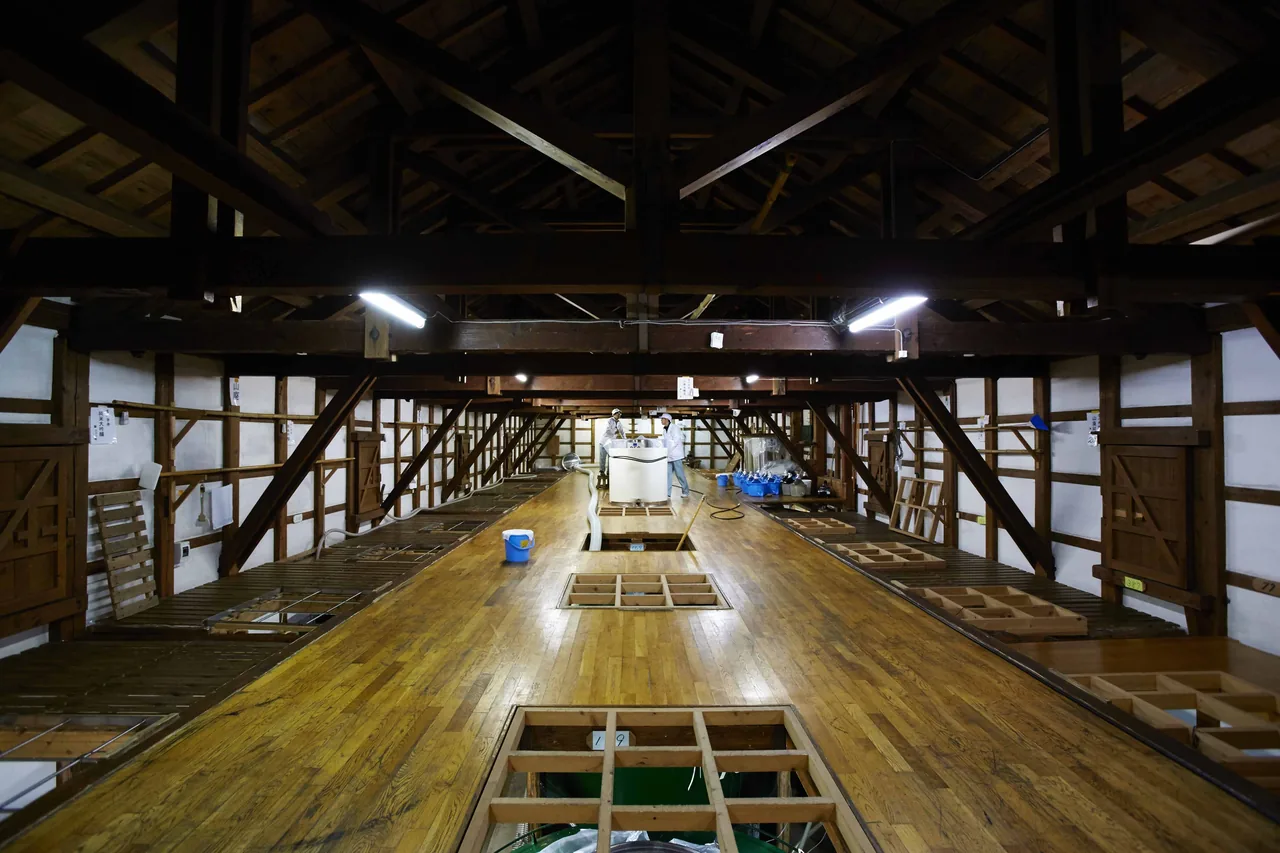
Photo: Akita Prefecture
Yamamo: Miso and Soy Sauce Matured in Earthen Storehouses
Yamamo Miso and Soy Sauce (Takamo Gomei Kaisha) in Iwasaki, Yuzawa City, has made miso and soy sauce since the end of the Edo period. It still brews naturally, the traditional way, in the seven earthen storehouses on its grounds. Its workshop for pasteurizing and filtering soy sauce, the brewing storehouse used for koji making and mashing, and its vinegar storehouse are among the registered Tangible Cultural Properties.
Part of the storehouses is now a café where you can have a meal or something sweet inside the old buildings. There is also a guided program around the storehouses and garden; check the official website for details and how to apply. It is about a 15-minute walk from JR Shimo-Yuzawa Station.
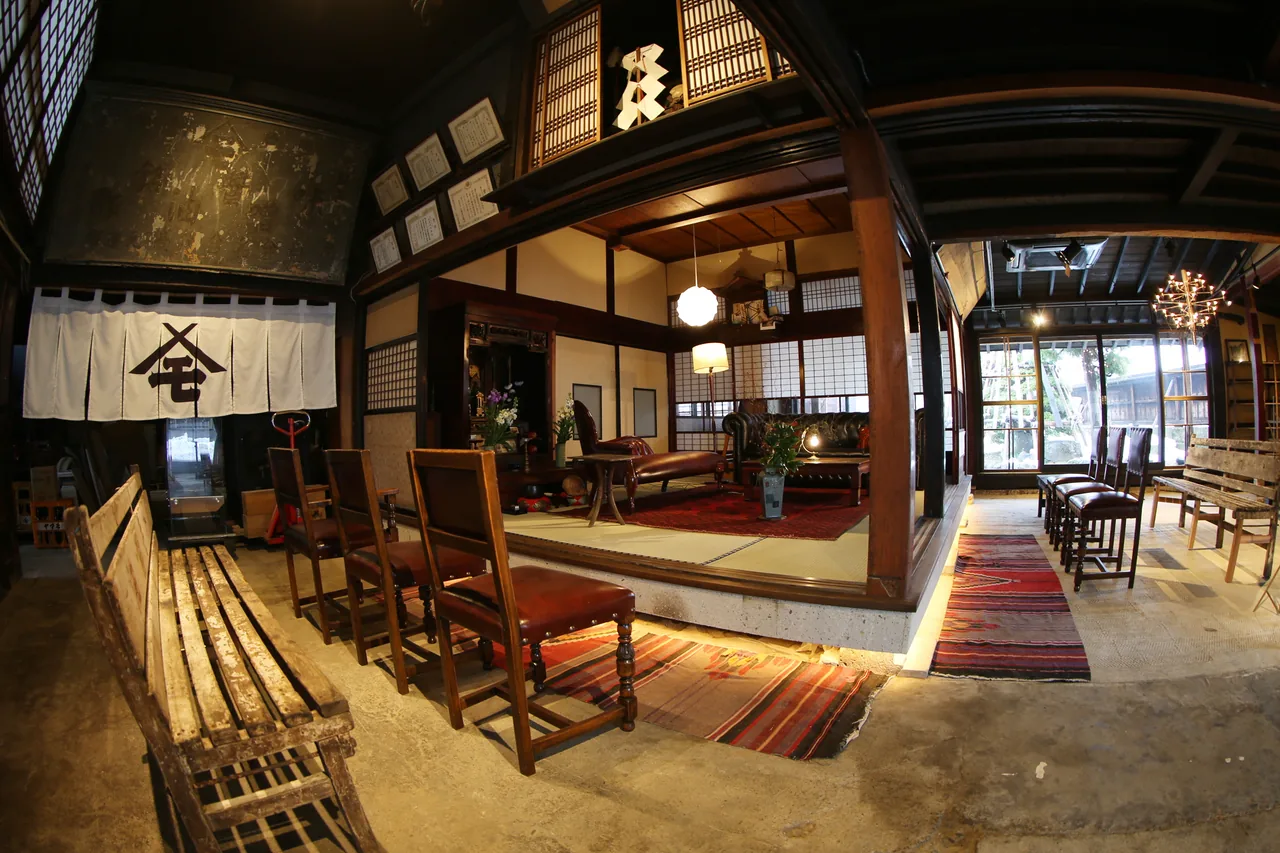
Photo: Akita Prefecture
Kosaka Nanataki Winery: Wine from Wild Mountain Grapes
In Kosaka, in the northeast of the prefecture near Lake Towada, wine is made from yamabudo, wild mountain grapes the town has grown as a local specialty. Kosaka Nanataki Winery opened in October 2017 near the Michi-no-Eki Kosaka Nanataki roadside station. It makes wine from local mountain grapes and yamabudo hybrids, using only Japanese-grown grapes. In spring 2022 a cellar door for tasting and shopping opened next door. Winery tours require a reservation.
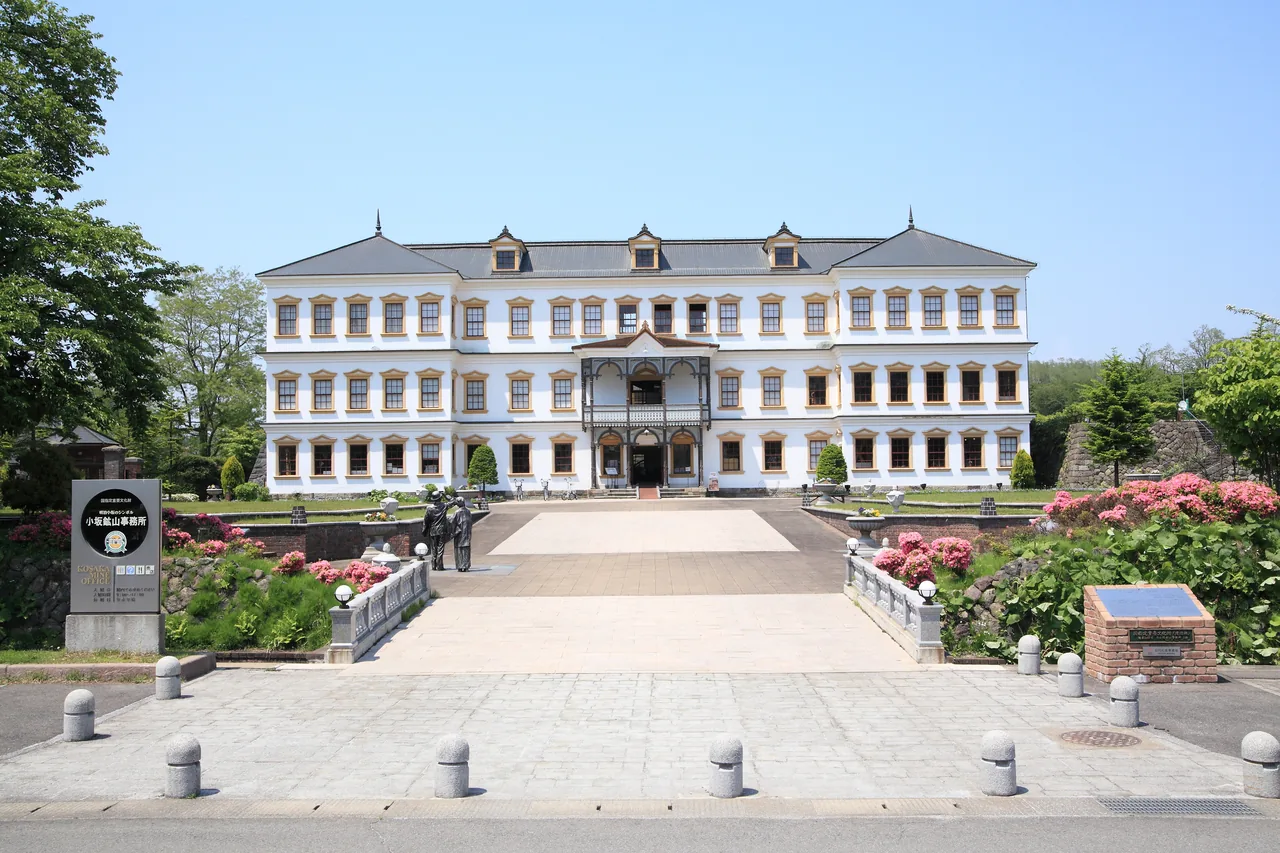
In the town of Kosaka you will also find Korakukan, a Meiji-era playhouse, and the white Western-style Former Kosaka Mine Office; by car you can combine them with the winery.
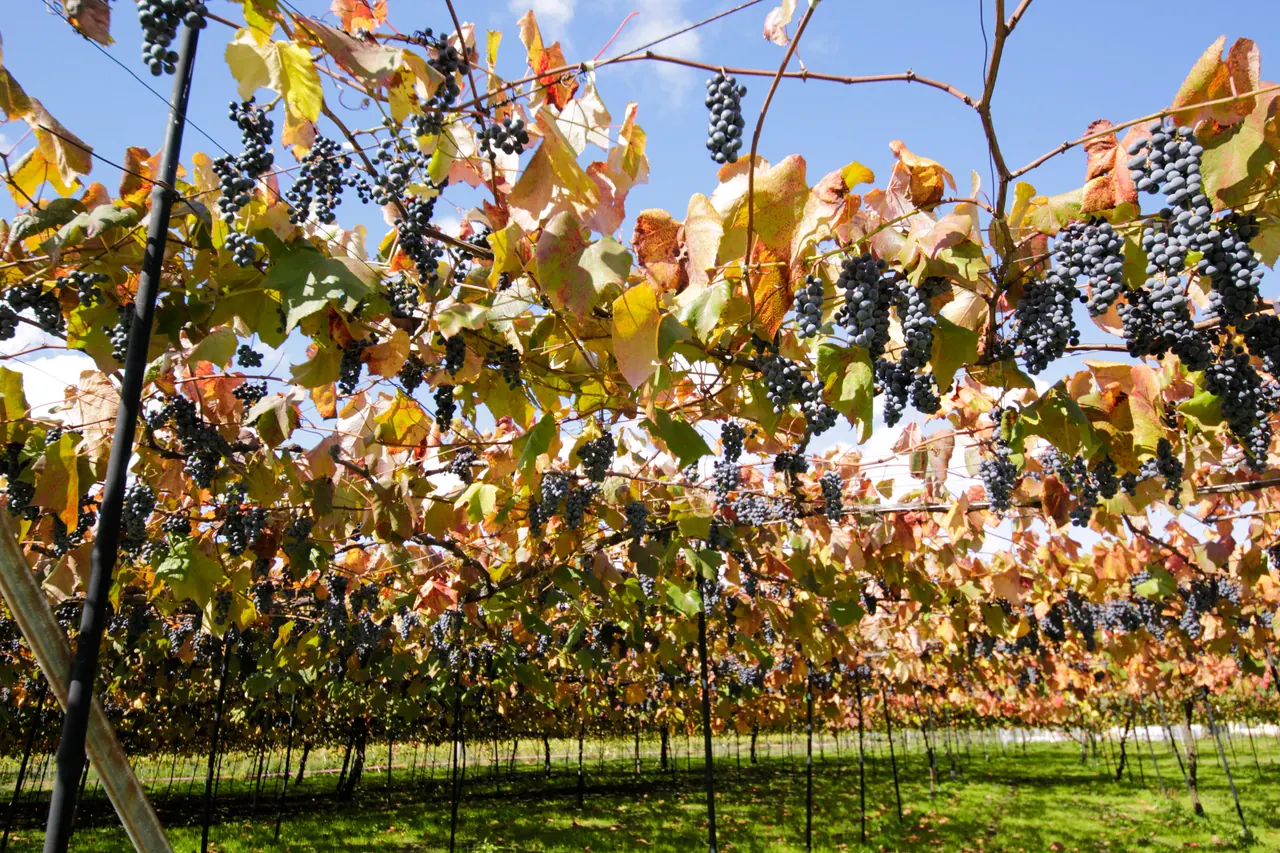
Photo: Akita Prefecture
Before You Visit a Brewery
- Book ahead: Even breweries that welcome visitors usually require a reservation. During the brewing season some put the work first and don't take tours.
- If you are driving, skip the tasting: Drink-driving is strictly prohibited by law in Japan. Drivers should pass on tastings; plan your route around trains and taxis instead.
- Taking bottles home: Have bottles wrapped so they don't break; they usually go in checked luggage. Sake is sensitive to heat, so in summer don't leave it sitting in a car.
For dishes that go with Akita sake, see our guide to Akita food. For the latest tour information, check each brewery's official website, such as Takashimizu's brewery page (in Japanese).