Aomori Autumn Leaves: 8 Spots from Oirase to Hirosaki Castle
This guide is translated from the Japanese edition. Read the Japanese edition
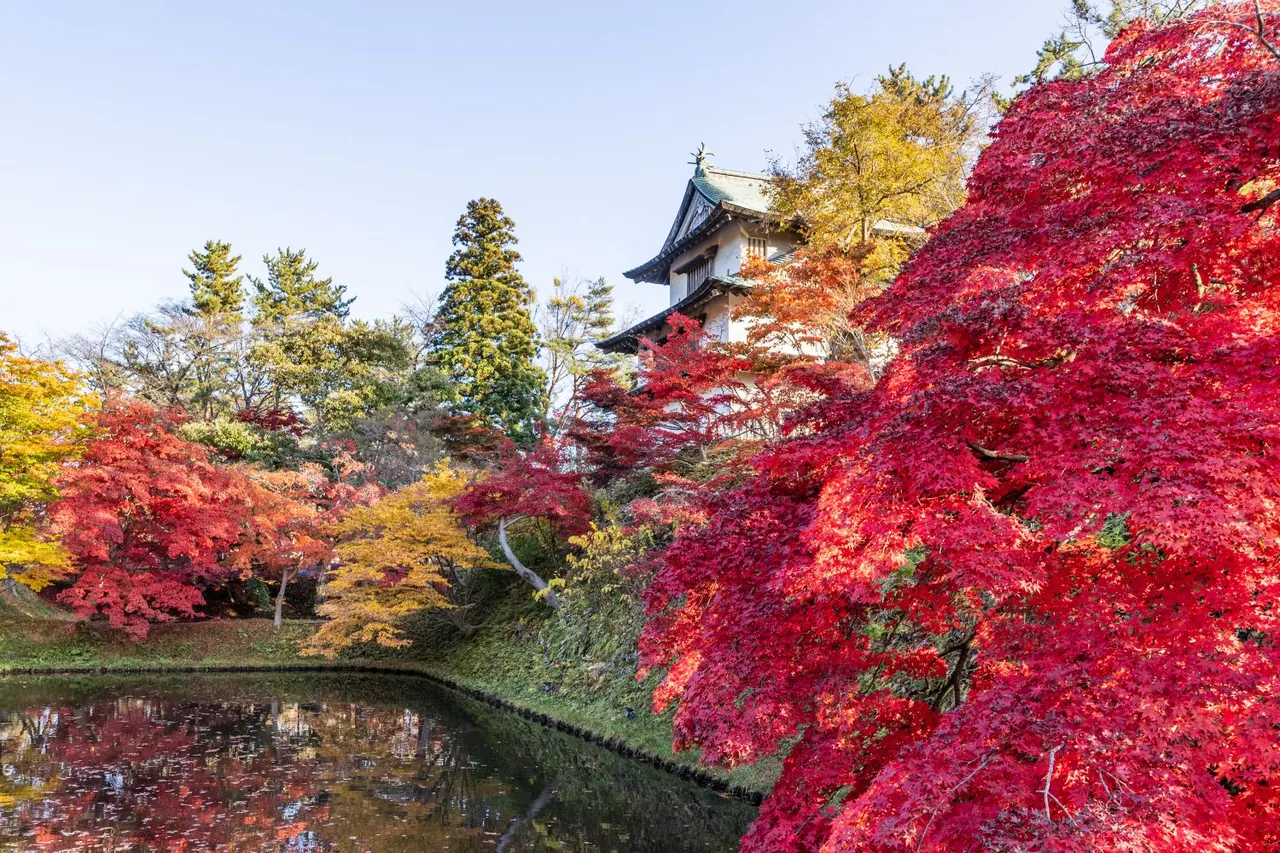
Aomori autumn leaves from Hakkoda, Tsutanuma, Oirase and Lake Towada to Hirosaki Castle and a giant ginkgo: timing, Tsutanuma's dawn reservations and driving tips.
Aomori's autumn colour begins in late September near the summits of the Hakkoda Mountains. From there it works its way downhill, and in November the peak moves to the castle town of Hirosaki and a ginkgo on the Sea of Japan coast. Below are eight places where the leaves look completely different — mountains, a stream, a pond, a castle and a giant tree — roughly in the order they change colour.
When do the leaves peak in Aomori?
The high Hakkoda Mountains come first. According to the Hakkoda Ropeway, the colour usually runs from late September to late October, and the view from the ropeway is at its best around 10 October. Down on the Tsugaru plain, Nakano Momijiyama peaks from late October to early November, and in 2025 Hirosaki Castle's leaves were at their best from around 30 October. The Kitakanegasawa ginkgo on the Sea of Japan side turns late: in 2026 it is lit up for the yellow-leaf season from 12 to 30 November.
The timing shifts from year to year. Before you go, check the autumn leaf reports published by local tourist information centres and municipalities to see how far the colour has progressed.
Hakkoda: up into the autumn mountains by ropeway
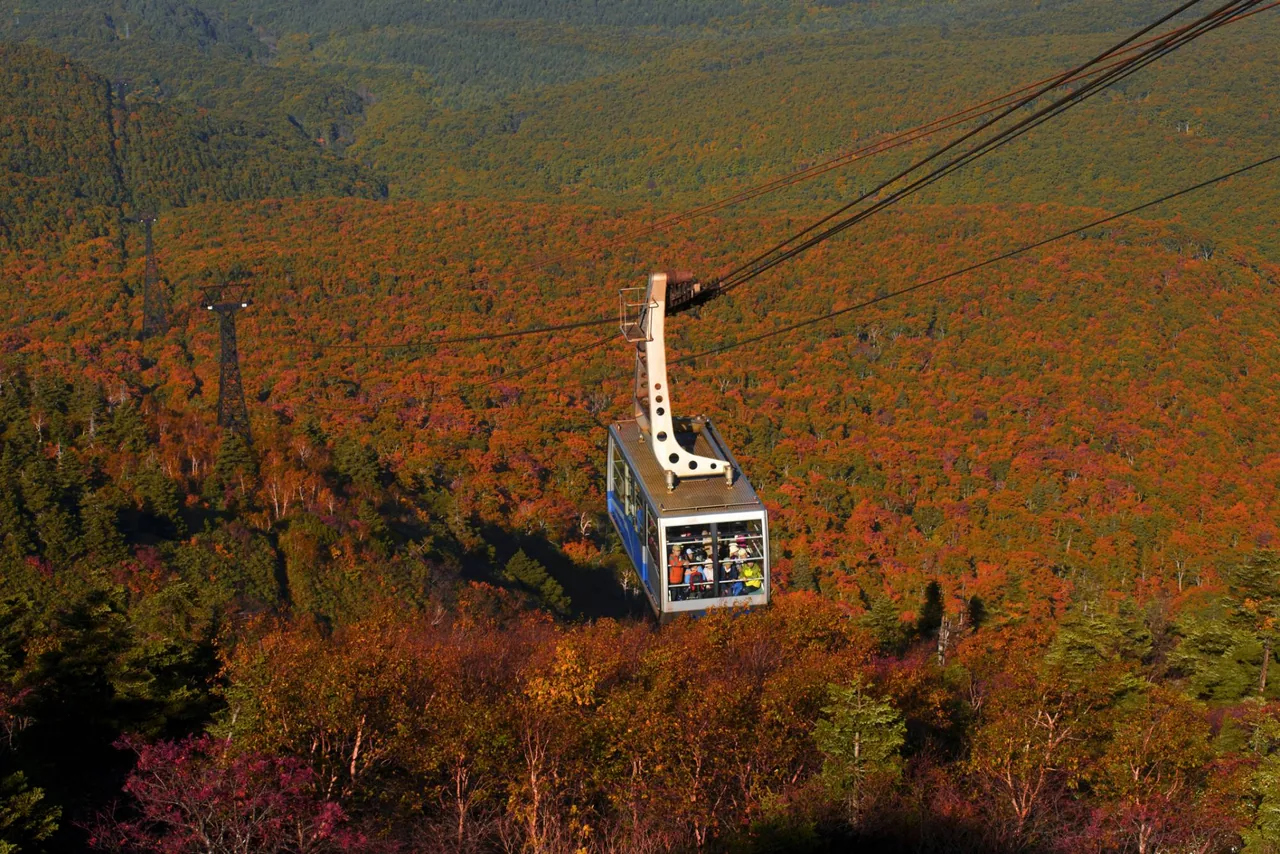
Hakkoda is the group of volcanic peaks south of Aomori City. The Hakkoda Ropeway takes about 10 minutes from the base station to Sancho Koen (summit park) Station. Below the gondola windows, slopes spread out in a patchwork of evergreen green and the reds and yellows of broadleaf trees.
It is much colder at the top than at the base, and the wind can be biting even in October, so bring an extra layer. The ropeway can stop in strong winds; check the operating status on the official site.
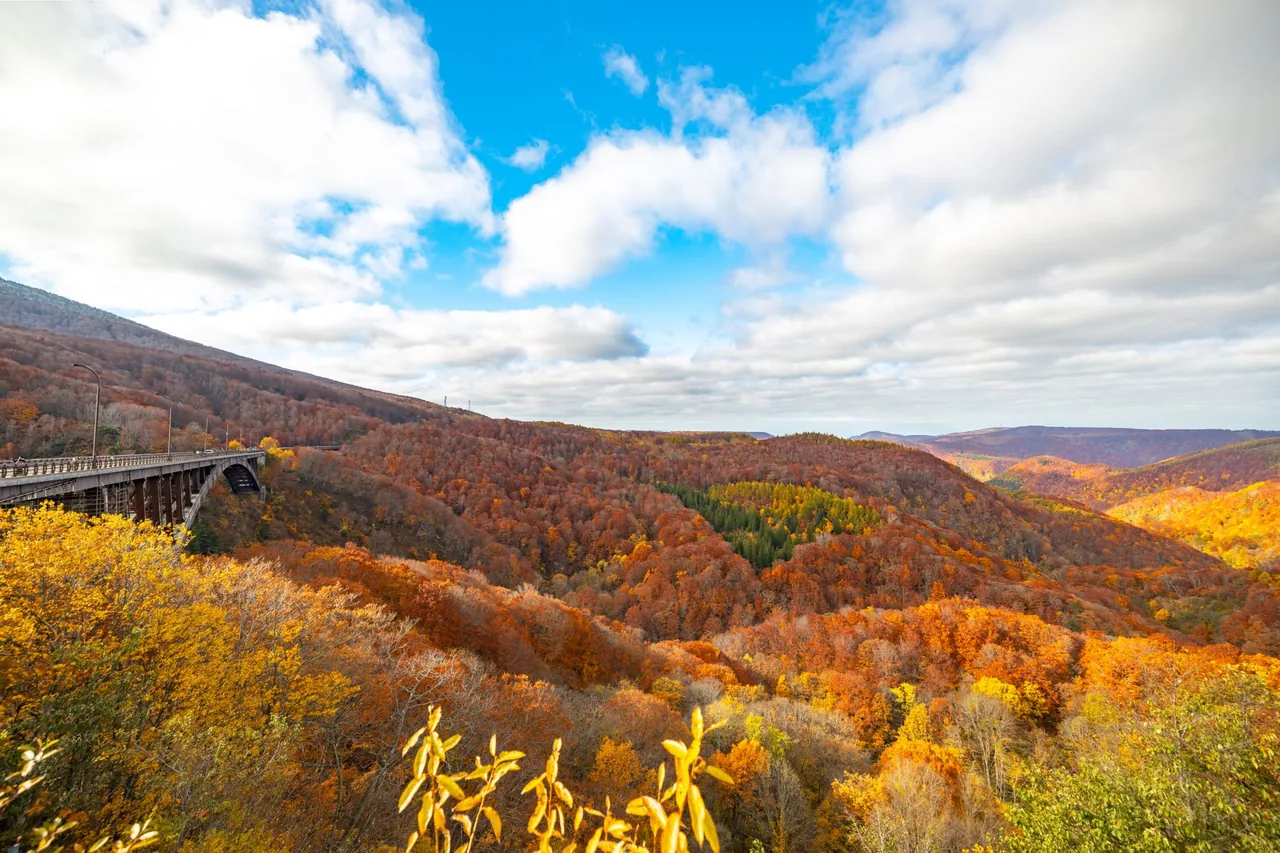
Jogakura Bridge: looking down from 122 m above the valley
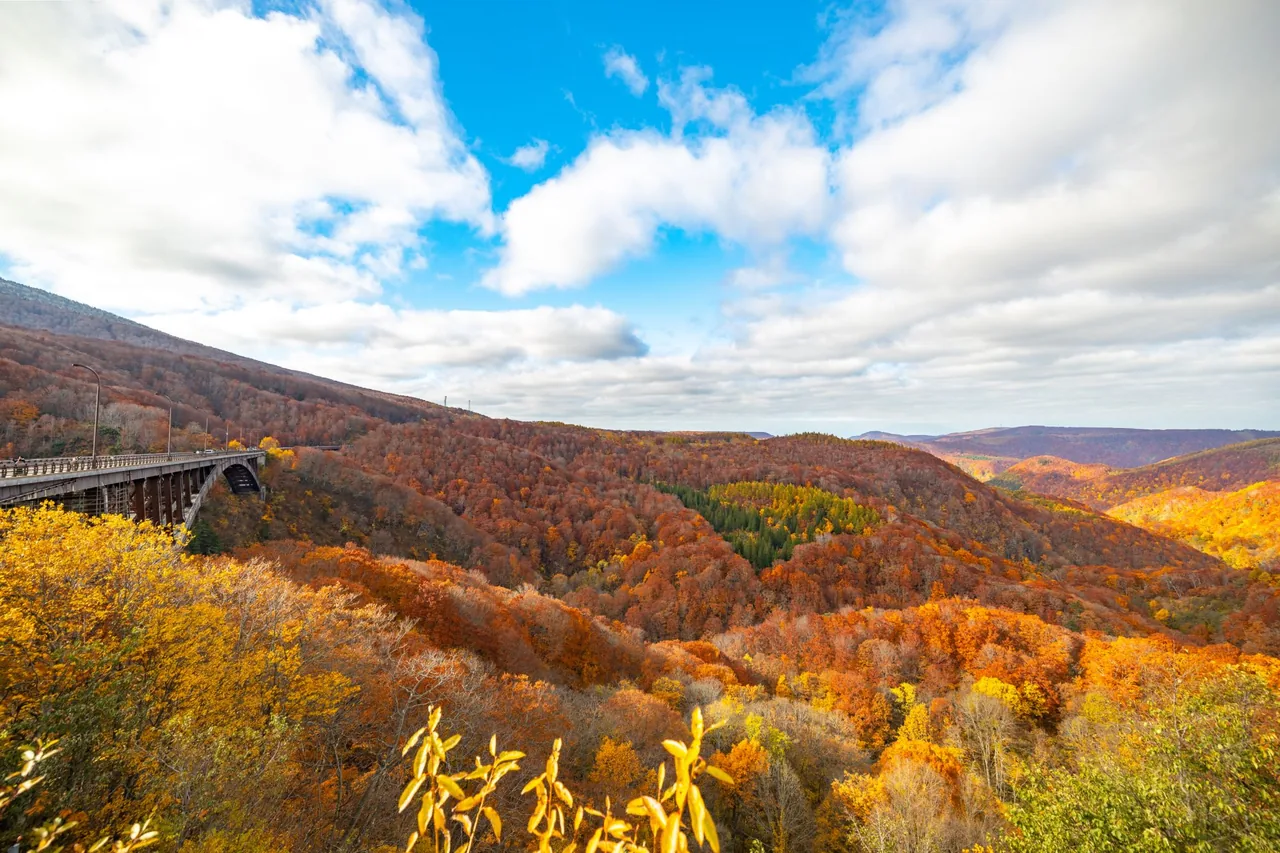
Jogakura Bridge, spanning the Jogakura Gorge on the west side of Hakkoda, carries National Route 394. At 360 m long with a 255 m arch span, it is one of Japan's leading deck arch bridges, and the deck stands 122 m above the valley floor.
From the bridge you look straight down on a gorge filled with autumn colour, and on clear days you can also see the Hakkoda peaks and Mt. Iwaki. It makes an easy stop when driving between Hakkoda and Lake Towada. It is often windy above the gorge, so hold on to hats and bags. The surrounding roads can be closed in winter.
Tsutanuma Pond: the dawn glow is by reservation only
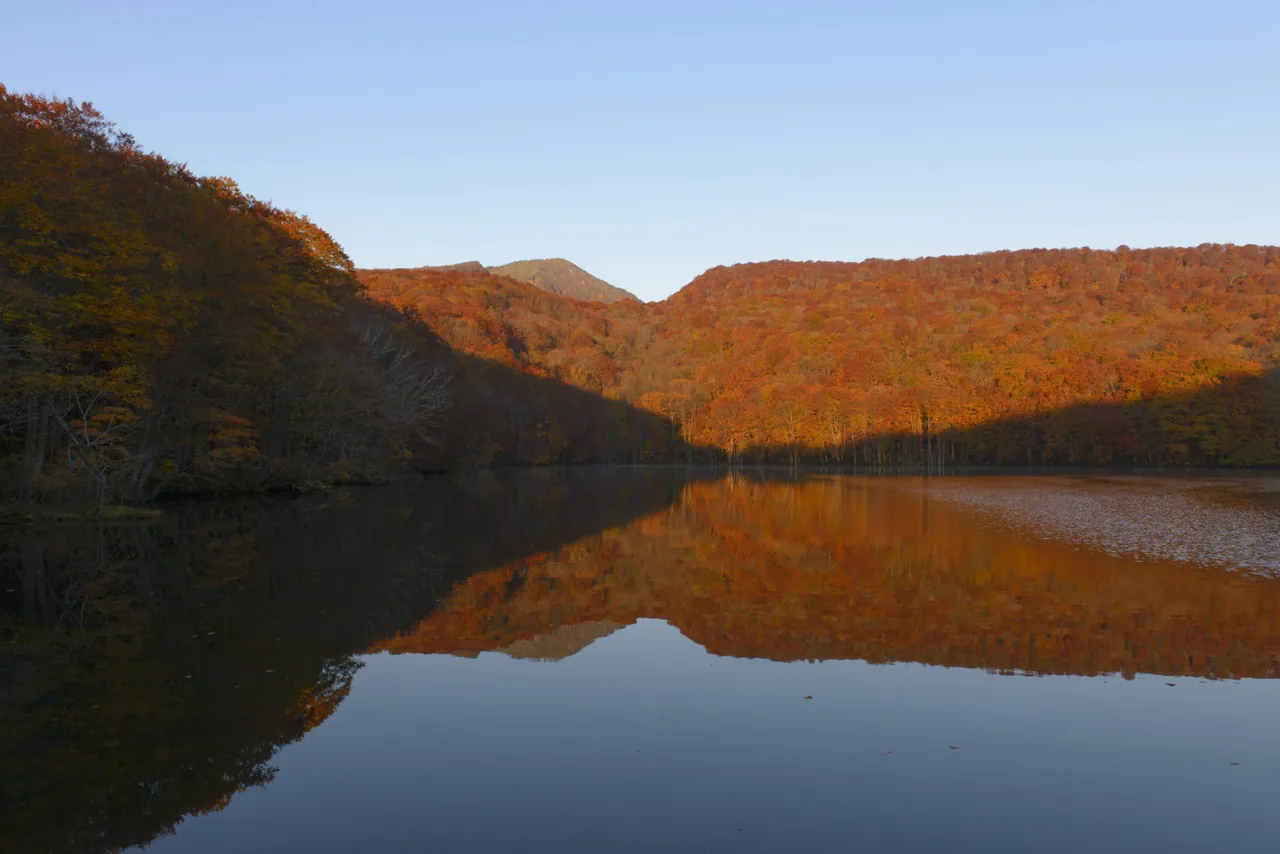
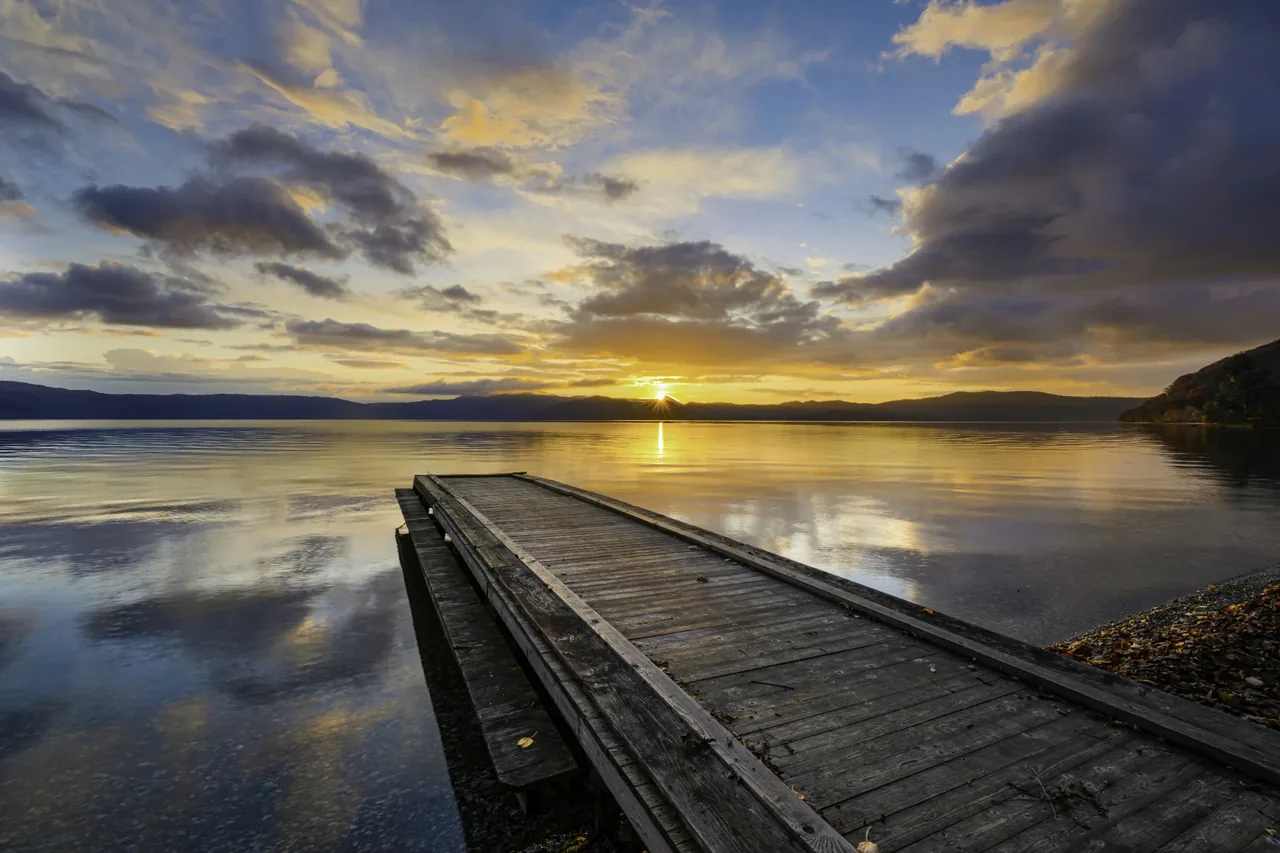
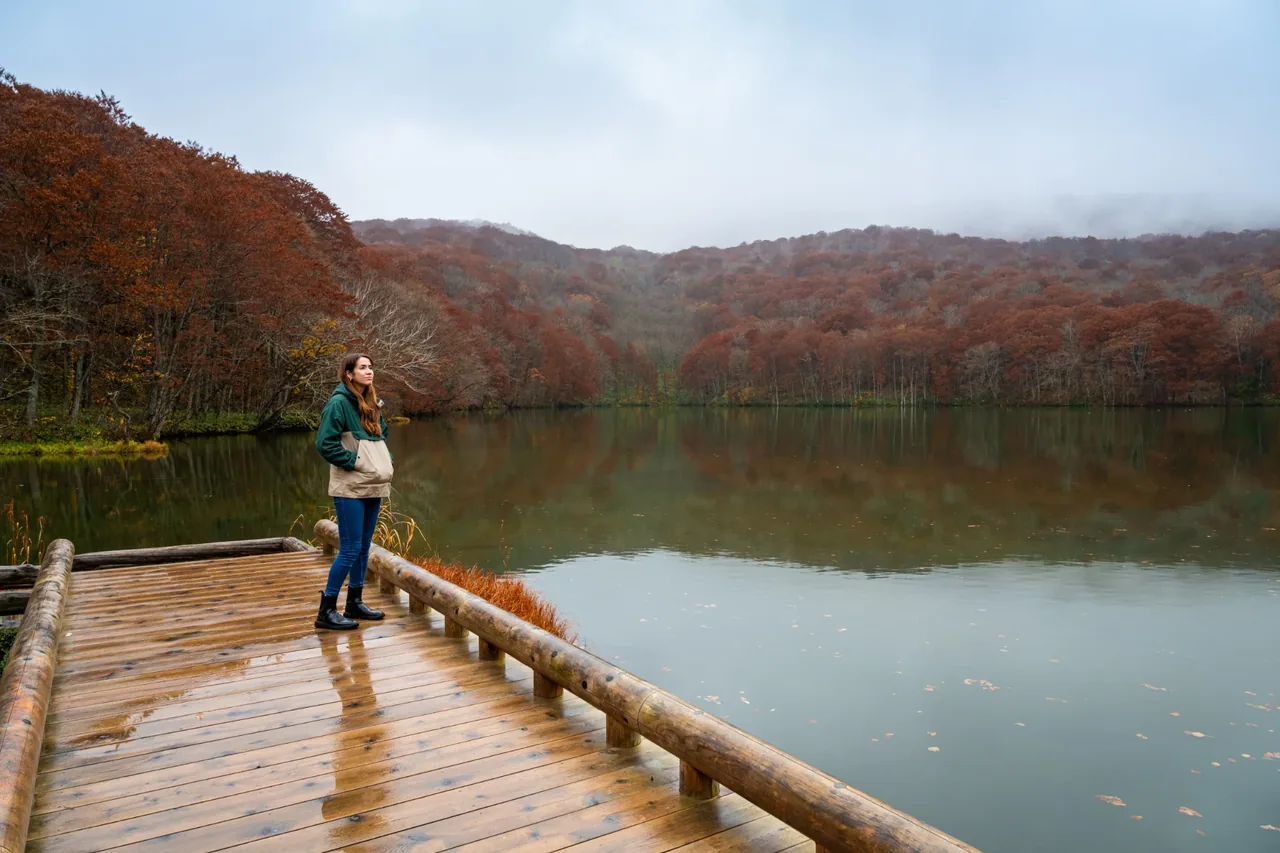
Tsutanuma, near Tsuta Onsen southeast of Hakkoda, is a pond surrounded by beech forest. In the autumn colour season, when the morning sun hits on a clear day, the trees on the far shore and the water both glow red, and people gather before dawn to see it.
To keep crowds manageable, entry to the viewing deck in the early morning during the leaf season requires a reservation. In 2026 the reservation period ran from 23 October to 3 November, covering 5:00 to 7:30; bookings were online only and closed at 10:00 the day before the visit. A conservation contribution is charged, and the deck is closed at night. Conditions change from year to year, so check the Towada Oirase Tourism Organization's information.
Oirase Stream: walking the riverside trail
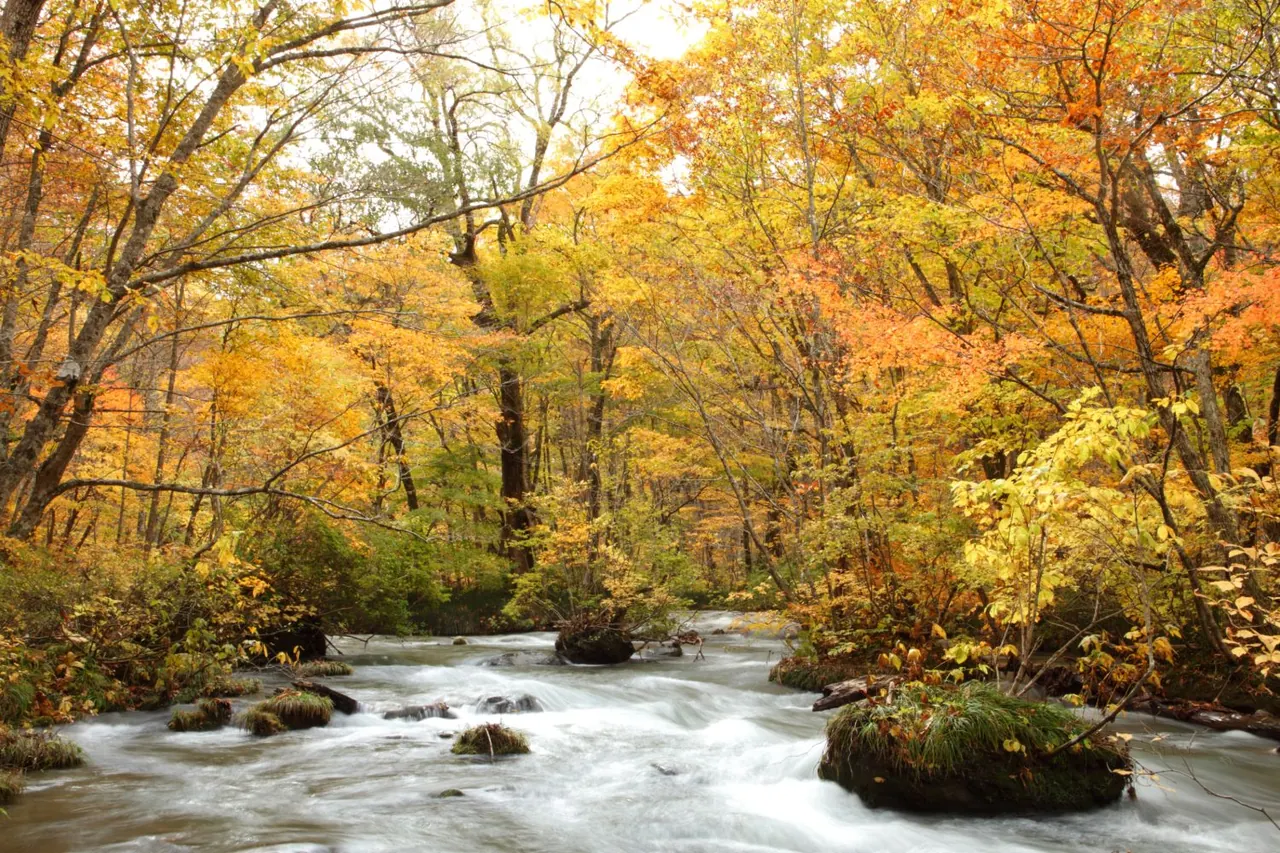
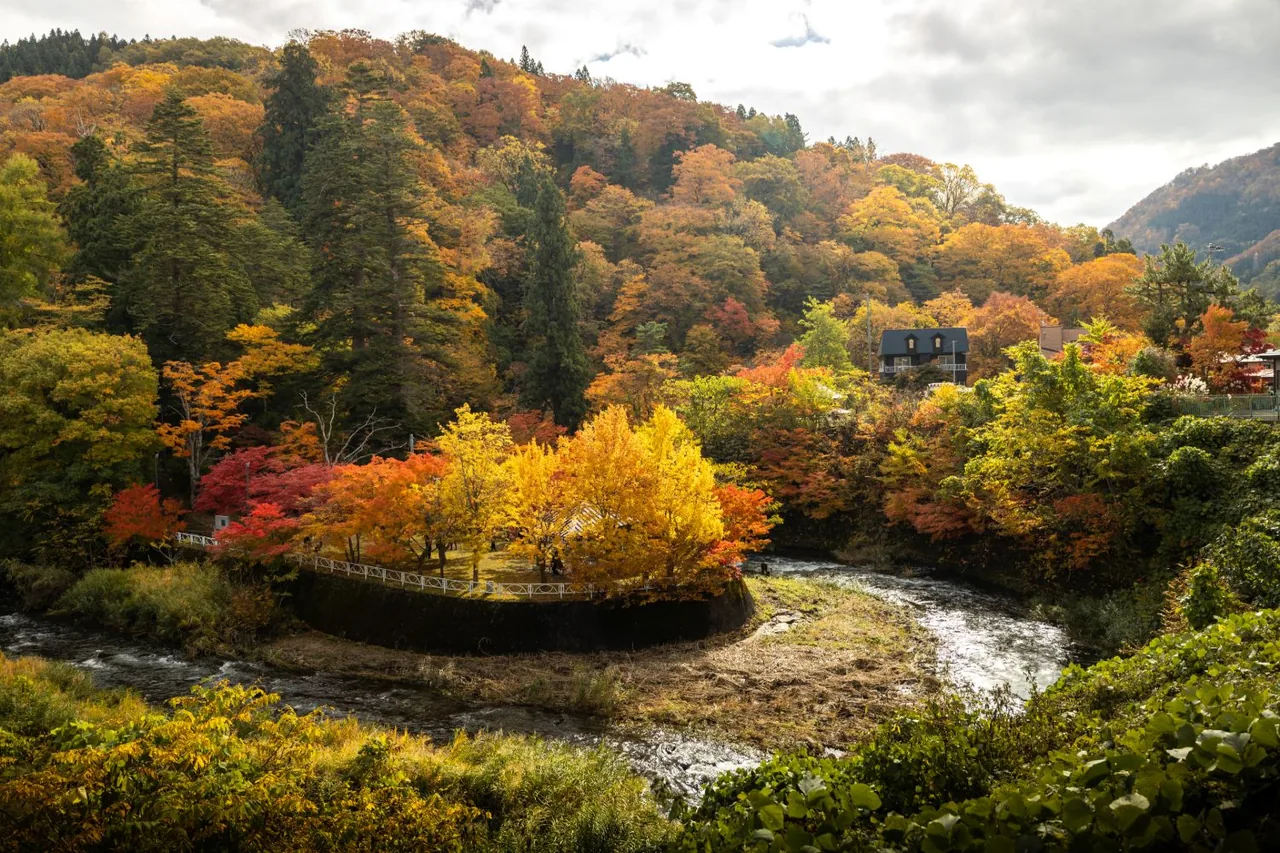
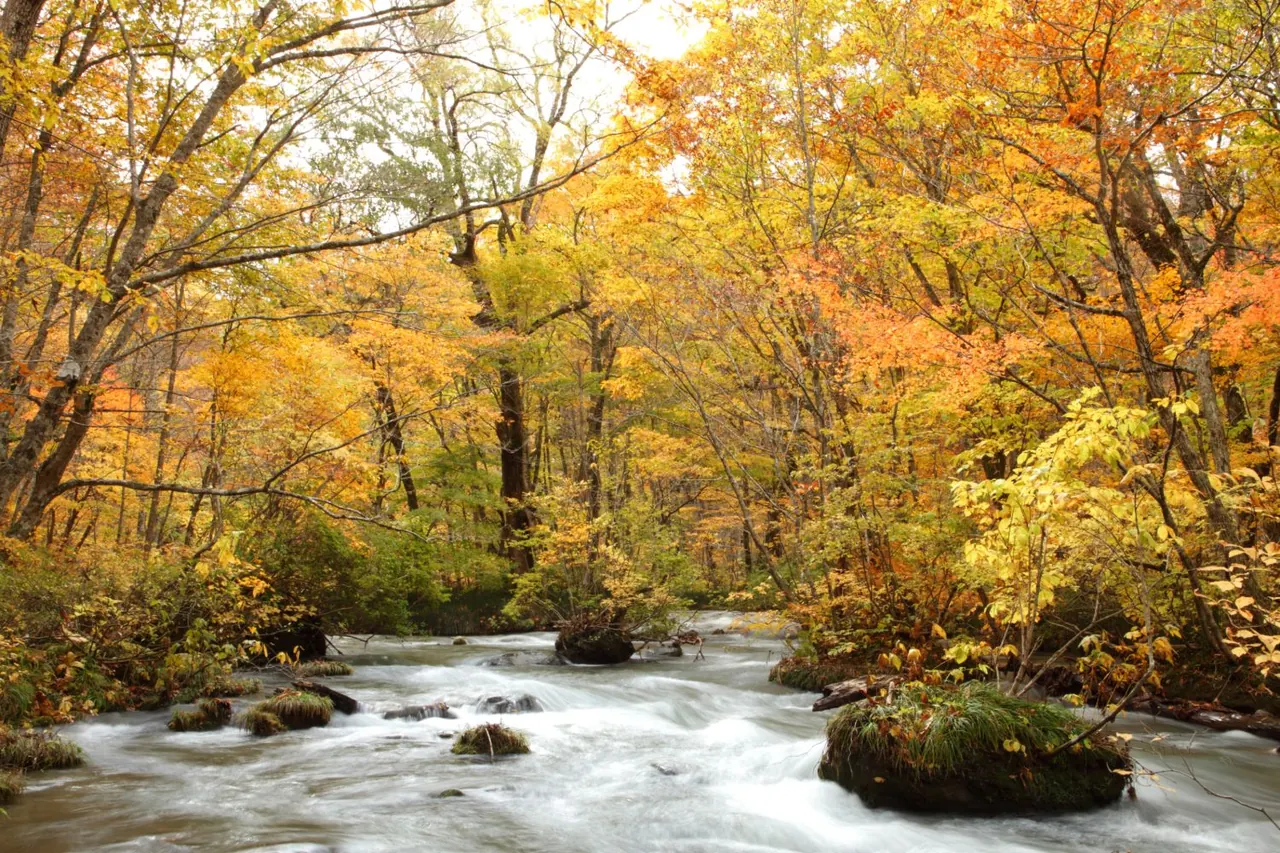
Oirase Stream runs for about 14 km from Nenokuchi on Lake Towada down to Yakeyama. A walking trail follows the water, letting you see the stream flowing between mossy rocks and the leaves overhead up close.
Walking the whole length takes more than half a day, so many people walk only the stretches near the main sights and cover the rest by bus or car. On autumn weekends the riverside road gets congested and car parks fill early. Fallen leaves and wet roots make the trail slippery, so wear comfortable walking shoes.
Lake Towada: the shoreline colours from a sightseeing boat
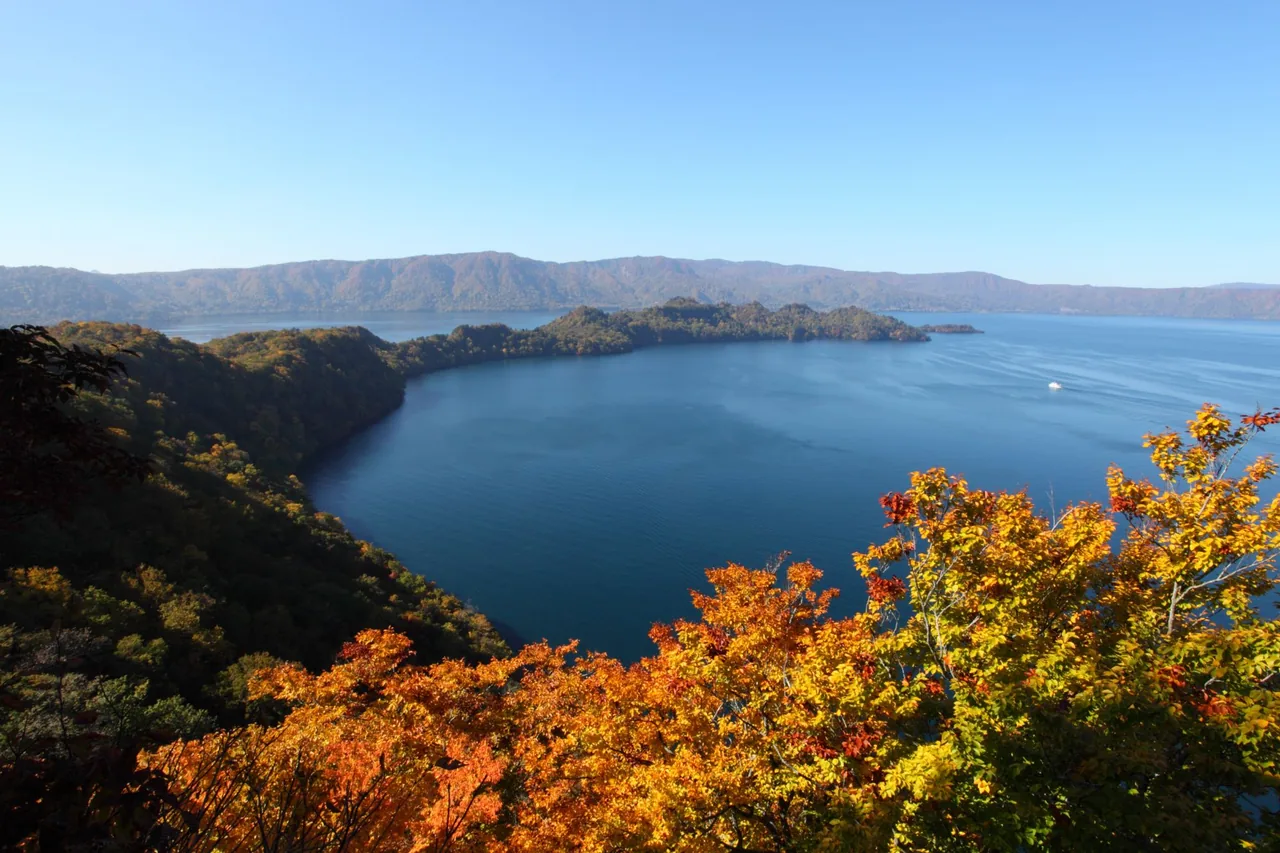
Lake Towada is a double caldera lake formed by volcanic eruptions. On the shore at Yasumiya stands the "Statue of Maidens" by the sculptor Kotaro Takamura.
You can see the coloured slopes around the lake from the lakeside paths, but the sightseeing boat is the easiest way to view them from the water. One route runs one way between Yasumiya and Nenokuchi, and the Ogura and Nakayama Peninsula loop leaves Yasumiya and returns there in about 50 minutes. Get off at Nenokuchi and you can carry straight on to a walk along Oirase Stream. The boats do not run in winter, so check the operating season in advance.
Nakano Momijiyama: maples brought from Kyoto by a Hirosaki lord
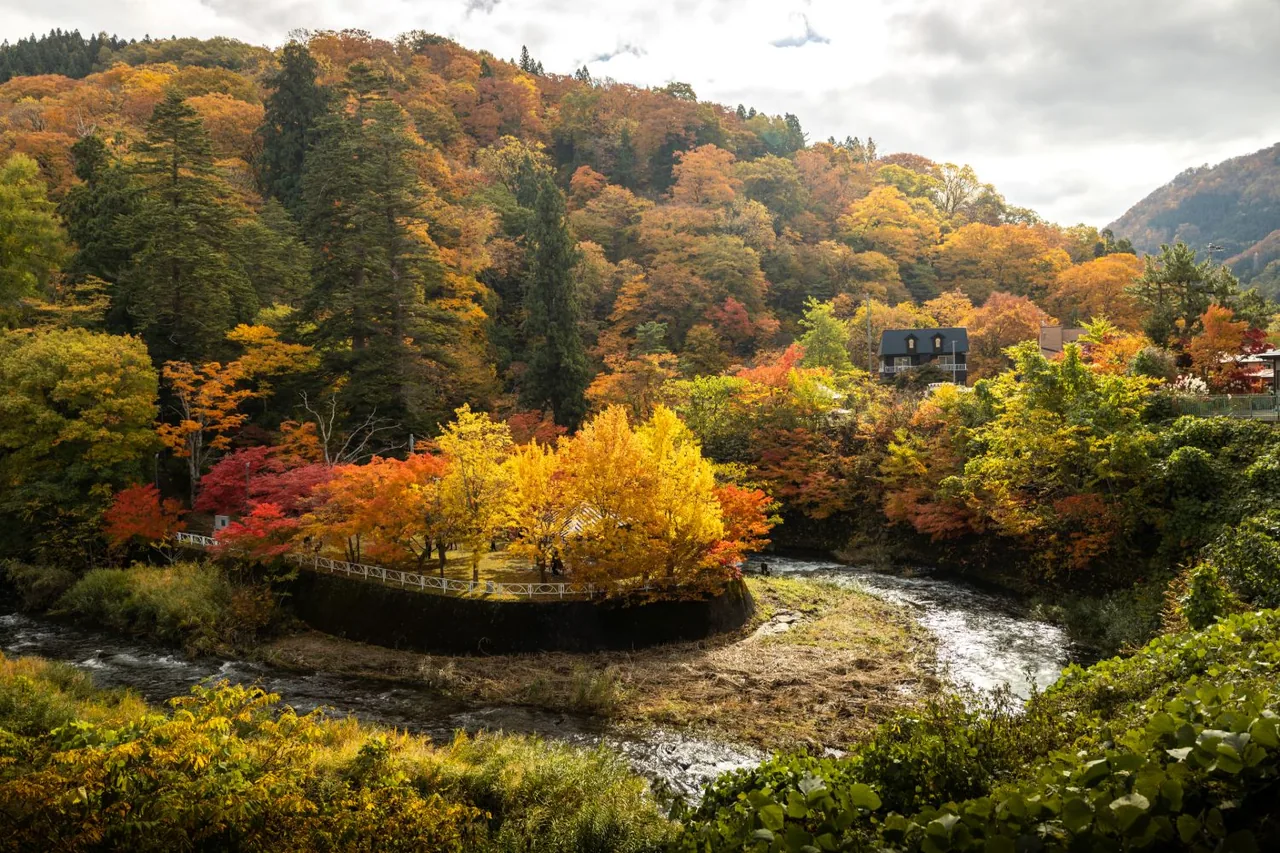
Nakano Momijiyama in Kuroishi City is a famous maple spot said to date from 1802, when Tsugaru Yasuchika, the ninth lord of the Hirosaki domain, had saplings brought from Kyoto. After Kyoto's Arashiyama, it has long been called "Little Arashiyama".
The maples on the slopes rising from the grounds of Nakano Shrine turn red and orange. The leaves are lit up at night during the season; check Kuroishi City's announcements for the dates. Paths are dark at night, so stay on the lit routes.
Hirosaki Castle: the keep and maples, plus a chrysanthemum festival from late October
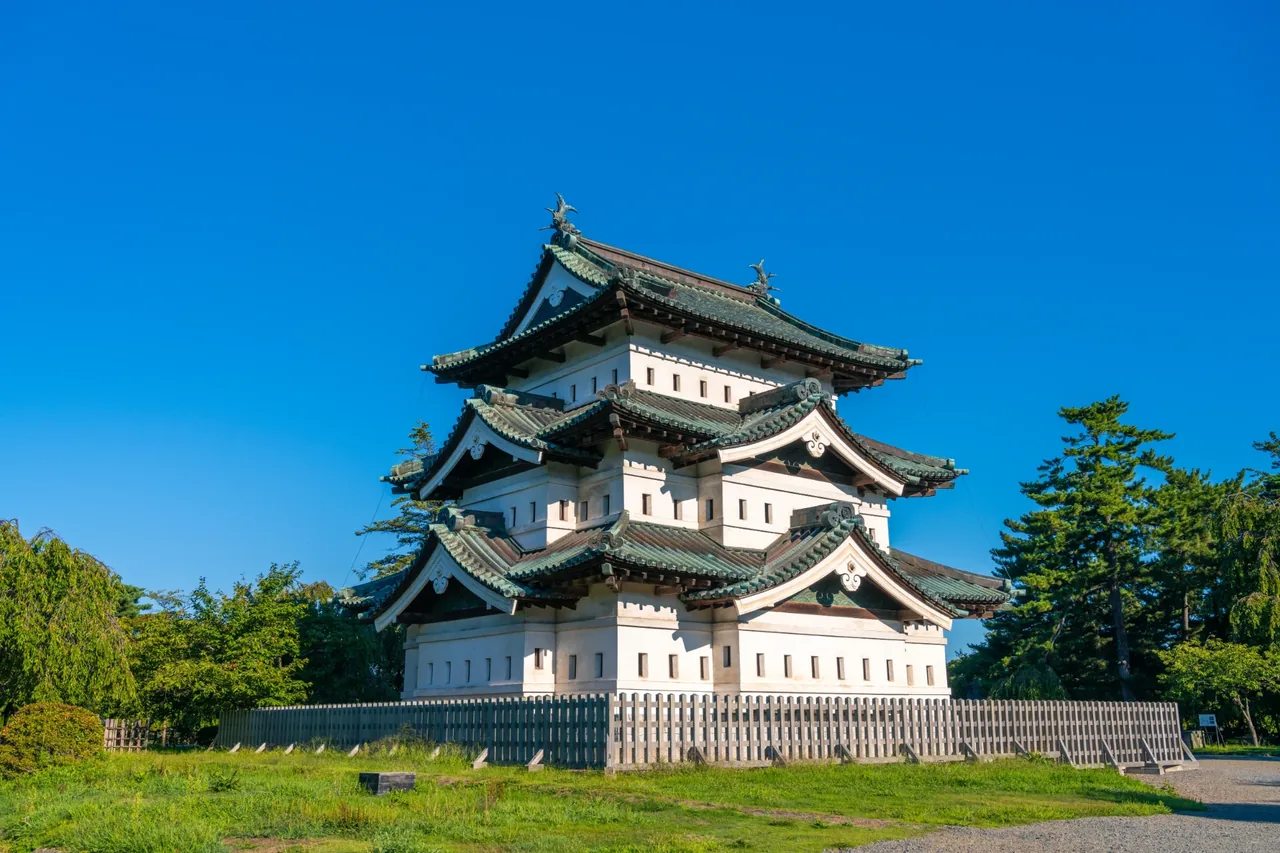
Hirosaki Castle (Hirosaki Park) is famous for its spring cherry blossoms, but in autumn about 1,100 maples and the leaves of some 2,600 cherry trees change colour too. Leaves reflected in the moats and maples framing the red bridges and the keep give the park a castle-town autumn look.
In 2026 the Hirosaki Castle Chrysanthemum and Autumn Leaves Festival was held from 30 October to 8 November, centred on the Hirosaki Castle Botanical Garden inside the park. The large flower art made from chrysanthemums is the highlight each year, and opening hours extend into the evening during the festival.
Kitakanegasawa Ginkgo: Japan's largest ginkgo turns gold
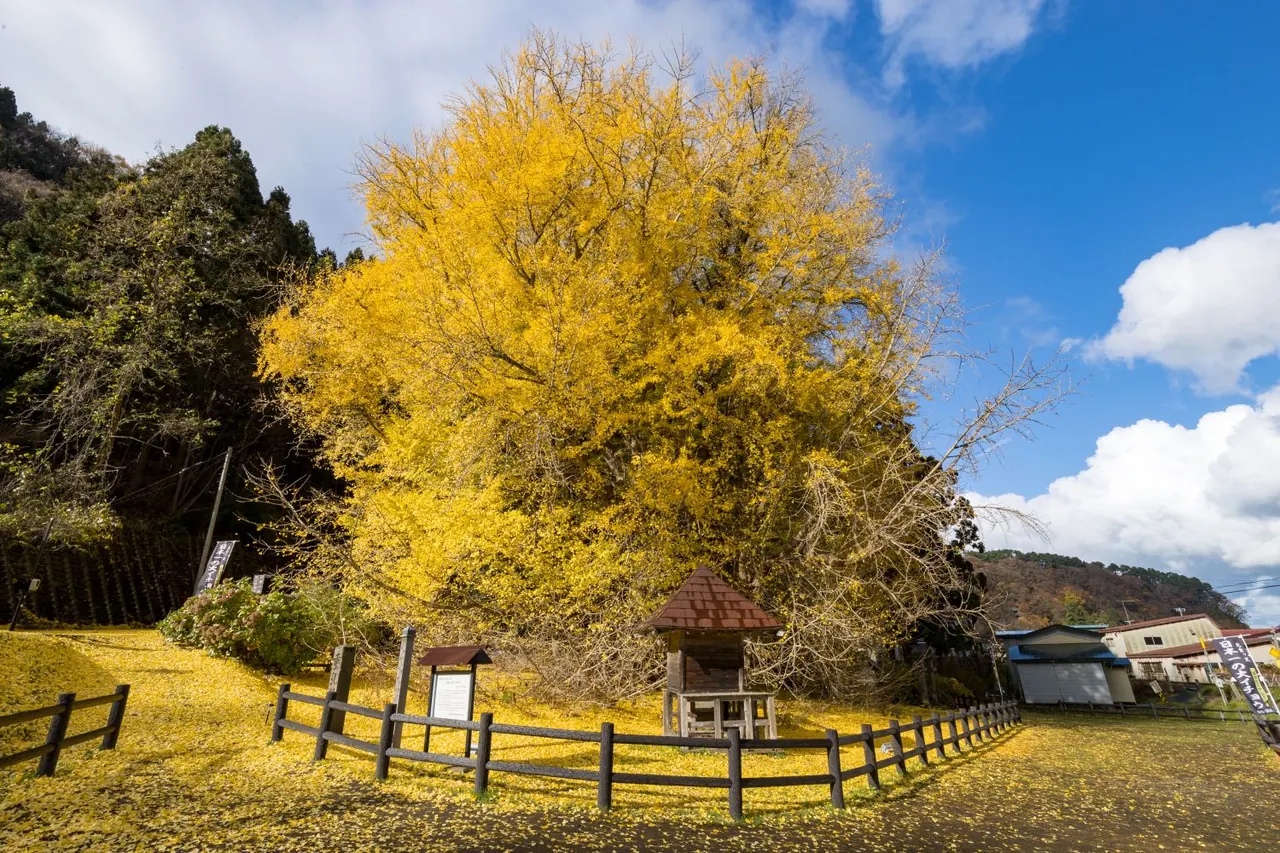
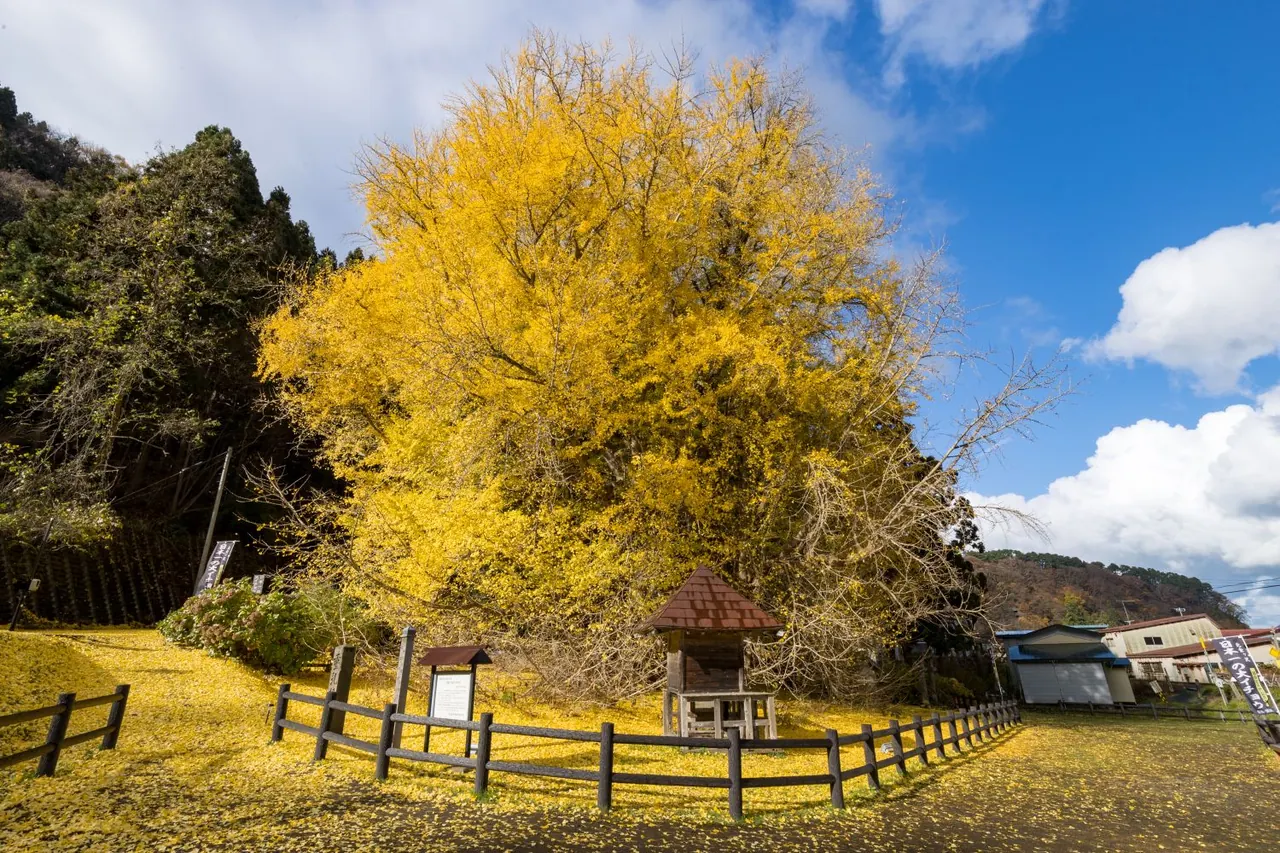
The Great Ginkgo of Kitakanegasawa in Fukaura, on the Sea of Japan coast, has a trunk about 22 m around and stands about 31 m tall. It is a national Natural Monument and, according to Aomori Prefecture, the largest ginkgo in Japan; it is said to be more than 1,000 years old.
Look up from beneath it and the branches spread so widely that it is hard to believe it is a single tree. It turns gold later than the other spots: in 2026 the Big Yellow illumination lights it up from 12 to 30 November, 4:30 to 8:30 pm, while the leaves are yellow. It is about a 10-minute walk from Kitakanegasawa Station on the JR Gono Line, but trains on the line are infrequent, so look up the timetable first.
Getting around and things to watch
- Hakkoda, Tsutanuma, Oirase Stream and Lake Towada line up along a single road that crosses the mountains from the Aomori Station side. By car you can cover them in a day, but the Oirase area tends to jam on autumn weekends, so set off early. You can also stay by Lake Towada and split the trip over two days (Getting around Lake Towada, Oirase and Hakkoda).
- Without a car, use the route buses linking Aomori Station with Hakkoda and Lake Towada. Service periods and frequencies change with the season, so check the timetable in advance.
- Snow can fall in the mountains from late October. If you are driving a rental car on mountain roads, check whether winter tyres are needed at that time.
- Nakano Momijiyama and Hirosaki Castle are close to Hirosaki, and Kitakanegasawa fits easily into a trip along the Gono Line toward the Sea of Japan.
You can find more Aomori travel information on "Amazing AOMORI", the tourism site run by Aomori Prefecture and the Aomori Prefecture Tourism and International Exchange Organization.