Lake Towada, Oirase Stream and Hakkoda: How to Explore the Area
This guide is translated from the Japanese edition. Read the Japanese edition
Lake Towada, Oirase Stream and Hakkoda share one road: sightseeing boats, walking Oirase, Tsutanuma and Suirennuma, the ropeway, snow monsters and access.
Cross the mountains south of Aomori City and you pass the volcanic peaks of Hakkoda, ponds ringed by beech forest and Oirase Stream running between mossy rocks, before Lake Towada opens out ahead. All of them lie inside Towada-Hachimantai National Park, close enough to drive through in a day. Once you add a walk along the stream or a boat trip, though, time runs short, and plenty of visitors stay a night by the lake. The best order and what to do at each stop also depend on the season.
How do Lake Towada, Oirase and Hakkoda connect?
From the north, where Aomori Station is, they line up as Hakkoda, Suirennuma, Tsutanuma, Oirase Stream and Lake Towada. Head south through the Hakkoda mountains and you come out near Tsutanuma; from Yakeyama at the lower end of Oirase Stream, the road follows the stream up to Nenokuchi on Lake Towada. Yasumiya, on the lake's southern shore, is the hub of the lakeside, with inns, places to eat and the sightseeing boat pier.
One-way routes are the easiest to plan: come in from the Aomori Station side and stay at Lake Towada, or start at the lake and cross Hakkoda to Aomori Station.
Lake Towada: Yasumiya and the sightseeing boats
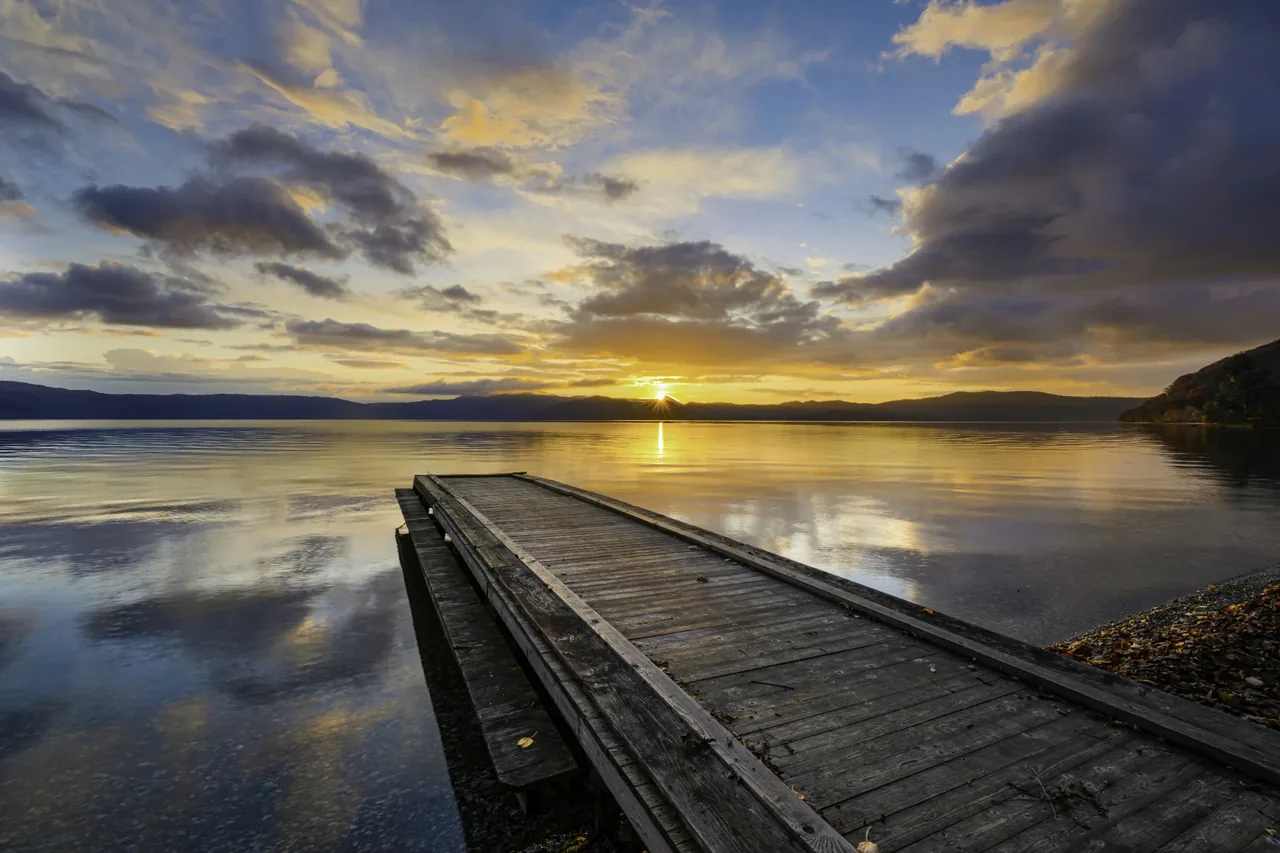
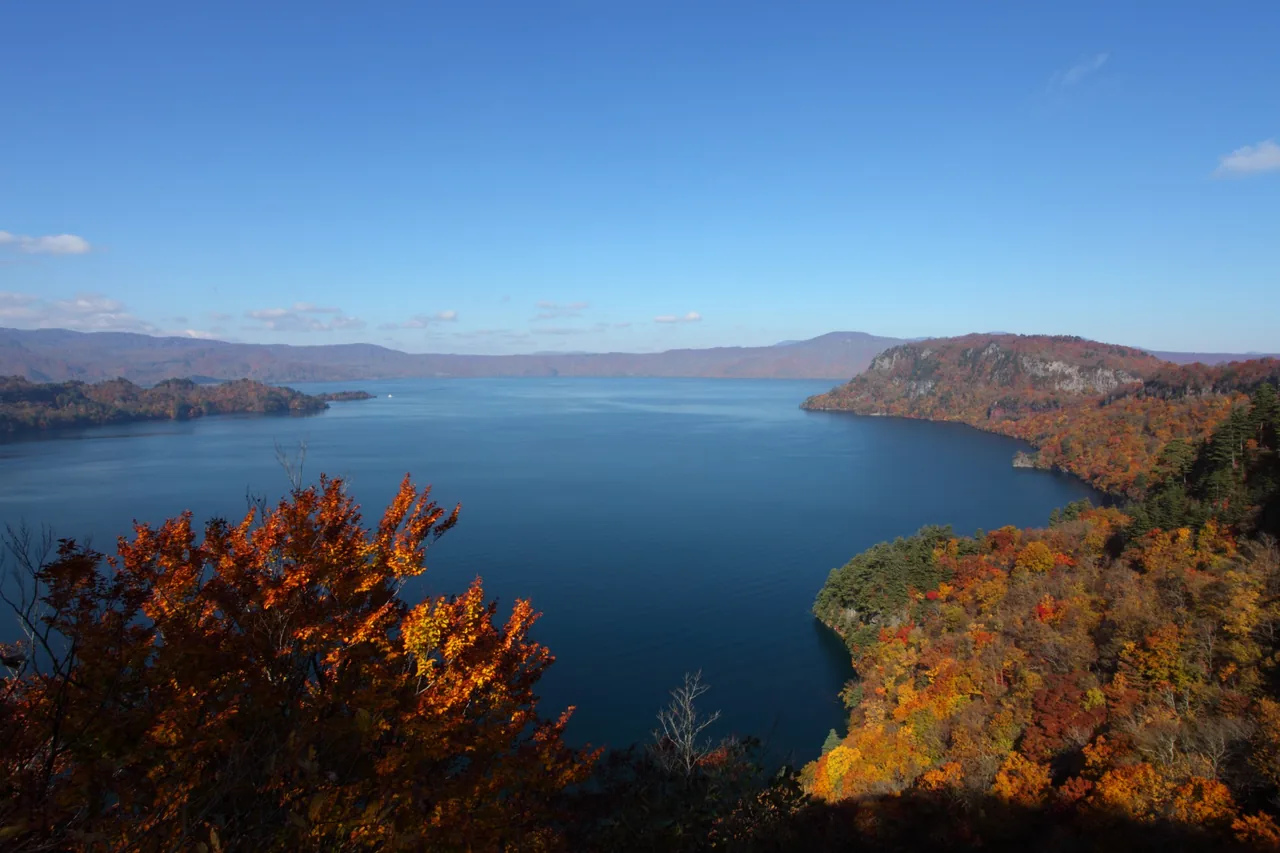
Lake Towada is a double caldera lake formed by volcanic eruptions. On Omaegahama beach at Yasumiya stands the "Statue of Maidens" by the sculptor Kotaro Takamura, two female figures facing each other with the lake behind them.
The sightseeing boat is the easiest way to enjoy the lake. A one-way route links Yasumiya and Nenokuchi, and the Ogura and Nakayama Peninsula loop leaves Yasumiya and returns there in about 50 minutes. The cliffs of the peninsulas jutting into the lake are hard to see from the lakeside road. Take the boat to Nenokuchi and you can step off and start walking along Oirase Stream. The boats do not run in winter.
Oirase Stream: which part should you walk?
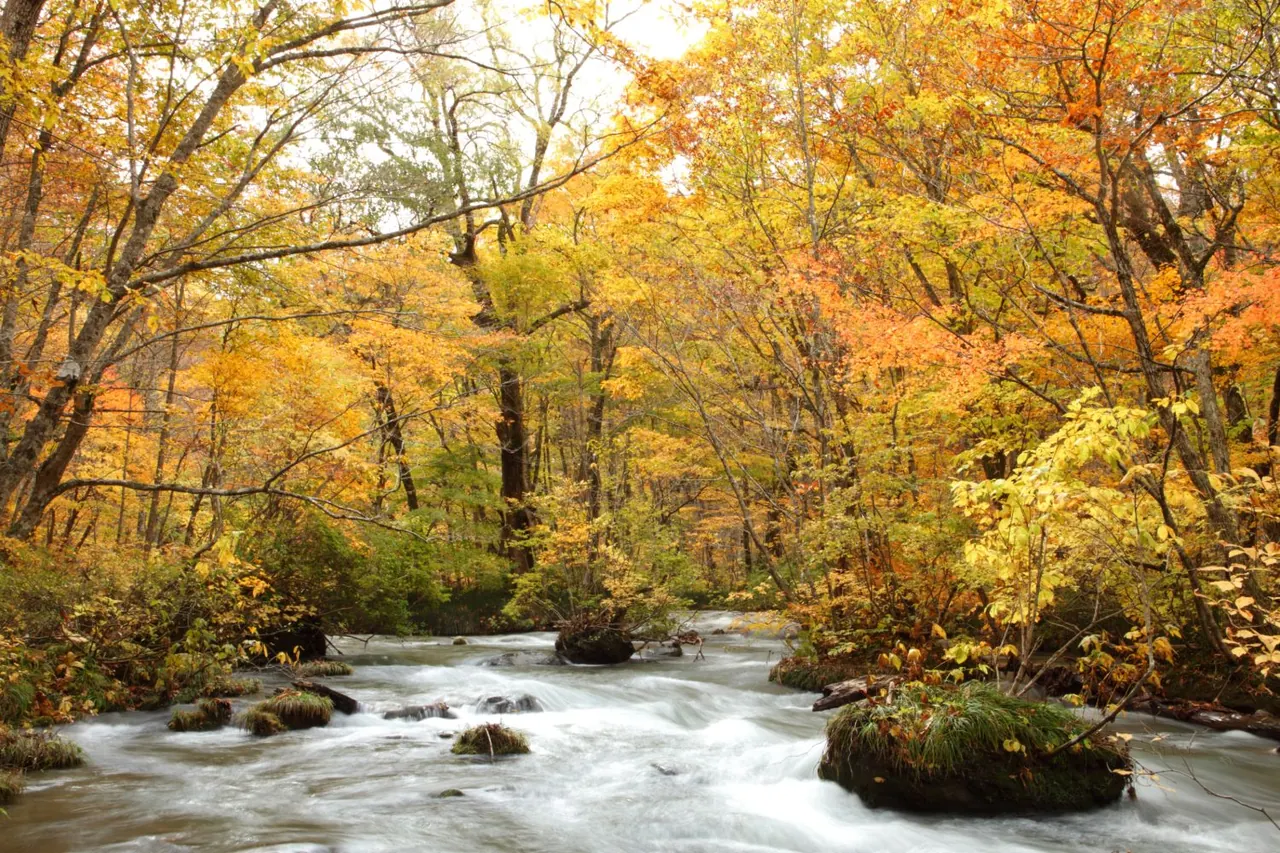
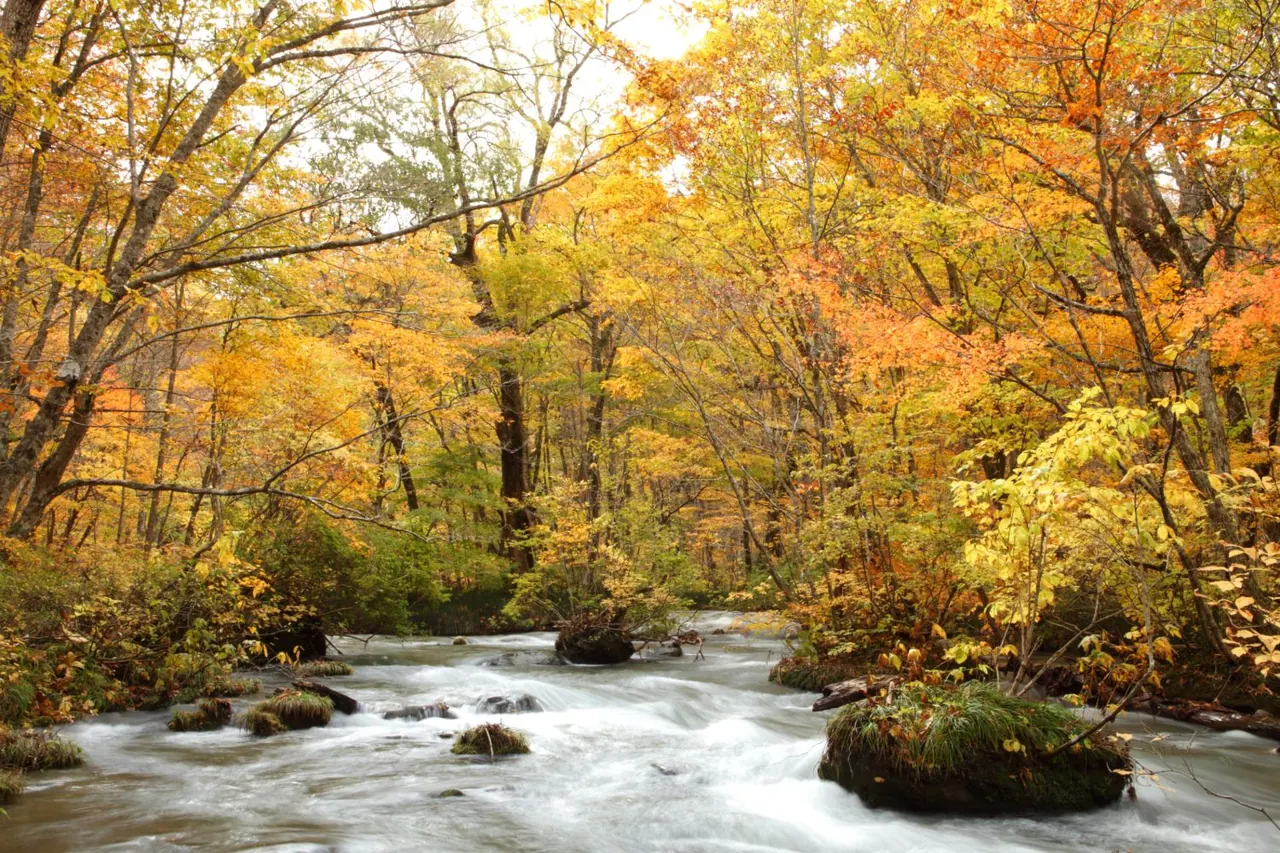
Oirase Stream runs for about 14 km from Nenokuchi on Lake Towada down to Yakeyama. A trail follows the water past a series of small waterfalls, rapids and calm pools.
Walking the whole way takes more than half a day, so the realistic plan is to pick the parts you want to see and walk only those. A road runs alongside the stream, so you can ride the bus and get off for the sections that interest you. Arrive at Nenokuchi by boat and walk downstream, and you can enjoy the lake and the stream in one go.
The trail is earth and boardwalk, and rocks and roots get slippery after rain. Trekking shoes suit it better than sneakers, and rain gear is worth packing.
Tsutanuma: get up early for the morning view
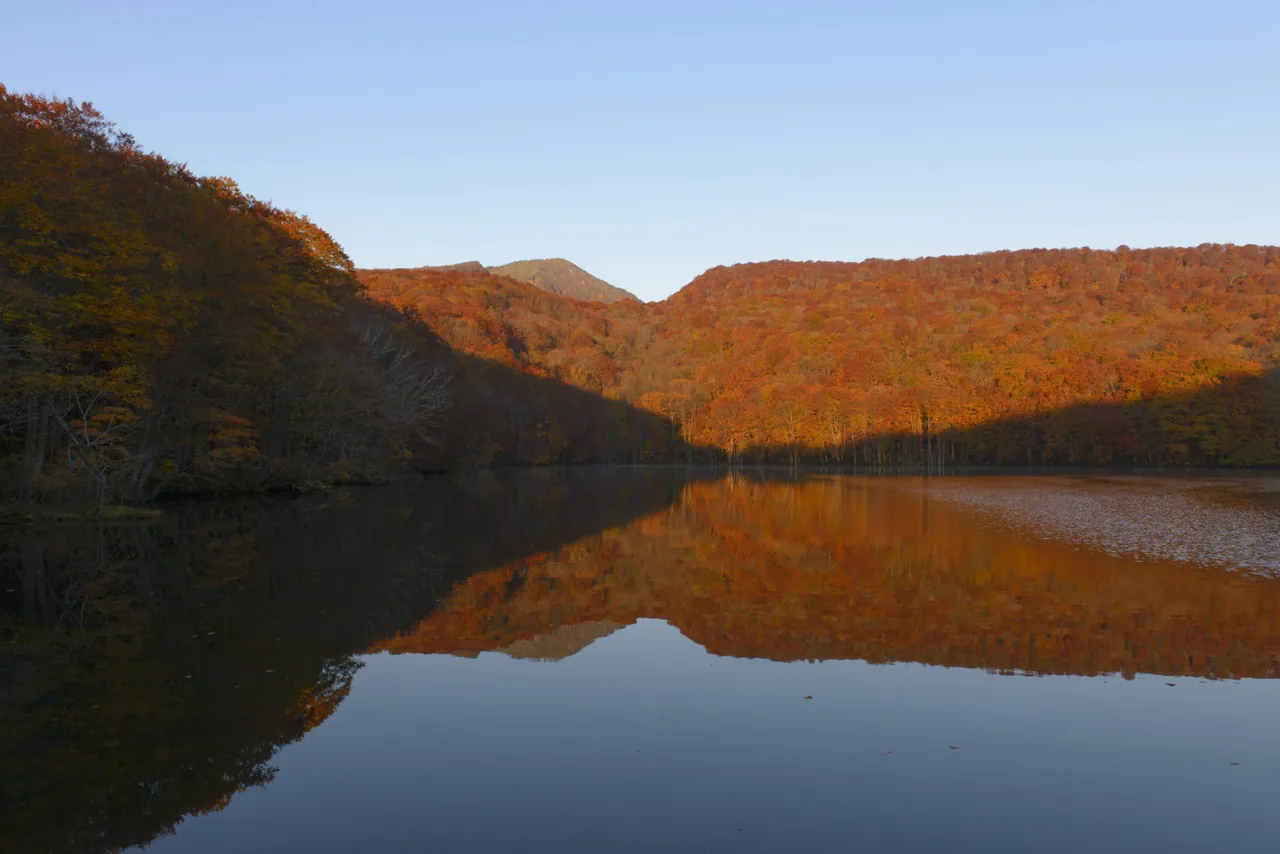
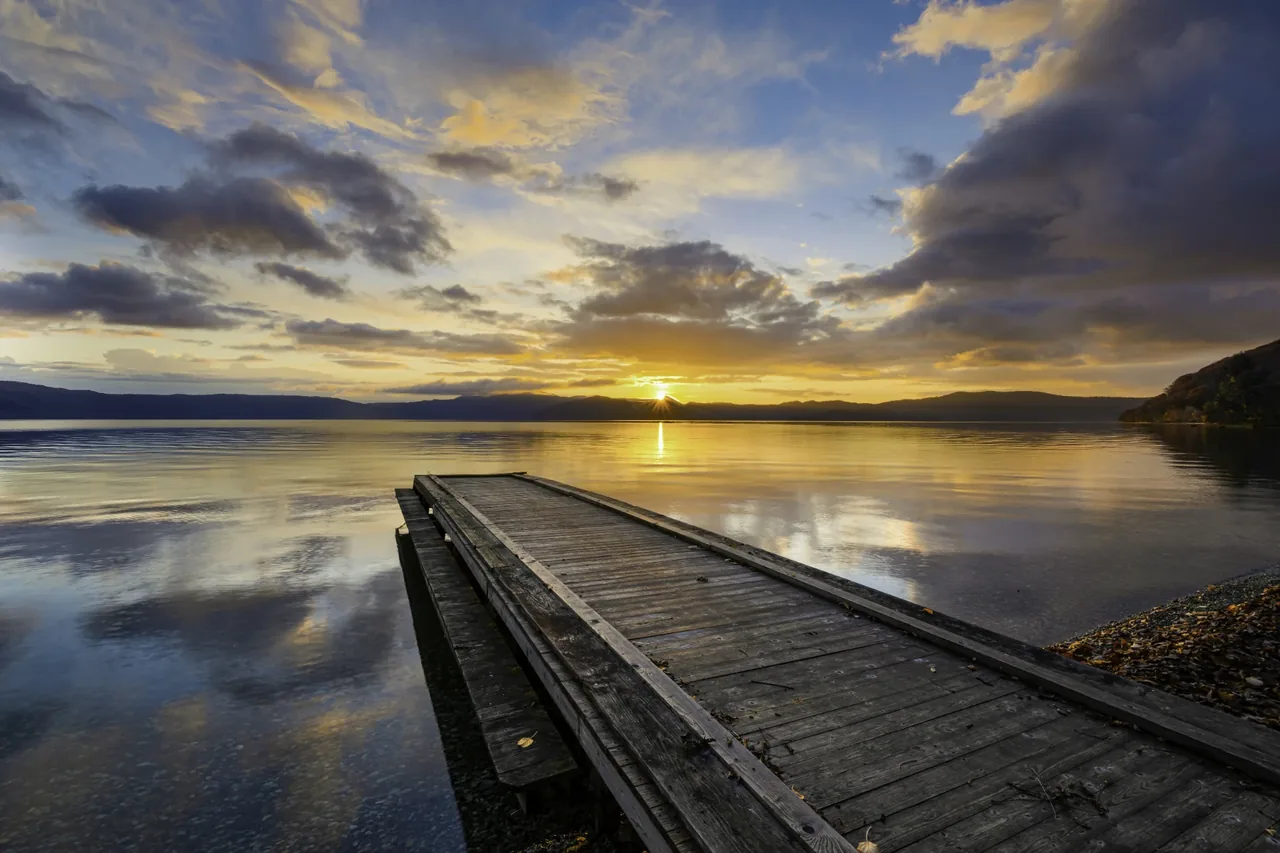
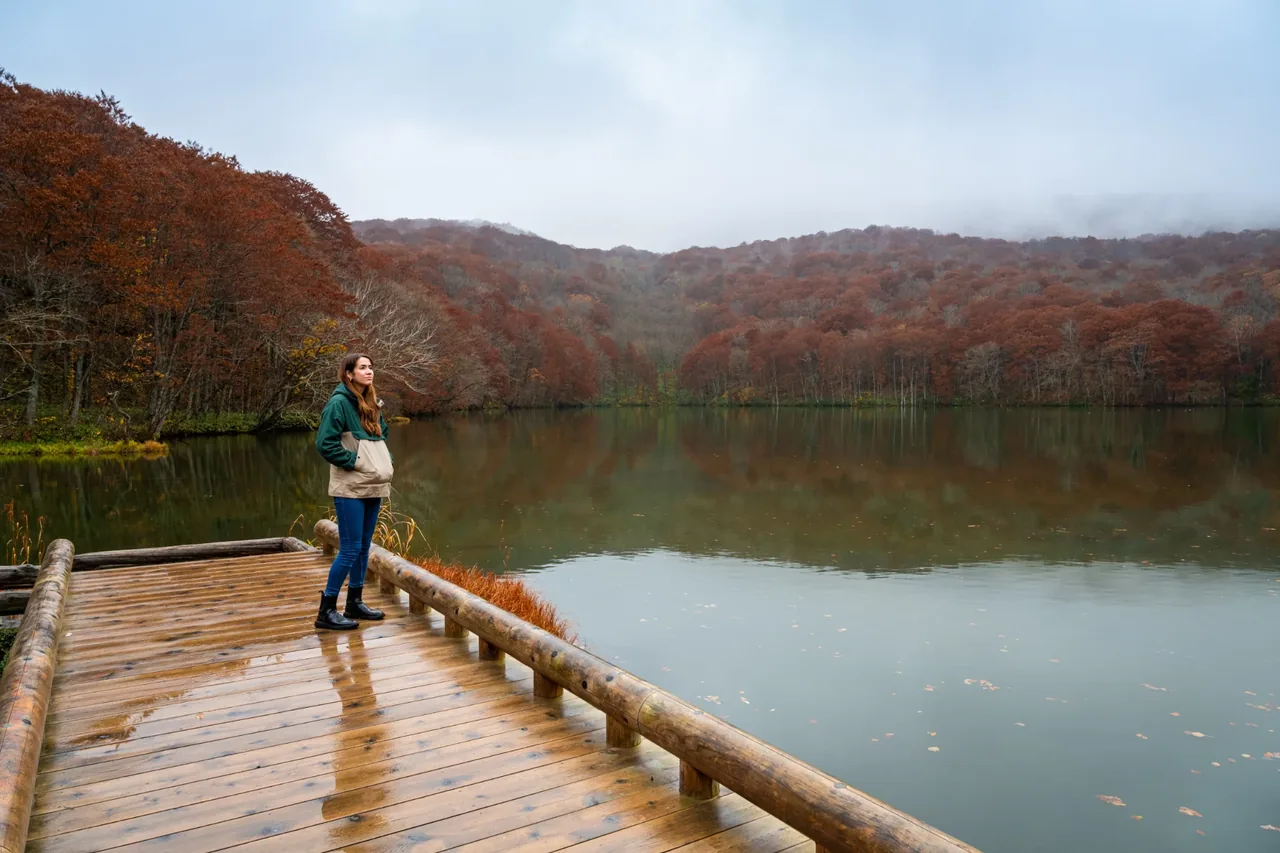
Tsutanuma is a pond in the beech forest near Tsuta Onsen. On clear mornings, when the sun rises in the east, the forest on the far shore is reflected in the water, and in the autumn leaf season both forest and pond turn red together.
In the leaf season, entry to the viewing deck in the early morning is by reservation. In 2026 this ran from 23 October to 3 November, and entry from 5:00 to 7:30 required an online reservation in advance (closing at 10:00 the day before the visit; a contribution fee applied). Whether reservations are needed and the conditions change from year to year, so check the Towada Oirase Tourism Organization's information before you go.
Suirennuma: the Hakkoda peaks across the water
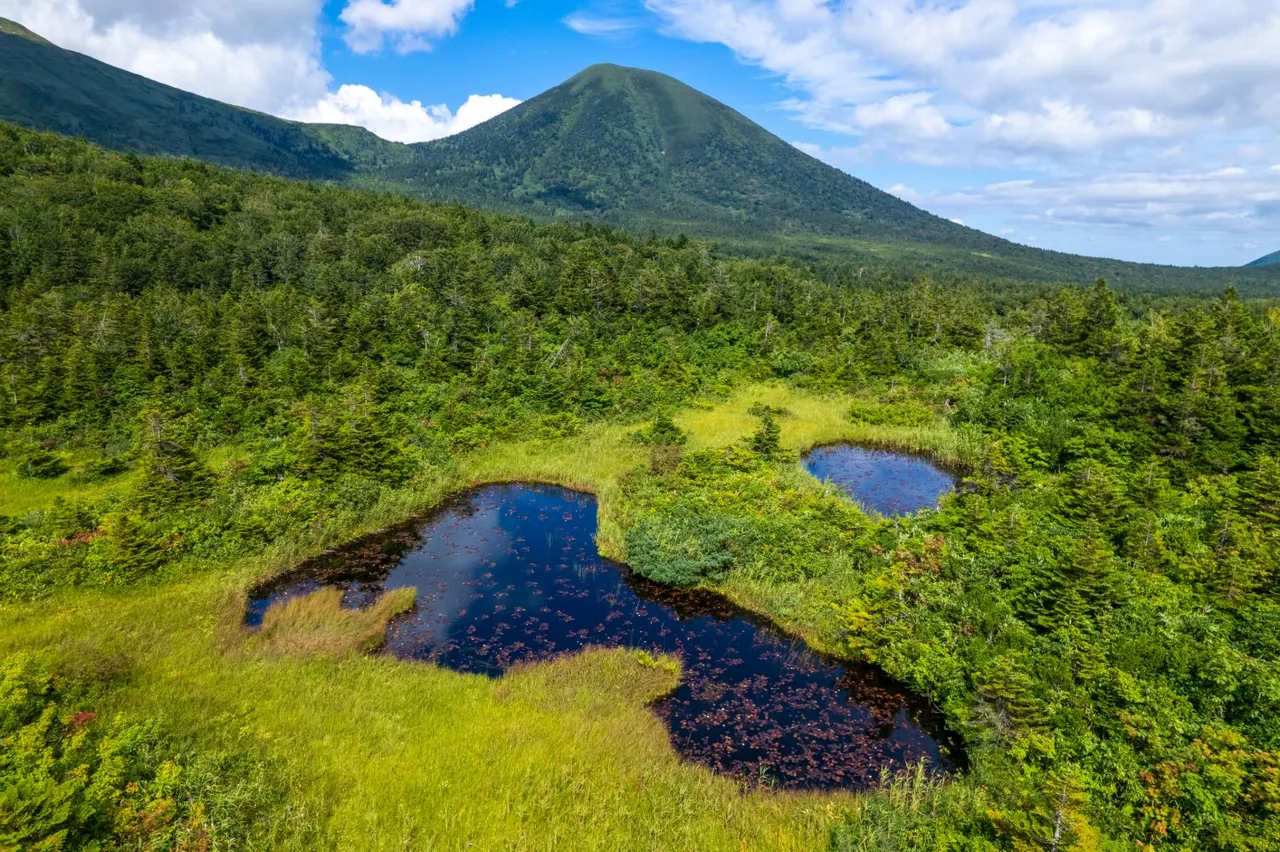
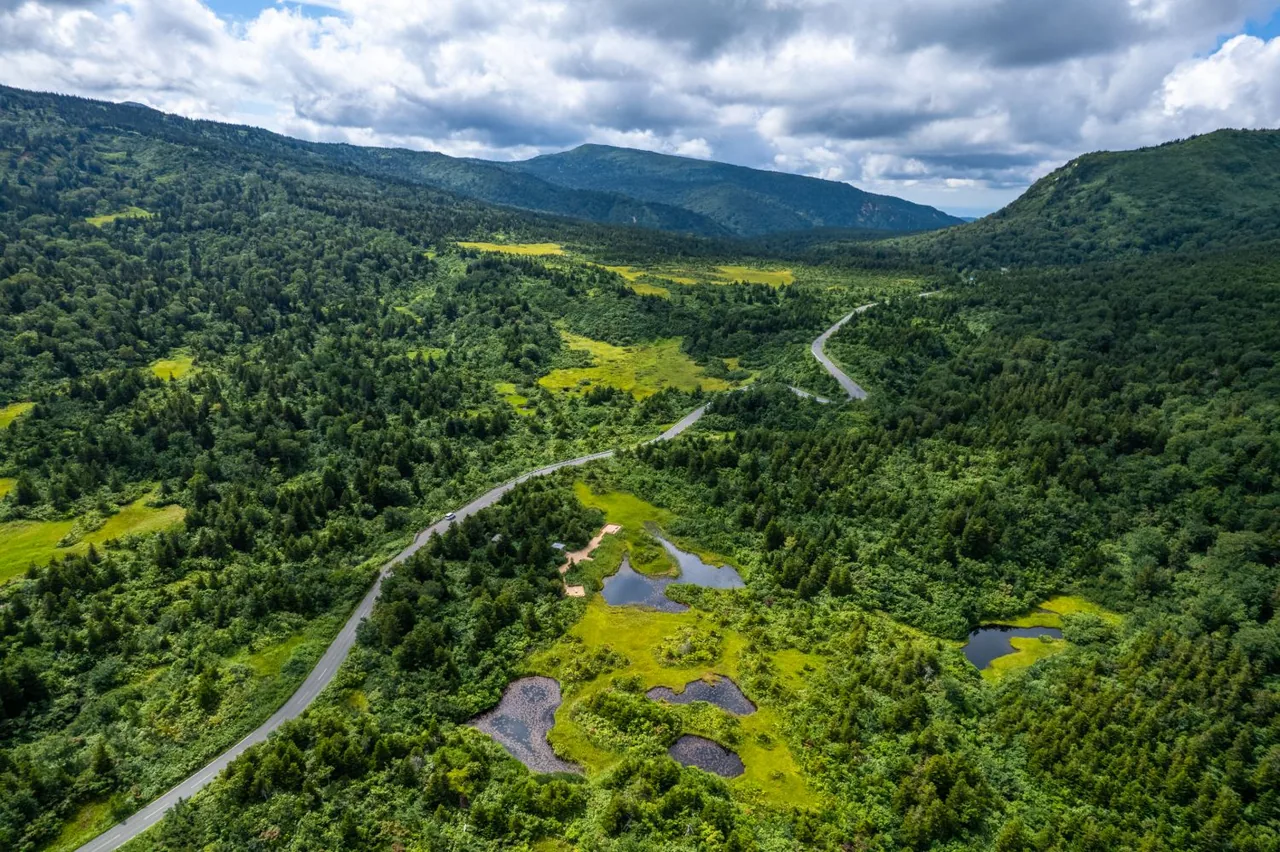
Suirennuma is a small pond in the wetlands along National Route 103 as it crosses Hakkoda. From the viewing deck you can see the Hakkoda range across the water. JR Bus Tohoku's Mizuumi-go also has a Suirennuma stop.
It makes a quick break when driving from Hakkoda toward Tsutanuma and Oirase. The weather changes fast on these high wetlands, and cloud can hide the mountains, so if it is clear, stop here first.
Hakkoda: up the ropeway, and snow monsters in winter
The ropeway at Hakkoda takes about 10 minutes from the base station to Sancho Koen (summit park) Station. From summer to autumn you can walk around the top station to enjoy the alpine scenery, and in autumn the slopes below the gondola turn red and gold.
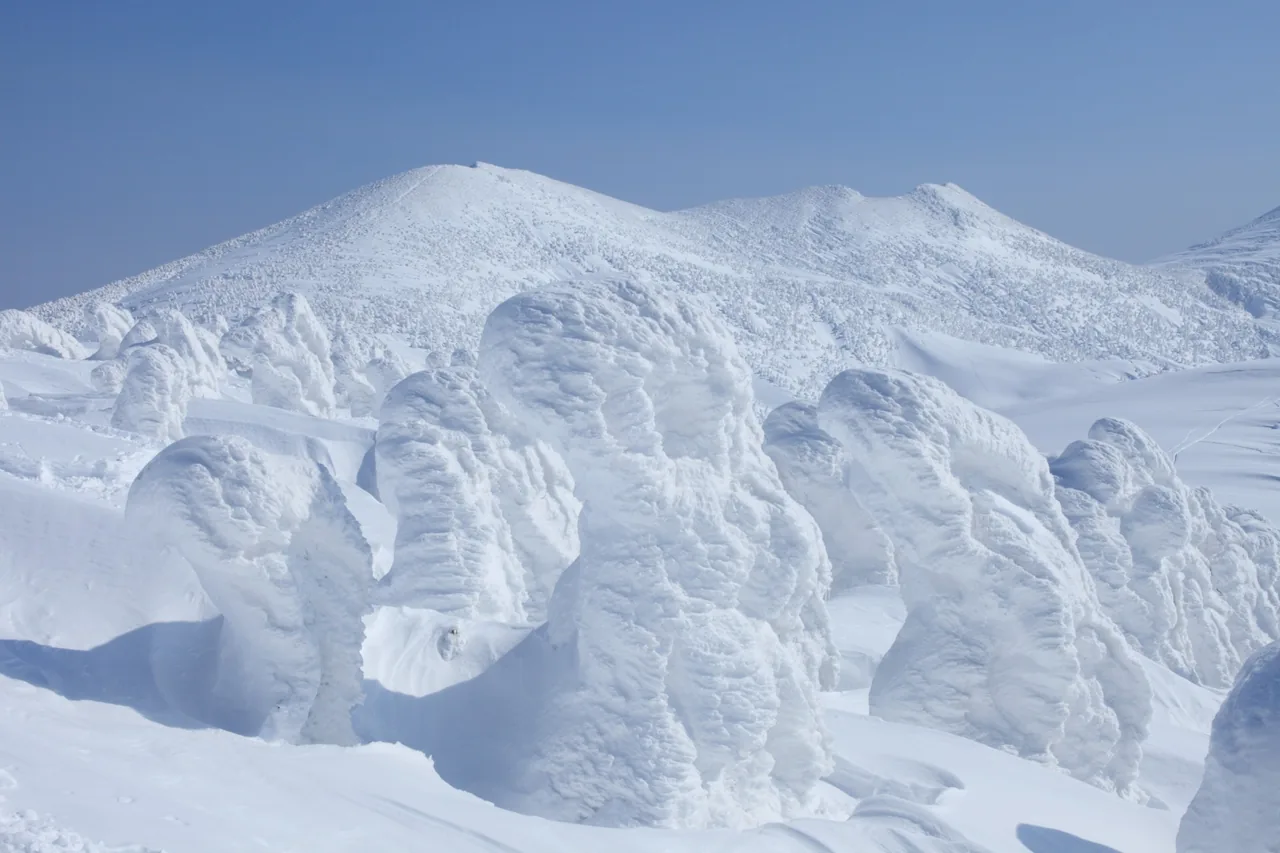
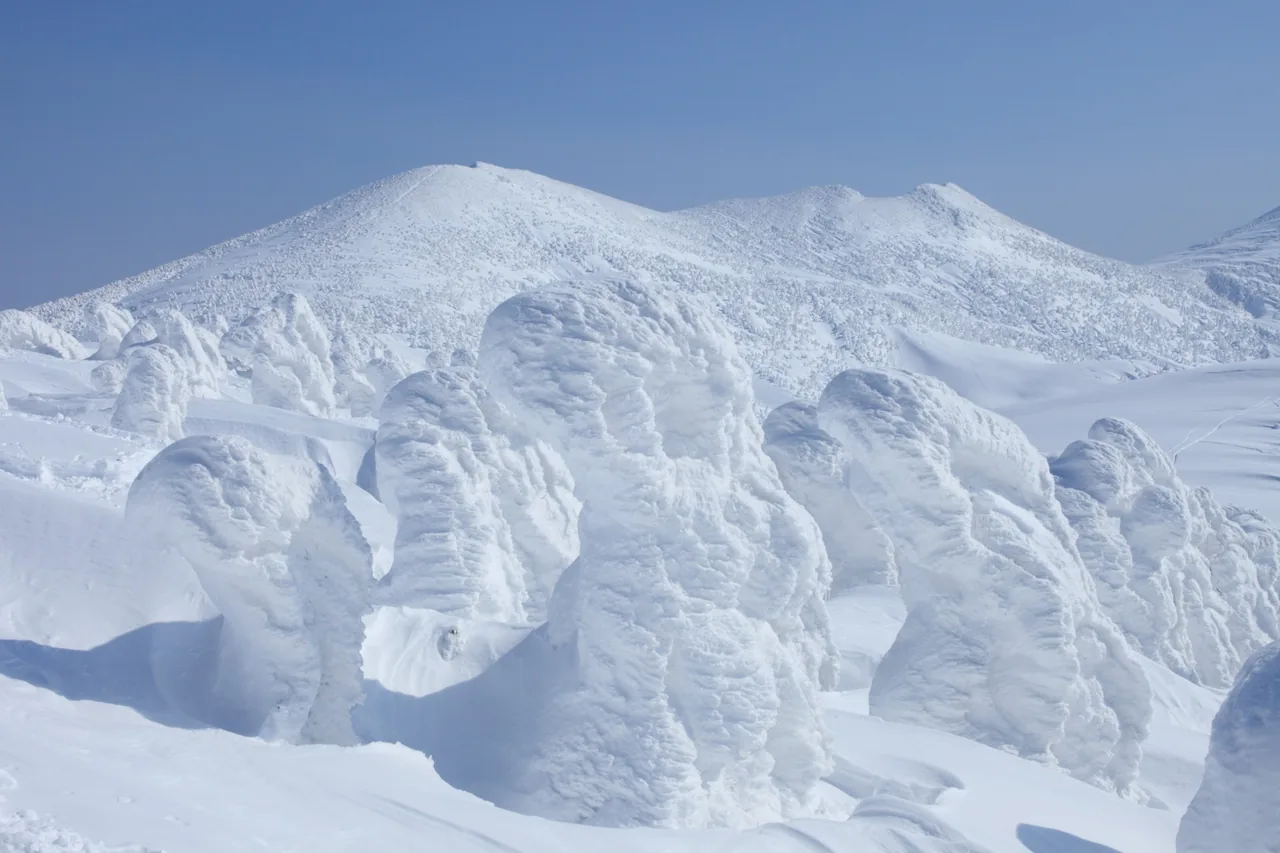
In winter, trees on Hakkoda become coated in snow and ice, forming juhyo ("snow monsters"). You can see them from the ropeway windows too, and they are at their best from January to late February. Winter at the top means sub-zero temperatures and strong winds, so even if you are not skiing or snowboarding you need snow-mountain gear such as gloves, a hat and waterproof boots. The ropeway can stop in bad weather.
What changes with the seasons?
- Spring to summer: The trees along Oirase Stream come into fresh green leaf, a pleasant time for walking by the water.
- Autumn: The colour starts near the Hakkoda summits in late September, and the view from the Hakkoda Ropeway is usually at its best around 10 October. This is the busiest time of year, and the riverside road often jams at weekends. For more leaf spots, see Aomori's best autumn leaves.
- Winter: The boats stop and some mountain roads close. There are winter-only sights such as the Hakkoda snow monsters and tours to see frozen waterfalls, but if you are not used to driving on snow, tours and buses are the safer choice (Aomori in winter).
Getting there and getting around
- By car: The most flexible option. A common route is to rent a car near Aomori or Shin-Aomori Station, cross Hakkoda and head for Lake Towada. Winter tyres are required in winter, and mountain roads are difficult if you are not used to snow.
- By bus: Route buses link Aomori Station with Hakkoda and Lake Towada, with stops along Oirase Stream. Service periods and frequencies change a lot with the season, and some sections are suspended in winter, so always check the timetable before you ride.
- How many days: To see the lake, the stream and Hakkoda, staying a night by Lake Towada or at a Hakkoda hot spring gives you breathing room. On a day trip, limit your Oirase walk to one section.
You can find more Aomori travel information on "Amazing AOMORI", the tourism site run by Aomori Prefecture and the Aomori Prefecture Tourism and International Exchange Organization.