Aomori in Winter: Snow Monsters, Frozen Falls and the Stove Train
This guide is translated from the Japanese edition. Read the Japanese edition
Aomori winter sights: Hakkoda snow monsters, Oirase's frozen falls, snowy Tsuru no Maihashi and Takayama Inari, the Tsugaru stove train, plus snow travel tips.
From December to March, almost all of Aomori Prefecture lies under snow. Getting around takes longer, but in return you see scenery completely unlike summer. High in the mountains, trees wrapped in snow and ice become juhyo, the stream's waterfalls freeze solid, and on the Tsugaru plain vermilion torii gates and a wooden bridge stand out against the white. Five sights stand out, and travelling in the snow season calls for a few precautions, noted at the end.
What is a winter trip to Aomori like?
Aomori's winter sights fall into two groups: the mountains of Hakkoda and Oirase, and the Tsugaru plain centred on Goshogawara. The snow is deep in the mountains, and the ropeway and buses can stop depending on the weather, so leave some slack in your schedule. On the Tsugaru side many places can be reached by train or bus, but services are infrequent, so look up connections in advance.
Dress in a heavy coat with gloves and a hat, and wear waterproof shoes with good grip. Days are short and it starts getting dark after 4 p.m., so plan to see outdoor sights while it is still light.
Hakkoda snow monsters: up the ropeway to the juhyo
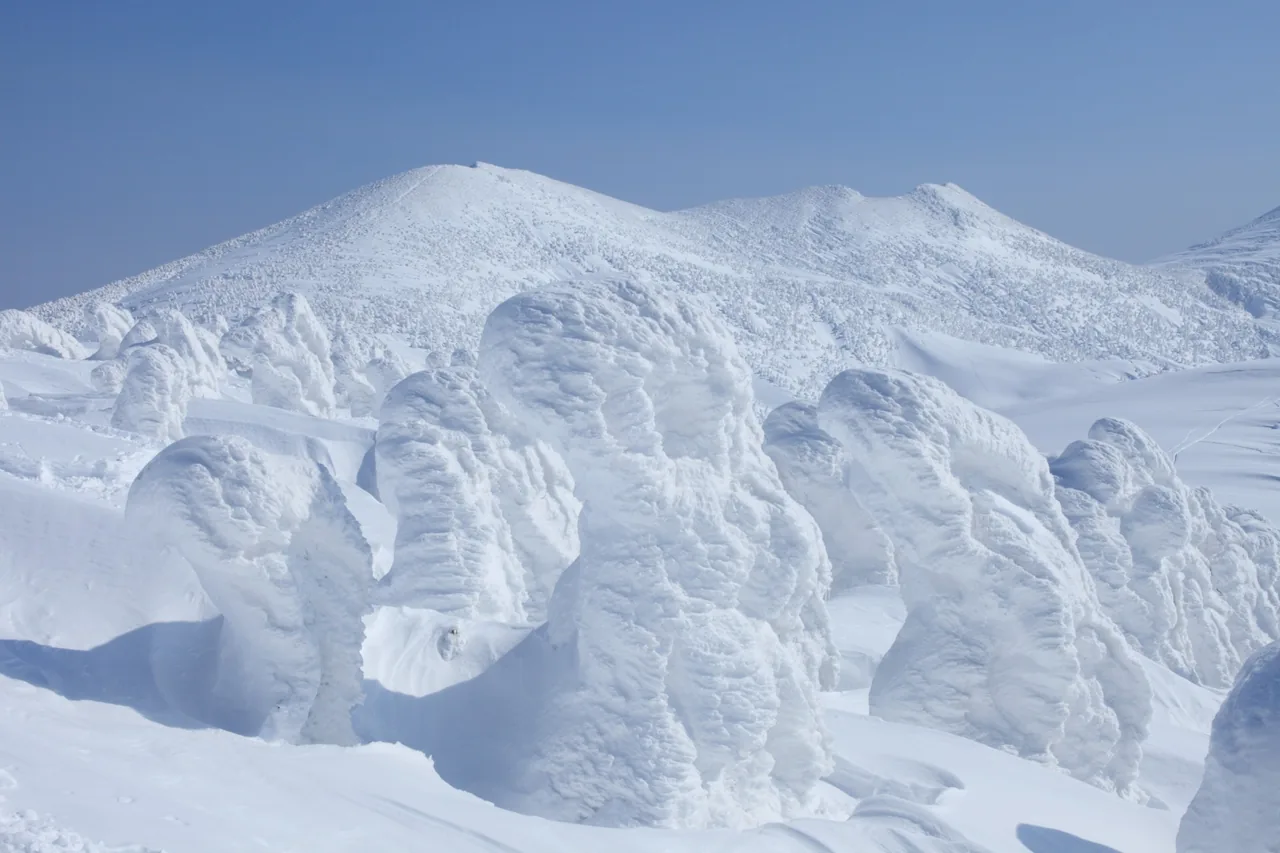
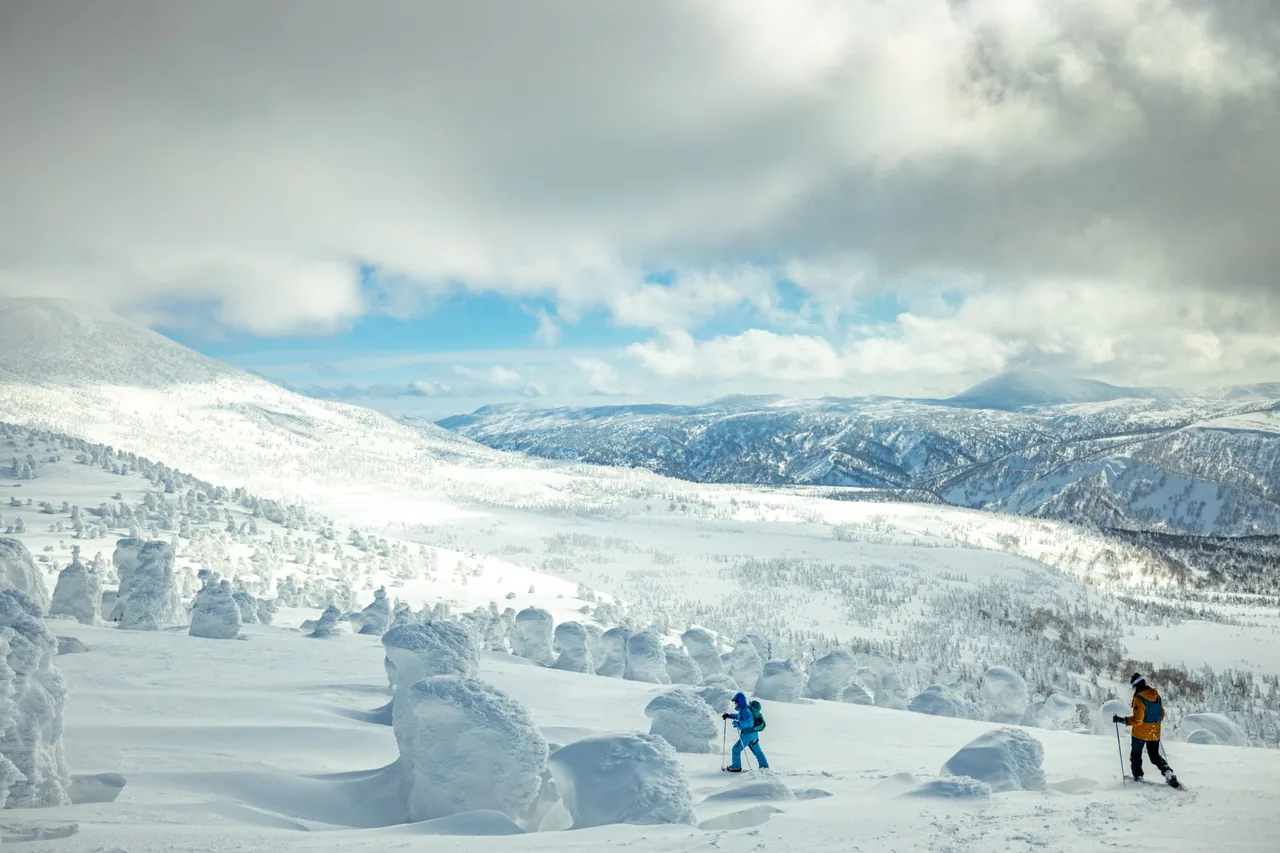
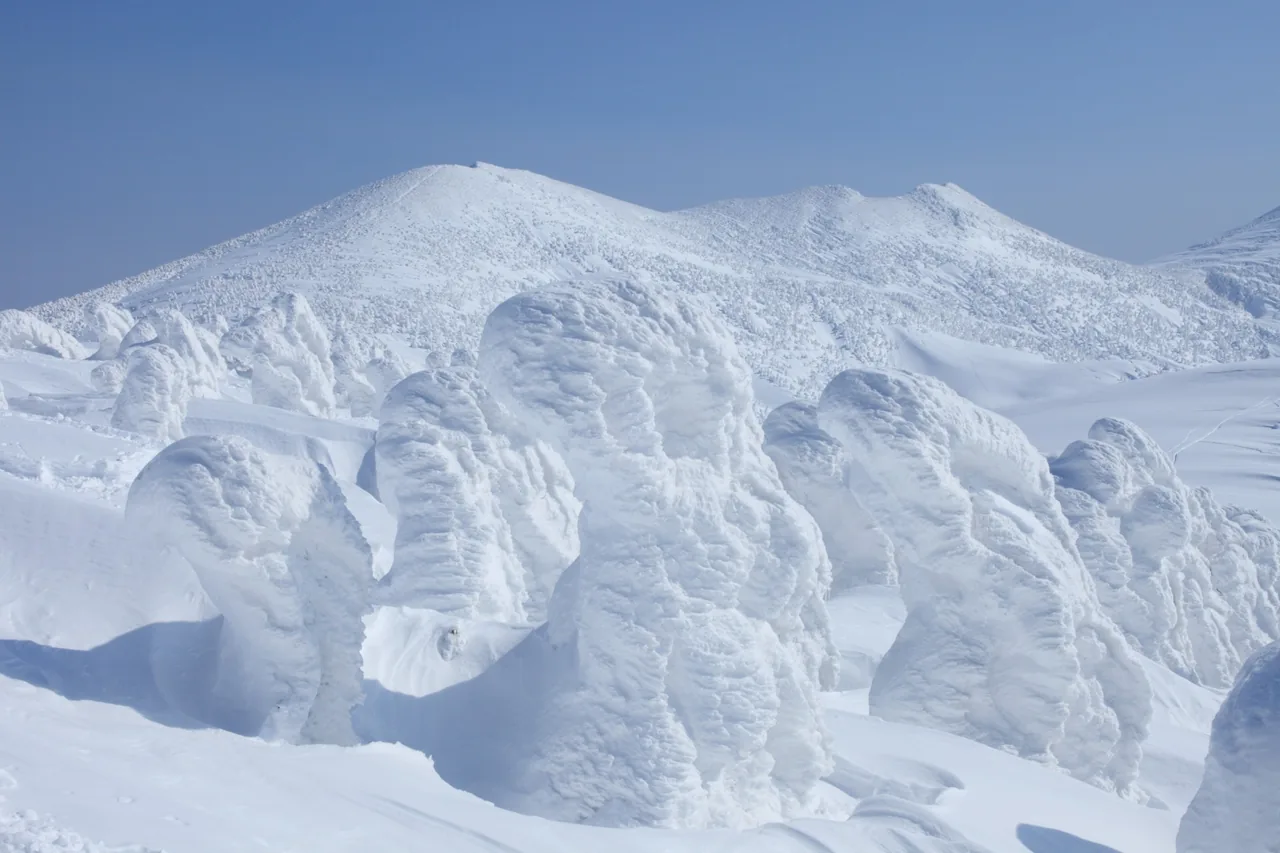
In winter on Hakkoda, snow and ice cling to the trees high on the mountain, forming row upon row of monster-like juhyo. They are also known as "snow monsters". The Hakkoda Ropeway takes about 10 minutes from the base station to Sancho Koen (summit park) Station, where the juhyo spread out, and you can see them from the gondola windows too.
They are at their best from January to late February. The summit is below freezing and windy, and in a blizzard you can barely see. Even if you are not skiing, dress as if you are heading into snowy mountains. The ropeway is suspended on very windy days, so check the operating status on the official site before you set out to avoid a wasted trip.
Oirase Stream's frozen falls: ice and icicles
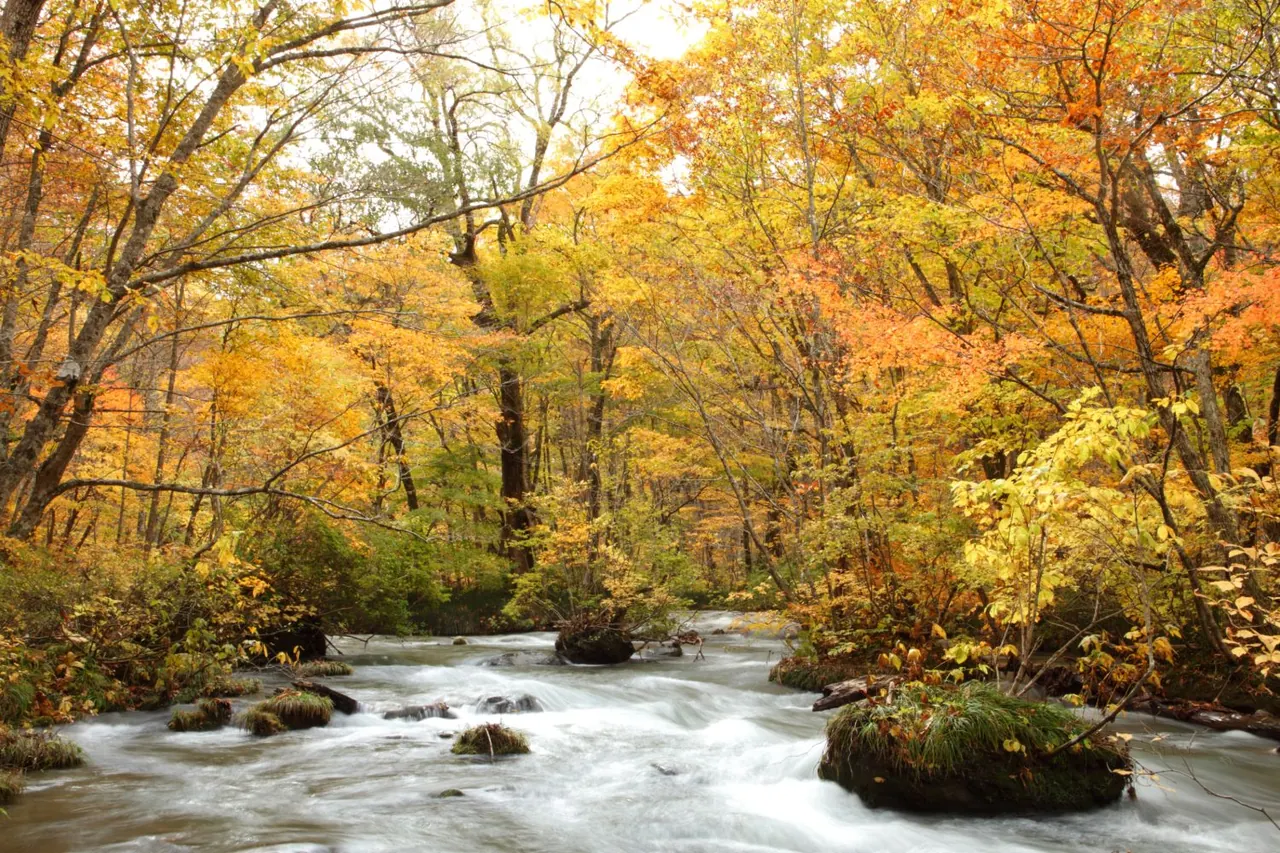
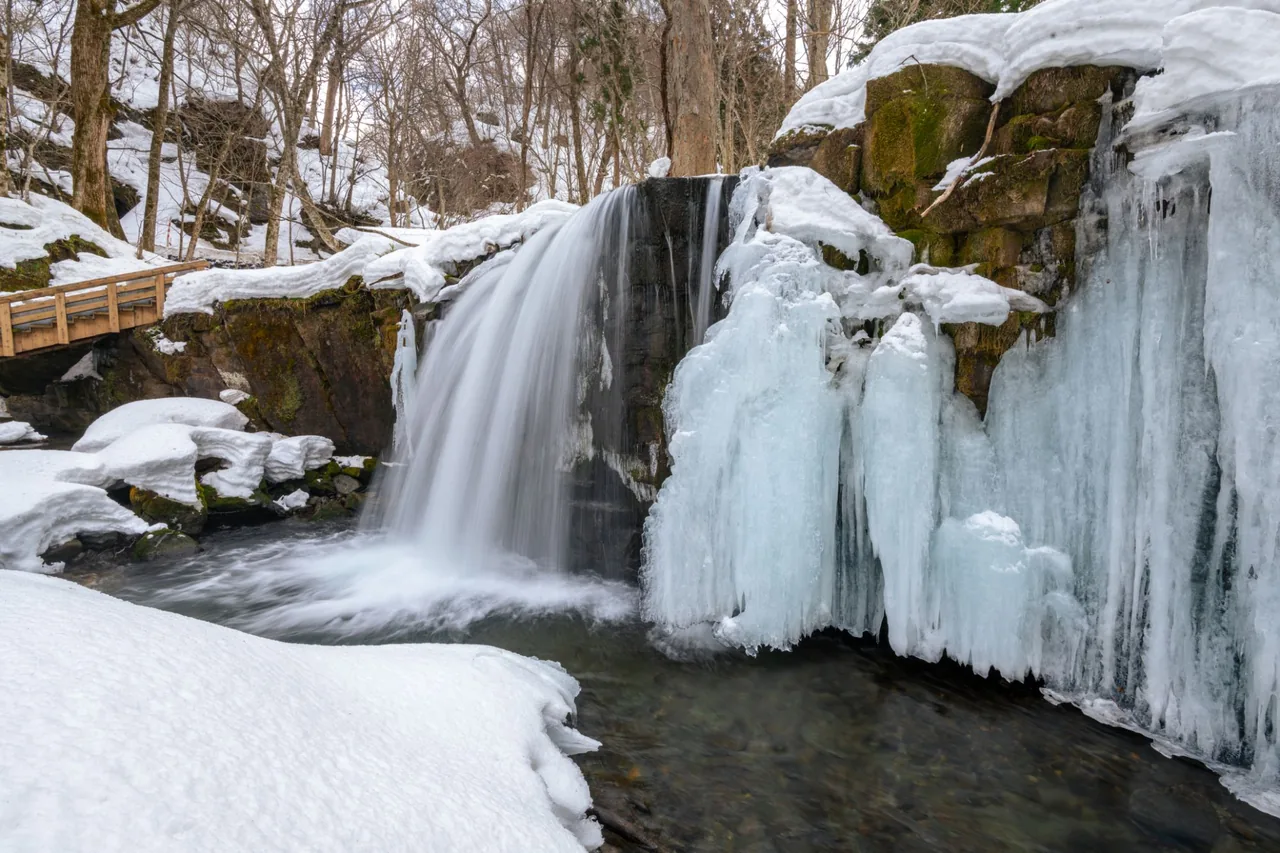
At Oirase Stream, where in summer and autumn you walk the trail past the waterfalls, the water falling from cascades and rock faces along the stream freezes in midwinter into pale blue frozen falls and icicles. The snow-buried stream is quiet, with a look entirely different from the green seasons.
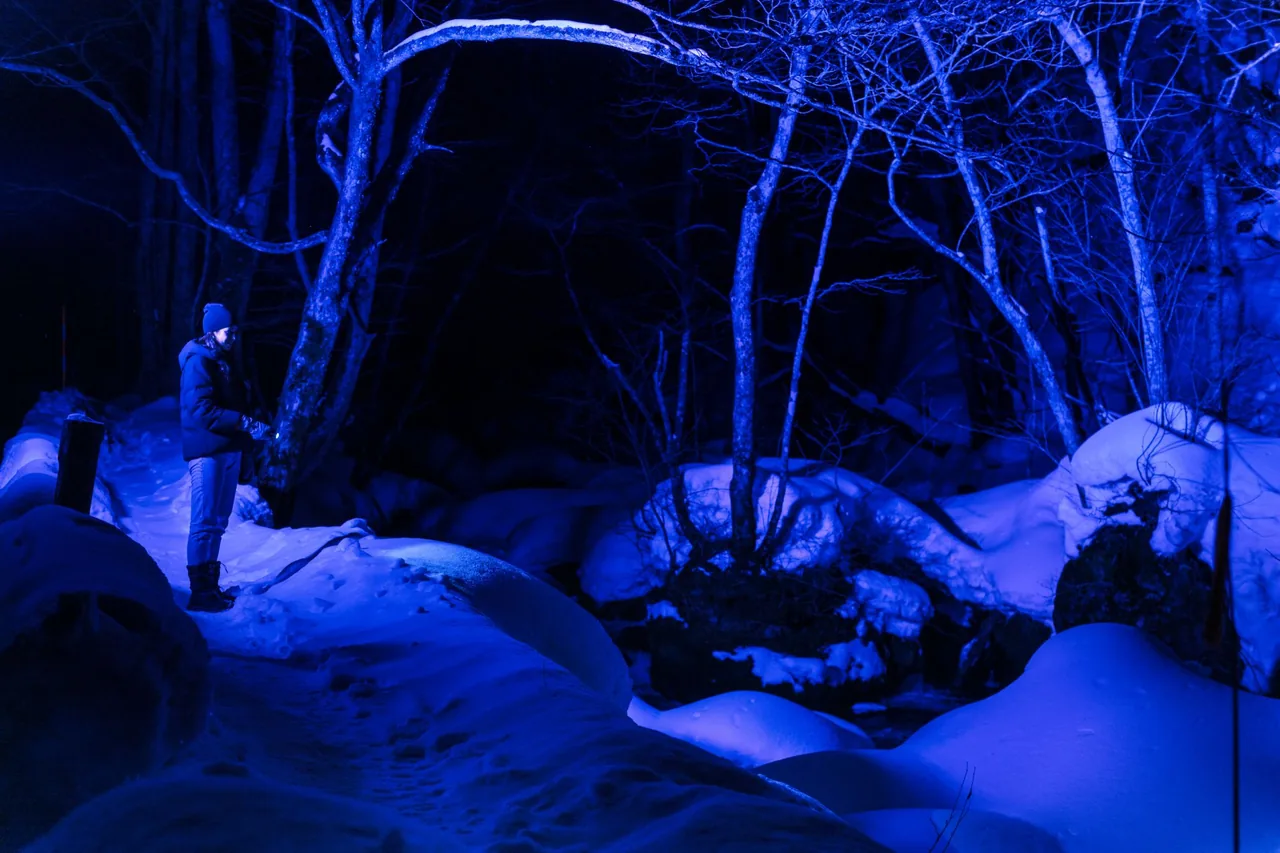
Snow lies deep along the stream in winter, and in places the trail is hard to walk on your own. In winter Towada City runs the Oirase Stream Ice Falls Tour to see the icicles and frozen falls, and the Oirase Stream Ice Falls Night Tour shows them lit up after dark. If you are not used to snowy ground, joining one of these tours is the safe choice. For how to get around Lake Towada and Oirase Stream, see Getting around Lake Towada, Oirase and Hakkoda.
Tsuru no Maihashi: a wooden bridge over a snowy lake
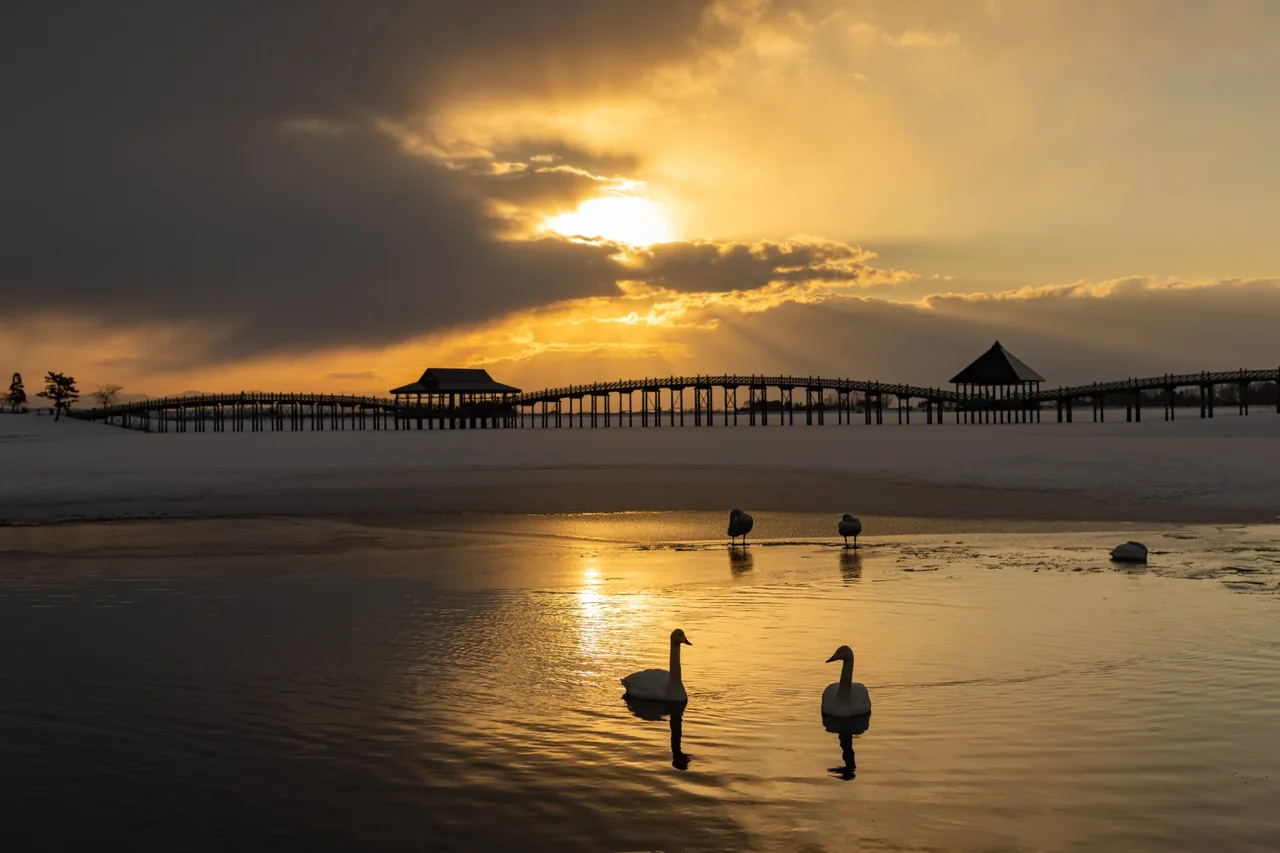
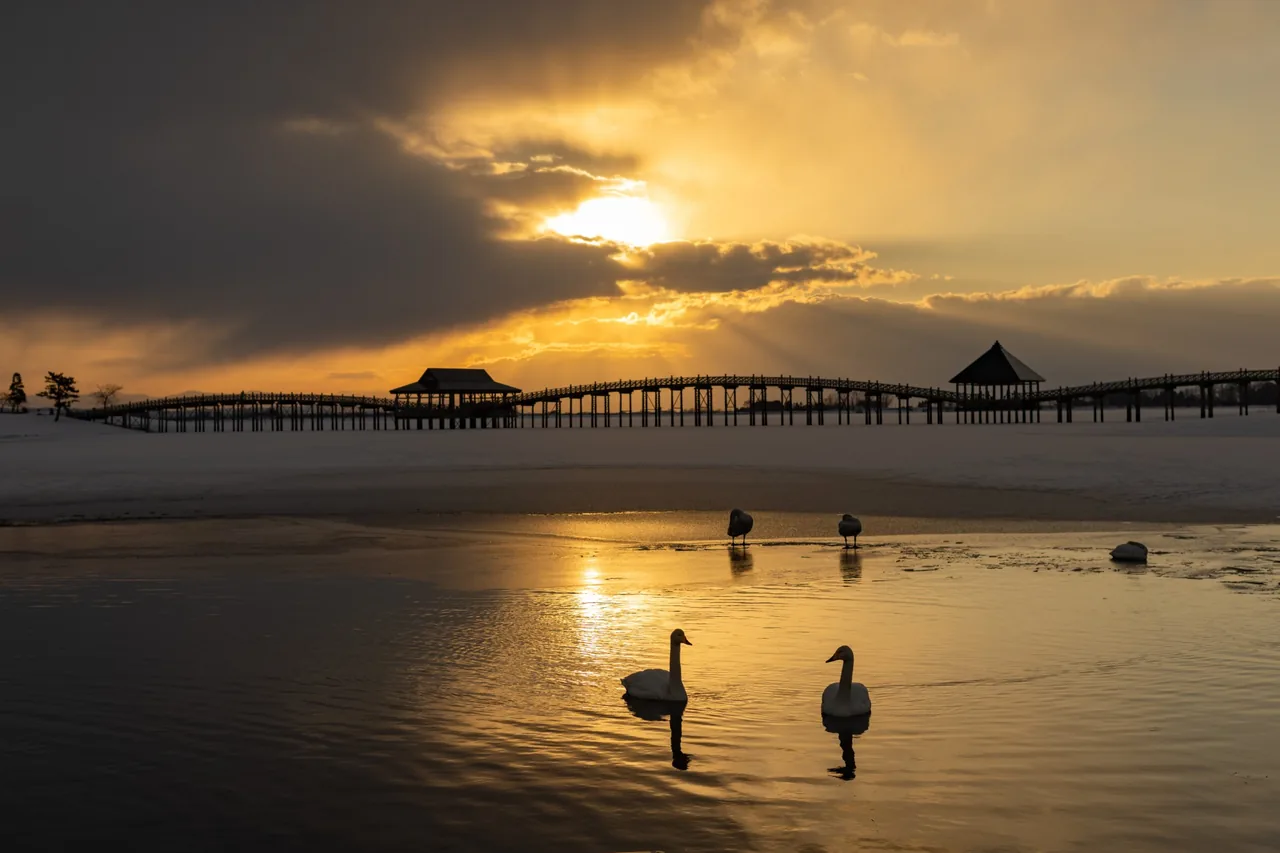
Tsuru no Maihashi Bridge in Tsuruta is a wooden bridge about 300 m long over Lake Tsugaru Fujimi. Built from Aomori hiba cypress as three linked arched spans, it was completed in 1994 and is said to be the longest wooden triple-arched bridge in Japan.
On clear days you can see Mt. Iwaki, also called "Tsugaru Fuji", beyond the bridge. In winter the lakeshore is covered in snow, and the gentle curves of the bridge float in a white landscape. On snowy days the bridge deck gets slippery too, so walk slowly.
Takayama Inari Shrine: a thousand torii winding through the snow
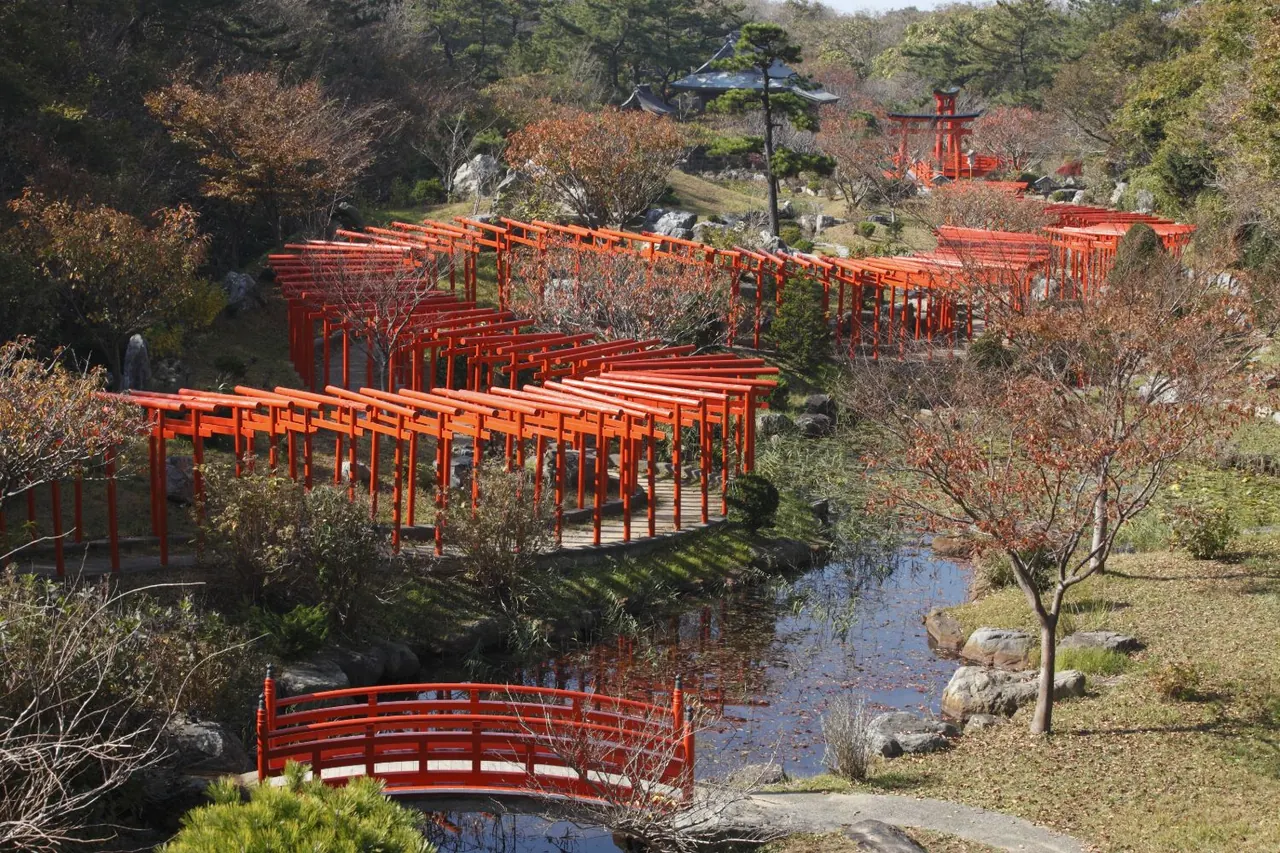
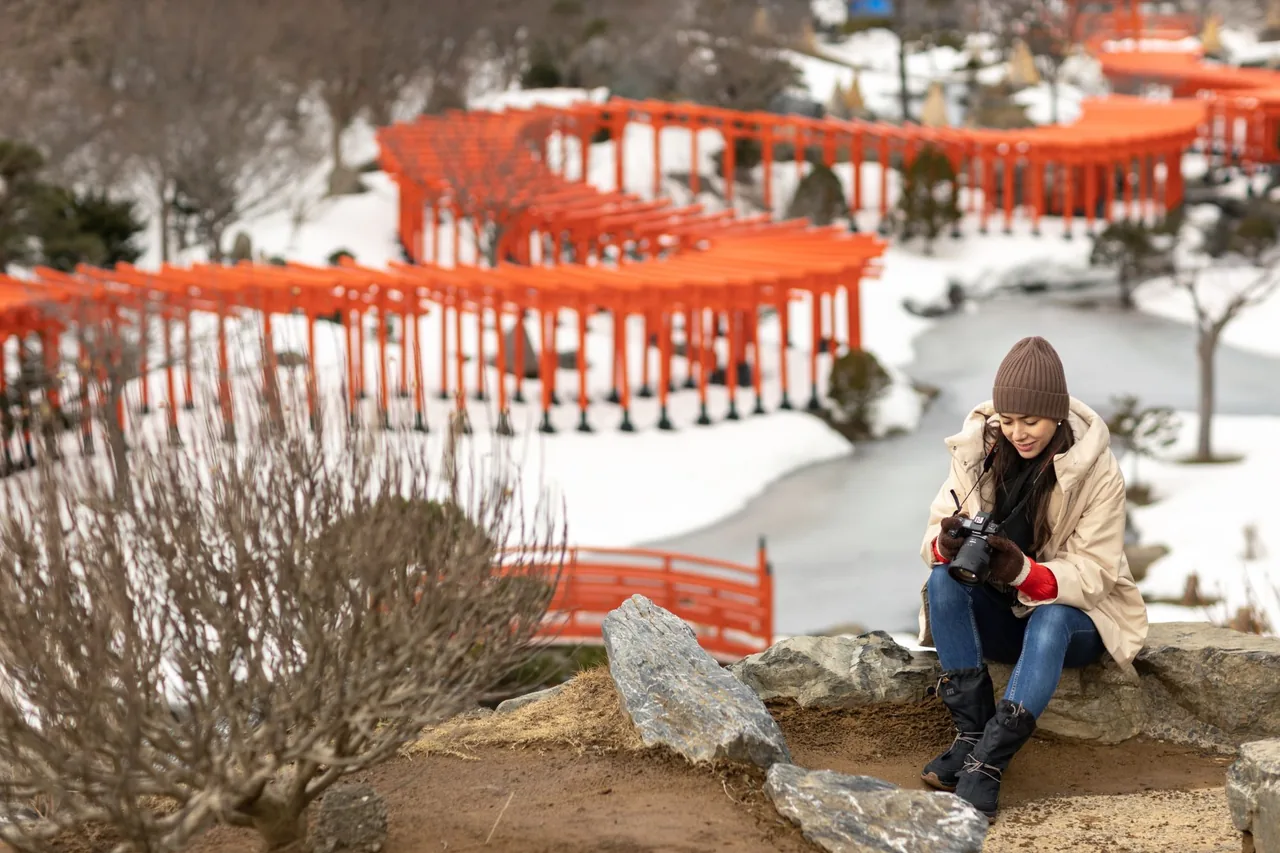
Takayama Inari Shrine in Tsugaru City is known for its "thousand torii", a line of vermilion gates running down the slope of the grounds. From the Senbon Torii viewing platform in the grounds, you can look down on the long row of gates.
In winter the white snow brings out the vermilion of the gates, and on clear days they stand out sharply against the blue sky. The shrine is close to the Sea of Japan and winter winds are often strong, so dress warmly. It is about 30 minutes by car from JR Goshogawara Station. By bus, take the Konan Bus Kodomari Line (via Jusan) from Goshogawara Station for about 40 minutes to Takayama Jinja Iriguchi, then a taxi for about 5 minutes.
The Tsugaru Railway stove train: a pot-bellied stove on board
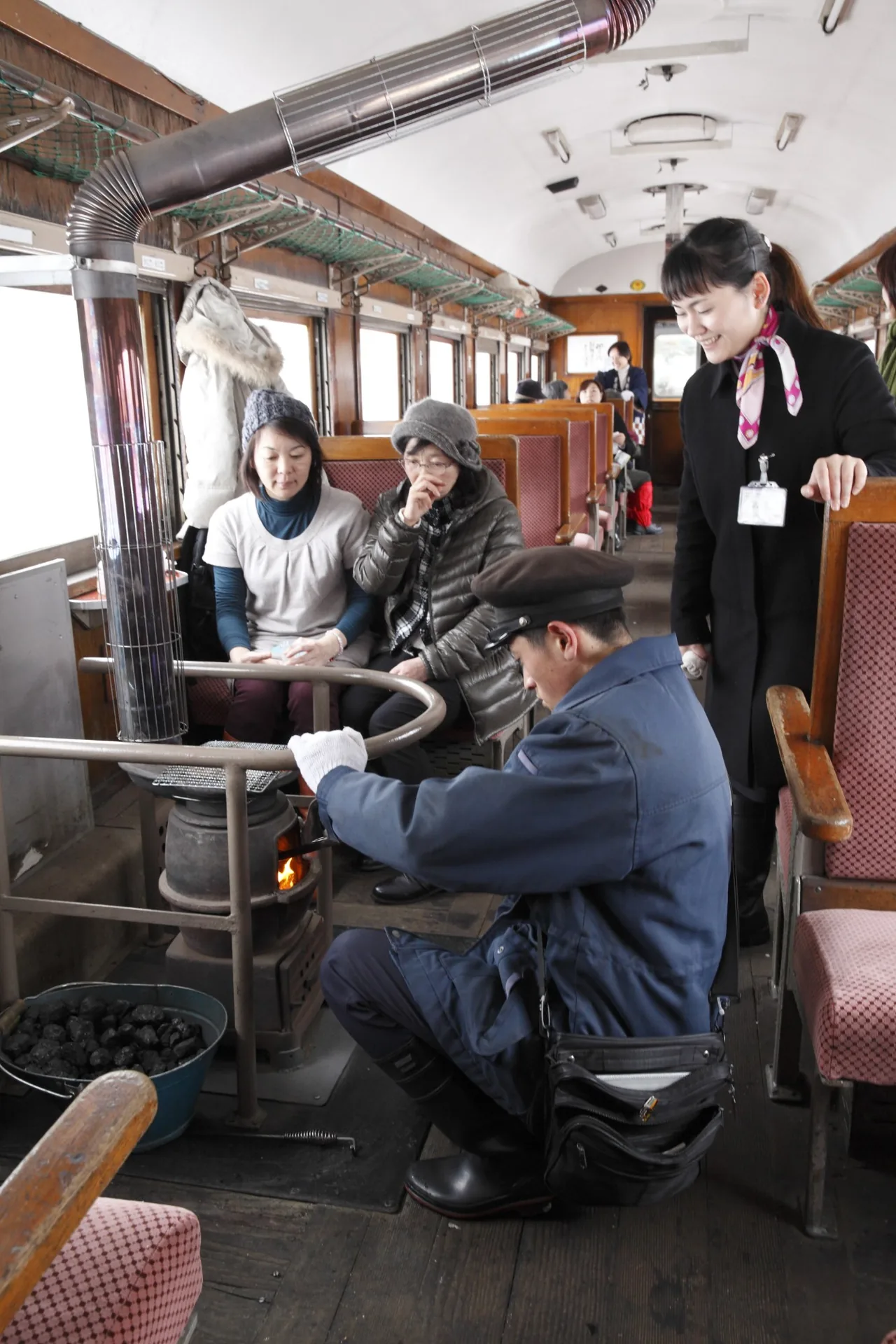
On the Tsugaru Railway, which links Tsugaru-Goshogawara Station in Goshogawara with Tsugaru-Nakasato Station to the north, winter brings the "stove train", with pot-bellied stoves installed in its passenger cars. Outside the windows the snowy Tsugaru plain stretches away, while inside, coal-fed stoves warm the carriages.
It usually runs from 1 December to 31 March. You need a stove train ticket in addition to your regular fare. Not every train includes a stove car, so check the timetable for the services that do. In the 2025–26 winter, after a problem with the cars on 29 December, the stove train could not resume service during the season. The Tsugaru Railway has announced that the stove train will run again from 1 December 2026. Check the operating days and departures on the stove train page before you go.
Getting around safely in the snow season
- If you are not used to driving on snow, trains, buses and tours are safer than a rental car. If you do drive, rent a car with winter tyres and remember that some mountain roads close for the winter.
- Heavy snow and strong winds can delay or stop trains and buses. Leave plenty of time before a return flight or shinkansen.
- Tsuru no Maihashi, Takayama Inari Shrine and the stove train are all around Goshogawara. Using Goshogawara as a base makes it easier to plan a one- or two-day trip.
You can find more Aomori travel information on "Amazing AOMORI", the tourism site run by Aomori Prefecture and the Aomori Prefecture Tourism and International Exchange Organization.