Aomori Food Guide: Nokke-don, Senbei-jiru, Oma Tuna and More
This guide is translated from the Japanese edition. Read the Japanese edition
Aomori food at a glance: build-your-own nokke-don, Hachinohe's senbei-jiru, Oma tuna, Mutsu Bay scallops and Tsugaru dishes, with where and when to eat them.
Walk from Aomori Station to the market and you can sit down to a bowl topped with scallops and tuna first thing in the morning. Take the shinkansen to Hachinohe and there is a soup with crackers broken into the pot; in winter, Tsugaru serves a soup of finely chopped root vegetables. Aomori Prefecture faces the Pacific, the Sea of Japan, the Tsugaru Strait and Mutsu Bay, so it is rich in seafood, but its local cooking goes well beyond fish. For first-time visitors, here is the big picture of Aomori's signature dishes and which part of the prefecture to eat them in.
Tsugaru, Nanbu and Shimokita Eat Differently
Aomori's food culture is usually explained in three regions. Tsugaru in the west, where rice paddies spread below Mount Iwaki, is rice country. Nanbu in the east, home to Hachinohe and Towada, is a culture of flour such as wheat and buckwheat. The Shimokita Peninsula, jutting out at the northern tip of Honshu, is potato country. In Nanbu, where frequent cold summers made rice hard to grow, baked flour crackers called Nanbu senbei kept people fed.
Thinking in these regions makes it easier to match where you are going with what you want to eat.
| Region | Main towns | What to eat |
|---|---|---|
| Aomori City | Around Aomori Station | Nokke-don, miso curry milk ramen, scallops |
| Tsugaru | Hirosaki, Kuroishi, Goshogawara | Ke-no-shiru, Kuroishi tsuyu yakisoba, Dake-kimi corn |
| Nanbu | Hachinohe, Towada | Senbei-jiru, morning market seafood, Towada barayaki |
| Shimokita | Mutsu, Oma | Oma tuna |
Nokke-don: Choosing Your Toppings at an Aomori City Market
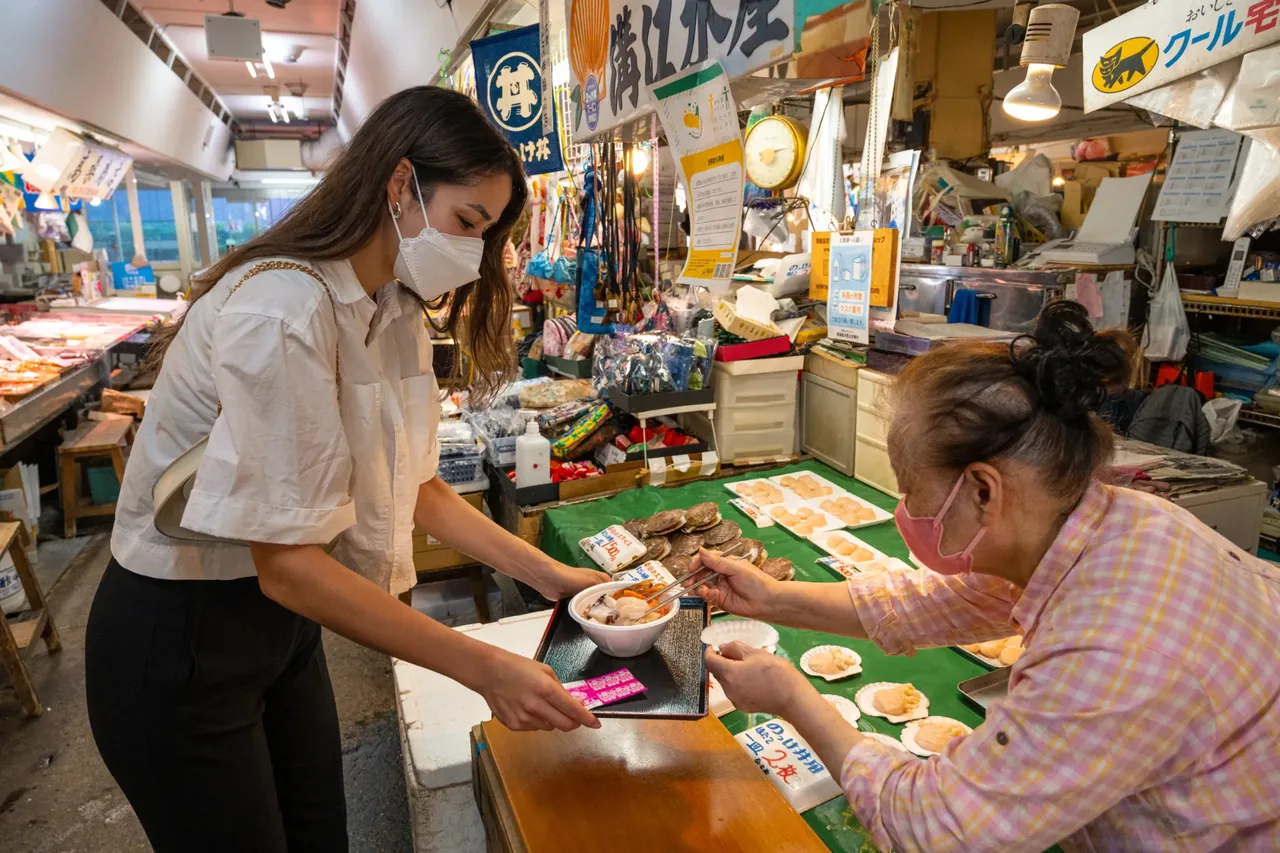
At Aomori Gyosai Center, within walking distance of Aomori Station, the specialty is nokke-don, a rice bowl you assemble yourself. You first buy meal tickets, trade a ticket for rice, then walk around the fish and deli stalls inside, paying in tickets for each topping you add. Scallops, tuna and the rest of the lineup vary by stall and season.
How the tickets work and where you are allowed to eat are explained step by step in our Aomori scallops and seafood guide.
Senbei-jiru: Nanbu Crackers Broken into a Hachinohe Hot Pot
Senbei-jiru is a local dish of the Nanbu region centered on Hachinohe. A broth simmered with chicken, burdock, mushrooms and leeks gets Nanbu senbei made especially for soup (called otsuyu senbei or kayaki senbei) broken into it. The crackers, baked from wheat flour and salt, soak up the broth and turn chewy, with a texture unlike either dumplings or noodles.
Families in the area have been making it for more than 200 years, and it became known across Japan through local promotion after the Tohoku Shinkansen reached Hachinohe Station in 2002. Many restaurants in Hachinohe serve it, and our Hachinohe travel guide covers where to try it there.
Miso Curry Milk Ramen and Kuroishi Tsuyu Yakisoba
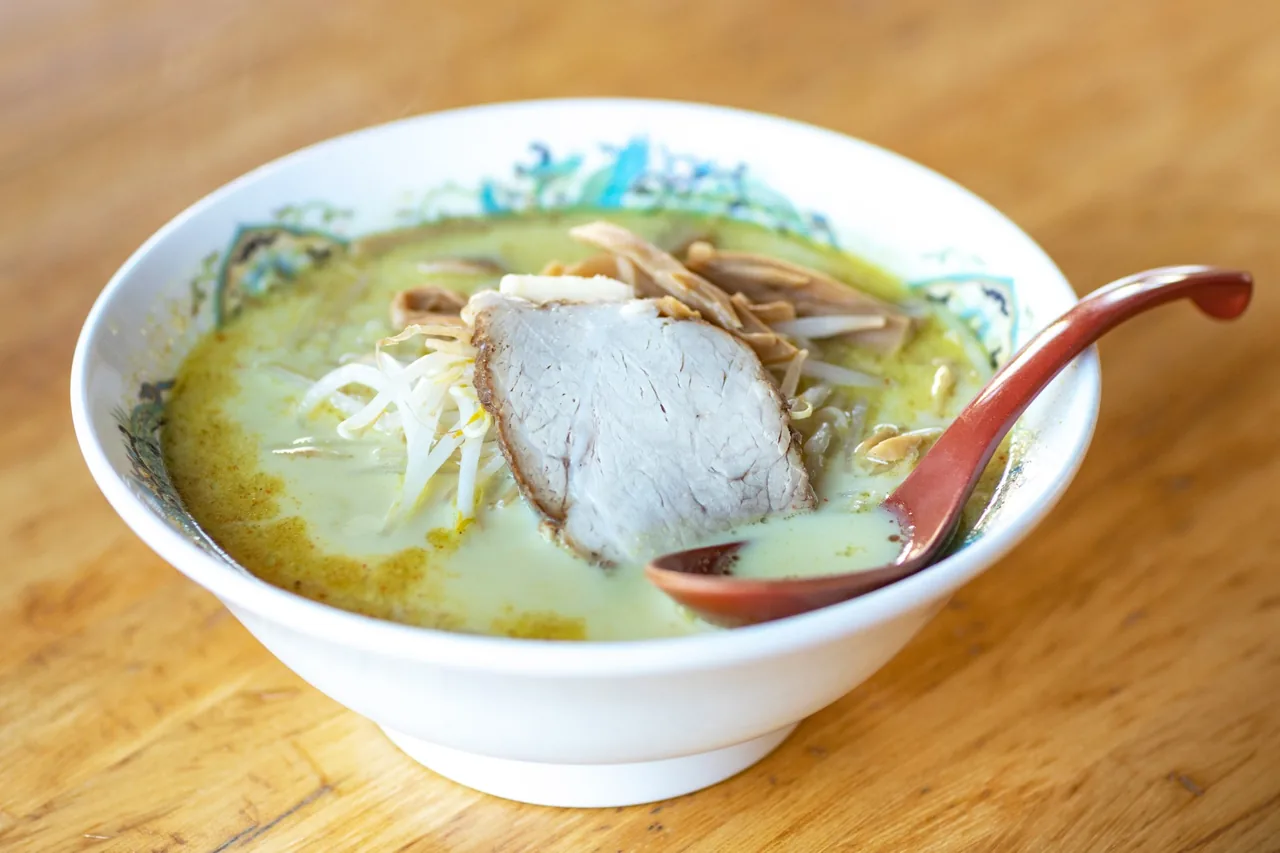
Aomori City has miso curry milk ramen, miso ramen with curry powder and milk added. It tastes much mellower than the name suggests, and it is local enough to have appeared on the cover of the city's public newsletter alongside ginger miso oden.
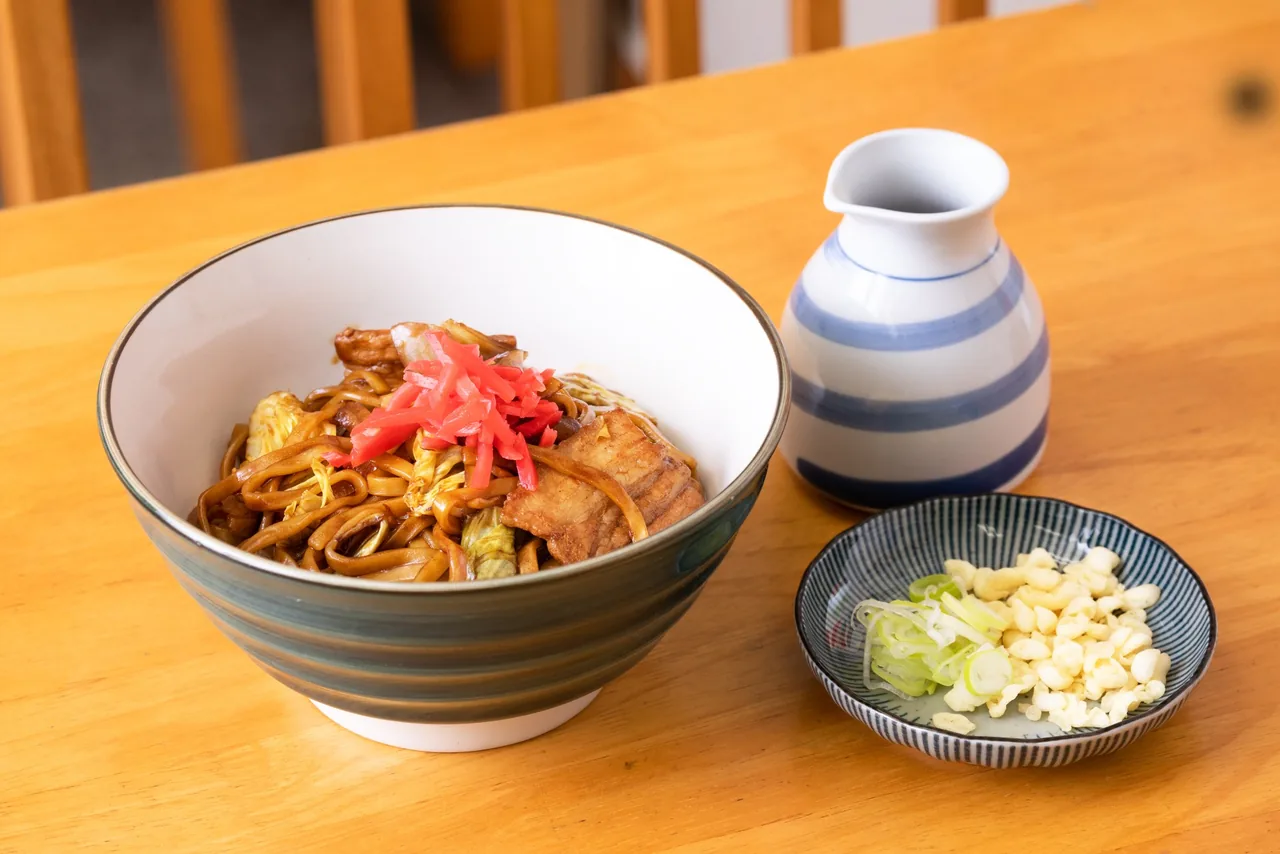
Kuroishi in Tsugaru has Kuroishi tsuyu yakisoba: thick, flat noodles stir-fried with sauce, then served in Japanese-style broth. Noodle dishes such as ramen and yakisoba, plus local favorites like Towada barayaki, are covered in our guide to Aomori ramen and local food.
Oma Tuna: Caught in the Tsugaru Strait at Honshu's Northern Tip
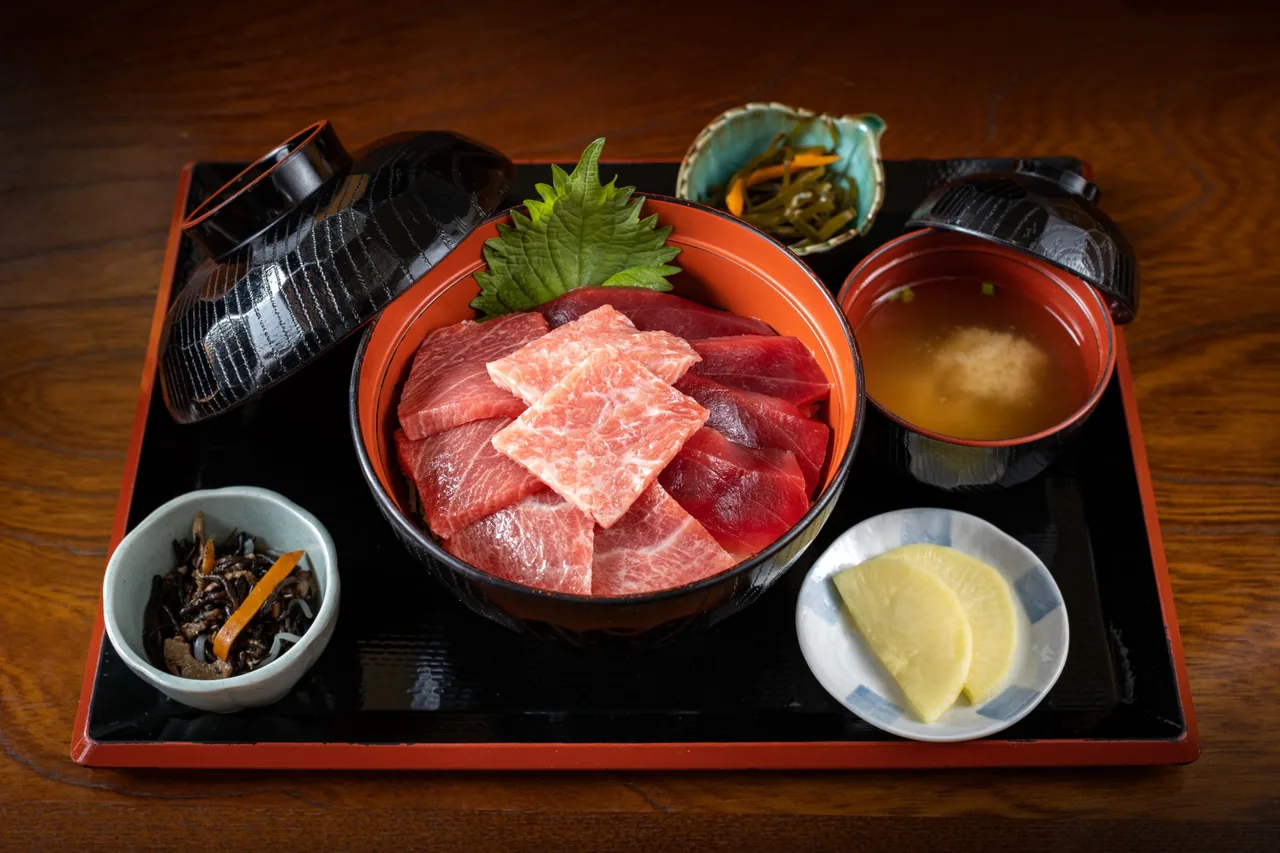
At the end of the Shimokita Peninsula, the town of Oma, home to Cape Oma, is known as a tuna town. Oma's fishers go after Pacific bluefin tuna in the Tsugaru Strait between Honshu and Hokkaido with single hand lines.
Restaurants in town serve tuna bowls and tuna sashimi. Oma sits at the very tip of the Shimokita Peninsula and is far for a day trip from Aomori City or Hachinohe, so it fits best into a trip around the peninsula. Markets and restaurants in Aomori City sometimes carry Oma tuna too.
Mutsu Bay Scallops and Kaiyaki Miso
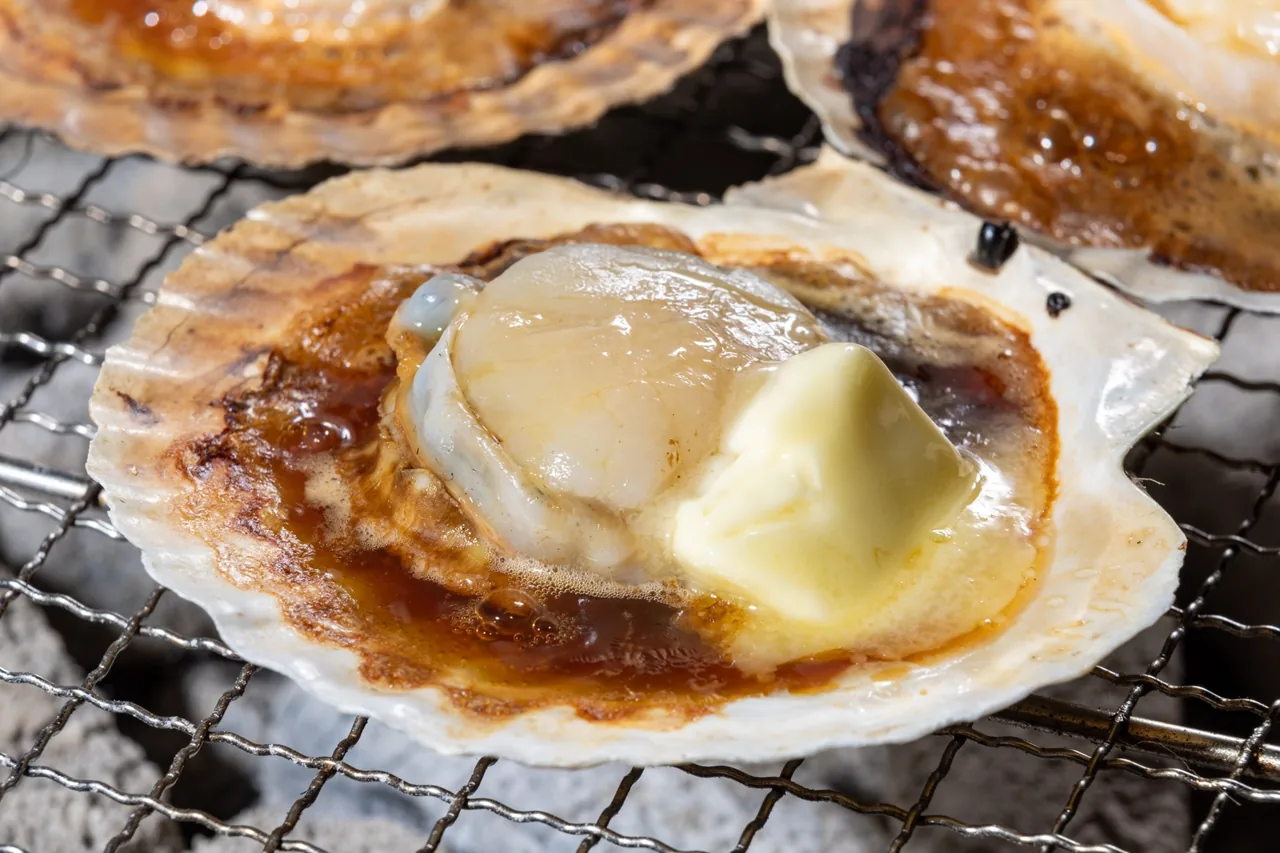
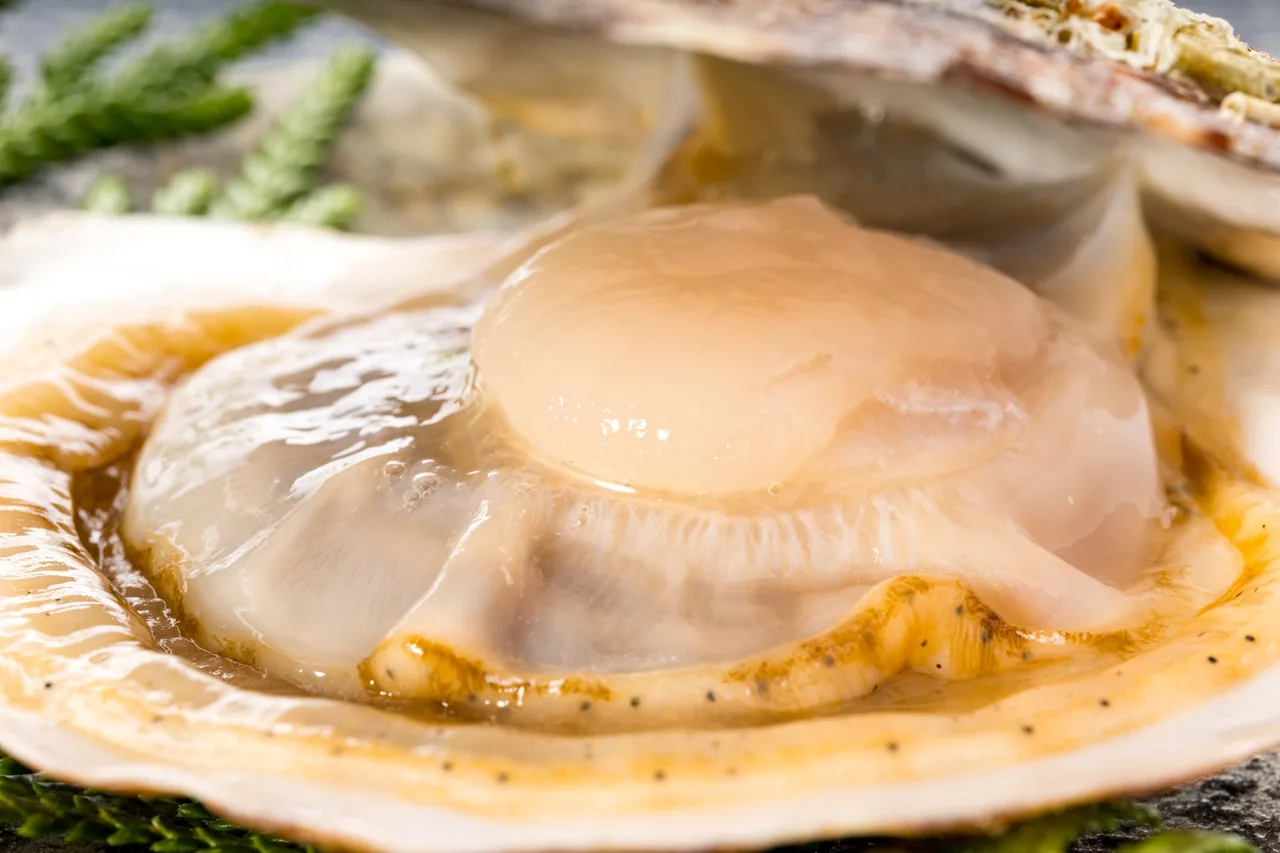
Mutsu Bay, north of Aomori City, is a major scallop-farming area. Scallops grilled in the shell over a net let you drink the juices that collect in the shell.
The best-known local dish is kaiyaki miso. A large scallop shell is used as a small pot, and chopped scallop is simmered in broth and miso, then finished with egg. In Tsugaru it is usually a simple mix of egg and miso, while in Shimokita seaweed, sea urchin or squid may go in, so the contents change by region. For how the scallops are raised and every way to eat them from sashimi to fries, see the scallops and seafood guide.
Ke-no-shiru: Tsugaru's Little New Year Soup
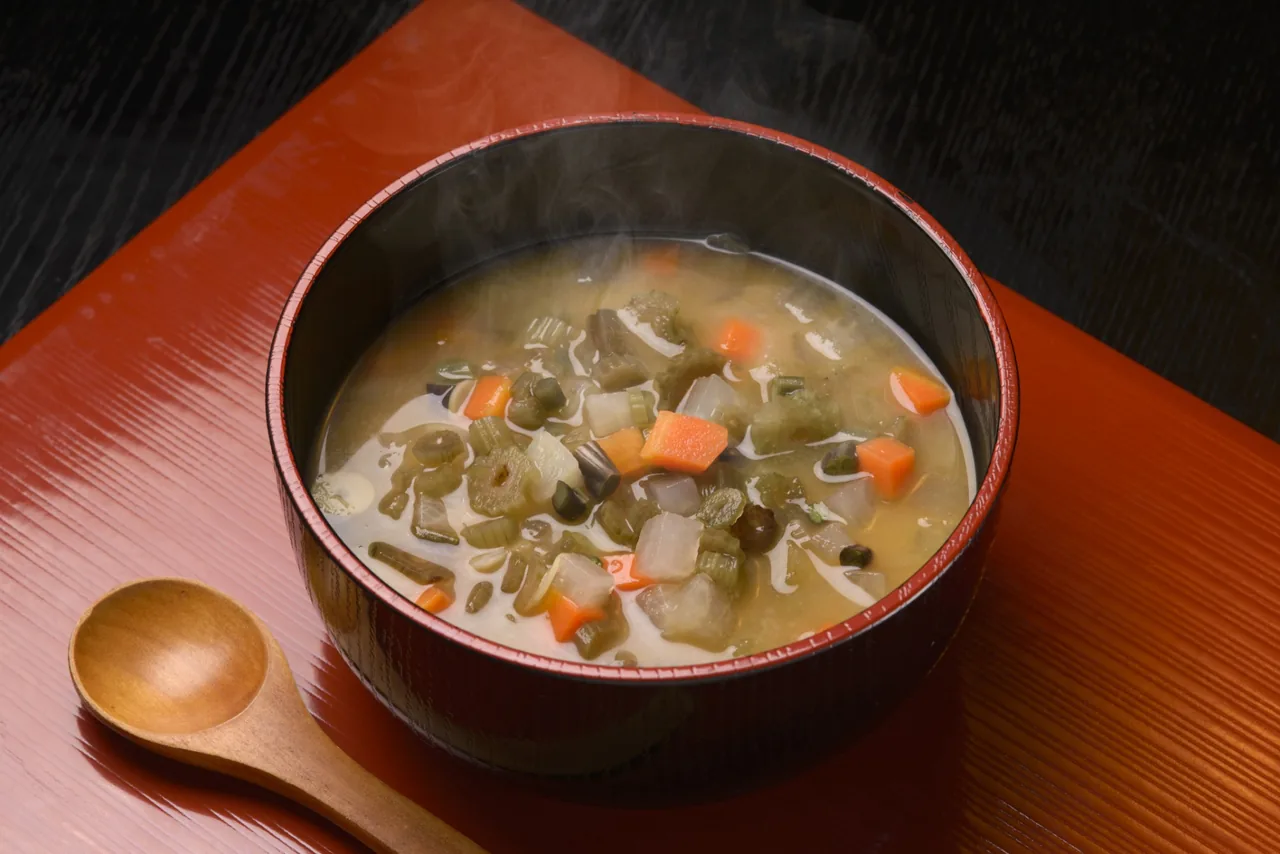
Ke-no-shiru is one of the signature dishes of the Tsugaru region. Root vegetables such as daikon, carrot and burdock, mountain vegetables such as bracken and butterbur, freeze-dried tofu and fried tofu are chopped finely, simmered and seasoned with miso. Mashed soybeans are another defining ingredient.
It was originally eaten at Koshogatsu, the Little New Year around January 15, made in a big pot and reheated for days. One theory says the name comes from the Tsugaru word "ke" for rice porridge. If you visit Tsugaru in winter, you may come across it at restaurants serving local food or in meals at your inn.
Dake-kimi: Late-Summer Corn from the Foot of Mount Iwaki
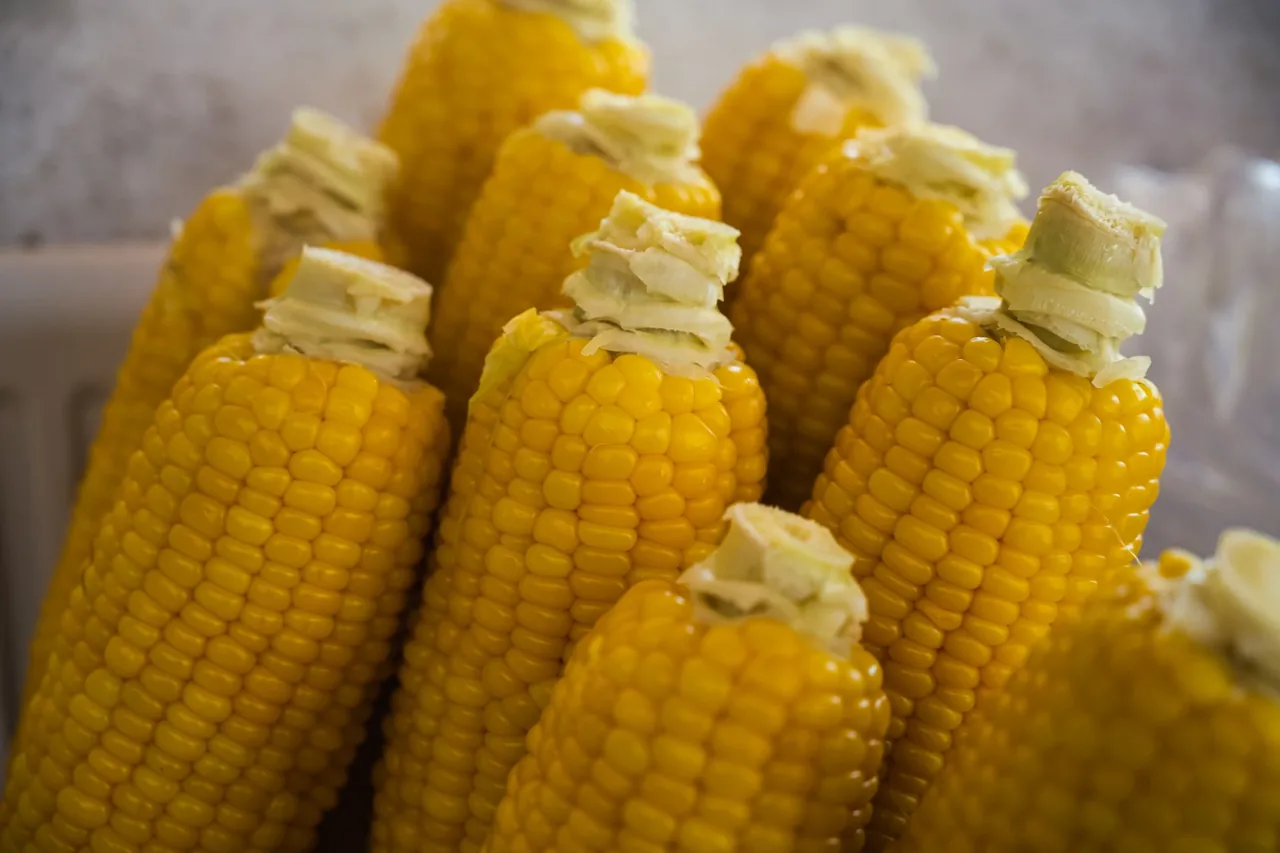
"Kimi" is the Tsugaru word for corn. Dake-kimi is grown on the Dake Plateau at the foot of Mount Iwaki, west of Hirosaki, at about 400 to 500 meters above sea level, where large swings between day and night temperatures make it sweet. Hirosaki City describes it as corn with a sugar content of 18 degrees Brix or more.
It is in season in August and September. A late-summer trip from Hirosaki out to Mount Iwaki and Iwakiyama Shrine lines up with the time it is freshly picked.
When to Eat What
- Summer (June to August): Mutsu Bay scallops have their thickest adductor muscles. This is also when sea urchin gets good along the Hachinohe coast.
- Late summer (August to September): Dake-kimi corn from the foot of Mount Iwaki.
- Winter (January): Ke-no-shiru for Tsugaru's Little New Year.
- All year: Nokke-don, senbei-jiru and the local ramen are available in any season.
You can read the history and recipes of each dish on the Aomori Prefecture page on local cuisine and the Aomori page of the Ministry of Agriculture, Forestry and Fisheries' local cuisine database (both in Japanese).