Aomori Scallops and Seafood: Nokke-don, Oma Tuna and Uni-don
This guide is translated from the Japanese edition. Read the Japanese edition
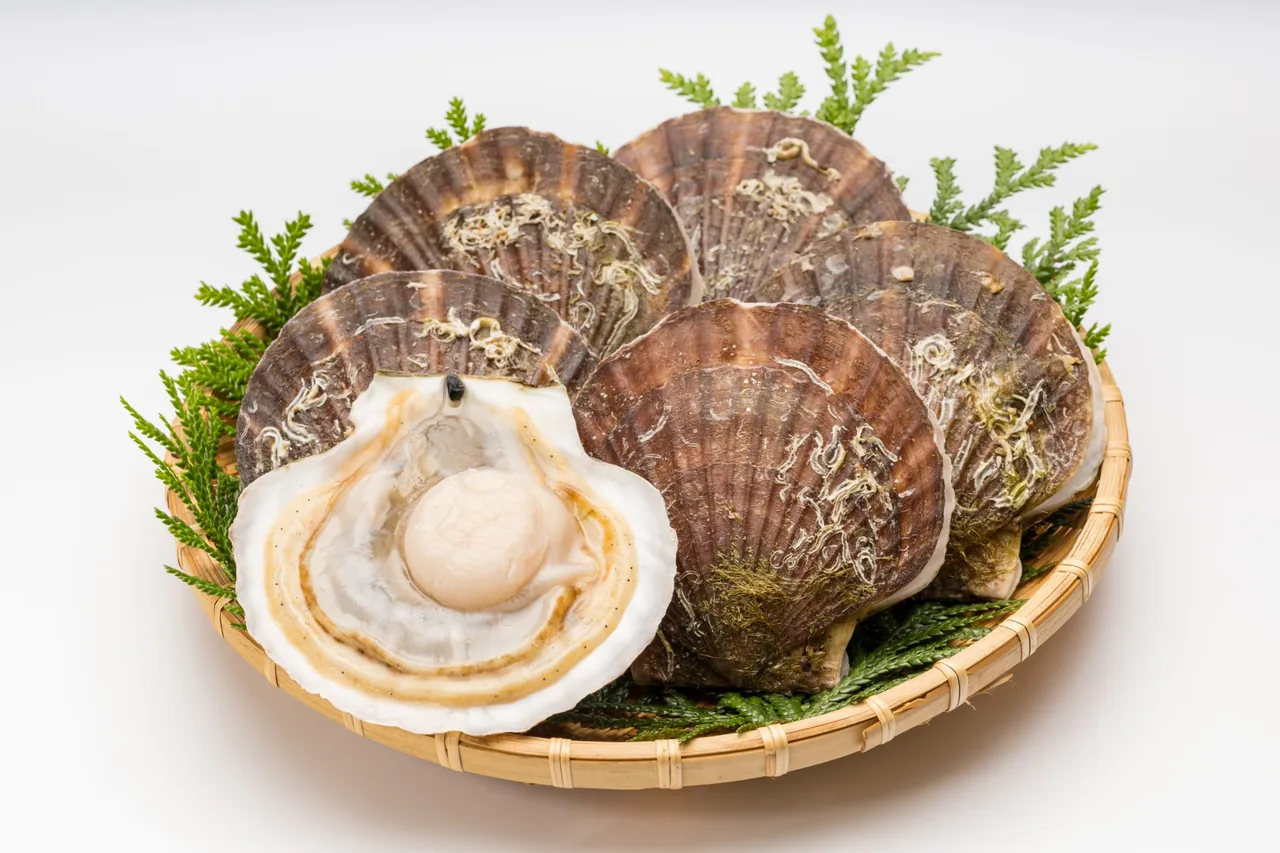
Aomori scallops and seafood: how Mutsu Bay scallops are raised and eaten, ordering nokke-don, Oma tuna, summer sea squirt and uni, and where to eat.
For seafood in Aomori, start with Mutsu Bay scallops. Taste their sweetness as sashimi, grill them in the shell and drink the juices, and you will find them in fries and ramen too. Add Oma tuna, plus sea squirt and sea urchin in summer. For travelers coming to Aomori for its seafood, here is everything from ways to eat scallops and ordering nokke-don to seasonal seafood and choosing between market diners, morning markets and other places to eat. For the bigger picture of local cooking, see our Aomori food and local dishes guide.
How Are Mutsu Bay Scallops Raised?
Mutsu Bay, north of Aomori City, is a major scallop-farming area. Mutsu Bay scallops make up almost all of Aomori Prefecture's aquaculture output.
In Mutsu Bay, young scallops that hatch naturally in the sea are collected and raised for one to three years. The main methods are "mimizuri," where a hole is drilled in the shell and the scallop is hung from a rope, and basket culture, where scallops are hung in the sea in baskets. While Hokkaido ships mostly large scallops, Aomori is notable for the small "baby scallops" it sends to market.
Aomori Prefecture gives June to August, when the meat is fullest and most flavorful, as the scallop season. In recent years high summer water temperatures have affected growth, and the prefecture and research institutes are working on countermeasures.
Raw Scallops: Sashimi and in the Shell
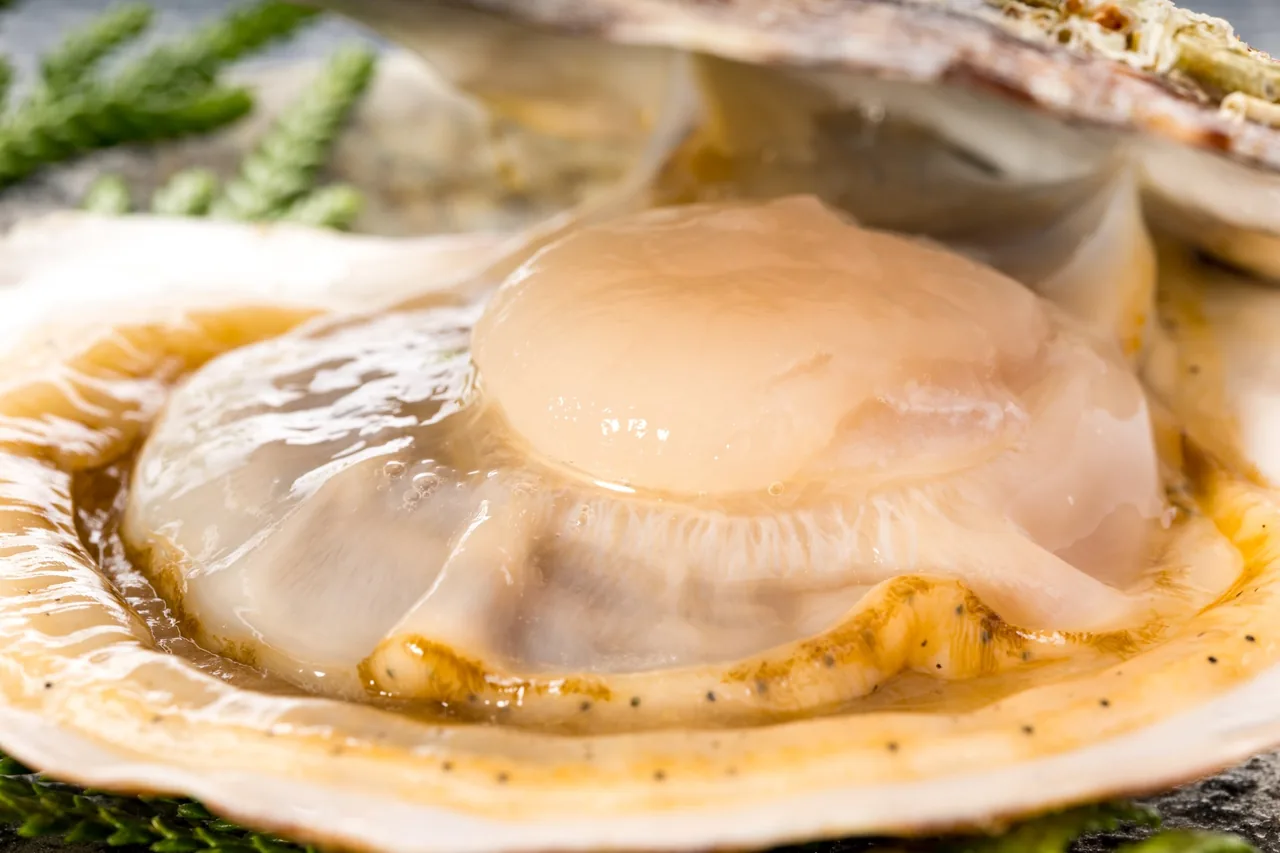
Freshly landed scallops are best tried raw first. An adductor just taken from the shell spreads sweetness as you bite.
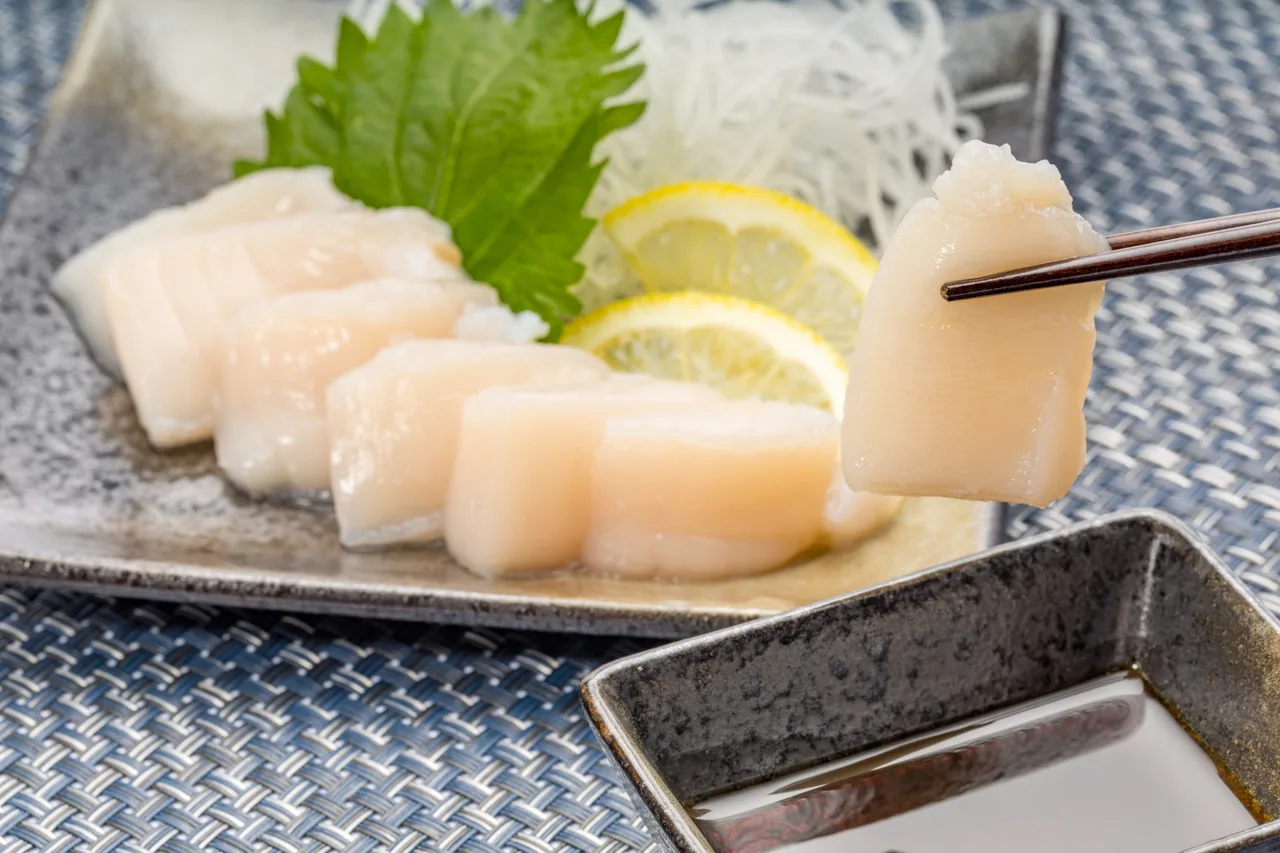
At diners and izakaya, sliced scallop sashimi is a standard dish.
Fish stalls at the markets line up scallops in the shell. If you want to take some home in the shell, ask the shop how to keep them cold.
Grilled and Boiled: The Shore Way and Kaiyaki Miso
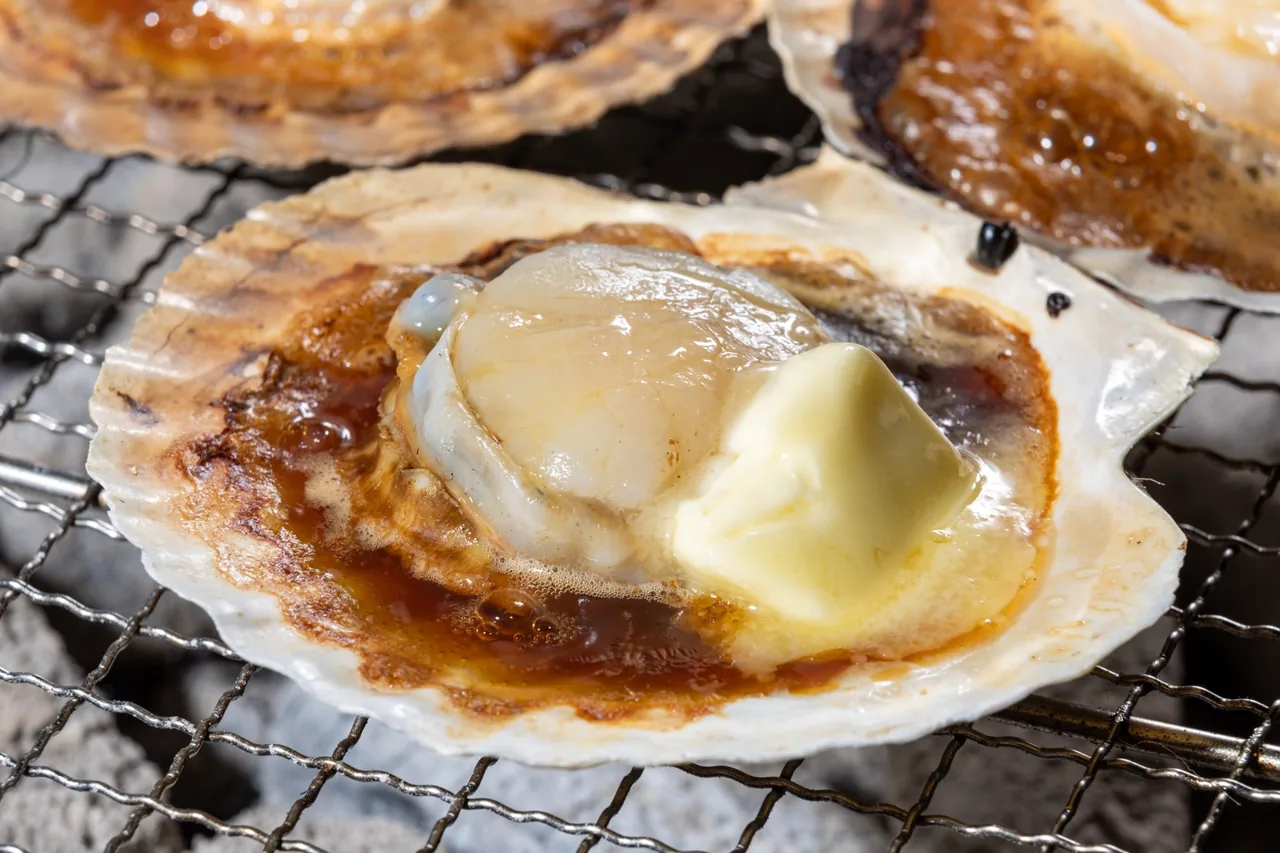
Put a scallop on the grill in its shell and it opens as the juices start to bubble. A few drops of soy sauce, then the meat and the juices together: that is how they eat it by the sea.
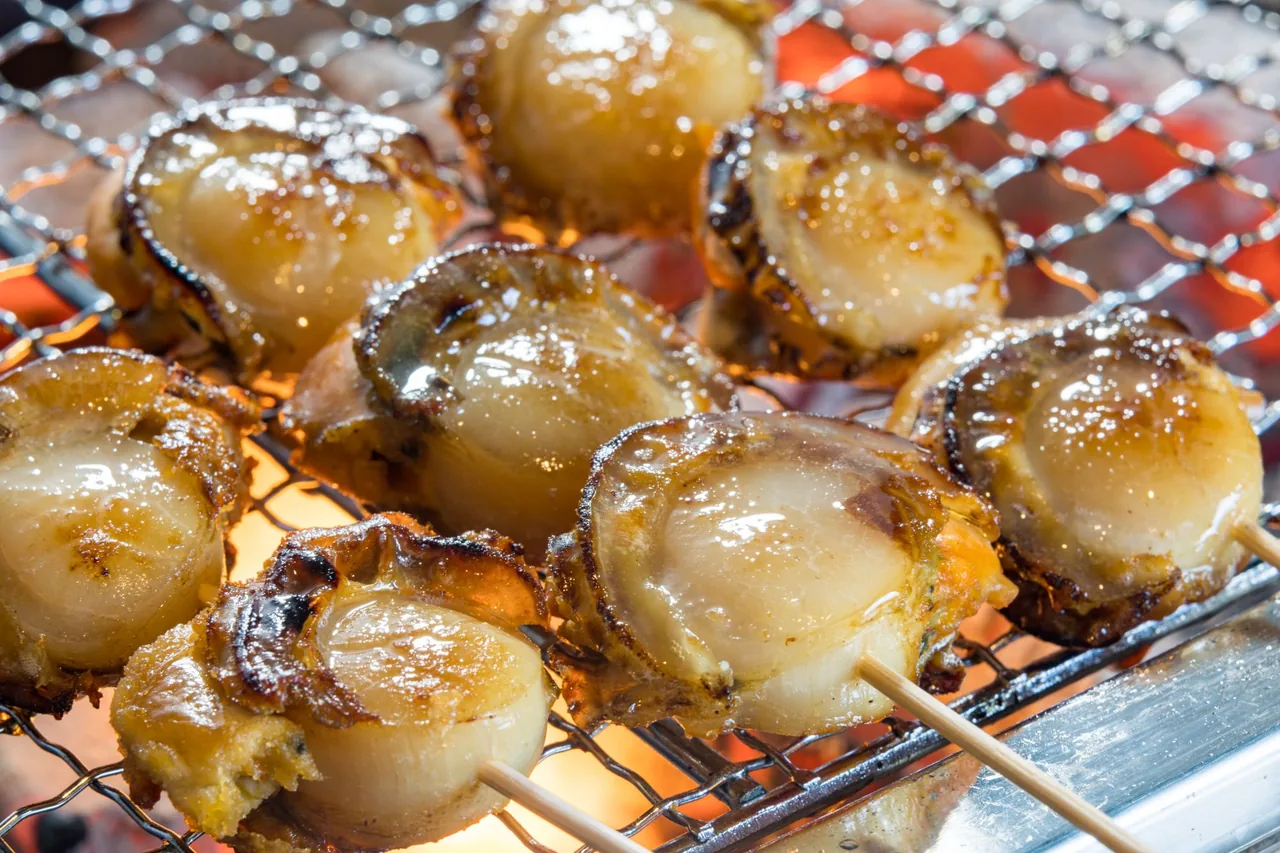
Skewered grilled scallops are an easy one-handed bite.
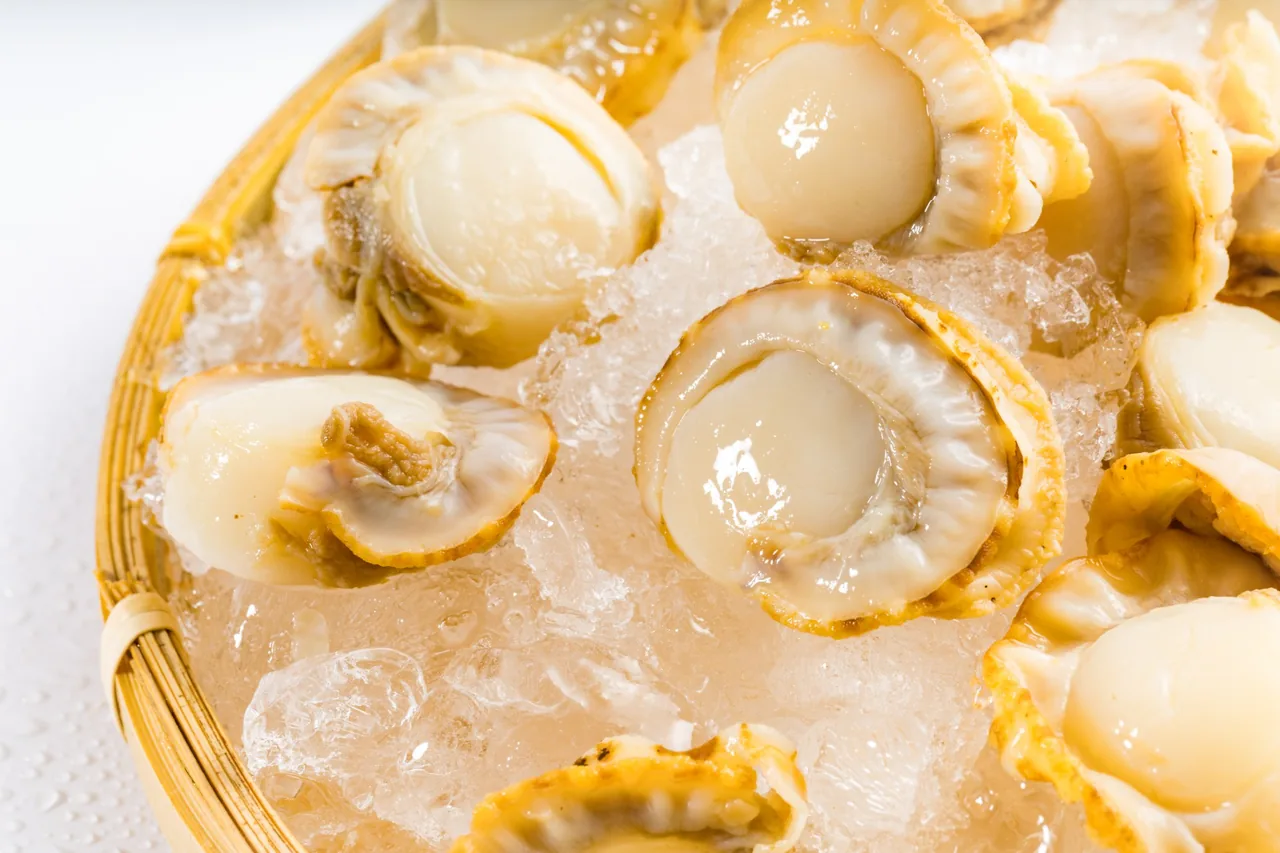
Boiled scallops come in the shell, and you peel the meat away to eat.
The local dish kaiyaki miso uses a large scallop shell as a pot: chopped scallop is simmered in broth and miso, then finished with egg. It is an old way of eating scallops; "miso kaiyaki" appears even in an Edo-period cookbook.
Fried, Sautéed and Chinese-Style: Scallops on the Plate
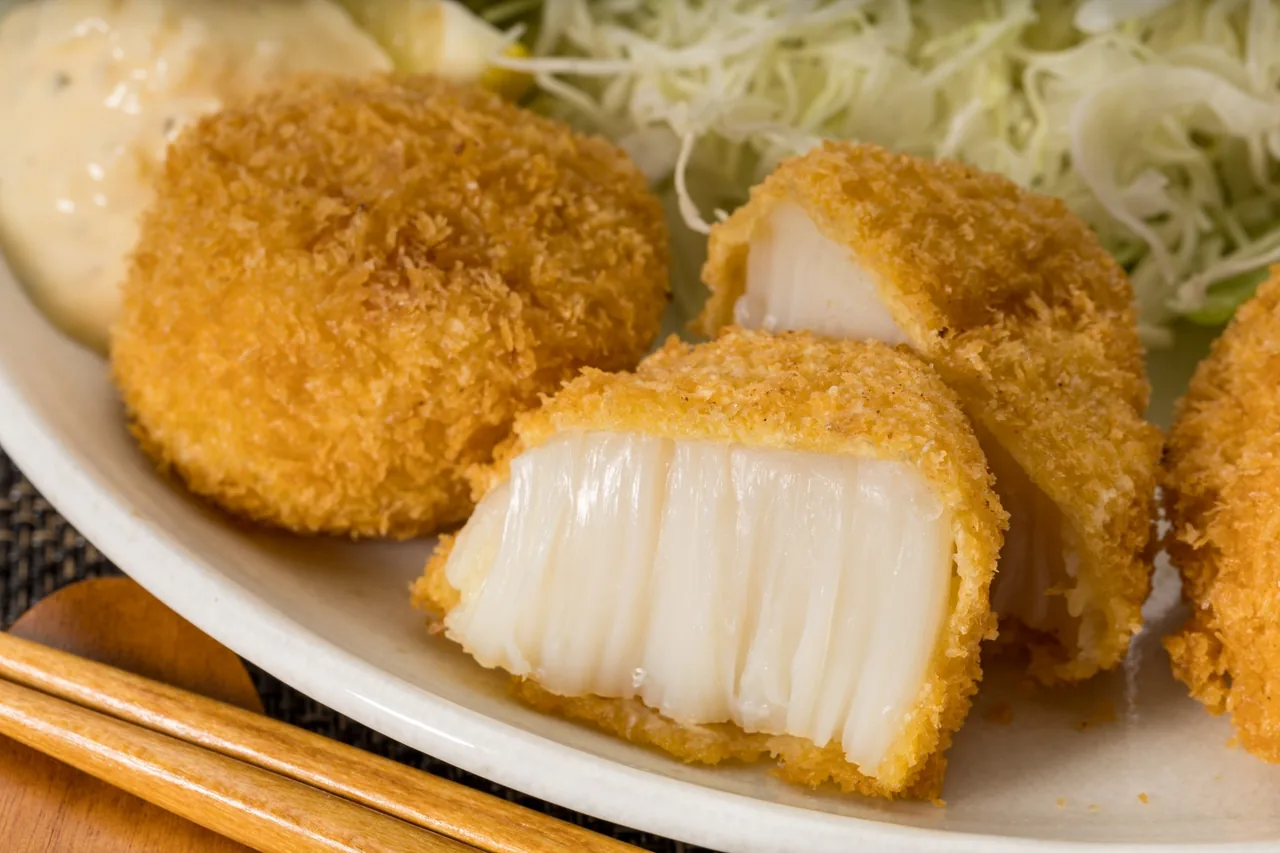
Breaded, deep-fried scallops are a diner set-meal classic.
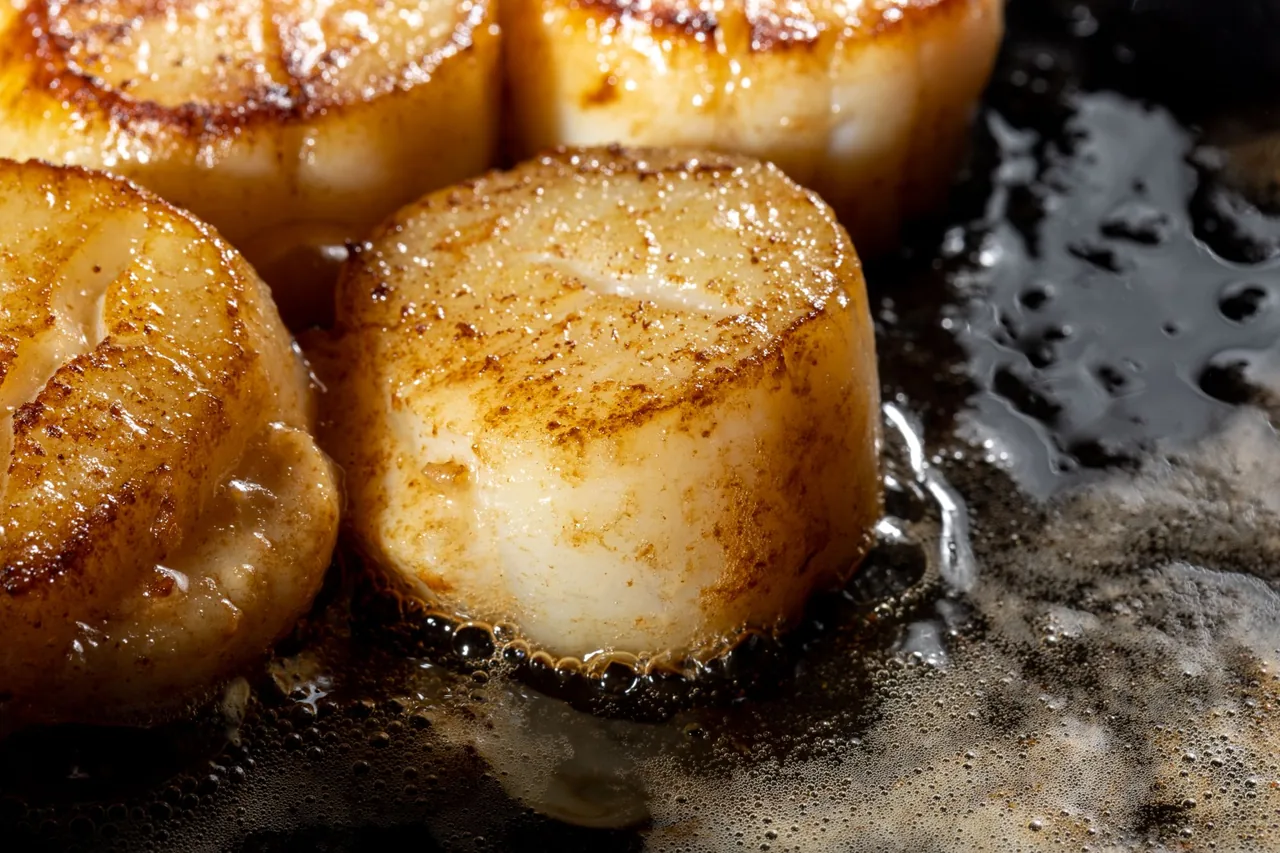
Sautéed in butter, the scallops get a browned surface and stay tender inside.
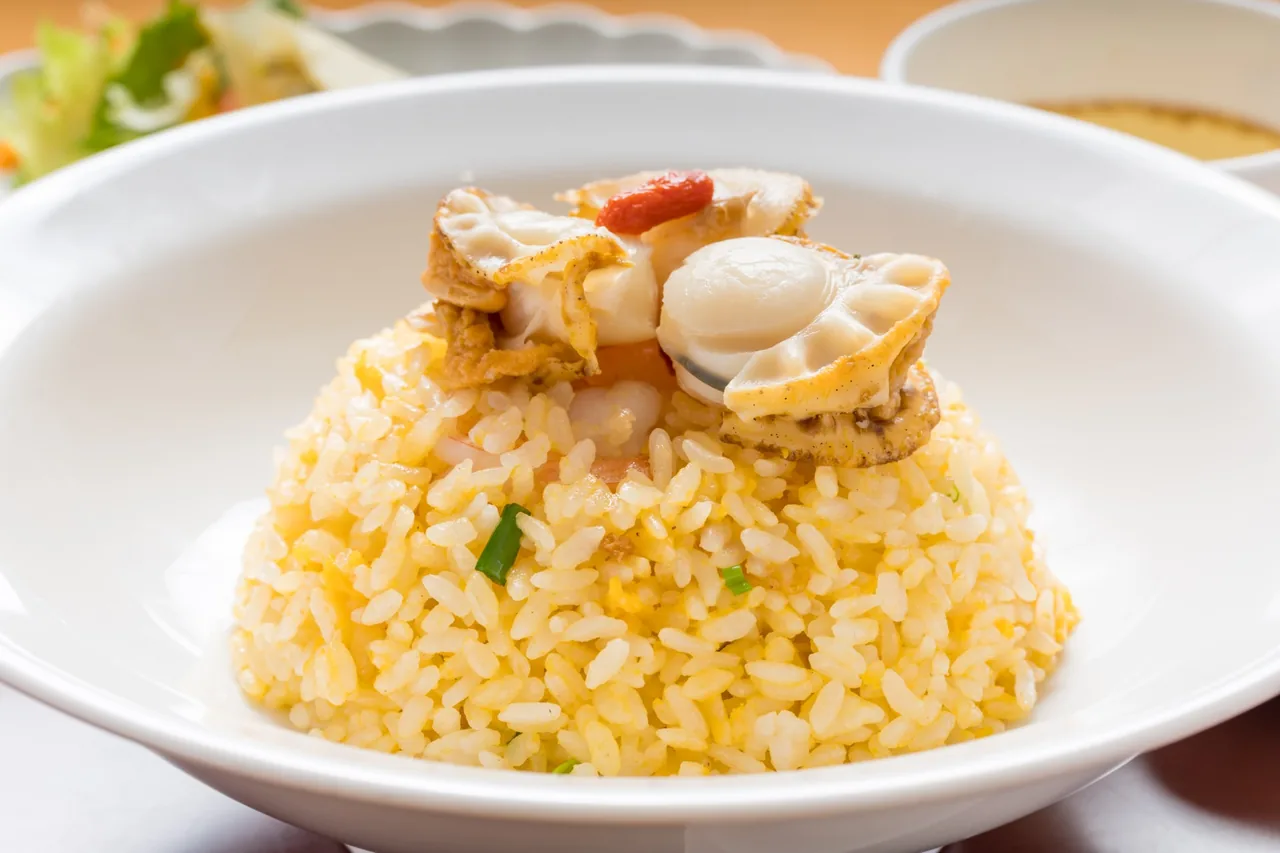
In fried rice with shredded scallop, the savory flavor soaks into the rice.
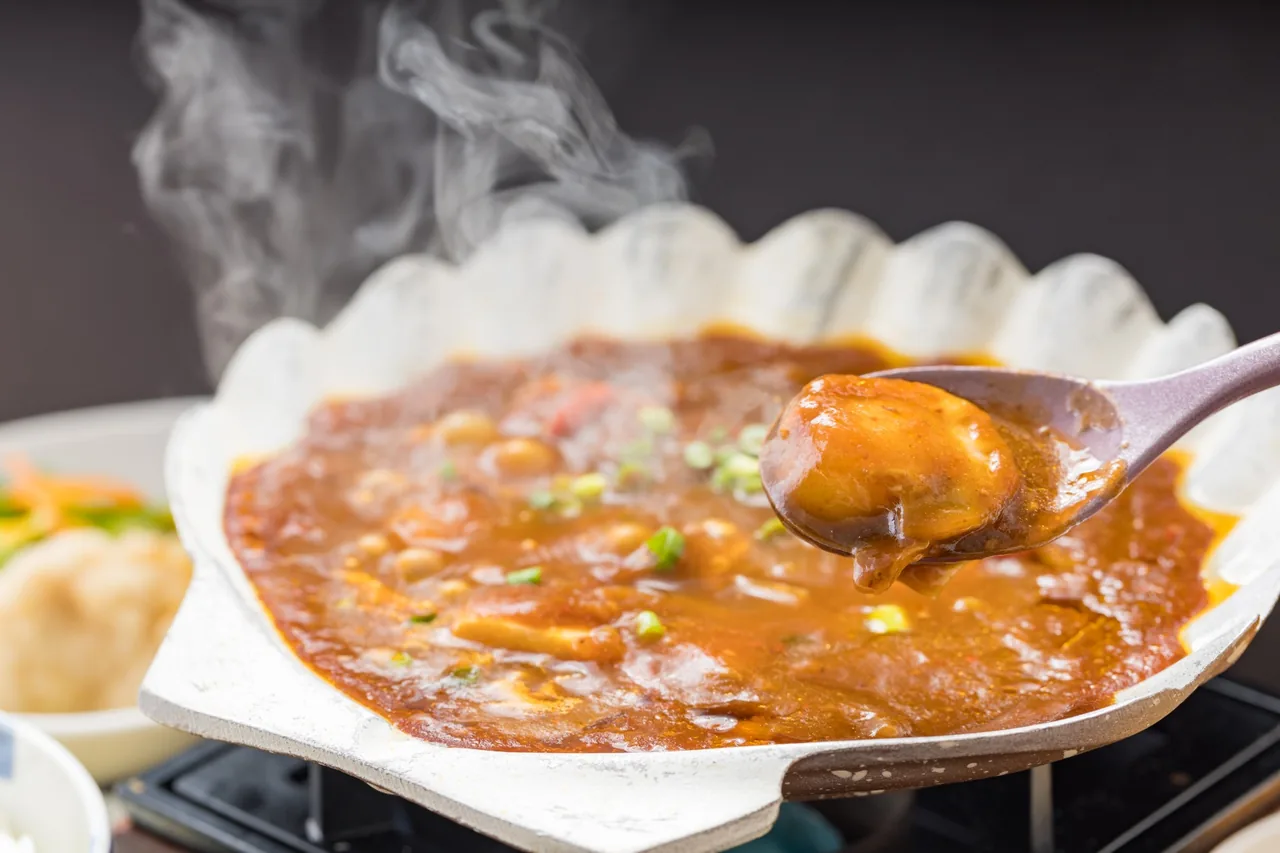
There are Chinese-style plates too, such as a mapo dish made with scallops.
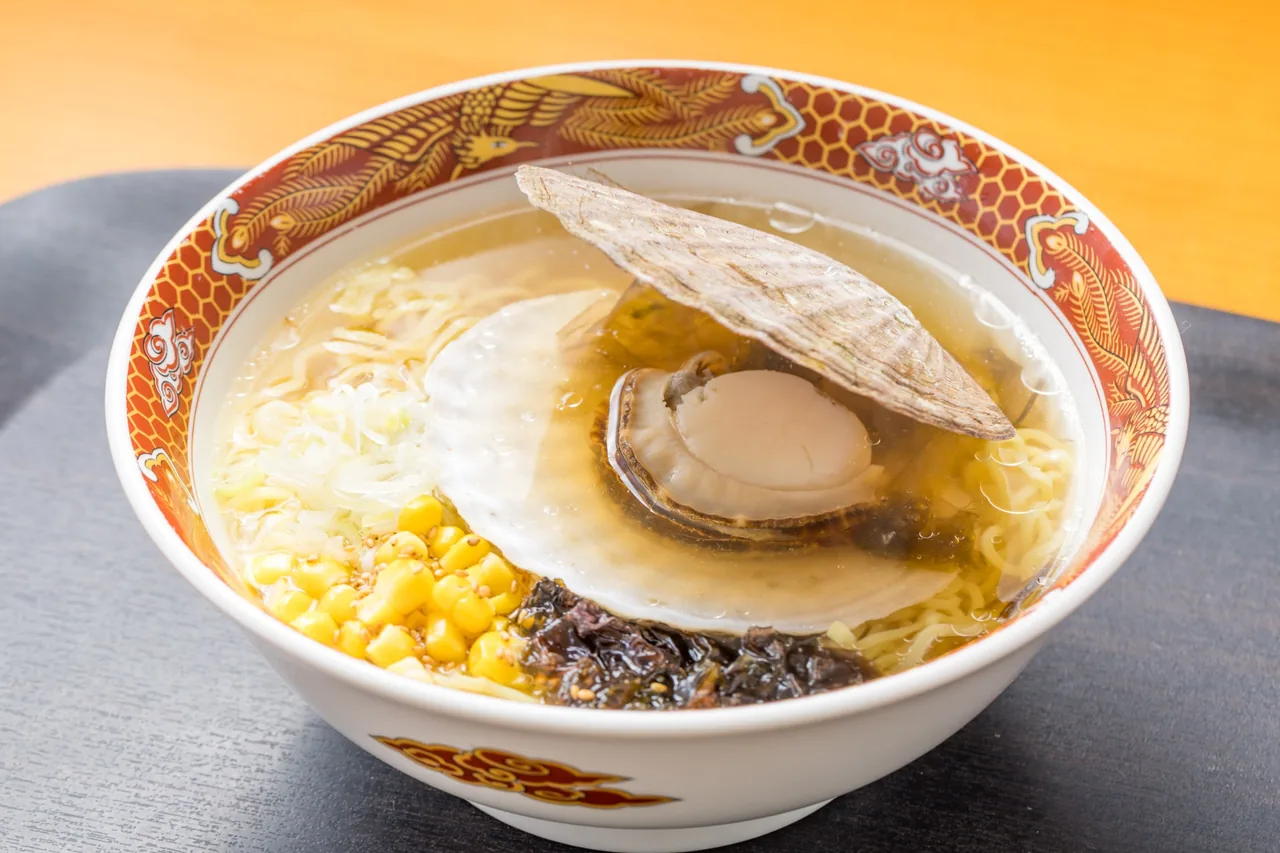
You will also find ramen made with scallop stock or topped with scallops.
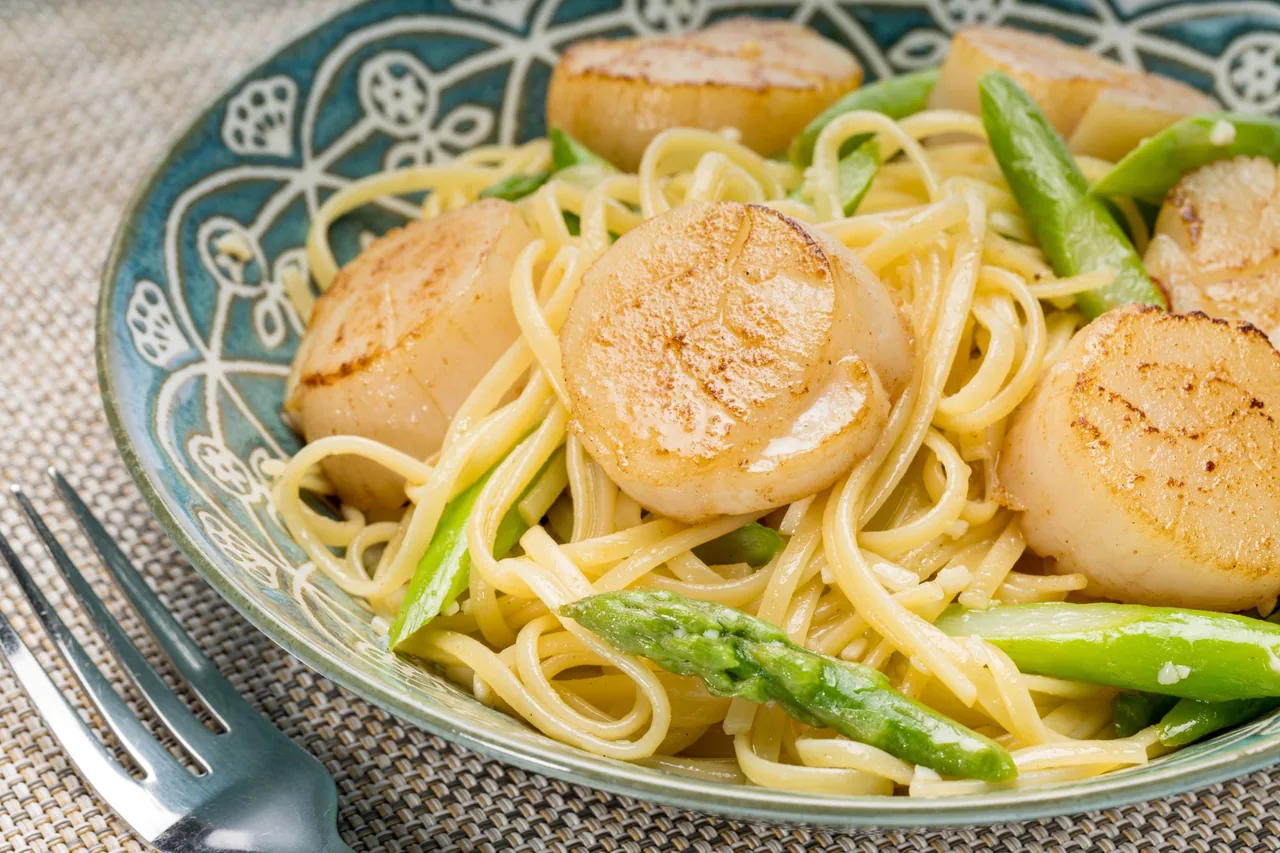
Western-style restaurants serve scallop pasta as well. Mutsu Bay scallops are not limited to Japanese cooking; they turn up on all kinds of plates, from town diners to restaurants.
Nokke-don: Choosing Rice and Toppings at the Market
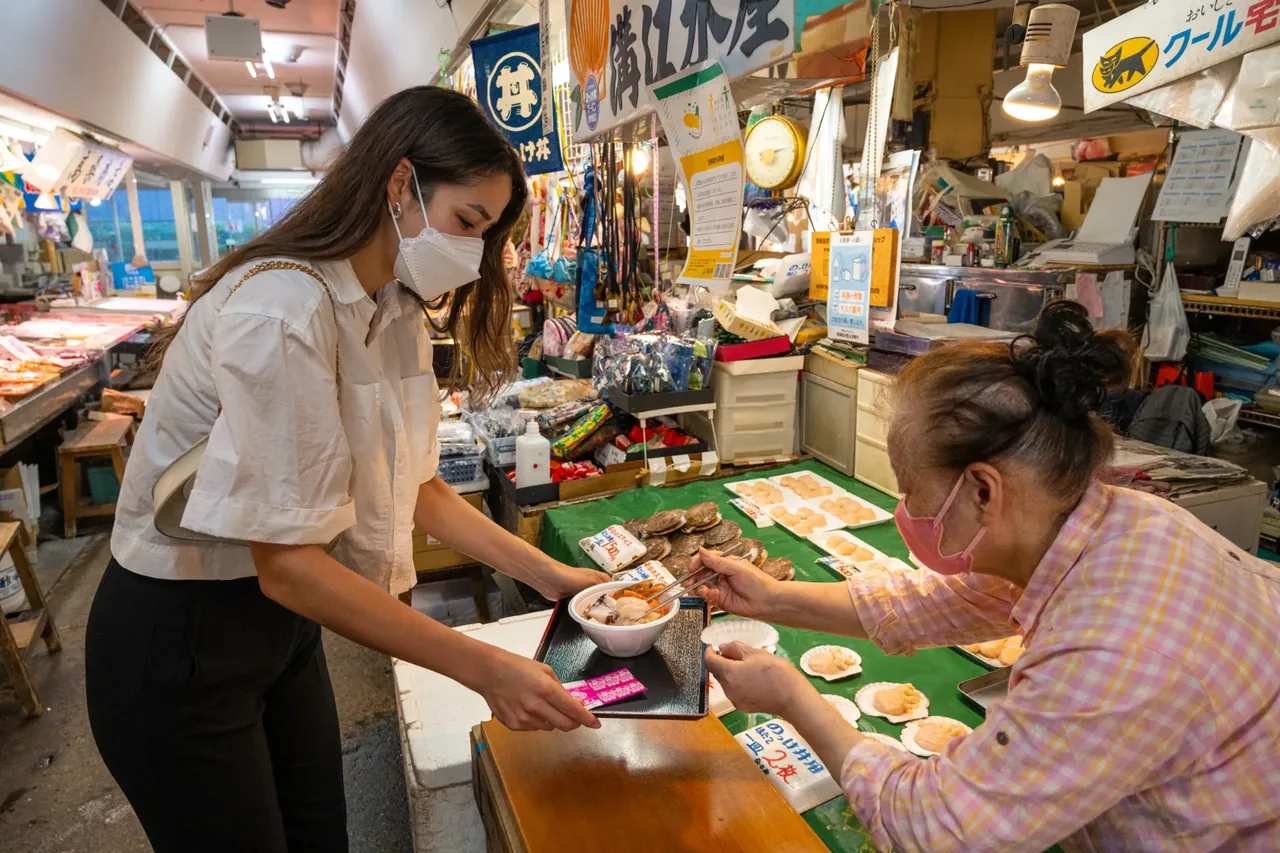
Nokke-don at Aomori Gyosai Center, a walk from Aomori Station, is a rice bowl you build yourself. Here is how it works.
- Buy meal tickets at the information desk
- Trade a ticket for rice (one ticket for a regular serving, two for a large one)
- Walk around the stalls and have the toppings on display added in exchange for tickets
- Eat in the rest area inside the market (no takeout)
Scallops, tuna and the rest of the lineup vary by stall and season. Service ends when the rice runs out, so going late may mean fewer toppings to choose from. Ticket prices are revised from time to time, so check the official information.
Oma Tuna Bowls: Bluefin from the Tsugaru Strait
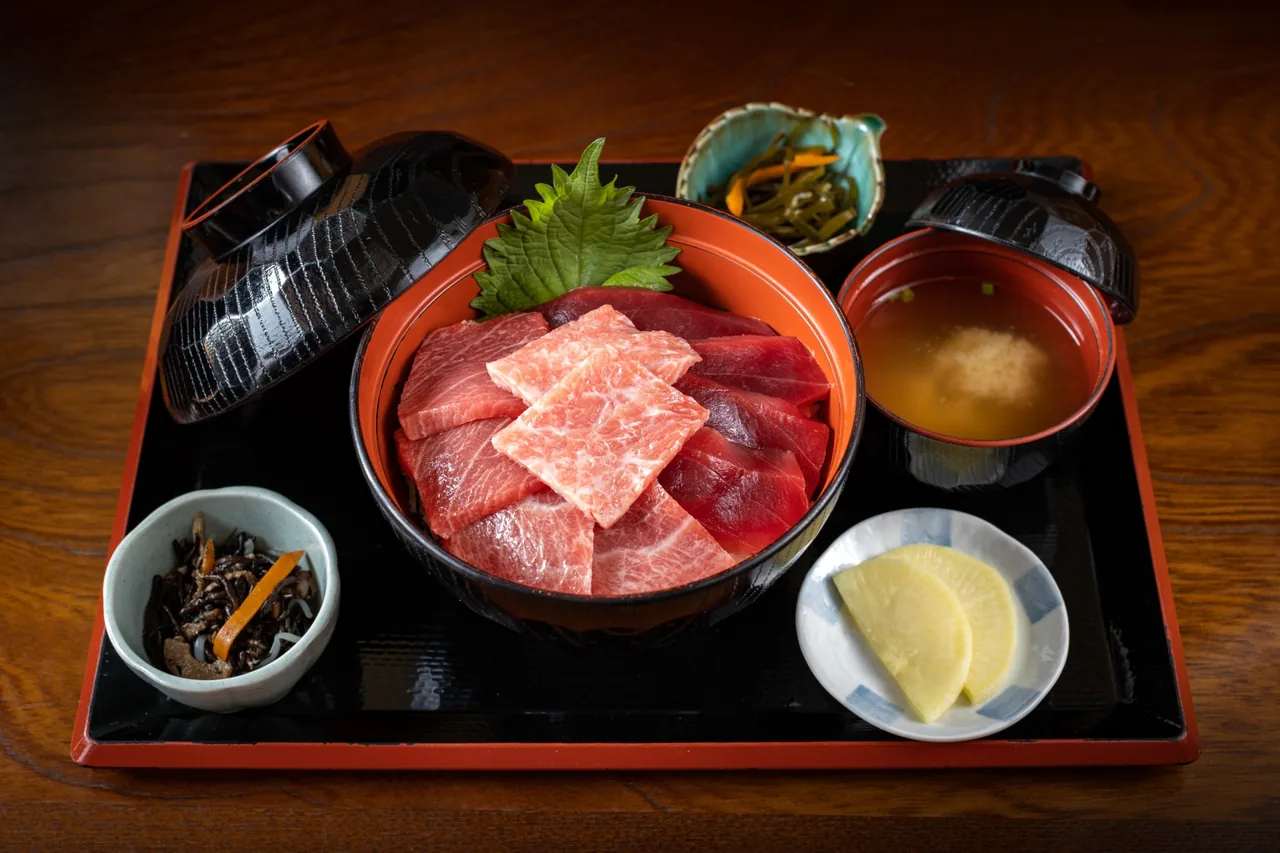
Oma, the town of Cape Oma at the tip of the Shimokita Peninsula and the northernmost point of Honshu, is a fishing town famous for tuna. Oma's fishers go after Pacific bluefin in the Tsugaru Strait between Honshu and Hokkaido with single hand lines.
Diners in Oma serve tuna bowls and tuna sashimi.
Hoya: A Taste of the Summer Sea
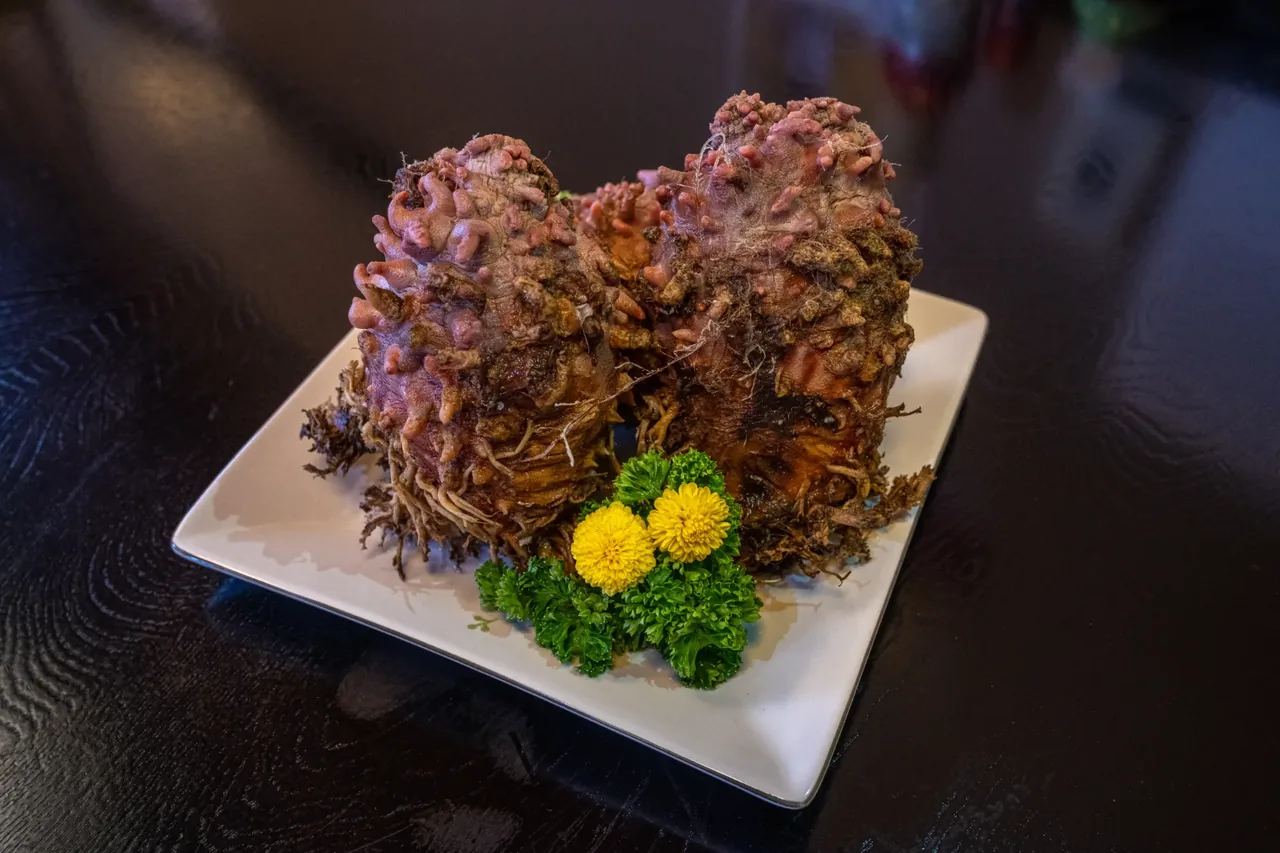
Hoya (sea squirt) is a sea creature in a knobbly red shell, with a distinctive taste that mixes sweet, salty and bitter. Mutsu Bay lands a lot of hoya, and on the Sanriku coast early to midsummer is considered the best time to eat it. It is usually served as sashimi or in vinegar dressing.
The flavor is strong, so if you are new to it, try a small amount first.
Uni-don and Ichigo-ni: Summer on the Hachinohe Coast
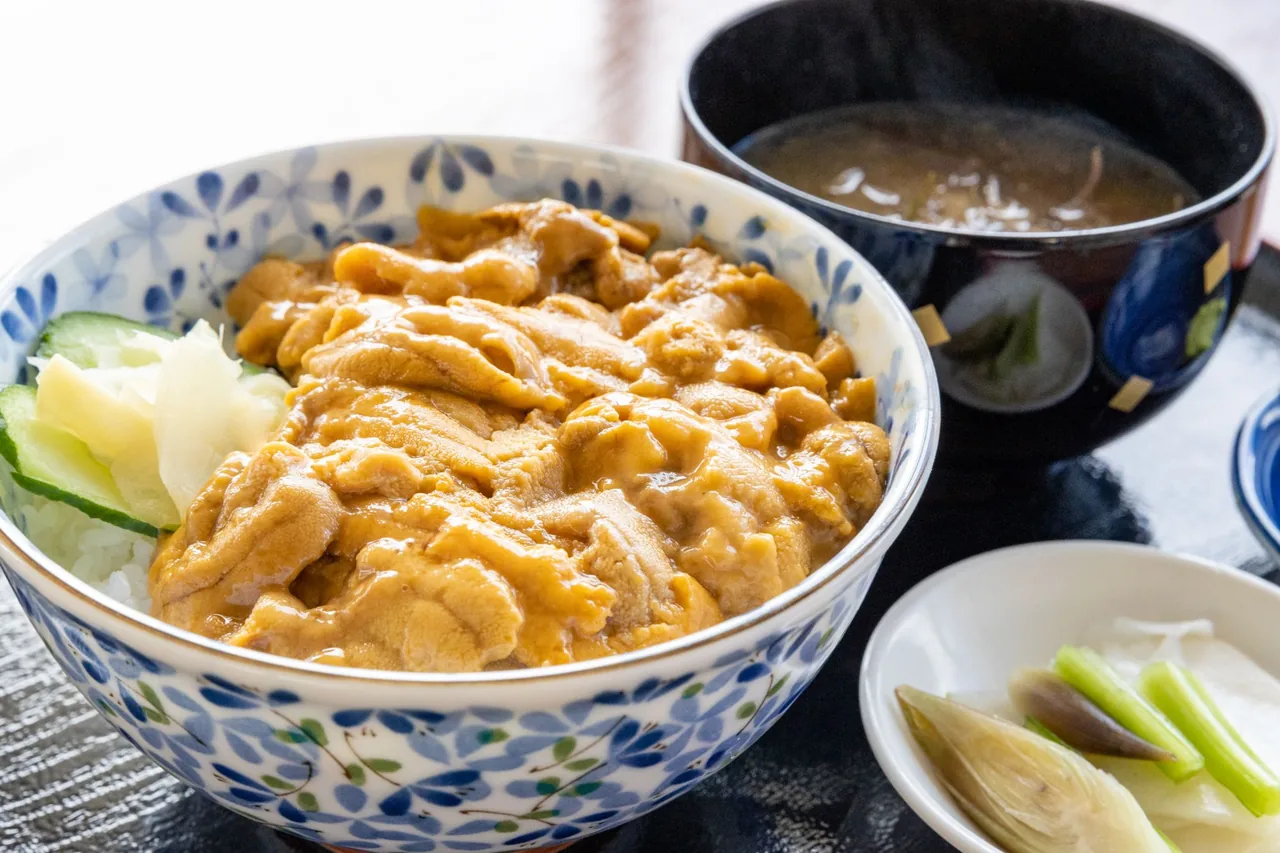
On the Pacific coast from Hachinohe southward, sea urchin gets good in summer. Locals say "sea urchin is tasty when the green shiso comes up," and July is the rough guide. Besides uni-don, sea urchin on rice, there is ichigo-ni, a clear soup of sea urchin and abalone that is a local dish of Hachinohe and Hashikami. The name is said to come from the sea urchin in the soup looking like wild strawberries (ichigo) in the morning mist.
Where to Eat: Markets, Morning Markets and Harbor Diners
How you enjoy Aomori's seafood depends on the kind of place you eat it.
| Type of place | Example | Good for |
|---|---|---|
| Build a bowl at a market | Nokke-don at Aomori Gyosai Center | Trying many kinds in small amounts |
| Buy at a market and grill | Shichirin Mura at Hasshoku Center, Hachinohe | Grilling scallops and shellfish over charcoal |
| Sunday morning market | Tatehana Wharf Morning Market, Hachinohe | Early risers who want a street-stall breakfast |
| Fishing-town diner | Tuna bowls in Oma | Eating the day's catch where it is landed |
| Town diners and izakaya | Central Aomori City and Hachinohe | A relaxed evening of scallop dishes and local sake |
At Shichirin Mura in Hasshoku Center, you can grill seafood and meat bought at the center's shops over charcoal right there (food bought outside the center cannot be brought in). How to get around Tatehana Wharf Morning Market and Hasshoku Center is covered in our Hachinohe travel guide.