Chichibu Icicles: Misotsuchi and Onouchi Light-ups in Winter
This guide is translated from the Japanese edition. Read the Japanese edition
From January to February, the Chichibu icicles at Misotsuchi and Onouchi are lit up at night. Dates, bus and car access, cold-weather tips and the Night Festival.
In the depths of winter in Okuchichibu, the rock walls along the rivers turn into walls of ice. The icicles at Misotsuchi, on the upper Arakawa River, and in the Onouchi Gorge in Ogano are at their best from January to February, glowing blue and white under lights after dark. Winter in Chichibu also brings the Chichibu Night Festival in December and setsubunso flowers as the cold season ends. The area is within day-trip range of Tokyo, but winter nights here often drop below freezing and the roads ice over. Here's when to go, how to get there, and how to dress for the cold.
What can you see in Chichibu in winter, and when?
| Typical timing | What to see | Where |
|---|---|---|
| December 2 and 3 | Chichibu Night Festival | Central Chichibu |
| Early January to late February | Misotsuchi icicles | Otaki, Chichibu |
| Early January to late February | Onouchi Gorge icicles | Ogano |
| Late February to mid-March | Setsubunso flowers | Ryokami, Ogano |
The icicle viewing period and illumination dates are set each year depending on the cold, and those for winter 2026–2027 had not been announced as of October 2026. The details below are from winter 2026. In a mild winter, or if rain brings the ice down, viewing can end early. Misotsuchi, Onouchi and Ashigakubo in Yokoze are known together as the "Three Great Icicles of Chichibu," and the Chichibu Tourism Association covers all three on one page.
Misotsuchi icicles: a natural ice curtain on the Arakawa River
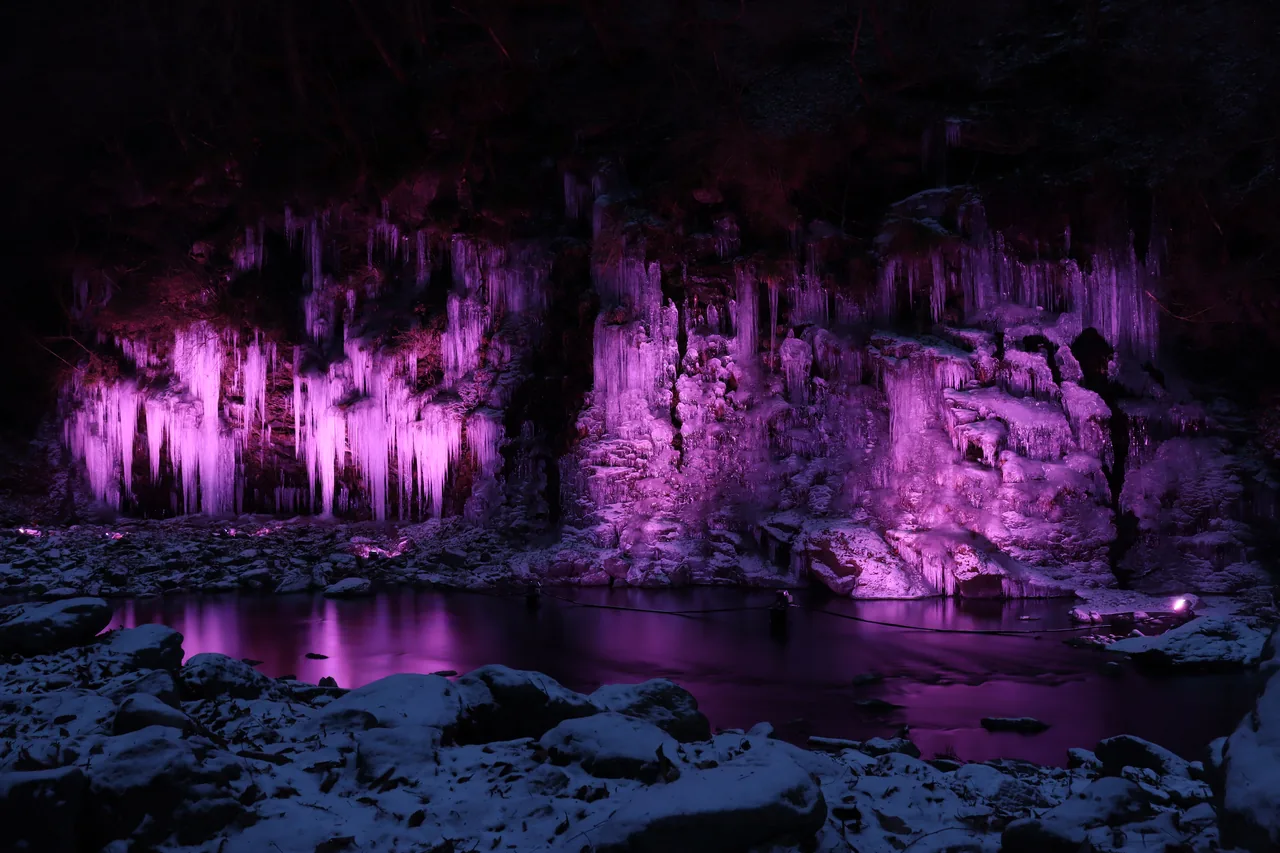
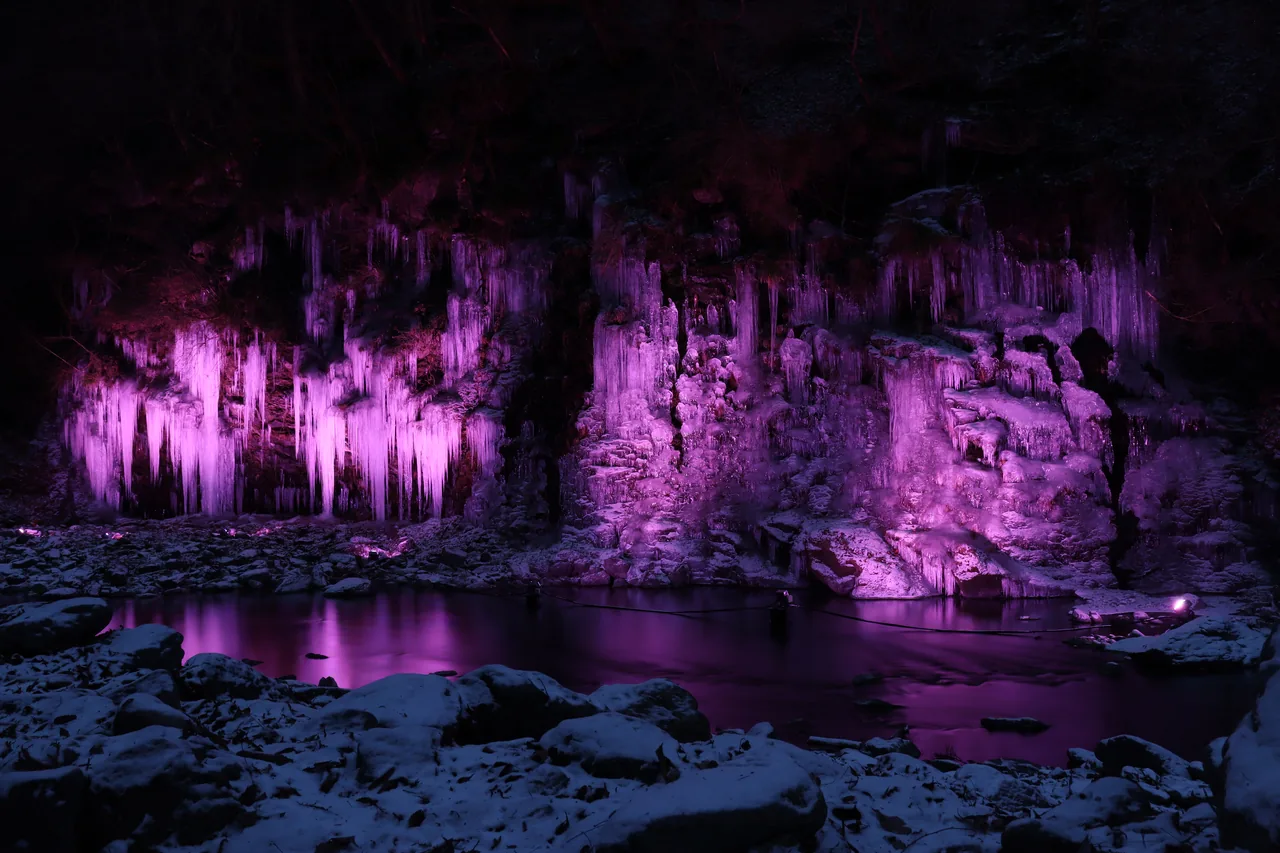
The Misotsuchi icicles form naturally along the Arakawa River in Okuchichibu, as spring water seeping from the rock face freezes. From a viewing area down on the riverbank, you can see the ice covering the cliff up close.
In 2026 the site was open from Friday, January 9 to Monday, February 23 (a public holiday). The illumination ran from January 10 to February 23, from 17:00 to 19:00 on weekdays and 17:00 to 20:00 on weekends and holidays. Admission was 300 yen for adults (junior high school students and older) and 200 yen for elementary school children.
By day you can make out the shapes and layers of the ice and even the color of the river at your feet; at night the lights turn the ice blue and white. To see both, arrive before the sun gets low, look around in daylight, then wait for dark.
By bus: From Mitsumineguchi Station on the Chichibu Railway, take the Chichibu City Bus Kawamata Line or the Seibu Kanko Bus Mitsumine Shrine Line to the Misotsuchi stop, a short walk away. The Mitsumine Shrine Line also runs from Seibu-Chichibu Station. Check the timetable beforehand to make sure there's a bus back after the illumination.
By car: The only parking nearby is the paid parking at campsites (500 yen for a regular car in 2024).
Onouchi Gorge icicles: a valley of ice seen from a suspension bridge
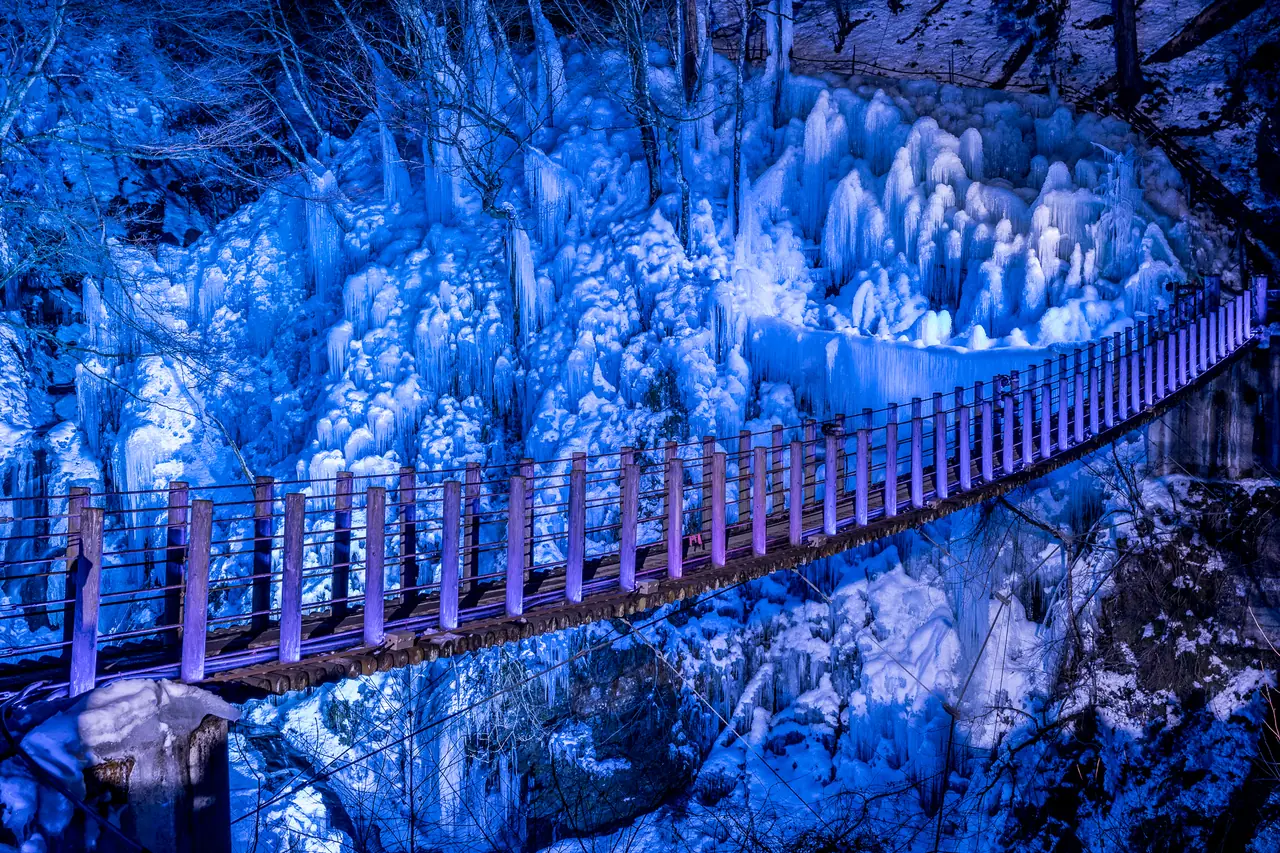
Photo: Saitama Prefecture Products & Tourism Association / Reproduction/Reprint prohibited
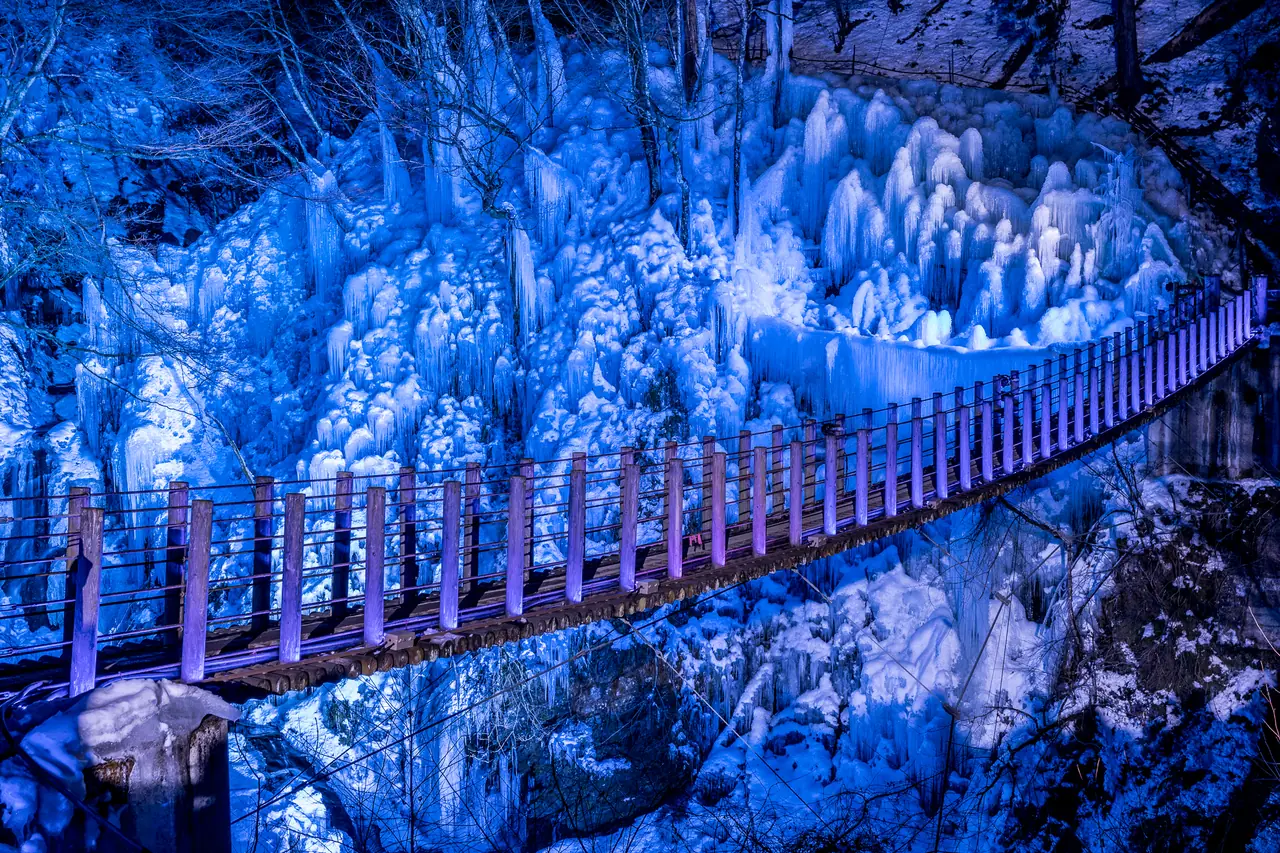
At the foot of Mt. Ryokami, the Onouchi Gorge icicles are made by piping stream water onto the hillside and letting the winter air freeze it. Together with the naturally frozen stream, they turn the whole slope of the valley white. A suspension bridge across the gorge gives you a view over the wall of ice.
In 2026 the site opened on January 11, with daytime viewing until February 23 from 8:00 to 16:00. The illumination ran on weekends from January 24 to February 15, from sunset to 20:00. Entry requires an environmental maintenance fee (500 yen for junior high school students and older). Evening viewing can be canceled because of snow or road conditions.
By bus: From Seibu-Chichibu Station, take a Seibu Kanko Bus to Ogano Yakuba, change to a bus bound for Sakamoto, and get off at Onouchi Keikoku Iriguchi, then walk about 20 minutes. Buses are infrequent, so for the evening illumination a car or taxi is more practical.
By car: About 50 km from Hanazono IC on the Kan-Etsu Expressway. The road to the gorge is narrow and can freeze in winter.
Chichibu Night Festival: fireworks and floats in the December sky
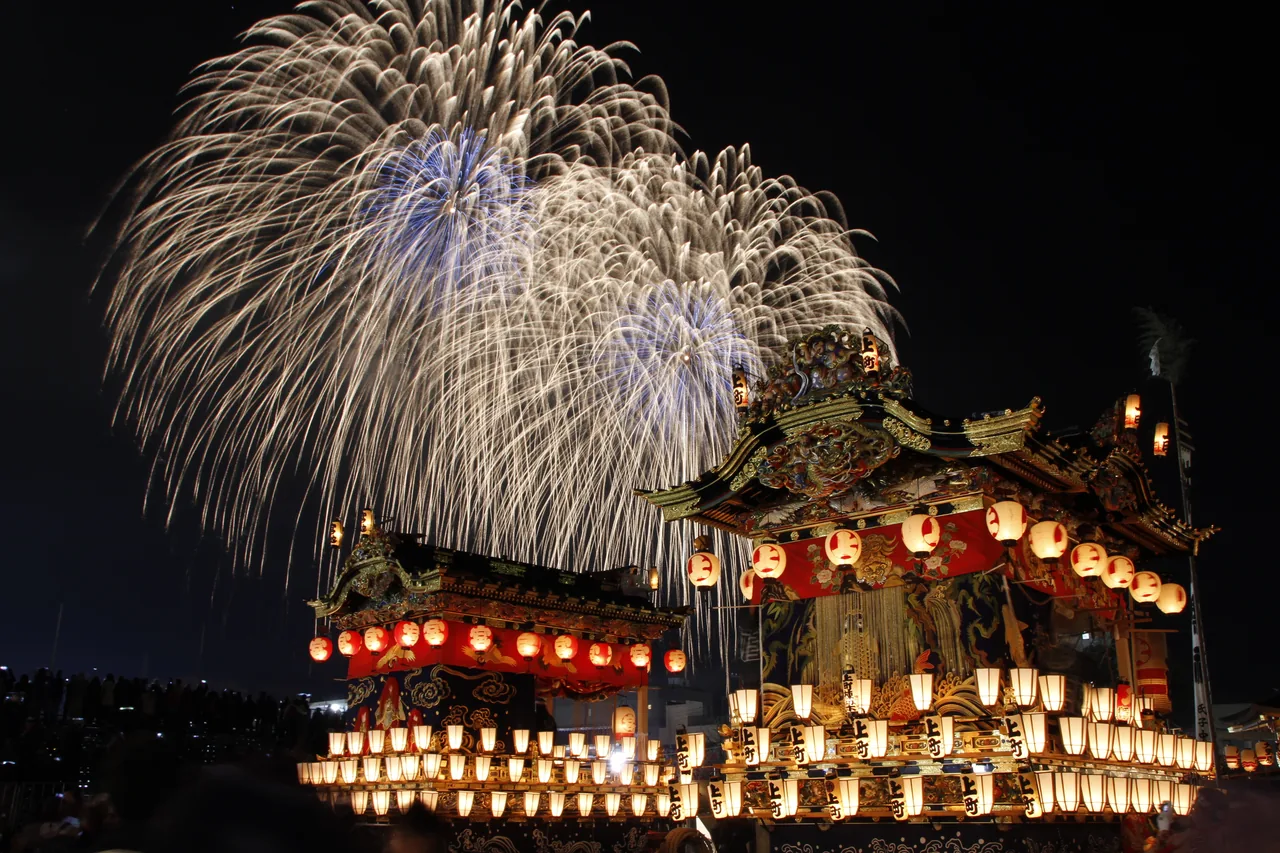
Photo: Saitama Prefecture Products & Tourism Association / Reproduction/Reprint prohibited
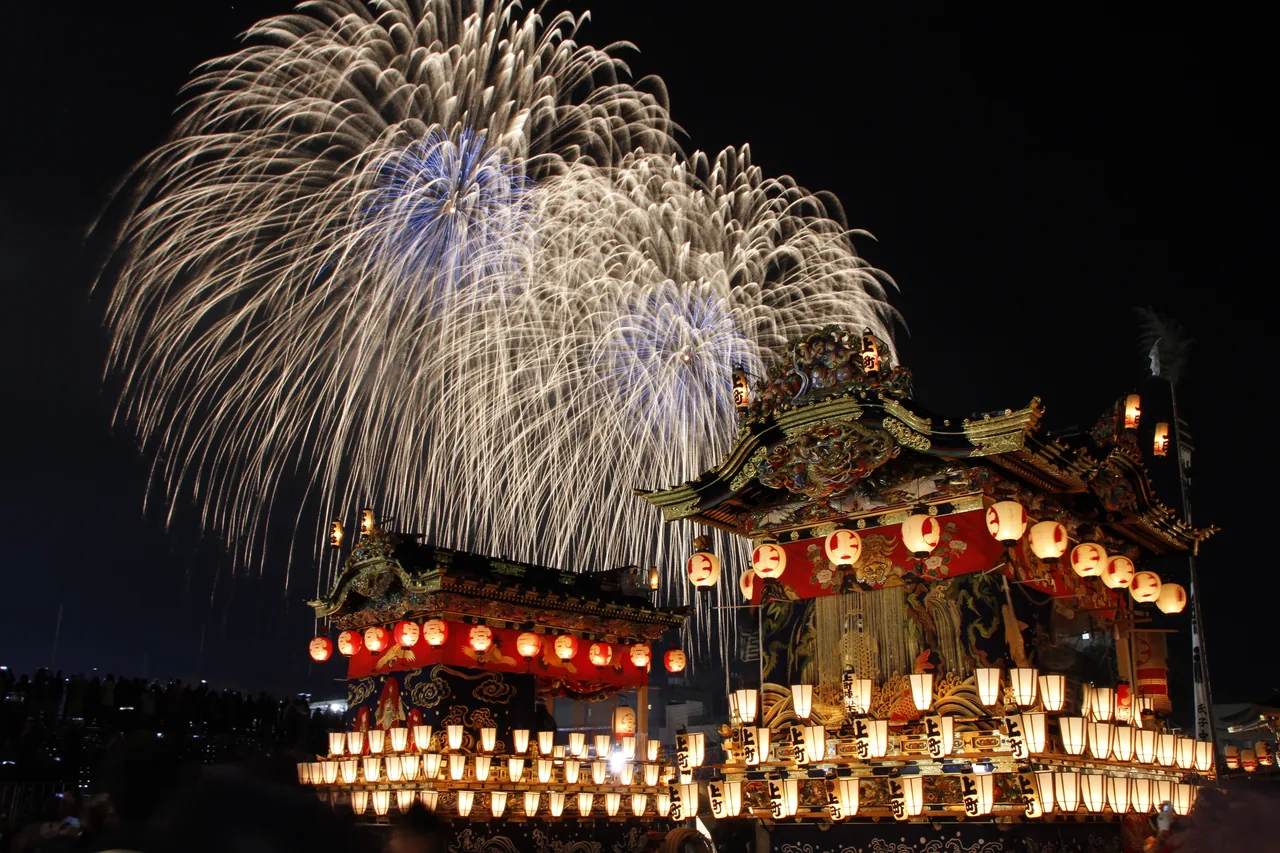
Shortly before icicle season, Chichibu fills up for the Chichibu Night Festival. It is the annual grand festival of Chichibu Shrine, with the eve on December 2 and the main day on December 3 every year; in 2026, the 2nd is a Wednesday and the 3rd a Thursday. Two kasaboko floats and four yatai floats, hung with lanterns, are pulled through town, and on the night of the main day fireworks go up into the winter sky. The "Float Events and Kagura of the Chichibu Festival" are one of the "Yama, Hoko, Yatai float festivals" on the UNESCO Intangible Cultural Heritage list.
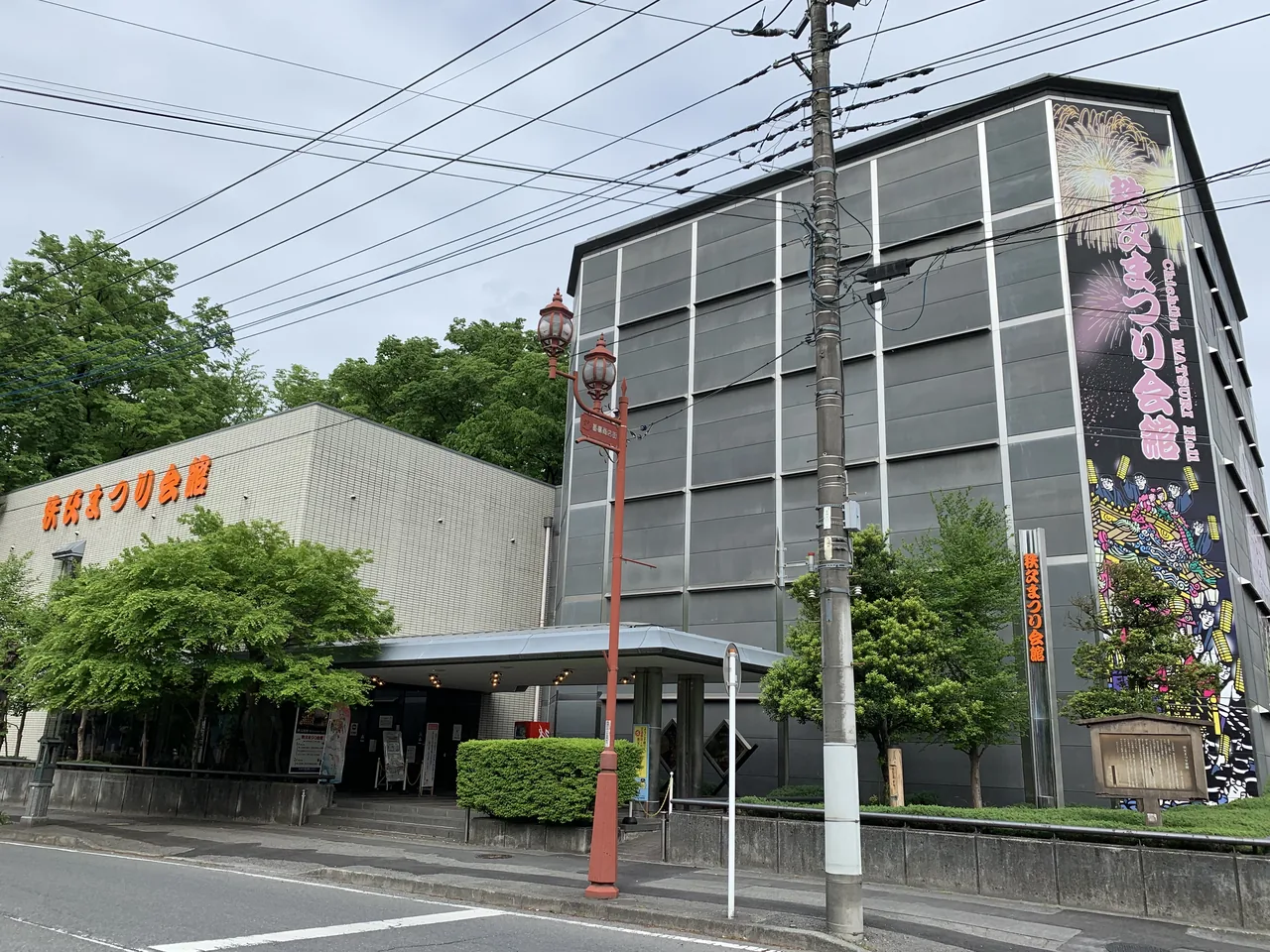
On the night of the main festival, traffic is restricted in the town center and the streets are packed with spectators. Go by train rather than car, and check the times of trains back in advance. If you can't make the festival days, you can see the floats at the Chichibu Festival Museum near Chichibu Shrine. For highlights and tips for the day, see also the Saitama festival calendar.
Setsubunso garden: small white flowers at winter's end
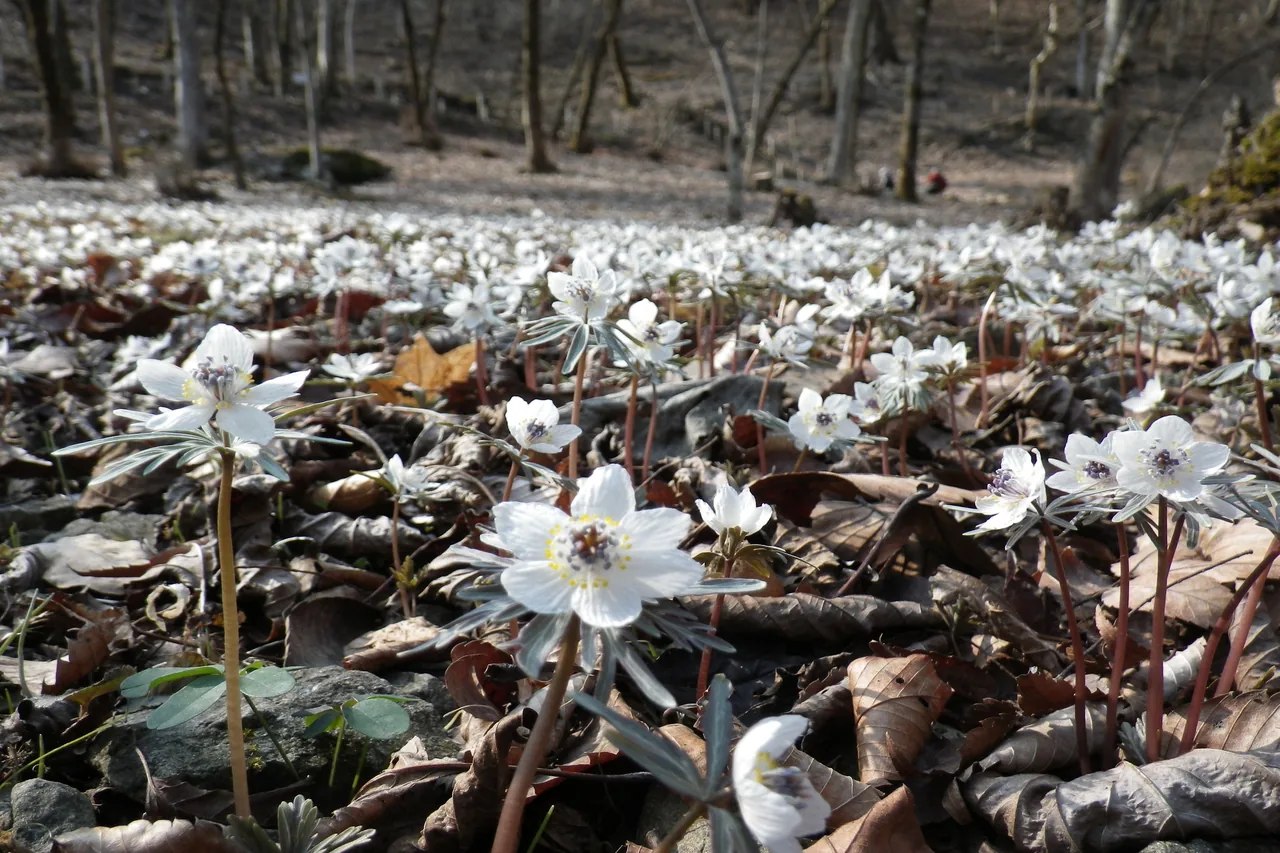
Photo: Saitama Prefecture Products & Tourism Association / Reproduction/Reprint prohibited
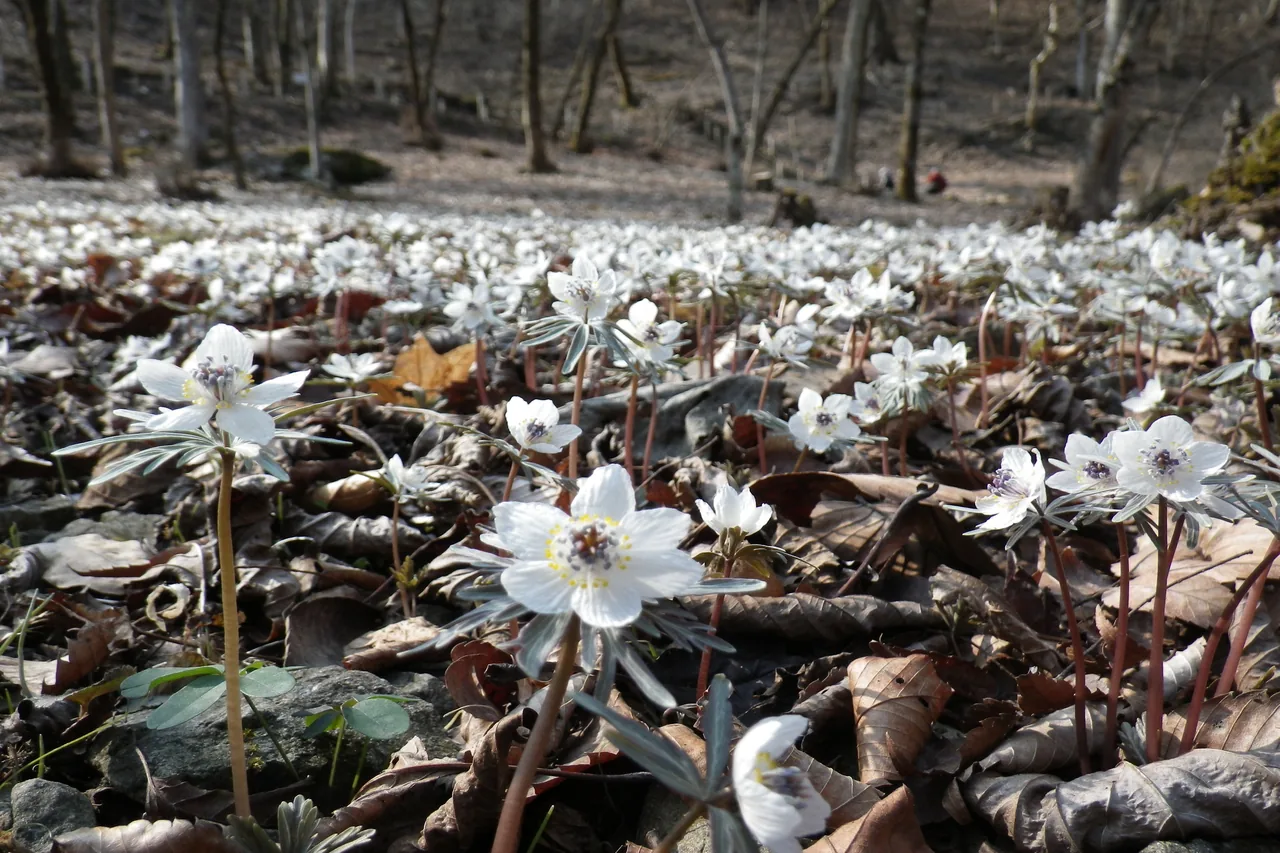
Around the time the icicle season ends, setsubunso (Eranthis pinnatifida) start to bloom at the Setsubunso Garden in Ryokami Komori, Ogano. On a wooded slope of about 5,000 square meters, white flowers about 2 cm across peek out from between fallen leaves. They usually peak from late February to mid-March, and the garden opens only while they bloom. In 2026, the Setsubunso Festival was held on March 1.
The plants stand only about 10 cm tall. The flowers open well around midday on sunny days and stay half-closed on cloudy or cold mornings. Crouch down to eye level to see their shape. The Ogano Tourism Association posts updates on the bloom.
Preparing for below-freezing nights: clothing and footwear
Icicle illuminations mean standing at the bottom of a valley after sunset. What you'd wear in Tokyo in winter isn't warm enough.
- Bring a heavy down jacket, hat, gloves and scarf. Disposable heat packs (kairo) help a lot.
- Wear shoes with non-slip soles. Paths, steps and parking areas can be icy.
- Phone batteries drain quickly in the cold. Carry a power bank.
- Winter tires are a must if you drive. When booking a rental car, check that studless winter tires are available.
- Ice lingers on shaded mountain roads, and it gets cold fast at night. Leave plenty of time for the drive back after the illumination.
Getting there from Tokyo and planning the day
From Ikebukuro, the Seibu Railway's Laview limited express (all seats reserved) runs straight to Seibu-Chichibu Station. For Misotsuchi, walk from Seibu-Chichibu Station to Ohanabatake Station on the Chichibu Railway and change to a bus at Mitsumineguchi Station. For Onouchi, change buses from Seibu-Chichibu Station.
Misotsuchi and Onouchi are both in the mountains, away from central Chichibu, and each is reached by its own road in and out of a separate valley. By bus, pick one per day: walk around central Chichibu in the daytime, then head to the site in the late afternoon. For getting around central Chichibu, see the Chichibu day trip from Tokyo.
If you visit in autumn, the foliage in the gorges of Okuchichibu is covered in Saitama autumn leaves and fall flowers.