Saitama Autumn Leaves: Nakatsukyo, Ranzan Valley and Fall Flowers
This guide is translated from the Japanese edition. Read the Japanese edition
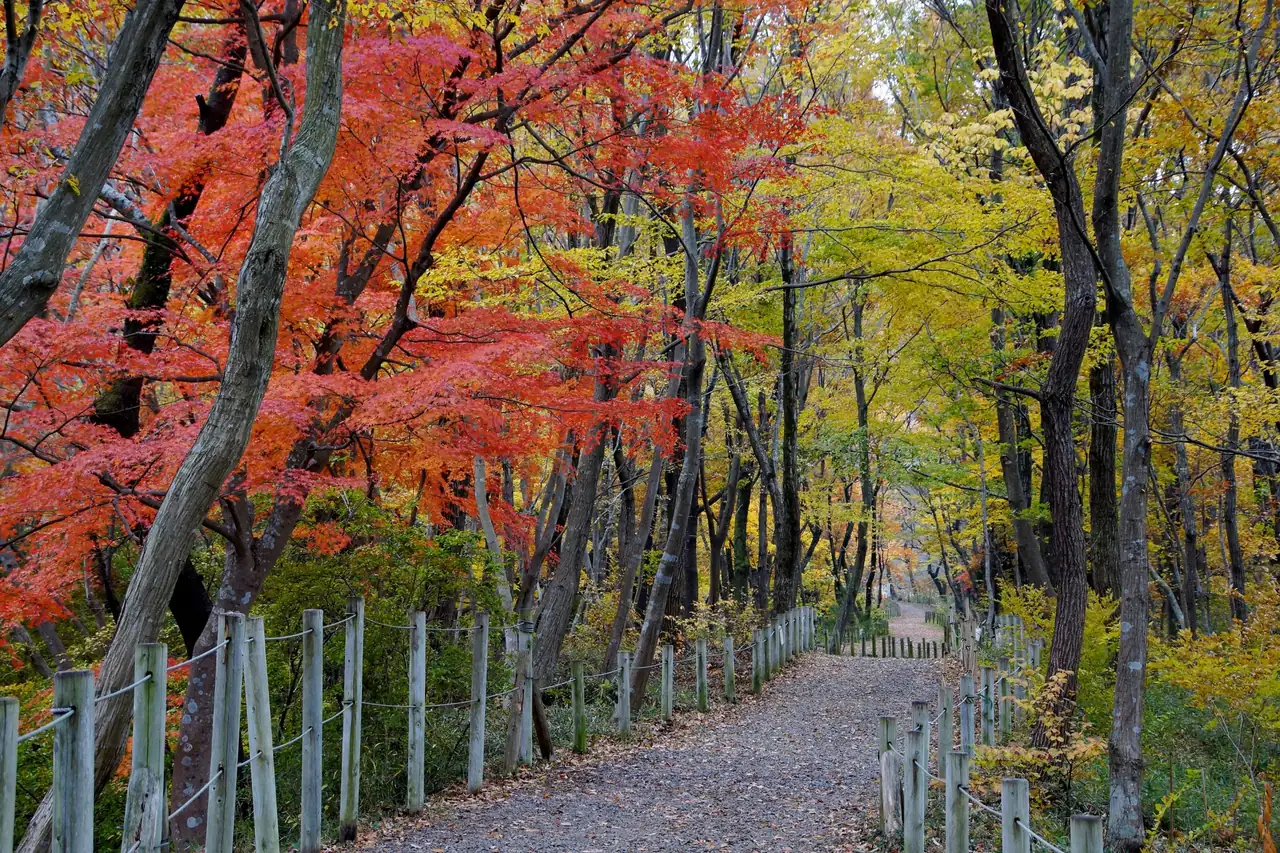
Saitama autumn leaves run from Nakatsukyo Gorge in late October to Ranzan Valley in early December. Peak times, car and bus access, mountain-road tips and fall flowers.
In Saitama, autumn comes down from the mountains in the west. Maples in the gorges of Okuchichibu start turning in late October, and by mid-November the color has reached Ranzan Valley, closer to Tokyo. Before the leaves, the Kinchakuda field in Hidaka turns red with spider lilies, and dahlias in Ogano and cosmos on the Arakawa riverbank in Konosu are in full bloom. Everything here is within day-trip range of Tokyo, but buses into the mountain gorges are few and the roads get narrow. Knowing roughly when each spot peaks, and what to watch for by car or bus, saves a lot of trouble on the day.
When is the best time to see autumn leaves and flowers in Saitama?
Color starts in the high country of inner Chichibu and arrives later the closer you get to the plains. The table shows typical timing; depending on the year's temperatures, it can shift by a week or two. Check each area's bloom or foliage updates before you go.
| Spot | Location | Typical peak | Nearest station |
|---|---|---|---|
| Kinchakuda red spider lilies | Hidaka | Around late September | Koma Station (Seibu Ikebukuro Line) |
| Ryokami Sanroku Hana no Sato Dahlia Garden | Ogano | Around October (open September 1 to November 3) | Bus or car from Seibu-Chichibu Station |
| Konosu cosmos | Konosu | Mid to late October | Fukiage Station (JR Takasaki Line) |
| Nakatsukyo Gorge | Otaki, Chichibu | Late October to mid-November | Bus from Mitsumineguchi Station (Chichibu Railway) |
| Kinzo-otoshi | Otaki, Chichibu | Late October to mid-November | Car from Mitsumineguchi Station (Chichibu Railway) |
| Ranzan Valley | Ranzan | Mid-November to early December | Musashi-Ranzan Station (Tobu Tojo Line) |
For a trip between late October and November, the gorges of Okuchichibu and Ranzan Valley are the main draw. Chichibu City's tourism site, Chichibu Kanko Navi, posts foliage reports through the season.
- Autumn leaves information (Chichibu Kanko Navi, Japanese)
- Autumn leaves (Chichibu Tourism Association, Japanese)
Nakatsukyo Gorge: color on the cliffs of Okuchichibu
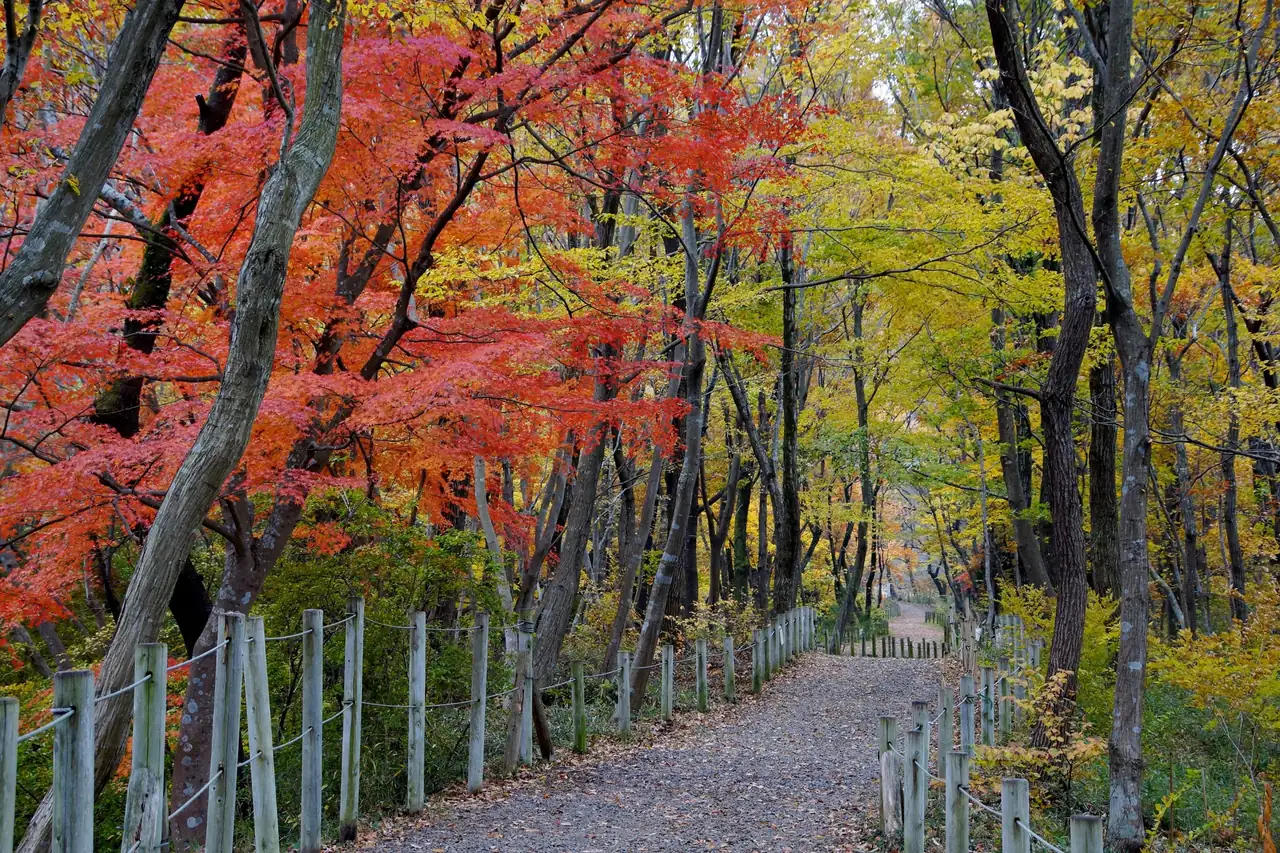
Nakatsukyo Gorge is a valley about 10 km long, carved by the Nakatsu River, a tributary of the Arakawa. Tall cliffs close in on both sides, and maples, rowan, beech and azaleas turn red and yellow. The leaves usually start changing in mid-October, and the whole gorge peaks from late October to mid-November. In past foliage reports, the peak has most often come in early November.
By car: From Hanazono IC on the Kan-Etsu Expressway, take Route 140 west, about 90 minutes. The road along the gorge is narrow and winding. There is no dedicated parking, so don't pull over on the shoulder for photos, and keep passing places clear.
By bus: From Mitsumineguchi Station on the Chichibu Railway, take the Seibu Kanko Bus bound for Nakatsugawa to the Aiharabashi stop, about 50 minutes. However, the upper section of the route to Nakatsugawa (大滑–中津川) has been suspended since a landslide in September 2022, and it was still suspended in 2026. From Seibu-Chichibu Station, walk to Ohanabatake Station on the Chichibu Railway and ride to Mitsumineguchi. Buses are infrequent, so check whether they are running and note the return times before you set out. The Otaki branch of the Chichibu Tourism Association (0494-55-0707) can answer questions.
Kinzo-otoshi: a mountain stream on Route 140
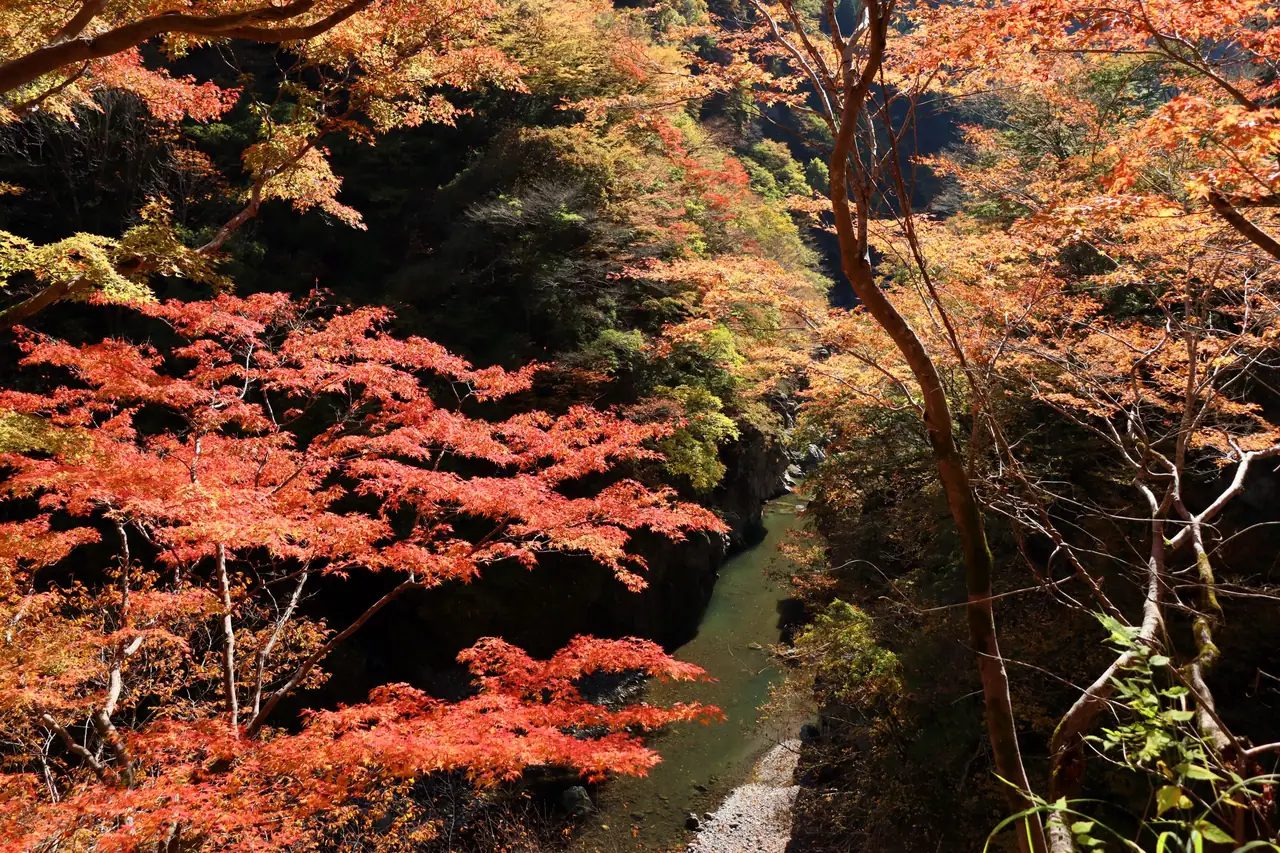
Photo: Saitama Prefecture Products & Tourism Association / Reproduction/Reprint prohibited
On Route 140 between Mitsumineguchi Station and Nakatsukyo, near the entrance to the Ochigawa Valley in Otaki, Chichibu, is a stretch of stream called Kinzo-otoshi. Maple branches hang over water rushing between the rocks, turning red and yellow in autumn. A walking path runs along the stream, and parking is on the Ochigawa Valley entrance side. It is close enough to see on the same day as Nakatsukyo, which makes it an easy stop on a drive through Okuchichibu. Saitama Prefecture's tourism pages include it in a rental-car route around Okuchichibu.
Ranzan Valley: autumn leaves within walking distance of a station
If you don't have time to go all the way to Chichibu, try Ranzan Valley in the Hiki area. A walking path follows the Tsuki River, with maple branches layered over the water. The leaves usually peak from mid-November to early December, late for Saitama.
In 2026, Ranzan Town has set a "peak week" period from Saturday, November 14 to Sunday, December 6. On Saturday and Sunday, November 28 and 29, an autumn leaves festival event is held at the Ranzan Valley Barbecue Area. Even within the valley, color and leaf fall vary from spot to spot.
By train and bus: From the west exit of Musashi-Ranzan Station on the Tobu Tojo Line (some trains from Ikebukuro run straight through, others need a change on the way), it's about a 35-minute walk (about 2.7 km). Or take a local bus from the west exit for about 10 minutes to the Kyoyochi Iriguchi stop, right by the valley.
By car: About 15 minutes from Ranzan-Ogawa IC or Higashi-Matsuyama IC on the Kan-Etsu Expressway. Cars can't enter the valley itself, so use the paid parking at the Ranzan Valley Barbecue Area. The town advises searching your car navigation for "嵐山渓谷バーベキュー場 (嵐山町鎌形2857)."
The path is unpaved, with rocky patches and exposed tree roots. Wear shoes you can walk in comfortably.
Fall flowers before the leaves: spider lilies, dahlias and cosmos
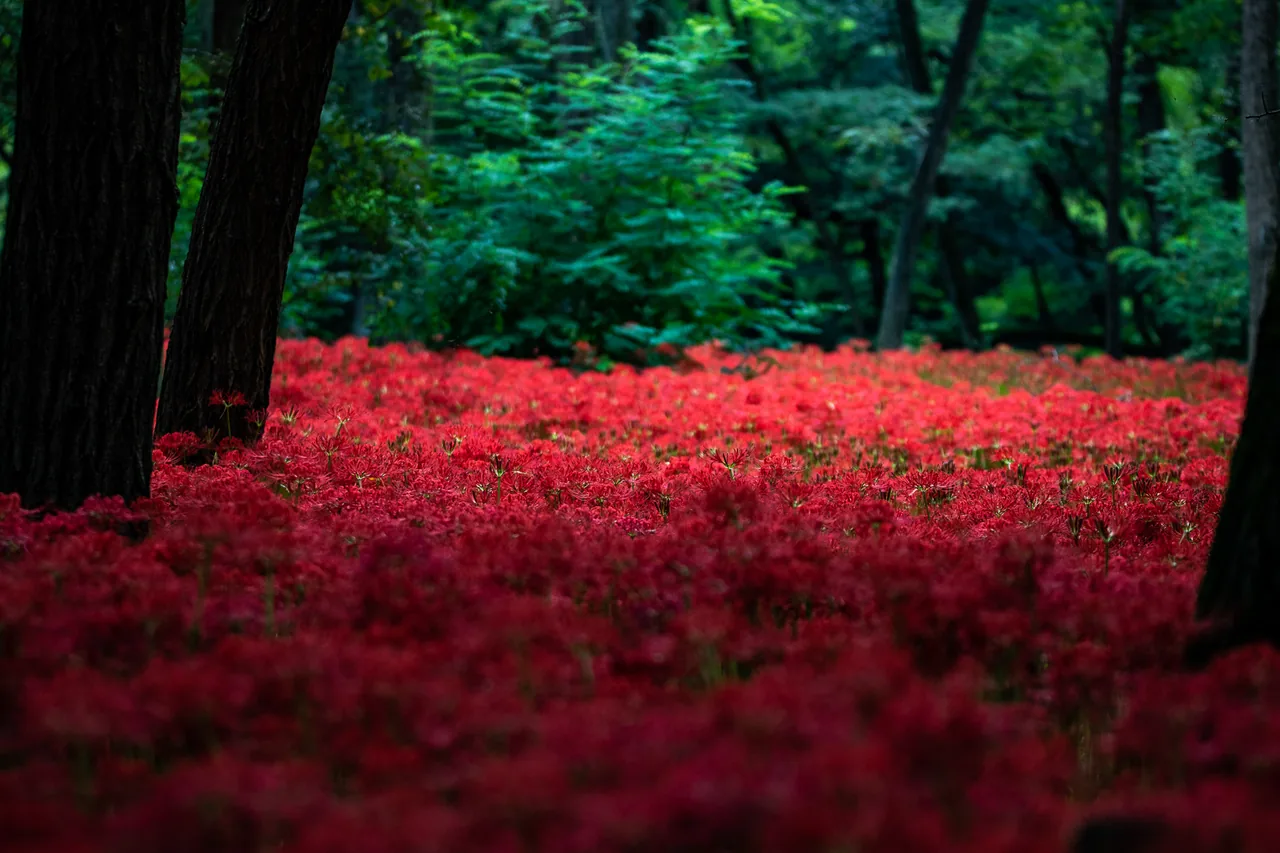
Kinchakuda red spider lilies (Hidaka)
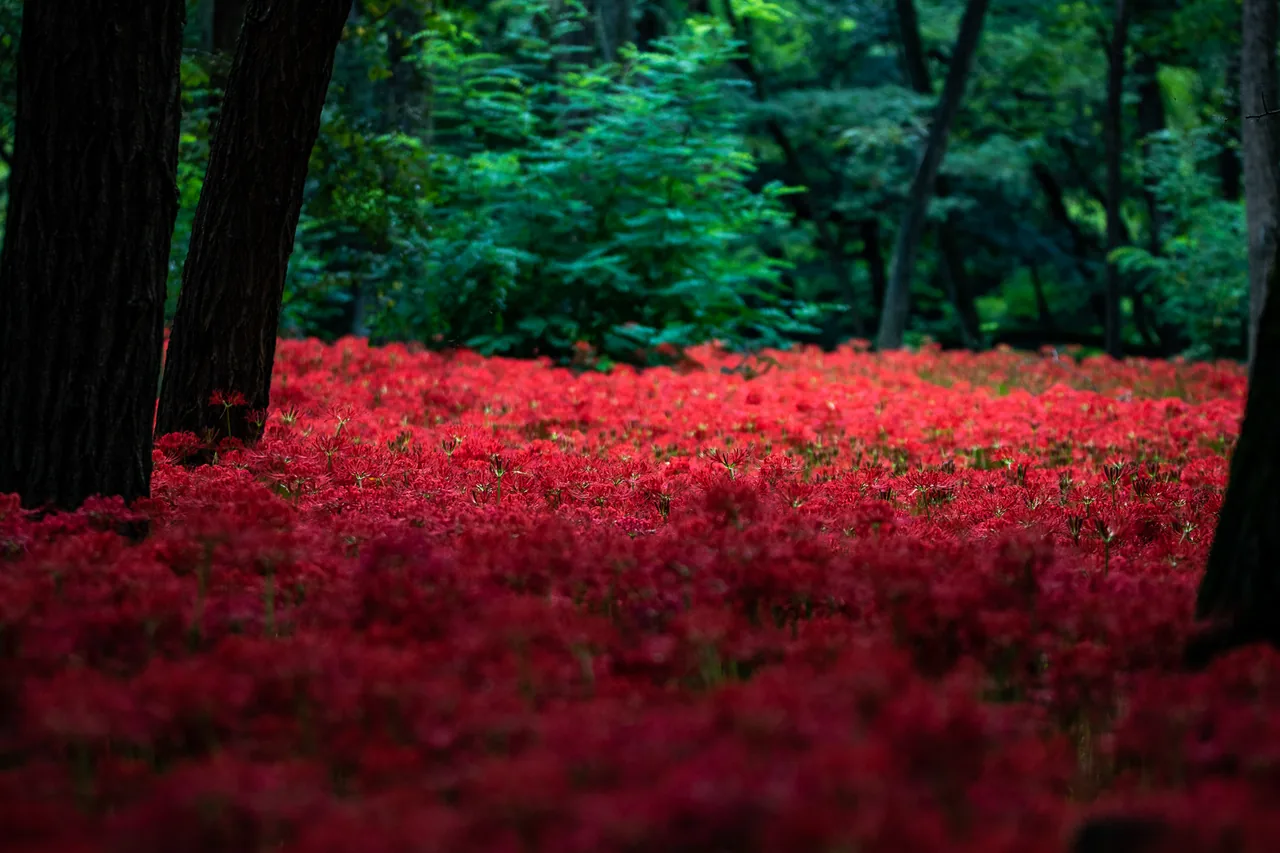
Photo: Saitama Prefecture Products & Tourism Association / Reproduction/Reprint prohibited
Inside a bend where the Koma River curves into the shape of a drawstring pouch (kinchaku), a woodland fills with red spider lilies (higanbana), said to number about five million. Kinchakuda usually peaks around late September; in 2025 the whole field was in full bloom on September 28. Timing shifts with the temperature, so check the bloom updates on the official site before you go. From 2026, entry to the flower field became paid during the bloom season, starting September 19 (500 yen per person, free for junior high school students and younger), and the Kinchakuda Manjushage Festival ran from September 21 to October 6. It's about a 15-minute walk from Koma Station on the Seibu Ikebukuro Line.
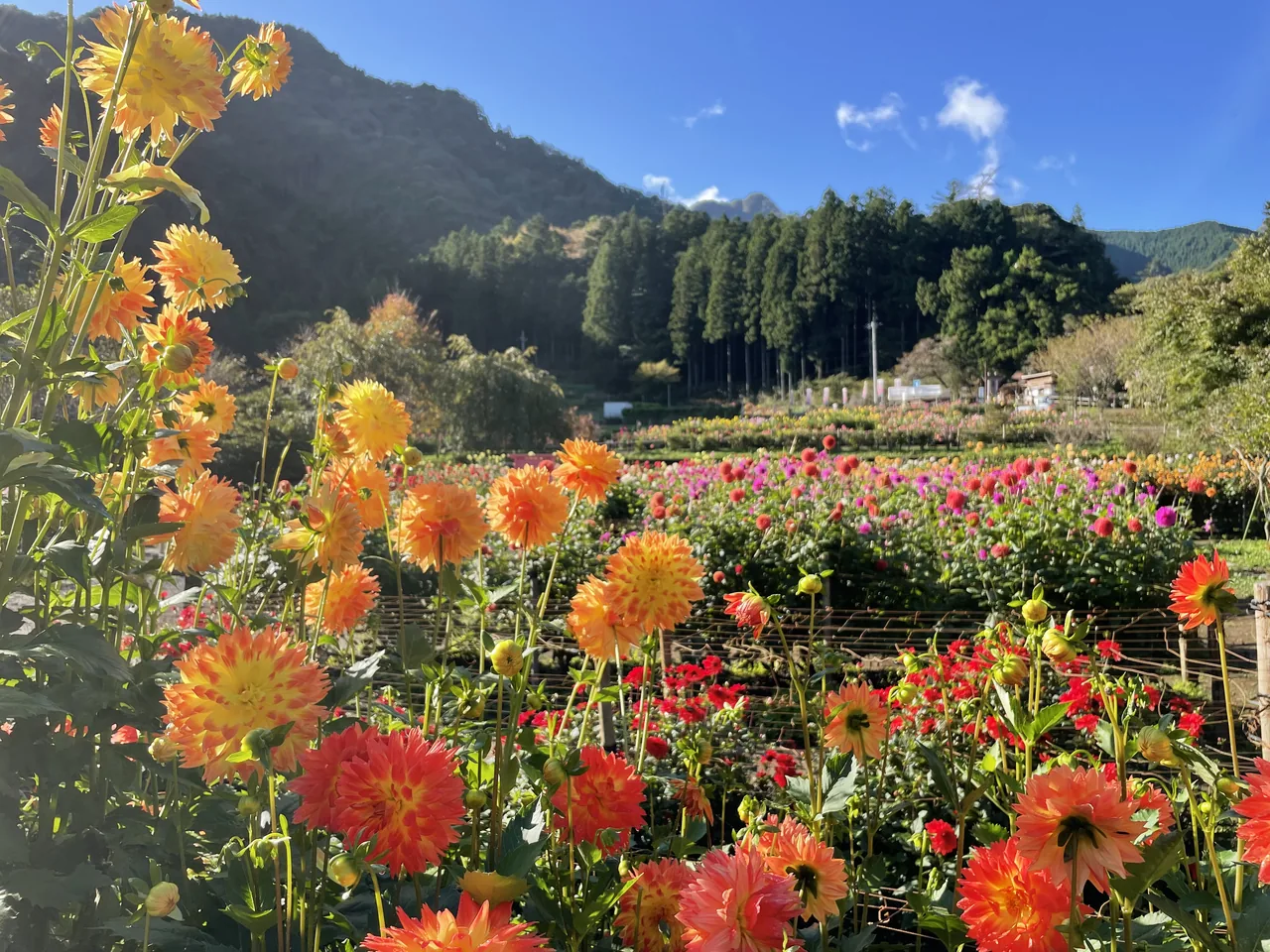
Ryokami Sanroku Hana no Sato Dahlia Garden (Ogano)
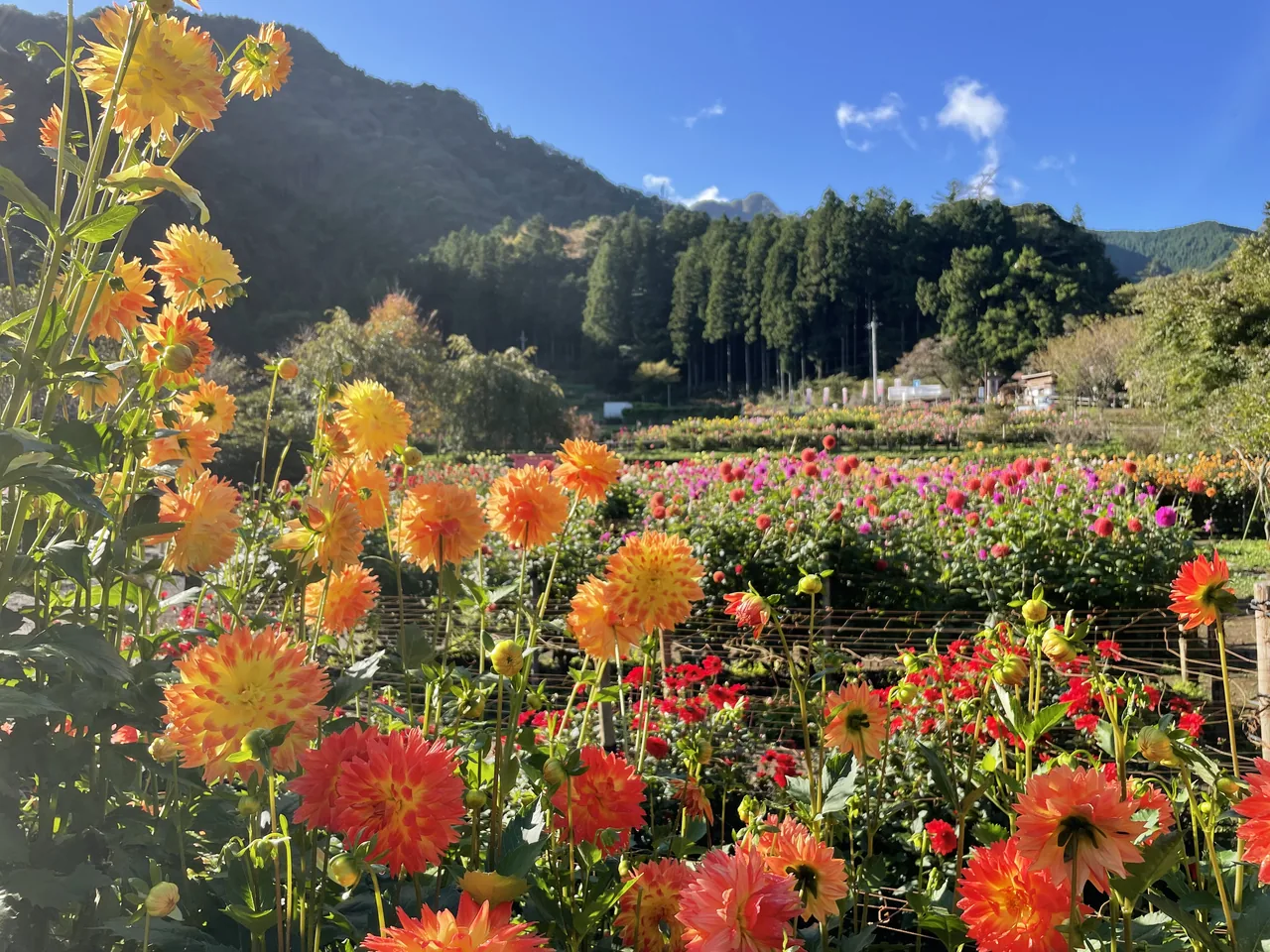
Photo: Saitama Prefecture Products & Tourism Association / Reproduction/Reprint prohibited
On a slope at the foot of Mt. Ryokami, rows of dahlias are grown by local volunteers. The Ryokami Sanroku Hana no Sato Dahlia Garden opens every year from September 1 to November 3, with the most flowers around October. Entry requires an environmental maintenance contribution (500 yen for junior high school students and older in 2024). Opening hours in 2024 were 9:00 to 16:30. To pair it with the Okuchichibu foliage, aim for the overlap between late October and November 3.
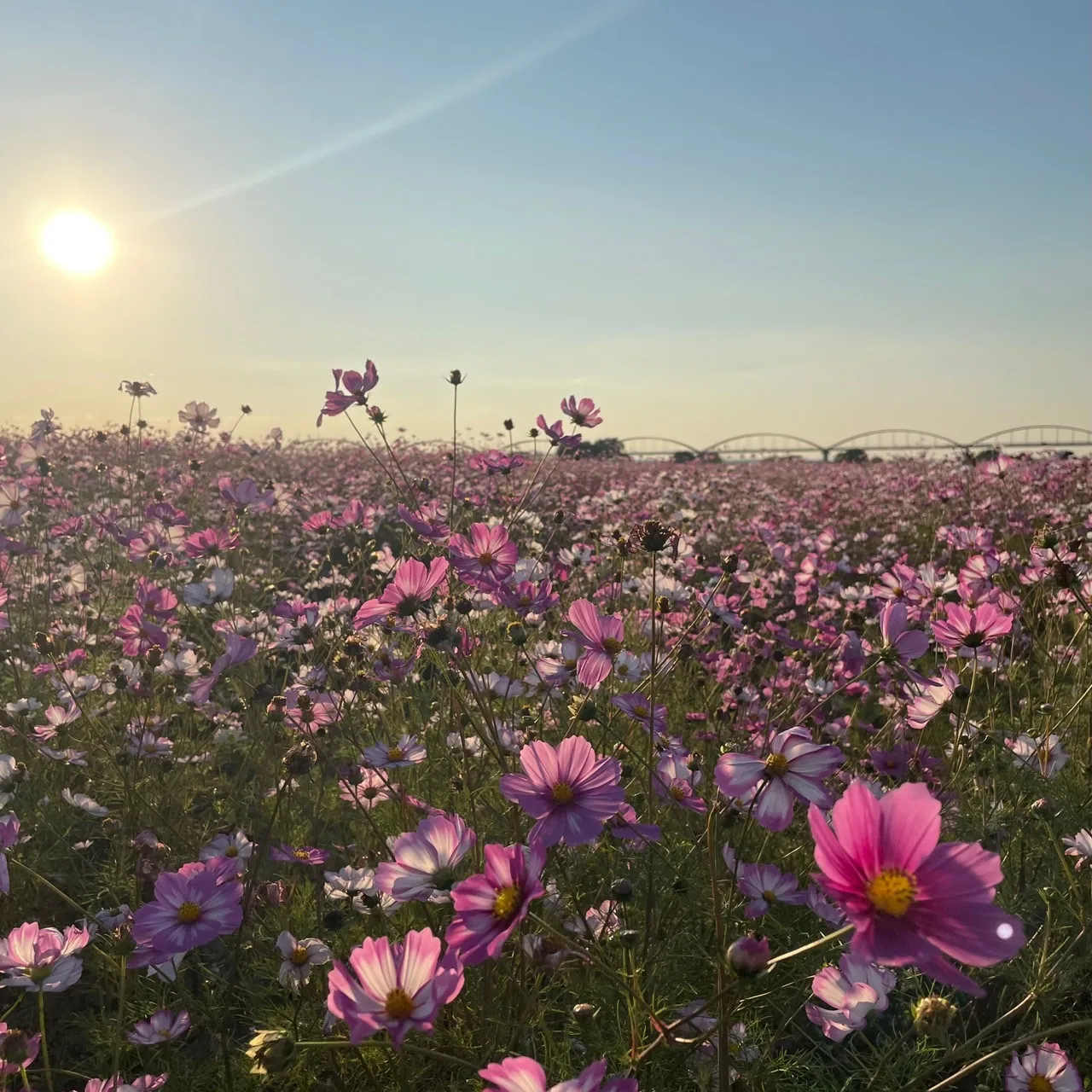
Konosu cosmos (Arakawa riverbank)
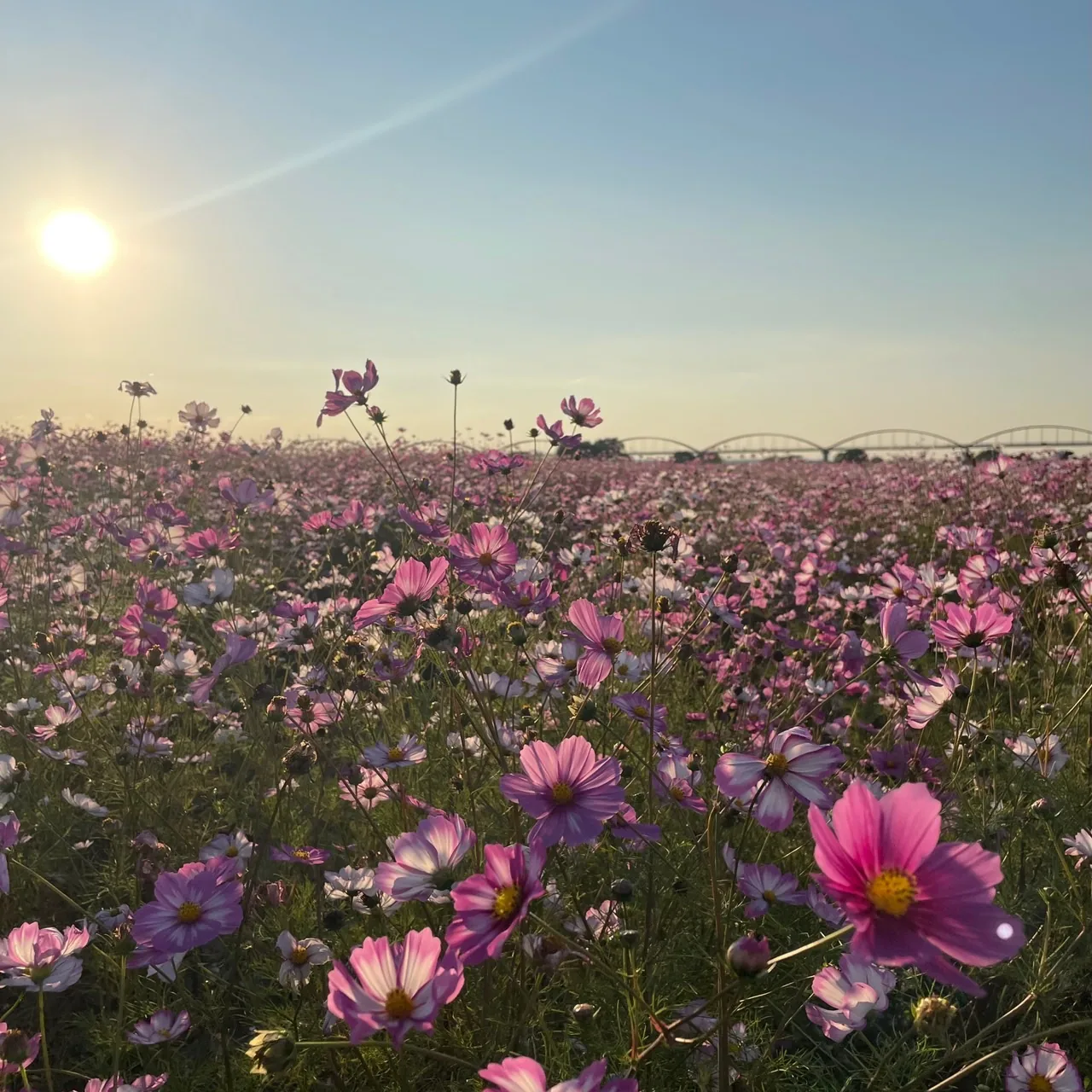
Photo: Saitama Prefecture Products & Tourism Association / Reproduction/Reprint prohibited
About ten million cosmos are planted on the Arakawa riverbank around Cosmos Arena Fukiage in Konosu. They usually peak from mid to late October, when the Cosmos Festival is held (it was held on October 24 and 25 in 2026). It's about a 30-minute walk from Fukiage Station on the JR Takasaki Line; in 2026, free shuttle buses ran on both festival days.
Before you drive the mountain roads or catch the bus
Plans made on Tokyo time tend to run short in the gorges of Okuchichibu.
- In November, the mountains get dark quickly after 4 p.m. Finish walking in the gorges by early afternoon.
- The roads from Route 140 into the gorges are narrow and winding, sometimes with signs of fallen rocks. On foliage weekends, traffic builds up and the drive back is slow.
- In late November, mornings and evenings in Okuchichibu are cold, and shaded road surfaces can freeze. If you're renting a car, ask about winter tires before you book.
- Buses beyond Mitsumineguchi Station are infrequent. Before you board the outbound bus, note the time of the last bus back.
- There are hardly any convenience stores around the gorges. Get drinks and snacks near Seibu-Chichibu or Mitsumineguchi Station.
Getting to Chichibu and Ranzan from Tokyo
For Chichibu, the all-reserved Laview limited express runs directly from Ikebukuro to Seibu-Chichibu Station on the Seibu Ikebukuro and Seibu Chichibu lines. For Ranzan Valley, take the Tobu Tojo Line from Ikebukuro; for Konosu, the JR Takasaki Line from Ueno or Tokyo. As the lines are different, pick either the Chichibu side or the Hiki and Konosu side for a single day.
Winter in Chichibu is the season of icicles and the night festival; read on in Chichibu in winter: icicles and the Night Festival. For spring and summer flowers, see the Saitama flower calendar, and for more of the prefecture, browse sights in Saitama.