Saitama Flowers by Season: Moss Phlox, Wisteria & Spider Lilies
This guide is translated from the Japanese edition. Read the Japanese edition
Saitama's flower spots, a day trip from Tokyo, by season — moss phlox and wisteria in April, lavender in June, red spider lilies in September — with peak times and fees.
After Tokyo's cherry blossoms have fallen, Saitama's flower season keeps going: hillsides carpeted with moss phlox, a wisteria said to be 1,200 years old, lavender fields in the hills. Every spot is a day trip by train from central Tokyo, and in autumn, sweeps of red spider lilies and a dahlia garden reach their peak. Flower fields have short seasons, and some are mowed as soon as the blooms are over. Here is what flowers where, month by month. For flower spots inside Tokyo, see our Tokyo flower calendar.
When do Saitama's flowers bloom? A month-by-month overview
Peak times shift with each year's temperatures. The periods below are the usual timing.
| Usual timing | Flower | Where |
|---|---|---|
| Late Mar to early Apr | Flowering peach | Hanamomo no Sato (Higashichichibu) |
| Late Mar to early Apr | Cherry blossoms and canola | Gongendo Embankment (Satte) |
| Mid-Apr to early May | Moss phlox (shibazakura) | Hitsujiyama Park (Chichibu) |
| Mid-Apr to early May | Wisteria | Ushijima Wisteria (Kasukabe) |
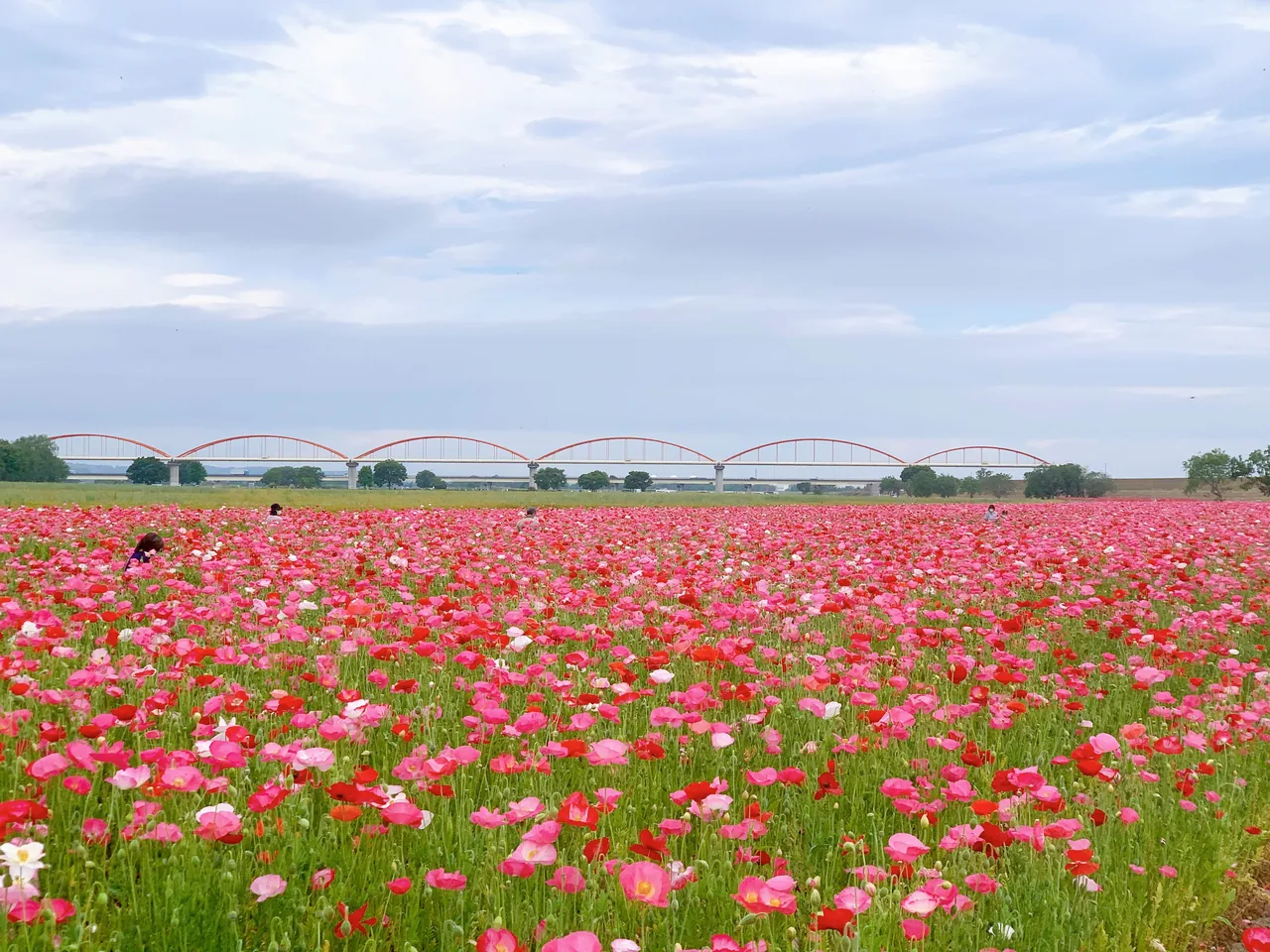
| Mid- to late May | Poppies | Konosu Flower Festival fields (Konosu) |
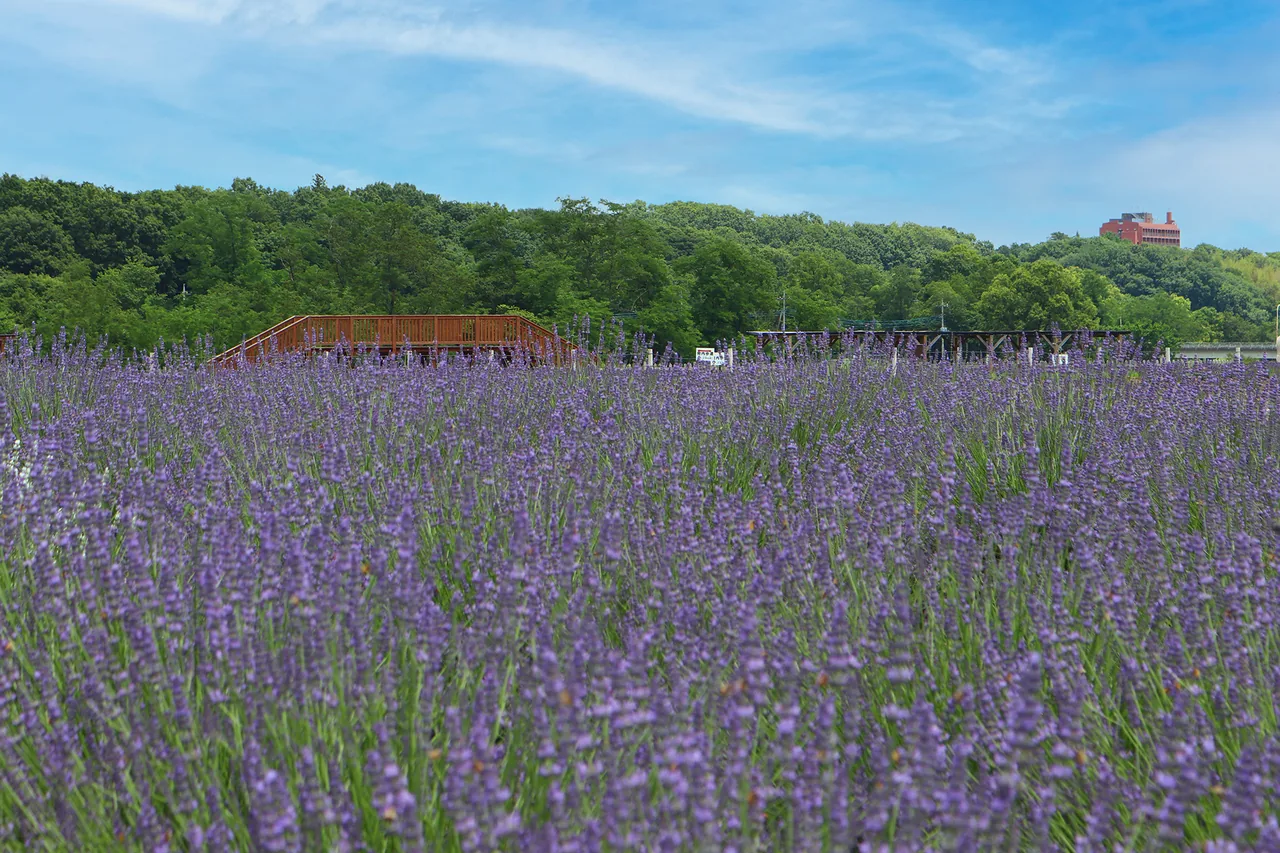
| Mid-Jun | Lavender | Sennen no Sono Lavender Garden (Ranzan) |
| Early Aug | Sunflowers | Kamisato sunflower field (Kamisato) |
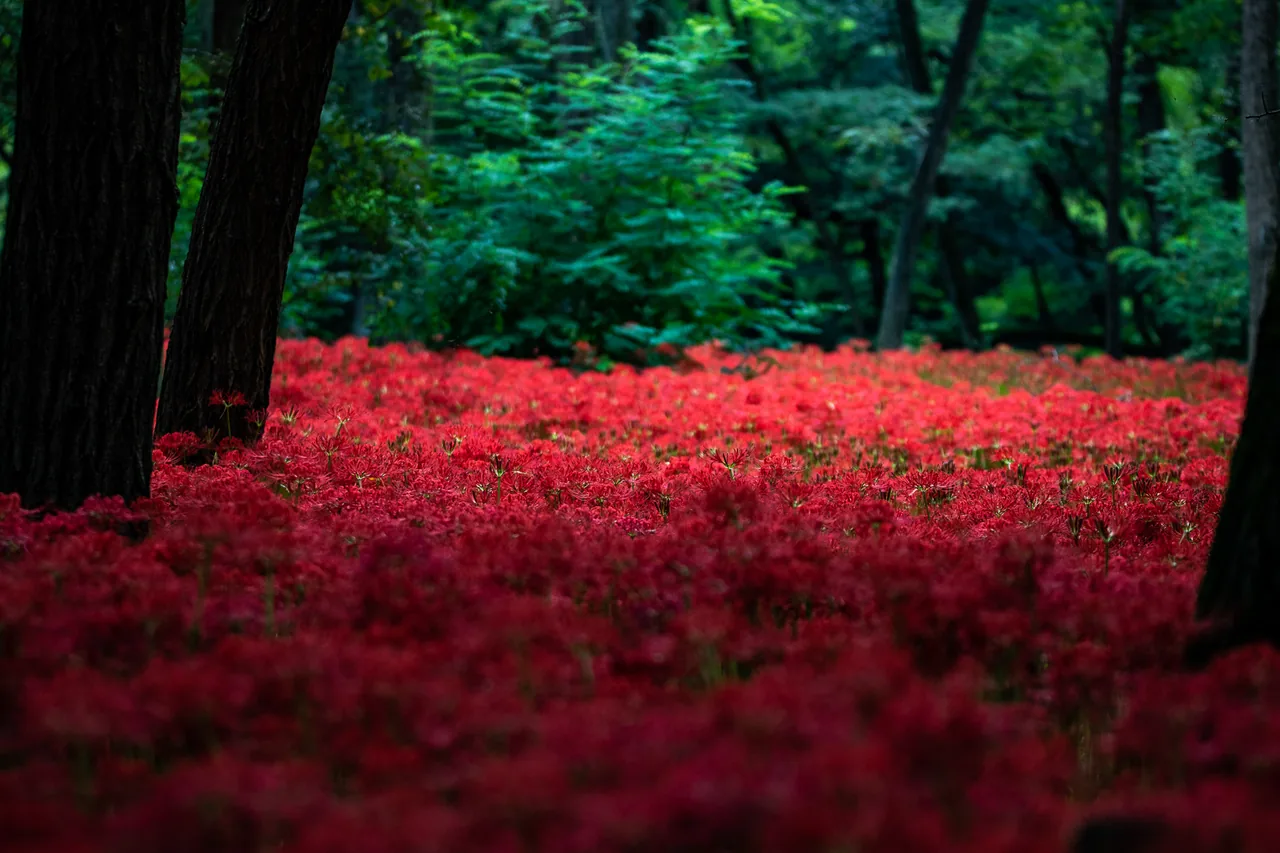
| Mid-Sep to early Oct | Red spider lilies | Kinchakuda (Hidaka) |
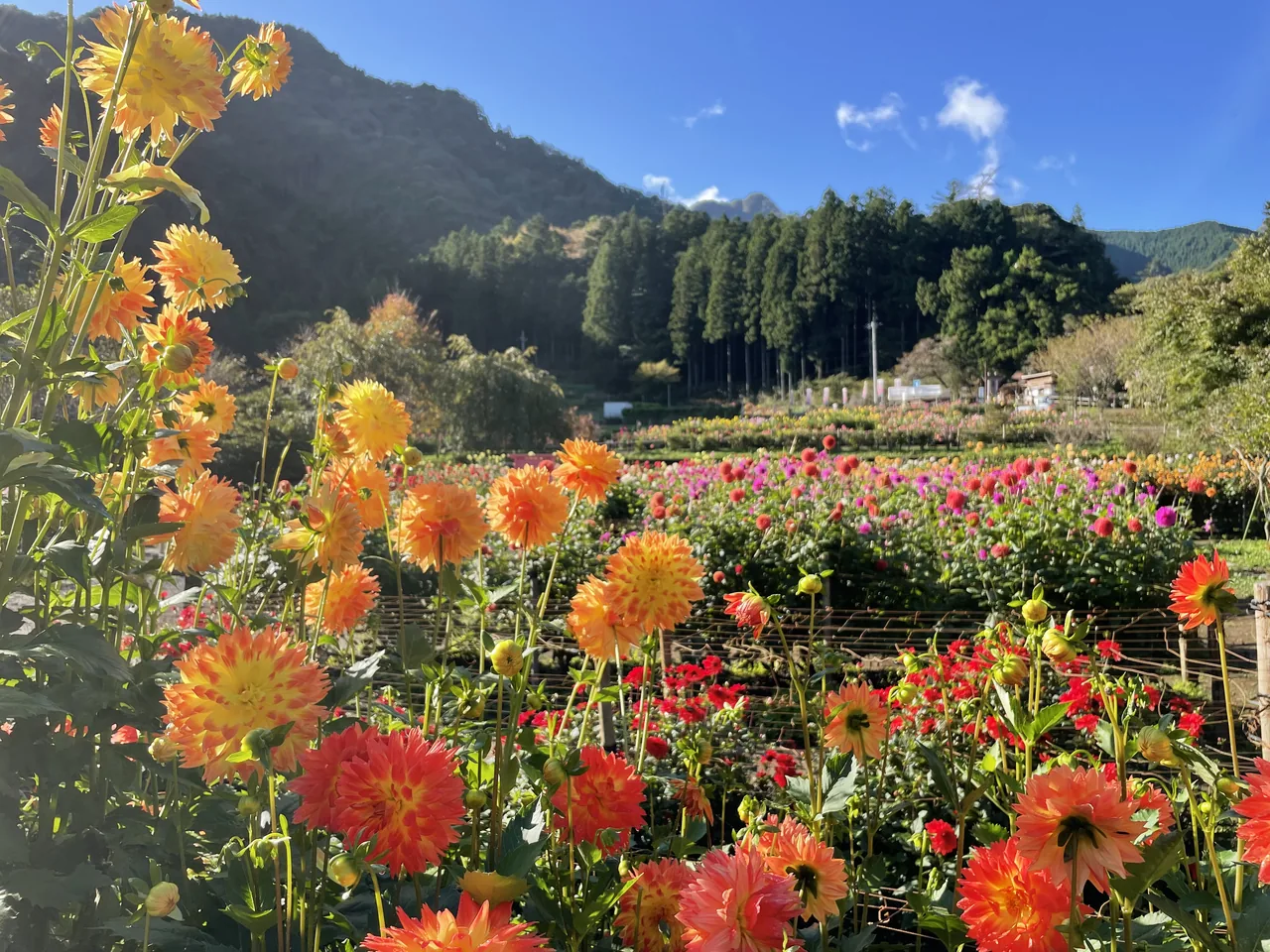
| Sep to early Nov | Dahlias | Ryokami Sanroku Hana no Sato Dahlia Garden (Ogano) |
Late March to early April: Hanamomo no Sato and the cherry trees of Gongendo
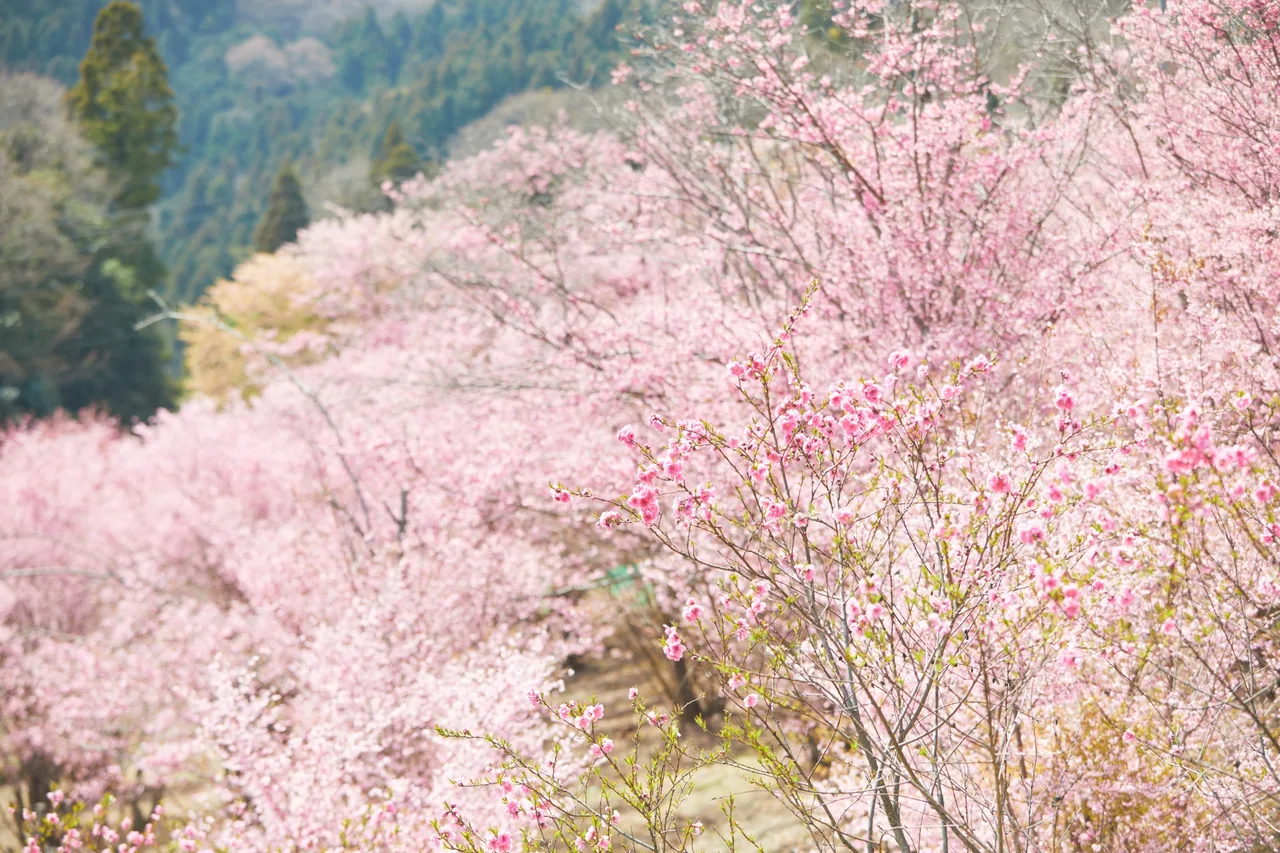
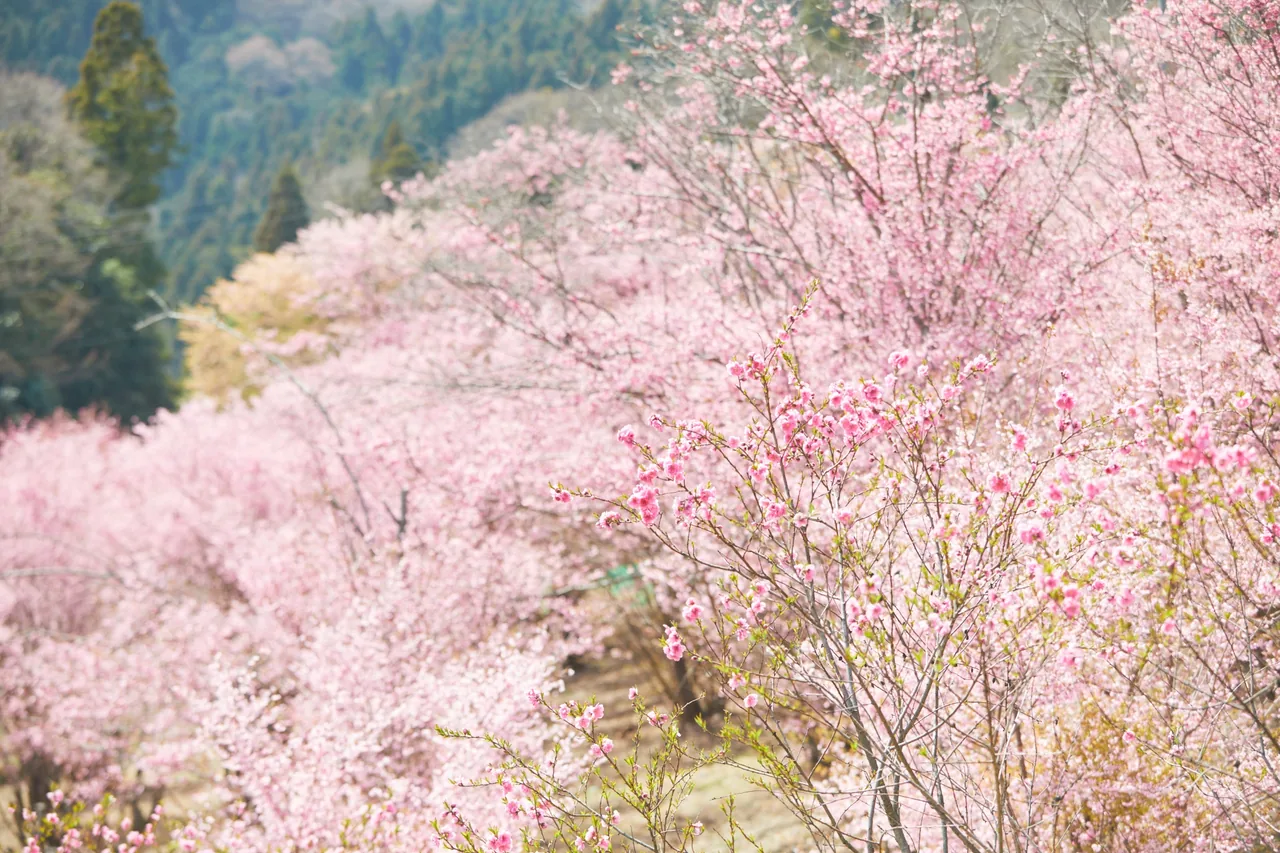
Hanamomo no Sato, in the Ouchisawa district of Higashichichibu Village, is a hamlet on a mountain slope wrapped in the pink of flowering peach trees; the village calls it a "Shangri-La." The usual peak is late March to early April. The trees are spread over a wide area, so the bloom moves from early-flowering spots to late ones and lasts about two weeks. Bloom updates are posted on the Higashichichibu Village flowering peach page.
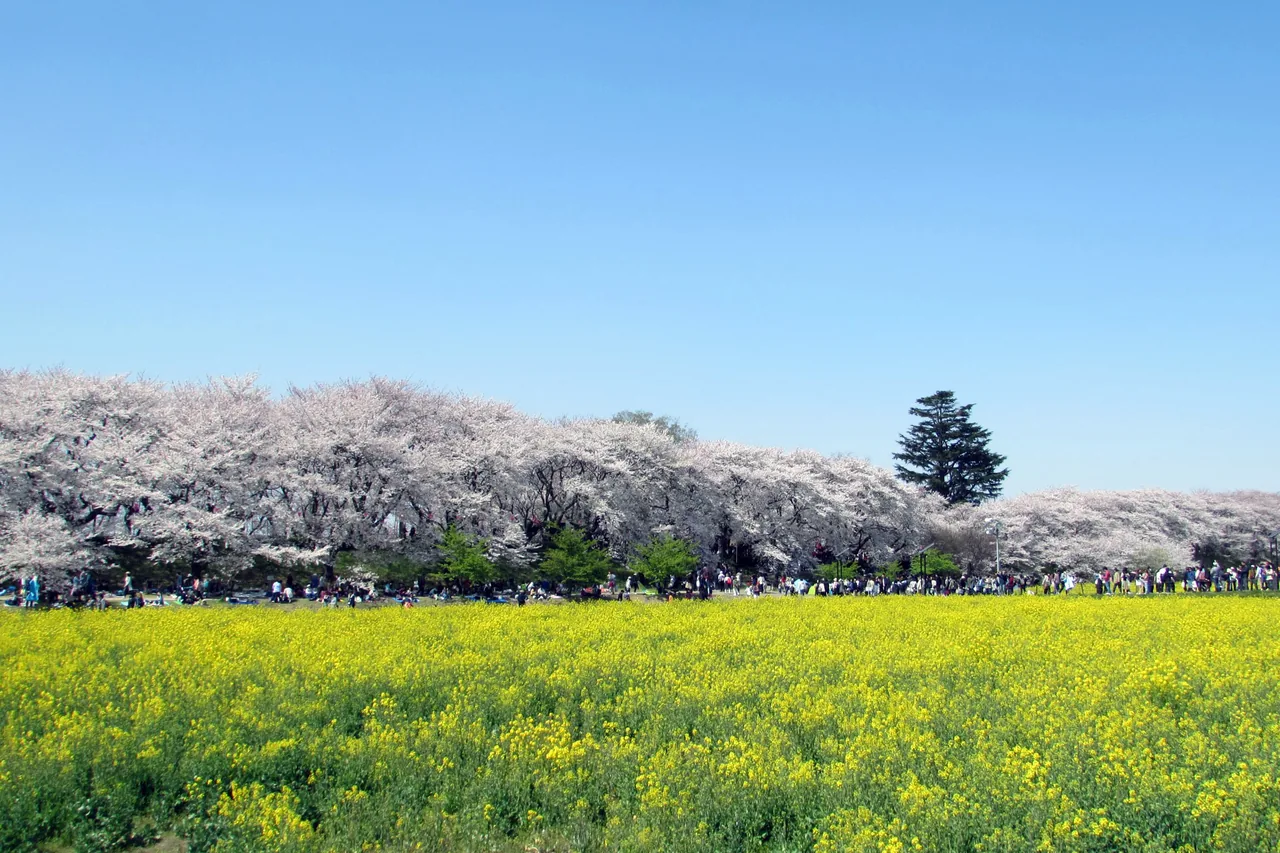
Photo: Saitama Prefecture Products & Tourism Association / Reproduction/Reprint prohibited
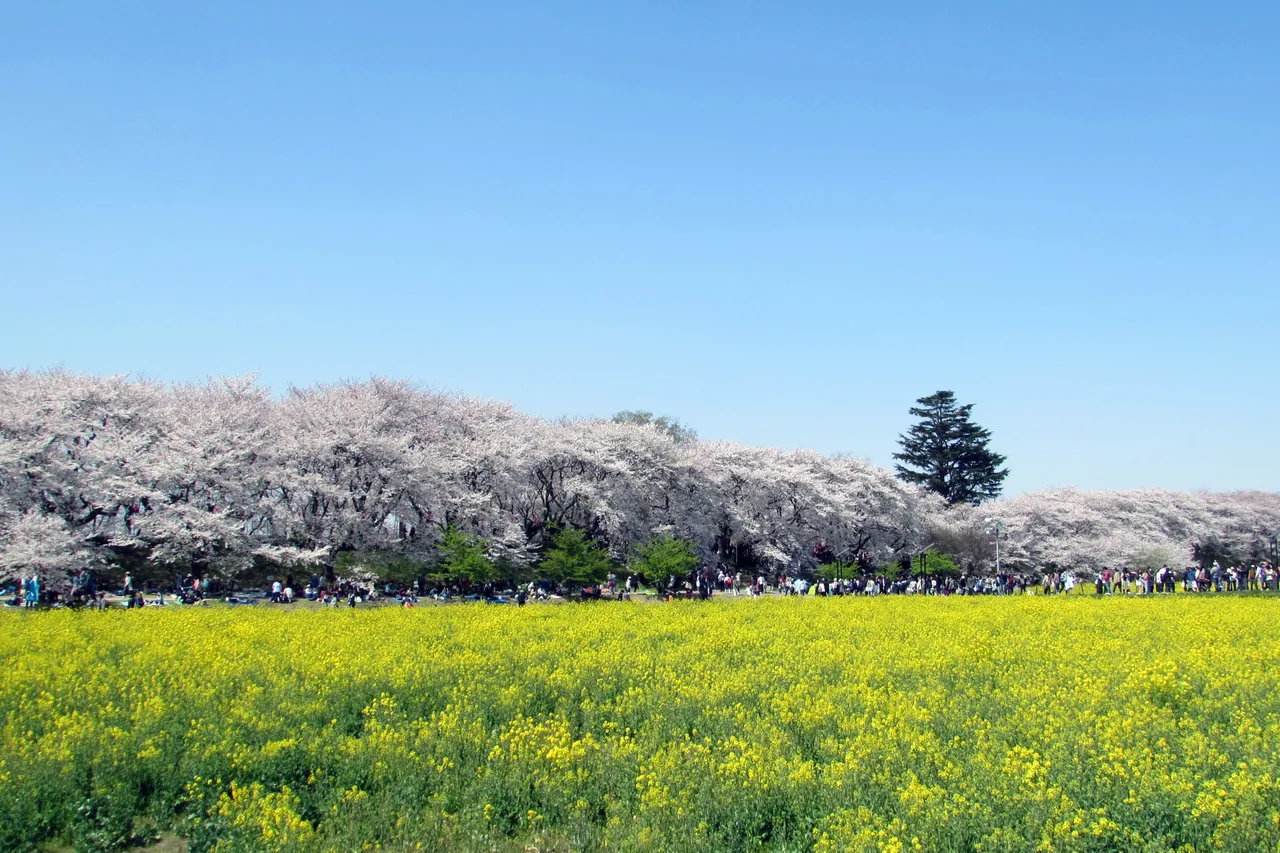
At the same time, at Gongendo Embankment in Satte, a tunnel of about 1,000 cherry trees runs for about 1 km along the embankment, and the canola fields at its foot peak together with the blossoms. Seeing the pink of the cherries and the yellow of the canola at once is what makes this embankment special. The Satte Cherry Blossom Festival is usually held from late March to early April, and in years when the blossoms come late the festival is extended. In June, the same park also holds a hydrangea festival. Information is on Satte City's Gongendo Embankment page.
Mid-April to early May: moss phlox at Hitsujiyama Park and the Ushijima wisteria
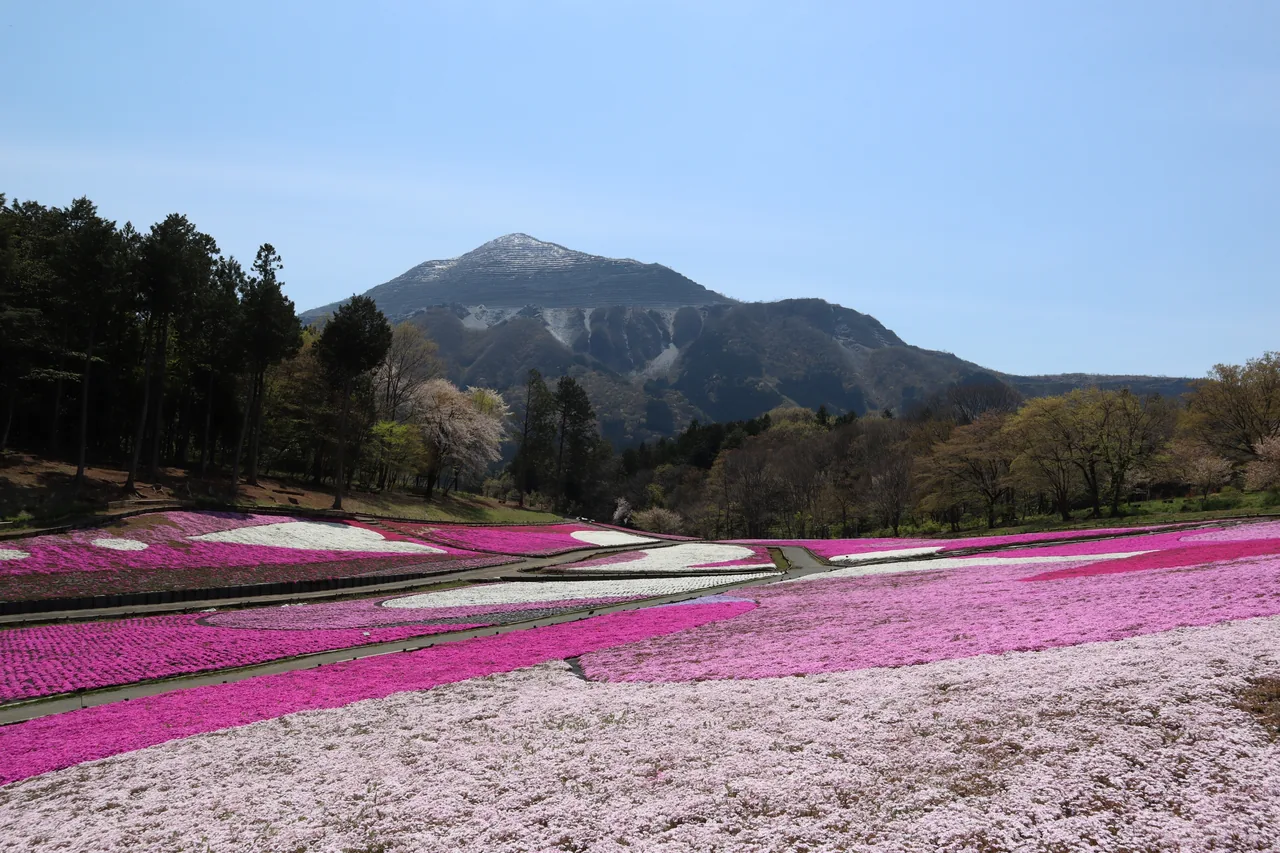
Photo: Saitama Prefecture Products & Tourism Association / Reproduction/Reprint prohibited
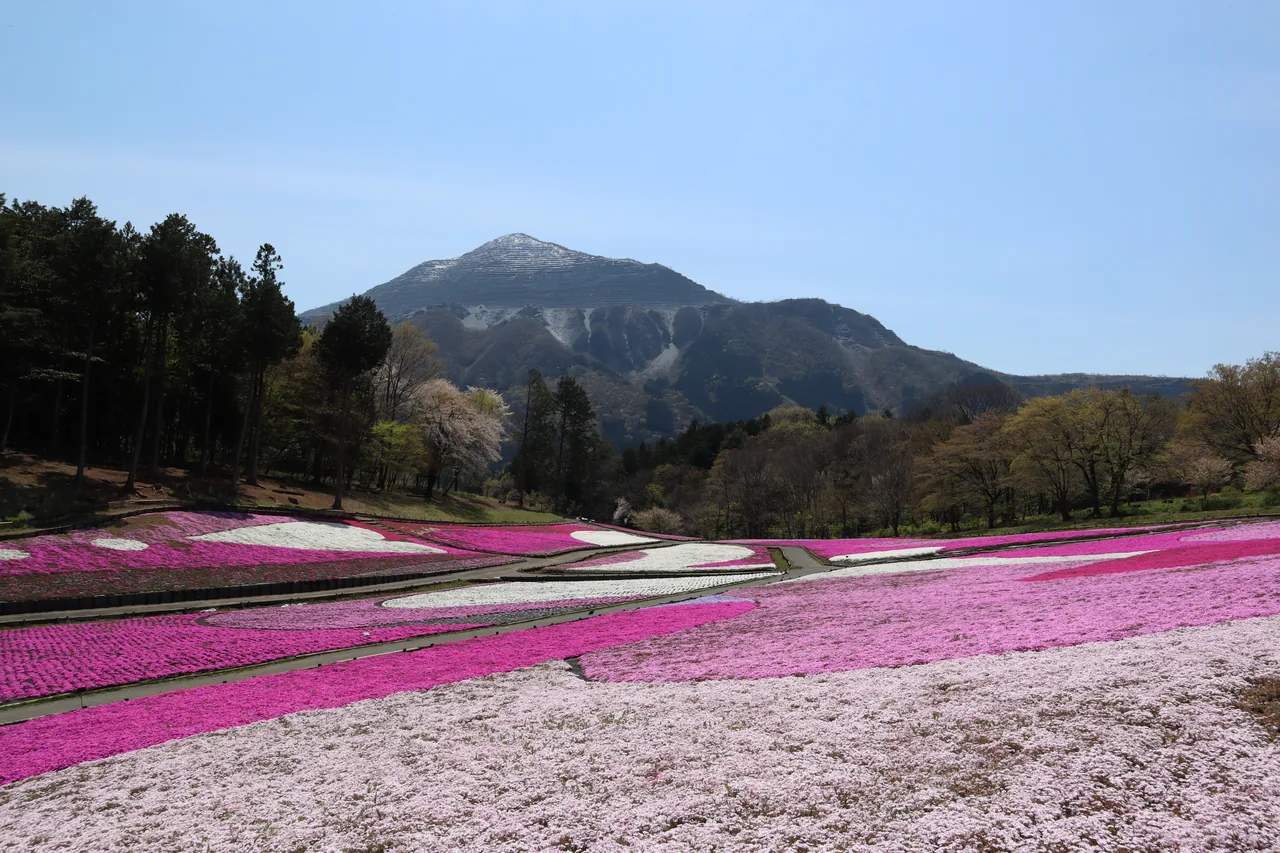
The Shibazakura Hill in Chichibu's Hitsujiyama Park is planted with more than 400,000 moss phlox plants over about 17,600 m², their pink and white flowers covering the slopes. The usual peak is mid-April to early May, lasting until around Golden Week. In 2026, entry to the hill cost 500 yen for adults from April 10 to 30 (free for junior high school students and younger, and free for everyone from May 1); it was 300 yen until 2025. Parking was 700 yen for a regular car. The next year's fee and dates are announced later. Shibazakura Hill is about a 20-minute walk from Seibu-Chichibu Station. Roads and parking lots nearby are busy in the flower season, so the train is the easier option. Bloom conditions are on Chichibu Kanko Navi's Shibazakura Hill page.
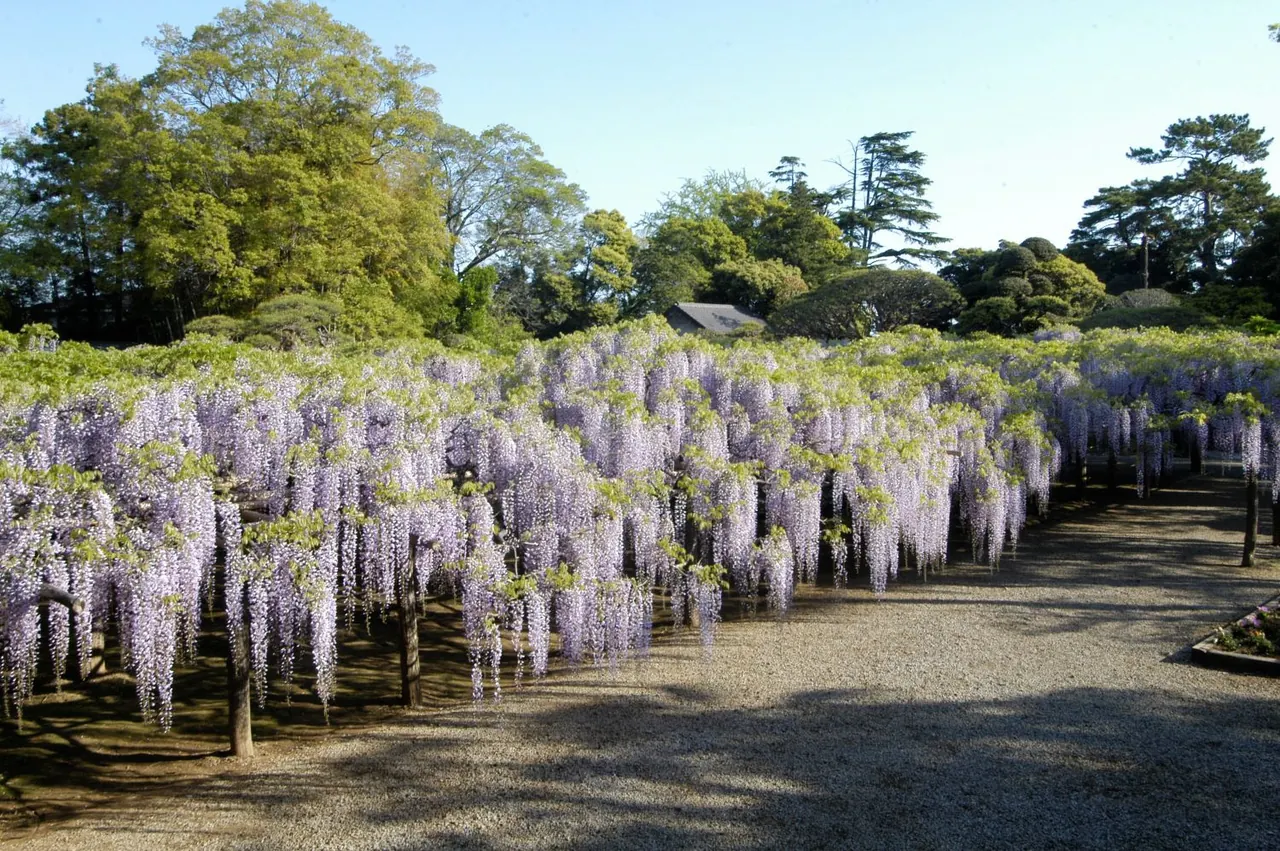
Photo: Saitama Prefecture Products & Tourism Association / Reproduction/Reprint prohibited
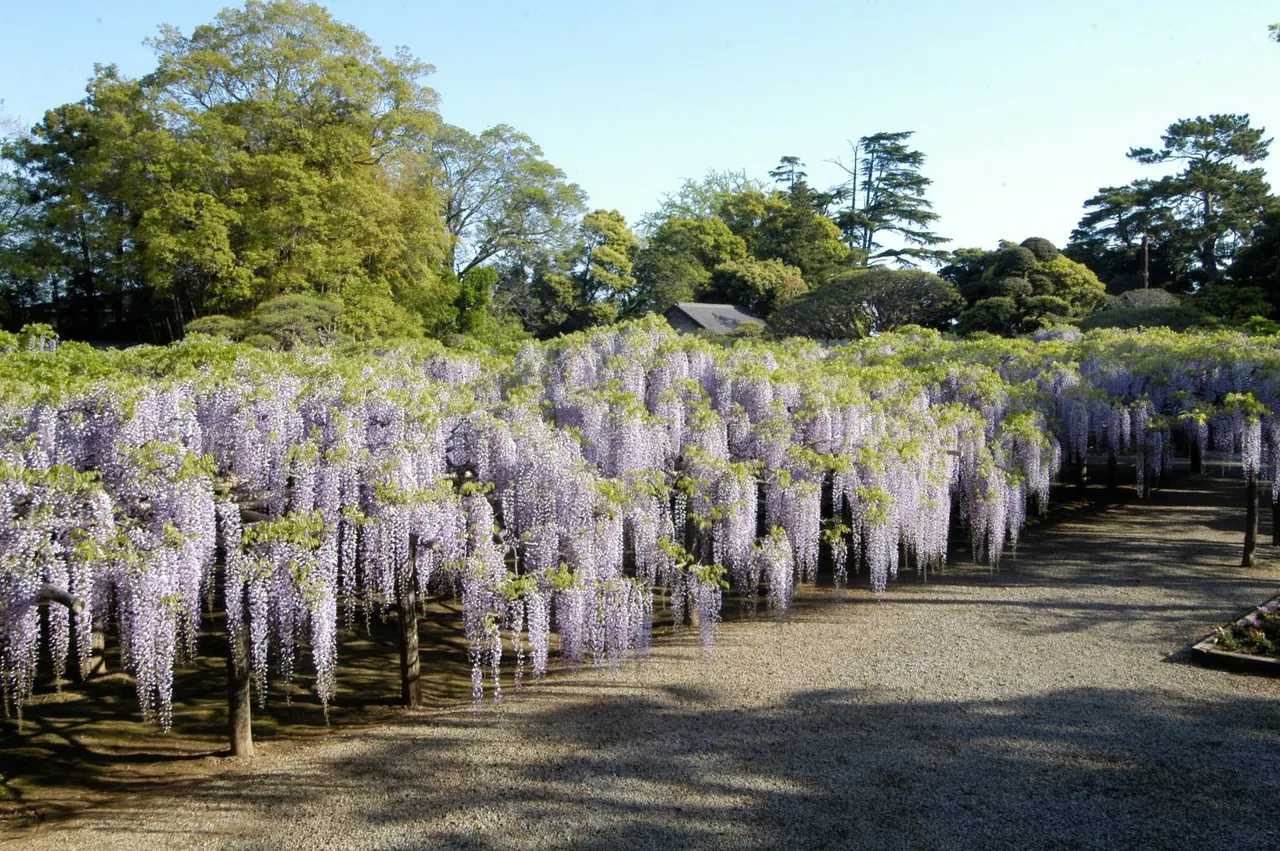
The Ushijima wisteria in Kasukabe is an ancient wisteria with an estimated age of 1,200 years. It was designated a national Natural Monument in 1928 and a Special Natural Monument in 1955. When it blooms varies from year to year. The Fujikaen garden opens only while the wisteria is in flower; in 2026 it was open from April 11 to May 3, from 8:00 to 17:00. Admission is 1,200 yen for adults and 600 yen for children from age 4 through elementary school. The nearest station is Fujinoushijima on the Tobu Urban Park Line. Details are on Kasukabe City's wisteria page.
May to June: poppies in Konosu and lavender at Sennen no Sono
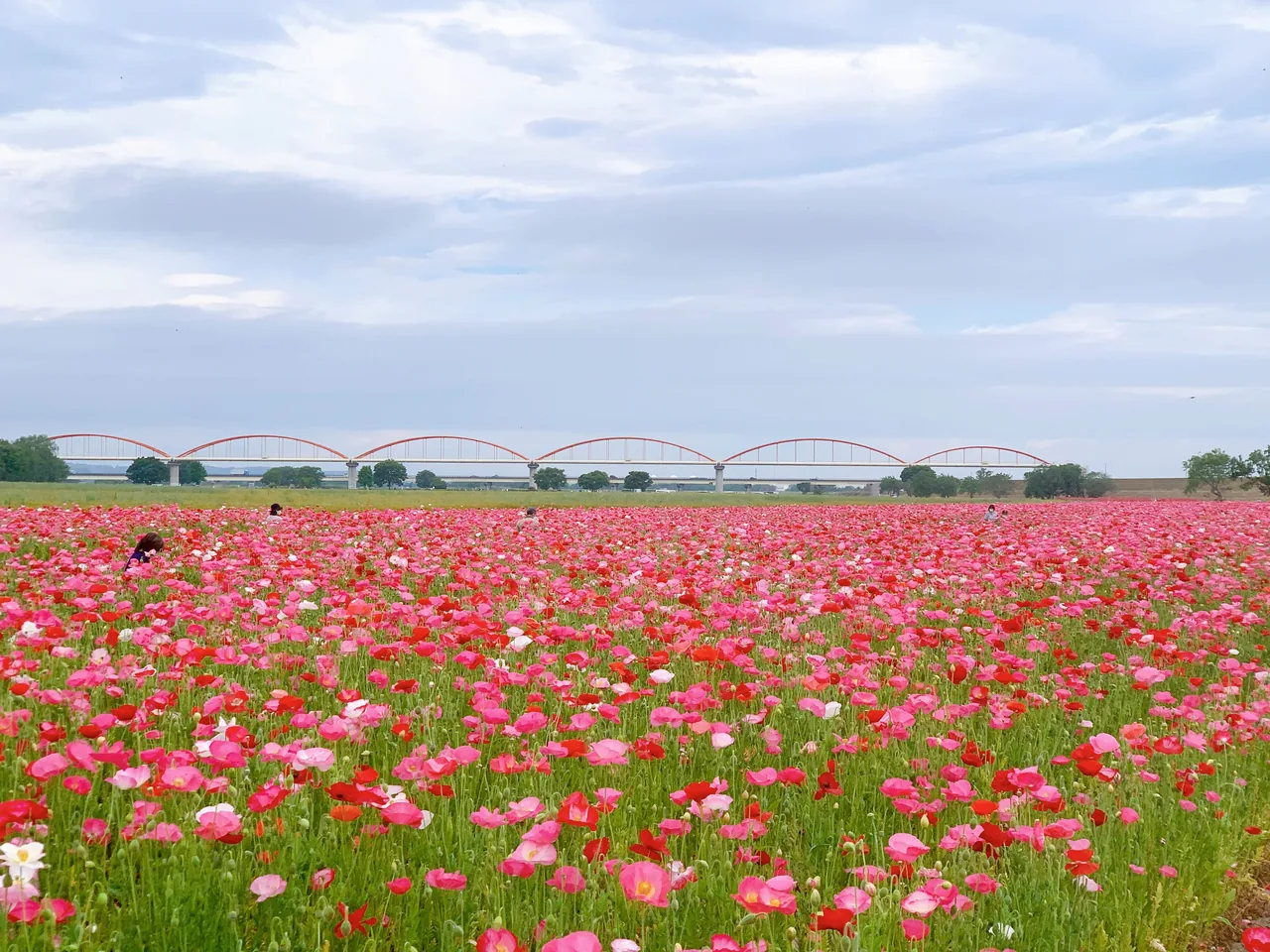
Photo: Saitama Prefecture Products & Tourism Association / Reproduction/Reprint prohibited
Konosu has two poppy fields: the main one, Poppy Konotori Terrace near Cosmos Arena Fukiage, and Poppy Happy Square in Umamuro. The usual peak is mid- to late May. The Konosu Flower Festival is held in May; in 2026 it took place on May 9 and 10. To reach the Umamuro field, take the Flower-go community bus (Umamuro route) from the west exit of Konosu Station on the JR Takasaki Line, about 5 minutes. The flowers are cut down in June. Bloom updates are posted on the Konosu Flower Festival page.
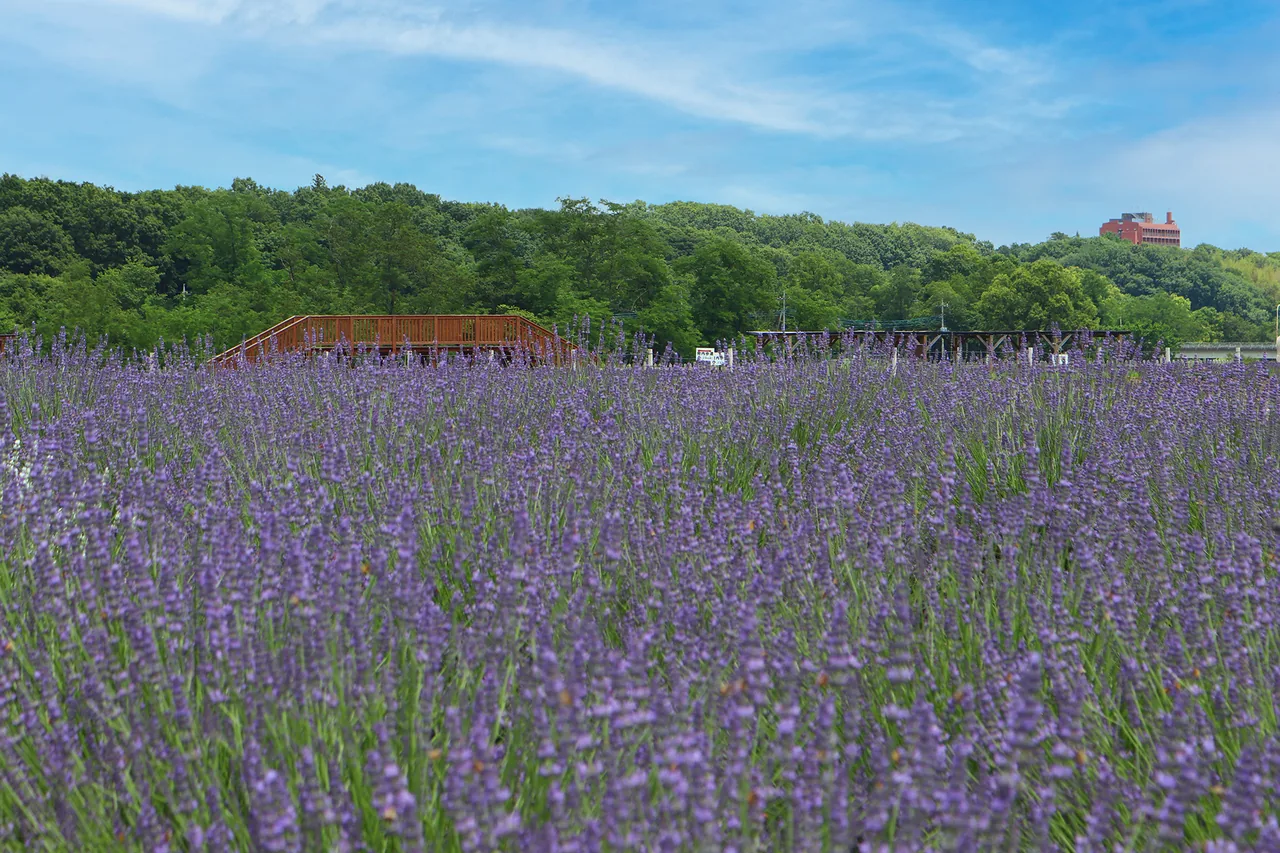
Photo: Saitama Prefecture Products & Tourism Association / Reproduction/Reprint prohibited
Sennen no Sono Lavender Garden in Ranzan is a field of about 13,000 lavender plants over about 3.6 ha. The Ranzan Lavender Festival is usually held around mid-June to match the peak. In 2026 it ran from June 13 to 28; entry was free, and lavender picking (1,000 yen) was offered mainly on Saturdays and Sundays. All the flowers are cut after the festival, so there is nothing to see once it ends. The next dates are expected to be announced around the end of May on the Ranzan Tourism Association's lavender festival page.
August: the Kamisato sunflower field
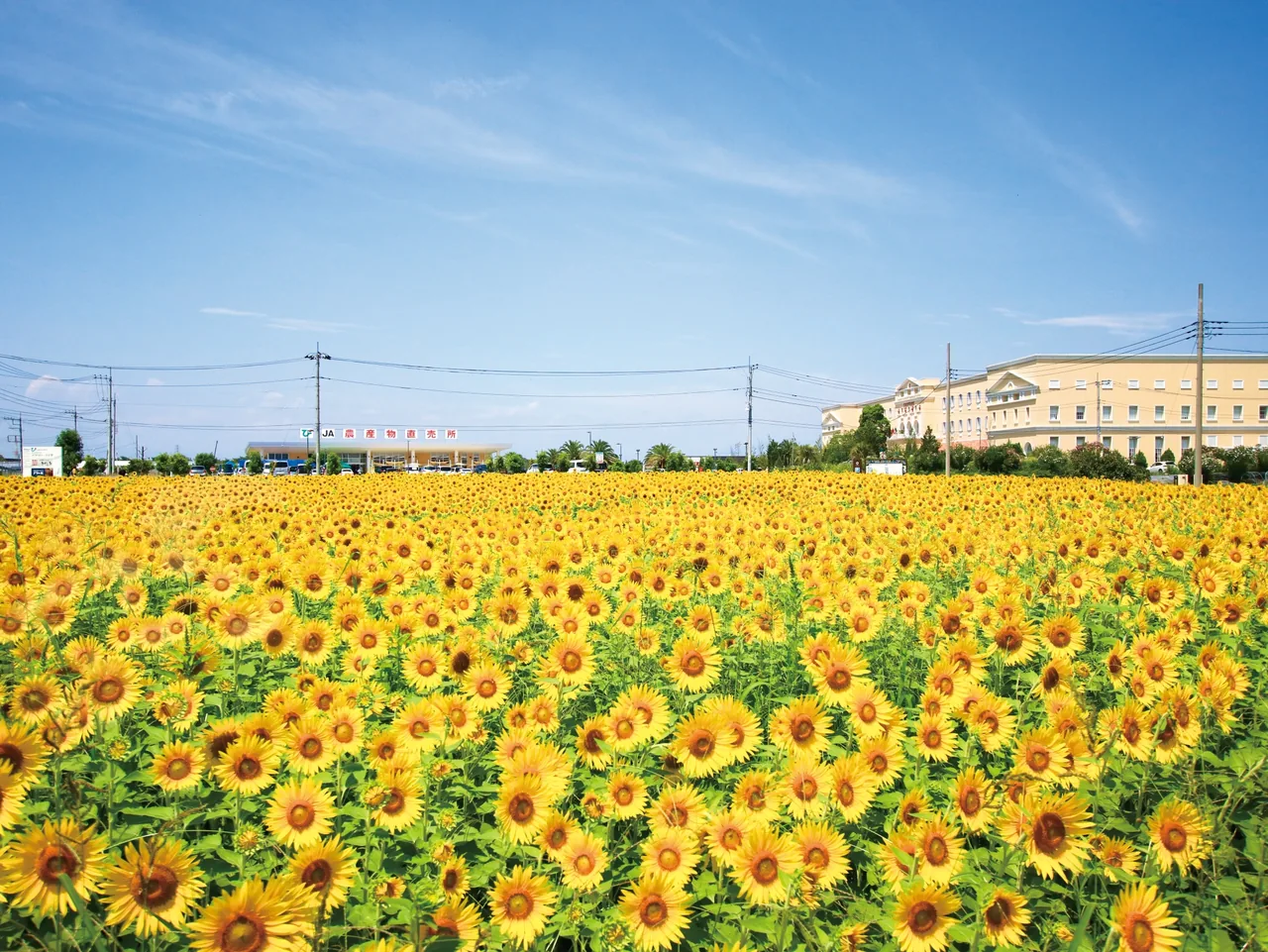
Photo: Saitama Prefecture Products & Tourism Association / Reproduction/Reprint prohibited
In Kamisato, a town near the border with Gunma Prefecture, a field of about 3,000 m² on the east side of Konohana Park Kamisato fills with sunflowers, usually in early August. Viewing is free. The peak lasts only a week to ten days and can come early depending on the weather, so check the bloom before you go. The field is next to the Kamisato Smart IC on the Kan-Etsu Expressway; by train, take a taxi from Jimbohara Station on the JR Takasaki Line.
September to November: red spider lilies at Kinchakuda and dahlias below Mt. Ryokami
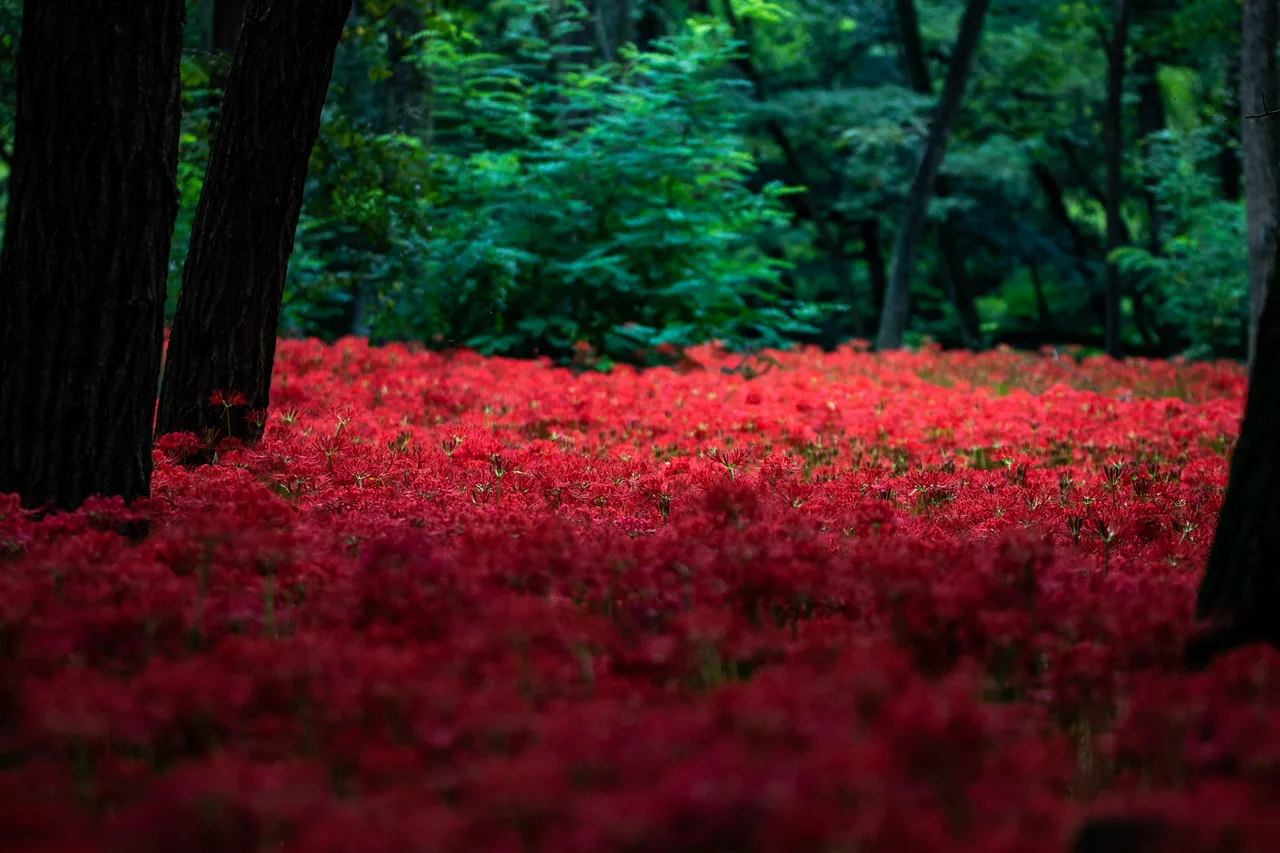
Photo: Saitama Prefecture Products & Tourism Association / Reproduction/Reprint prohibited
Kinchakuda in Hidaka is land enclosed by the flow of the Koma River, and red spider lilies (manjushage, or higanbana) grow in masses in the woods along the river. According to the city, 5 million red spider lilies bloom here from mid-September to early October. The Kinchakuda Manjushage Festival is held every year; in 2026 it ran from September 21 to October 6. The Manjushage Park charges an entry fee only during the period matched to the bloom; in 2026 it was 500 yen per person (cash, PASMO, Suica or PayPay), free for junior high school students and younger. The paid period differs from the festival period and is decided by the bloom. Check the latest information on the official Kinchakuda website.
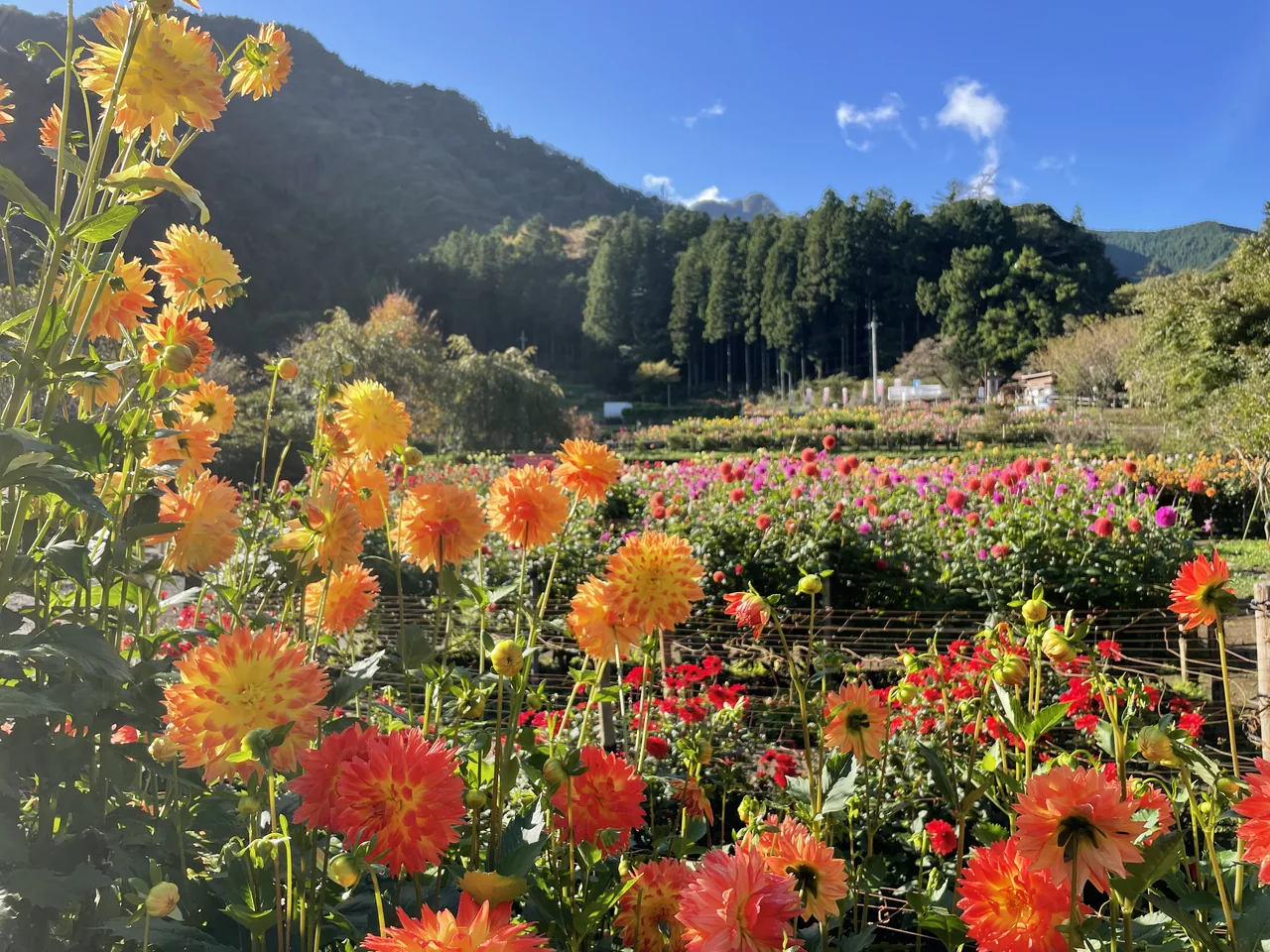
Photo: Saitama Prefecture Products & Tourism Association / Reproduction/Reprint prohibited
If you want flowers until late autumn, head to the Ryokami Sanroku Hana no Sato Dahlia Garden in Ogano. About 350 varieties and 5,000 dahlia plants bloom across roughly 10,000 m², making it one of the largest dahlia gardens in the Kanto region, and local volunteers tend them. It is open every year from September 1 to November 3, 9:00 to 16:30, and visitors of junior high school age and older pay a 500-yen environmental maintenance contribution. The flowers are picked on November 4. Bloom conditions can be checked from Ogano Town's nearby sightseeing page.
Before you head to a flower spot
Flower fields have short peaks that shift by a week or two from year to year. Check these points so you don't end up in front of an empty field:
- Look at the bloom reports from the town or tourism association a few days before and on the morning of your trip.
- Paid periods, festival dates and picking experiences change every year. Fees are sometimes still listed at the previous year's amount, so check that year's announcement.
- Many flower fields are far from the station. Plan your return bus or taxi as well.
To combine Chichibu's flower spots with a walk around town, the Chichibu area page brings together the sights.