Tokamachi Rice Terraces: Hoshitoge, Bijin-bayashi, Kiyotsu Gorge
This guide is translated from the Japanese edition. Read the Japanese edition
Echigo-Tsumari's satoyama in Tokamachi: the Hoshitoge rice terraces, Bijin-bayashi beech forest, Kiyotsu Gorge Tunnel and Matsunoyama, with seasons, access and etiquette.
In the hills of Matsudai and Matsunoyama, in southern Tokamachi, terraced rice paddies cut into the slopes rise layer upon layer, and beech woods survive between the hamlets. Landscapes like this, shaped by people farming the fields and tending the hills, are called "satoyama." The area is part of Echigo-Tsumari, the region made up of Tokamachi City and Tsunan Town, which has also become known as the stage for a contemporary art festival. The scenery changes dramatically with the seasons, so when to go depends on what you want to see.
What is Echigo-Tsumari like?
Echigo-Tsumari gets a lot of snow, and in winter everything is buried under it. Once the snow melts, water flows into the paddies, and from spring to autumn the terraces and woods turn green.
The two bases for a trip are Matsudai Station on the Hokuetsu Express Hokuhoku Line and Tokamachi Station, served by the JR Iiyama Line and the Hokuhoku Line. The sights are scattered through the hills and buses are infrequent, so a car or taxi makes getting around much easier. Some roads close in winter because of snow, so check road conditions for each destination if you visit then.
Hoshitoge Rice Terraces: water mirrors and seas of cloud
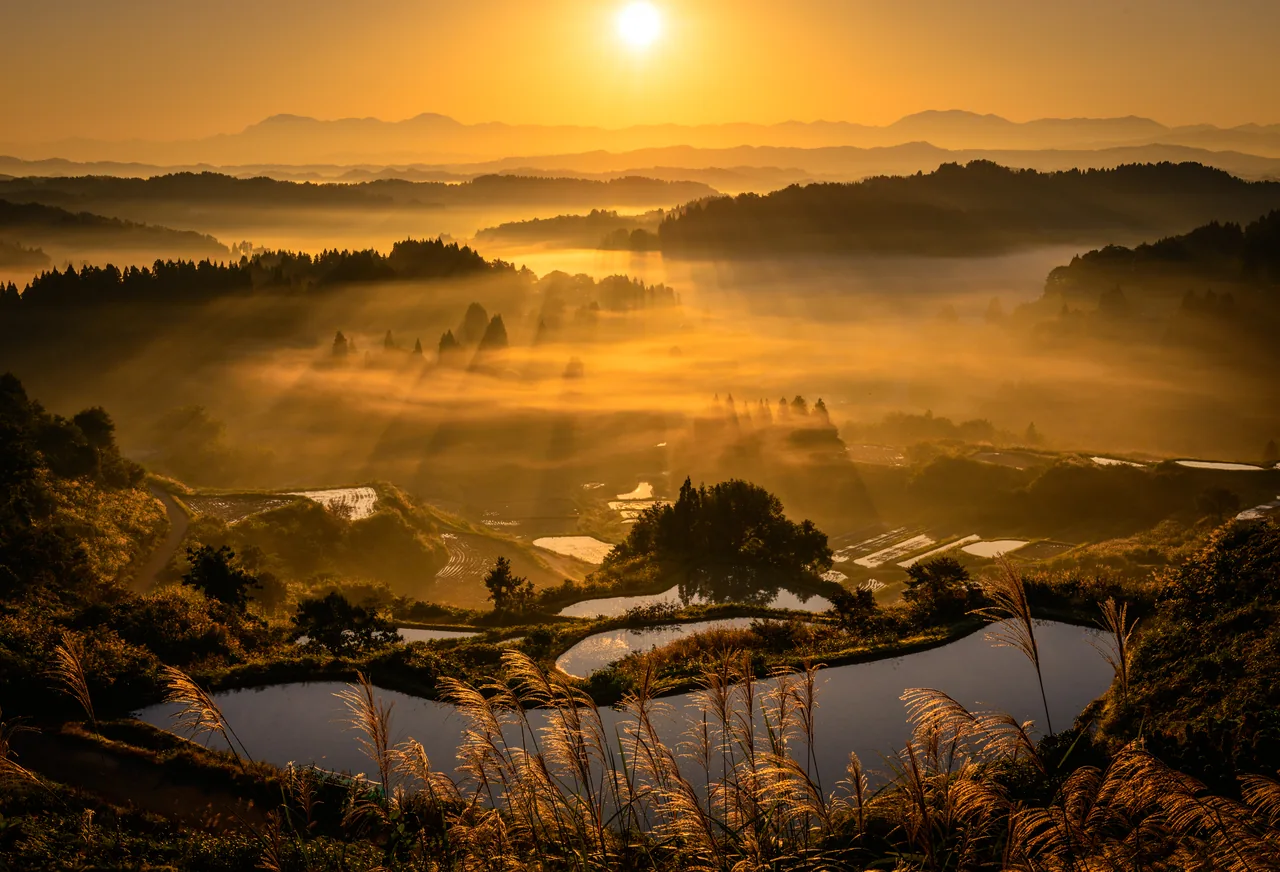
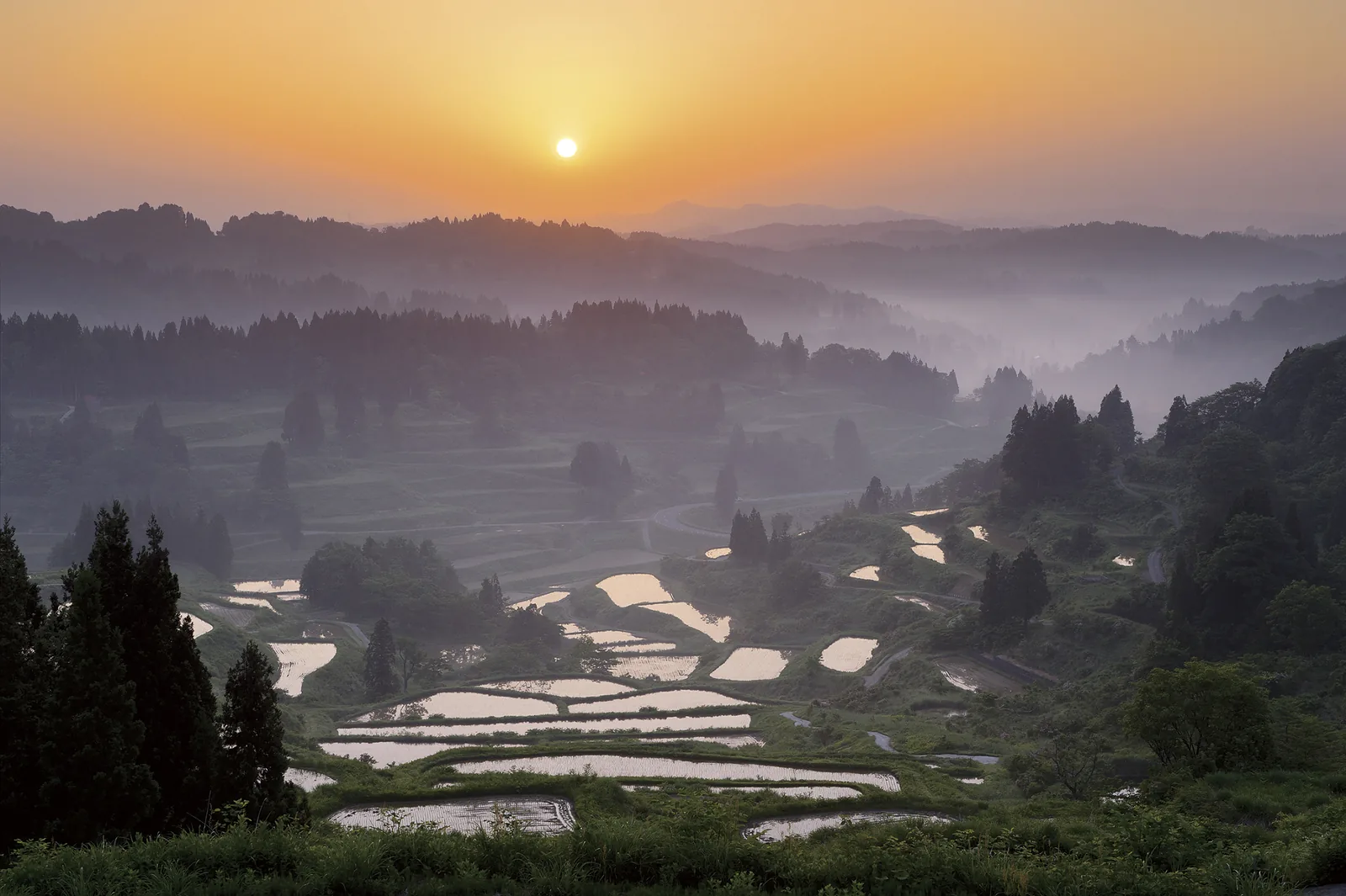
The Hoshitoge Rice Terraces in the hills of Matsudai are paddies large and small stacked until they cover the whole slope. When the fields are flooded in spring, and again between the harvest and the first snow, the water becomes a "mirror" reflecting the sky. On autumn mornings after cold nights, a sea of clouds fills the valley, and photographers arrive before dawn.
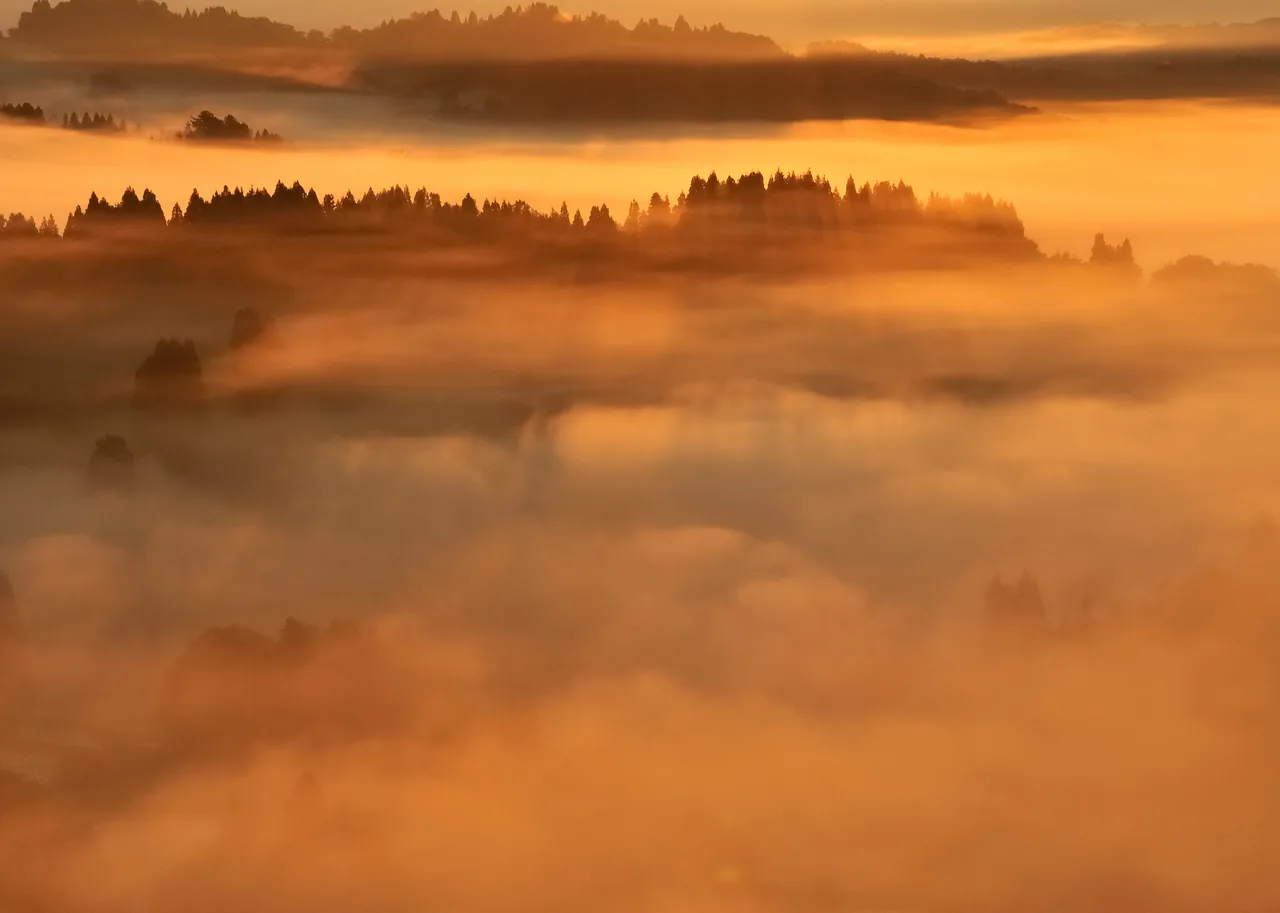
The terraces are not a tourist site but private fields farmed by local families for generations. When you visit, please follow these rules:
- Don't step into the paddies or onto the ridges between them
- Don't set up a tripod on the ridges
- Don't photograph people working in the fields without asking
- Park only in the designated car park
It's about 20 minutes by car from Matsudai Station. In winter the road becomes impassable because of snow. Tokamachi City's Hoshitoge Rice Terraces page lists the visitor guidelines.
Bijin-bayashi: walking in a beech forest
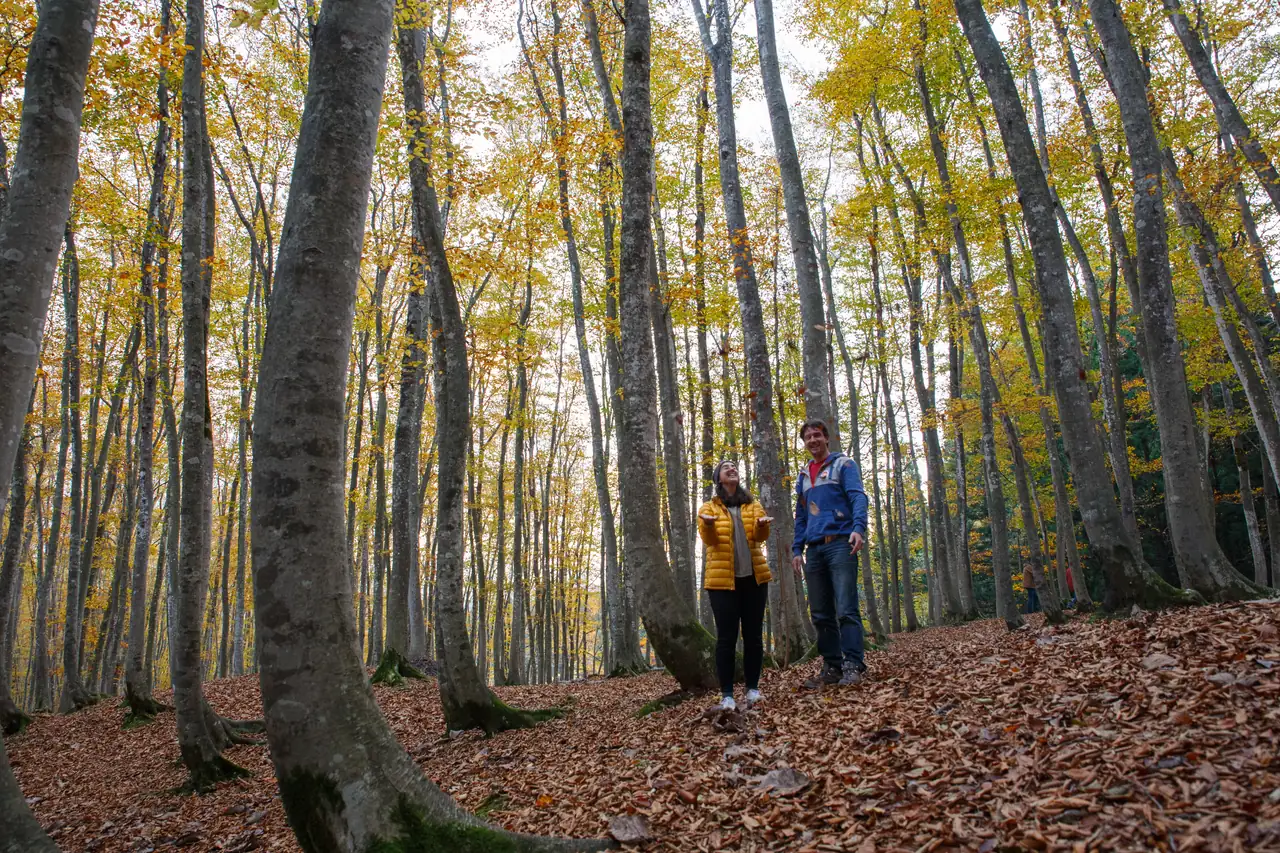
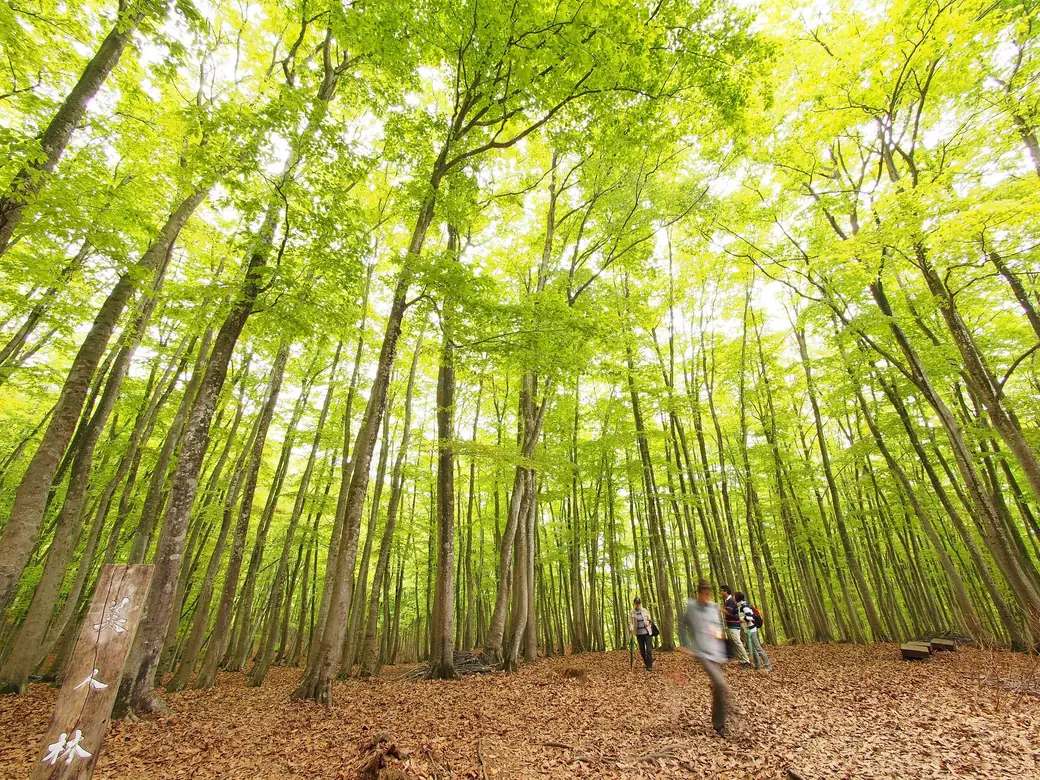
Bijin-bayashi, on a hill in Matsunoyama, is a beech forest of about three hectares. After the trees were cut for charcoal at the end of the Taisho era, the beeches sprouted all at once and grew back together, and their slender trunks of even height earned the wood its name, "forest of beauties."
Its look changes with each season: lingering snow and fresh leaves in spring, cool shade in summer, golden leaves in autumn and deep snow in winter. An easy walking path runs through the forest. Next door is Kyororo, a science museum about the nature of the satoyama. In winter the forest's own car park isn't cleared of snow, so use Kyororo's. You can get there by bus from Matsudai Station.
Kiyotsu Gorge Tunnel: a gorge reflected in water
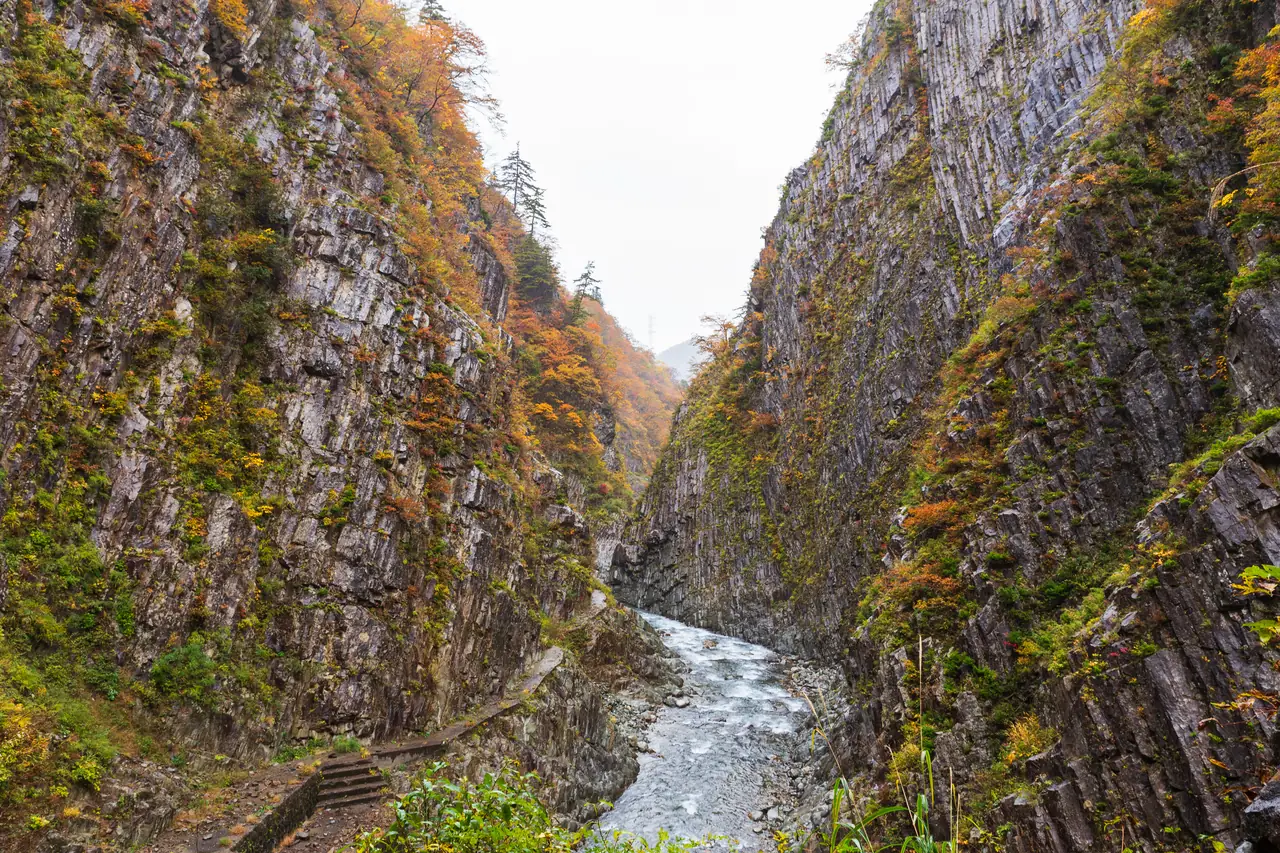
Kiyotsu Gorge is lined on both sides by columnar rock formations and was designated a national Place of Scenic Beauty and Natural Monument in 1941. A 750 m tunnel dug so people could view the gorge safely was remodeled as an artwork for the Echigo-Tsumari Art Field festival in 2018.
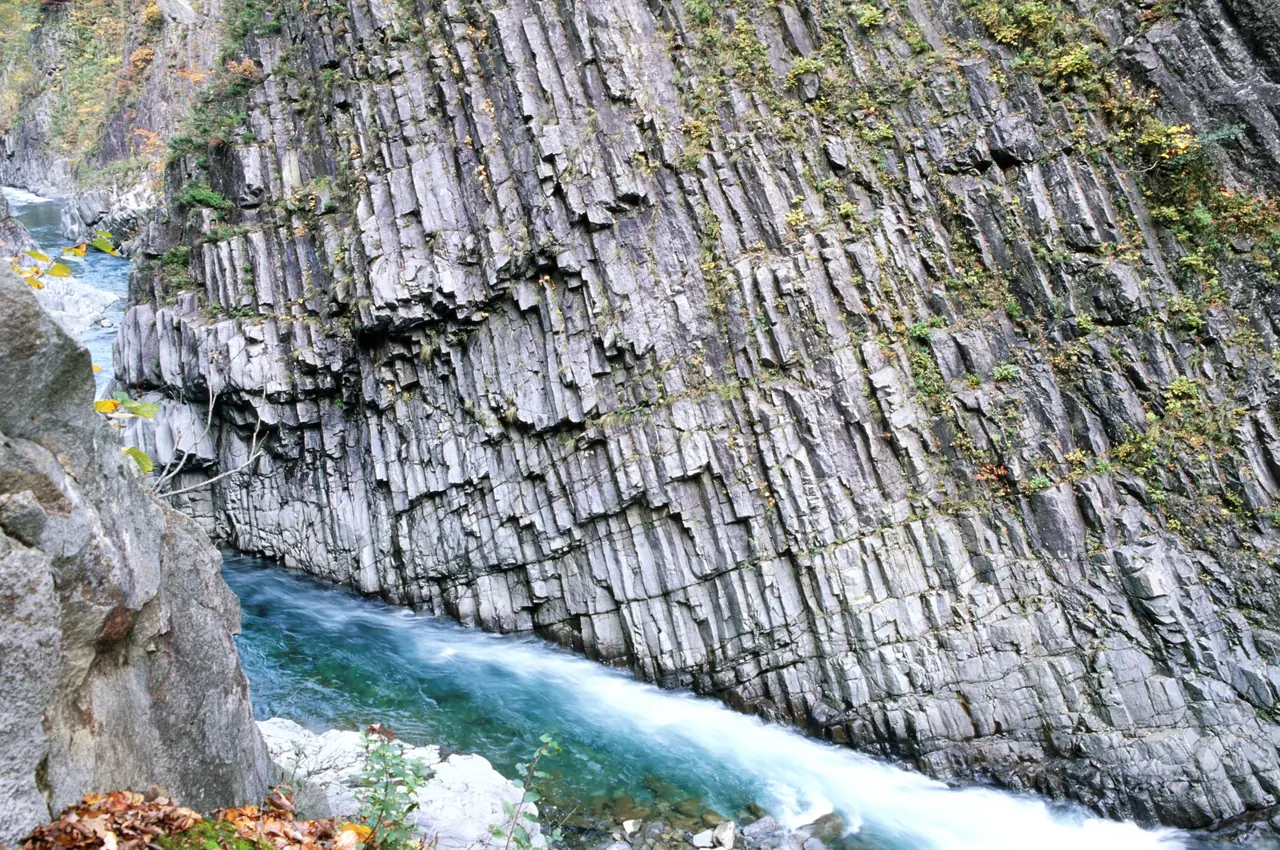
There are three viewpoints along the tunnel, and at the far end, the "Panorama Station," a shallow pool on the floor reflects the gorge. Your feet may get wet, so wear suitable shoes. The round trip takes about 30 to 40 minutes. On busy days, such as during the autumn leaves, advance booking is required, and snow sometimes closes the tunnel, so check the Kiyotsu Gorge Tunnel official website before heading out. Kiyotsu Gorge can also be reached by bus from Echigo-Yuzawa Station, so you could visit it on a separate day from Matsudai and Matsunoyama.
Matsunoyama Onsen and a winter tradition
Close to Bijin-bayashi, Matsunoyama Onsen is a small hot spring town in the hills. Stay here after touring the terraces and beech woods and you can take in the satoyama at a slower pace, morning and evening.
In the snowy season, Matsunoyama holds "Muko-nage," a Little New Year event in which newly married grooms are tossed down the snowy slope below the town's Yakushi-do hall to celebrate their marriage. It's followed by "sumi-nuri," in which people smear a mix of ash and snow on each other's faces while saying "congratulations." Check Tokamachi City's announcements for the date.
When to go: the seasons at a glance
| Season | What you'll see |
|---|---|
| Spring (after the snow melts to June) | Water mirrors at Hoshitoge, lingering snow and fresh leaves at Bijin-bayashi |
| Summer (July–August) | Green terraces, shade at Bijin-bayashi |
| Autumn (September–November) | Rice harvest, seas of cloud and water mirrors at Hoshitoge, golden leaves at Bijin-bayashi, autumn colors at Kiyotsu Gorge |
| Winter (December–March) | Snow at Bijin-bayashi, Muko-nage in Matsunoyama (Hoshitoge is cut off by snow) |
The Echigo-Tsumari Art Field festival, "Daichi no Geijutsusai," is held once every three years; the 9th edition took place in 2024, and the 10th is planned for summer to autumn 2027. During the festival, the area fills with people touring the artworks placed across the region.
Find more places to visit on the Niigata page.