
Fukuoka Food Guide: Hakata Ramen, Motsunabe, Mizutaki and Udon
This guide is translated from the Japanese edition. Read the Japanese edition
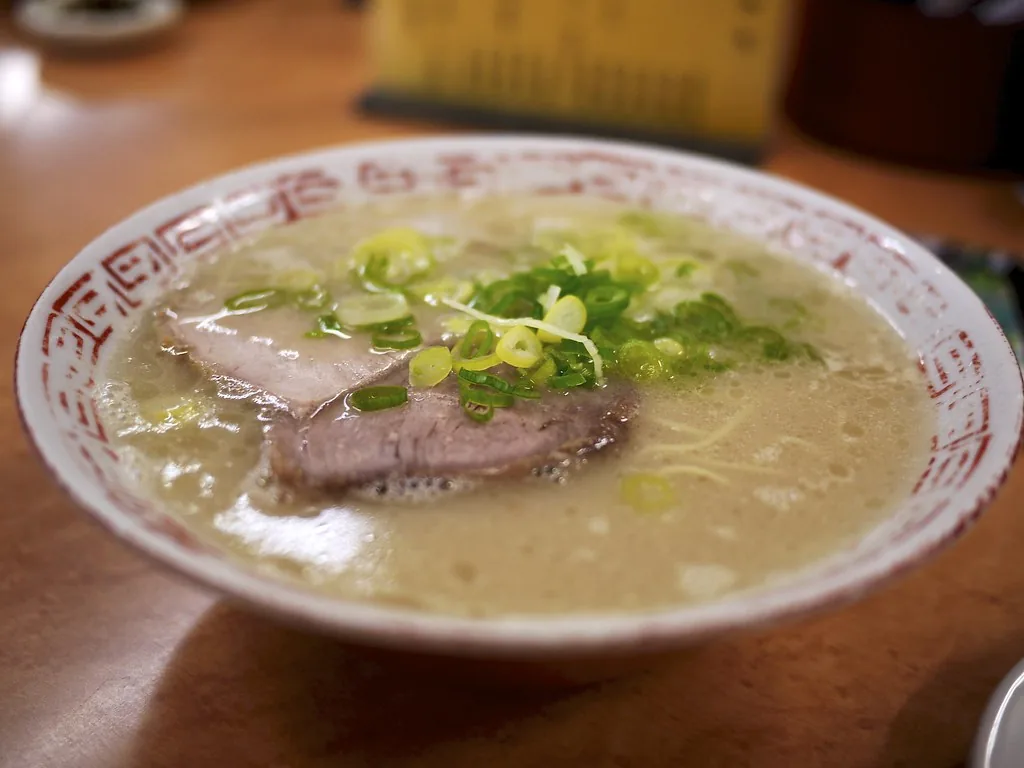
Fukuoka food explained: noodle firmness and kaedama refills for Hakata ramen, finishing motsunabe and mizutaki, soft Hakata udon, goma saba and mentaiko to take home.
At a ramen counter, the customer next to you asks for "barikata" and then orders a "kaedama" for the soup left in the bowl. Fukuoka's food comes with words and customs that make ordering much easier once you know them: Hakata ramen in pork-bone broth, the hot pots motsunabe and mizutaki, soft Hakata udon and fresh fish. All of them are easy to find around the stations and in the main districts.
Hakata ramen: choose your noodle firmness and order a kaedama
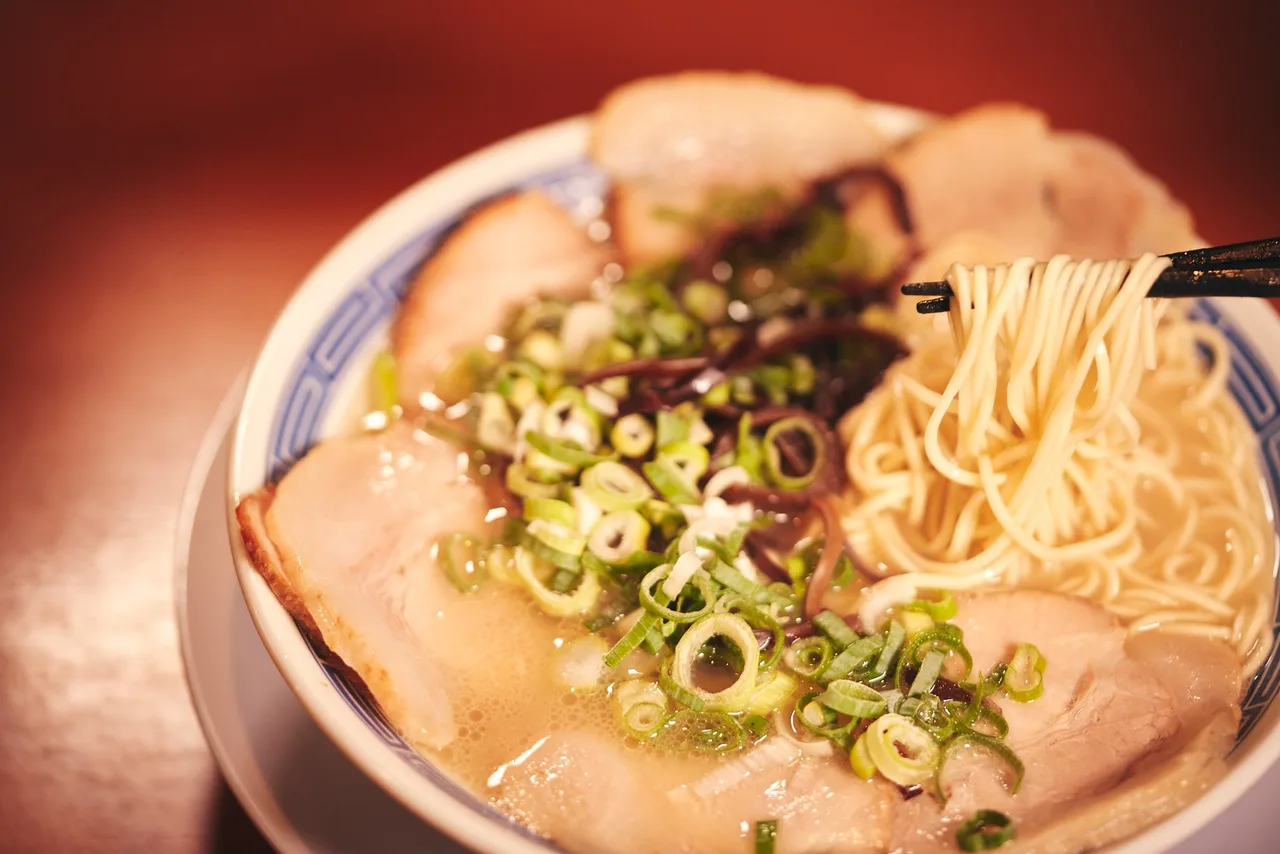
Photo: ©Fukuoka Prefecture Tourism Association
Hakata ramen pairs a cloudy white broth simmered from pork bones with thin, straight noodles. When you order, you can choose how firm you want the noodles.
| What to say | Noodle firmness |
|---|---|
| Yawa | Soft |
| Futsu | The shop's standard |
| Kata | Firm |
| Barikata | Very firm |
| Harigane | Extra firm |
When you've finished your noodles, leave the soup in the bowl and order a "kaedama," and a serving of freshly boiled noodles alone arrives. If you're planning on one, don't drink too much of the soup first. Names and firmness options vary a little between shops, so check the ticket machine or menu too.
Motsunabe and mizutaki: enjoy the hot pot to the last
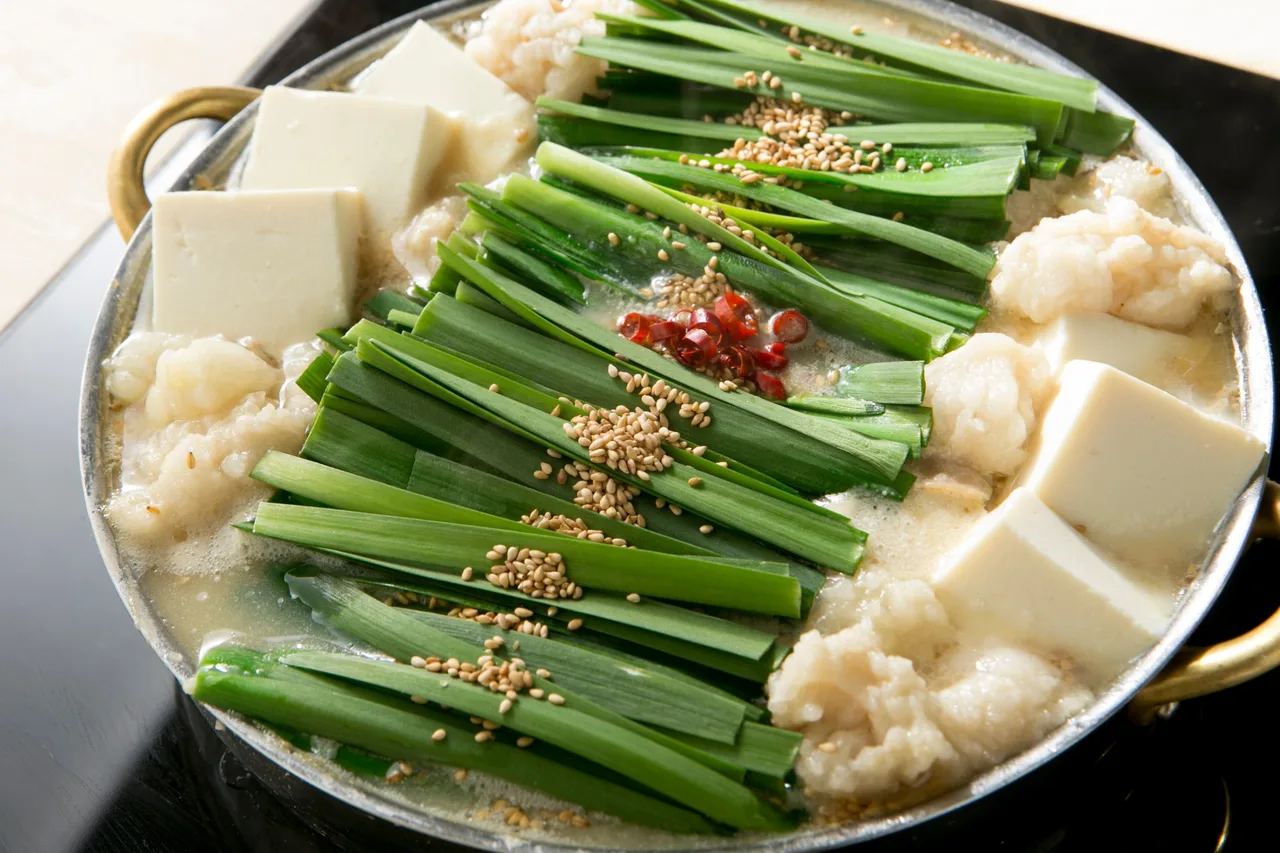
Photo: ©Fukuoka Prefecture Tourism Association
Fukuoka's signature hot pots are motsunabe and mizutaki.
Motsunabe is offal (motsu) simmered with garlic chives and other vegetables. Every shop has its own broth, and once the ingredients are gone, the Fukuoka way to finish is to add champon noodles to the remaining broth.
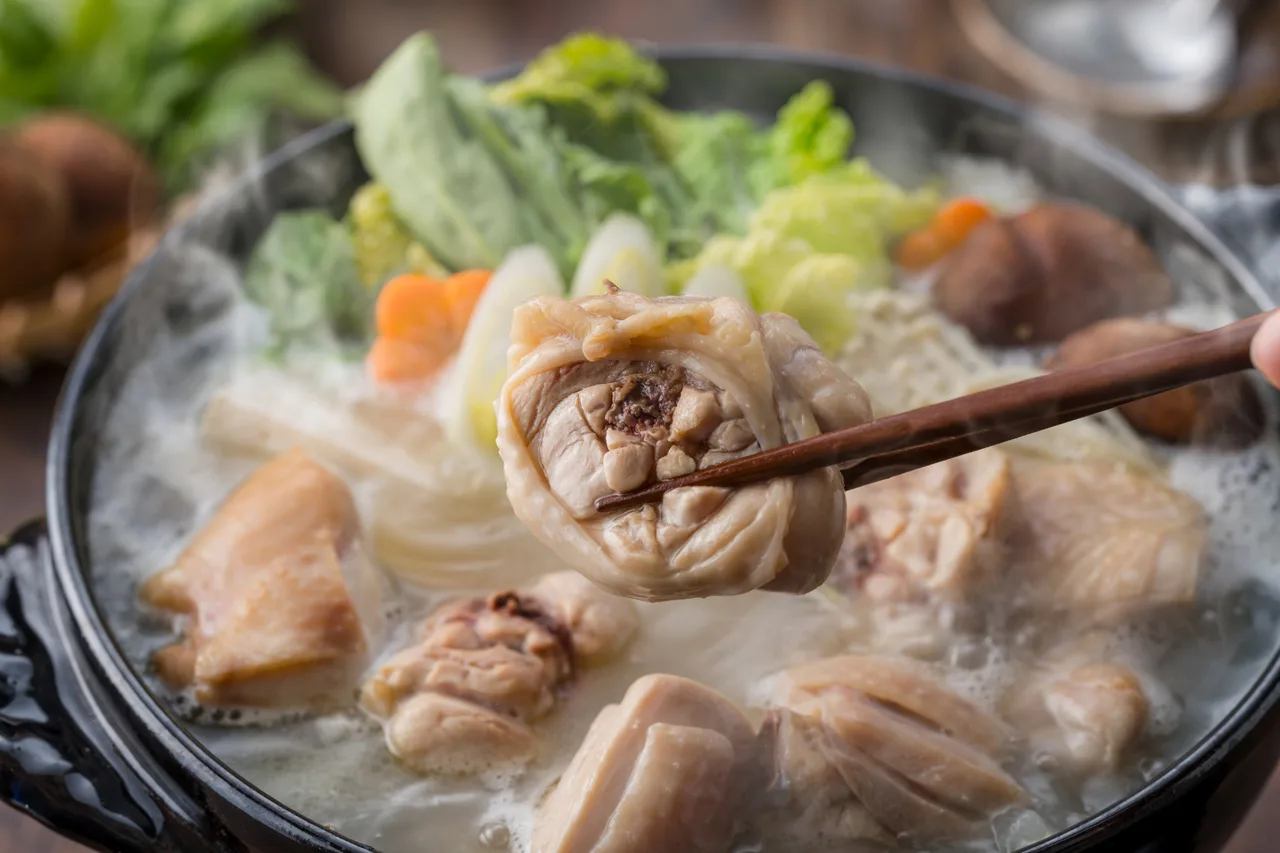
Photo: ©Fukuoka Prefecture Tourism Association
Mizutaki is chicken and vegetables cooked in a broth made by slowly simmering chicken. Fukuoka City's official tourism site, Yokanavi, recommends tasting the broth on its own before anything goes in, then enjoying how its flavor changes as the ingredients cook. The classic ending is zosui rice porridge made in the last of the broth.
Hakata udon: soft noodles and gobo-ten
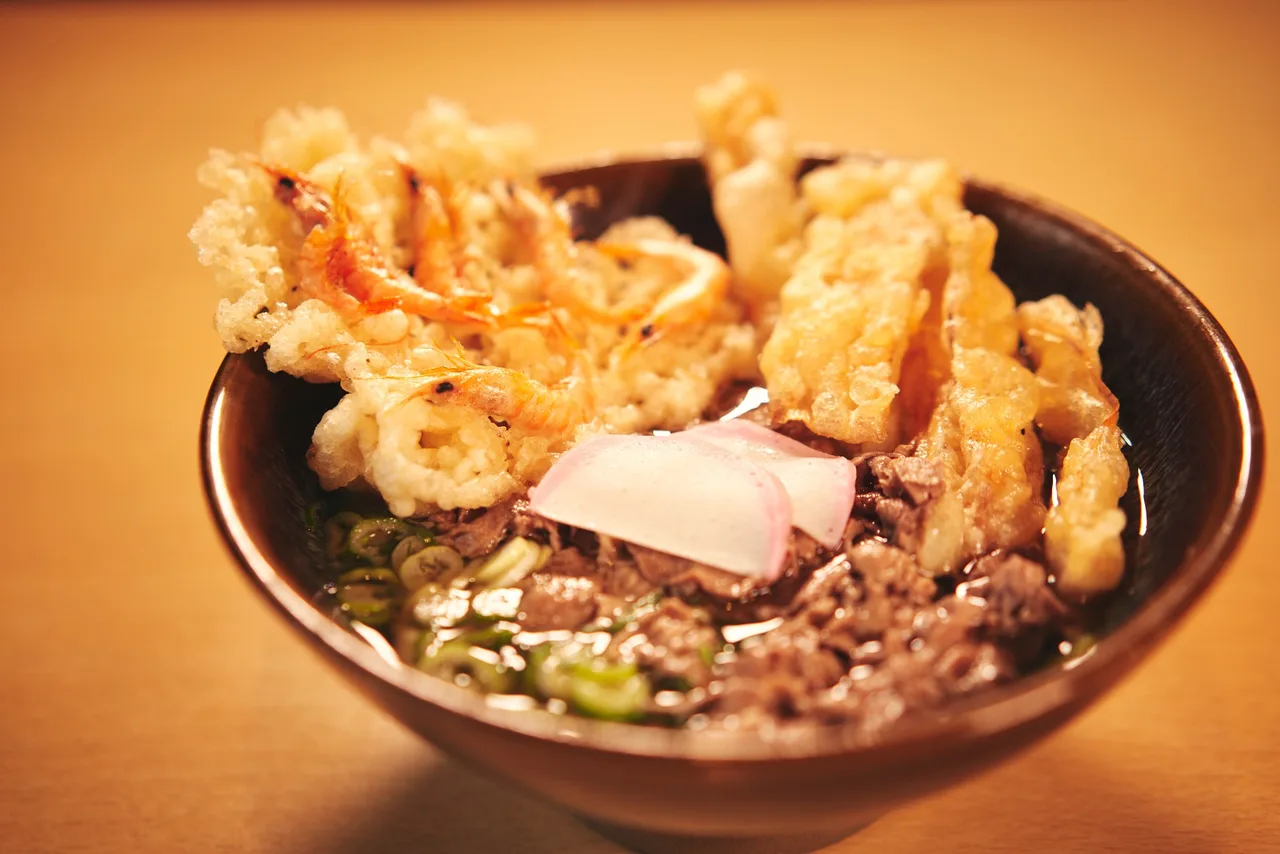
Photo: ©Fukuoka Prefecture Tourism Association
Fukuoka may be best known for ramen, but udon is just as much part of everyday life. Hakata udon is known for fluffy, soft noodles and a light broth made from dried sardines (iriko), flying fish (ago) and the like.
The classic toppings are gobo-ten, burdock root cut into large pieces and fried, and maru-ten, a round fried fish cake. The standard side order is kashiwa onigiri, rice balls of rice cooked with chicken.
At Jotenji Temple, north of Hakata Station, a stone marks the "birthplace of udon and soba." Enni (Shoichi Kokushi), who founded the temple, is said to have brought flour-milling techniques from Song China, and Hakata is said to be one of the places where udon and soba began.
Fresh mackerel as sashimi: goma saba
Goma saba, a regular at Hakata izakaya, is fresh mackerel sashimi dressed in a soy sauce with sesame. Mackerel loses its freshness quickly, and being able to eat it raw is a Hakata treat made possible by easy access to fresh fish.
For souvenirs: karashi mentaiko
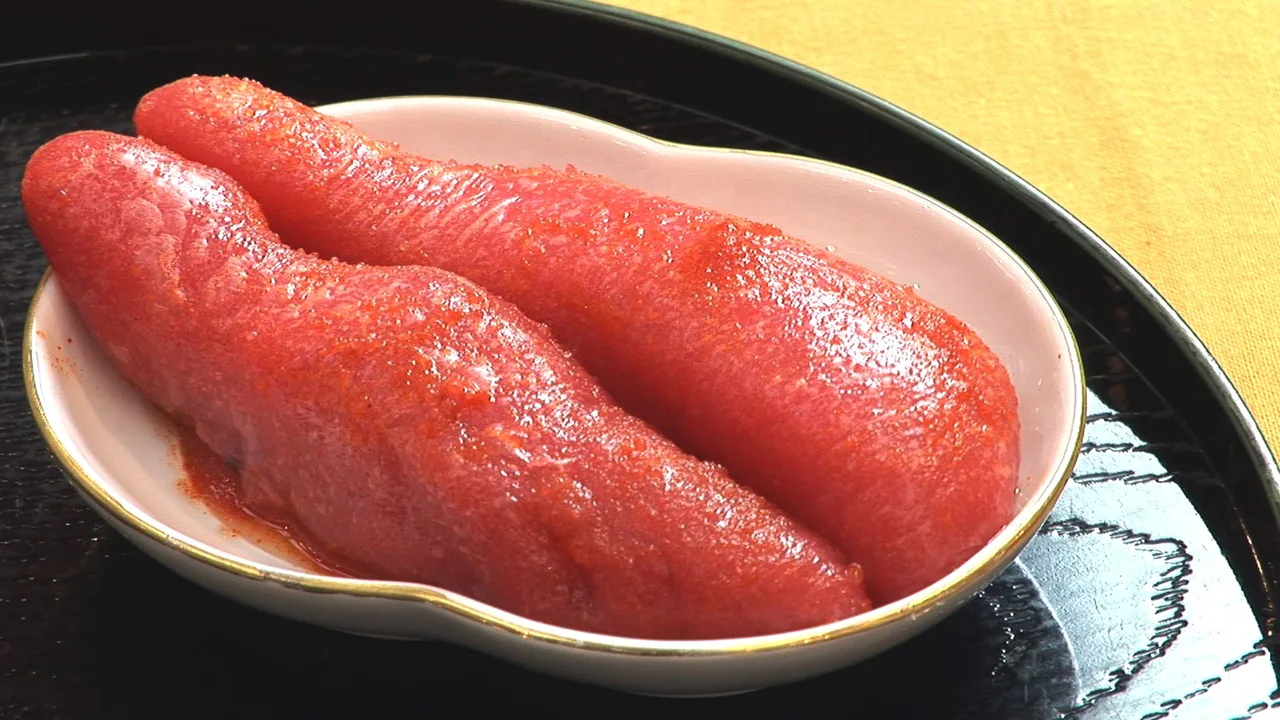
Photo: ©Fukuoka Prefecture Tourism Association
Karashi mentaiko is pollock roe marinated in a seasoning with chili pepper. The name comes from "myeongtae," the Korean word for Alaska pollock. You can buy it at the souvenir shops near the ticket gates at Hakata Station.
Most mentaiko needs to be kept chilled, so if you'll be carrying it around for a while, ask for an ice pack or cooler bag. If you're taking it home overseas, check your country's import rules as well.
Yakitori: pork belly and cabbage
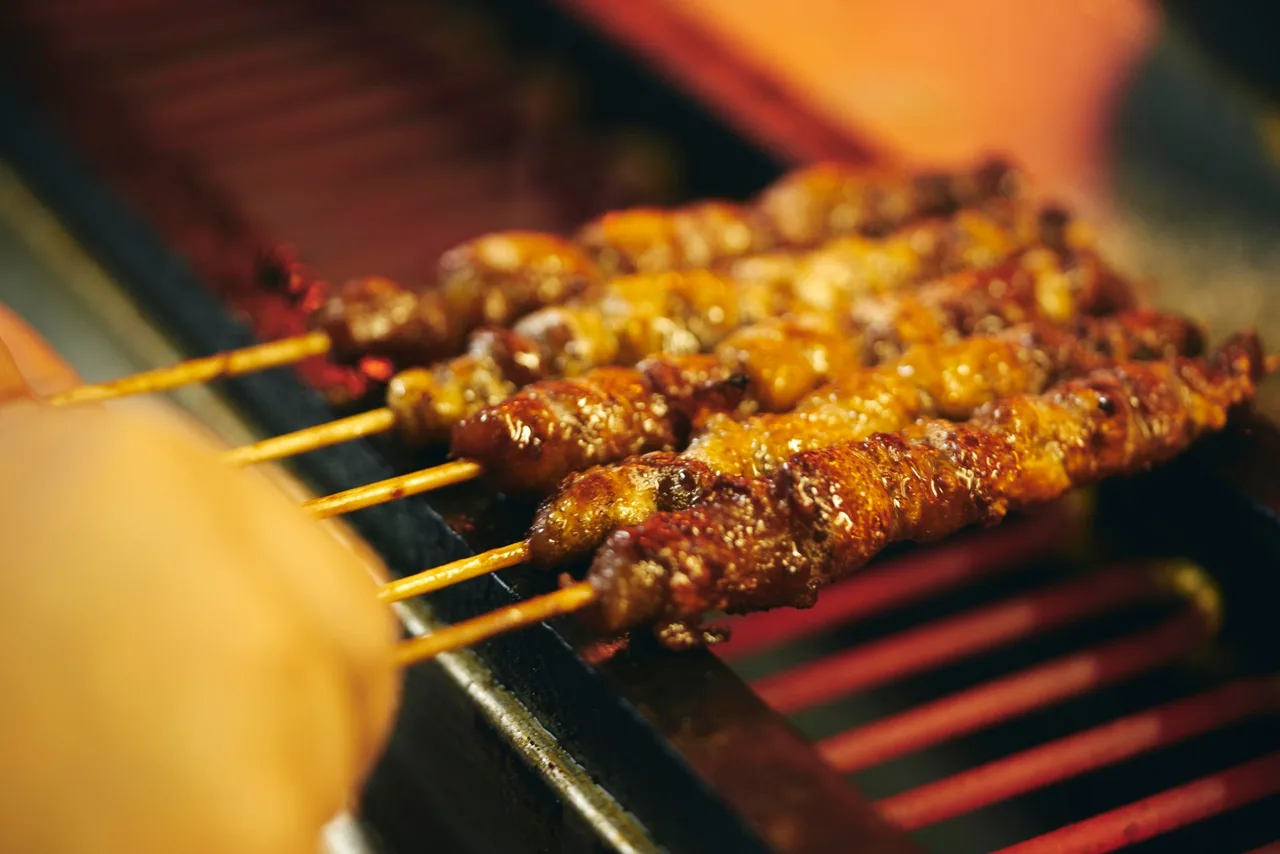
Photo: ©Fukuoka Prefecture Tourism Association
At Hakata yakitori restaurants, pork belly skewers are a staple alongside chicken. Some places serve roughly cut cabbage dressed with a vinegar sauce to eat between skewers. Many are casual spots where people drop in after work, much like yatai and izakaya, and you can order the skewers you like one at a time.
Where to eat
The station building at Hakata and the shopping complexes around it, Tenjin, and Nakasu and Kawabata all have restaurants serving the dishes above.
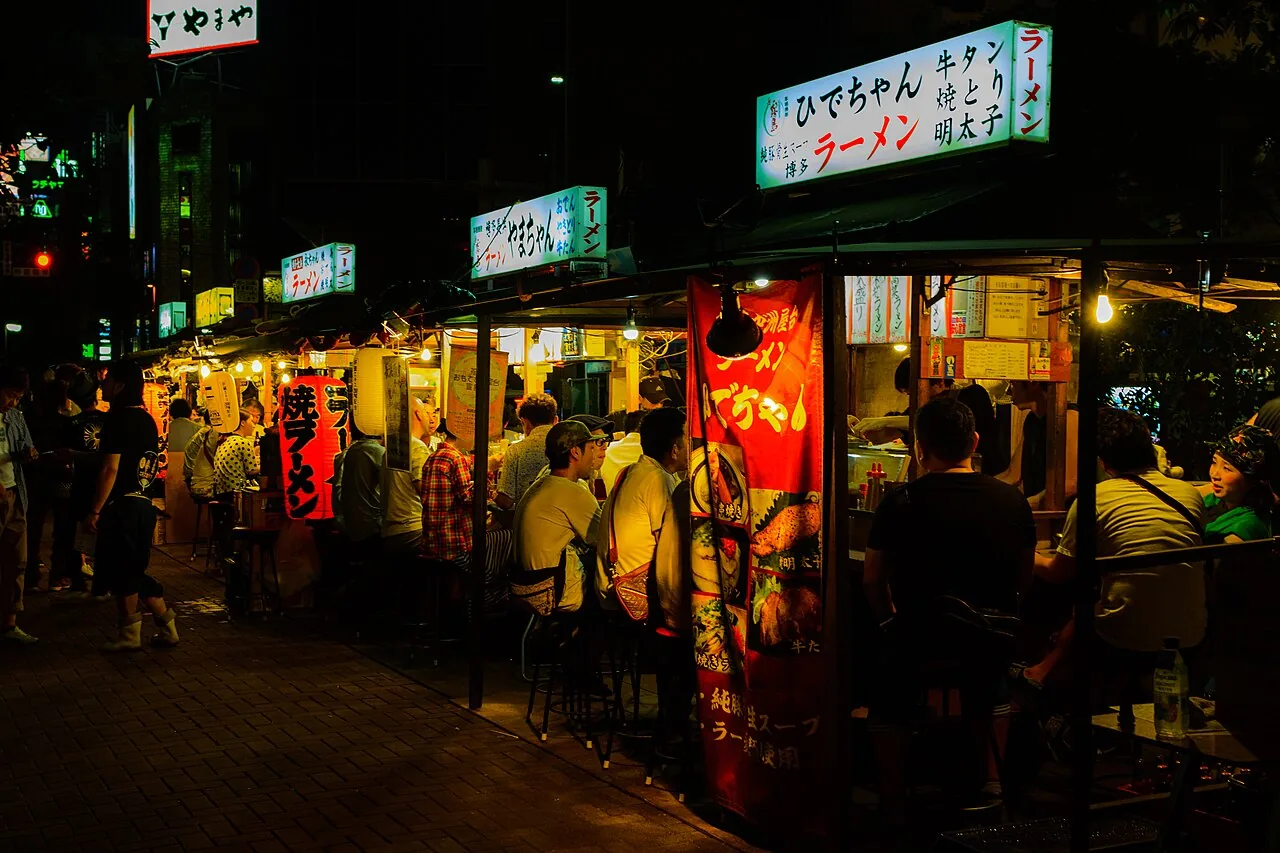
- For the full night-out atmosphere, try the Nakasu yatai. Each stall has its own specialties, from ramen to oden. How to order and pay at a yatai is covered in our Fukuoka yatai guide.
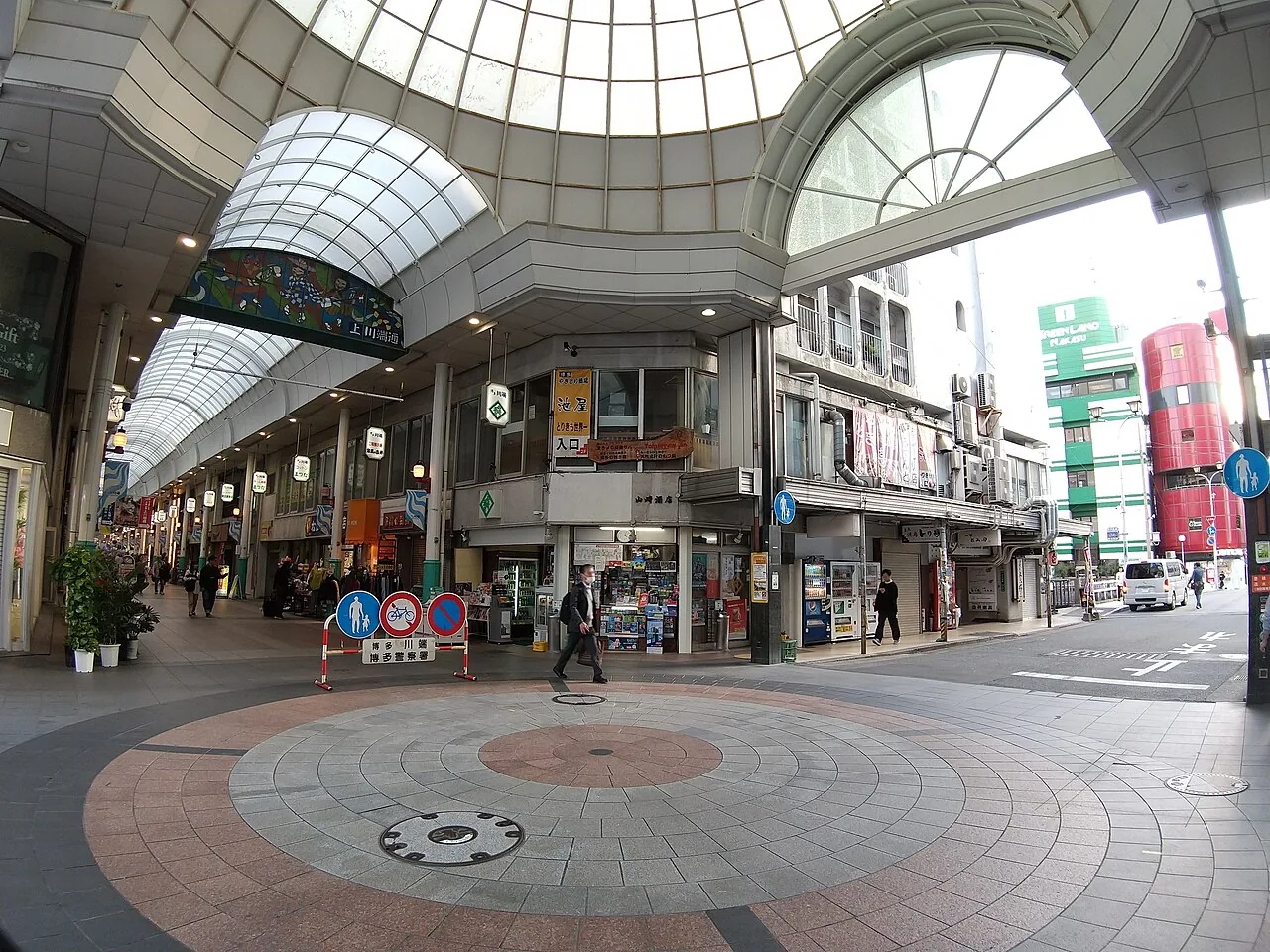
- After walking the temples of Hakata Old Town, have lunch on Kawabata Shopping Street, which runs north from Kushida Shrine.
- You can also look for restaurants serving Fukuoka specialties on the Fukuoka and Hakata gourmet page of Fukuoka City's tourism site, Yokanavi.
Places in this guide
Hotels nearbyPR
See prices and availability for hotels in Fukuoka and book on our partner Trip.com.
See hotels in Fukuoka on Trip.com