
Fukuoka Yatai Guide: Ordering, Paying and Etiquette in Nakasu
This guide is translated from the Japanese edition. Read the Japanese edition
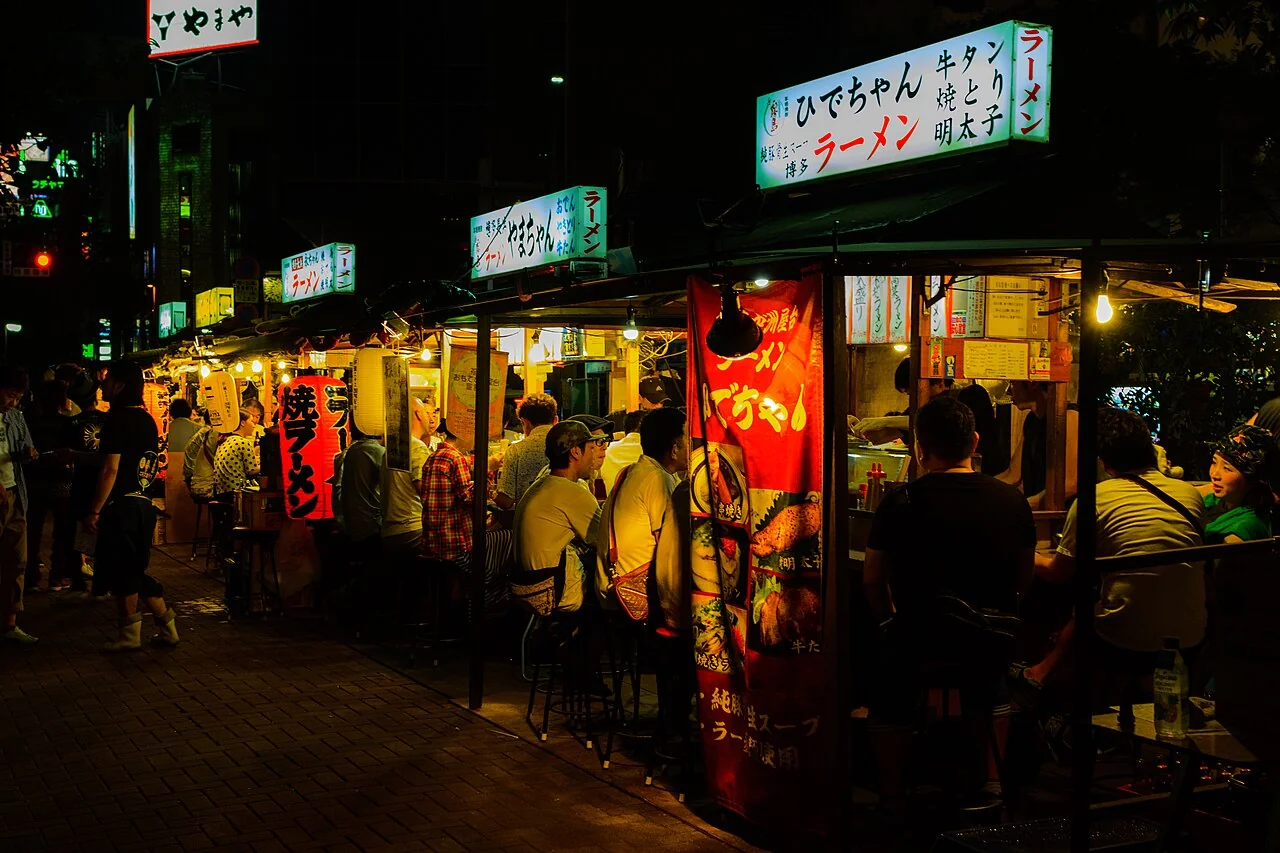
Fukuoka yatai seat about 10. Where they set up in Nakasu, Tenjin and Nagahama, restrooms, checking prices first, paying, etiquette, and finding stalls open tonight.
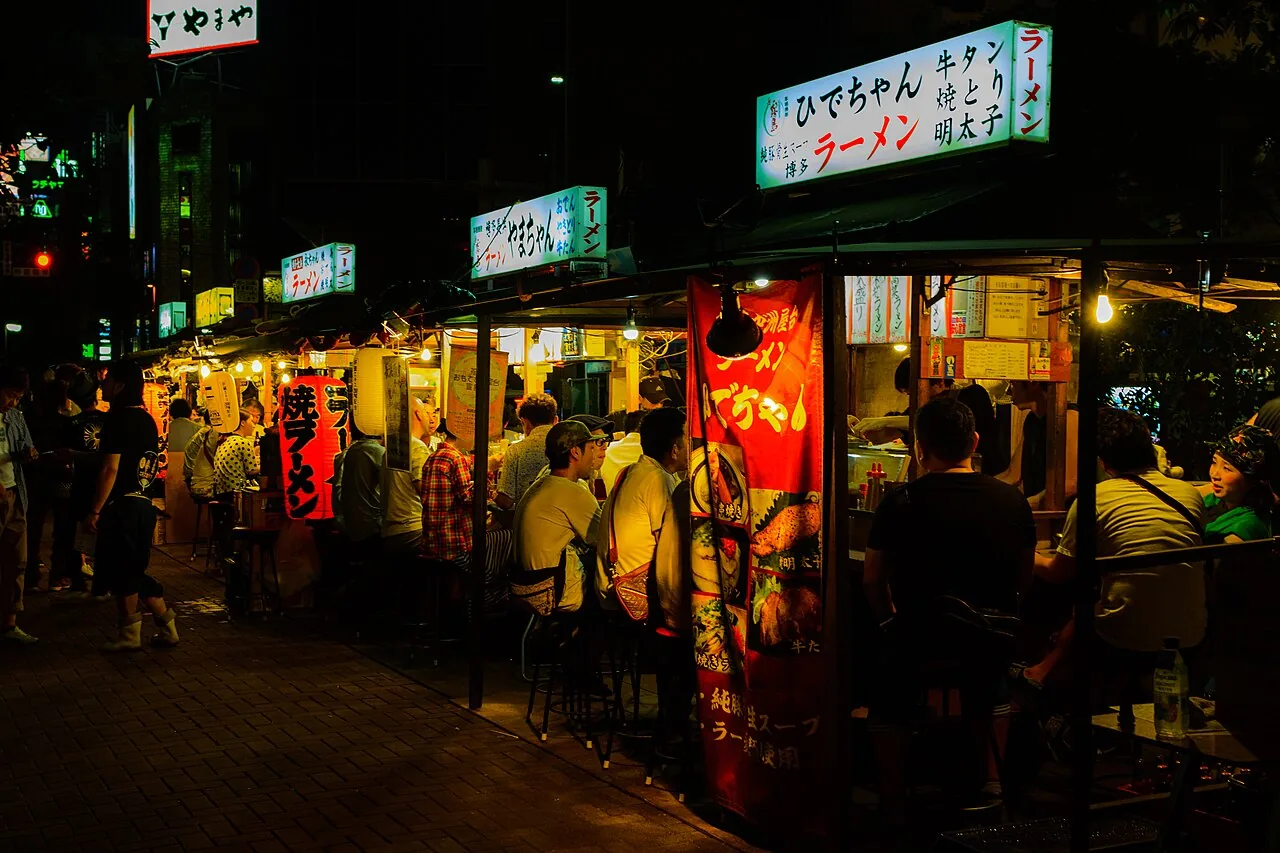
In the early evening, on sidewalks that were empty all day, yatai food stalls with roofs and noren curtains go up one by one. By dark, steam is rising from the pots and customers are filling the stools along the counter. Fukuoka's yatai are tiny eateries that appear on city streets only at night. Seats are few, and you sit close enough to bump shoulders with the person next to you. Taking a seat and ordering both come with their own yatai customs.
What is a Fukuoka yatai?
There are about 100 yatai in Fukuoka City, set up on sidewalks and riverbanks in Nakasu, Tenjin and elsewhere. Each one is built the same way, with a counter wrapped around the cooking space where the owner stands, and most are full with around 10 customers. Ramen, oden, yakitori, tempura: every stall has its own specialties, and some focus on Western-style dishes or drinks.
In 2013 Fukuoka City passed the Fukuoka City Yatai Basic Ordinance. It requires stall operators to show prices clearly on their menus and to keep the street clean, among other rules. The stalls in the city have water, sewage and electricity hookups so dishes can be washed under running water. Since 2016, new operators have been chosen through open calls, and stalls selected this way are now in business too.
Where to find yatai: Nakasu, Tenjin and Nagahama
These three areas are the easiest for visitors to reach.
| Area | Where the stalls line up | Nearby sights |
|---|---|---|
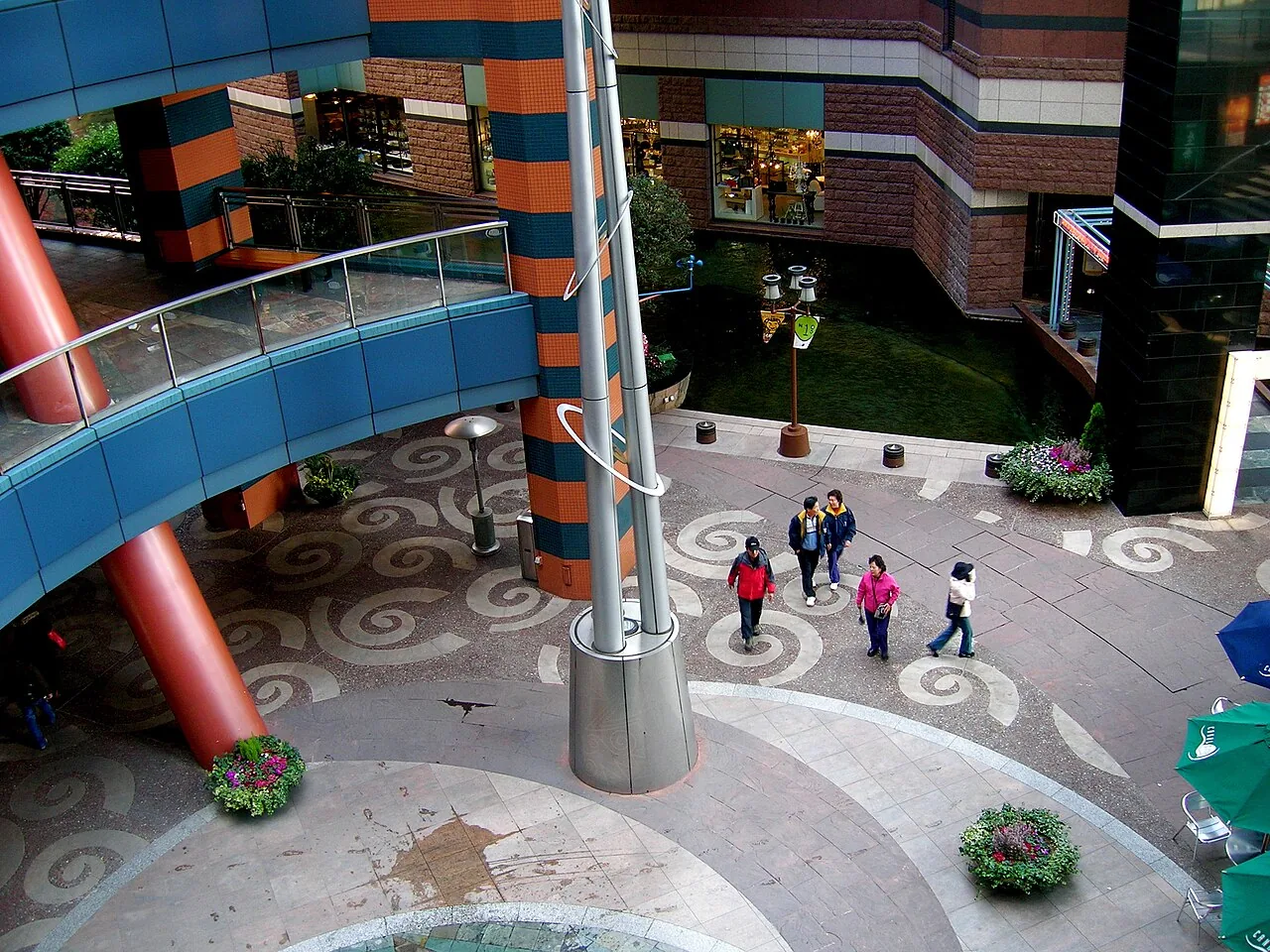
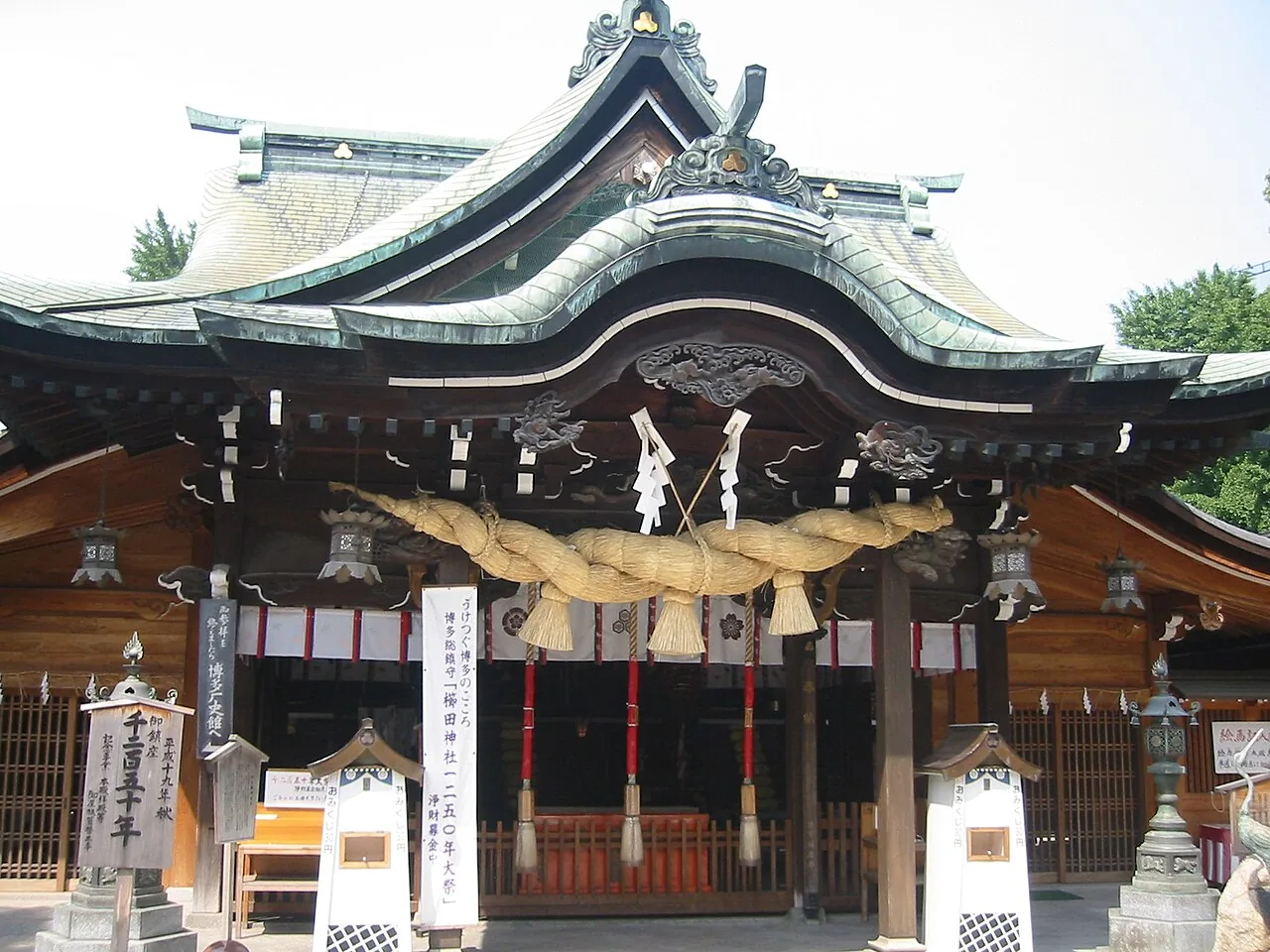
| Nakasu | Along the riverside walk of the Naka River and around Seiryu Park at the southern tip of Nakasu | Kushida-jinja Shrine, Canal City Hakata |
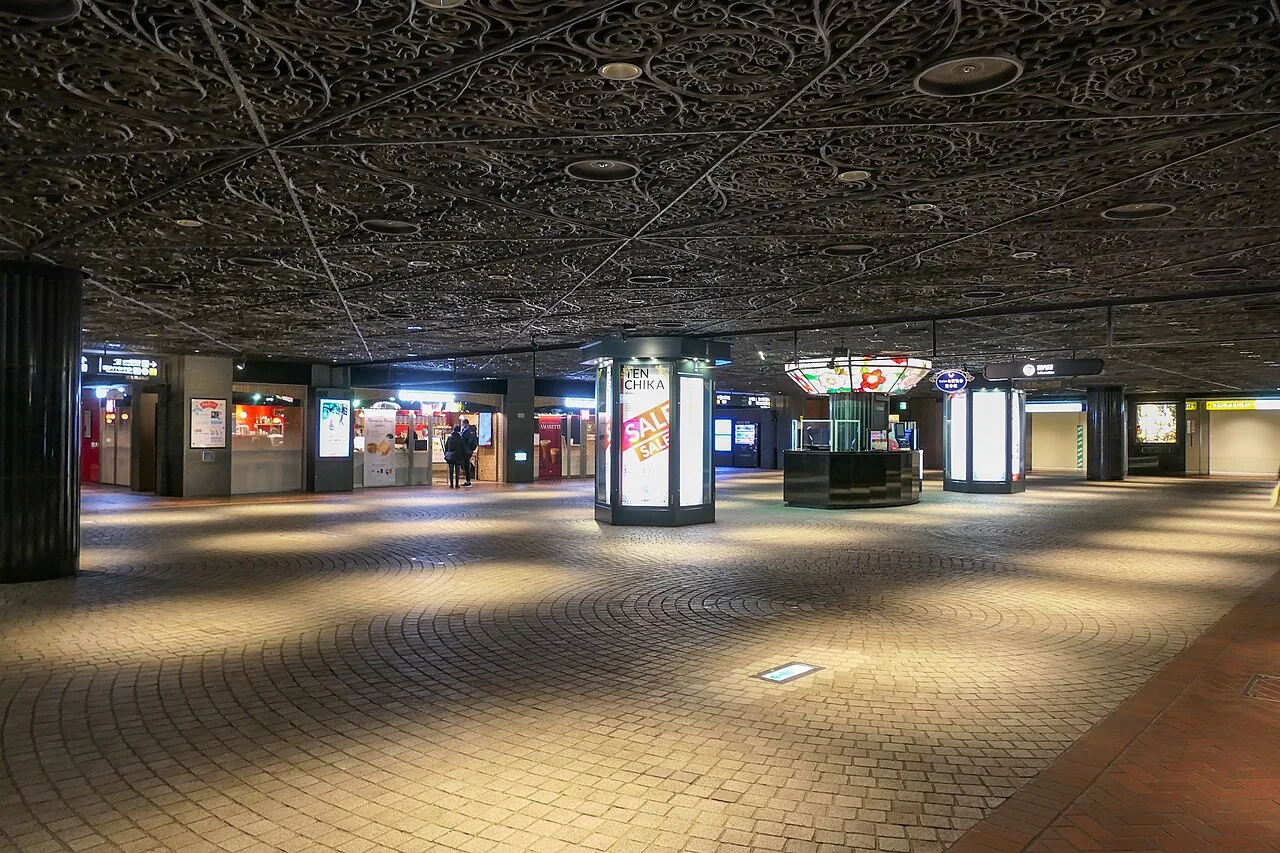
| Tenjin | Sidewalks in the Tenjin shopping district | Tenjin Chikagai |
| Nagahama | The Nagahama Yatai Street near the Nagahama Fish Market | The nearest station is Akasaka on the subway Airport Line |
At the Nakasu yatai, you eat with neon lights reflected on the river. The Tenjin stalls set up on streets lined with office and shopping buildings, so they're easy to drop into after shopping or dinner. Nagahama is known as the birthplace of Nagahama ramen; its stalls had dwindled for a time, but in 2023 they came back as the Nagahama Yatai Street.
Days off vary from stall to stall. For getting around Nakasu and Tenjin, see the area pages for Nakasu and Canal City and Tenjin.
Before you sit down: reservations, restrooms and hours
Yatai open from early evening into the night, and opening and closing times differ by stall. Most don't take reservations and seat customers in order of arrival. If a stall is full, let the owner know you'd like to wait, or look for another one.
Yatai have no restrooms. You'll use a nearby public toilet or the restroom of a convenience store that the stall has an arrangement with, so find out where it is before you sit down. If you're not sure, the owner will point you there.
Even on their regular business days, some stalls close at short notice when rain is forecast or the wind is strong. If the weather looks unsettled, don't count on the yatai; have a backup plan to eat indoors, at Canal City Hakata for example.
Ordering and paying: check the prices first
Once seated, look at the price list first. The ordinance requires prices to be displayed, so if a menu item has no price or is listed at market price, ask the owner before ordering. Some stalls charge for otoshi (a small dish served when you sit down) or have house rules such as "one dish per person." Ask when you arrive or before you order and there won't be any misunderstandings.
You order directly from the owner. Some stalls have English menus, but not all. Knowing the names of the dishes you want (ramen, oden, yakitori and so on) lets you point and order quickly.
Some stalls take cash only; others accept credit cards or QR code payments. Check which payment methods are accepted on the sign out front or with the owner before you sit down. For an overview of paying in Japan, see our Japan payment guide.
Yatai etiquette
With so few seats, a little consideration goes a long way.
- Order at least one dish each: Don't sit for long with just a drink; order some food too.
- Don't linger: If people are waiting when you finish, give up your seat and move on to the next stall. Hopping between a few stalls is part of the fun.
- Leave large bags behind: There's little room even at your feet, so drop your suitcase at the hotel first.
- Keep chat with neighbors easygoing: The owner and regulars often strike up conversation. Enjoy it, but if the other person isn't keen, don't keep pushing.
If you take photos, be careful not to capture other customers, and ask the owner first.
How to find stalls open tonight
Days off vary by stall, and the weather affects opening too. Fukuoka City runs a system that shows which yatai are open on the official LINE account "FUKUOKA GUIDE." It detects when a light bulb fitted to each stall is switched on and shows whether the stall is open, and you can also search for stalls by your current location or type of food.
A list of stalls and a map of their locations are on the yatai page of "Yokanavi," Fukuoka City's tourism guide.
- Yatai information (Fukuoka City tourism guide "Yokanavi")
- Yatai DX: the official yatai LINE account (Fukuoka City, Japanese)
If you're exploring Hakata or Tenjin before or after the yatai, our first-time guide to Fukuoka suggests a one-day route.
Places in this guide
Hotels nearbyPR
See prices and availability for hotels in Fukuoka and book on our partner Trip.com.
See hotels in Fukuoka on Trip.com