
Fukuoka First Time: Airport to Hakata, Nakasu, Tenjin by Subway
This guide is translated from the Japanese edition. Read the Japanese edition
First time in Fukuoka? The subway runs from the airport to Hakata in two stops. Getting to it from the international terminal, a Hakata–Nakasu–Tenjin day route, IC cards.
From the window of a landing plane, office towers appear almost alongside the runway. Fukuoka Airport sits close to the city center: board the subway at Fukuoka Airport Station, which connects directly to the domestic terminal, and Hakata Station is just two stops away. Hakata, where the shinkansen arrives; Nakasu, where food stalls line the river at night; and Tenjin, the shopping district, sit in a row from east to west along the subway's Airport Line. From Hakata Station through Nakasu to Tenjin is three stops by subway, and close enough to cover on foot.
From Fukuoka Airport to Hakata and Tenjin
If you arrive on a domestic flight, head straight from the terminal to Fukuoka Airport Station. The Airport Line starts here and runs west through Hakata, Nakasu-Kawabata and Tenjin.
| Arriving at | Getting into the city | Good to know |
|---|---|---|
| Domestic terminal | Take the Airport Line from Fukuoka Airport Station | Hakata is two stops away, Tenjin three stops beyond that |
| International terminal | Take the free shuttle bus to the domestic terminal and ride the subway. There are also route buses to Hakata Station and Tenjin | There is no subway station at the international terminal |
The international and domestic terminals are some distance apart, linked by a free shuttle bus. Check the Fukuoka Airport website for bus stops, how often the shuttle runs, and the bus routes into the city.
How Hakata, Nakasu and Tenjin fit together, and riding the subway
From east to west, the Airport Line stations run Fukuoka Airport, Higashi-Hie, Hakata, Gion, Nakasu-Kawabata and Tenjin. Hakata to Tenjin is three stops. Gion Station is closest to the temples of old Hakata, and Nakasu-Kawabata Station serves Nakasu and the Kawabata-dori shopping arcade.
The other line worth knowing is the Nanakuma Line. In 2023 it was extended from Tenjin-minami Station to Hakata Station, with a new stop at Kushida-jinja-mae in between. That station is the closest to Kushida-jinja Shrine and Canal City Hakata. Tenjin and Tenjin-minami are separate stations, but they are linked underground by the Tenjin Chikagai shopping arcade.
There are two ways to ride without buying a ticket:
- IC transit cards: Besides Fukuoka City Subway's own Hayakaken card, cards from the nationwide network such as Suica and ICOCA work as they are.
- Contactless credit cards: Every station on all lines of the Fukuoka City Subway accepts contactless payment. Tap a card or smartphone bearing the contactless mark on the dedicated reader at the ticket gate.
If you plan to ride many times in a day, there is also a one-day pass covering all subway lines. Check fares and which card brands work for contactless payment on the Fukuoka City Subway website.
Hakata: around the station and the temples of old Hakata
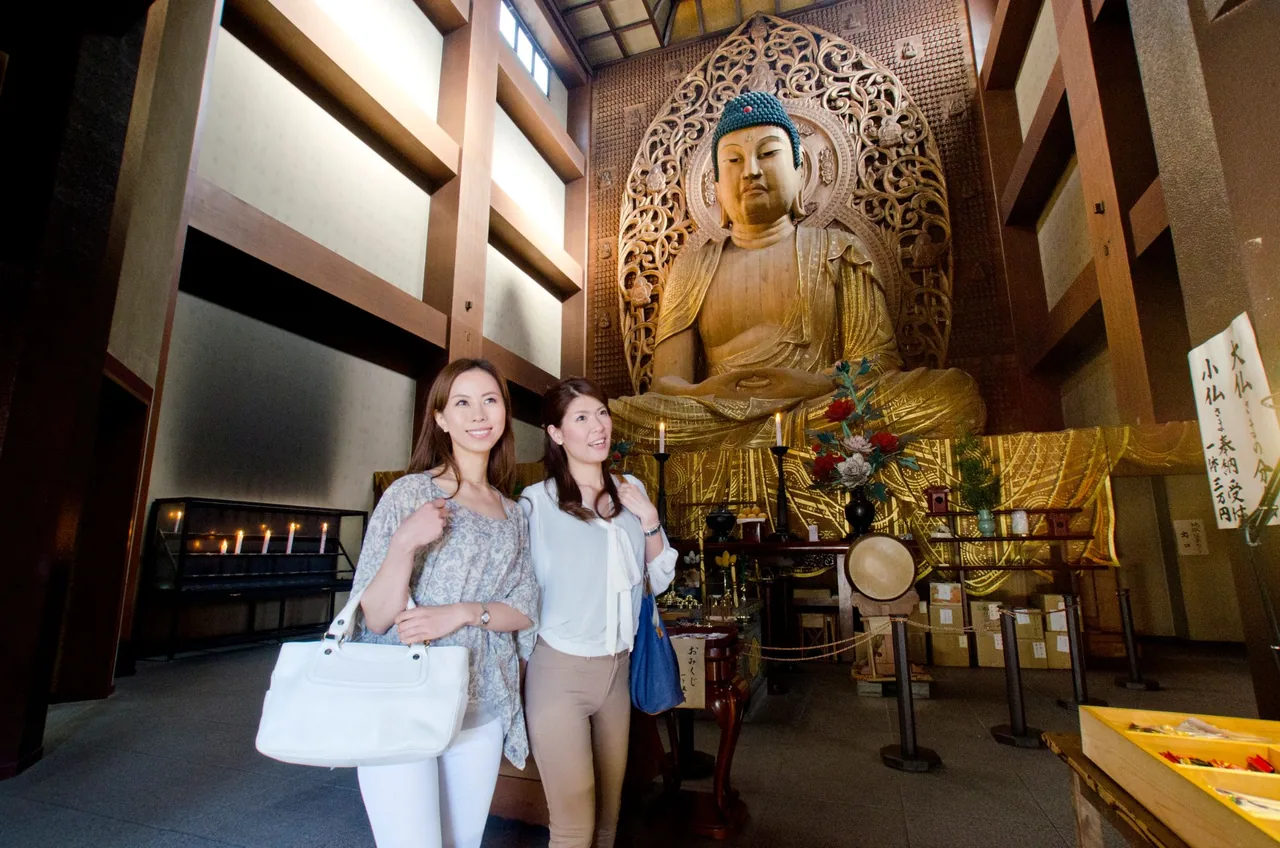
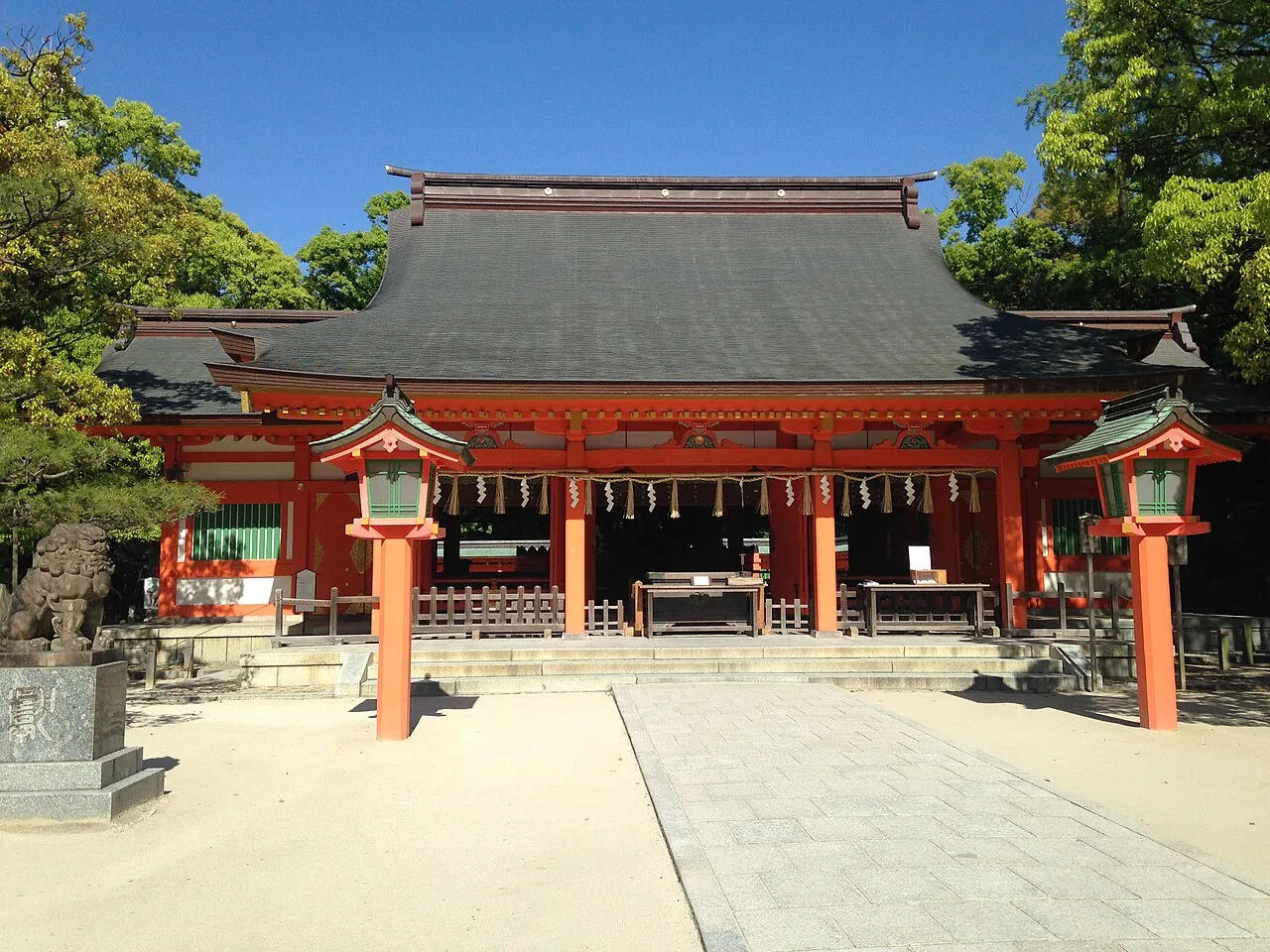
North of Hakata Station, around Gion Station, lies the area known as Hakata Old Town, where old temples and shrines survive between office buildings. Tocho-ji Temple, right outside an exit of Gion Station, is known for its vermilion five-story pagoda and the large wooden "Fukuoka Daibutsu" Buddha. Southwest of Hakata Station stands Sumiyoshi-jinja Shrine, the ichinomiya (highest-ranking shrine) of old Chikuzen Province.
The temples of the old town are all active places of worship. Don't enter buildings where a service is underway, and follow any no-photography signs. The highlights and a walking order are on the area page for Hakata Station.
Nakasu and Canal City: from Kushida-jinja Shrine to the evening food stalls
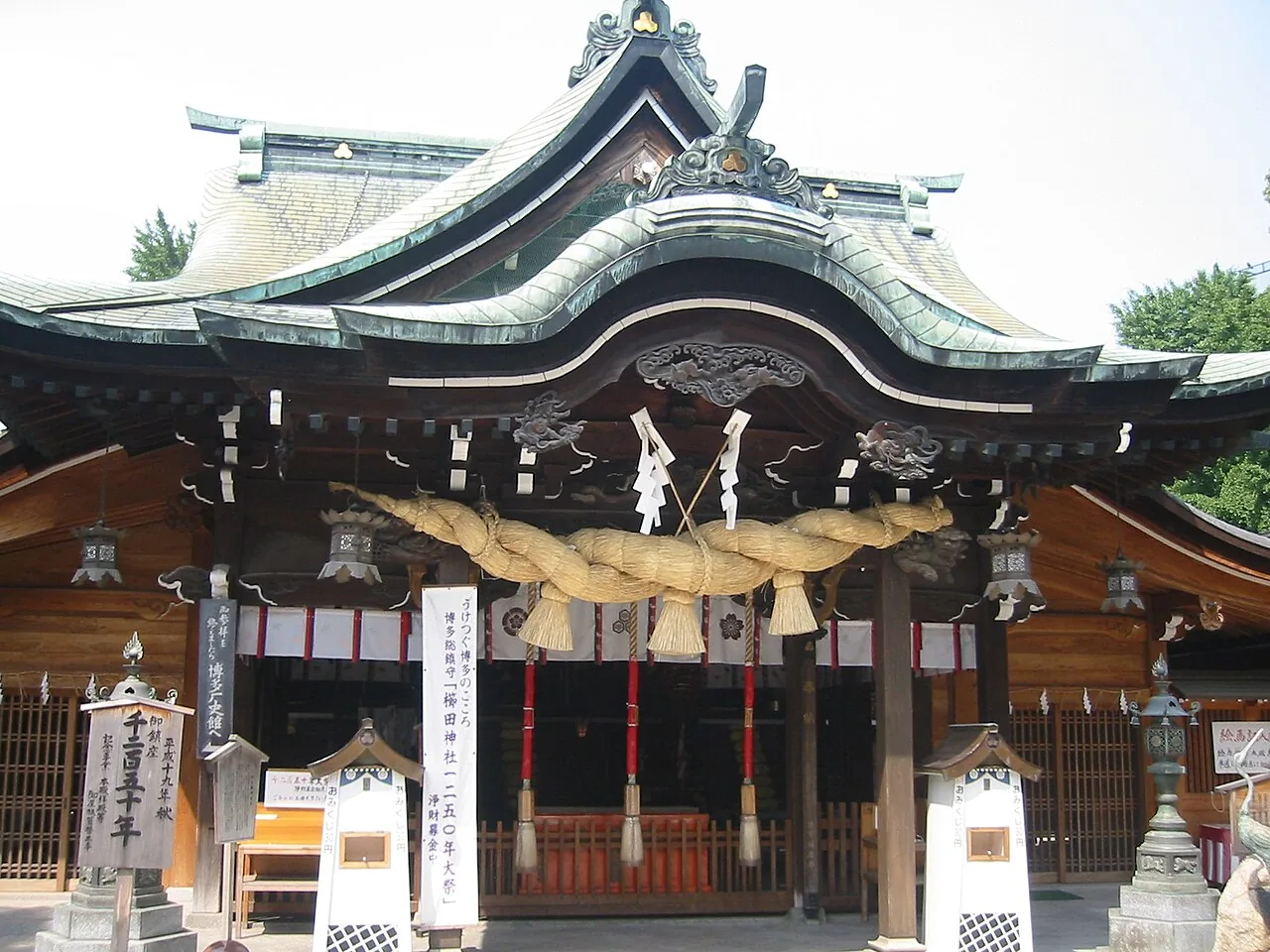
Between Hakata and Tenjin, Nakasu is a long, narrow island squeezed between the Naka and Hakata rivers. Just to its east is Kushida-jinja Shrine, the guardian shrine of Hakata. The Hakata Gion Yamakasa festival in July belongs to Kushida-jinja, and a towering decorated float (kazari-yamakasa) stands in the grounds almost all year except June. Even if you can't come during the festival, you can see the size of the floats for yourself.
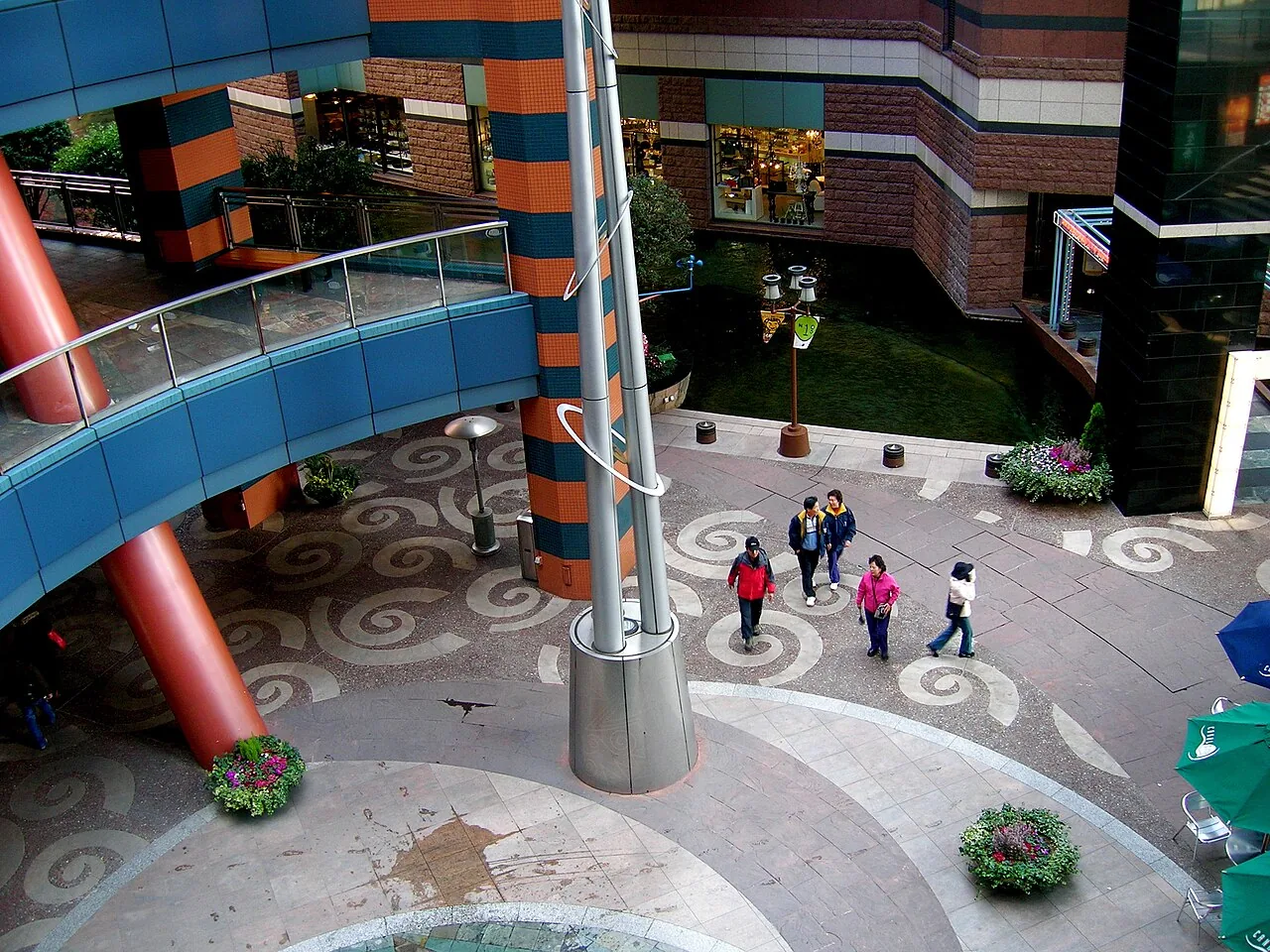
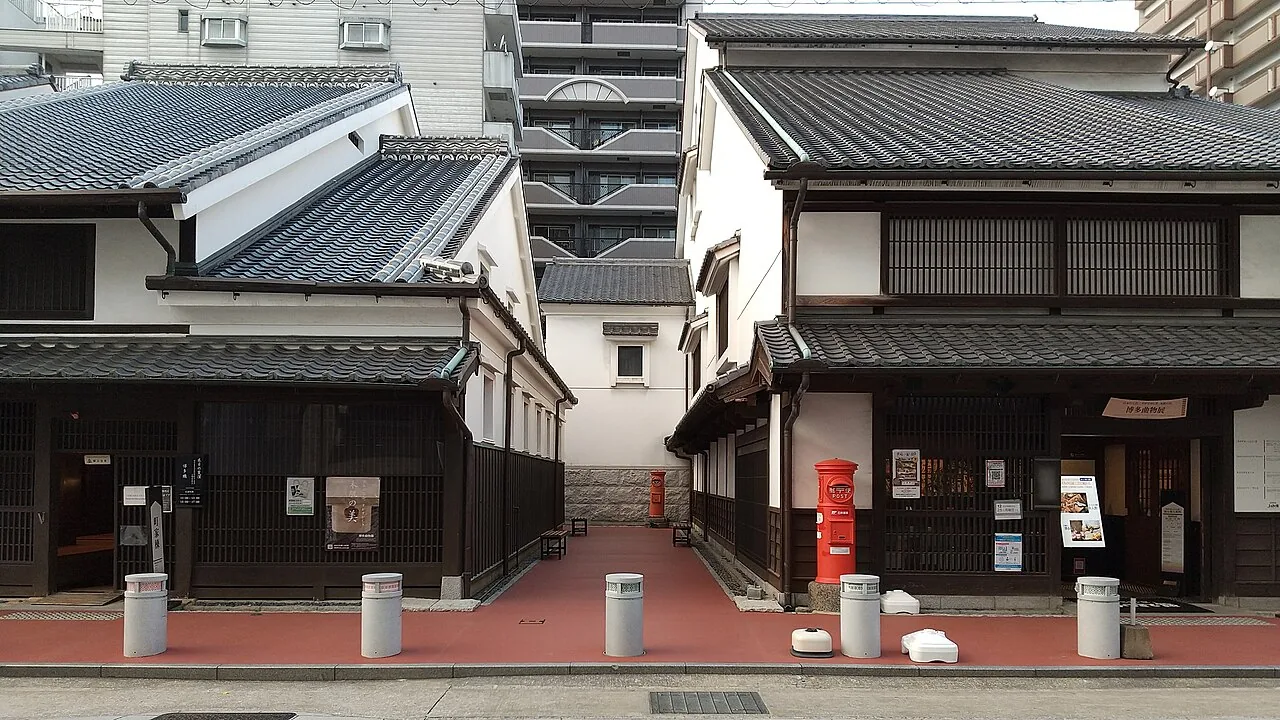
In front of the shrine gate, the Hakata Machiya Folk Museum introduces daily life in old Hakata and crafts such as Hakata-ori weaving. A little to the south, Canal City Hakata is a shopping complex with a canal flowing between its buildings, and the plaza on the basement floor hosts fountain shows set to music.
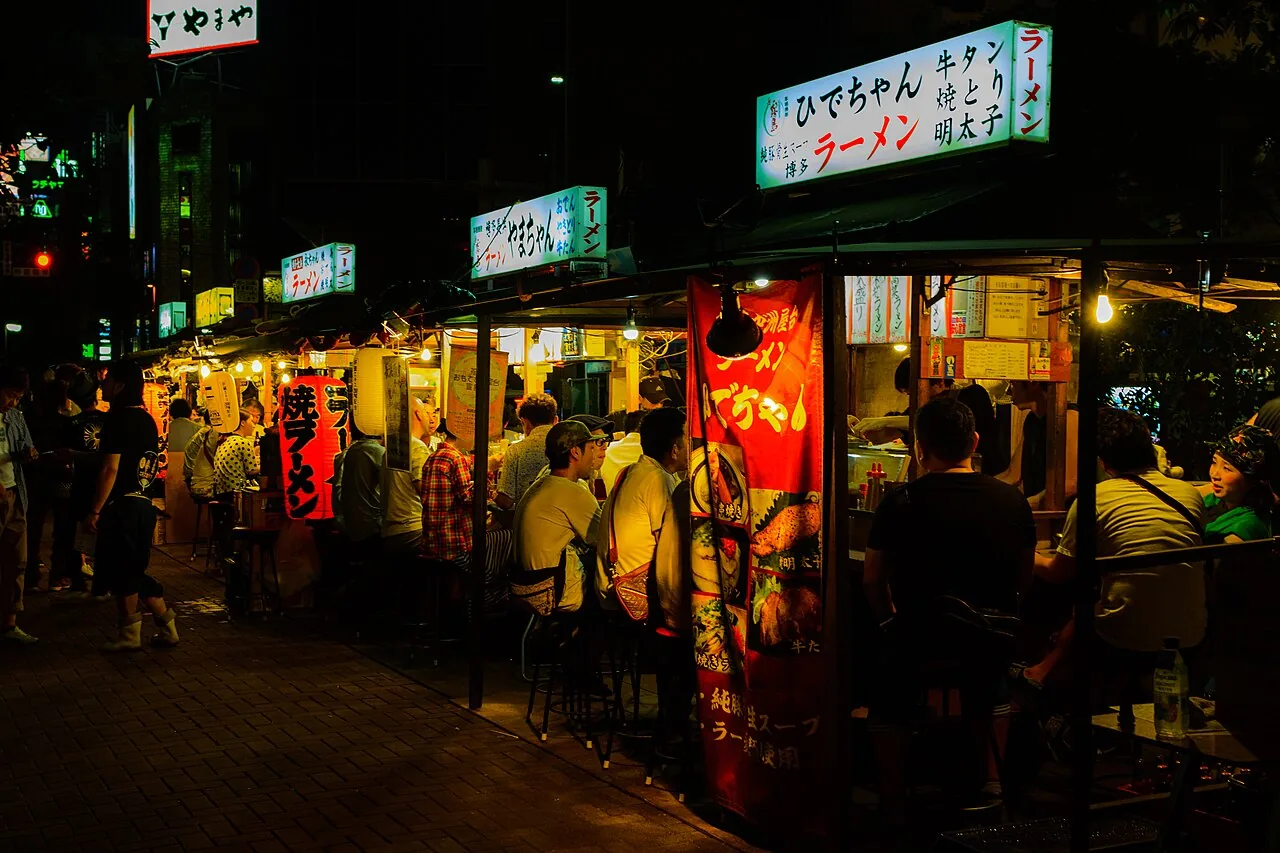
After dark, the lights of the Nakasu yatai food stalls come on along the Naka River. How to order, pay and find a restroom is covered in detail in How to enjoy Fukuoka's yatai.
Tenjin: the underground arcade and the Akarenga Cultural Center
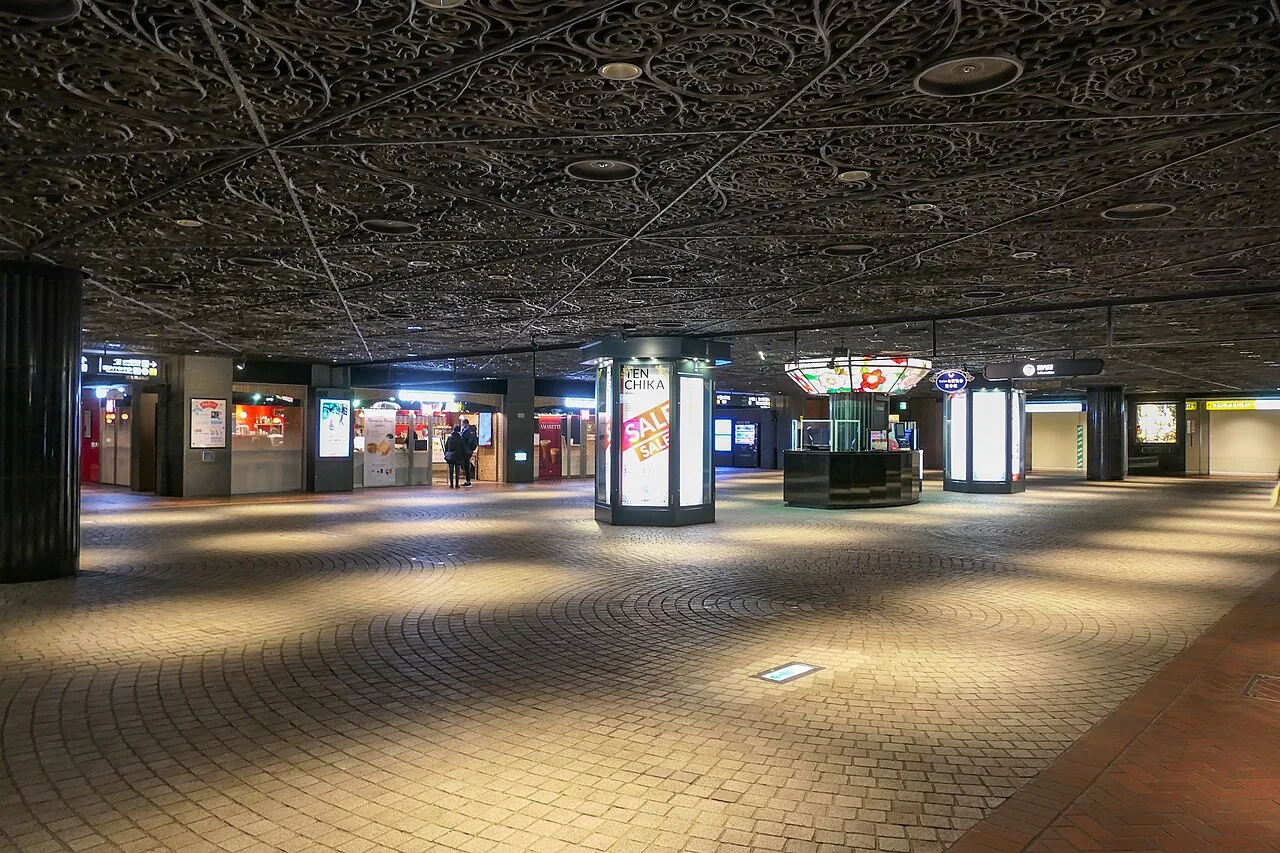
Tenjin is the busy downtown at the center of Fukuoka City, where department stores and fashion buildings connect both above and below ground. Tenjin Chikagai is an underground shopping arcade designed to evoke a European streetscape with brick and cobblestone-style floors, and it links Tenjin and Tenjin-minami stations. On rainy or hot days, you can get around without going up to street level.
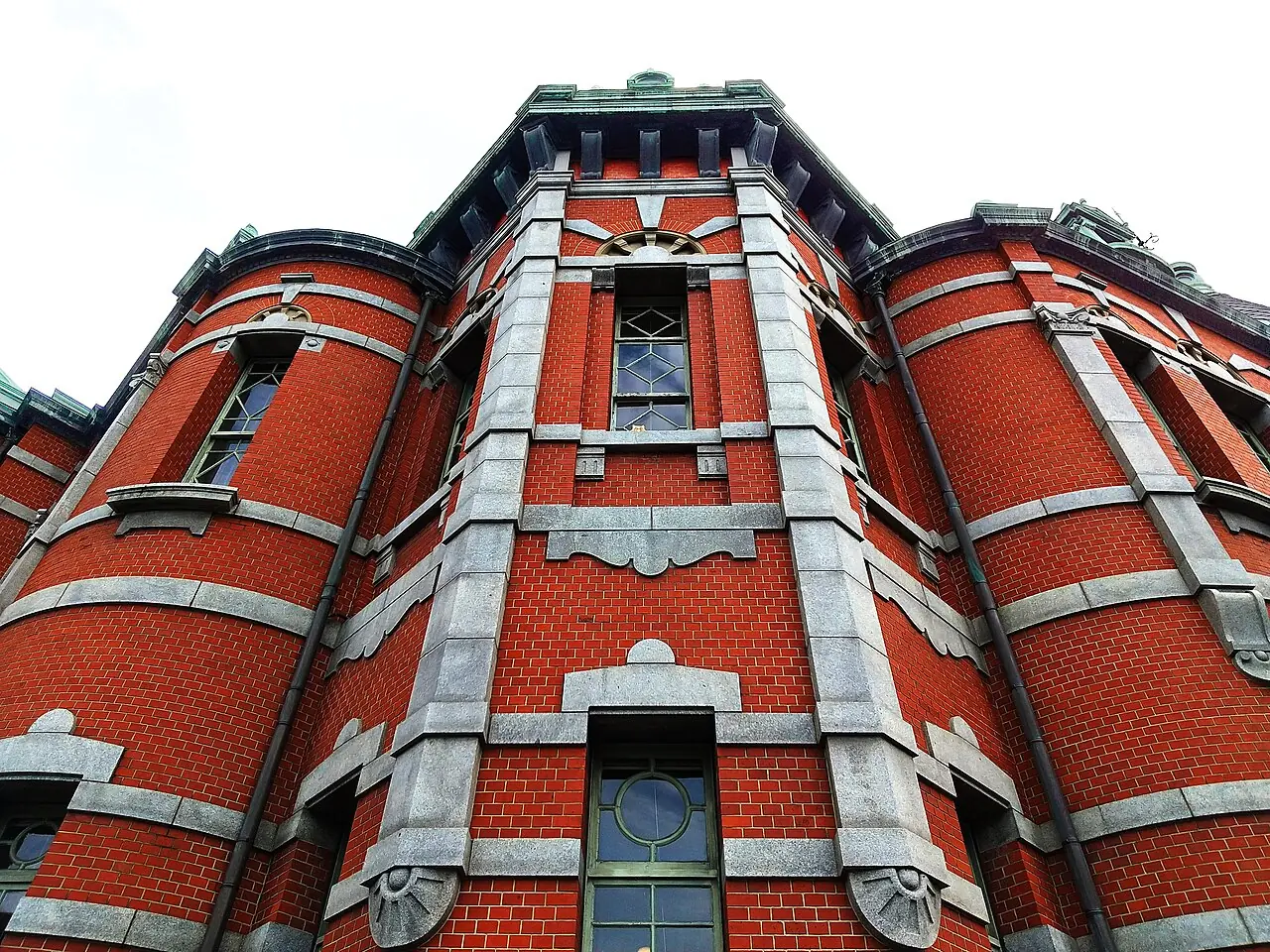
Walk northeast from Tenjin Station to reach the Fukuoka City Akarenga Cultural Center, a Meiji-era Western-style building. It was designed by Tatsuno Kingo, architect of Tokyo Station, and his partner, and it is a national Important Cultural Property. For more on getting around, see the area page for Tenjin.
A sample one-day route
Moving from Hakata to Tenjin, east to west, saves you from retracing your steps.
- In the morning, get off at Gion Station and walk the temples of old Hakata, including Tocho-ji
- Visit Kushida-jinja Shrine to see the decorated float, then the Hakata Machiya Folk Museum
- Have lunch and a break at Canal City Hakata, where you can also catch a fountain show
- In the afternoon, cross the Naka River to Tenjin. See the Akarenga Cultural Center, then shop in Tenjin Chikagai
- In the evening, go back to Nakasu or Tenjin for dinner at a yatai
The stalls don't open until evening, so if a yatai is your dinner plan, it's easier to cover the daytime sights first. If you're staying near Hakata Station, the reverse also works: start in Tenjin and finish in Nakasu at night.
Day two: Ohori Park, Momochi and Dazaifu
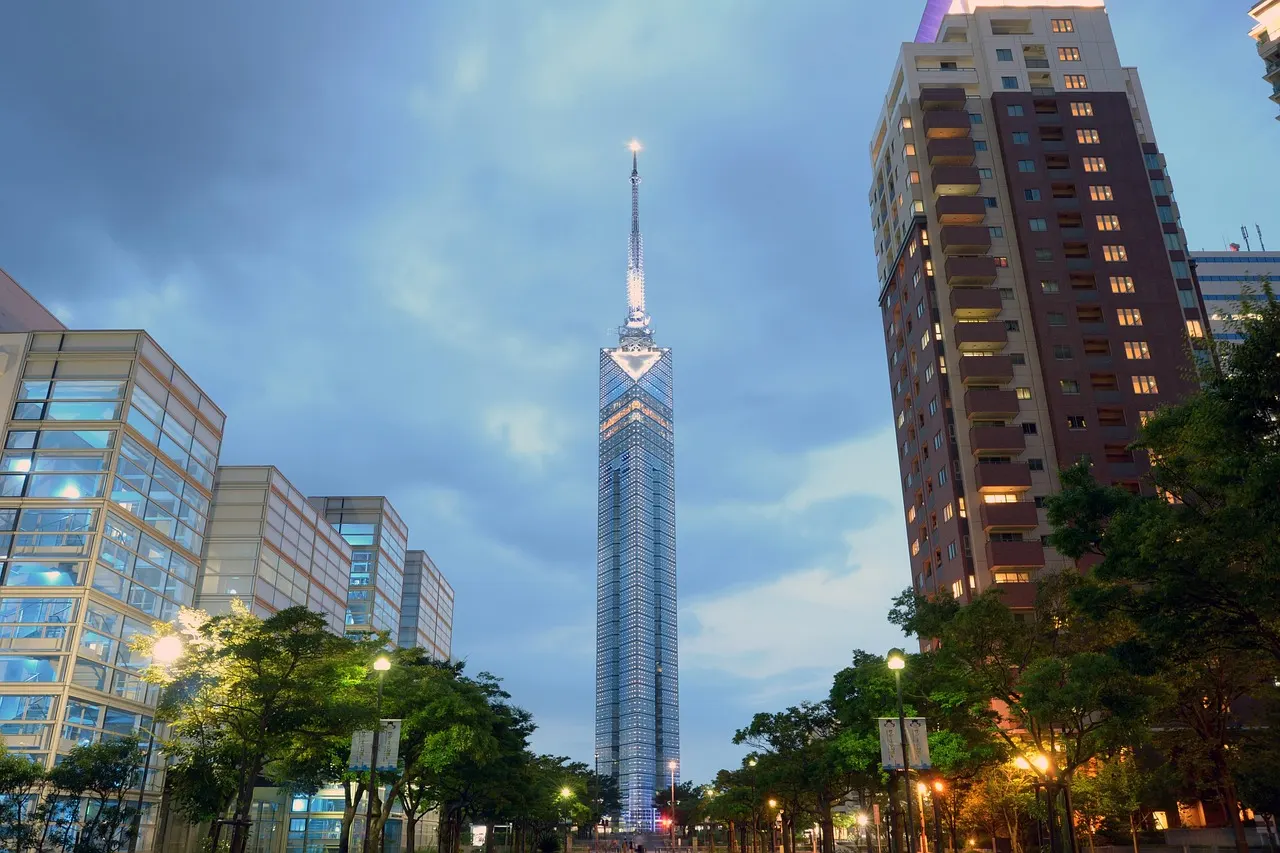
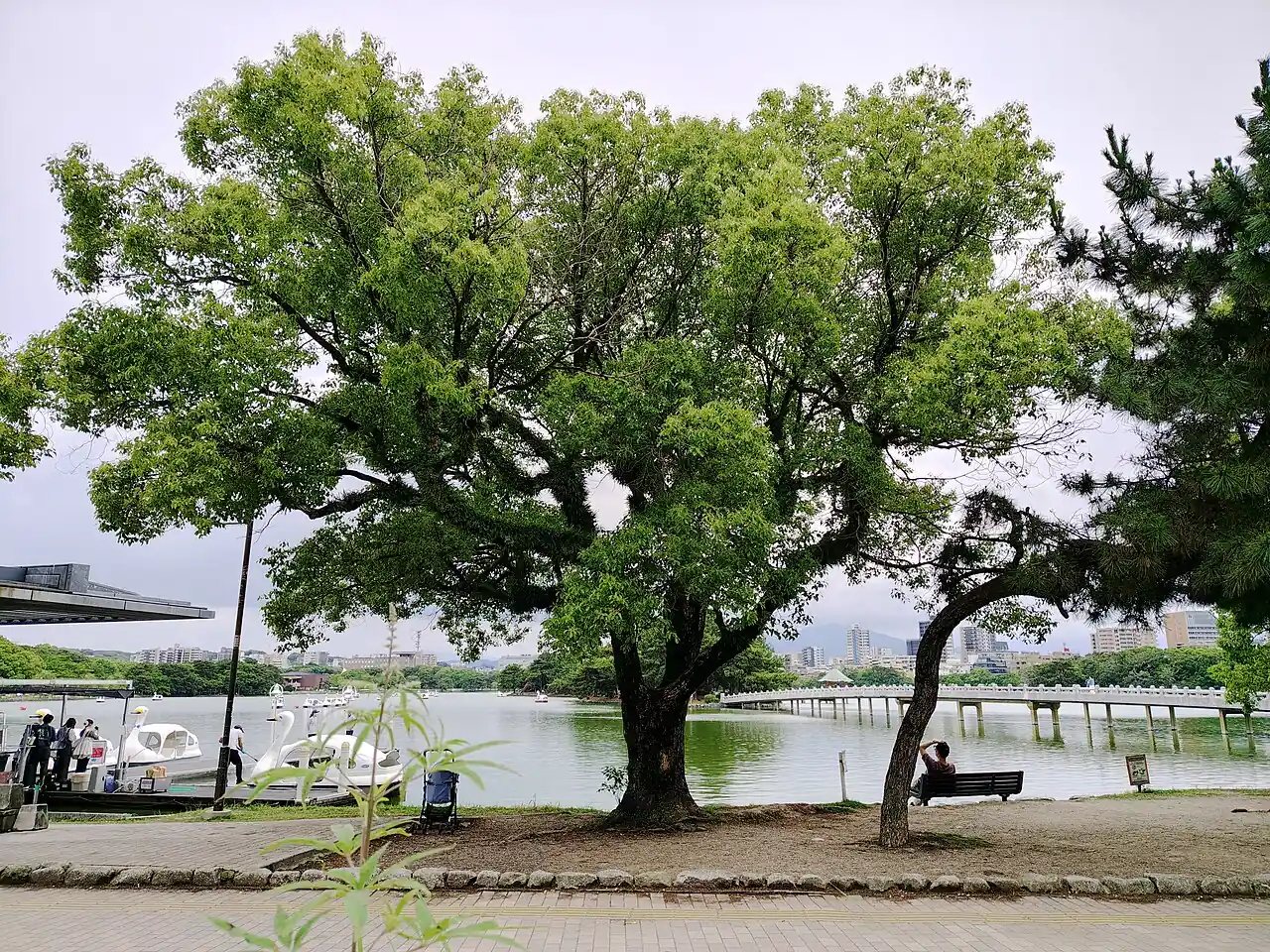
Once you've walked Hakata and Tenjin, go a little further on day two. Heading west from Tenjin on the Airport Line brings you to Ohori Park, with a path around its pond, and the keep foundations of Fukuoka Castle ruins. Further west on the coast are Fukuoka Tower and the beach at Seaside Momochi.
Dazaifu Tenmangu, the shrine to the god of learning, is reached by Nishitetsu train from Tenjin. Routes and how to get around are in our Dazaifu day trip guide. To find more sights on a map, start from the Fukuoka area list.
Places in this guide
Hotels nearbyPR
See prices and availability for hotels in Fukuoka and book on our partner Trip.com.
See hotels in Fukuoka on Trip.com