
Dazaifu Day Trip from Fukuoka: Train, Bus, Tenmangu and Museum
This guide is translated from the Japanese edition. Read the Japanese edition
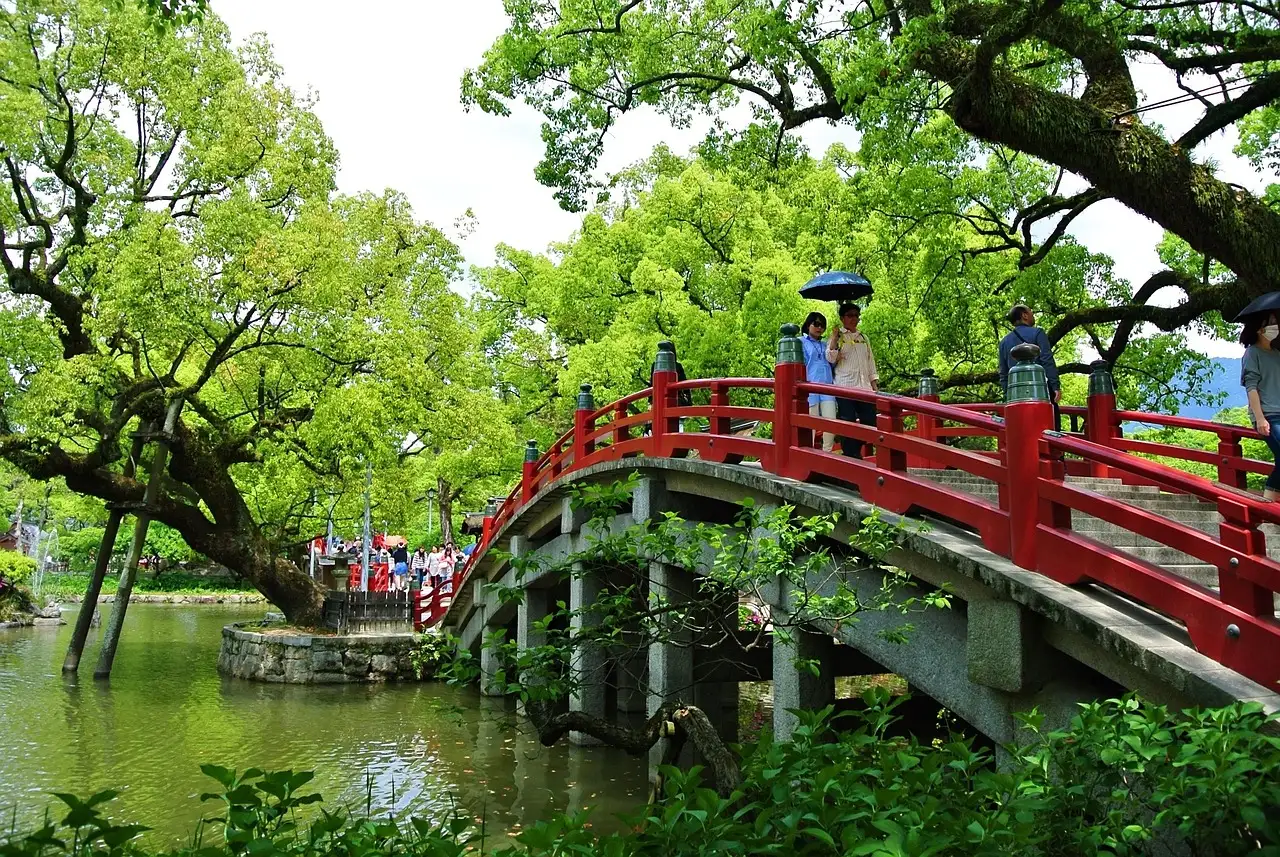
A Dazaifu day trip from Fukuoka by Nishitetsu train from Tenjin via Futsukaichi or the Tabito bus from Hakata, then Dazaifu Tenmangu and the Kyushu National Museum.
Step out of the ticket gate at Nishitetsu Dazaifu Station and the approach to the shrine begins right in front of you, filled with the smell of umegae-mochi rice cakes grilling at the shopfronts. Dazaifu is a town southeast of Fukuoka City, where in ancient times the government office that ruled Kyushu, also called Dazaifu, once stood. Dazaifu Tenmangu, the shrine to Sugawara no Michizane, revered as the god of learning, and the Kyushu National Museum on the hill behind it are connected on foot from the shrine grounds. It's close enough to Fukuoka to visit in half a day or a full day, so it slots easily between days of walking Hakata and Tenjin.
How to get from Fukuoka to Dazaifu: train or bus
From central Fukuoka there are two main ways to reach Dazaifu: the Nishitetsu train from Tenjin, and the direct bus from the bus terminal at Hakata Station.
| From | Transport | How to ride |
|---|---|---|
| Tenjin | Nishitetsu train | From Nishitetsu Fukuoka (Tenjin) Station, take the Tenjin Omuta Line and change at Nishitetsu Futsukaichi Station to the Dazaifu Line for Dazaifu Station |
| Hakata Station | Nishitetsu "Tabito" bus | Board the Dazaifu Liner Bus "Tabito" at Hakata Bus Terminal. No reservation needed |
On the train, the usual route is to change from the Tenjin Omuta Line to the Dazaifu Line at Futsukaichi. Around the New Year shrine-visit period, extra trains sometimes run directly from Tenjin Omuta Line stations to Dazaifu with no change. If you're staying near Hakata Station, the bus saves you from taking the subway to Tenjin and switching to the Nishitetsu train.
Check travel times, fares and timetables on the Nishitetsu and Dazaifu Tourism Association websites. Nishitetsu trains and buses accept nimoca as well as nationwide IC transit cards such as Suica and ICOCA.
The approach and umegae-mochi
From Dazaifu Station to the shrine's torii gate runs an approach lined with souvenir shops and sweet shops. The local specialty, umegae-mochi, is a grilled rice cake made from rice-flour dough wrapped around sweet red bean paste. Its name is said to come from a legend: when Michizane was living in exile and hardship, an old woman who lived nearby passed him rice cakes speared on a plum (ume) branch.
Many shops along the approach and around the shrine sell umegae-mochi. Some people eat them hot on the spot, others buy boxes to take home. On crowded days, step to the side or stand in front of the shop to eat so you don't block the path for other visitors.
Dazaifu Tenmangu: over the drum bridges to the main hall
Dazaifu Tenmangu was built over the grave of Sugawara no Michizane, who died in Dazaifu in 903, and is regarded as the head shrine of all Tenmangu shrines in Japan.
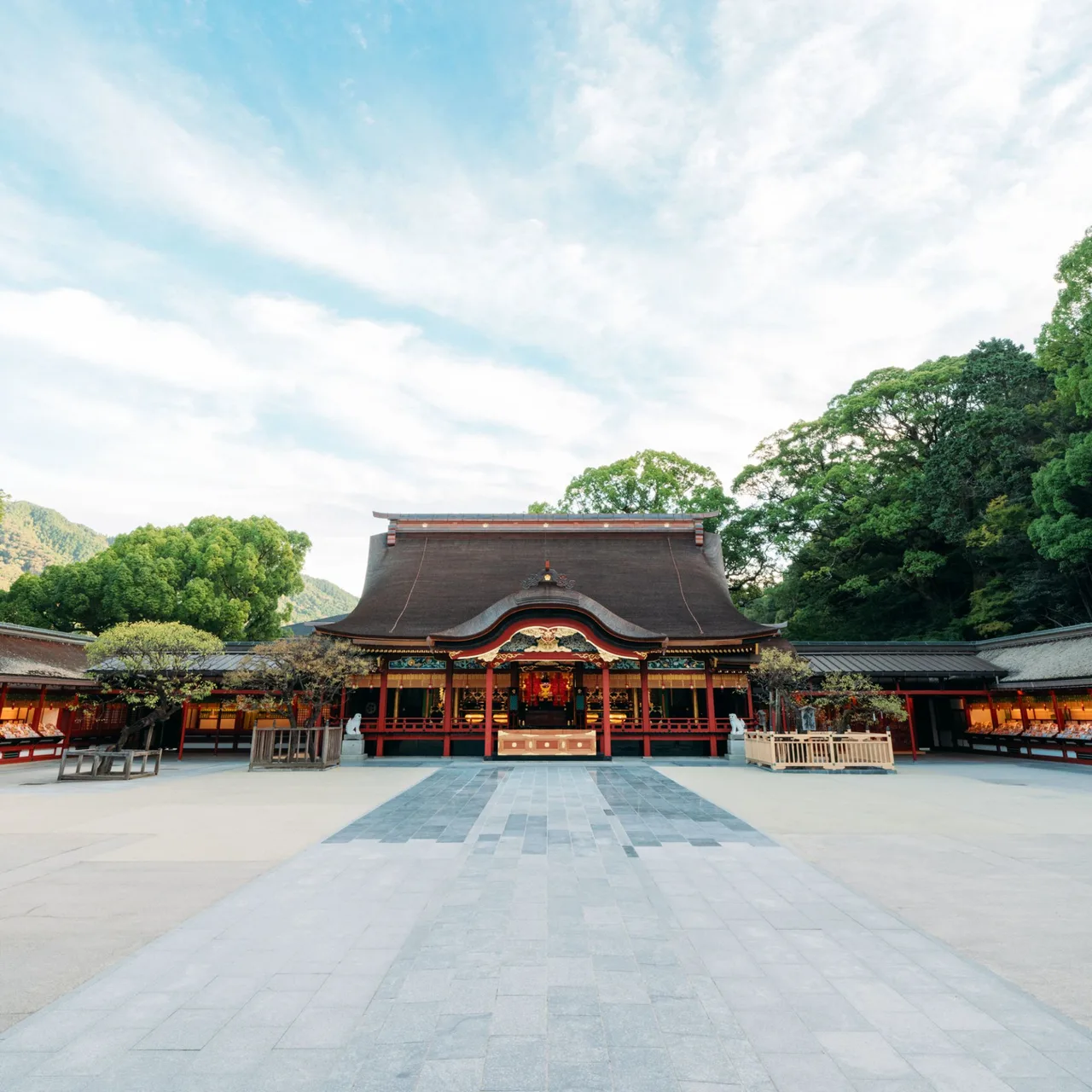
Past the torii, three arched drum bridges (taikobashi) span Shinji-ike Pond, which is shaped like the Chinese character for "heart." From the near side they are said to represent the past, the present and the future, and crossing them is said to purify body and mind. Beyond the Romon Gate is the main hall. The current main hall was built in 1591 and is designated a national Important Cultural Property.
To the right as you face the main hall is the sacred plum tree "Tobiume." Legend says that it missed Michizane so much after he left the capital that it flew overnight from Kyoto to Dazaifu.
Kyushu National Museum: through the rainbow tunnel
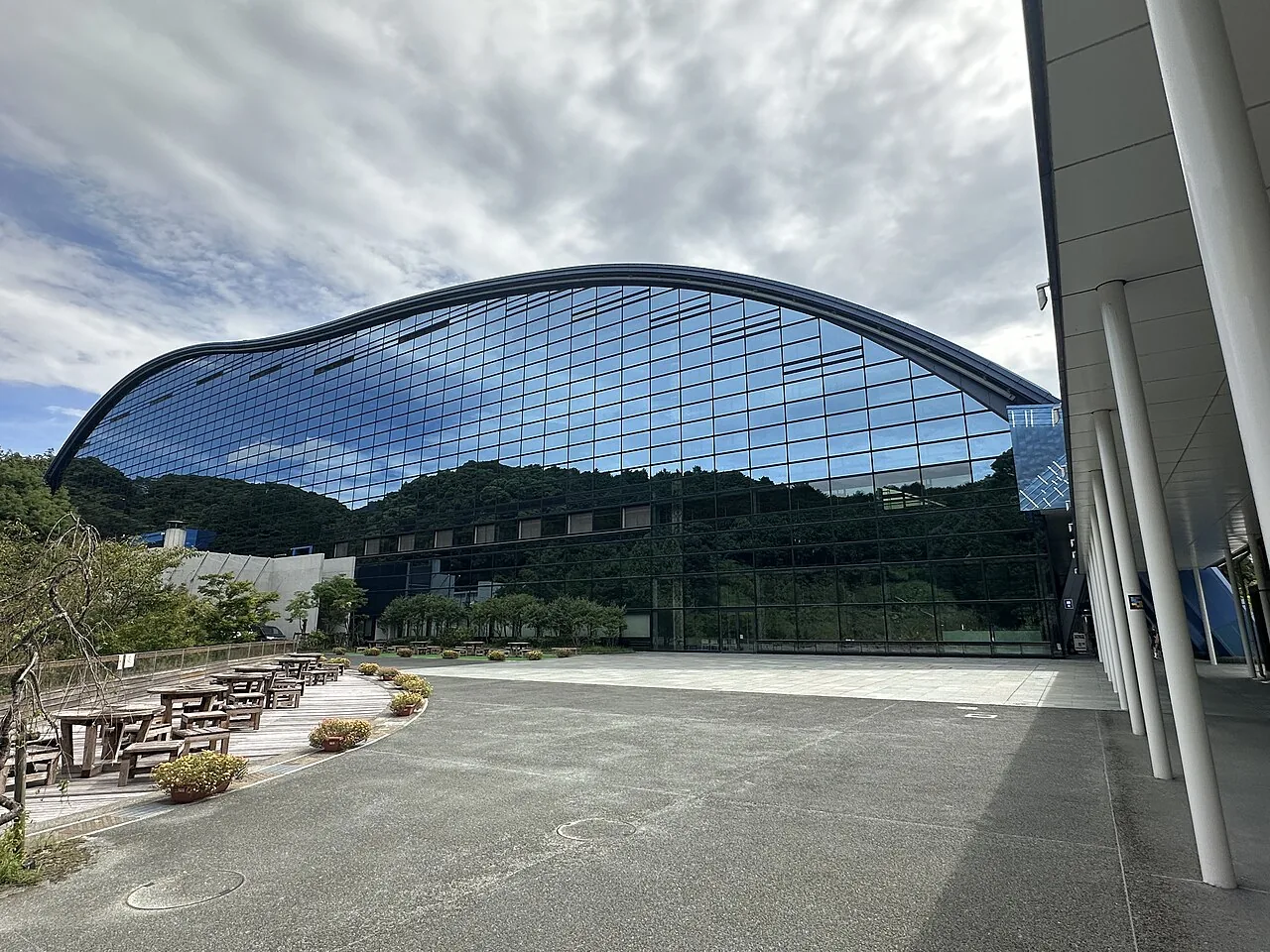
The Kyushu National Museum opened in 2005 as Japan's fourth national museum, after Tokyo, Nara and Kyoto. Its theme is how Japanese culture took shape through exchange with the rest of Asia, and the permanent Cultural Exchange Exhibition covers material from the Paleolithic period to the Edo period.
From the shrine grounds to the museum, you pass through a passage called the "Rainbow Tunnel." Besides stairs, it has escalators and moving walkways, plus an inclined elevator for wheelchair users and visitors with strollers.
Check opening hours, closing days, admission fees and special exhibition schedules on the museum's official website.
- Kyushu National Museum official website
- Access from Nishitetsu Dazaifu Station (Kyushu National Museum, Japanese)
A day-trip route and when it gets crowded
Going in order of distance from the station means the only stretch you walk twice is the approach.
- Arrive at Dazaifu Station in the morning and walk the approach to the shrine
- Cross the drum bridges, pray at the main hall and see the Tobiume tree
- Go through the rainbow tunnel from the shrine grounds to the Kyushu National Museum
- After the museum, return through the shrine grounds, buy umegae-mochi on the approach and head to the station
The approach and grounds are especially crowded during the New Year shrine-visit period and on weekends when the plum trees are in bloom. Many students also come to pray for success in entrance exams. For a quieter visit, aim for a weekday morning. The museum can also be busy during special exhibitions, so check the schedule first.
With time to spare: the Dazaifu Government Office ruins
If you still have time after the shrine and the museum, you can see the site of the ancient Dazaifu government office. The Dazaifu Government Office ruins are a national Special Historic Site. The buildings are gone, but foundation stones remain on a wide grassy field, and the nearby Dazaifu Exhibition Hall explains the history of ancient Dazaifu. The nearest station is Nishitetsu Tofuromae, and the city's "Mahoroba" community bus also runs there from Dazaifu Station.
Back in Fukuoka, consider a yatai food stall for dinner. See How to enjoy Fukuoka's yatai, and for a one-day route through Hakata and Tenjin, our first-time guide to Fukuoka. The area page for Dazaifu is Dazaifu.
Places in this guide
Hotels nearbyPR
See prices and availability for hotels in Fukuoka and book on our partner Trip.com.
See hotels in Fukuoka on Trip.com