Dazaifu and Seaside Momochi Full Day: Shrine to Sunset Beach
- Dazaifu Tenmangu
- Kyushu National Museum
- Fukuoka City Museum
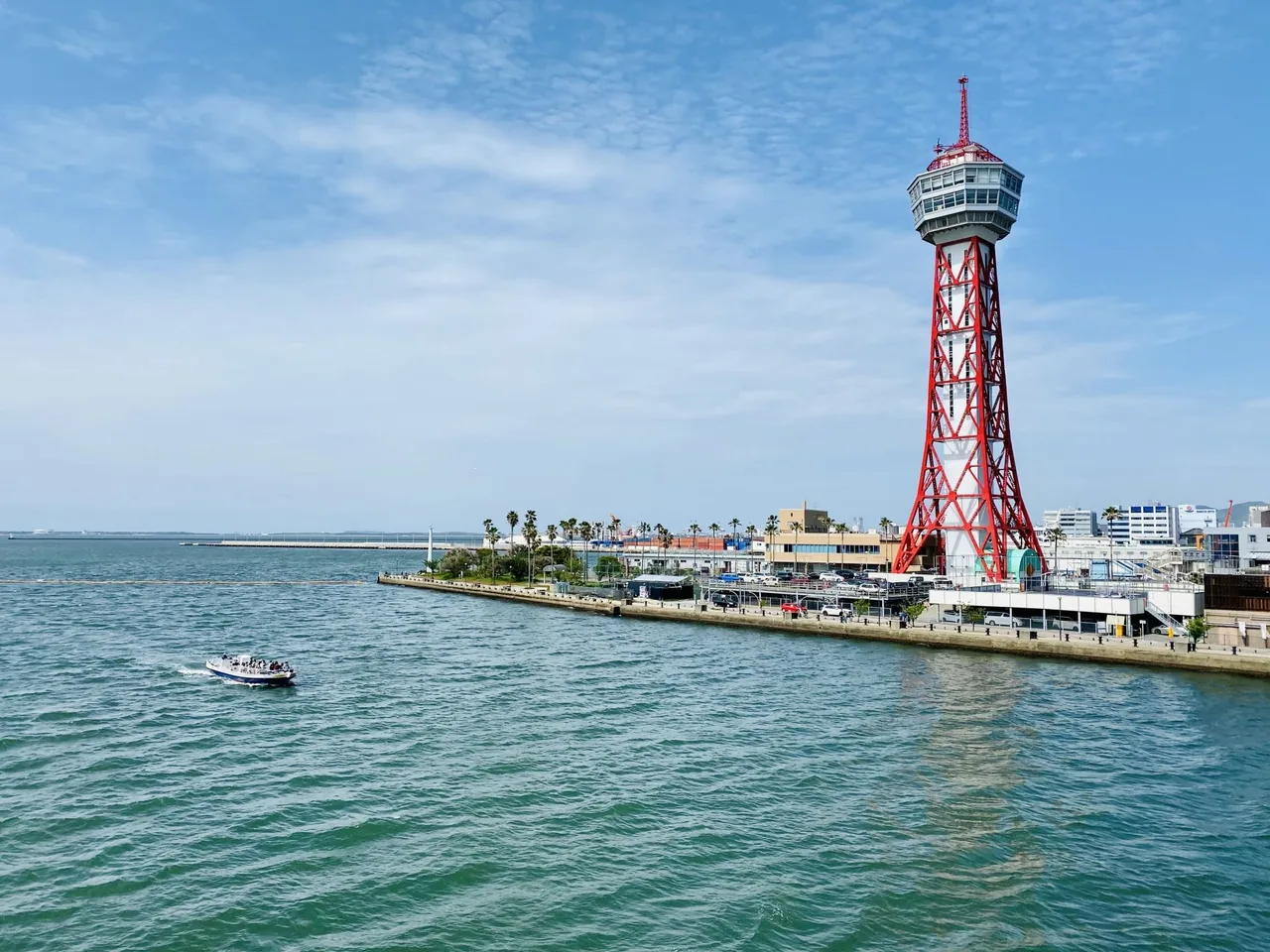
- Fukuoka Tower
- Seaside Momochi Beach Park

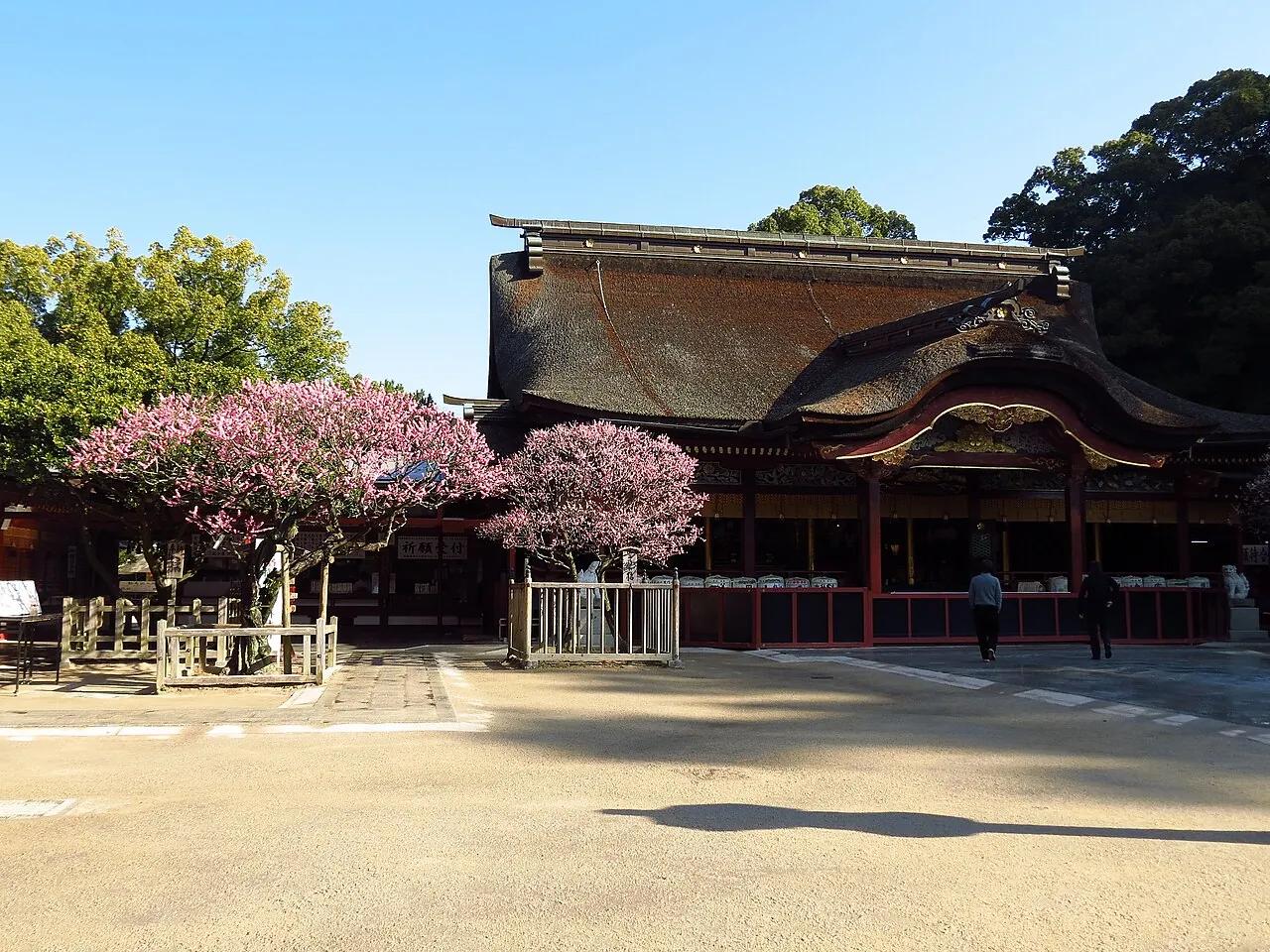
Photo: redlegsfan21 / Wikimedia Commons(CC BY-SA 2.0)
Areas of Fukuoka
Plan a Dazaifu day trip from Fukuoka: walk the umegae-mochi approach to Dazaifu Tenmangu, then the Kyushu National Museum, with train and bus access and crowd tips.
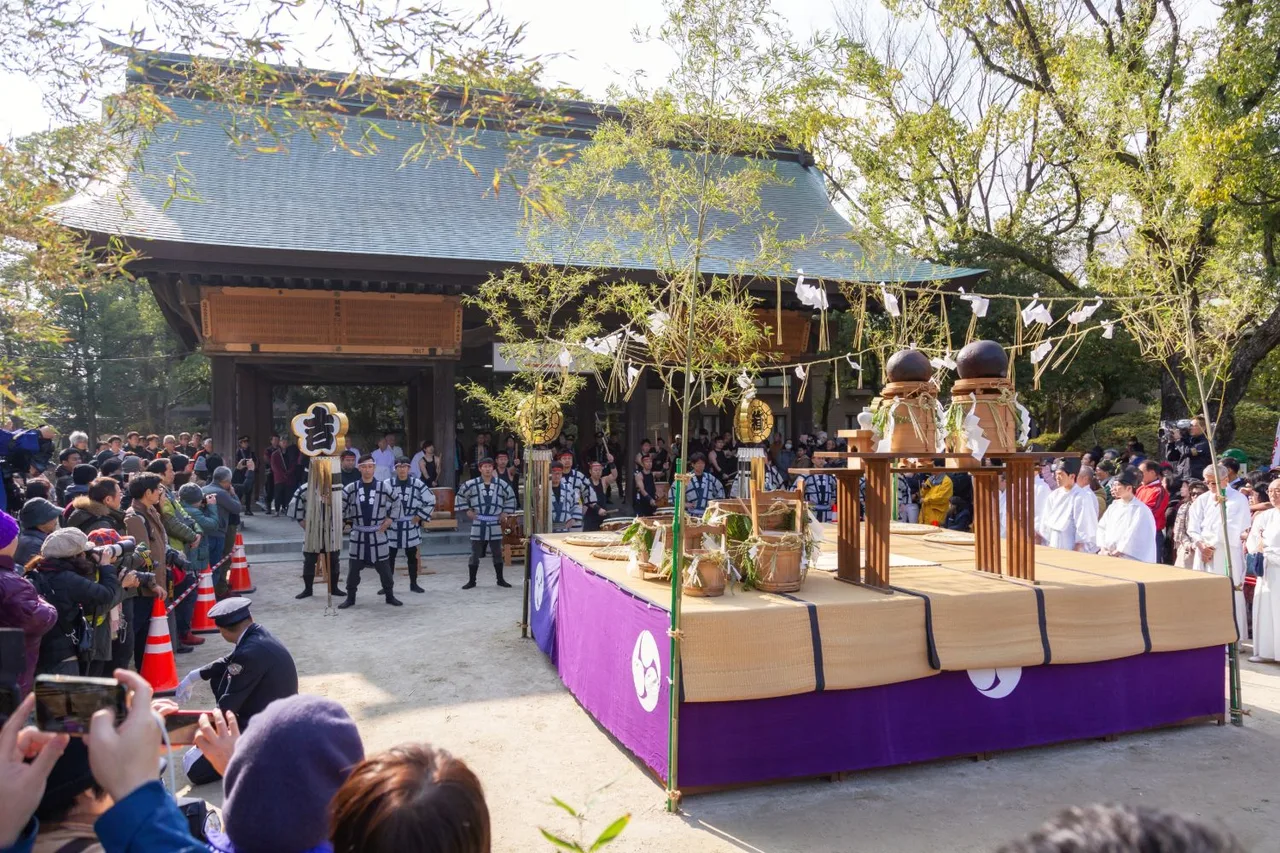 Jan 3Hakozakigu Tamatori Festival (Tamaseseri)
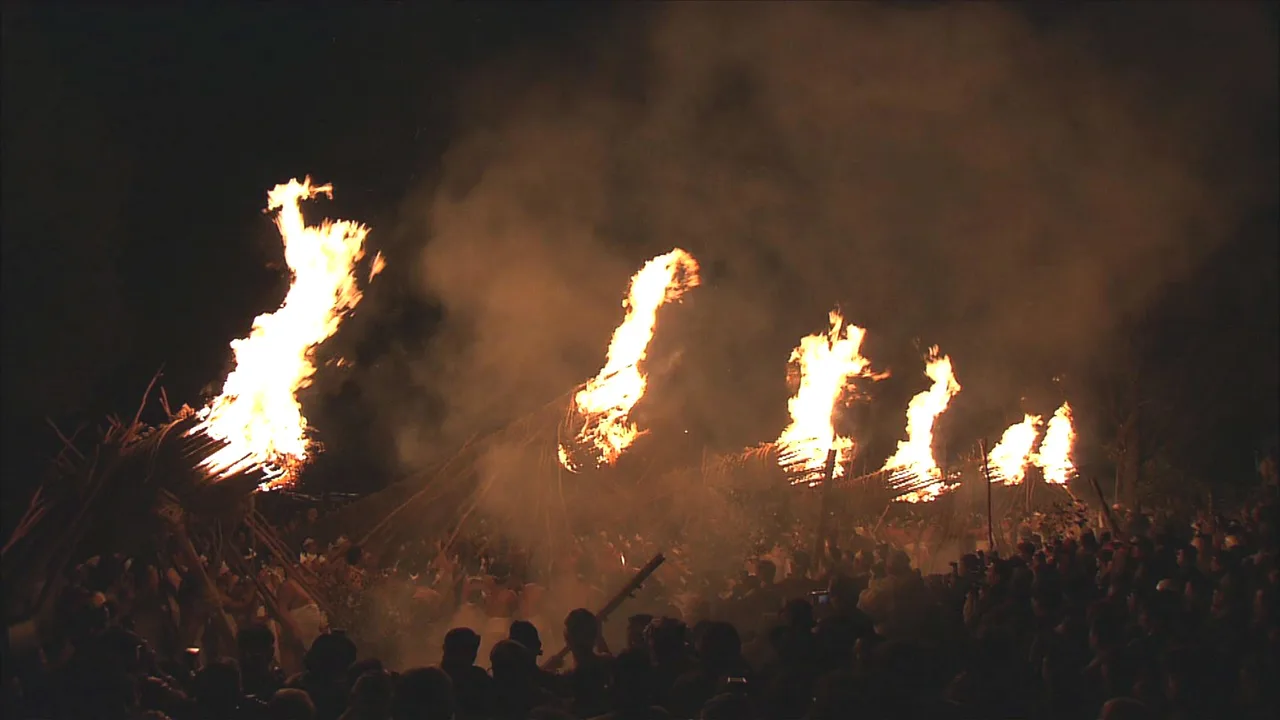 Jan 7Oniyo Fire Festival at Daizenji Tamataregu Shrine
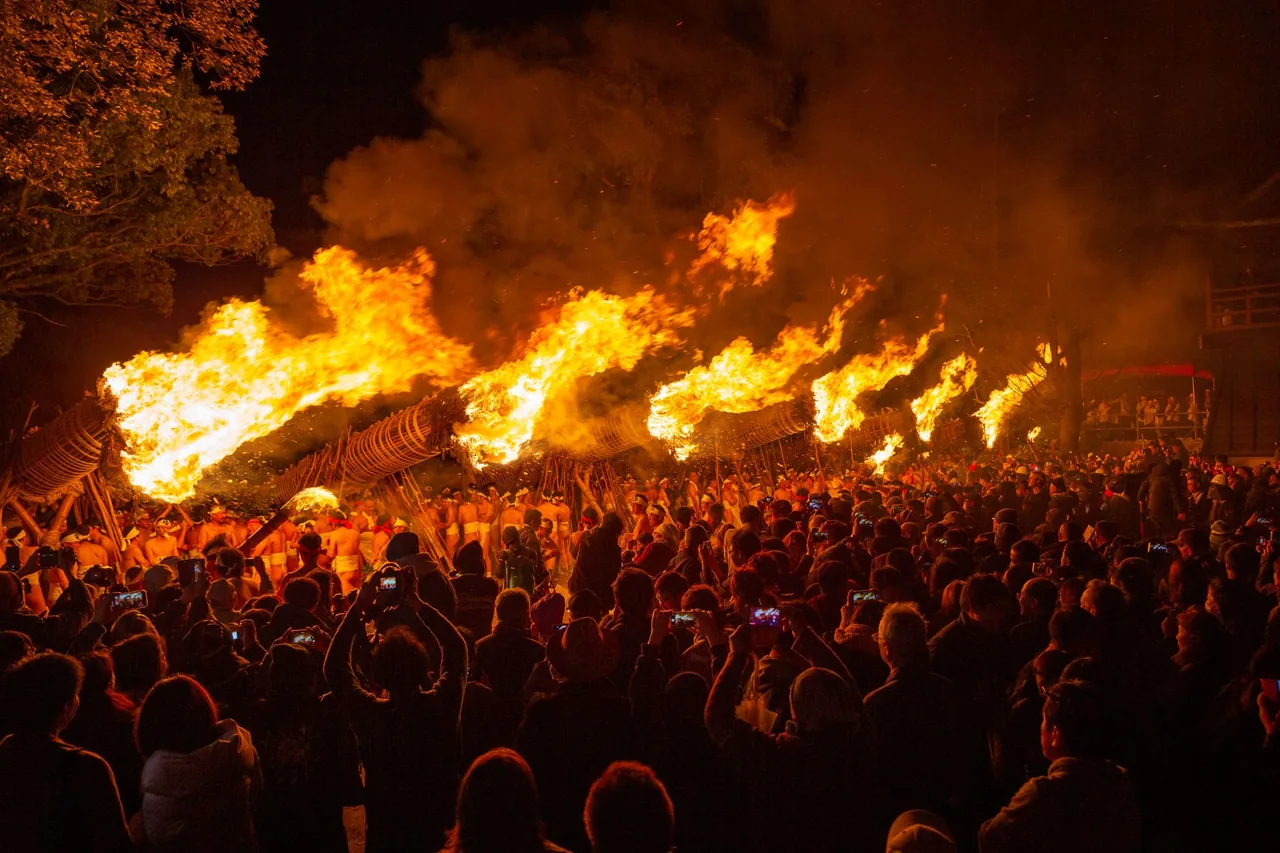 Jan 7Usokae and Onisube Rituals at Dazaifu Tenmangu
Choose a numbered circle to zoom in there; choose a name to open the area's page.
This page is translated from the Japanese edition. Read the Japanese edition
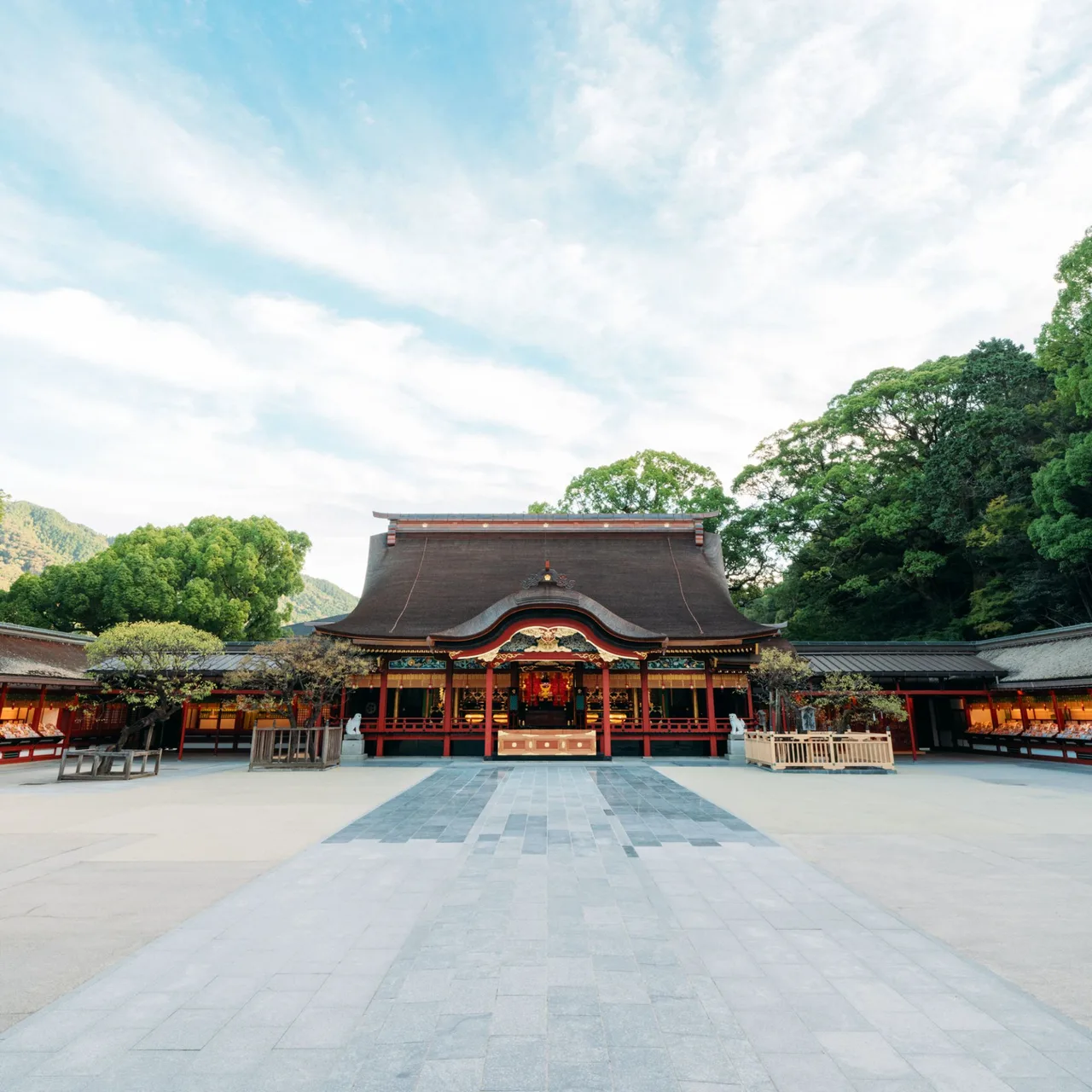
Step out of Nishitetsu Dazaifu Station and the approach to Dazaifu Tenmangu begins right away, with the toasty smell of freshly grilled umegae-mochi in the air. Dazaifu is a town southeast of Fukuoka City, and in ancient times it was the seat of Dazaifu, the government office that ruled Kyushu. At its heart are Dazaifu Tenmangu, which enshrines Sugawara no Michizane, revered as the god of learning, and the Kyushu National Museum on the hill behind it.
It's about 30 minutes by train from central Fukuoka, which makes it a good half-day or full-day trip. Visiting the shrine and snacking along the approach takes about two hours. To see the museum as well, allow at least half a day.
Built over the grave of Sugawara no Michizane, who died in Dazaifu in 903, this shrine is regarded as the head shrine of all Tenmangu shrines in Japan. The main hall was rebuilt in the Momoyama period and is an Important Cultural Property. To its right stands the sacred Tobiume plum tree, said to have flown overnight from the capital out of longing for Michizane; it blossoms from late winter into early spring along with the other plum trees in the grounds (official site).
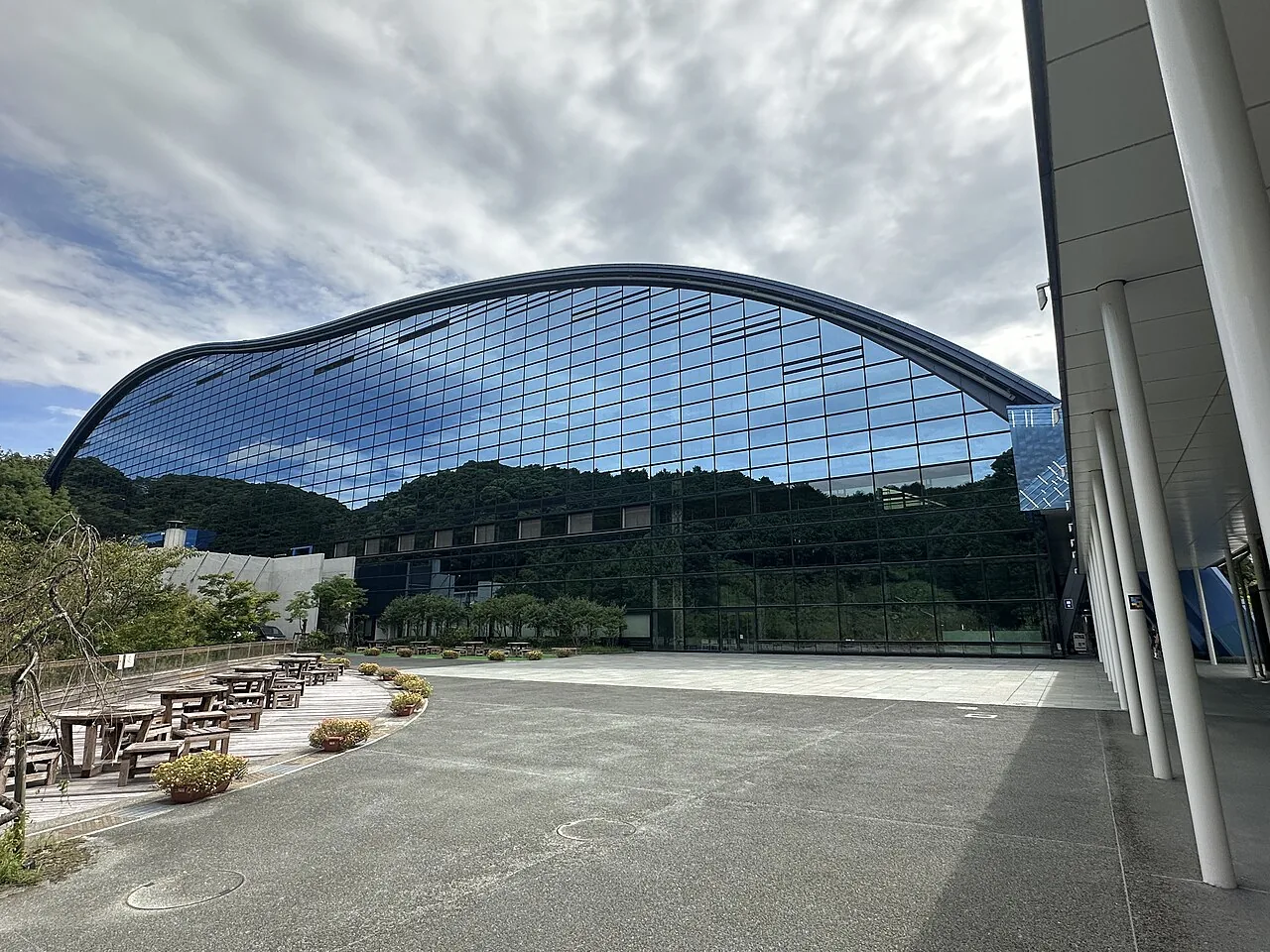
Opened in 2005 as Japan's fourth national museum, after Tokyo, Nara and Kyoto. Its stated concept is to look at how Japanese culture was formed from the perspective of Asian history, and the Cultural Exchange Exhibition covers the history of exchange between Japan and Asia from the Paleolithic to the Edo period. From the grounds of Dazaifu Tenmangu you can reach it through the Rainbow Tunnel, with escalators and a moving walkway (official site).
The approach from Dazaifu Station to the shrine's torii gate is lined with souvenir shops and sweet shops. The local specialty, umegae-mochi, is a grilled rice cake filled with sweet bean paste, sold by many shops along the approach and nearby, so you can choose while watching them being grilled at the counter.
Besides umegae-mochi, the shops along the approach sell snacks, sweets, and plum-themed treats and goods. Many people eat their umegae-mochi while walking, but on crowded days, step to the side or in front of the shop to eat so you don't block other visitors.
Tourist information for Dazaifu and listings of the shops along the approach are collected on the Dazaifu Tourism Association site.
Connections and bus services can change, so check the Dazaifu Tourism Association's access page before you go.
Walk the approach from Dazaifu Station, visit the shrine, and go through the Rainbow Tunnel from the grounds to the Kyushu National Museum. After the museum, return through the shrine grounds to the approach, buy some umegae-mochi and head back to the station; it's an easy loop. Allow about four hours including the museum.
During New Year shrine visits and on weekends in plum season, both the approach and the shrine grounds get extremely crowded. For a calmer visit, aim to arrive on a weekday morning.
The museum can get crowded while special exhibitions are on. Check what's showing and the opening information on the museum's official site before you go. On the way back, the same Nishitetsu train takes you to Tenjin, ready for dinner and shopping.
See prices and availability for hotels in Fukuoka and book on our partner Trip.com.
See hotels in Fukuoka on Trip.com