Mt. Hiko & Koishiwara
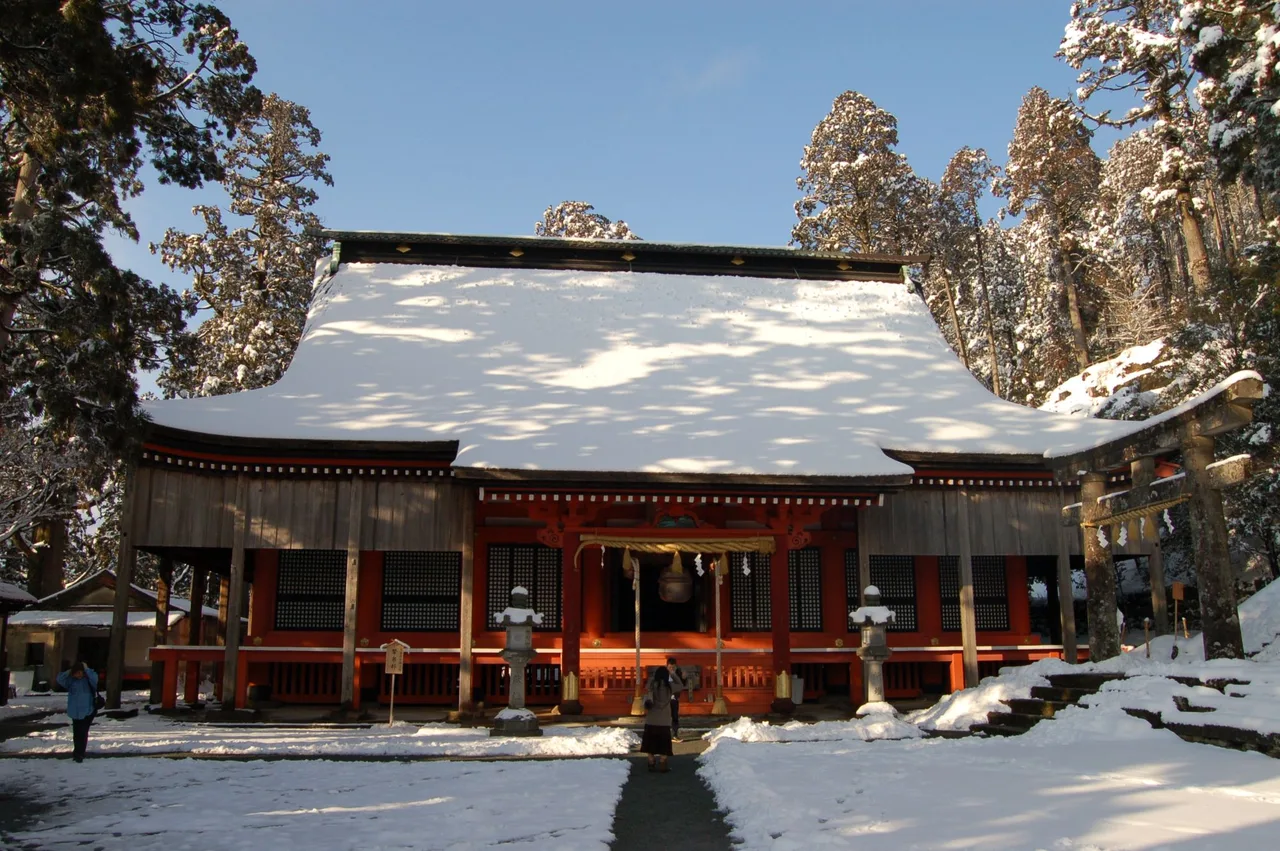
Photo: ©Fukuoka Prefecture Tourism Association
Areas of Fukuoka
Mt. Hiko & Koishiwara
Mt. Hiko, a sacred Shugendo mountain on the Fukuoka–Oita border: the Hikosan Jingu Hoheiden, a garden said to be by Sesshu, Koishiwara pottery and access.
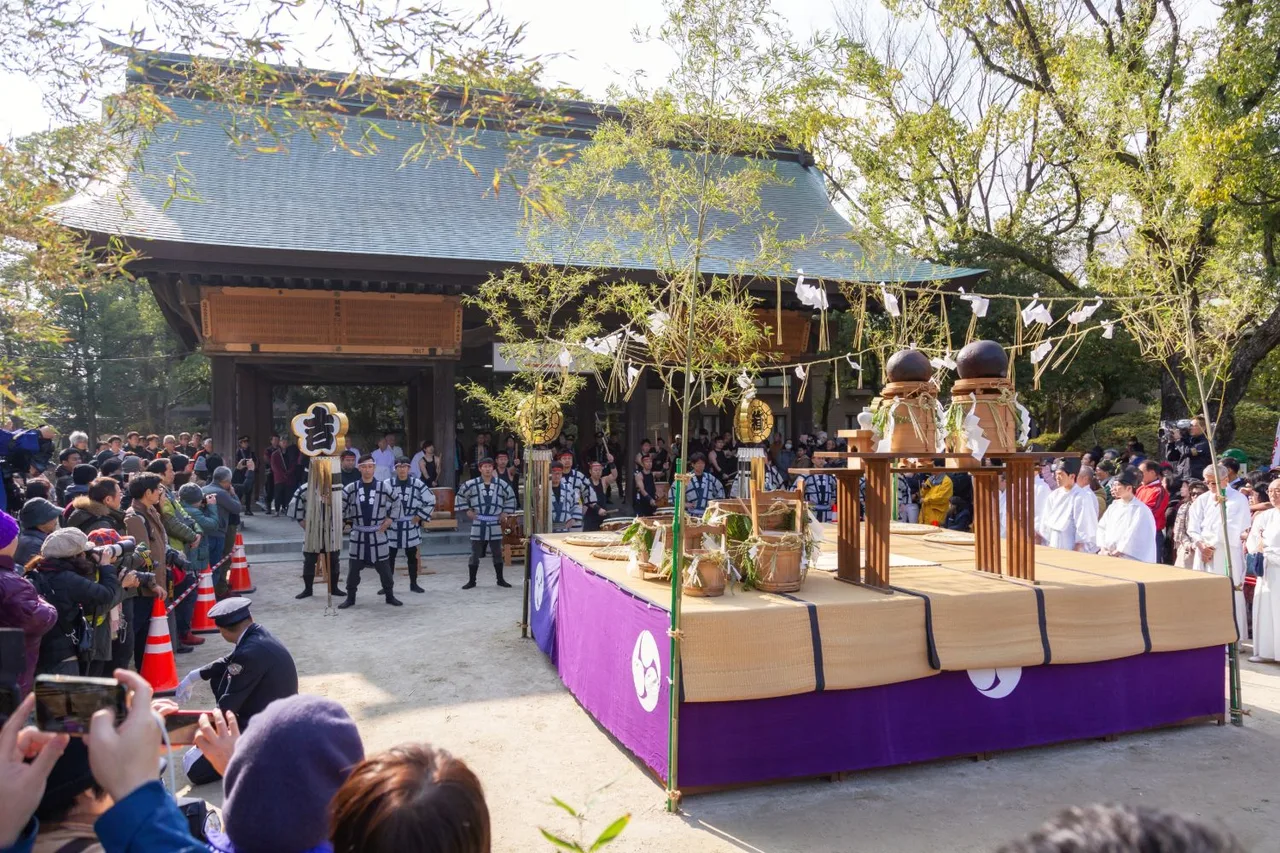 Jan 3Hakozakigu Tamatori Festival (Tamaseseri)
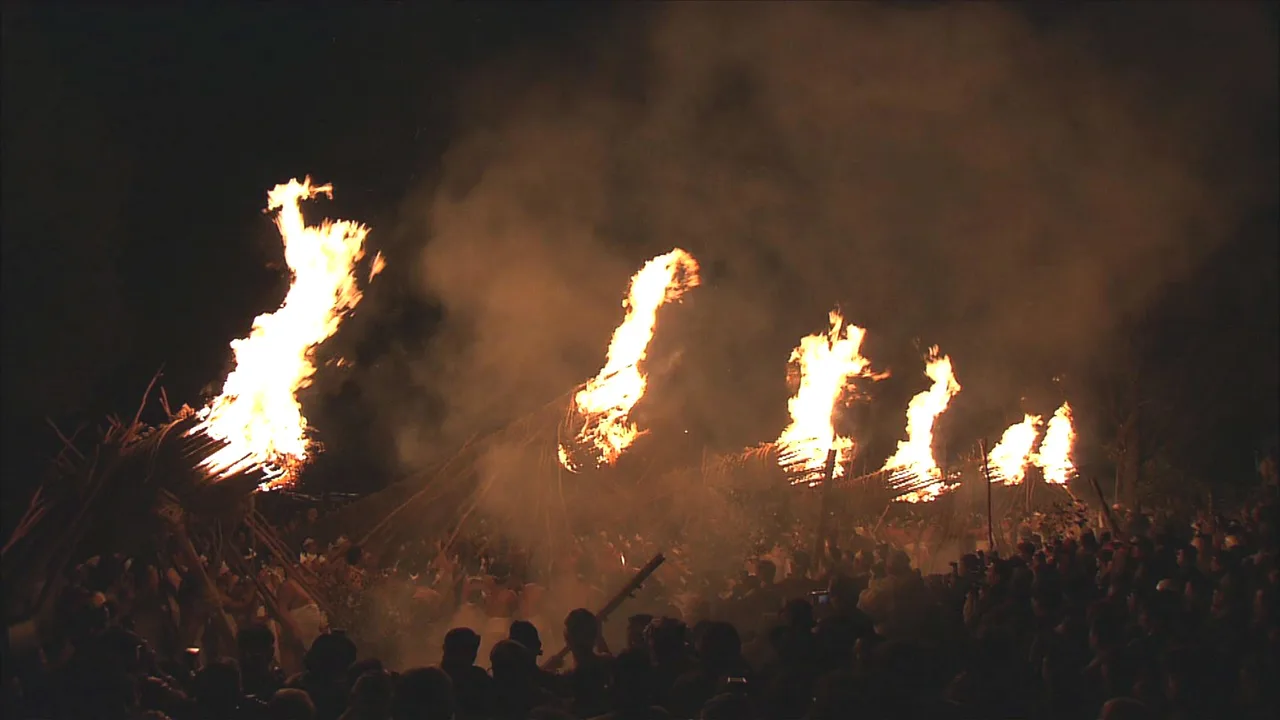 Jan 7Oniyo Fire Festival at Daizenji Tamataregu Shrine
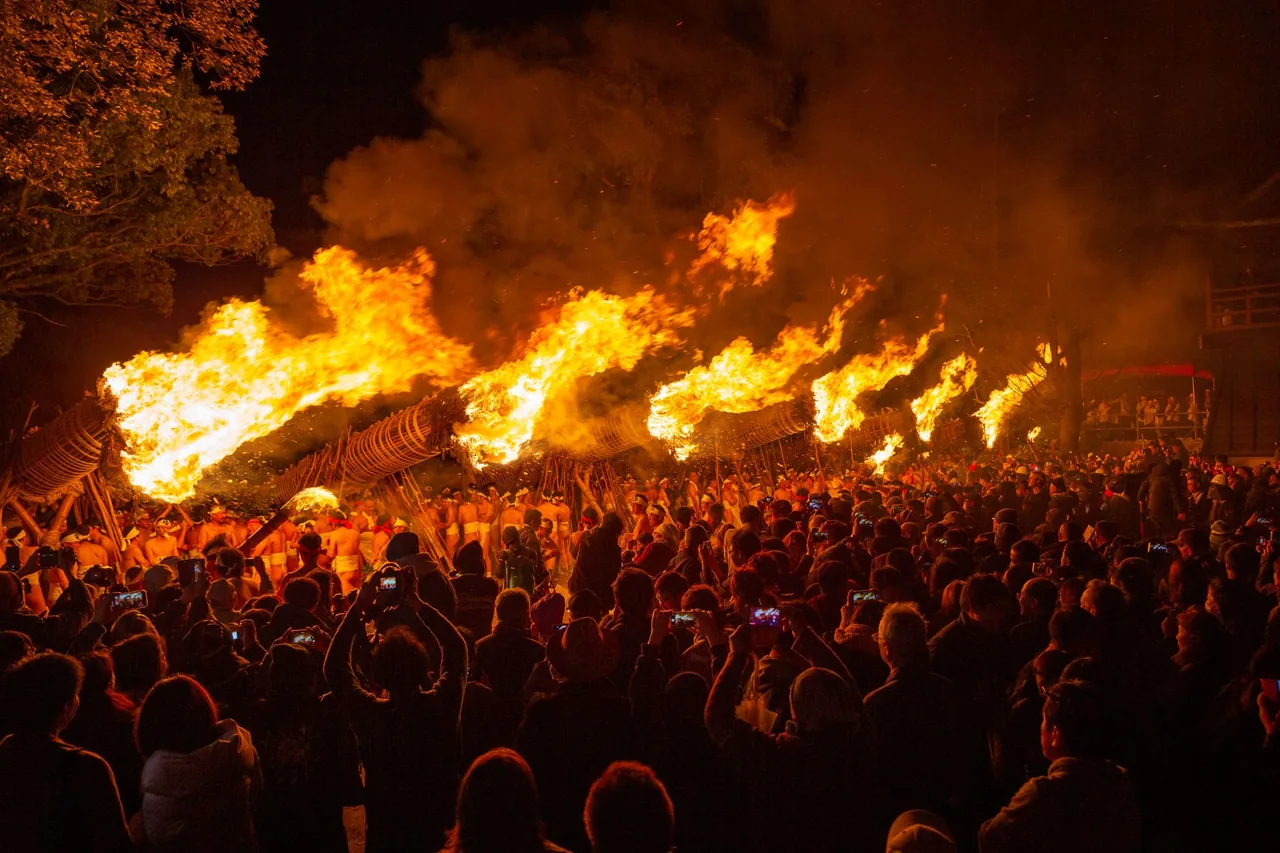 Jan 7Usokae and Onisube Rituals at Dazaifu Tenmangu
Find on the map
Choose a numbered circle to zoom in there; choose a name to open the area's page.
This page is translated from the Japanese edition. Read the Japanese edition
What is the area like?
Mt. Hiko, rising on the border of Fukuoka and Oita, has long been a sacred mountain of Shugendo where yamabushi mountain ascetics trained, and is counted among Japan's three great Shugendo mountains. The halls of Hikosan Jingu Shrine and the garden of a former yamabushi lodging remain on the mountain, and climbing the approach you get a sense of its long history as a mountain of faith.
West of Mt. Hiko, Koishiwara in Toho Village has been a pottery village since the Edo period. It is known for tobikanna, fine notches cut into pieces as they spin on the wheel, and at the pottery museum you can learn the techniques before choosing pieces of your own.
Both are in the mountains: buses to Mt. Hiko are infrequent, and Koishiwara is hard to reach by public transport. Decide before you set out whether to drive and see both, or to focus on Mt. Hiko and plan around the bus times, and the day becomes much easier to put together.
The sights on Mt. Hiko cluster around the Hoheiden, which is also the starting point of the trail to the upper shrine on the summit. The Former Kamejakubo Garden is within walking distance of the Hoheiden, so you can visit the shrine and the garden one after the other.
Main sights
Hikosan Jingu Shrine Hoheiden
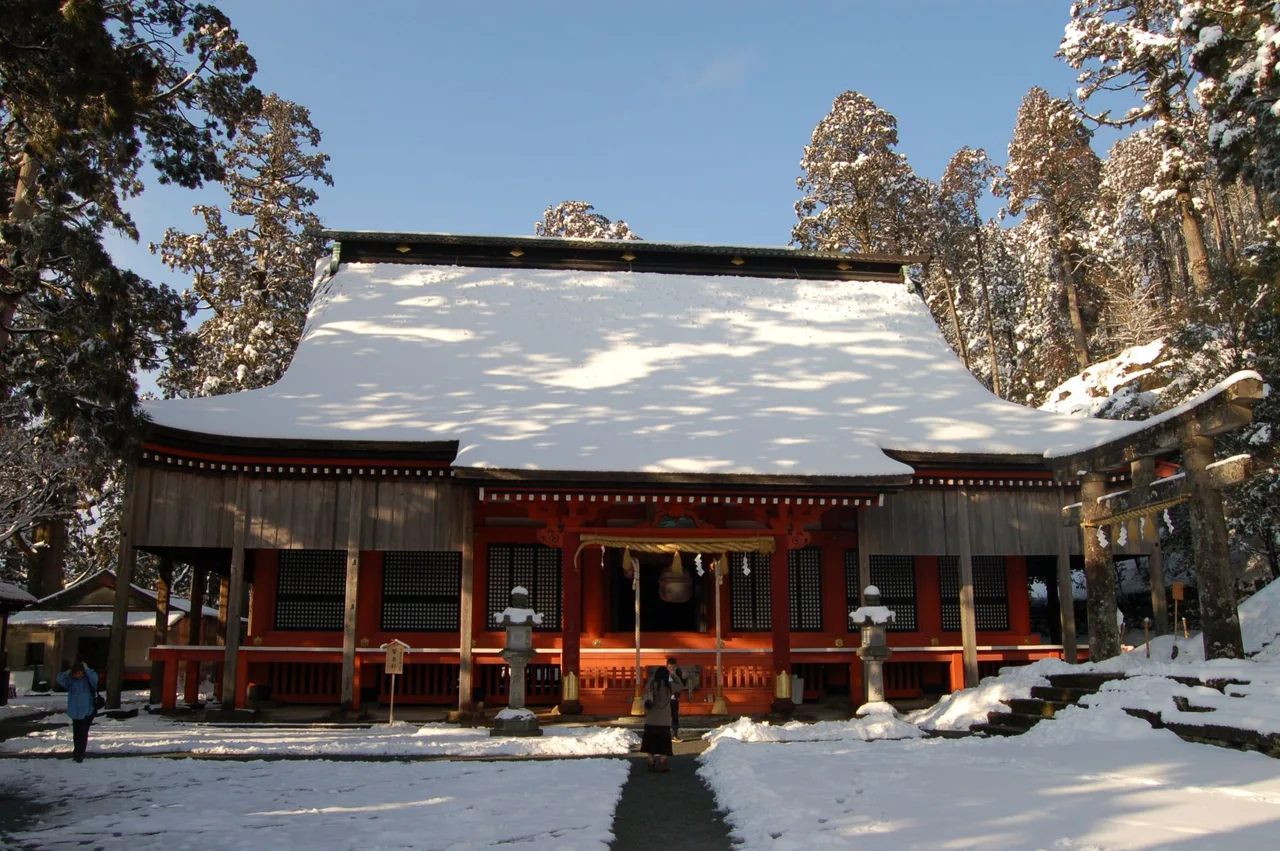
The central hall of Hikosan Jingu Shrine. The present building was rebuilt in 1616 by Hosokawa Tadaoki, lord of Kokura. It is a national Important Cultural Property, and trails to the upper shrine on the summit begin here. A steep approach leads up to the Hoheiden, but a slope car takes you there without climbing it, so visitors who find hills hard can still pay their respects. See Hikosan Jingu Shrine Hoheiden for details.
Former Kamejakubo Garden
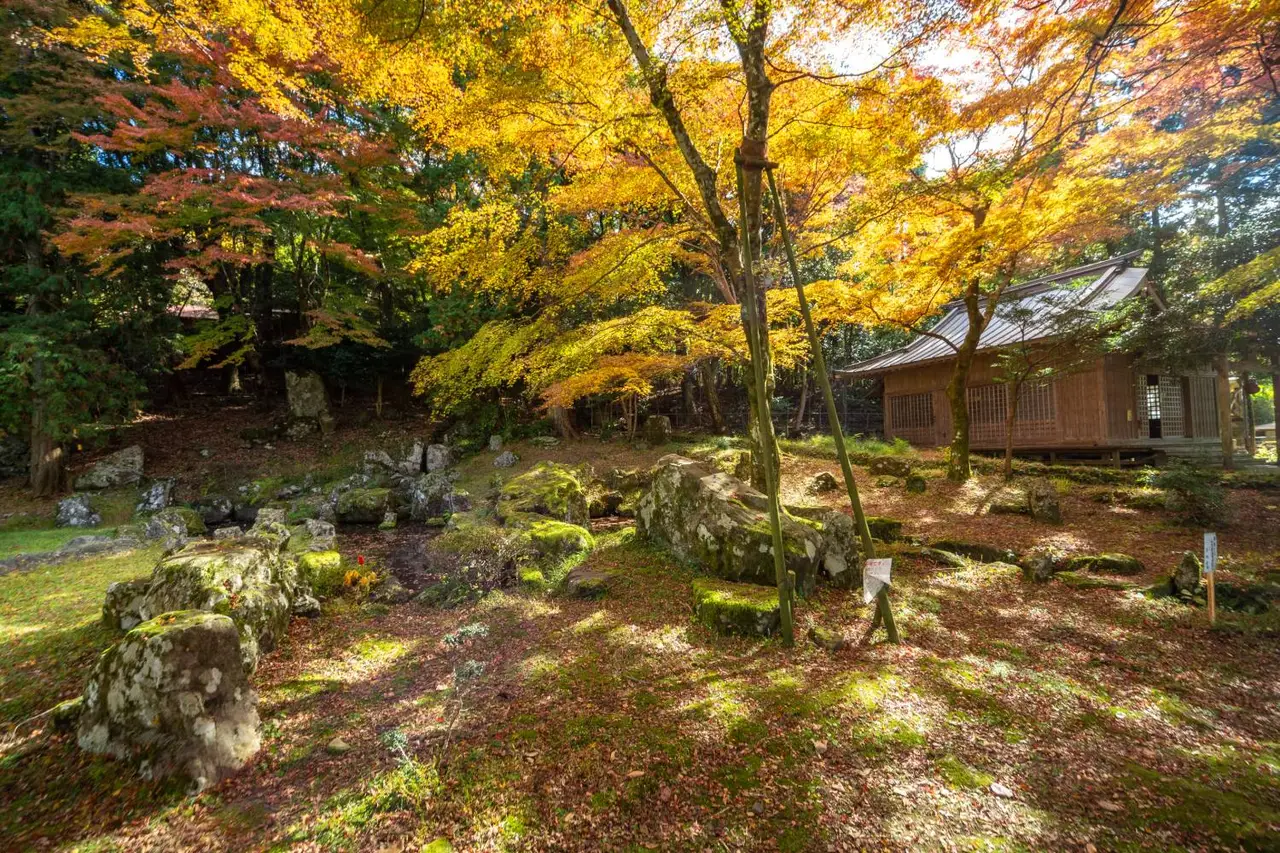
A garden at Kamejakubo, once a lodging for Mt. Hiko's yamabushi, said to have been made by Sesshu, the Muromachi-period painter-monk. Stones are set around a pond in a viewing garden that makes use of the mountain slope, and it is a national Place of Scenic Beauty. In autumn the trees around it turn red and gold. Check Soeda Town's information beforehand on whether and when you can visit. See Former Kamejakubo Garden for details.
Koishiwara Pottery Traditional Industry Hall
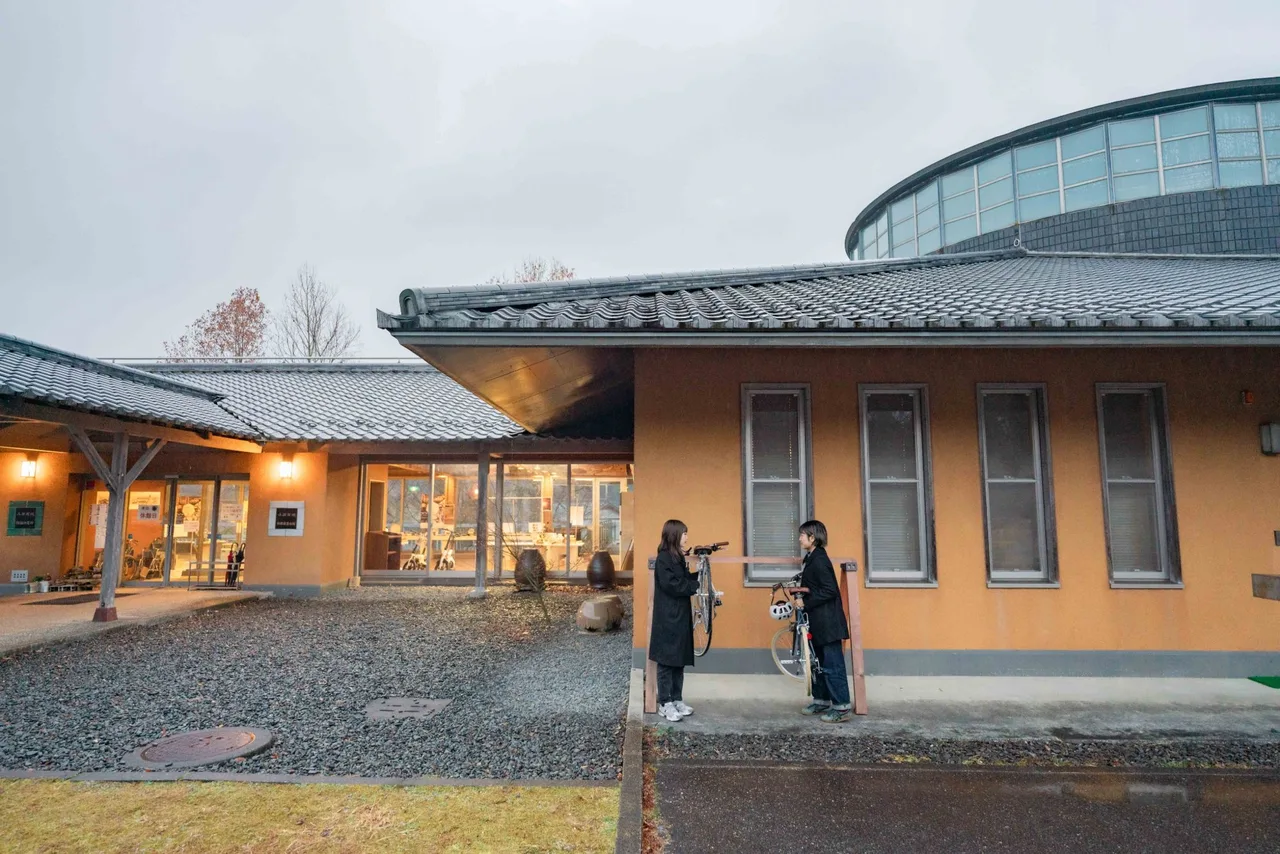
A museum introducing the history and techniques of Koishiwara ware. Koishiwara ware is a nationally designated Traditional Craft known for tobikanna and hakeme, patterns made with a brush, and work from the village's kilns is displayed in the hall. Pottery workshops are available by reservation. To learn about Fukuoka's other crafts as well, see our feature on Fukuoka traditional crafts. See Koishiwara Pottery Traditional Industry Hall for details.
Food and shopping
The approach to the shrine on Mt. Hiko is not a place for wandering in search of somewhere to eat. On days you travel by bus, eat before you change buses or bring drinks and snacks with you, so you are not hunting for food while keeping an eye on the bus times.
Koishiwara is where shopping comes into its own. Compare work from different kilns at the Traditional Industry Hall to find the style you like before choosing pieces, and the choice becomes easier. The fine notches of tobikanna and the brush marks of hakeme are easy to tell apart when you compare them up close. Reading the explanations of the techniques in the exhibits before looking at the work gives you something to go on when choosing. The hall is next to Michi-no-Eki Koishiwara roadside station, so it makes a good break on a drive. Each spring and autumn the whole village holds a pottery fair, the Mintou Mura Matsuri.
Getting there
- Hikosan Jingu Shrine Hoheiden: from Hikosan Station on the Hitahikosan Line BRT, take the town bus about 25 minutes to Jingu-shita, then walk about 15 minutes.
- Former Kamejakubo Garden: near the Hoheiden, within walking distance of it.
- Koishiwara Pottery Traditional Industry Hall: public transport is limited, so a car is the easiest way. About 20 minutes by car from the Haki Interchange on the Oita Expressway.
Buses to Mt. Hiko are infrequent, so check the times for both directions before you go. You can also drive to Mt. Hiko.
Getting around the area
On days you go by bus, focus on Mt. Hiko. From Jingu-shita, climb the approach to the Hoheiden, then walk to the nearby Former Kamejakubo Garden. The approach is steep, so you can also ride the slope car up and walk the approach on the way down. If you plan to climb to the upper shrine on the summit, go with proper hiking gear and plenty of time.
With a car you can combine Mt. Hiko and Koishiwara in a day. Walk Mt. Hiko in the morning and head to Koishiwara in the afternoon for the Traditional Industry Hall, and you will not have to carry your new pottery up and down the approach. In autumn, the foliage at the Former Kamejakubo Garden is also at its best.
From the same Haki Interchange used for Koishiwara, you can also reach Ukiha, with its white-walled townscape and cherry tree avenue.
Sights in Mt. Hiko & Koishiwara
Recommended hotels in Mt. Hiko & KoishiwaraPR
See prices and availability for hotels in Fukuoka and book on our partner Trip.com.
See hotels in Fukuoka on Trip.com