
Omuta
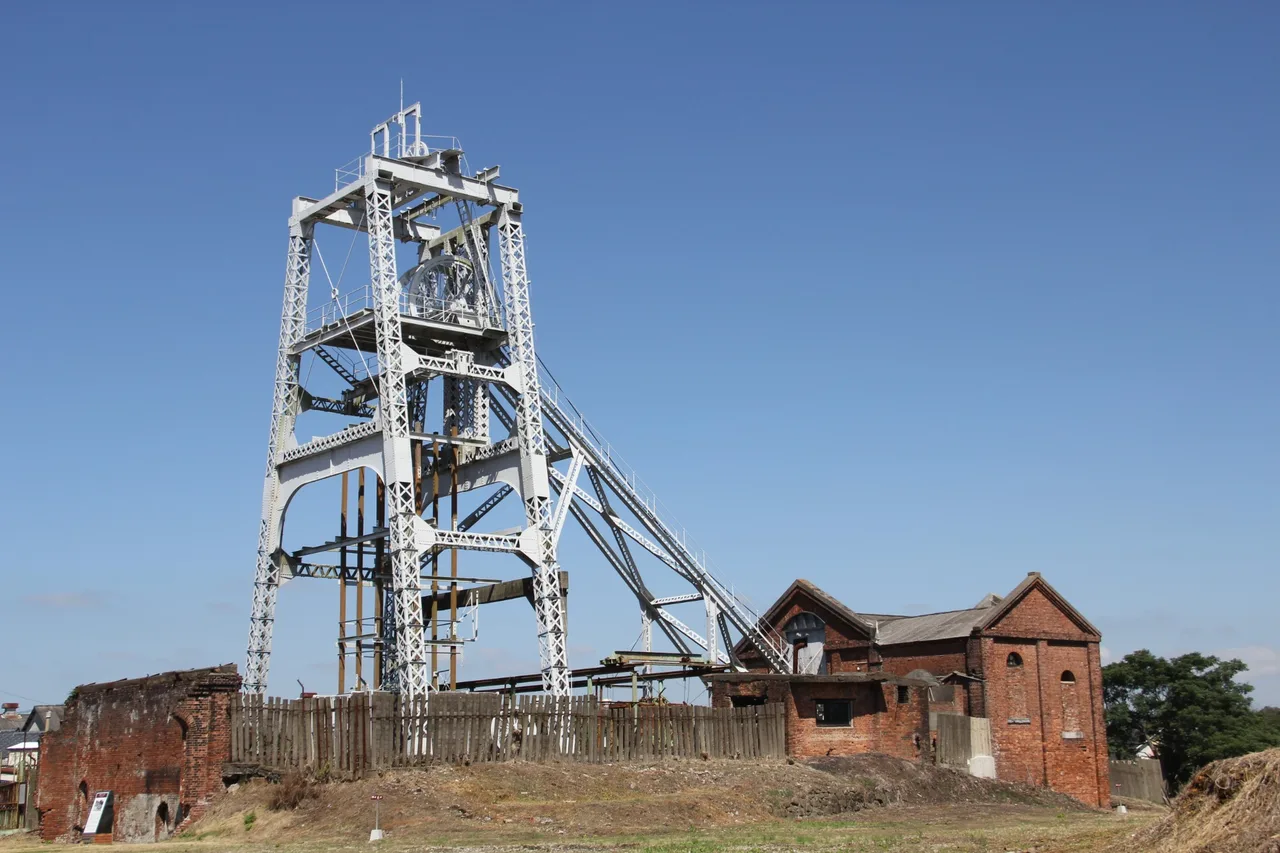
Photo: ©Fukuoka Prefecture Tourism Association
Areas of Fukuoka
Omuta
Omuta, a city built on the Miike coal mines: World Heritage Miyanohara Pit and Miike Port, the Coal Industry and Science Museum and the July Daijayama Festival.
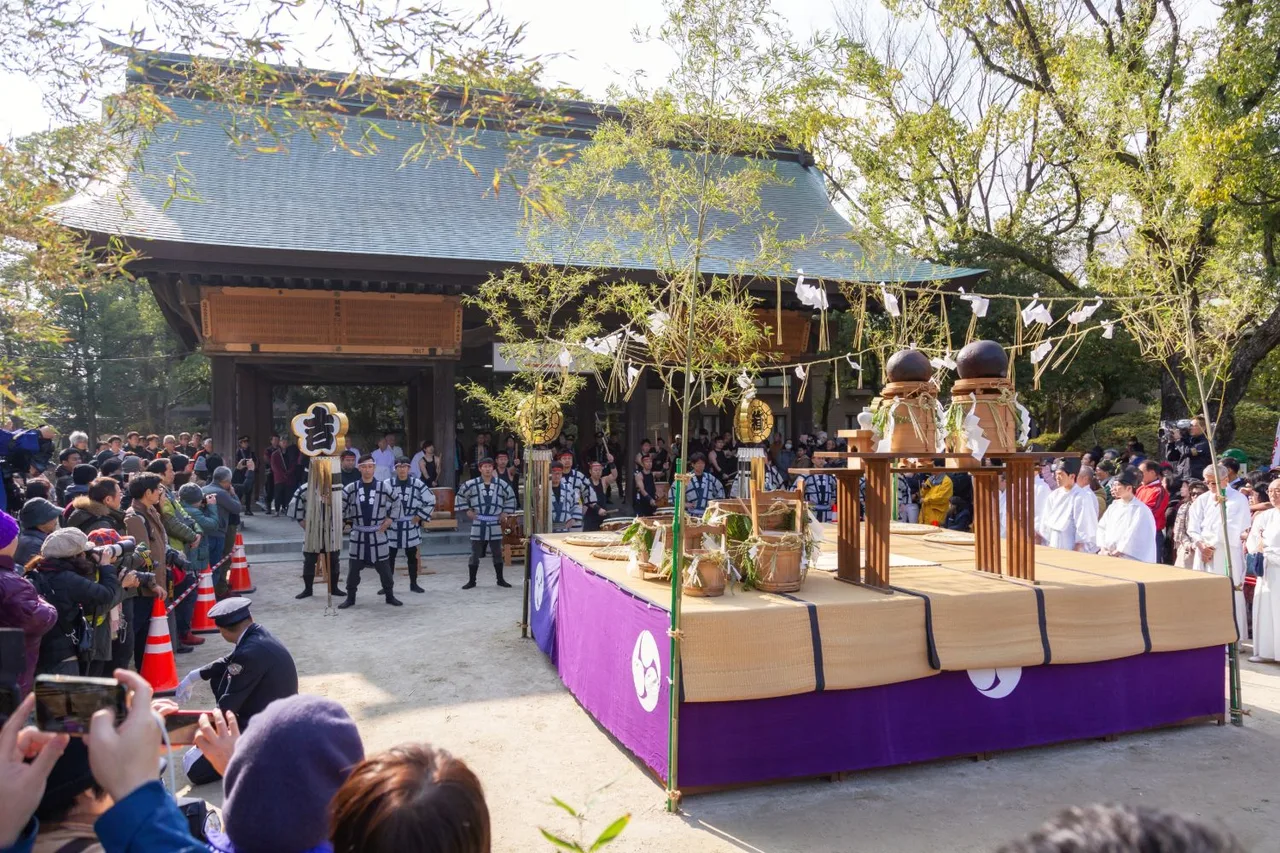 Jan 3Hakozakigu Tamatori Festival (Tamaseseri)
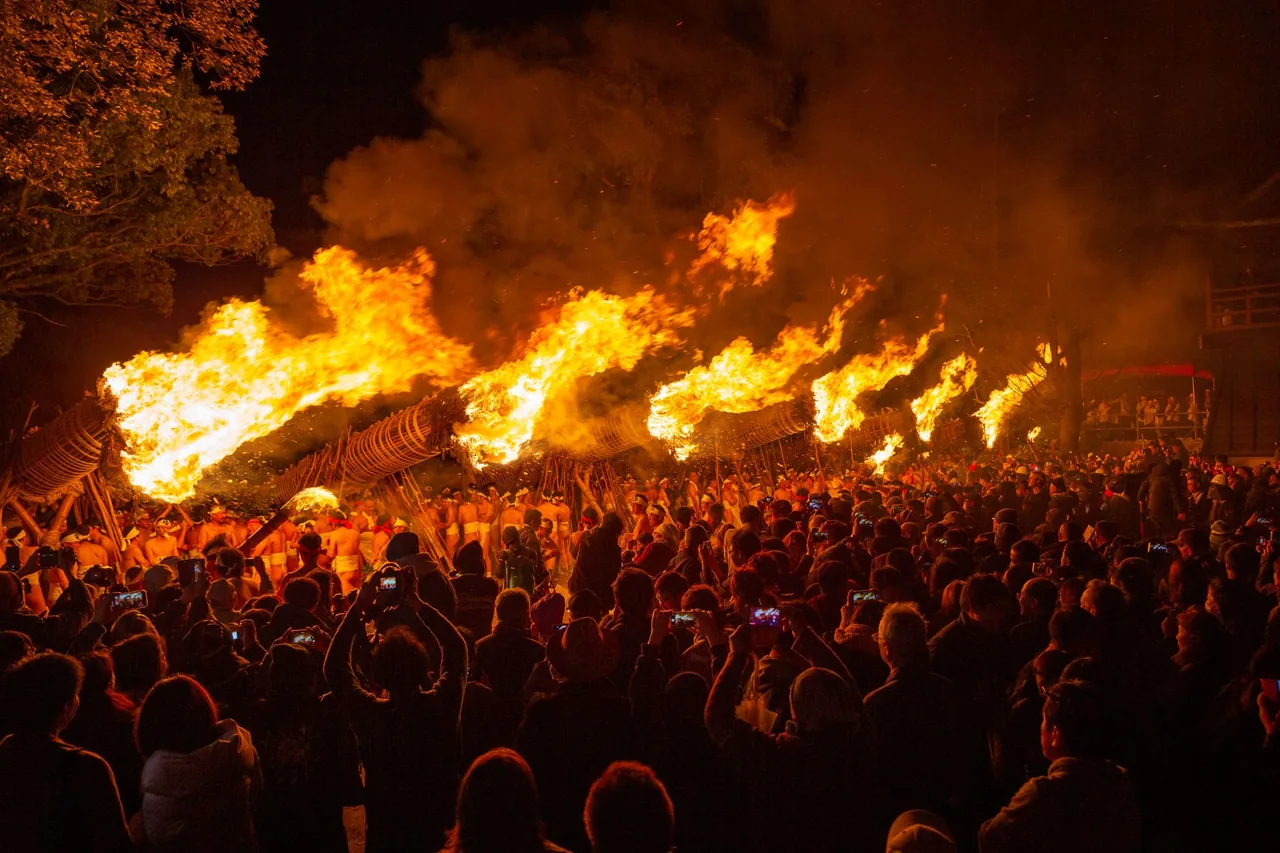
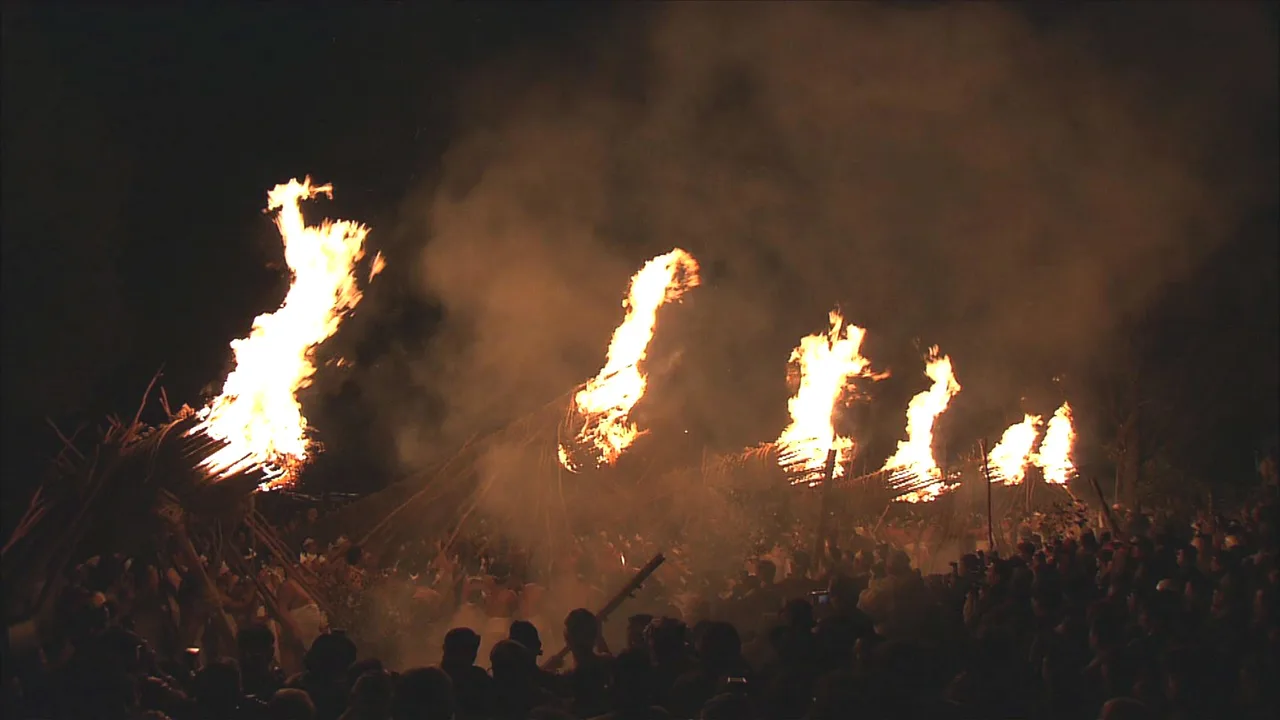 Jan 7Oniyo Fire Festival at Daizenji Tamataregu Shrine
 Jan 7Usokae and Onisube Rituals at Dazaifu Tenmangu
Find on the map
Choose a numbered circle to zoom in there; choose a name to open the area's page.
This page is translated from the Japanese edition. Read the Japanese edition
What is the area like?
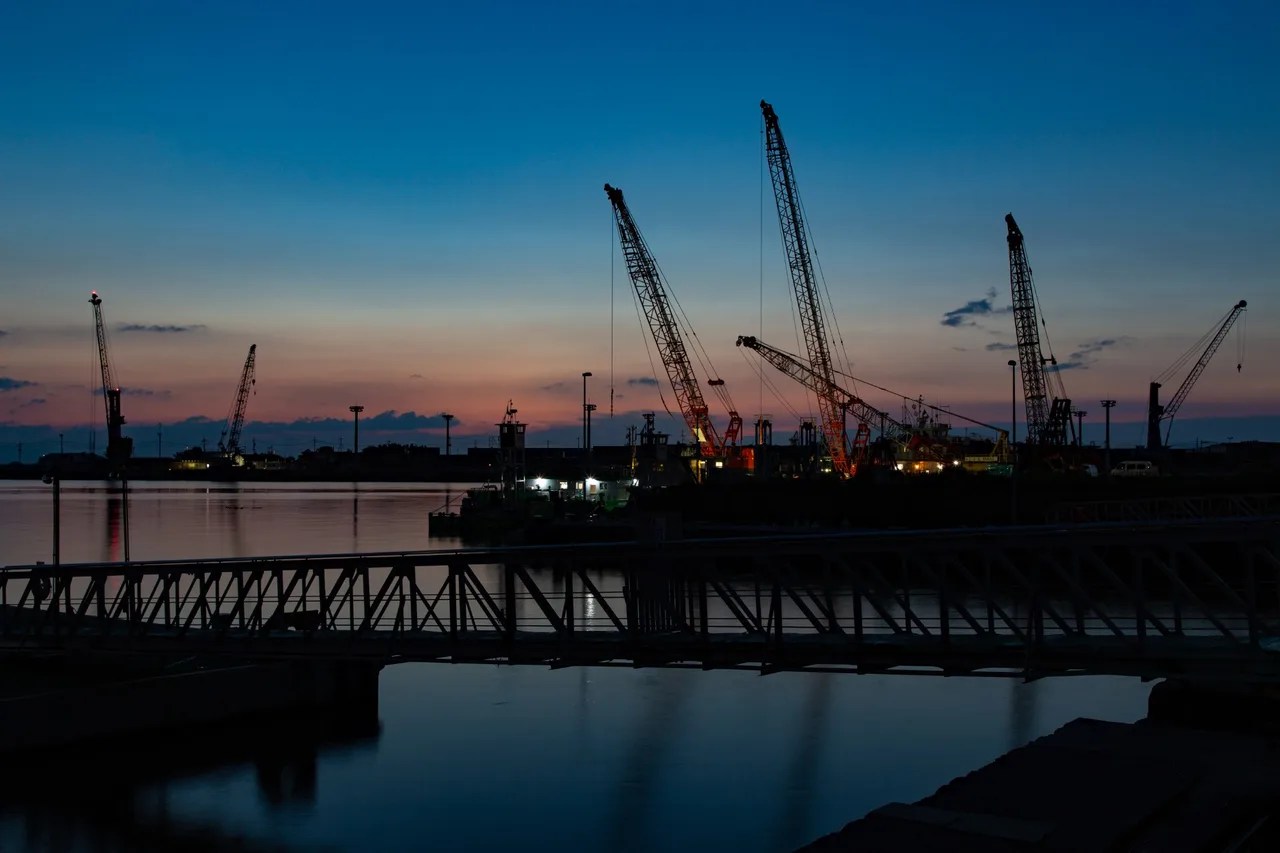
A steel headframe rises toward the sky, and in the port facing the Ariake Sea a lock gate still stands. Omuta is a city that prospered along with the Mitsui Miike coal mines.
Miyanohara Pit and Miike Port are components of the World Heritage site Sites of Japan's Meiji Industrial Revolution. The remains of a shaft entrance where coal was dug and the port that shipped that coal out both survive in the same city. Visit both and you can follow, step by step, how coal was brought up from underground and carried out to sea.
You can learn the history and technology of the coal industry at the Omuta City Coal Industry and Science Museum. In summer comes the Daijayama Festival, when fire-breathing serpent floats parade through town, filling the streets with an energy quite different from the quiet industrial heritage.
Omuta Station, served by the JR Kagoshima Main Line and the Nishitetsu Tenjin Omuta Line, is the starting point for every sight.
Main sights
Miyanohara Pit, Miike Coal Mine
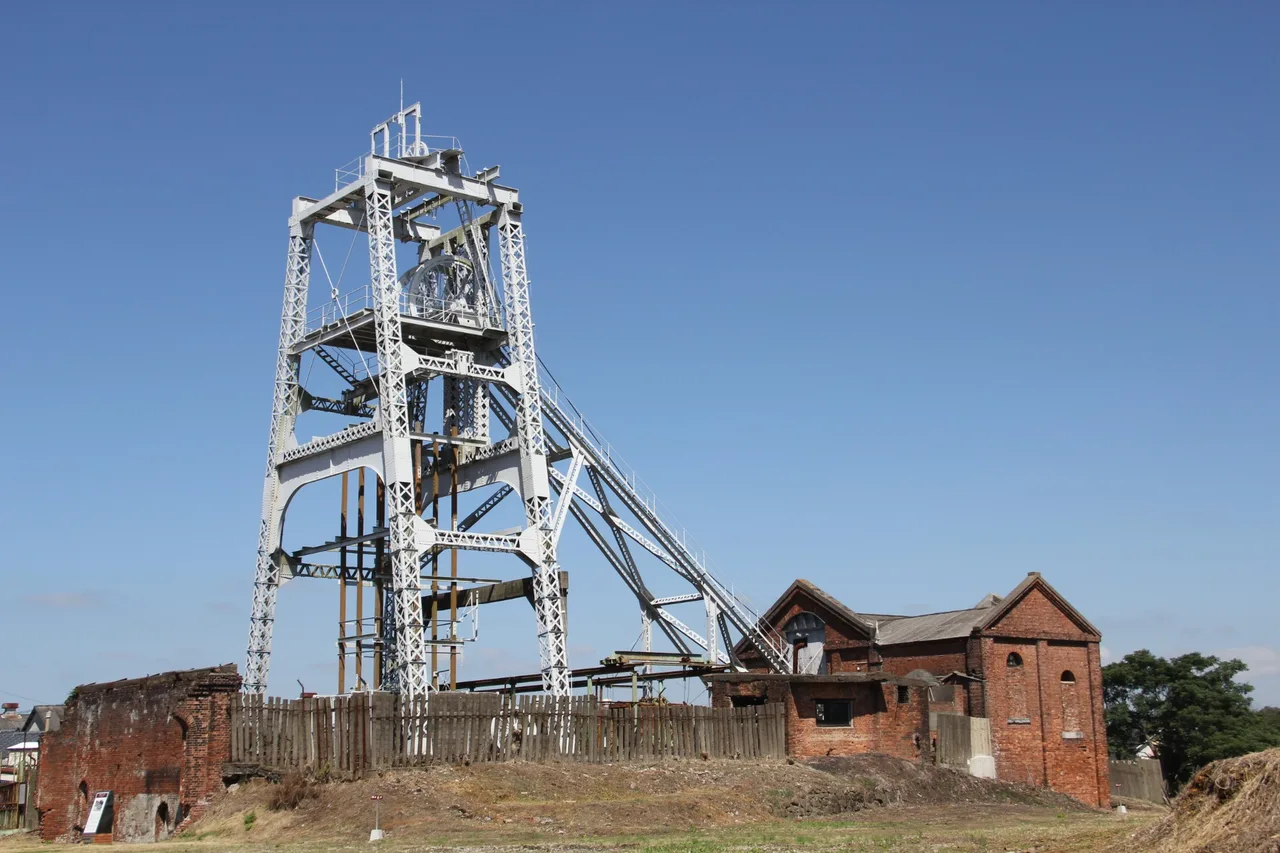
The remains of a shaft entrance of the Mitsui Miike coal mines, and a component of the World Heritage site. The steel headframe and winding house of the No. 2 shaft, completed in 1901, still stand and are national Important Cultural Properties.
The tall headframe tells the story of Omuta, a city that prospered on coal. Admission is free, but check Omuta City's information for opening days and hours before you go. See Miyanohara Pit, Miike Coal Mine for details.
Miike Port
A port opened in 1908 to ship coal from the Mitsui Miike coal mines, and a component of the World Heritage site. So that ships could come and go on the Ariake Sea with its huge tidal range, a lock gate keeps the water level in the dock steady, and it is still in use today.
The lookout over the port is a famous sunset spot. For about ten days each November and January, the sun sets in line with the shipping channel, creating a "Path of Light." Check Omuta City's information for the dates and when the lookout is open. See Miike Port for details.
Omuta City Coal Industry and Science Museum
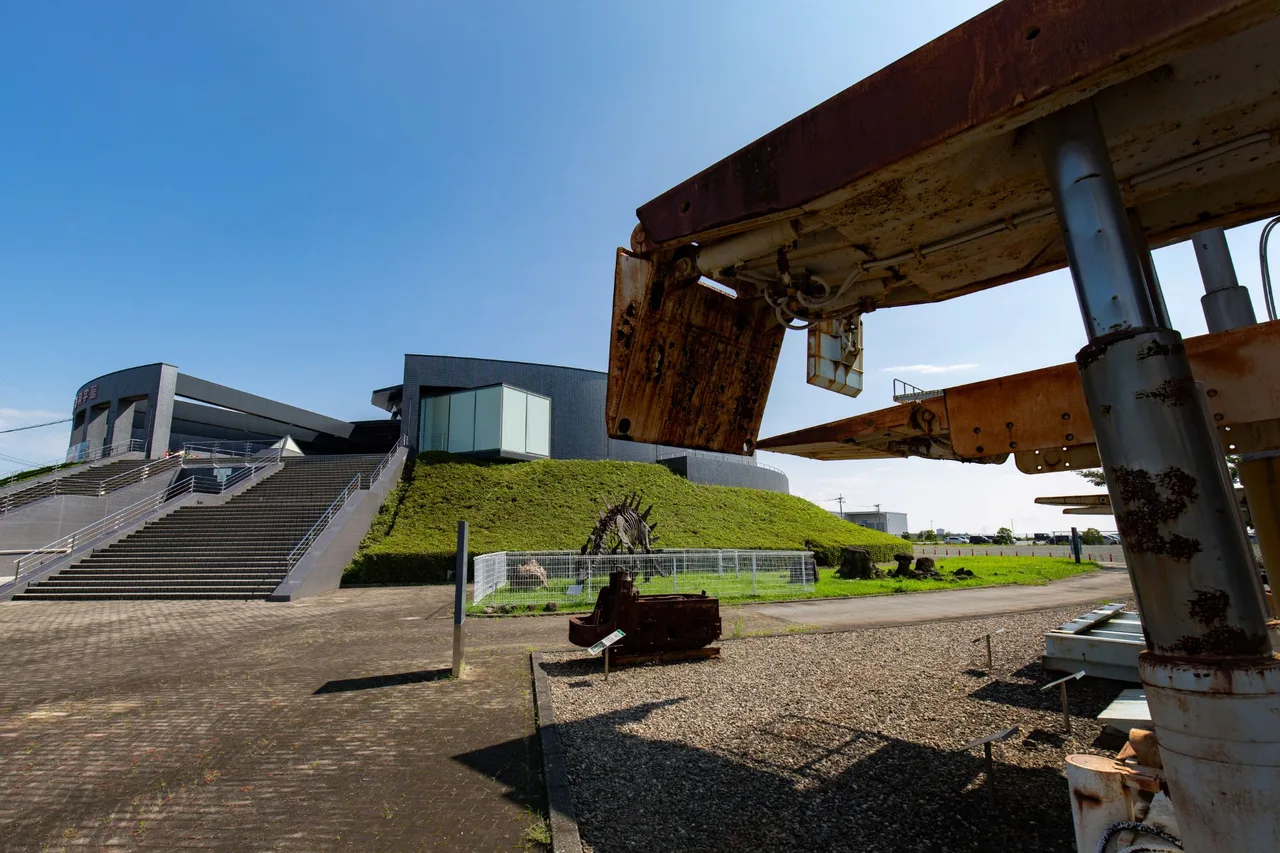
A museum on the history and technology of the coal industry, centered on the Miike coal mines. In the Dynamic Tunnel, a recreation of a mine shaft 400 meters underground, you can see large mining machines that were actually used and learn how coal was dug.
Stop here before visiting Miyanohara Pit and Miike Port and the roles of the headframe and the port become easier to grasp. Check the official information for opening days and hours. See Omuta City Coal Industry and Science Museum for details.
Omuta Daijayama Festival
Omuta's summer festival, usually held around a weekend in late July. Its stars are the daijayama, giant serpent floats about 10 meters long and weighing about 3 tons, which breathe fire and smoke as they parade through town to drums and bells.
In a custom called kamase, children are briefly placed in the serpent's mouth to pray for good health. Check the announcements by Omuta City and the organizers for the dates. See Omuta Daijayama Festival for details.
Food and shopping
For meals and shopping, look around Omuta Station, the starting point for every sight, so you can fit them into your travel between stops. Miyanohara Pit and Miike Port are places for sightseeing, so sort out your meal plans before you leave the station.
The bus to the Coal Industry and Science Museum stops at Aeon Mall, so you can also make time for a meal or shopping before or after your visit. During the Daijayama Festival, the area around the venue bustles with festival crowds.
Getting there
- Miyanohara Pit: about 10 minutes by car from Omuta Station (JR Kagoshima Main Line and Nishitetsu Tenjin Omuta Line).
- Miike Port: about 10 minutes by bus from Omuta Station to Mikawamachi 1-chome, then about a 10-minute walk.
- Omuta City Coal Industry and Science Museum: take a Nishitetsu bus from Omuta Station to the Aeon Mall stop, then walk about 8 minutes.
- Omuta Daijayama Festival: about a 5-minute walk from Omuta Station to the main venue, Taisho-machi Omatsuri Hiroba.
From central Fukuoka, you can reach Omuta Station on the JR Kagoshima Main Line from Hakata Station or on the Nishitetsu Tenjin Omuta Line from Tenjin.
Getting around the area
Start by taking the bus from Omuta Station to the Coal Industry and Science Museum, learn how coal was dug in the Dynamic Tunnel, then go to see the headframe at Miyanohara Pit. Miyanohara Pit is about 10 minutes by car from Omuta Station, so combining your trip with a taxi or similar makes it easier.
Finish at Miike Port, where the coal that was dug up was shipped out. During the "Path of Light" season, check when the lookout is open and arrive in the evening to watch the sun set over the port and its lock gate. Check Miyanohara Pit's opening days and hours and the museum's opening days before you go.
During the Daijayama Festival in late July, you can tour the industrial heritage by day and then wait for the serpent floats in the evening at the venue, a short walk from the station. Kurume, also on the Nishitetsu Tenjin Omuta Line, combines well with Omuta for a trip around the Chikugo region.
Sights in Omuta
Recommended hotels in OmutaPR
See prices and availability for hotels in Fukuoka and book on our partner Trip.com.
See hotels in Fukuoka on Trip.comFukuoka guides
See all
More areas of Fukuoka
- Around Hakata Station
- Hakozaki
- Tenjin
- Nakasu & Canal City
- Hakata Port Bayside
- Ohori Park & Maizuru Park
- Seaside Momochi
- Nokonoshima Island
- Dazaifu
- Uminonakamichi & Shikanoshima
- Itoshima
- Yanagawa
- Sasaguri
- Mojiko
- Kokura
- Yahata, Tobata & Wakamatsu
- Munakata & Fukutsu
- Iizuka
- Mt. Hiko & Koishiwara
- Asakura & Akizuki
- Ukiha
- Kurume
- Yame