
Yame
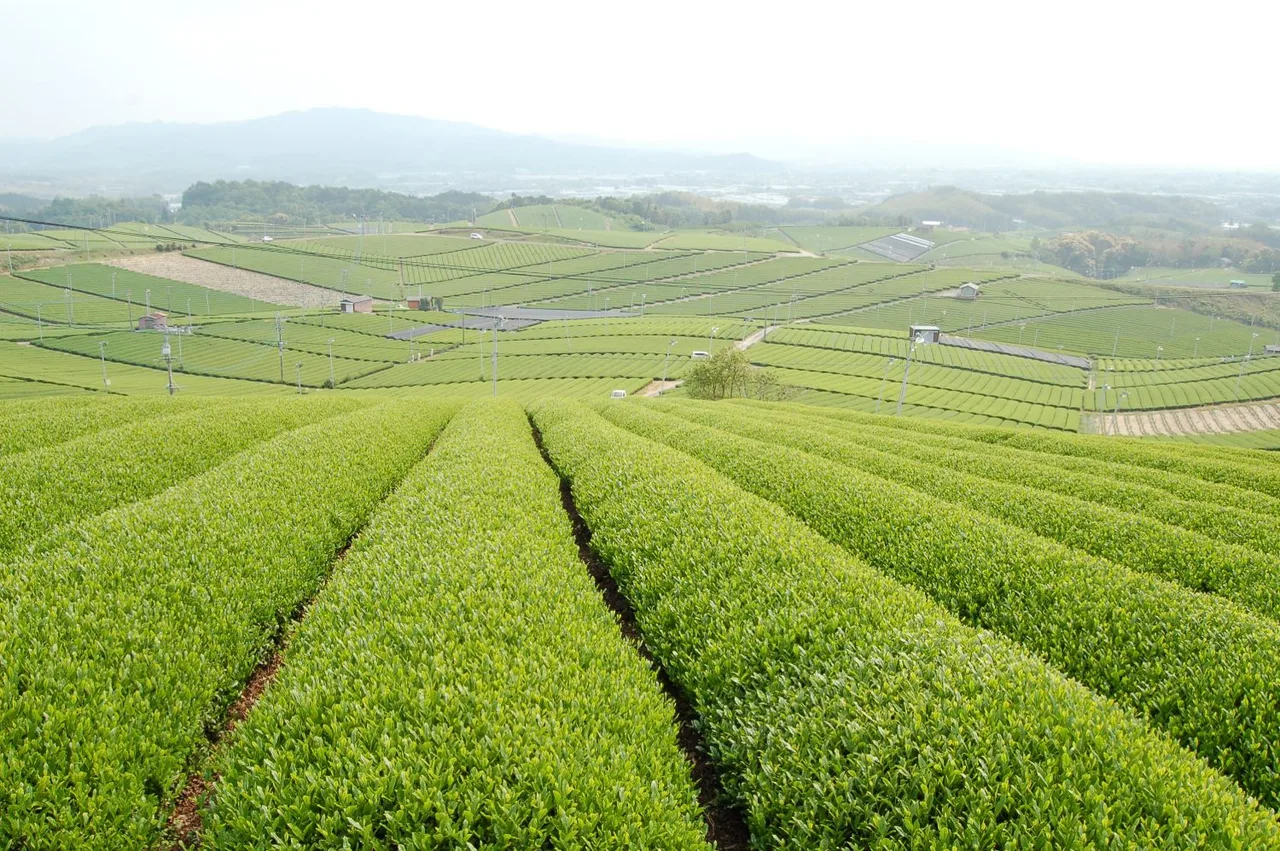
Photo: ©Fukuoka Prefecture Tourism Association
Areas of Fukuoka
Yame
Yame, home of premium Yame tea: the white-walled Fukushima townscape, the hilltop Yame Central Tea Plantation, the Great Wisteria of Kurogi and Yame lanterns.
 Jan 3Hakozakigu Tamatori Festival (Tamaseseri)
 Jan 7Oniyo Fire Festival at Daizenji Tamataregu Shrine
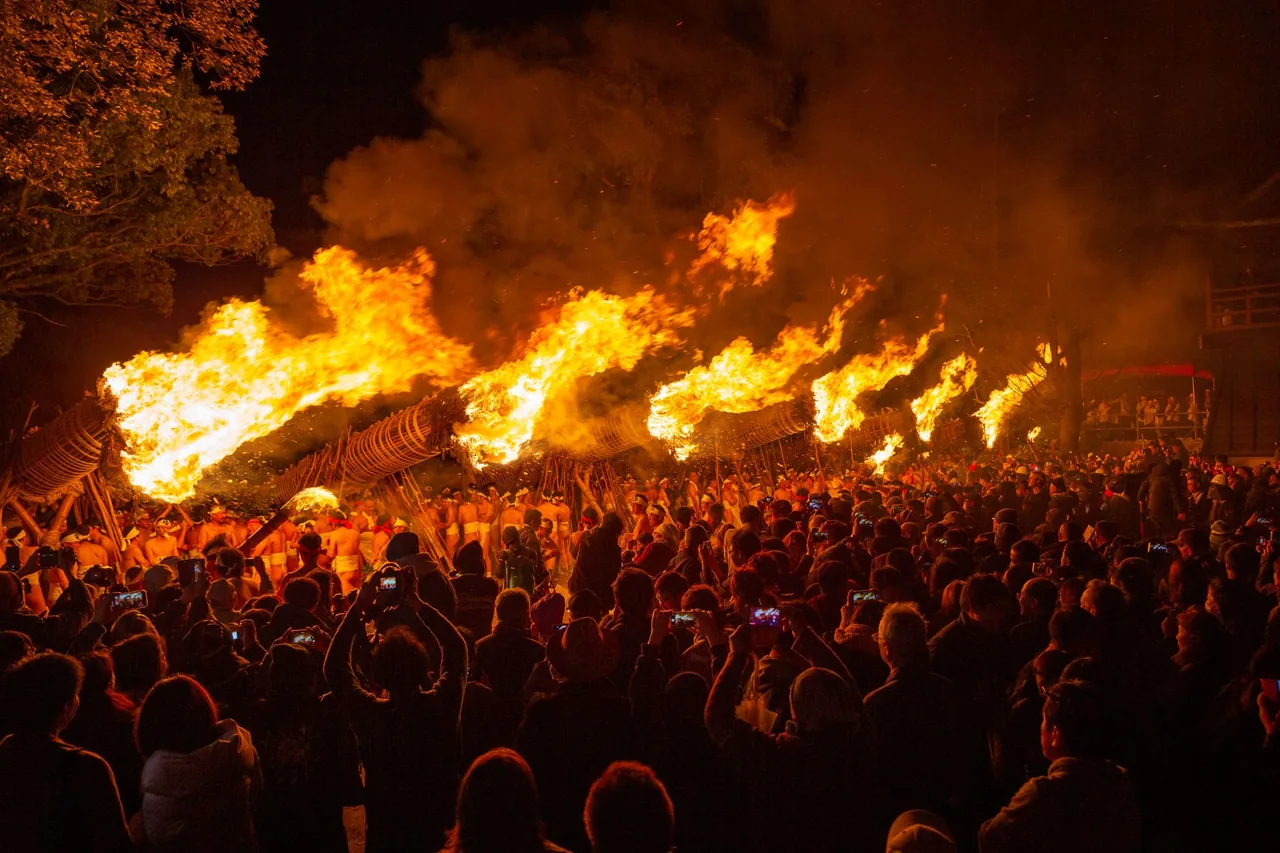 Jan 7Usokae and Onisube Rituals at Dazaifu Tenmangu
Find on the map
This page is translated from the Japanese edition. Read the Japanese edition
What is the area like?
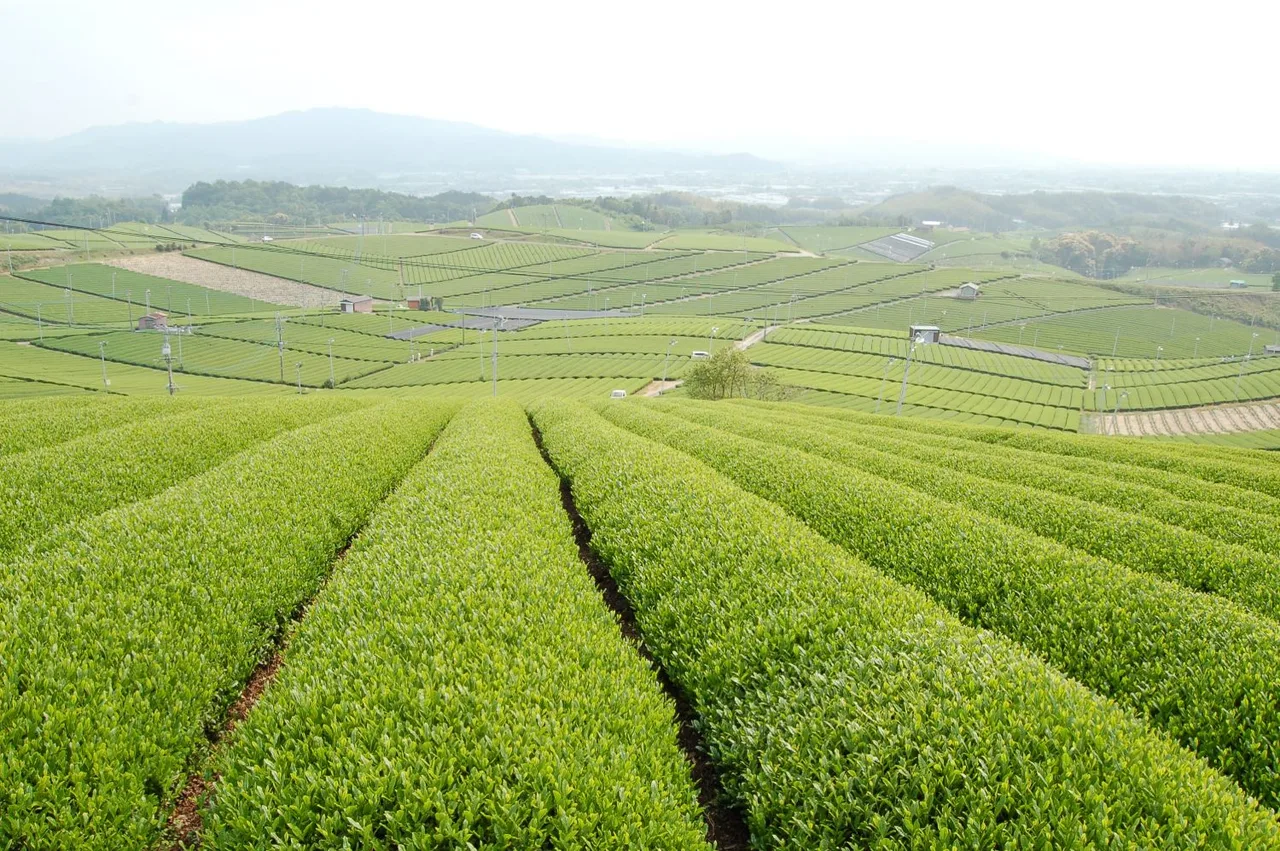
Yame is the home of Yame tea, known as a premium green tea. Neatly clipped rows of tea bushes run right up to the hilltops, with the Chikugo Plain spreading out beyond.
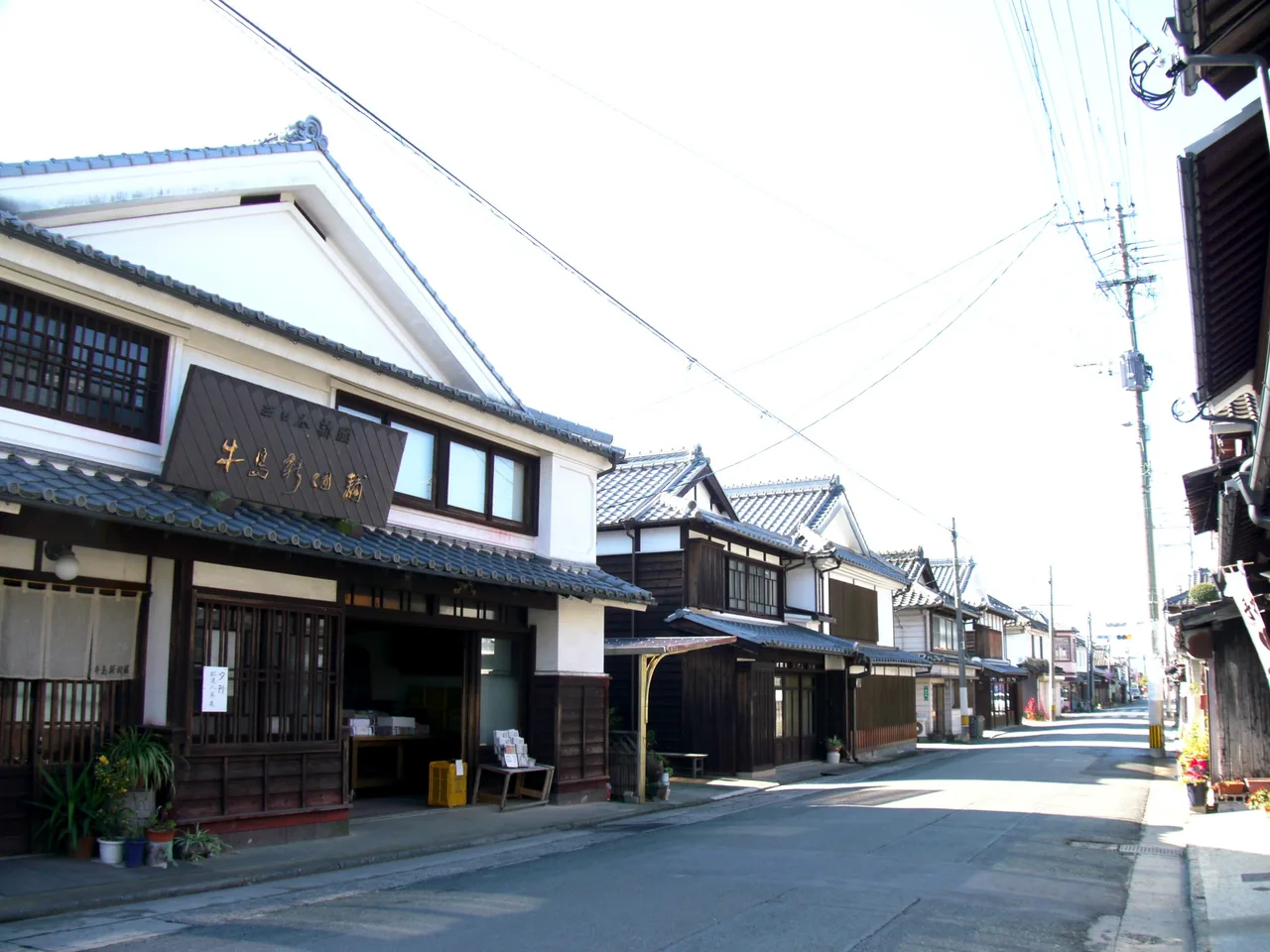
In the center of town, a streetscape of merchant houses dating back to the Edo period survives. Yame's traditional crafts, such as Buddhist altars and paper lanterns, line the shopfronts of the white-walled townhouses, and simply walking the streets shows how closely life here has been tied to handcraft.
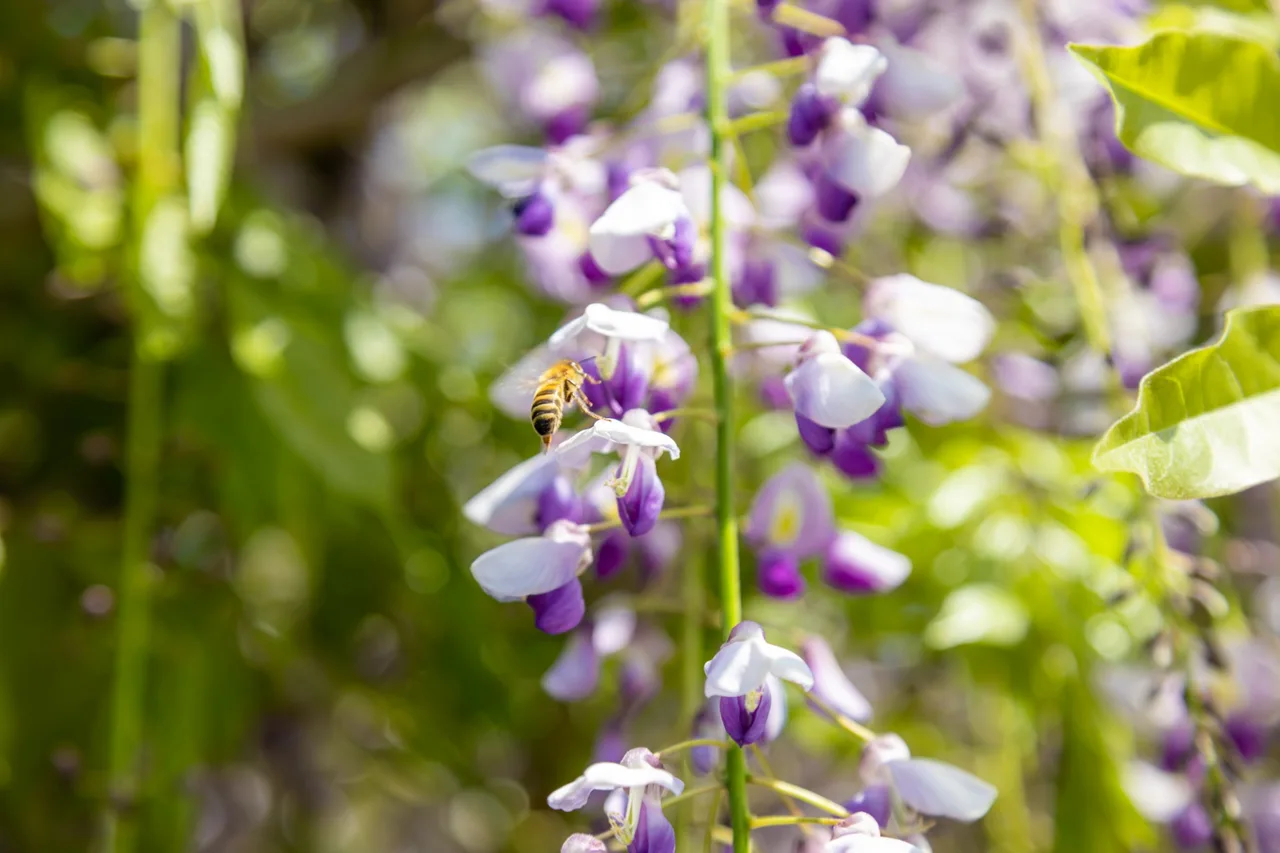
In the Kurogi district of the city grows a wisteria said to be more than 600 years old. The cherry blossoms at the tea plantation lookout usually bloom from late March to early April, and the Kurogi wisteria festival usually runs from mid-April to early May, so in spring one bloom follows another.
The three sights are scattered across the city, and the tea plantation is hard to reach by public transport. Plan on driving and you can get around without wasted time.
Main sights
Yame Fukushima White-Walled Townscape
A district in central Yame where merchant houses dating back to the Edo period still line the streets; it is a national Preservation District for Groups of Traditional Buildings. After repeated great fires, the town filled with fire-resistant white-walled houses built in the earthen storehouse style known as iguradukuri.
Many shops sell Yame's traditional crafts such as Buddhist altars and paper lanterns, and you can admire the architecture as you stroll. Look at the white storehouse-style walls as you walk and you can see how the town prepared itself against fire. See Yame Fukushima White-Walled Townscape for details.
Yame Central Tea Plantation
A hilltop spread of tea fields, the kind of scenery you would expect in the home of Yame tea. From the lookout on top you see the neat, clipped rows of tea bushes and the Chikugo Plain beyond.
Cherry trees grow by the lookout, so from late March to early April you can usually enjoy blossoms and tea fields together. There is also a café nearby serving Yame tea, a good place to rest after taking in the view. See Yame Central Tea Plantation for details.
Great Wisteria of Kurogi (Susanoo Shrine)
A wisteria in the grounds of Susanoo Shrine in Kurogi, Yame, said to be more than 600 years old and designated a national Natural Monument. Pale purple clusters, some over a meter long, hang across a trellis of about 3,000 square meters.
The Kurogi Great Wisteria Festival is held while it blooms, usually from mid-April to early May, with illumination at night. Blooming varies by year, so check the official information for dates. See Great Wisteria of Kurogi (Susanoo Shrine) for details.
Food and shopping
Many shops selling Yame's traditional crafts, such as Buddhist altars and paper lanterns, gather in the Fukushima townscape. The Yame Traditional Crafts Center near the old town displays Yame's crafts, including lanterns, Buddhist altars and handmade washi paper, so stopping by during your walk gives context to what you see in the shops. How Yame lanterns are made is covered in our feature on Fukuoka traditional crafts.
To taste Yame tea, the café near Yame Central Tea Plantation is the easy choice. Drinking tea after looking out over the fields connects the cup with what you have just seen. You might also look for Yame tea leaves as a souvenir of your trip.
Getting there
- Yame Fukushima White-Walled Townscape: take a Nishitetsu bus toward Yame from Nishitetsu Kurume Station or elsewhere and get off near Fukushima. By car, about 10 minutes from the Yame Interchange on the Kyushu Expressway.
- Yame Central Tea Plantation: public transport is limited, so a car is the easiest way. About 25 minutes by car from the Yame Interchange on the Kyushu Expressway.
- Great Wisteria of Kurogi: about 30 minutes by car from the Yame Interchange on the Kyushu Expressway. Horikawa buses also run toward Kurogi from Nishitetsu Kurume Station and elsewhere. Parking gets crowded during the festival.
If you are coming by bus, Nishitetsu Kurume Station in Kurume is the starting point.
Getting around the area
All three sights are about 10 to 30 minutes by car from the Yame Interchange on the Kyushu Expressway, so planning around the interchange keeps things simple.
By car, start by walking the white-walled streets of the old town, stop at the Traditional Crafts Center, then head to the tea plantation lookout. Take in the tea fields and the Chikugo Plain, then taste Yame tea at the nearby café. In wisteria season, go on to the Great Wisteria of Kurogi afterward. Parking gets crowded during the festival, so plan to arrive early.
The tea plantation cherry blossoms and the Kurogi wisteria peak at slightly different times. Decide which one will be the highlight of your trip before choosing your dates, and you are less likely to miss the best of it.
Without a car, the realistic option is to take the bus from Nishitetsu Kurume Station to the old town and explore on foot. In wisteria season, you can also take a Horikawa bus to Kurogi. Stop at Suitengu in Kurume on the way back and you have a full day exploring the Chikugo region.
Sights in Yame
Recommended hotels in YamePR
See prices and availability for hotels in Fukuoka and book on our partner Trip.com.
See hotels in Fukuoka on Trip.comFukuoka guides
See all
More areas of Fukuoka
- Around Hakata Station
- Hakozaki
- Tenjin
- Nakasu & Canal City
- Hakata Port Bayside
- Ohori Park & Maizuru Park
- Seaside Momochi
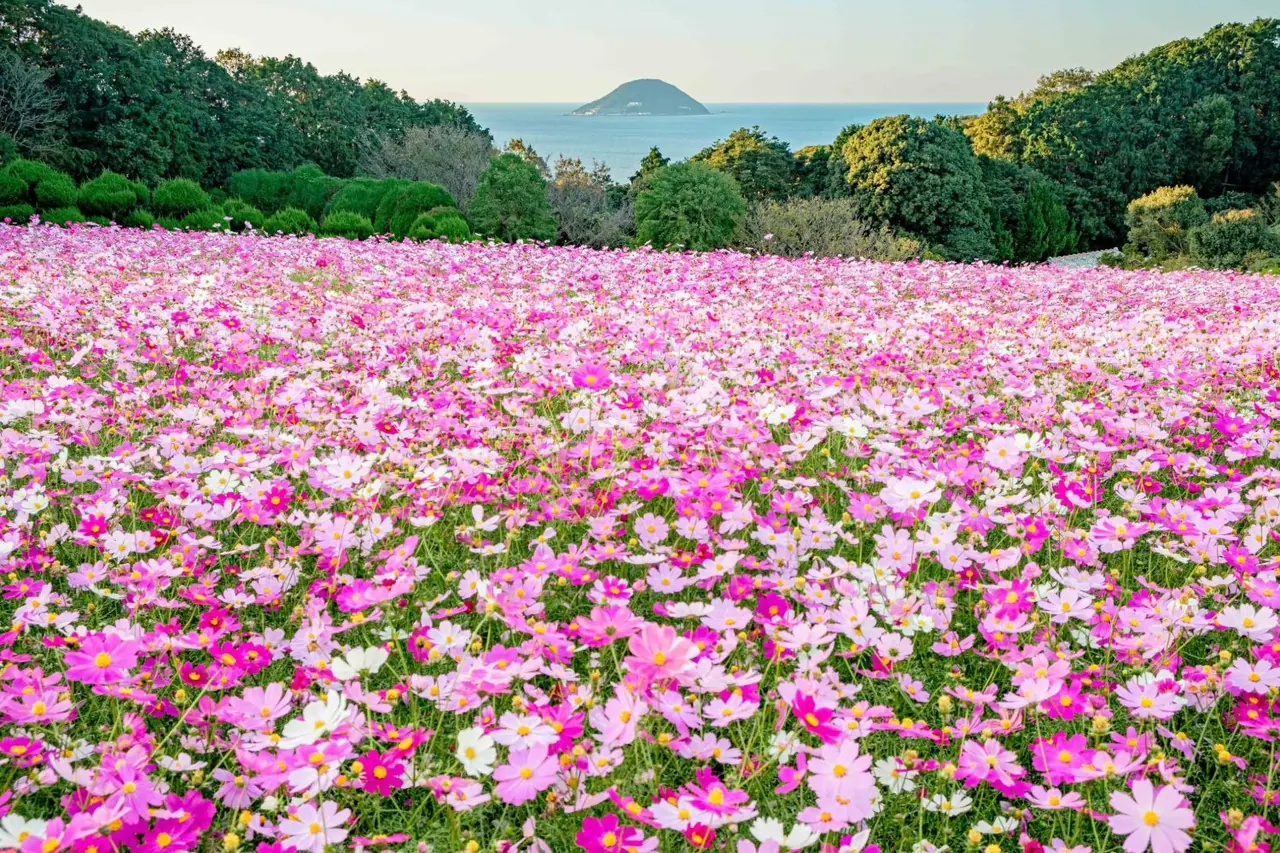
- Nokonoshima Island
- Dazaifu
- Uminonakamichi & Shikanoshima
- Itoshima
- Yanagawa
- Sasaguri
- Mojiko
- Kokura
- Yahata, Tobata & Wakamatsu
- Munakata & Fukutsu
- Iizuka
- Mt. Hiko & Koishiwara
- Asakura & Akizuki
- Ukiha
- Kurume
- Omuta