Gunma Onsen Guide: Kusatsu, Ikaho, Shima, Hoshi or Takaragawa?
This guide is translated from the Japanese edition. Read the Japanese edition
How to choose a Gunma onsen: lively Kusatsu and Ikaho, quiet Shima, and the single-inn spas of Hoshi and Takaragawa, compared by water, mood and access from Tokyo.
Gunma, two to four hours from Tokyo by shinkansen or highway bus, has several famous hot-spring towns. They all have good water, but the water itself, the atmosphere and the journey differ a lot. Do you want to stroll through a hot-spring town, or soak quietly deep in the mountains?
How to choose a Gunma onsen
First, the broad differences.
- For walking around town as well: Kusatsu Onsen and Ikaho Onsen. Shops gather around the Yubatake and the stone steps, and an evening stroll is part of the fun
- For peace and quiet: Shima Onsen. Inns are scattered along a river valley with no busy streets
- For the building or the setting itself: Hoshi Onsen and Takaragawa Onsen, single inns in the mountains where the bathhouse or the open-air baths are the draw
Kusatsu, Ikaho and Shima are sometimes called the three great hot springs of Joshu, the old name for Gunma. On a first visit, Kusatsu or Ikaho is a safe choice; on a return trip, or if quiet matters most, try Shima or one of the single inns.
Kusatsu Onsen: the Yubatake and strongly acidic water
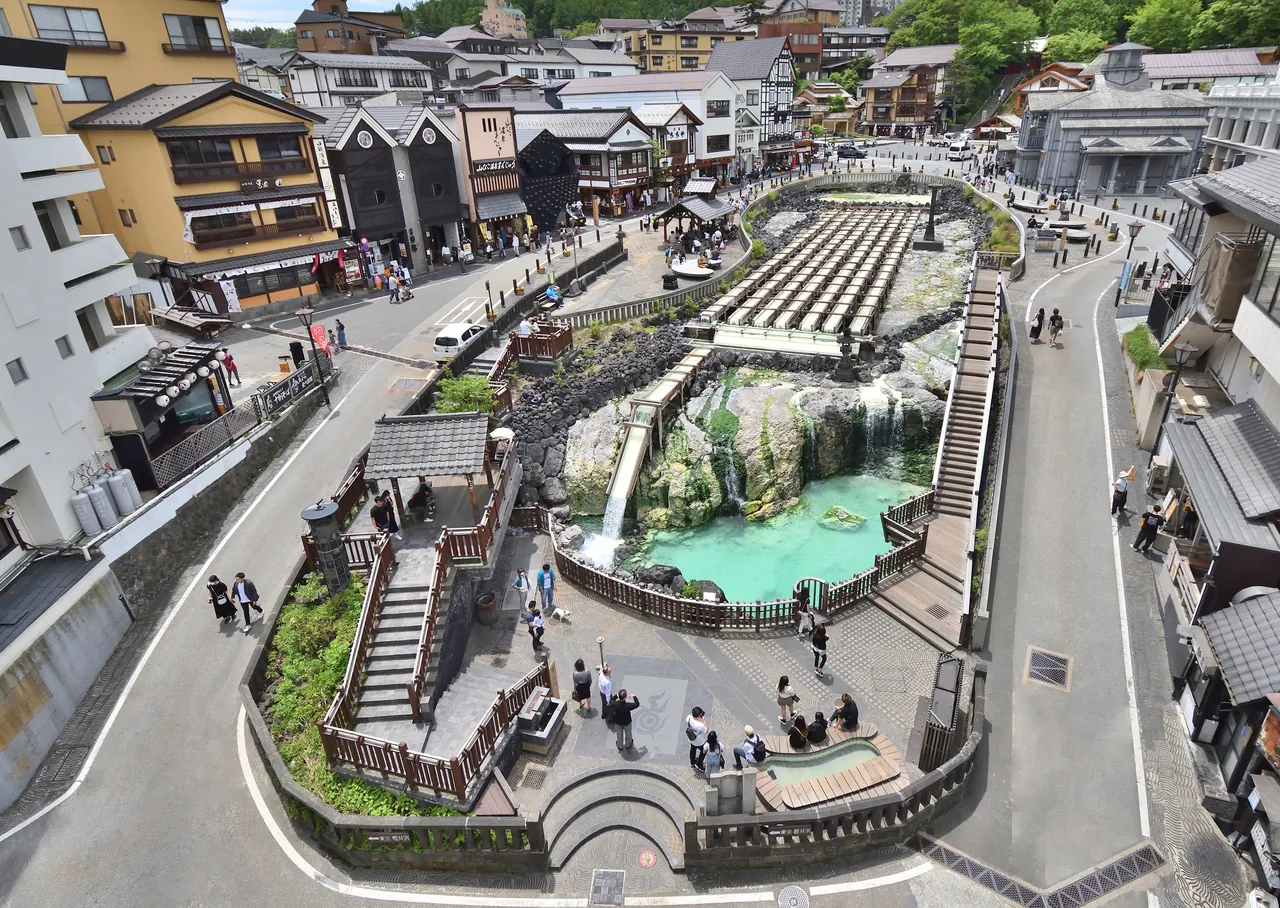
Photo: https://gunma-kanko.jp/
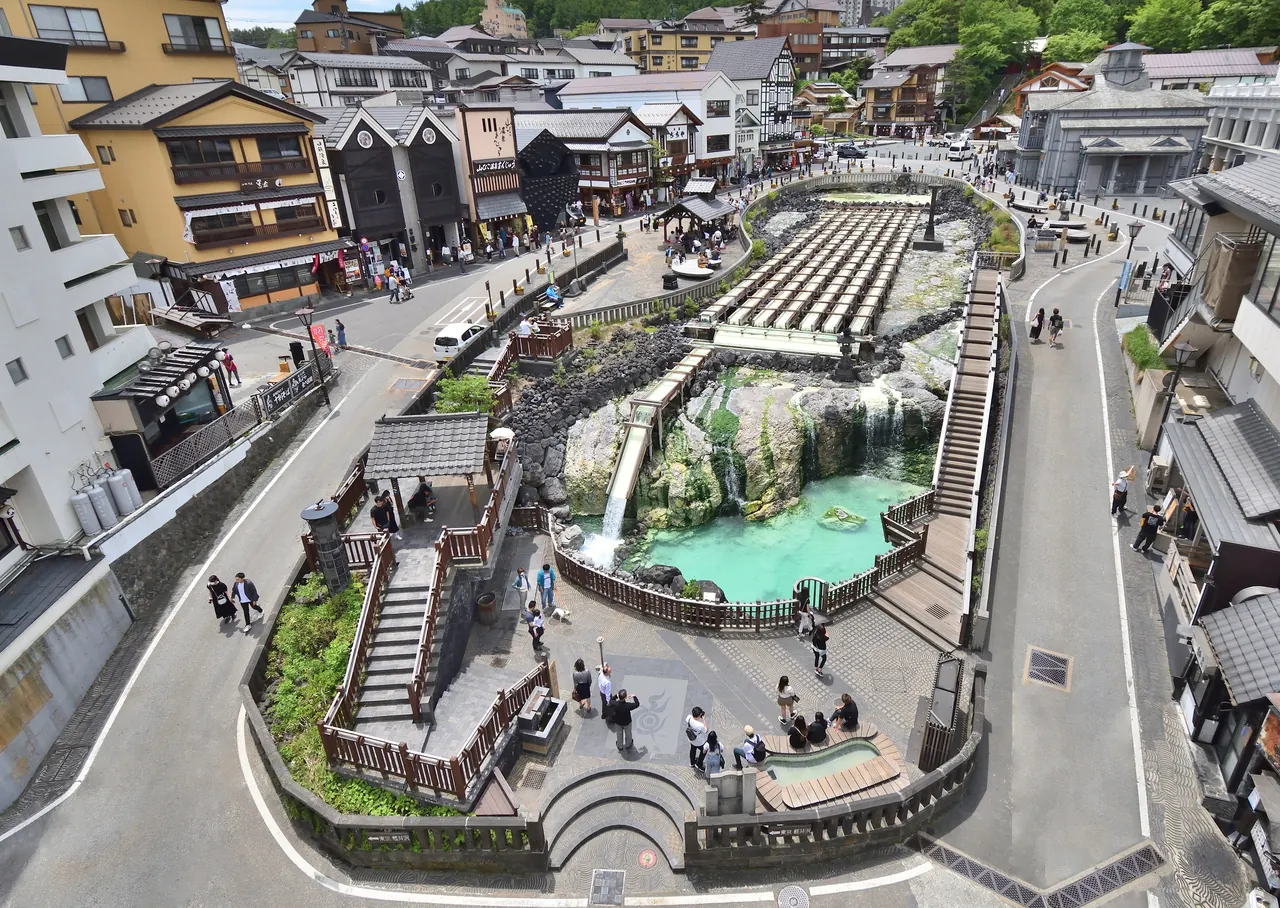
Kusatsu Onsen, on a plateau about 1,200 metres up, is one of Gunma's best-known hot-spring towns. Steam rises from the Yubatake in the middle of town, surrounded by inns, public baths and souvenir shops.
The water is strongly acidic and tingles slightly on the skin. Between the yumomi show, the big open-air bath at Sainokawara and the public baths open to visitors, you can easily spend a whole day in town.
- Getting there: about 25 minutes by bus from Naganohara-Kusatsuguchi Station on the JR Agatsuma Line; direct highway buses also run from Tokyo
- Best for: a first Gunma onsen, and anyone who wants the feel of a classic hot-spring town
Ikaho Onsen: the stone steps and two kinds of water
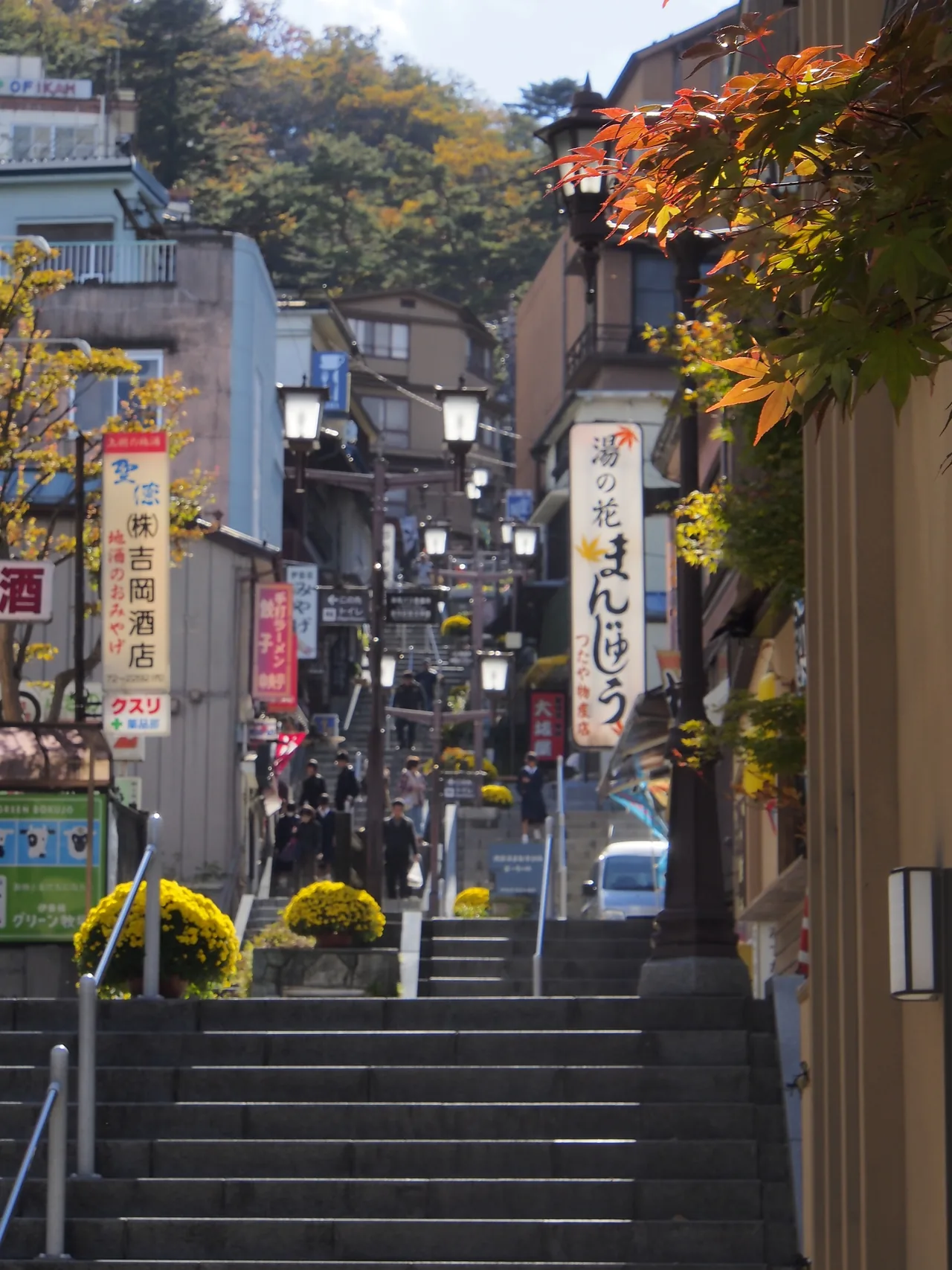
Photo: https://gunma-kanko.jp/
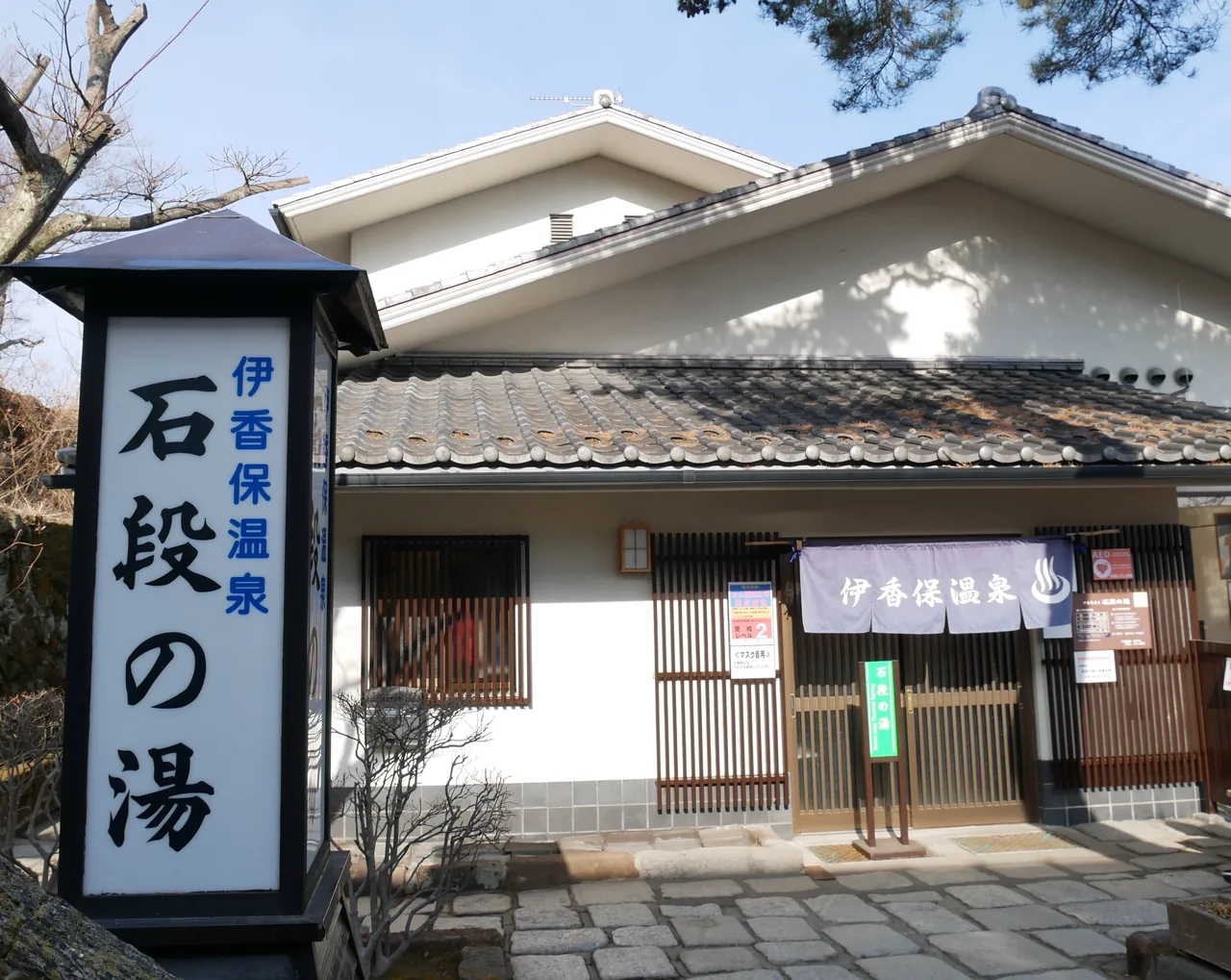
Ikaho Onsen sits partway up Mount Haruna. The 365 stone steps run up through the middle of town, lined with inns and shops.
There are two kinds of water: the reddish-brown Kogane no Yu ("golden water") and the clear Shirokane no Yu ("silver water"). Inns draw on one or the other, so choosing your inn by the water you want to try is one way to decide.
- Getting there: about 25 minutes by bus from JR Shibukawa Station on the Joetsu Line; highway buses also run from Tokyo
- Best for: an overnight trip from Tokyo, and anyone who likes exploring a hillside town
Shima Onsen: quiet soaks to the sound of the river
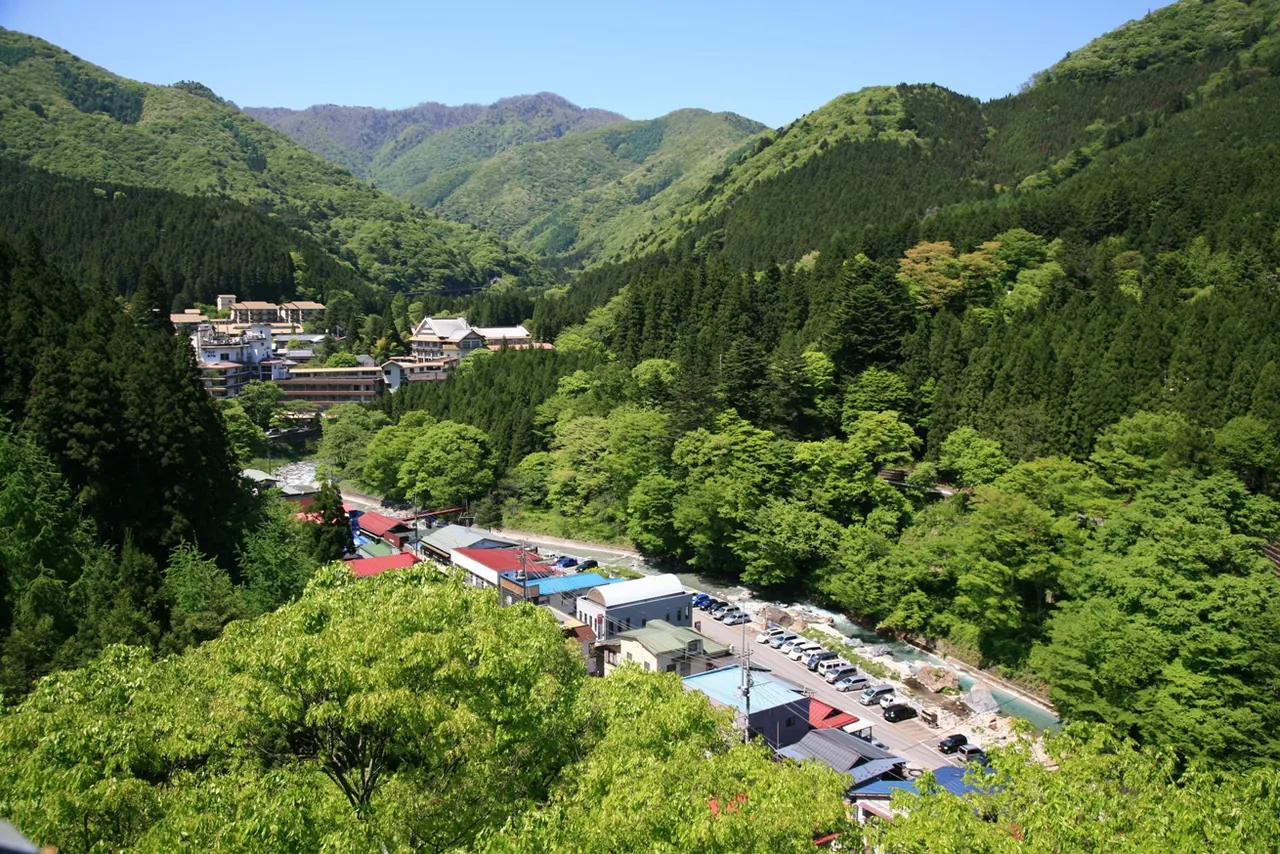
Photo: https://gunma-kanko.jp/
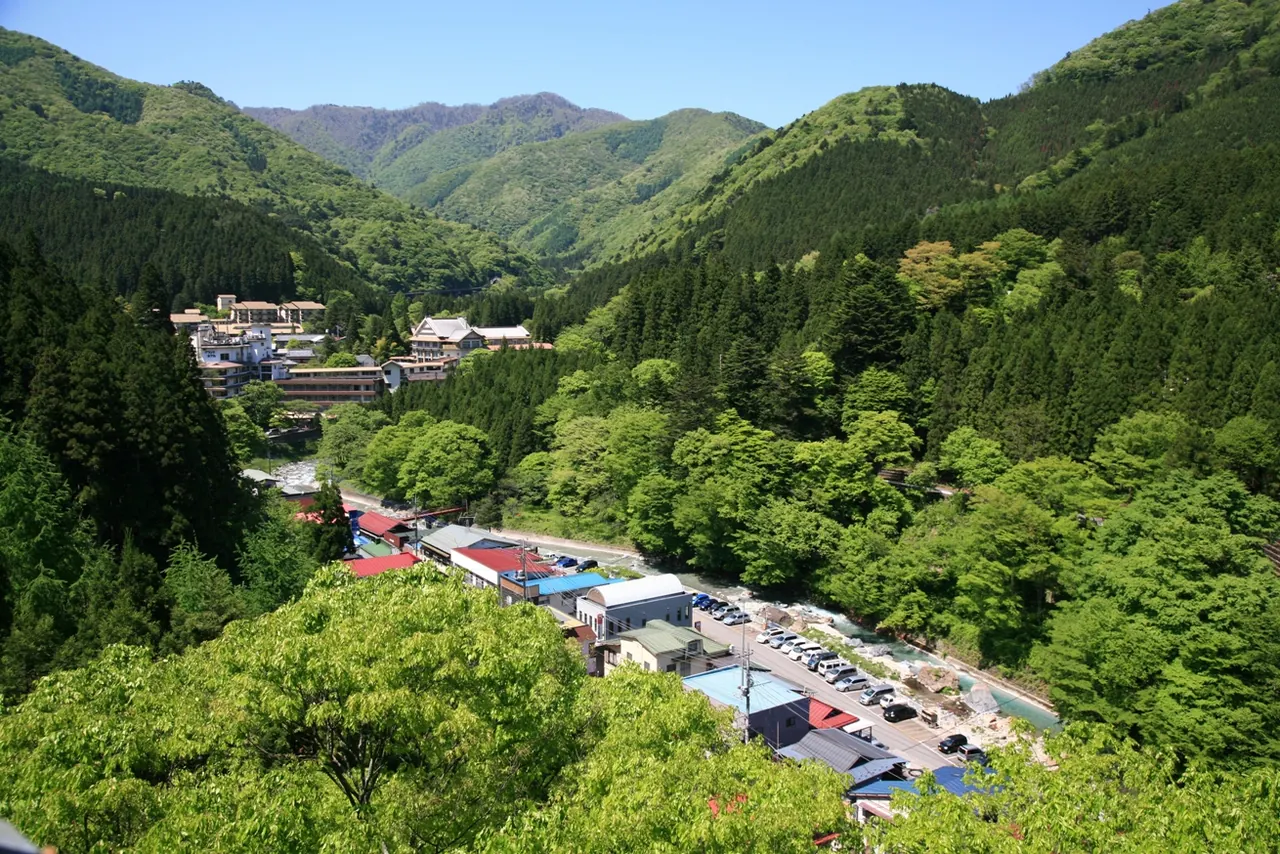
Shima Onsen is a village of inns scattered along the valley of the Shima River. In 1954 it was among the first places designated as National Health Resort Hot Springs, and there is still no entertainment street.
Local residents look after the public baths, and Lake Okushima upstream is known for its blue water. It suits travellers who want to make the most of their time at the inn, or to enjoy the valley in autumn colour.
- Getting there: about 30 to 40 minutes by bus from Nakanojo Station on the JR Agatsuma Line
- Best for: a quiet onsen stay with nothing in particular to do
Hoshi Onsen: water rising in a Meiji-era bathhouse
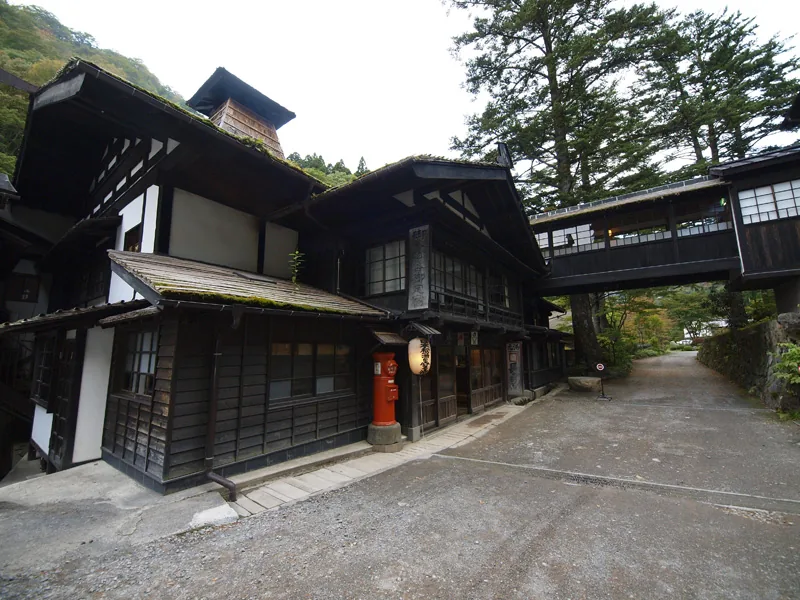
Photo: https://gunma-kanko.jp/
Hoshi Onsen is the hot spring of Chojukan, a single inn in the mountains at the foot of Mikuni Pass. Its main bath, Hoshi no Yu, was built in 1895: a wooden bathhouse with rows of Western-style windows, registered as a Tangible Cultural Property of Japan.
The bottom of the bath is laid with round stones, and the water wells up between them from directly below. Hoshi no Yu is a mixed bath, with set hours for women only. Day visitors are accepted at certain times, but check the inn's information for closing days and hours.
- Getting there: bus from Jomo-Kogen Station on the JR Joetsu Shinkansen to Sarugakyo, then the town bus to the last stop
- Best for: bathing in a historic bathhouse, or a night at a single mountain inn
Takaragawa Onsen: big open-air baths along the river
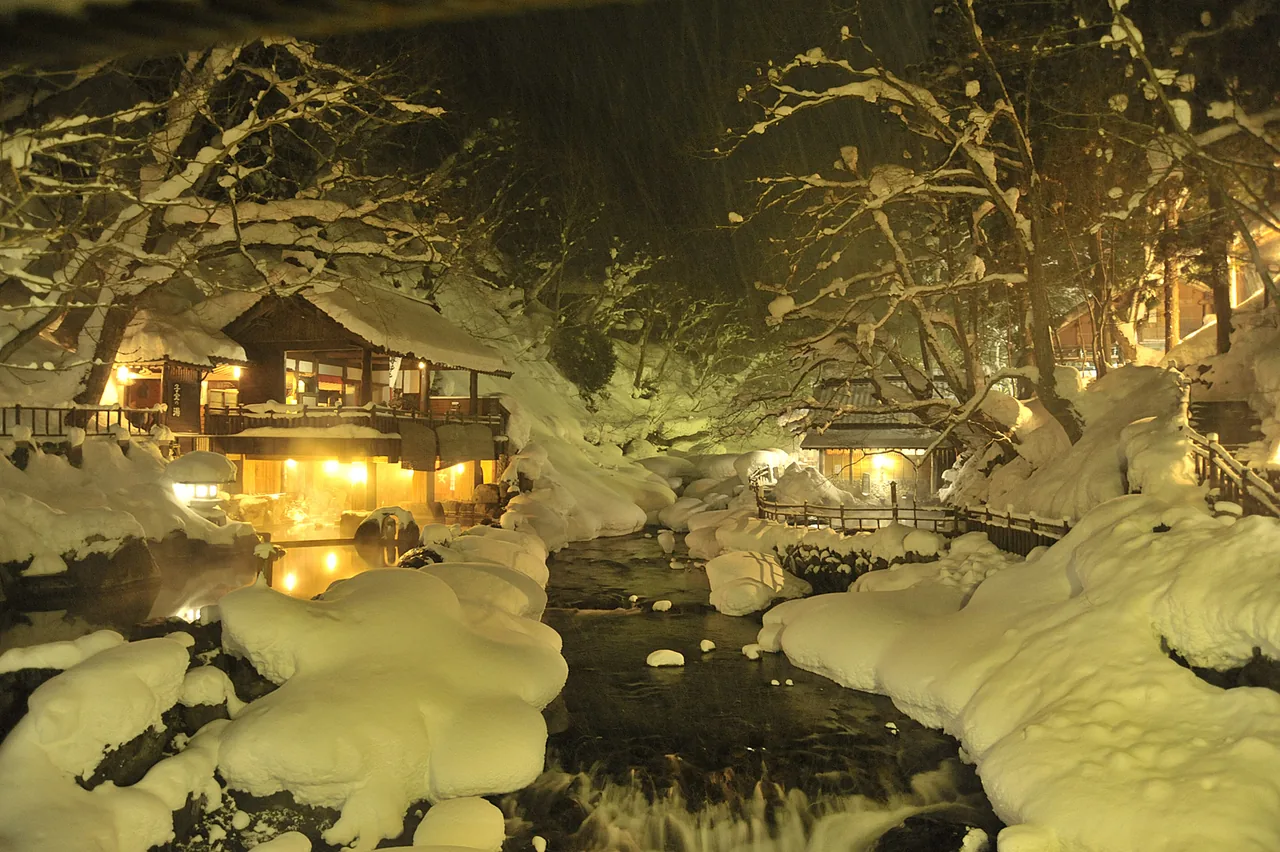
Takaragawa Onsen is the hot spring of Osenkaku, a single inn deep in the mountains of Minakami. Four open-air baths line the Takaragawa River, covering about 470 tatami mats in all.
Three are mixed baths, where you wear a bathing robe; the fourth is for women only. The appeal is the sense of space with the river and forest right in front of you, and it is popular in the snow season too. Check the inn's information for day-visit hours and whether a shuttle runs.
- Getting there: from JR Minakami Station on the Joetsu Line, take a bus bound for Yunokoya about 30 minutes to the Takaragawa Iriguchi stop, then change to the inn's shuttle (check the inn's information for shuttle times)
- Best for: big open-air baths surrounded by nature
Getting there from Tokyo and combining onsen
From Tokyo, the usual route to Gunma's hot springs is the Joetsu Shinkansen to Takasaki or Jomo-Kogen Station, then a local train or bus. Kusatsu and Ikaho also have direct highway buses from Shinjuku and elsewhere, and Shima from Tokyo Station.
On a two-day, one-night trip, it is best to stick to one onsen town. Gunma's hot springs are separated by mountains, and getting between them takes time. With two nights, pairing a lively town with a quiet valley, such as Ikaho and Shima or Kusatsu and Shima, shows you how different they are.
For the basic steps and etiquette of bathing, see our guide to onsen and sento etiquette in Japan. You can find more places to visit on the Gunma page.