
Hakone Day Trip from Tokyo: Getting There and the Hakone Loop
This guide is translated from the Japanese edition. Read the Japanese edition
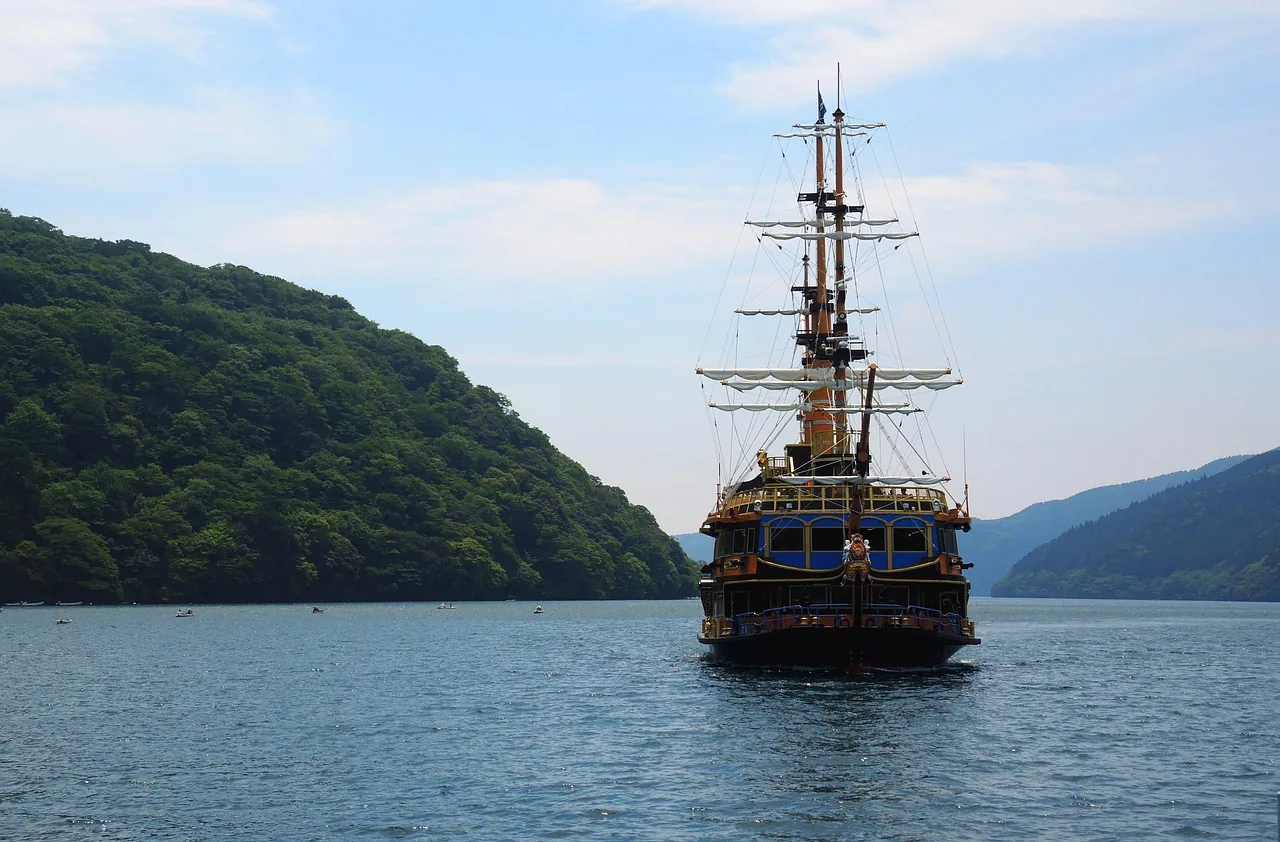
Romancecar or JR to Hakone-Yumoto, the Owakudani and Lake Ashi loop and its crowd-dodging reverse, where to check closures and volcanic alerts, onsen and luggage.
At Hakone-Yumoto Station you change to the Hakone Tozan Train, which climbs toward Gora by zigzagging back and forth up the mountainside. From there a cable car and then a ropeway carry you over Owakudani, where white volcanic steam still rises, and down to the shore of Lake Ashi. In Hakone, the rides are half the attraction. The ropeway, though, can stop for strong wind or lightning, and on those days the loop over Owakudani can't be done as planned.
How to get from Tokyo to Hakone
Hakone-Yumoto Station is the gateway to Hakone. From Tokyo you can ride an Odakyu Limited Express Romancecar bound for Hakone-Yumoto straight from Shinjuku Station, or take JR from Tokyo Station to Odawara Station and change there to the Hakone Tozan Train.
| Line | Main boarding station | To Hakone-Yumoto Station | Good to know |
|---|---|---|---|
| Odakyu Limited Express Romancecar | Shinjuku Station | Runs to Hakone-Yumoto with no change | All seats reserved. You need a limited express ticket on top of the regular fare ticket |
| JR Tokaido Line | Tokyo Station | Change to the Hakone Tozan Train at Odawara Station | Just one change, at Odawara Station |
| JR Tokaido Shinkansen | Tokyo Station | Change to the Hakone Tozan Train at Odawara Station | The shinkansen shortens the trip to Odawara Station |
Romancecar limited express tickets can also be booked and bought on a smartphone. If you buy online through Odakyu's official website or app, there's no need to swap your ticket for a paper one at a counter, and you can choose your seat. At Odawara Station, change to a Hakone Tozan Train bound for Hakone-Yumoto. Check travel times, fares, limited express charges and timetables on each operator's official website.
- Romancecar (Odakyu Electric Railway)
- How to buy (reserve) limited express tickets (Odakyu Electric Railway)
- From buying a limited express ticket to boarding (Odakyu Electric Railway)
- Getting from Tokyo Station to Hakone (Hakone Navi)
- Access (Hakone Town Tourist Association)
- Transport information (Hakone Town)
Linking the rides into a loop around Hakone
The classic route runs from Hakone-Yumoto up through Gora and Owakudani to Lake Ashi, then back to Hakone-Yumoto by bus. Hakone Navi, the Odakyu Group's travel site, calls it the "Hakone Golden Course."
- Hakone Tozan Train: from Hakone-Yumoto Station to Gora Station, switching back and forth up steep mountain slopes
- Hakone Tozan Cable Car: from Gora Station up a steep slope to Sounzan Station
- Hakone Ropeway: from Sounzan Station via Owakudani Station to Togendai Station, with views of the Owakudani steam vents, Lake Ashi and, on clear days, Mt. Fuji
- Hakone Sightseeing Cruise (pirate ship): from Togendai Port across Lake Ashi to Hakone-machi Port and Moto-Hakone Port
- Hakone Tozan Bus: from Moto-Hakone Port or Hakone-machi Port back to Hakone-Yumoto Station
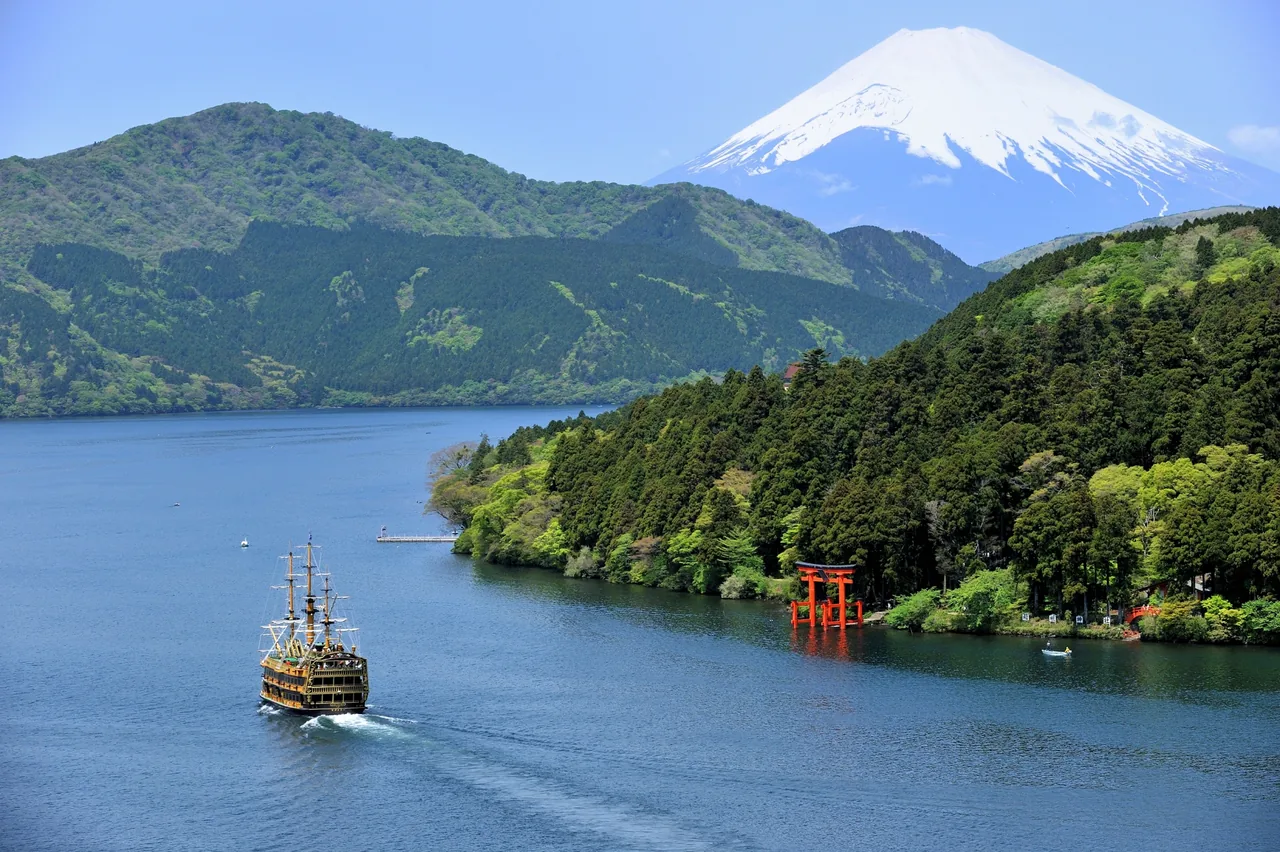
Photo: ⓒKanagawa Prefectural Tourist Association
From the train to the ropeway it's one change after another, and the flow of people from Hakone-Yumoto toward Gora tends to get crowded. To avoid the crowds on holidays and other busy days, Hakone Navi also suggests a "reverse loop": take a bus from Hakone-Yumoto Station to Lake Ashi first, then come back down by pirate ship, ropeway, cable car and train.
If you'll be hopping on and off a lot, the Hakone Free Pass bundles unlimited rides. It covers the Hakone Tozan Train, Hakone Tozan Buses in designated areas, the cable car, the ropeway, the pirate ship and more. Check on the official site which rides are included, the price from each departure station and how long it's valid, and compare it with buying individual tickets.
- The classic Hakone sightseeing route, the "Hakone Golden Course" (Hakone Navi)
- Beat the crowds with the reverse Hakone loop (Hakone Navi)
- Hakone Free Pass (Hakone Navi)
What to see at Owakudani and Lake Ashi
Owakudani is a crater left by a steam explosion of the Hakone volcano. White plumes still rise from the rugged ground, and you can feel the power of the volcano up close. The local specialty is kuro-tamago, "black eggs" boiled in the hot spring pools. The shells turn black because iron and other minerals from the pools stick to them. Legend has it that eating one extends your life. The area around the ropeway's Owakudani Station has been laid out as a viewing area called "Chikyu no Tani" (Valley of the Earth).
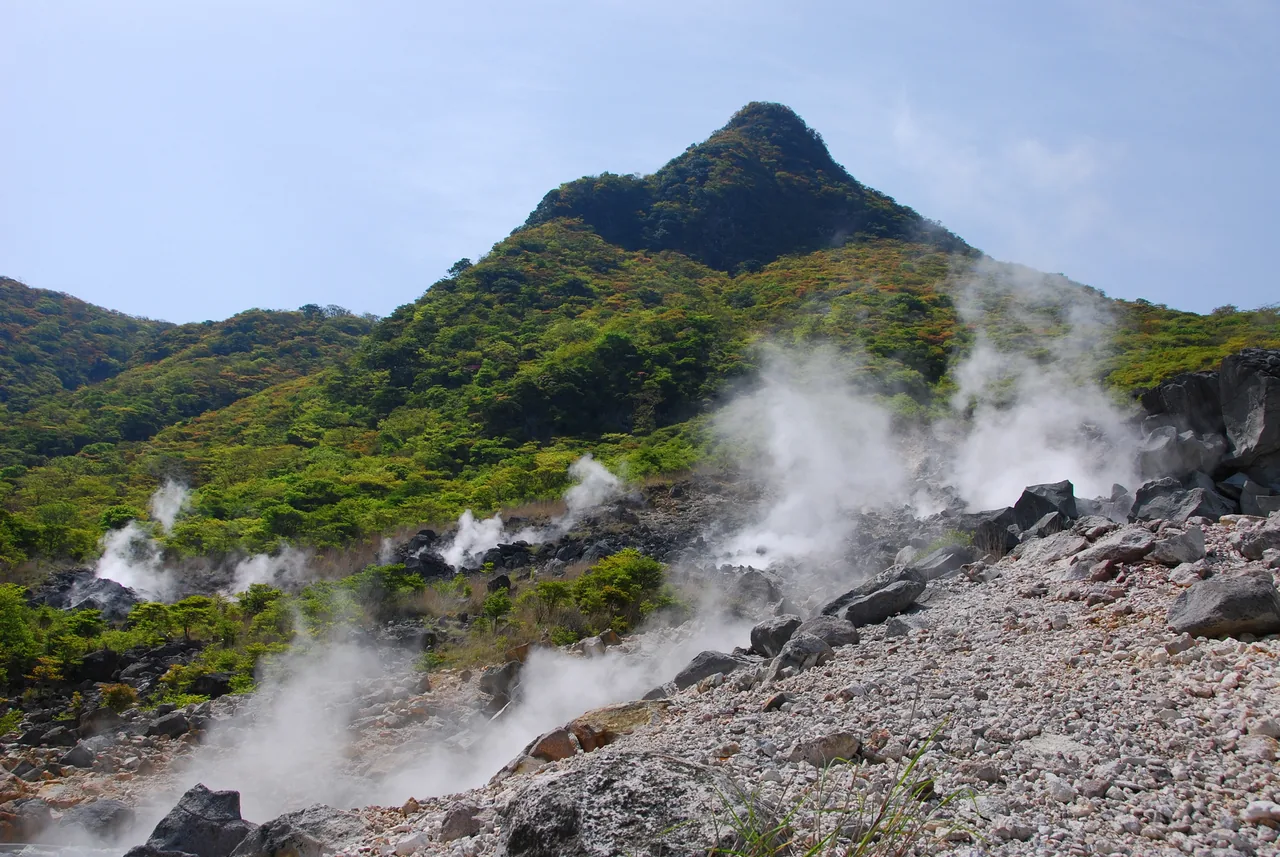
Photo: ⓒKanagawa Prefectural Tourist Association
On Lake Ashi, the pirate ship's deck gives you views of the lake and the surrounding mountains. The ships link Togendai Port, Hakone-machi Port and Moto-Hakone Port, so the port you get off at also decides where you catch the bus back.
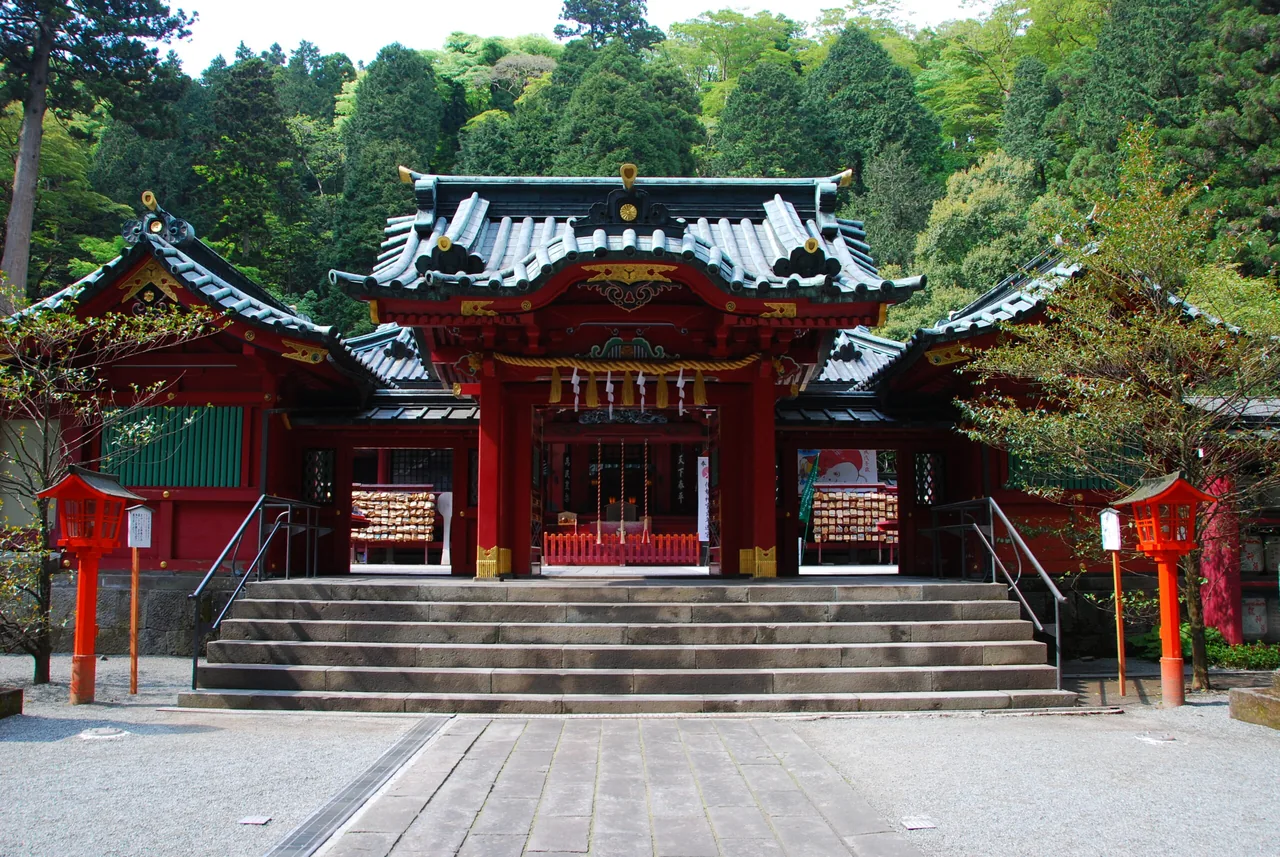
Photo: 箱根DMO(一般財団法人箱根町観光協会)
- Owakudani (Hakone Navi)
- The secret of the black eggs (Owakudani Kurotamago-kan)
- Hakone Sightseeing Cruise (Hakone Navi)
Where to check service suspensions and volcanic alerts
Hakone's rides can stop because of the weather. The Hakone Ropeway may suspend service when bad weather such as strong winds, lightning or an approaching typhoon is expected, and it can also stop for scheduled maintenance. Check Hakone Navi's service information on the morning you set out, together with the status of the train, cable car, pirate ship and buses, and it's easier to rework your route if needed.
Mt. Hakone is an active volcano. Steam activity continues around Owakudani, and depending on volcanic gas levels, Hakone Town may restrict access to the Owakudani area. Hakone Town's volcano information page shows whether restrictions are in place, and the Japan Meteorological Agency's page covers current volcanic activity.
- Service information (Hakone Navi)
- Hakone Ropeway (Hakone Navi)
- Volcanic and seismic activity around Hakone (Hakone Town)
- Volcanic activity: Hakoneyama (Japan Meteorological Agency)
Stopping at a day-trip onsen
Hakone-Yumoto, Gora and Sengokuhara all have hot spring facilities you can use without staying the night. Opening hours, bathing fees and towel rental differ by facility, so check the details for the one you have in mind on the Hakone Town Tourist Association's day-trip onsen page. Policies for guests with tattoos also vary from place to place. Ask the facility before you go.
For the basics of bathing itself, such as rinsing off, washing before you get in and what to do with your towel, see Onsen etiquette in Japan.
Where to leave large luggage
Hauling a suitcase on and off the mountain train, cable car and ropeway is hard work. On a day trip, leaving big bags at your hotel in Tokyo lets you travel light.
If you need to store luggage in Hakone, the coin lockers at Hakone-Yumoto Station are the easiest option. Bags that don't fit in a locker can be left for the day at the Odakyu Travel Center Hakone-Yumoto, where you'll need to show ID when you drop them off. If you're staying overnight in Hakone, the Hakone Carry Service takes bags left at Hakone-Yumoto Station to your accommodation the same day. Hours, prices and size limits are on the pages linked below.
- Hands-free sightseeing in Hakone (Hakone Town Tourist Association)
- Hakone-Yumoto Station guide (Odakyu Electric Railway)
- Hakone-Yumoto Station (Hakone Town Tourist Association, Hakone Universal Tourism)
- Odakyu Travel Center Hakone-Yumoto (Hakone Navi)
- Hakone Carry Service (Hakone Navi)
Hakone Navi timetables and the Hakone tourist association
- Hakone Navi (transport and travel information from the Odakyu Hakone Group)
- Hakone Town Tourist Association official website
- Timetables and boarding points (Hakone Navi)
Back in Tokyo, find your next stop in the list of places in Tokyo.