Ishikawa Winter Food: Snow Crab Season, Winter Yellowtail, Jibuni
This guide is translated from the Japanese edition. Read the Japanese edition
Ishikawa's winter flavors and when to eat them: Kano and Kobako crab seasons, kani-men oden, Tennen Noto Kanburi, kabura-zushi, jibuni, nodoguro and Omicho Market.
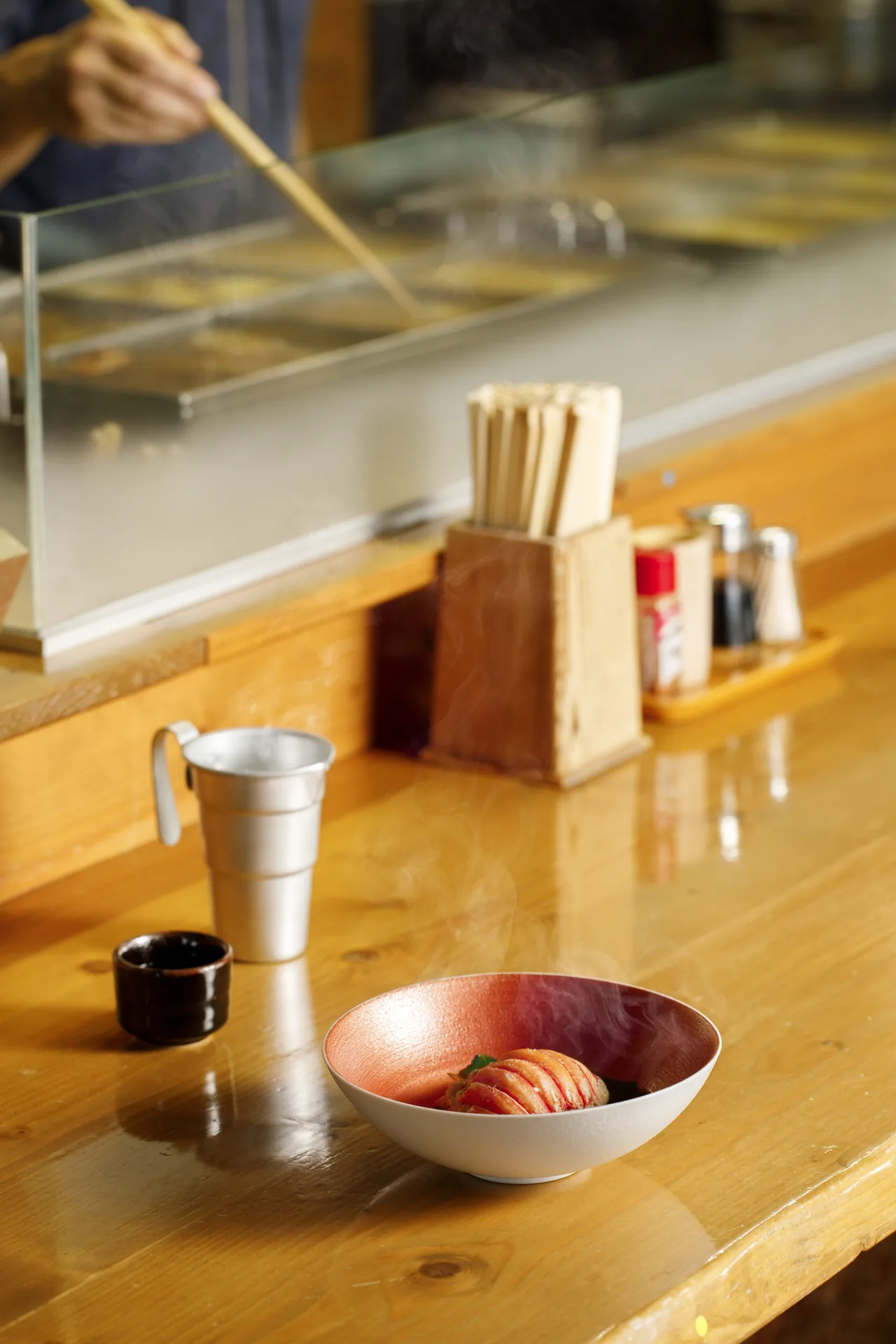
A steaming bowl is set down on the counter of an oden restaurant. Inside is kani-men: the meat, innards and eggs of a Kobako crab packed back into its shell. Winter in Ishikawa Prefecture is when the Sea of Japan's seafood comes into season. The snow crab season opens in November, and by the time the winter thunder rolls in, yellowtail fishing is in full swing too. Crabs have set fishing seasons and some local dishes appear around the year end and New Year, so matching your trip to the seasons makes it easier to find what you want to eat.
When are Ishikawa's winter foods in season?
Before you fix your dates, check when the foods you want to try are available.
| Food | Approximate season |
|---|---|
| Kobako crab (female snow crab) | November 6 to December 29 (fishing season) |
| Kano crab (male snow crab) | November 6 to March 20 the following year (fishing season) |
| Kani-men (Kanazawa oden) | During the Kobako crab season |
| Tennen Noto Kanburi | November to February |
| Kabura-zushi | Around December to February (mostly around the year end and New Year) |
| Jibuni | All year |
| Nodoguro | Catches are small, so it isn't always available |
Kano crab and Kobako crab: when is the season?
Snow crab landed in Ishikawa Prefecture is called Kano crab for males and Kobako crab for females. For both, the season opens every year on November 6. The Kobako crab season is short, ending on December 29, while Kano crab continues until March 20 of the following year. If you want to eat Kobako crab, you need to visit between November and the end of the year. As of November 2026, this season's fishing is under way.
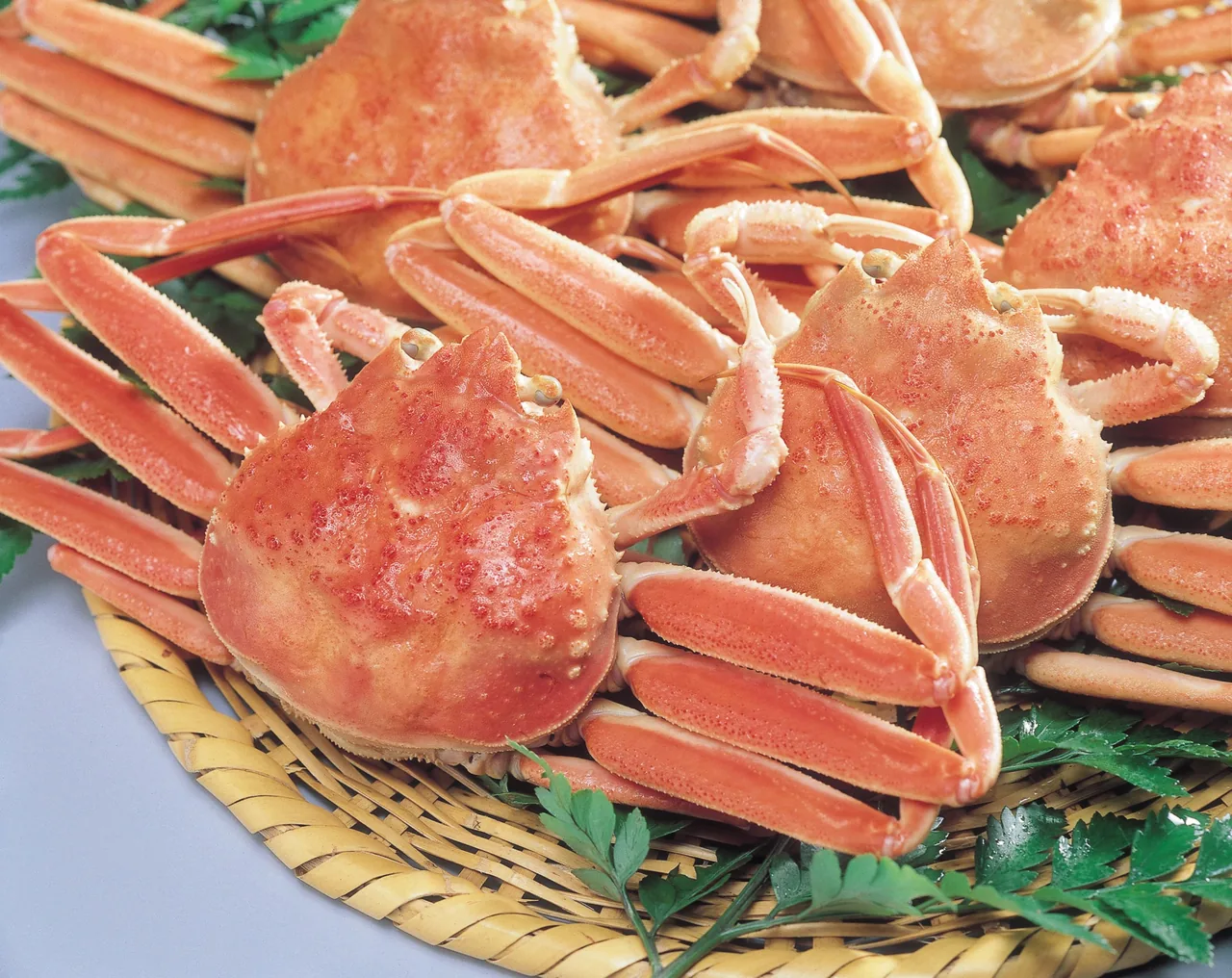
Photo: ©石川県観光連盟
Kano crab is large, with plenty of meat in the legs. Kobako crab is smaller, but you get to enjoy the outer eggs (sotoko) under the body, the inner eggs (uchiko) inside the shell and the crab innards together. Besides plain boiled crab, some restaurants serve crab as a full course. Fishing depends on the weather, and on stormy days no crab may be landed, so whether a restaurant has it depends on that day's catch.
Kani-men in Kanazawa oden
The photo at the top of this page shows kani-men, a winter specialty of Kanazawa oden. A Kobako crab shell is packed with its meat, innards and inner and outer eggs, and it appears at Kanazawa's oden restaurants only for the period matching the Kobako crab season. To keep the crab's own flavor, some restaurants finish it without simmering it long in the oden broth. Even during the season, there are days it isn't served if bad weather has stopped the fishing.
Winter yellowtail and buri-okoshi
In the Hokuriku region, the thunder that rolls in early winter before the snow is called buri-okoshi ("yellowtail rouser"). Around this time, yellowtail (buri) fishing gets fully under way. In Ishikawa Prefecture, yellowtail over 7 kg caught in set nets along the Ishikawa coast from November to February are shipped under the name Tennen Noto Kanburi (wild Noto winter yellowtail).
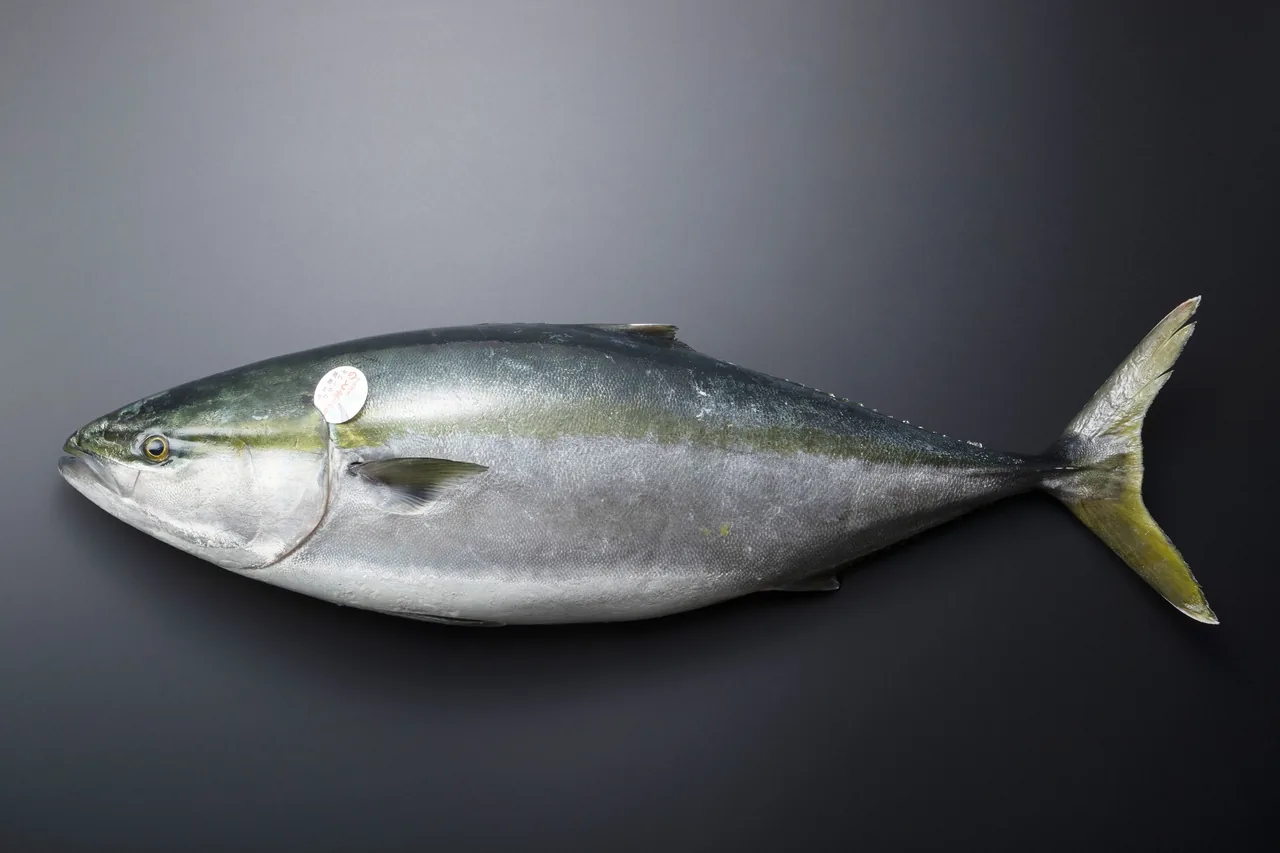
Photo: ©石川県観光連盟
Yellowtail caught from the year end into early spring is called kanburi (winter yellowtail) and has long been prized. If you visit Ishikawa in winter, look for "kanburi" (寒ぶり) on the menus of sushi bars and restaurants.
Kabura-zushi: a fermented taste of the New Year
Kabura-zushi is a local dish of Ishikawa Prefecture made by sandwiching salted yellowtail between slices of salted turnip (kabura) and pickling them in rice koji. The koji gives it a gentle sweetness, and it's eaten as is, with nothing added. It's a familiar New Year dish and appears in shops as the year end approaches.
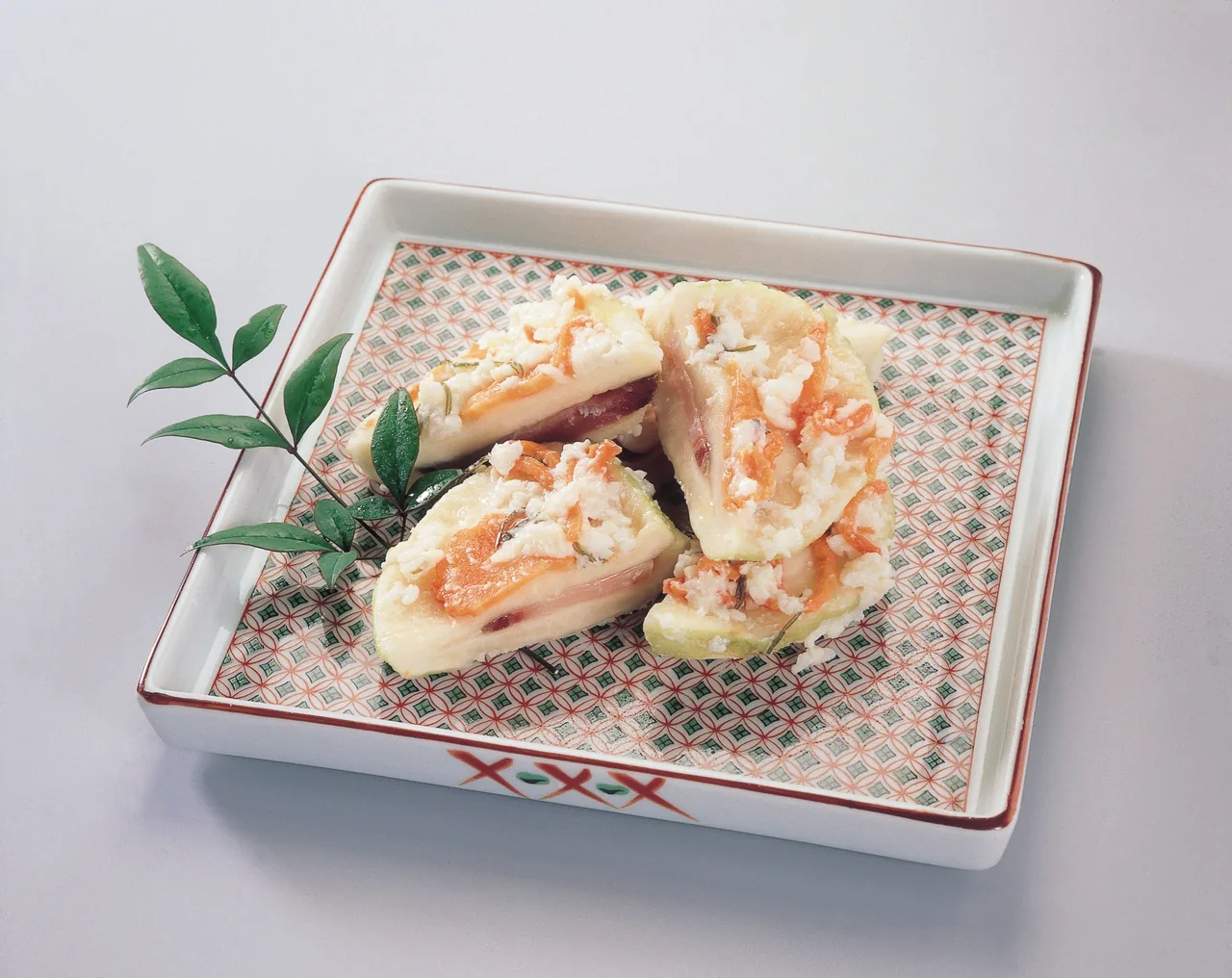
Photo: ©石川県観光連盟
Because it takes a lot of work, fewer people make it at home these days, but in Kanazawa in winter you'll see it on restaurant menus and on sale in shops and department stores. If you buy some to take home, ask the shop whether it needs refrigeration and check the best-before date.
Jibuni: a signature dish of Kaga cuisine
Jibuni is a simmered dish that the Kanazawa City Tourism Association calls "a local dish representative of Kanazawa." It combines duck and vegetables with sudare-fu, a wheat gluten unique to Kanazawa, and is served in a special bowl called a jibu-wan. It is often served as part of Kaga cuisine at ryotei (traditional restaurants) and kappo restaurants.
In December 2025, Kaga cuisine was registered as a national Registered Intangible Cultural Property. The registration recognizes not just the food but the craft of presenting the dishes, tableware, setting and hospitality as a whole. Jibuni is eaten all year round today, but it is thought to have originally been a dish of the cold season, when duck was hunted.
Nodoguro: the fish called "the toro of white fish"
Nodoguro is the fish whose standard name is akamutsu (blackthroat seaperch). Because the back of its mouth is black, it's called nodoguro ("black throat") along the Sea of Japan coast. Rich in fat, it's a luxury fish also called "the toro of white fish," and in Ishikawa Prefecture, Noto is known for it. Catches are small and little of it reaches the market, so it isn't always available.
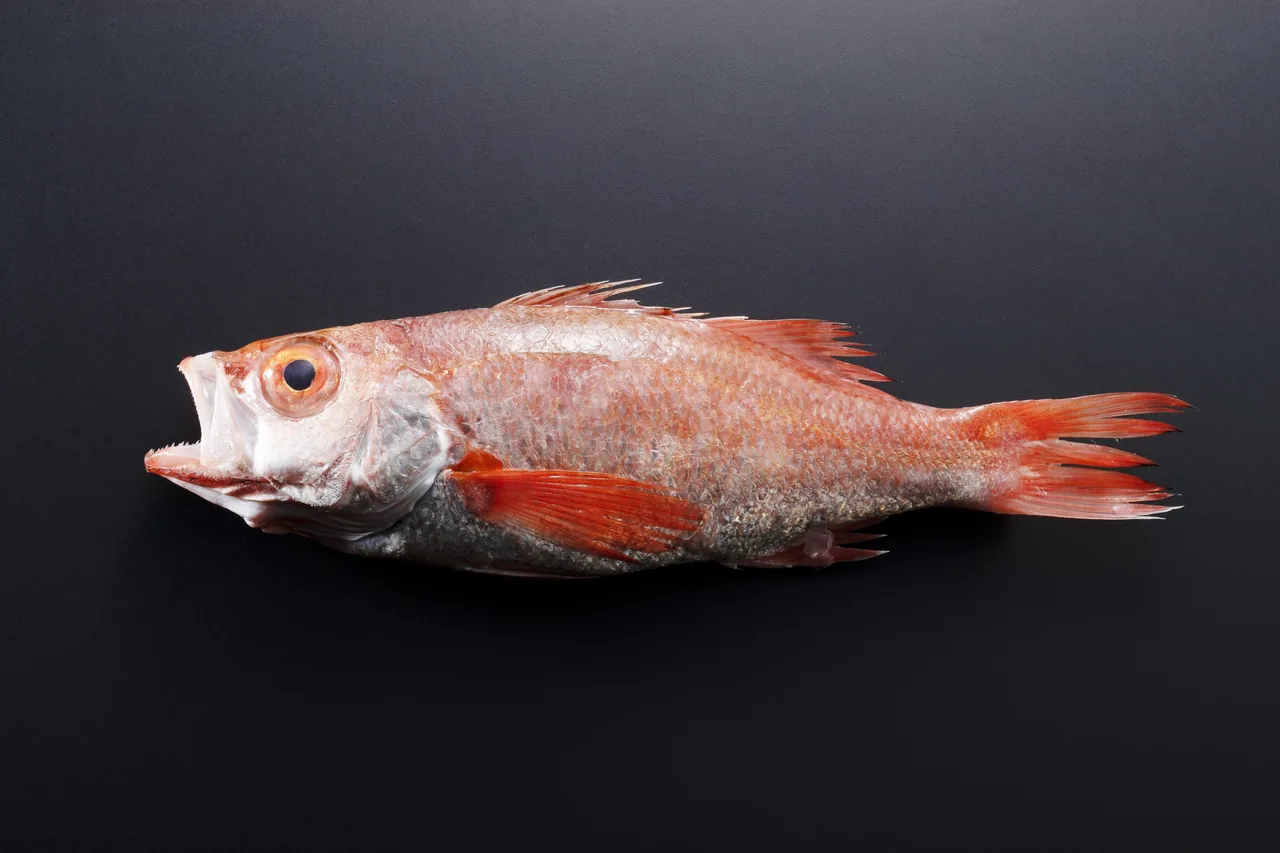
Photo: ©石川県観光連盟
Seeing seasonal seafood at Omicho Market
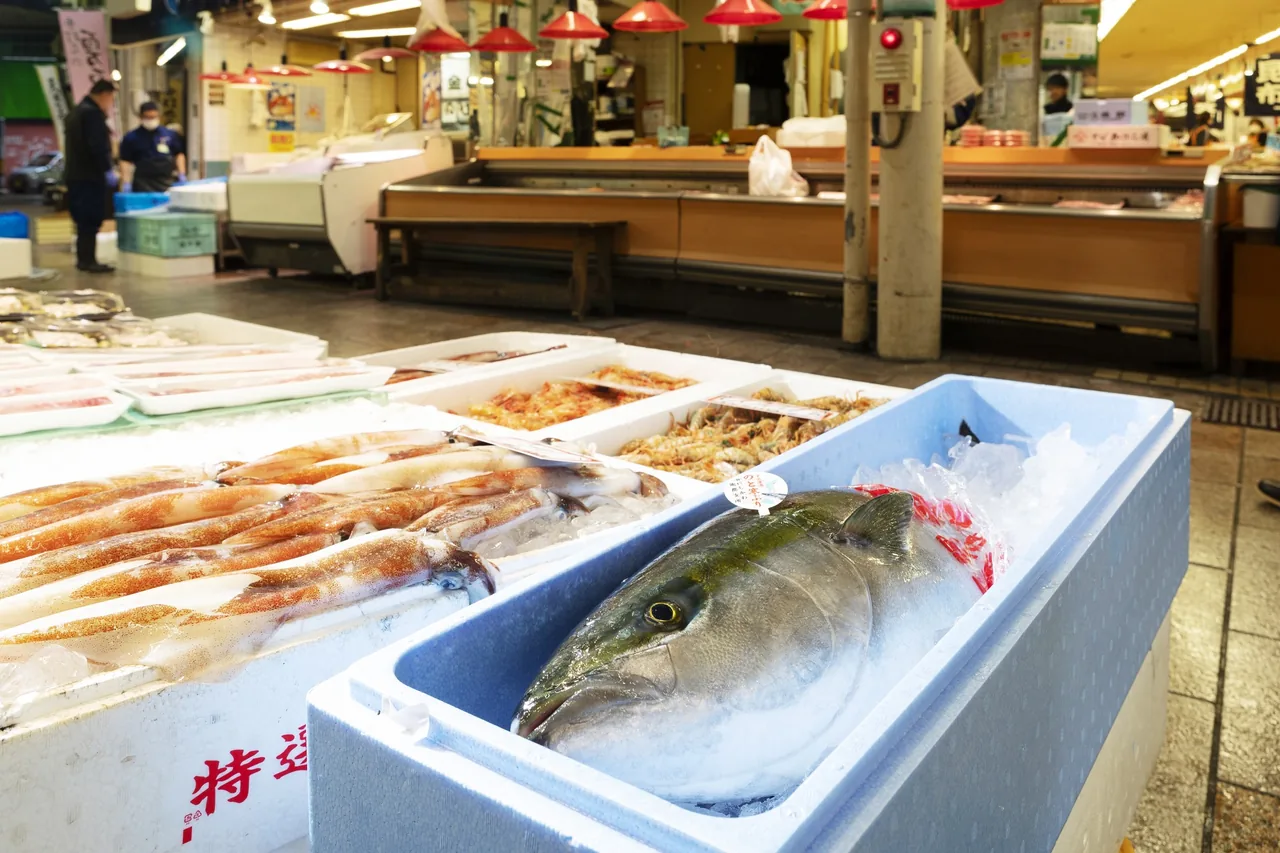
If you visit Kanazawa in winter, take a look at the stalls of Omicho Market. The market has been going for about 300 years, since the days of the domain, and about 170 shops sell seasonal seafood, vegetables and fruit. What's on display changes with the season and the day's catch, so it's a surprise every time.
Eating while walking around the market is prohibited. Eat what you buy at the stall or in a designated eating space, and if you plan to have a meal at a restaurant, check each shop's hours on the official website before you go. For Kanazawa's wagashi and the rules for eating in the teahouse districts and the market, see also our guide to Kanazawa wagashi. The official website of the Ishikawa Prefecture Fisheries Cooperative (JF Ishikawa) explains the crab seasons and its work to protect crab stocks in detail.