
Japan Convenience Store Guide: Payment, ATMs, Tickets, Shipping
This guide is translated from the Japanese edition. Read the Japanese edition
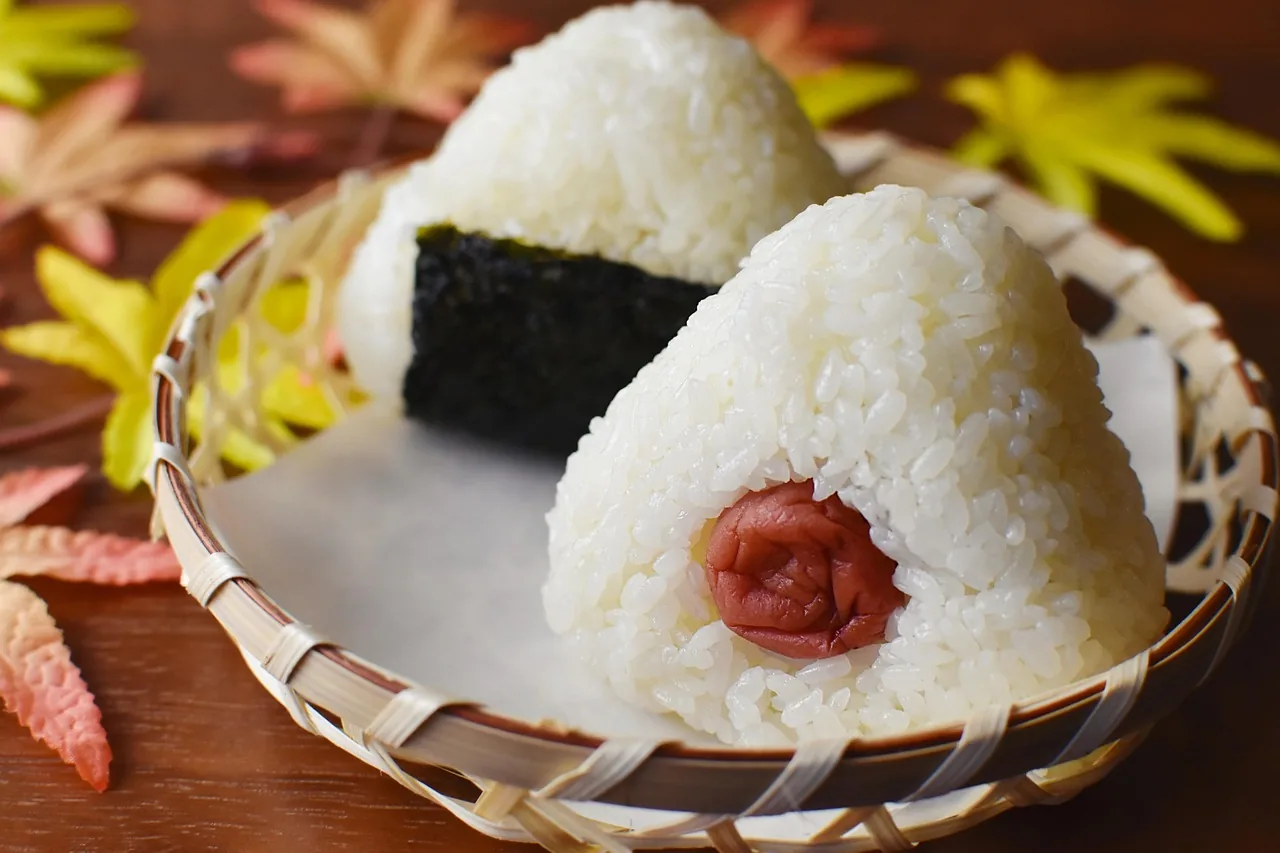
7-Eleven, FamilyMart and Lawson: how to pay, ATMs for foreign cards, cash-only IC top-ups, eat-in, indoor bins, ticket printing and which courier each chain uses.
Walk any street in Japan and the 7-Eleven, FamilyMart and Lawson signs keep coming into view. These stores are not just for drinks and onigiri rice balls. You can withdraw yen, top up a transit IC card or send your suitcase ahead to the next hotel, so a lot of travel errands get done at a konbini. The catch is that the code payments accepted, the cards the ATMs take and the courier company at the counter all differ from chain to chain.
Checking out and getting food heated
You pick up what you want, take it to the register and a staff member rings it up, much like a shop anywhere else. What feels very Japanese is that staff will heat bento boxes and prepared dishes in the store's microwave.
Not every item can be heated, though. Which products staff will and won't heat depends on the chain and the product, and 7-Eleven explains this on its FAQ page.
When you buy a bento, you may be asked "Atatamemasu ka?" (Shall I heat it?). Answer "Onegaishimasu" if you want it heated, or "Daijōbu desu" if you are fine without. If you are unsure of the words, pointing at the microwave works too.
Payment: cash, cards, transit IC cards and code payments
All three chains take credit cards, e-money and smartphone code payments as well as cash. The accepted brands and the fine print differ from chain to chain.
| Payment method | At the register | Worth knowing |
|---|---|---|
| Cash | Hand it to the staff member; at self-checkouts, feed it into the machine | Carry some as a backup in case a card or app doesn't work |
| Credit and debit cards | Tell the staff, then insert the card or tap it on the contactless reader | Check accepted brands on each chain's official site |
| Transit IC cards (Suica, ICOCA, etc.) | Say "Suica" (or your card's name) and tap it on the reader | For topping up, see the next section |
| Smartphone code payments | Name the app and show its barcode to the staff | 7-Eleven accepts only one-dimensional barcodes, not QR codes. Check the official sites for overseas apps such as Alipay and WeChat Pay |
FamilyMart has a dedicated page for Alipay+ and WeChat Pay barcode payments, and 7-Eleven lists Alipay+ and WeChat Pay among its accepted barcode payments. At Lawson, the self-checkouts also take credit cards, transit e-money, barcode payments and more.
- Accepted payment methods (7-Eleven, Japanese)
- Barcode payments: Alipay+ and WeChat Pay (FamilyMart, Japanese)
- Payment methods at Lawson (Lawson FAQ, Japanese)
Paying with and topping up transit IC cards
Transit IC cards such as Suica, PASMO and ICOCA are not only for riding trains. At the registers of all three chains you can pay with them and add value to them. According to Lawson, transit e-money works at its stores nationwide, while PiTaPa is accepted only in certain prefectures in the Kinki and Tokai regions. For buying a card and using it on trains, see how to ride trains in Japan.
To top up, tell the staff "Chāji onegaishimasu", choose the amount, pay, and tap your card on the reader. FamilyMart and Lawson say top-ups can only be paid for in cash. Since you can't use a credit card for this at these two chains, keeping some coins and 1,000-yen notes on hand saves a scramble. Some FamilyMart stores do not offer top-ups.
- Can I use transit e-money such as Suica, ICOCA and PASMO? (7-Eleven FAQ, Japanese)
- Transit e-money (FamilyMart, Japanese)
Withdrawing yen at convenience store ATMs
When you run short of cash, konbini ATMs are the easy fix. ATMs at all three chains let you withdraw yen with cards issued outside Japan, although support varies by machine and store.
- 7-Eleven (Seven Bank ATMs): Cash cards and credit cards issued overseas with Visa, Mastercard, UnionPay, American Express, JCB, Discover or Diners Club can withdraw yen. After you insert the card, a language screen lets you choose English, Chinese (Simplified or Traditional), Korean and more. With some cards, a screen partway through asks which currency to use for calculating the amount billed.
- FamilyMart: Depending on the store, you will find a FamiMa ATM, an E-net ATM or a Japan Post Bank (Yucho) ATM, and the accepted cards and languages differ by machine.
- Lawson (Lawson Bank ATMs): Some ATMs let you withdraw yen with overseas-issued Visa, Mastercard, JCB and UnionPay cards. The screens are available in English, Chinese and Korean.
Per-withdrawal limits and fees are set by the ATM operator and your card issuer. Check your card's terms before you leave, and see each company's official site for the latest details once you're in Japan.
- Overseas Cards Usable at ATMs (Seven Bank)
- Convenience store ATMs (FamilyMart, Japanese)
- International ATMs (Lawson Bank)
Eat-in areas and throwing away trash
Not every store has an eat-in space. Lawson's store locator lets you filter by facilities, including "eat-in". 7-Eleven's store locator on its official site also shows the services at each store.
If you plan to eat in, tell the staff before you pay. In Japan, the consumption tax rate differs depending on whether you eat in the store or take food away. According to the National Tax Agency, convenience stores can confirm this with notices such as "Please let us know if you will use the eat-in area."
Trash bins are often inside the store rather than outside. 7-Eleven explains that it keeps bins inside, where staff can see them, so that sorting is properly managed. If the bins have sorting labels, follow them. If you're unsure where to toss trash after eating on the go, taking it back to your hotel is the safe choice.
Multifunction copiers, tickets and shipping
The large multifunction copier inside the store does far more than copy and print. For travelers, its most useful job is buying and collecting tickets. The copiers at 7-Eleven and FamilyMart sell tickets for concerts, sports, leisure facilities and more, and FamilyMart's machines also handle tickets for theme parks, aquariums and highway buses. At Lawson, you reserve and buy tickets on the in-store "Loppi" terminal, then pay and collect them at the register. The copiers are also handy when you want a paper copy of a document or e-ticket saved on your phone.
To send a package, the konbini register doubles as a courier counter. Note that each chain works with a different courier.
- 7-Eleven: Accepts Yamato Transport's TA-Q-BIN only (prepaid or cash on delivery). Waybills from other companies, such as Japan Post's Yu-Pack, cannot be used.
- FamilyMart: Named, along with 7-Eleven, as a convenience store where you can drop off parcels prepared with Yamato Transport's "send TA-Q-BIN by smartphone" service.
- Lawson: Accepts Japan Post's Yu-Pack.
Refrigerated or frozen parcels (such as Cool TA-Q-BIN) cannot be sent from convenience stores. Check each company's official site for size and weight limits and rates.
- Multifunction copiers (7-Eleven, Japanese)
- Find and buy tickets (FamilyMart, Japanese)
- Loppi services (Lawson, Japanese)
- Courier services (7-Eleven, Japanese)
- Yu-Pack drop-off (Lawson, Japanese)
FamilyMart's page for international visitors
FamilyMart has a page for international visitors that sums up its services in English, Traditional Chinese and other languages. Payment options and ATM support can change, so a quick look at each chain's official site before you go is worth it.
Once you've picked up breakfast or drinks, it's time to explore. Find places to visit in Tokyo in our list of Tokyo spots, and if you're eating your way around Osaka, see our Osaka street food guide to Dotonbori and Kuromon Market.