
Shikoku Pilgrimage in Kagawa: The 23 Sanuki Temples
This guide is translated from the Japanese edition. Read the Japanese edition
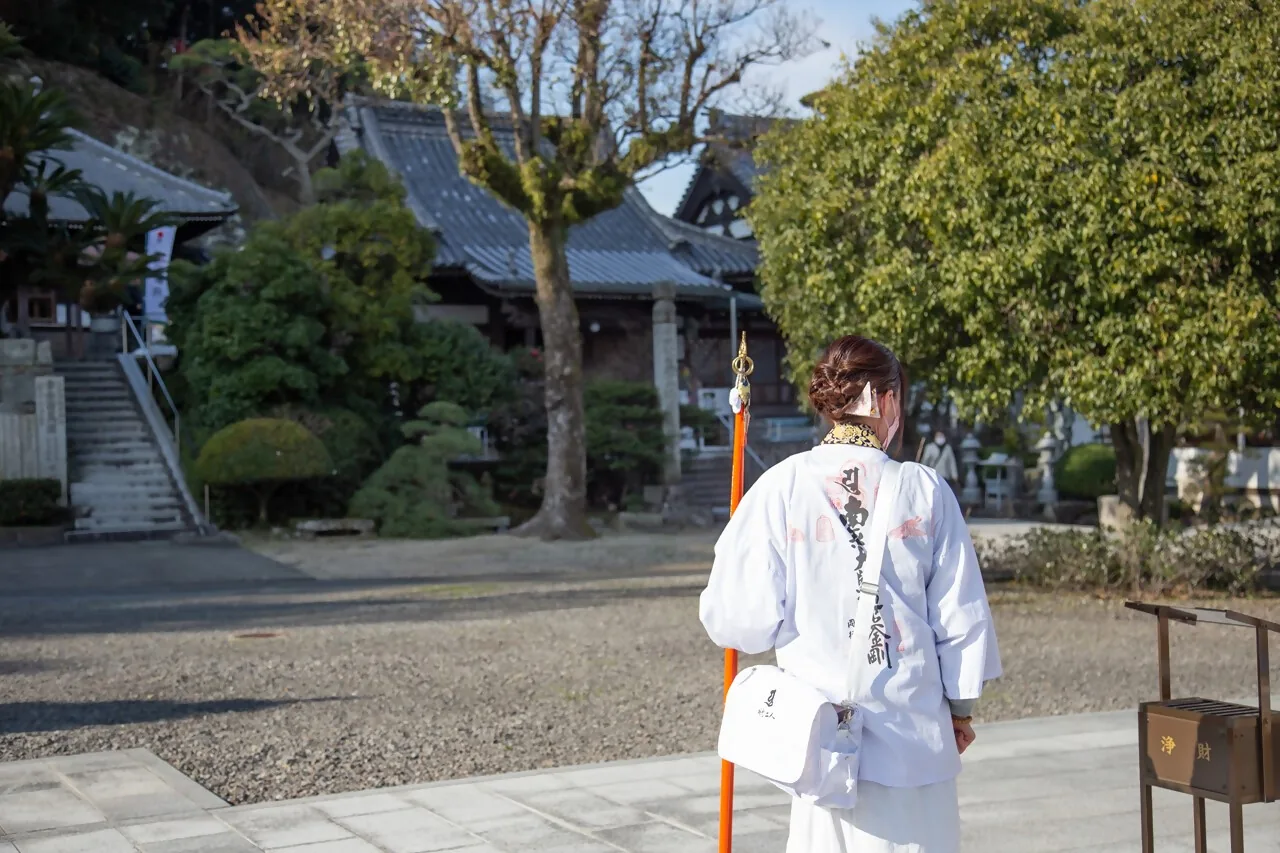
Temples 66 to 88 of the Shikoku pilgrimage in Kagawa, from Zentsuji and Unpenji to Okubo-ji, plus how to pray and how to get around on foot, by train or by car.
People in white robes and sedge hats, leaning on wooden staffs, stand with their palms together in a temple courtyard. The Shikoku 88-temple pilgrimage links 88 temples associated with Kobo Daishi (Kukai), covering about 1,400 km in all. Shikoku's four prefectures are likened to stages of spiritual practice: Tokushima is the "dojo of awakening," Kochi the "dojo of ascetic training," Ehime the "dojo of enlightenment," and Kagawa (Sanuki) the "dojo of nirvana." Kagawa has the 23 temples from No. 66 to No. 88, and pilgrims complete their journey, called kechigan, at the last one, Okubo-ji.
Pilgrimage basics
Visiting a temple on the route is called "utsu," and the kindness of people who help pilgrims is called "settai." The words "dogyo ninin" written on hats and staffs mean that Kobo Daishi always walks with you. Some people visit in numerical order ("jun-uchi") and some in reverse ("gyaku-uchi"), and many split the route into sections and do it over several trips ("kugiri-uchi").
You are of course welcome to visit just one temple during your trip. You can pray without wearing the white pilgrim's clothing.
How to pray at a temple
The Japan Tourism Agency's multilingual commentary describes the flow of a visit like this:
- Stop in front of the gate, put your palms together and bow
- Purify your hands and mouth at the water basin
- At the main hall, offer a candle and incense, put a name slip in the box and recite a sutra (such as the Heart Sutra)
- Pray in the same way at the Daishi hall
- At the stamp office, have your book stamped with red seals and written in calligraphy
- On leaving through the gate, turn toward the main hall and bow
It is considered good manners to light your candle yourself rather than from someone else's flame. If you are visiting as a sightseer, it is fine to simply put your hands together quietly without reciting a sutra.
Temples to visit in Kagawa
No. 75 Zentsuji: Kobo Daishi's birthplace
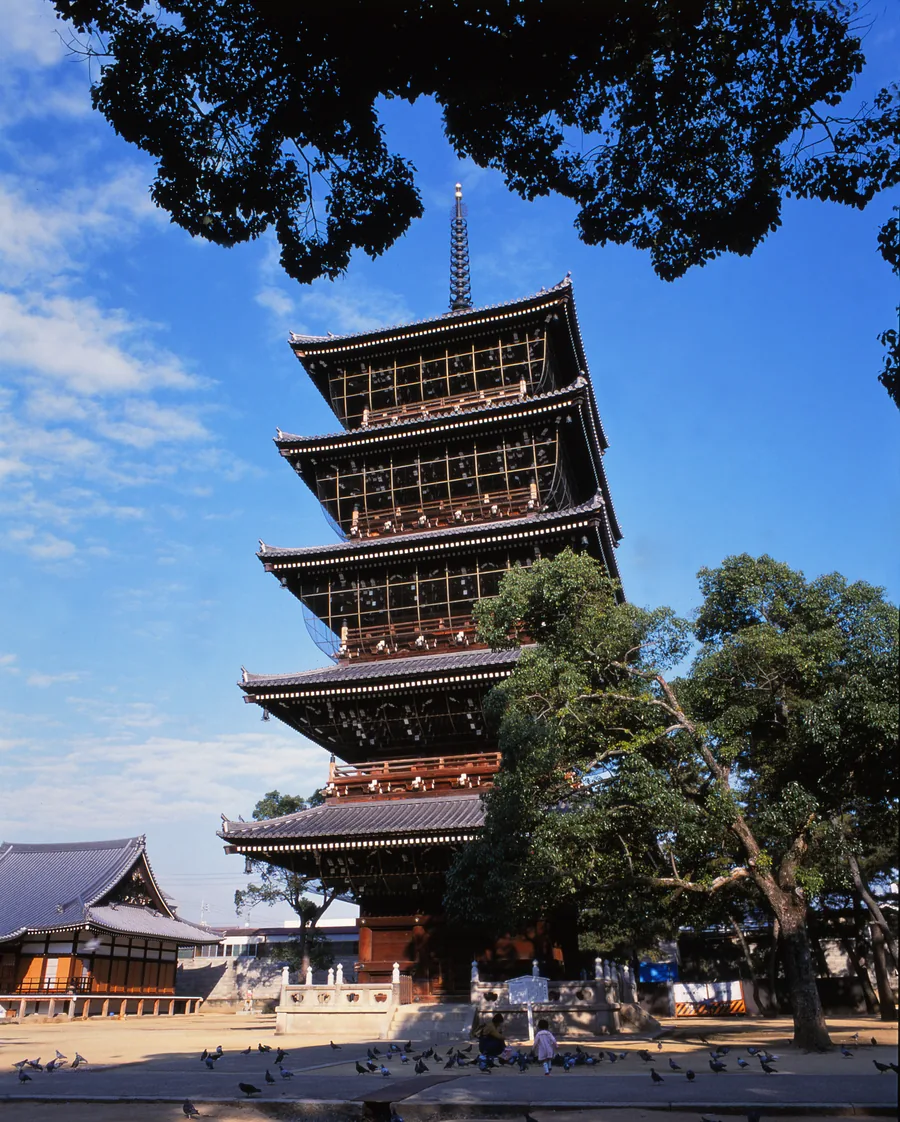
Zentsuji stands where Kobo Daishi was born. The eastern precinct has a five-story pagoda about 43 meters tall, and beneath the Mieido hall in the western precinct is the "kaidan meguri," a pitch-dark passage you feel your way through. The seven temples from No. 71 to No. 77, including Zentsuji, are known as the seven-temple pilgrimage (七ヶ所まいり), a route of about 16 km that can be covered in a day.
Courtesy of the Kagawa Prefecture Tourism Association
No. 66 Unpenji: the highest temple on the route
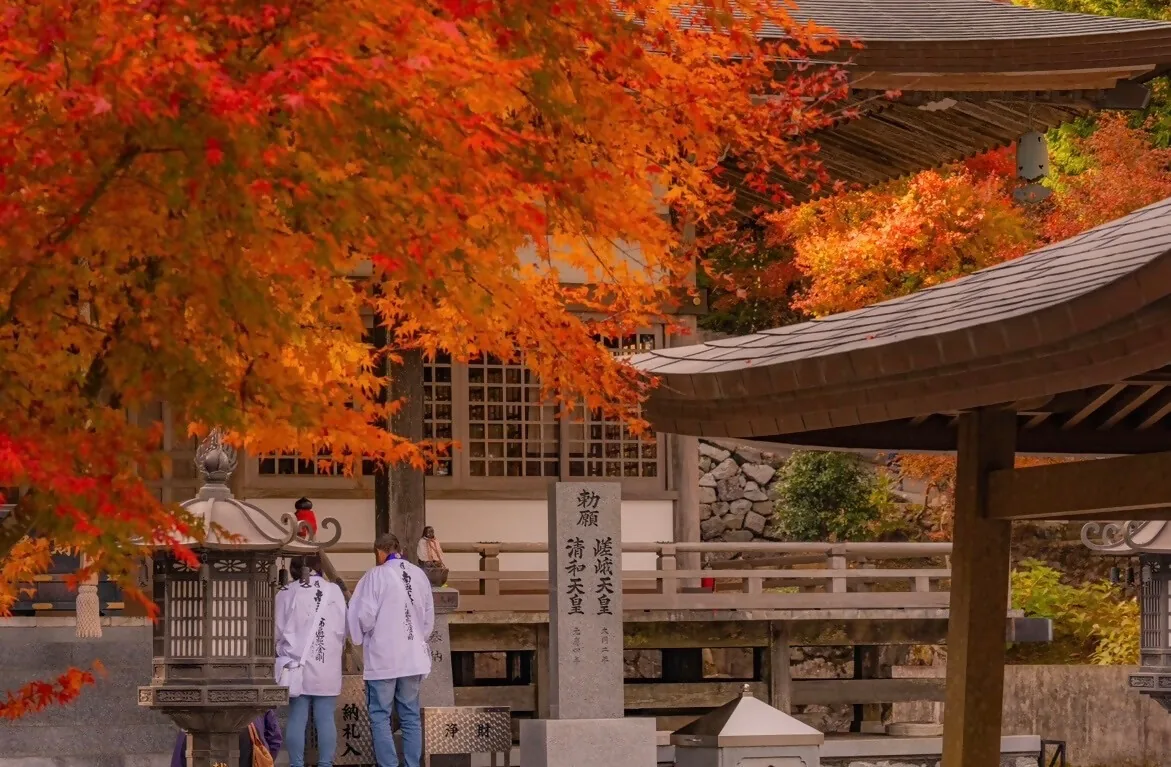
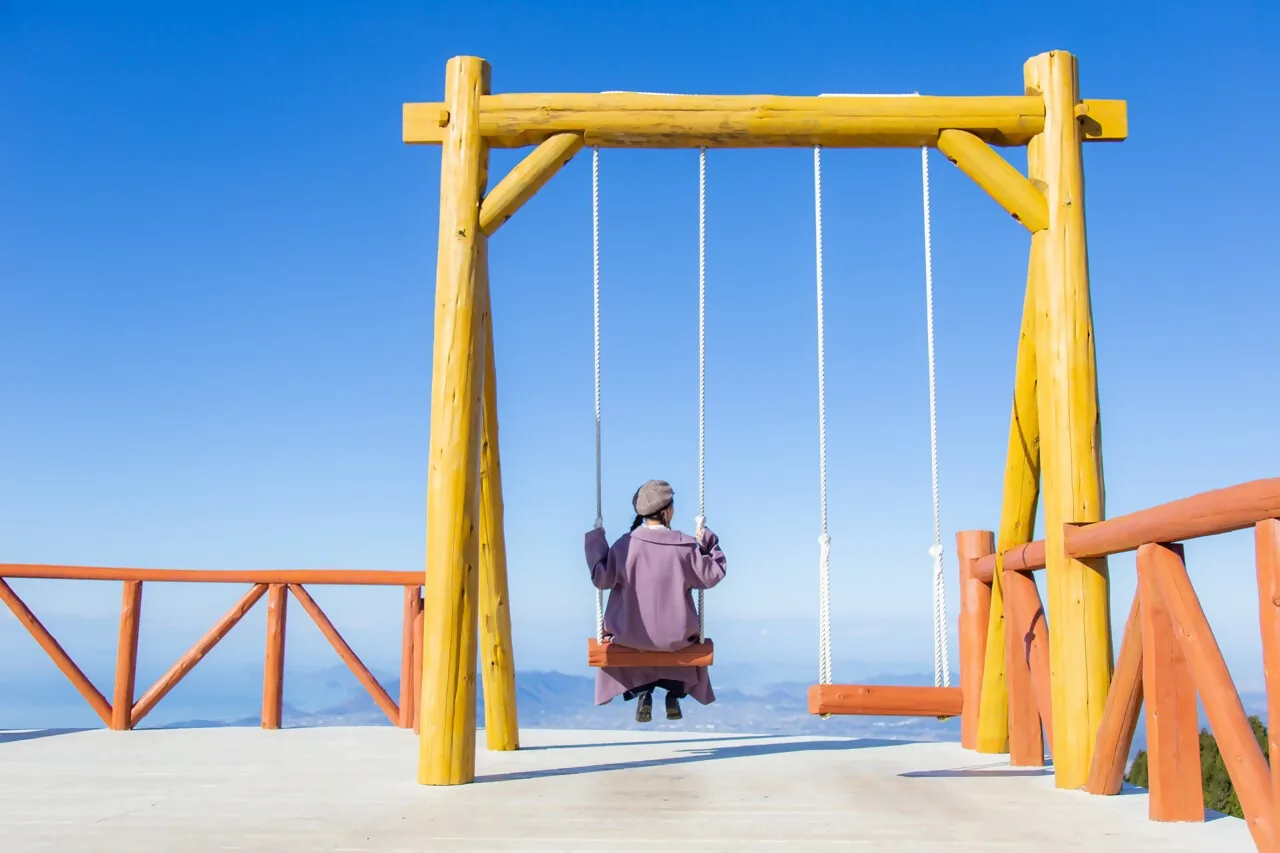
Unpenji is the highest of all the pilgrimage temples. It lies in Tokushima Prefecture but is the first temple of the Sanuki section. From the Kanonji side, the Unpenji Ropeway takes you up in about 7 minutes. In autumn the maples in the grounds turn color.
Courtesy of the Kagawa Prefecture Tourism Association
No. 71 Iyadani-ji: a mountain temple up a long flight of steps
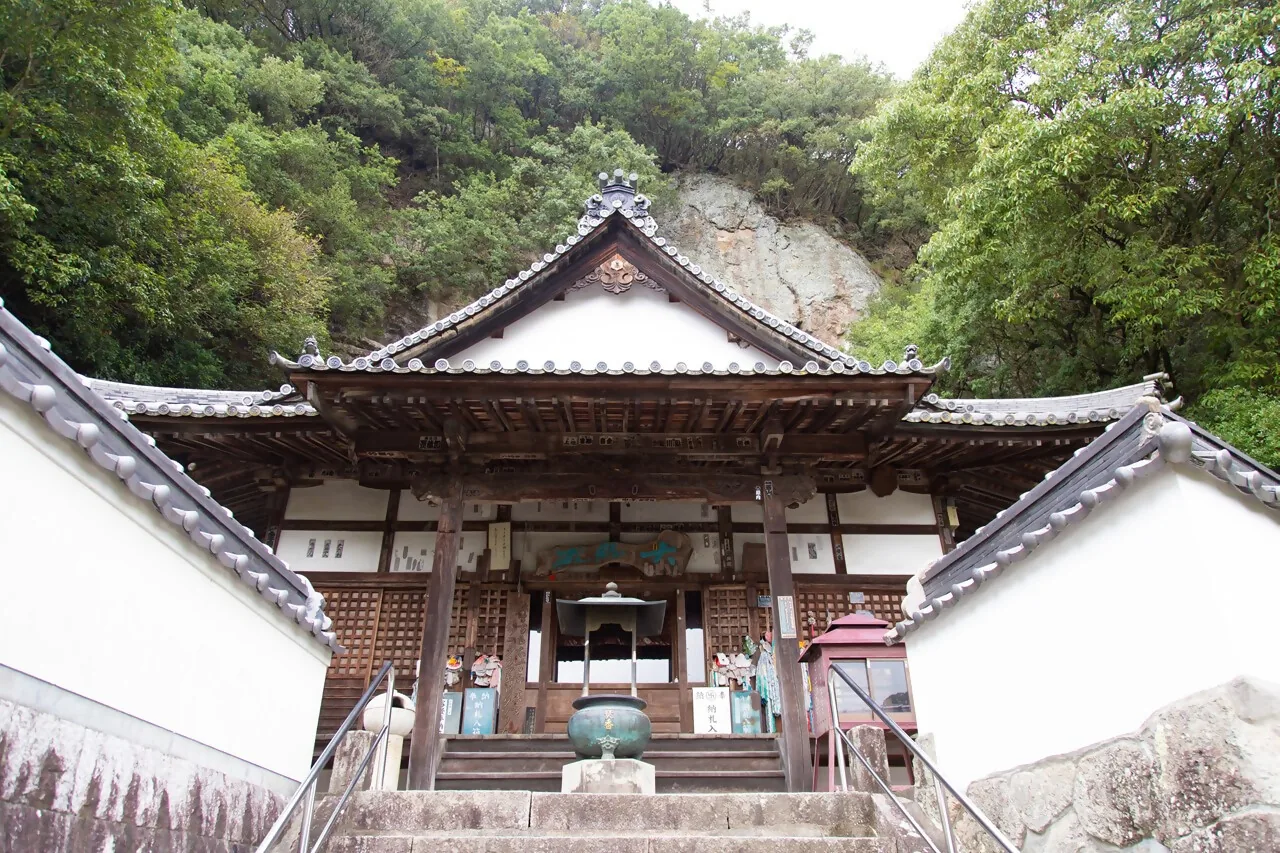
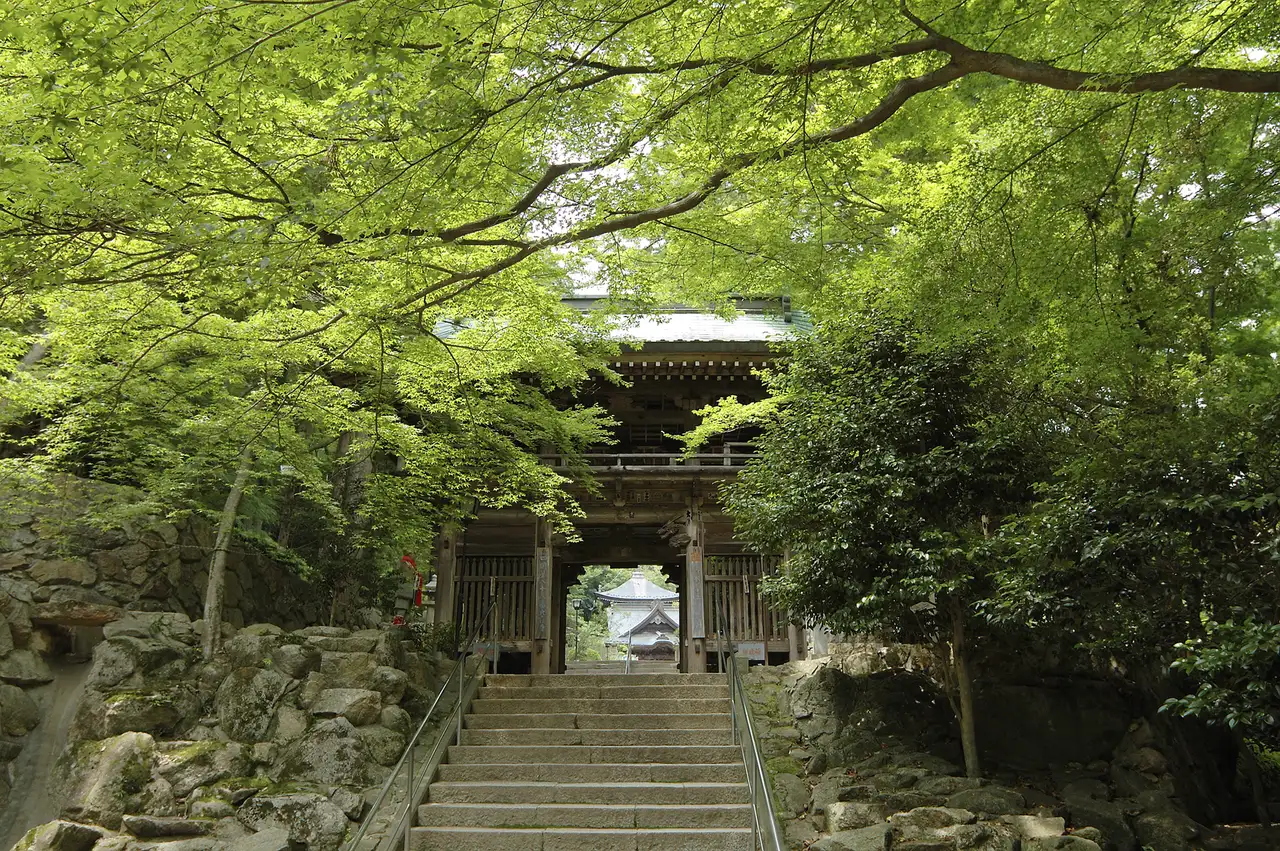
Iyadani-ji is a mountain temple with long flights of stone steps from the Nio gate to the main hall. It has the Shishikutsu cave where Kobo Daishi is said to have trained as a child, and the main hall looks out over the Sanuki Plain. The steps are steep, so wear good shoes.
Courtesy of the Kagawa Prefecture Tourism Association
No. 85 Yakuri-ji: up Mt. Goken by cable car
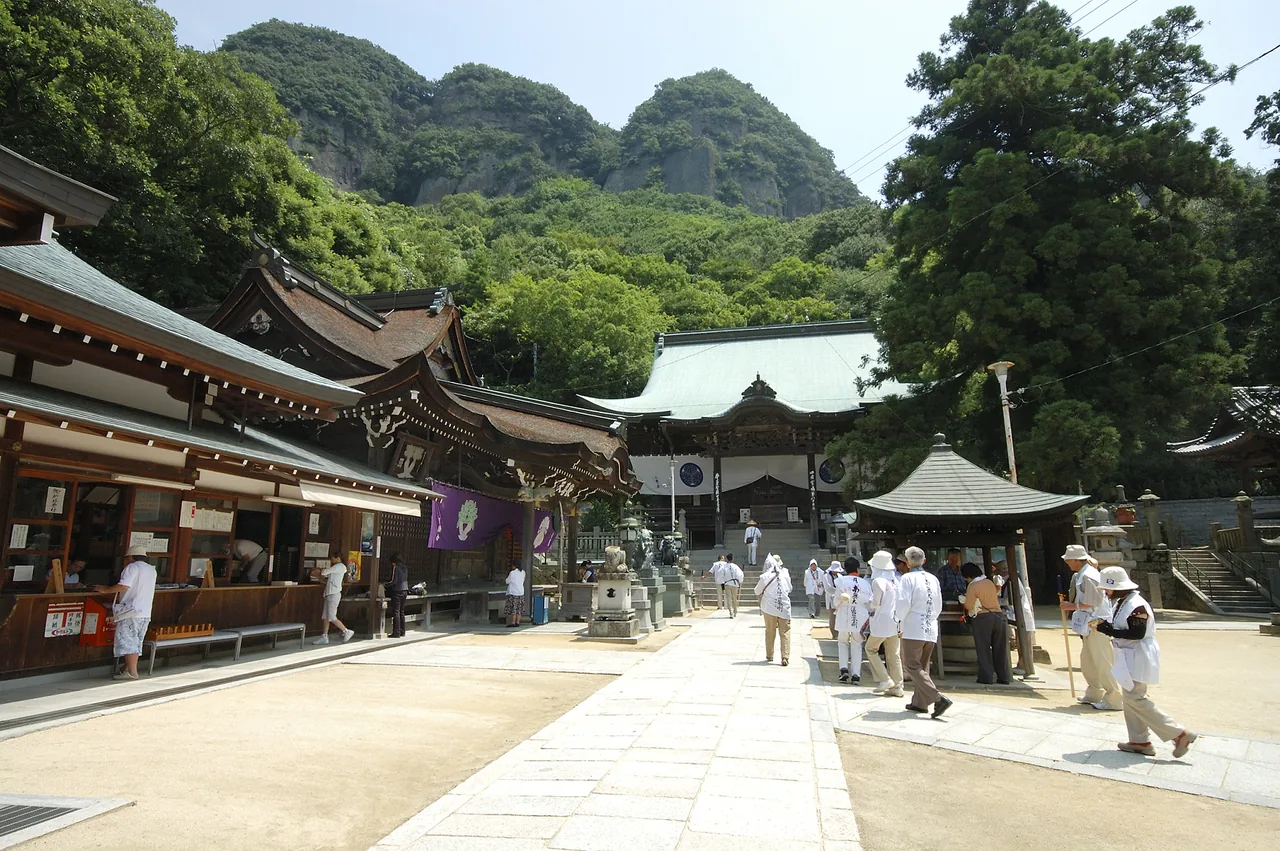
Yakuri-ji, in Mure, Takamatsu, sits partway up Mt. Goken, a mountain of rocky peaks. A cable car runs up from the foot of the mountain, and from the grounds the rock peaks feel close enough to touch. There is also a Shoten hall, known locally as "Yakuri no Shoten-san."
Courtesy of the Kagawa Prefecture Tourism Association
No. 86 Shido-ji: a pagoda and the legend of a woman diver
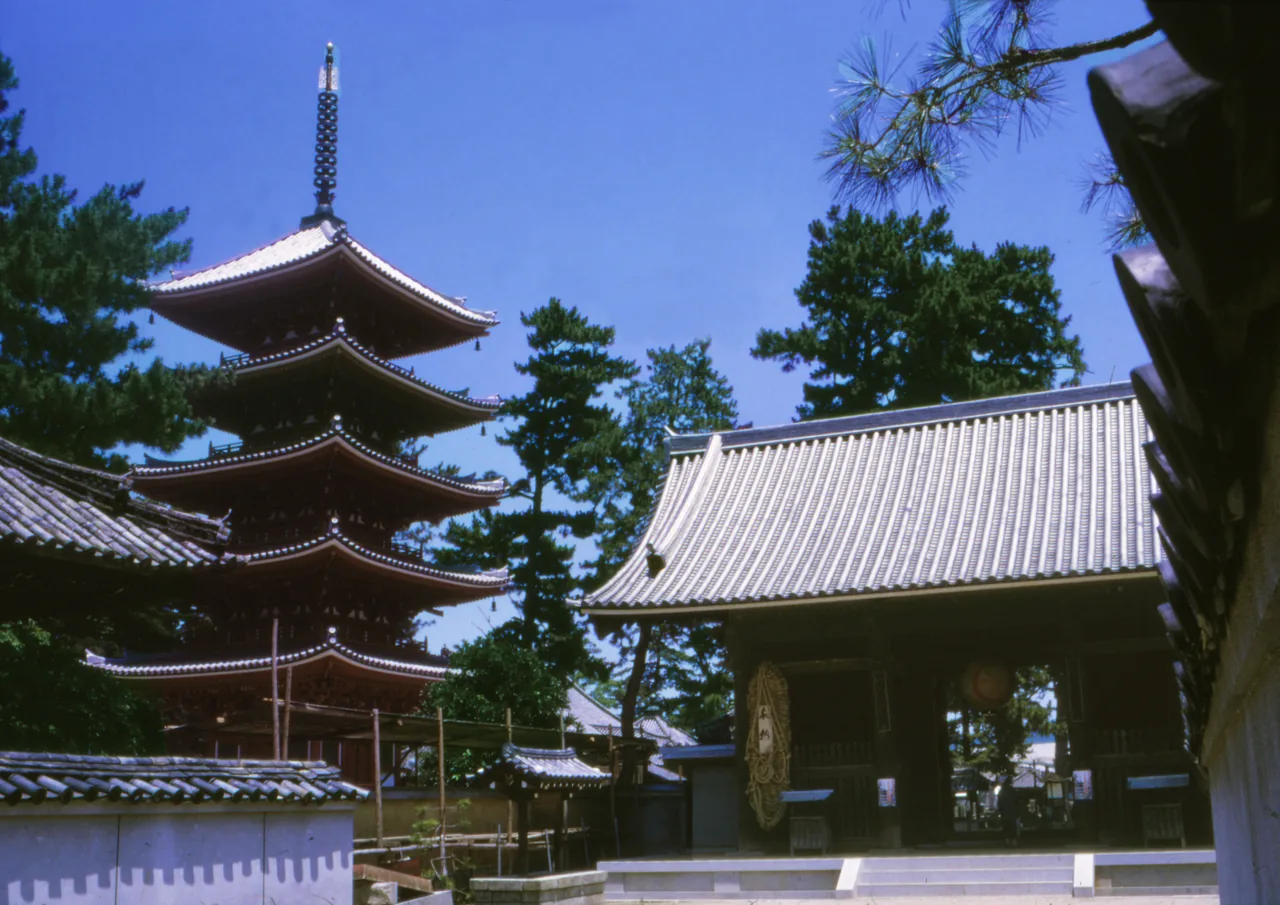
Shido-ji, in Sanuki City, is linked to the legend of a woman diver who recovered a jewel from the sea, and its Nio gate and main hall are national Important Cultural Properties. A five-story pagoda also stands in the grounds. You can walk there from Shido Station (JR or Kotoden).
Courtesy of the Kagawa Prefecture Tourism Association
No. 88 Okubo-ji: where the pilgrimage ends
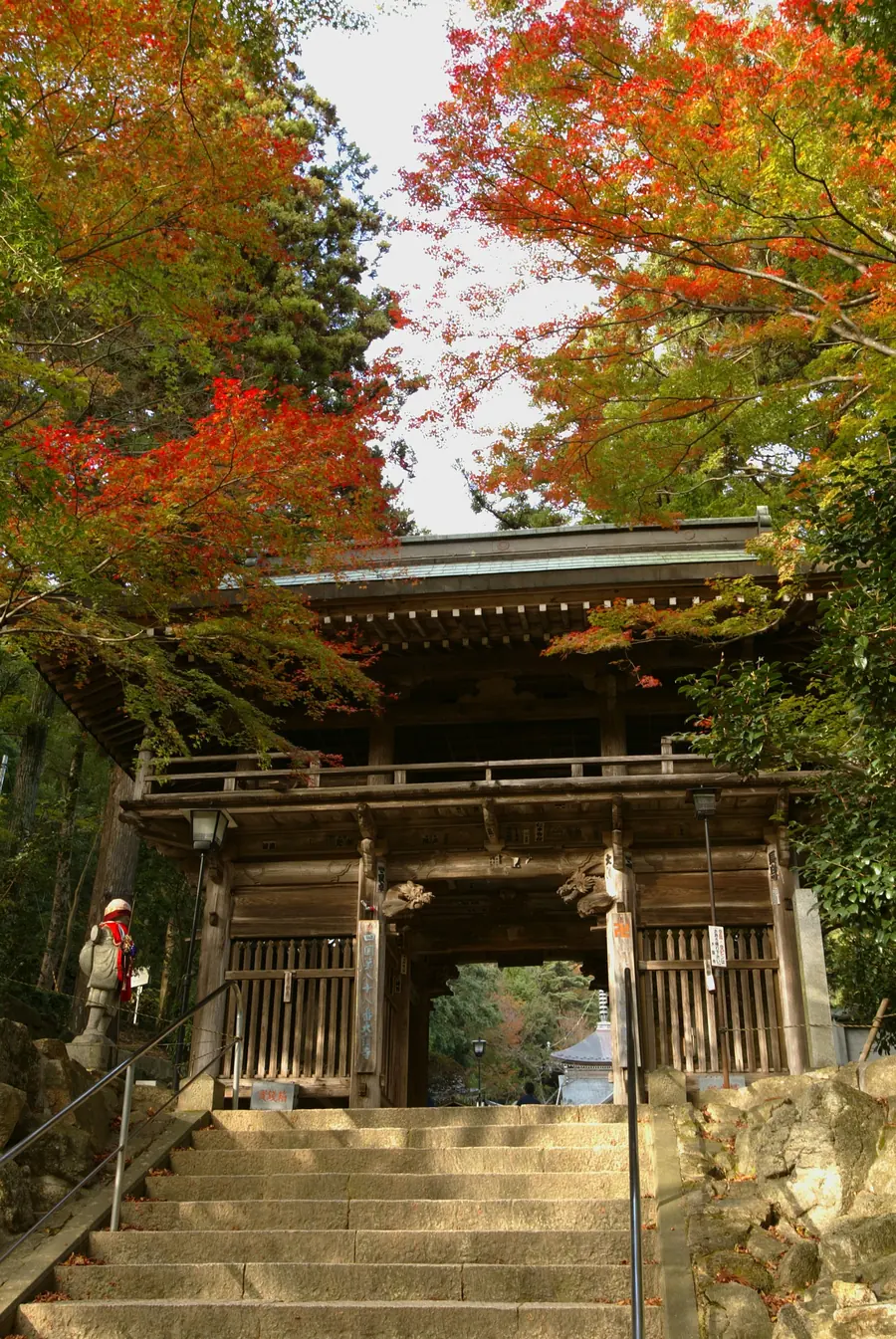
Okubo-ji, in the mountains of Sanuki City, is the last of the 88 temples, and pilgrims who finish here complete their journey. Beside the Daishi hall is a place where pilgrims leave their walking staffs. In autumn the area around the gate is bright with red leaves.
Courtesy of the Kagawa Prefecture Tourism Association
Getting around
Kagawa's 23 temples run from Kanonji and Mitoyo in the west, through Zentsuji and Marugame, Sakaide and Takamatsu, to Sanuki City in the east.
- On foot: The seven temples from No. 71 to No. 77, including Zentsuji, form the seven-temple pilgrimage (七ヶ所まいり), about 16 km that can be covered in a day. See the model course "Zentsuji Pilgrimage Walk"
- By train: Kokubun-ji is right by JR Kokubu Station, and Zentsuji is about a 20-minute walk from JR Zentsuji Station. Shido-ji (Shido Station, JR and Kotoden) and Nagao-ji (Kotoden Nagao Station) are also walkable from the station. Check the way with a map app
- By car: Hilltop temples such as Unpenji, Iyadani-ji, Shiromine-ji, Negoro-ji and Okubo-ji are easiest by car or taxi. There is also a model course covering the last three temples, "Shikoku Pilgrimage Last Three Temples"
At some temples there are long flights of steps or slopes between the car park and the main hall. Temple stamp offices keep set hours, so don't try to fit in too many temples a day, and leave room in your plans.
Places in this guide
Unpenji Ropeway and Summit Park
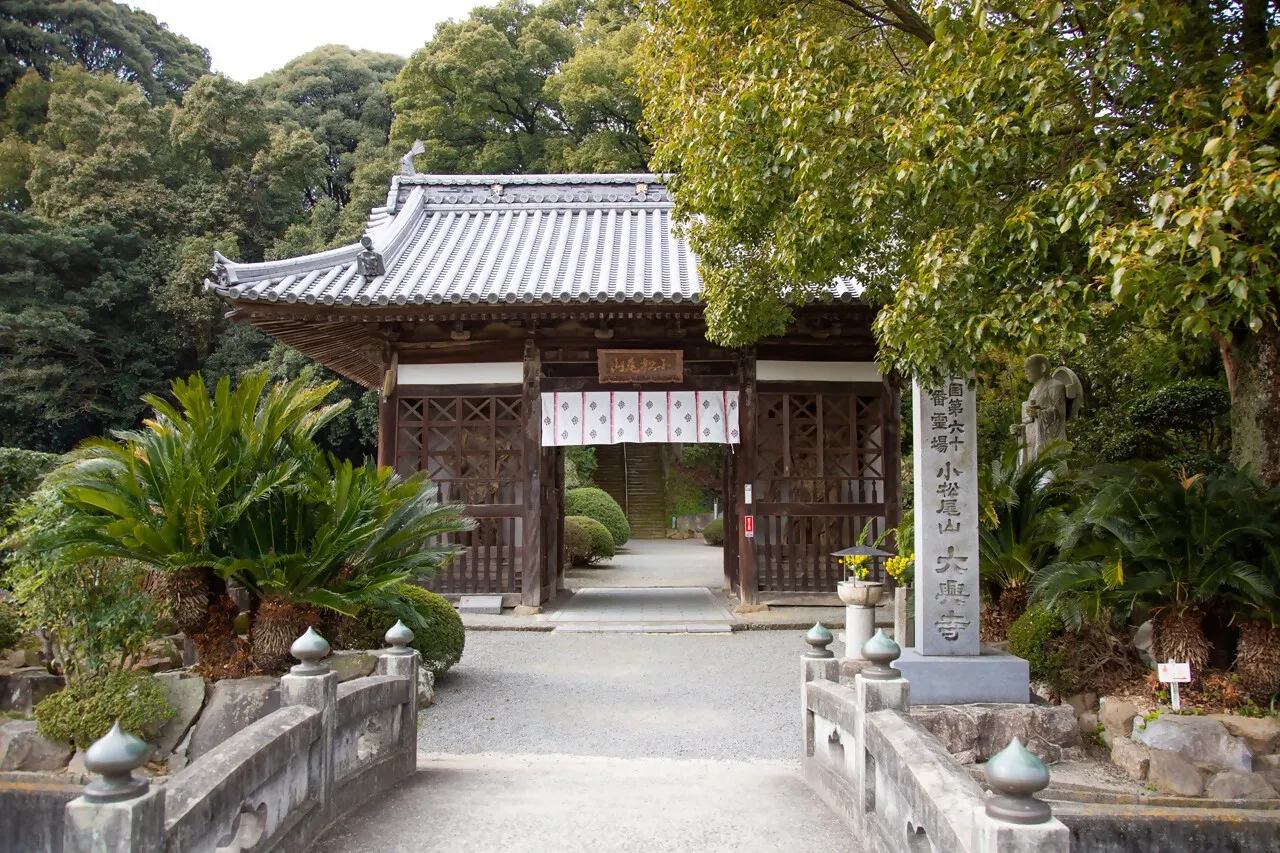
Daiko-ji Temple (Komatsuo-ji)
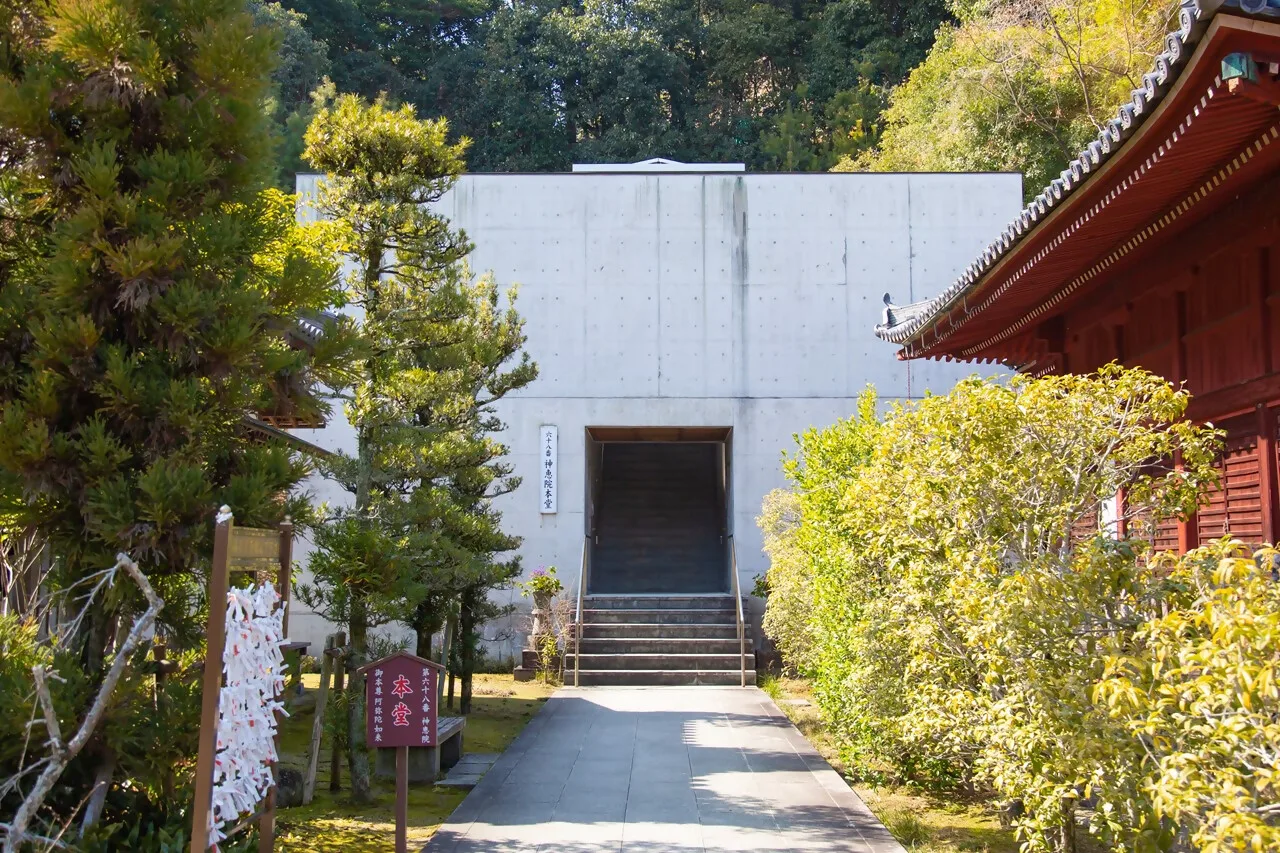
Jinne-in and Kanon-ji (Temples 68 and 69)
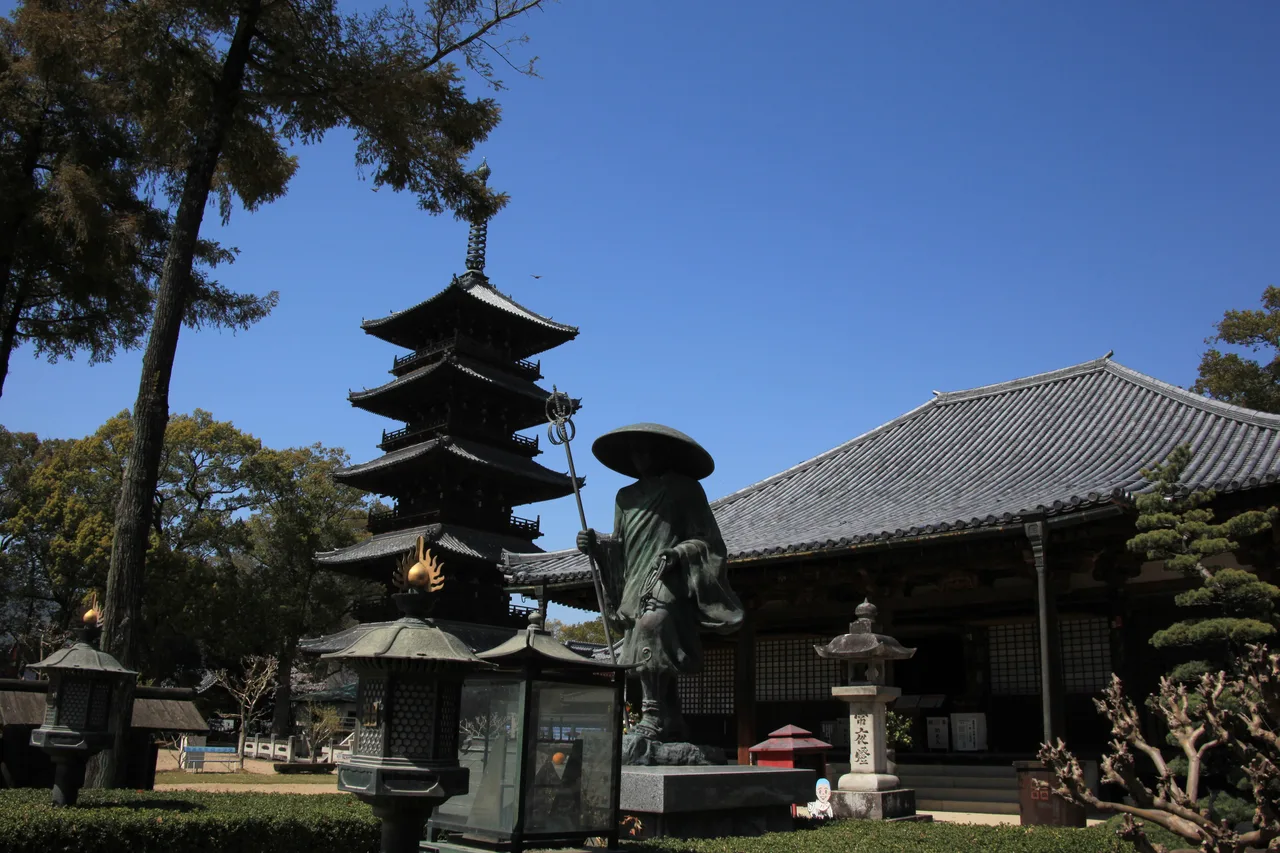
Motoyama-ji Temple
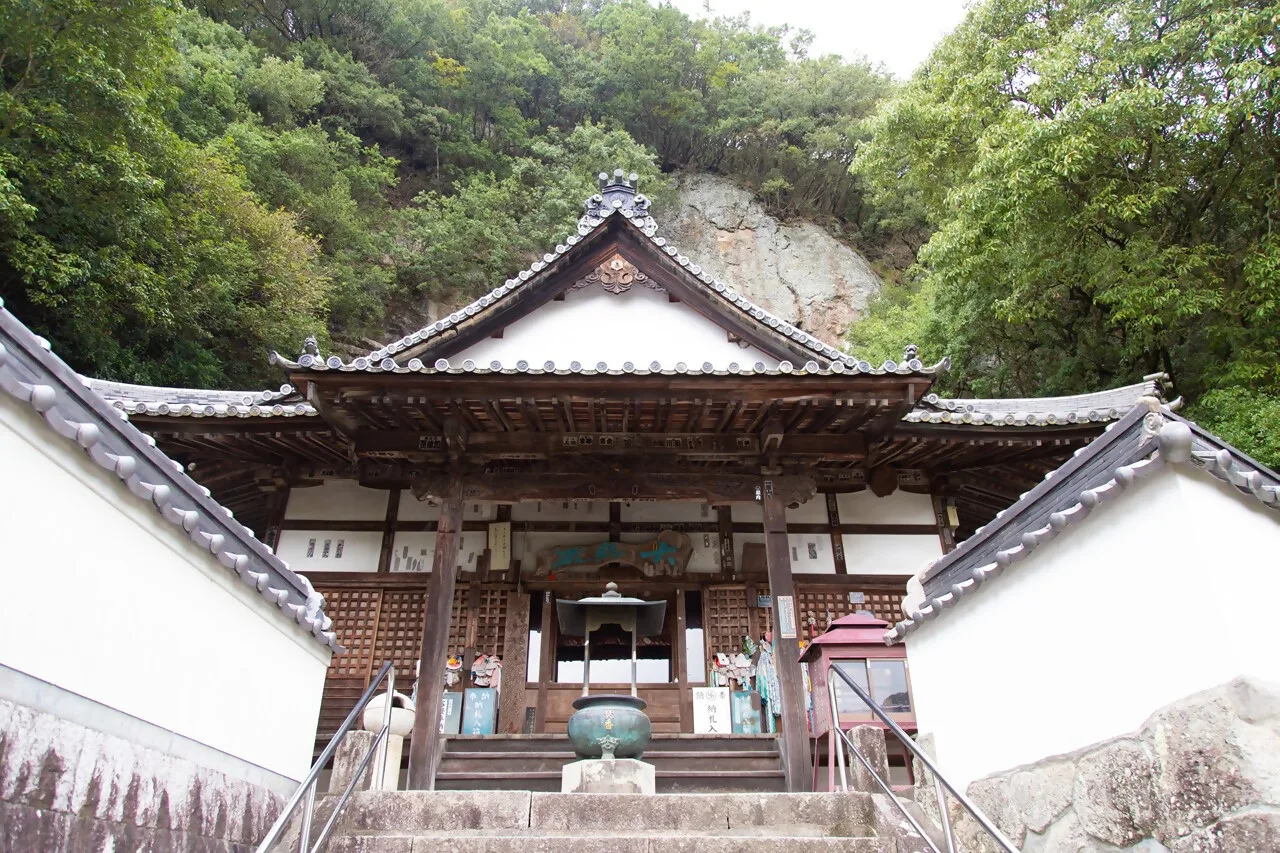
Iyadani-ji Temple
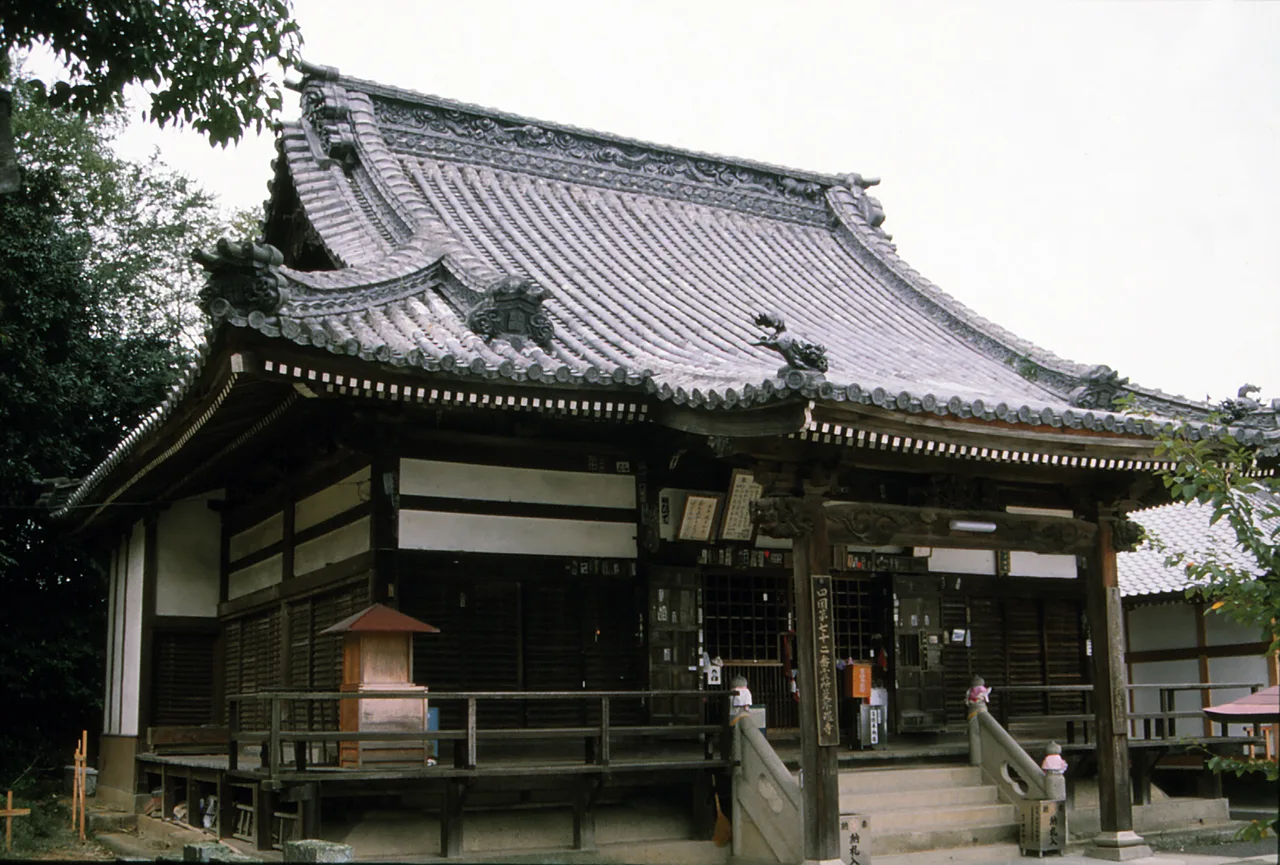
Mandara-ji Temple
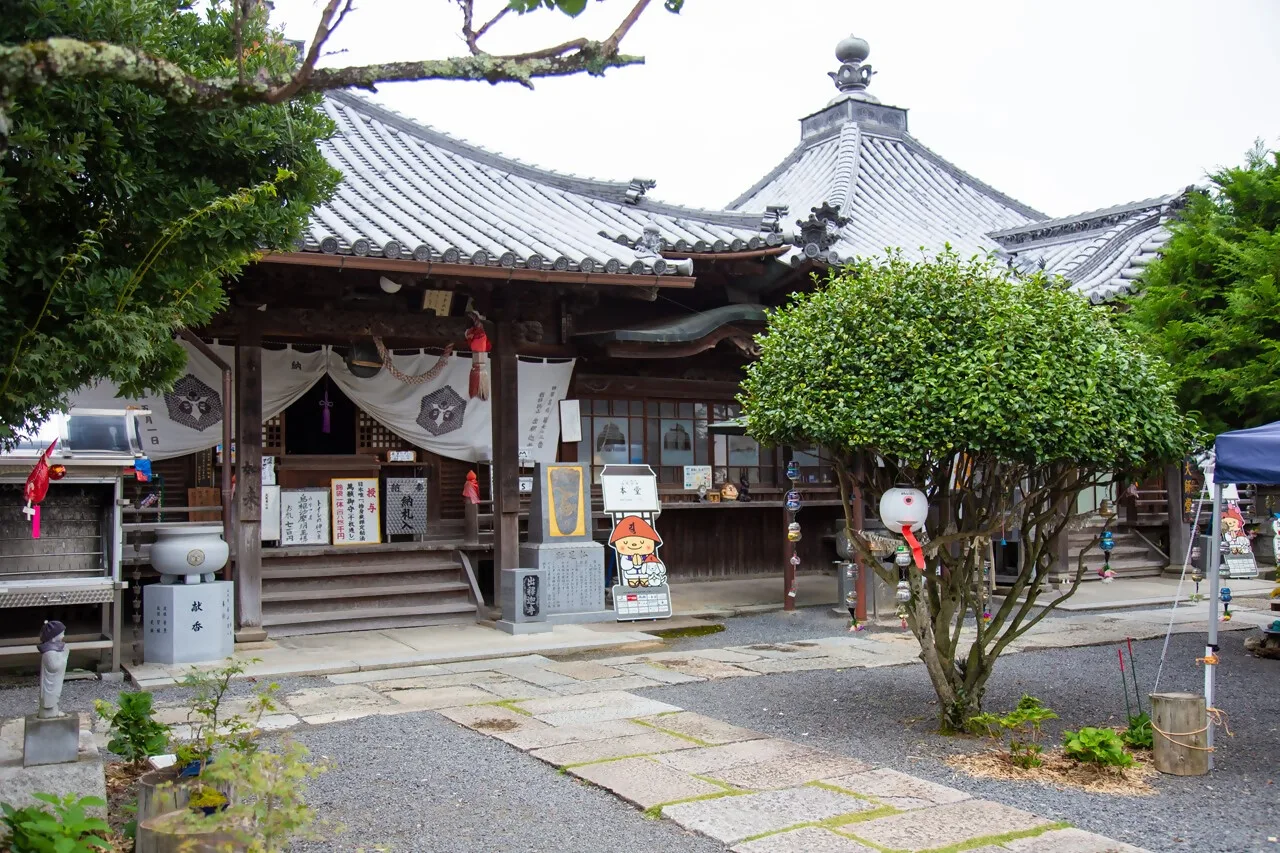
Shusshaka-ji Temple
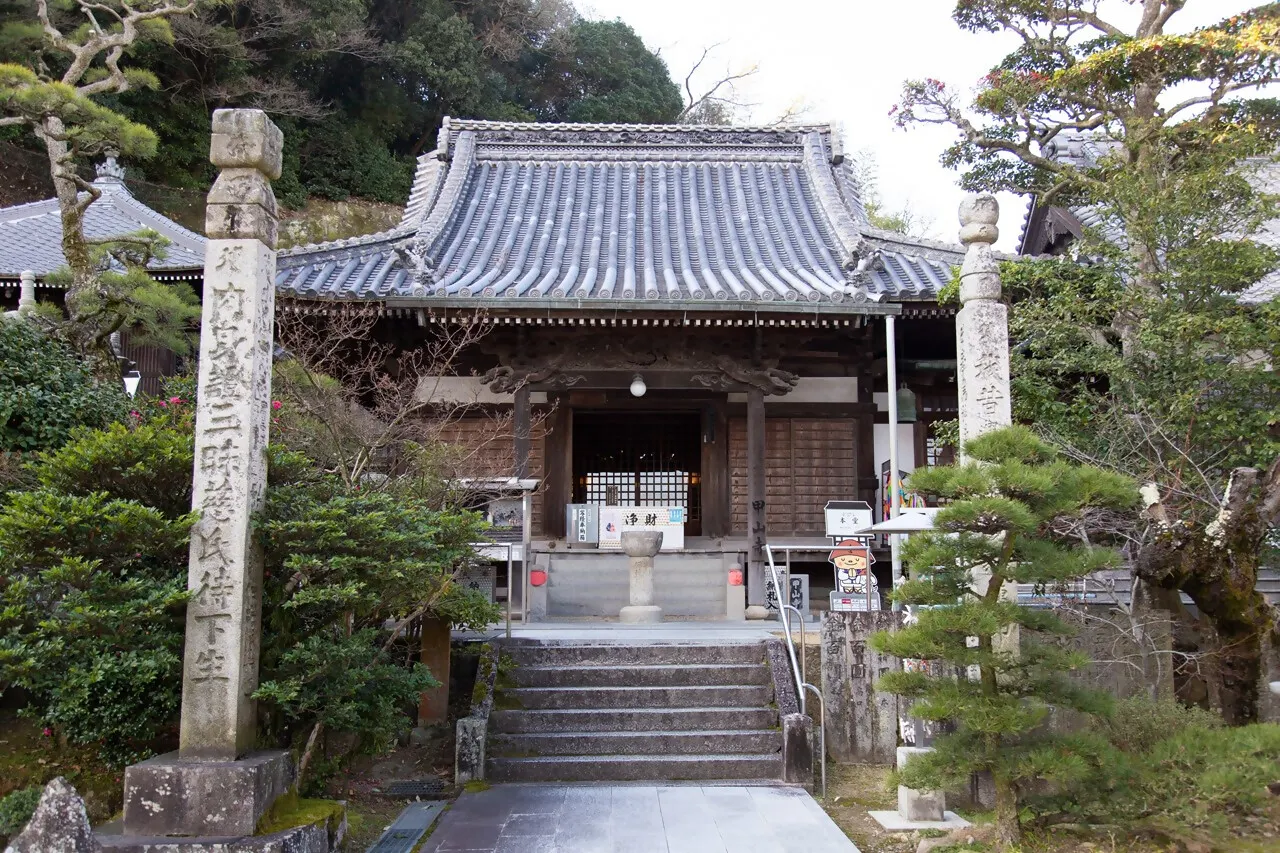
Koyama-ji Temple
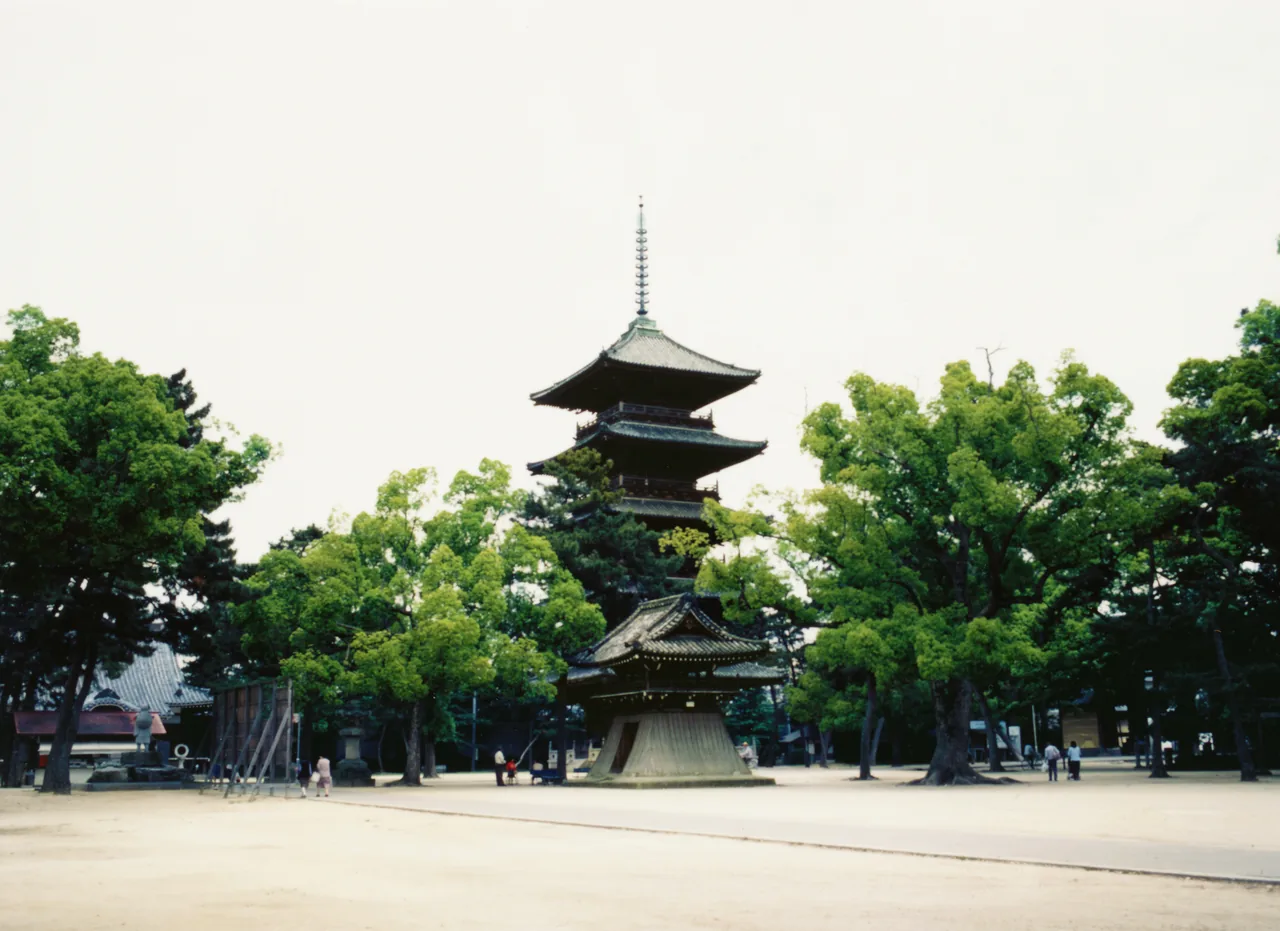
Zentsuji Temple
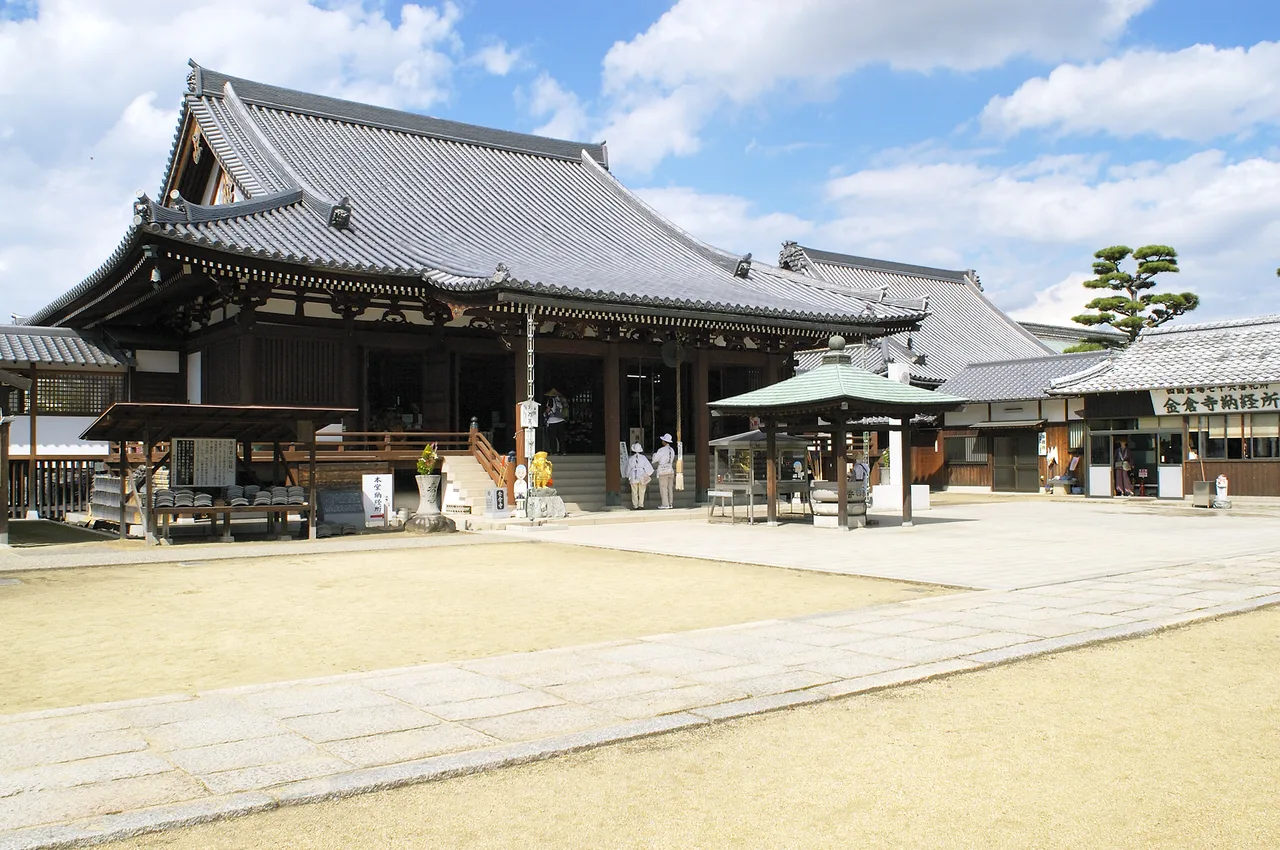
Konzo-ji Temple
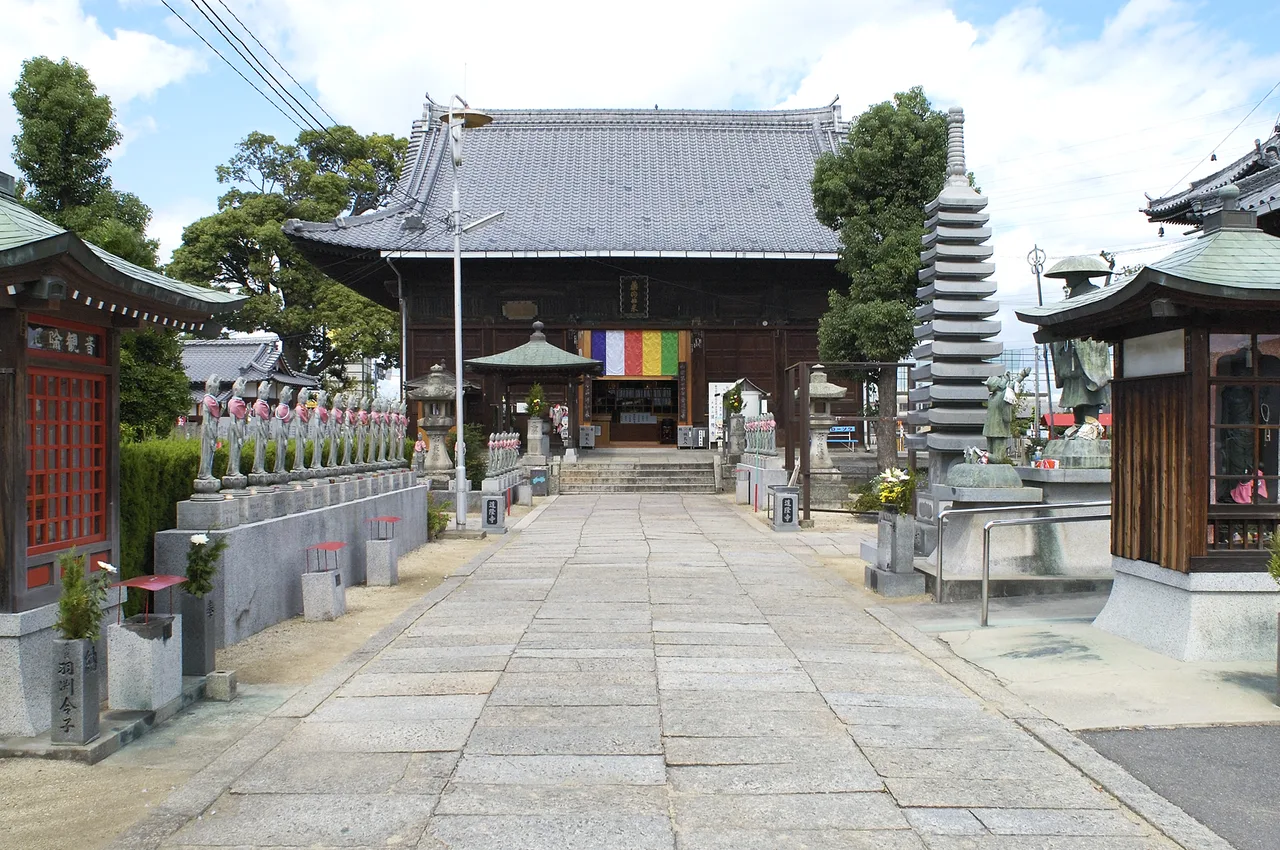
Doryu-ji Temple
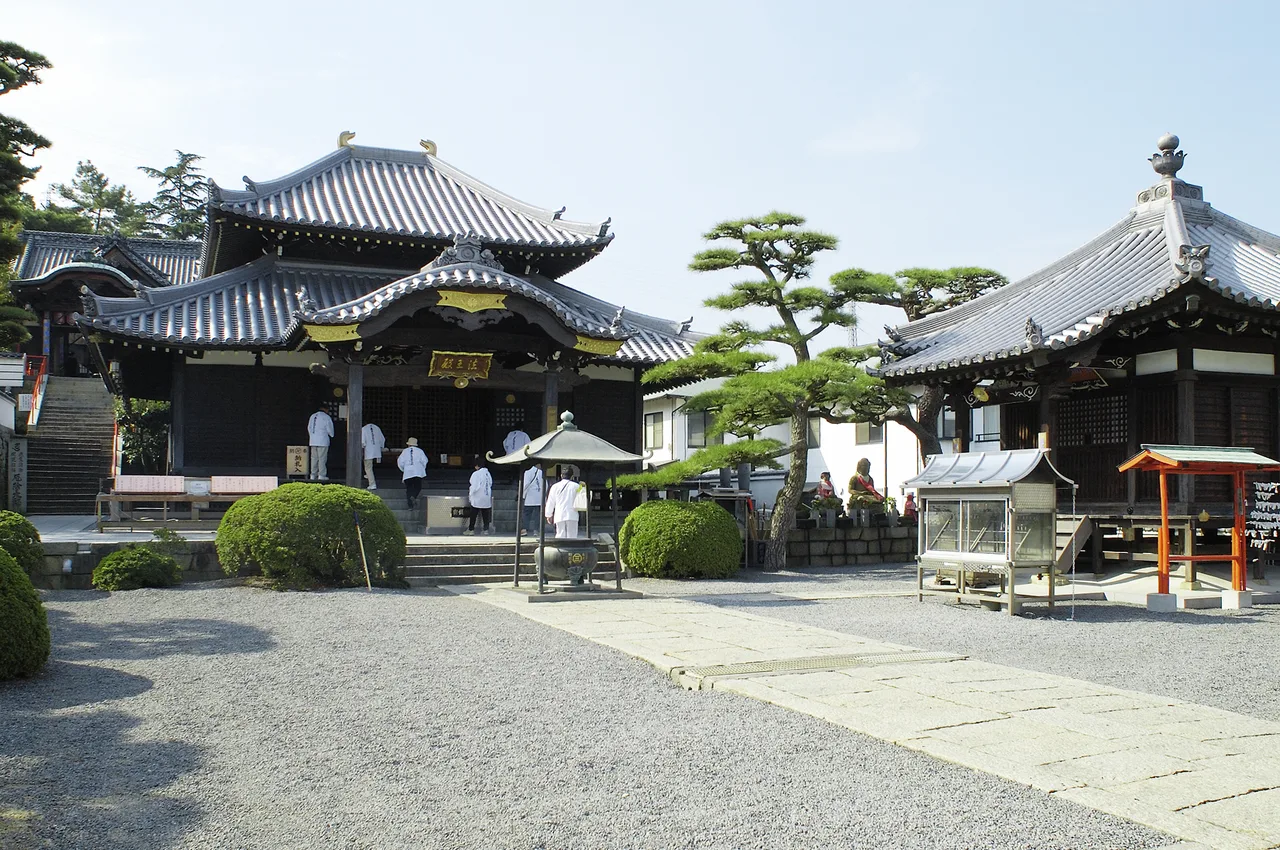
Gosho-ji Temple
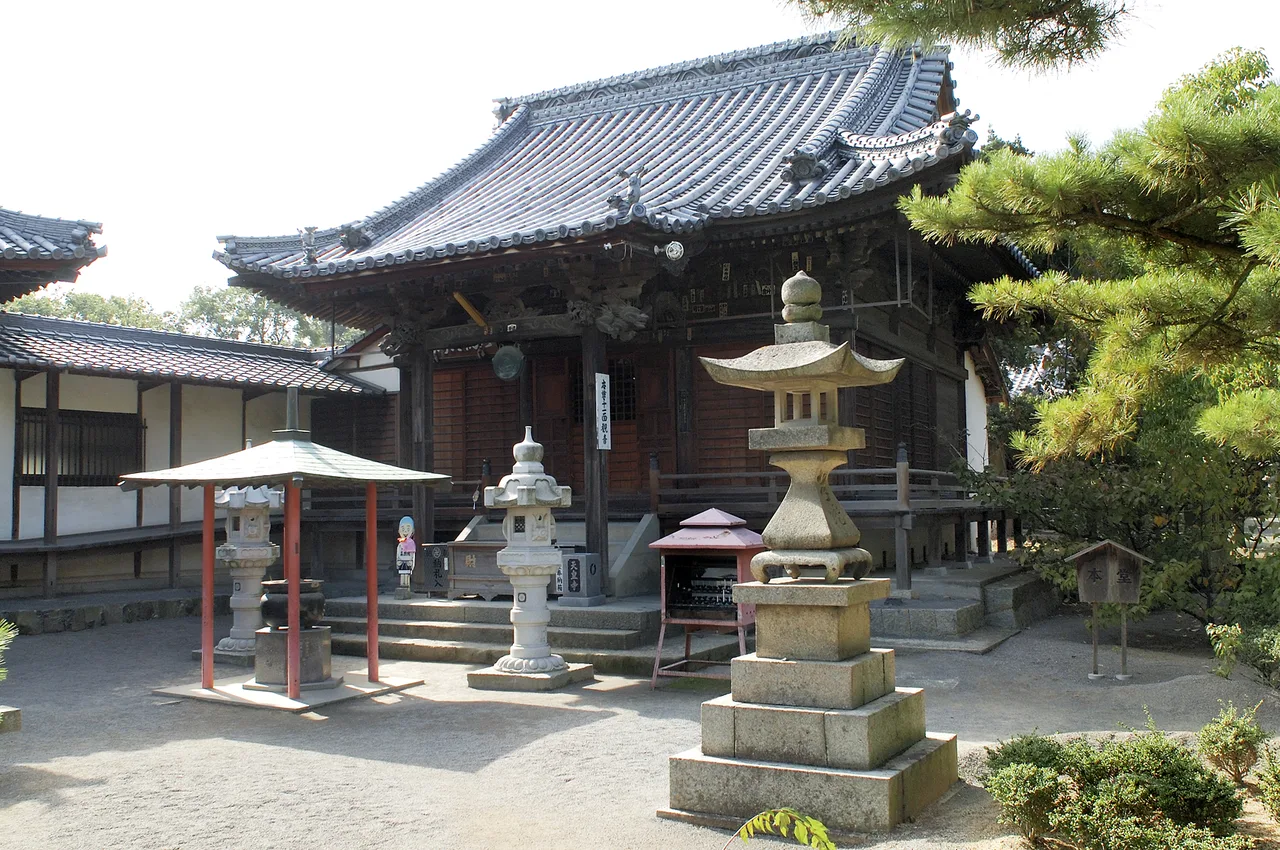
Tenno-ji Temple
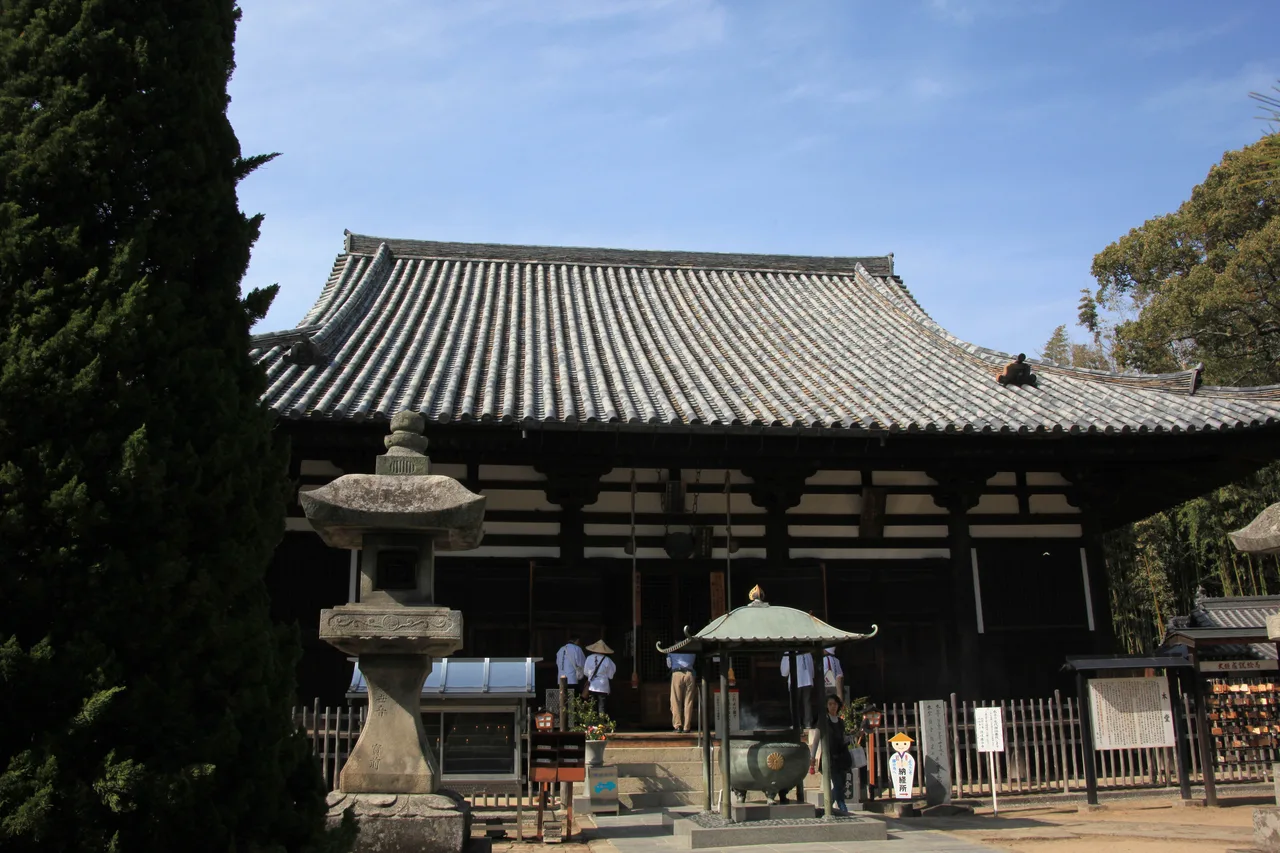
Kokubun-ji Temple (Sanuki Kokubun-ji)
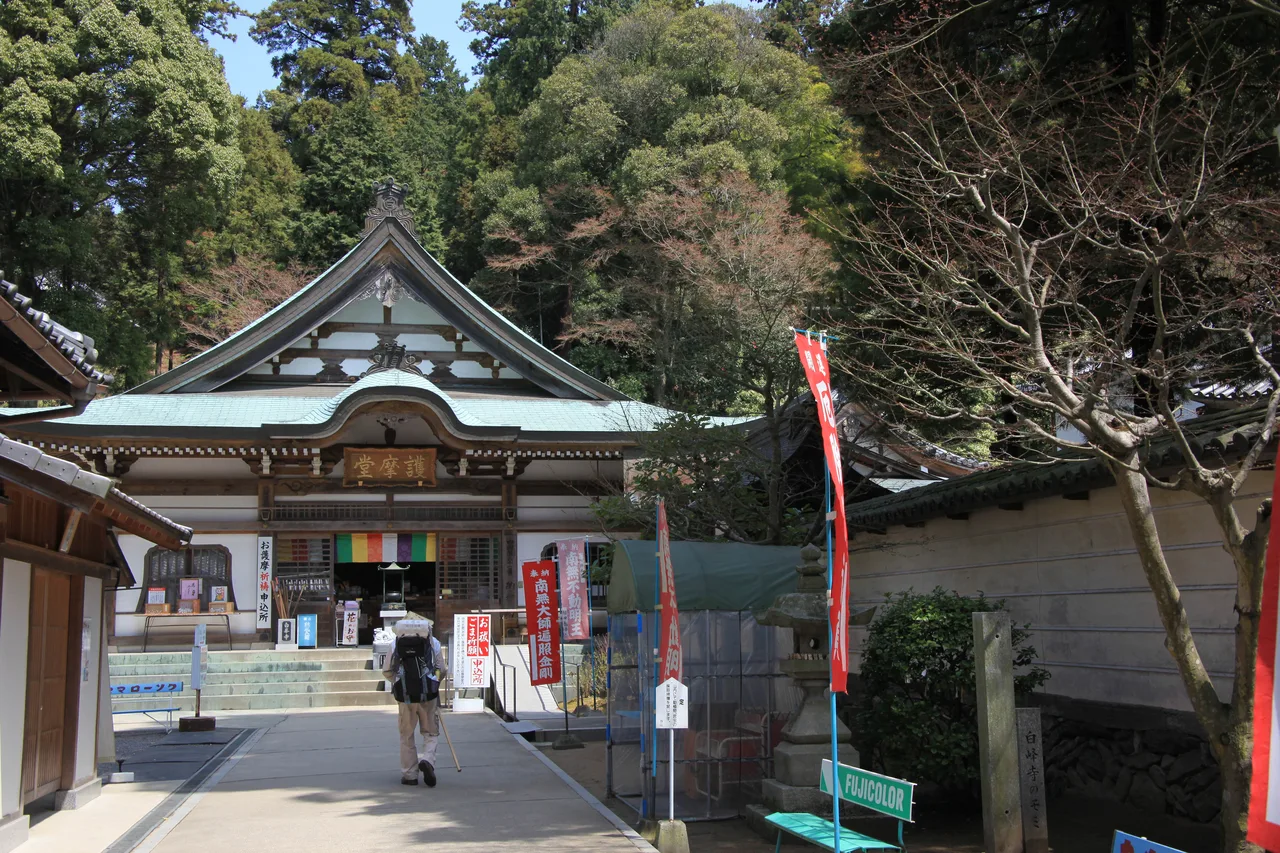
Shiromine-ji Temple
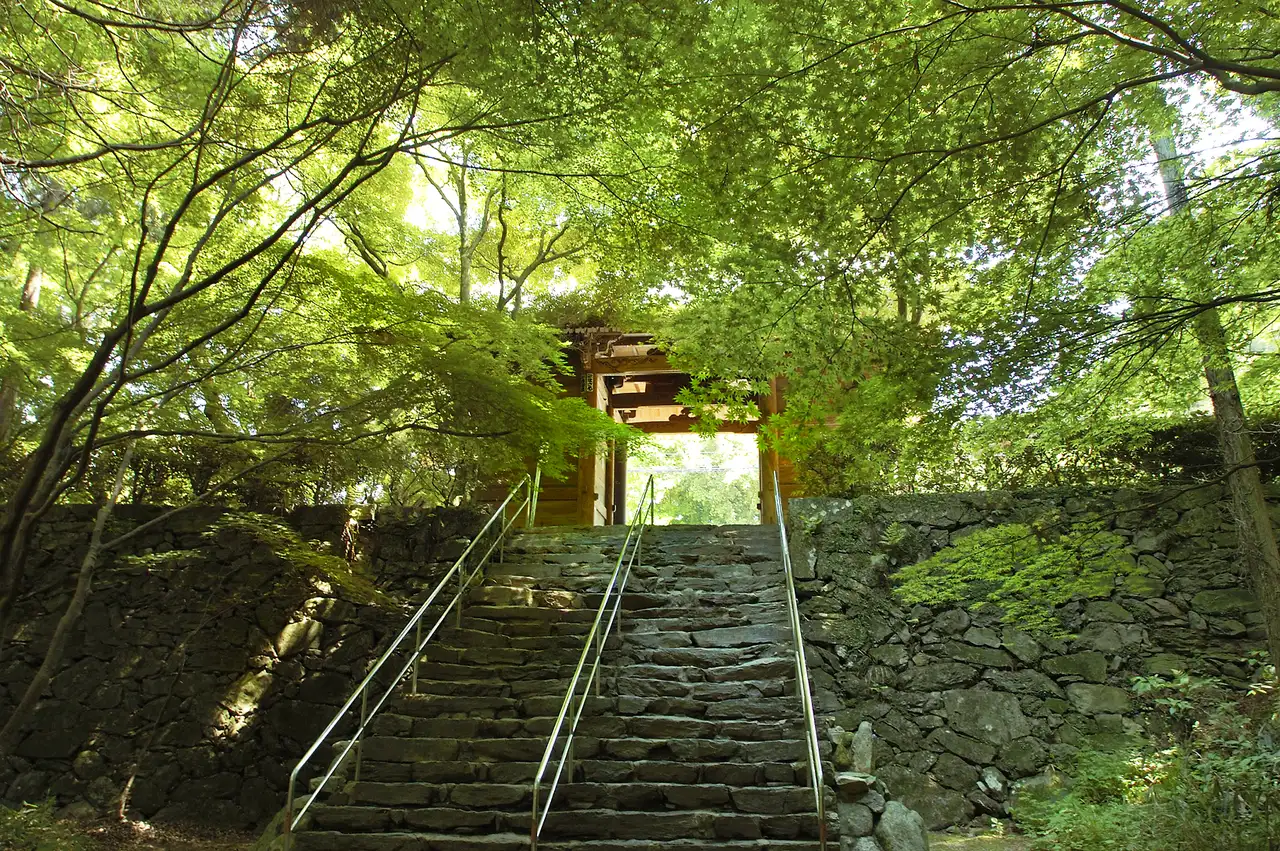
Negoro-ji Temple
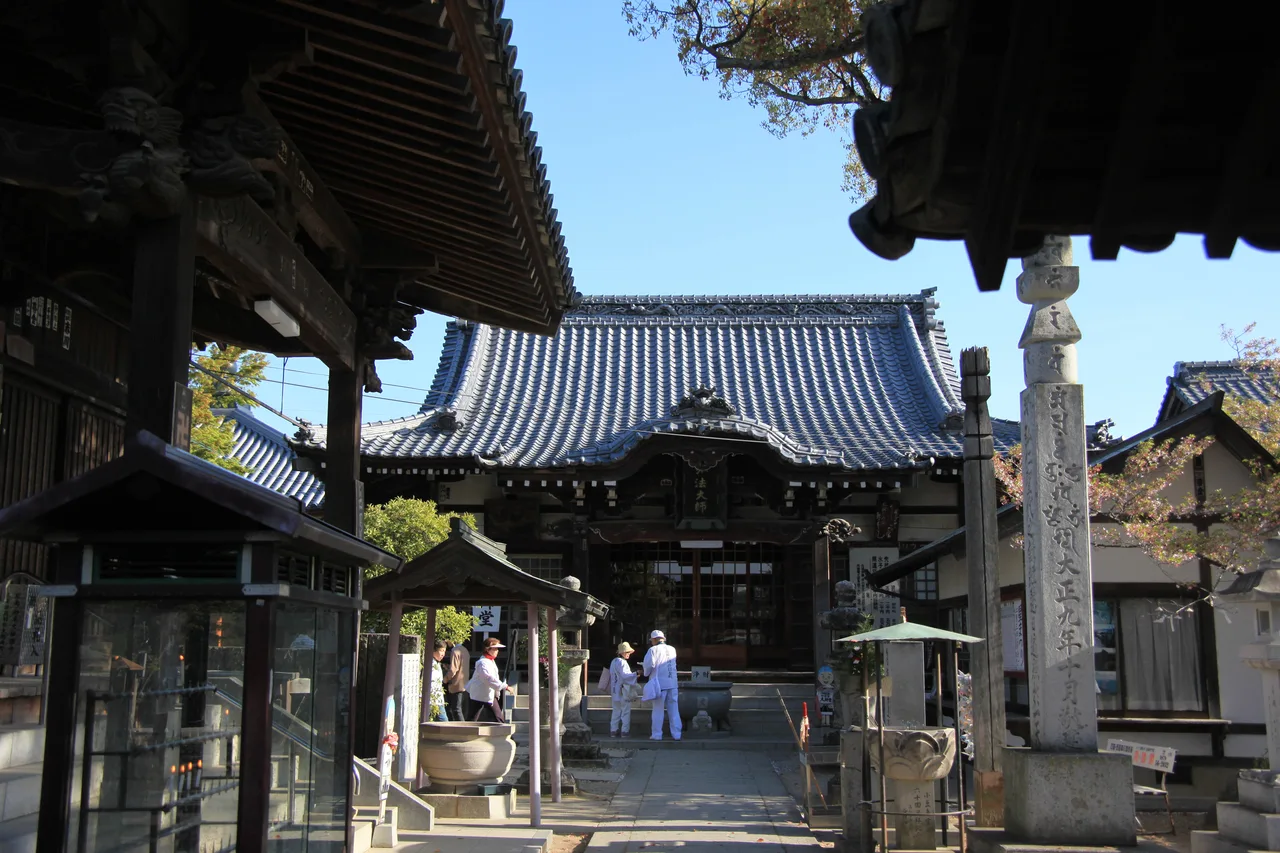
Ichinomiya-ji Temple
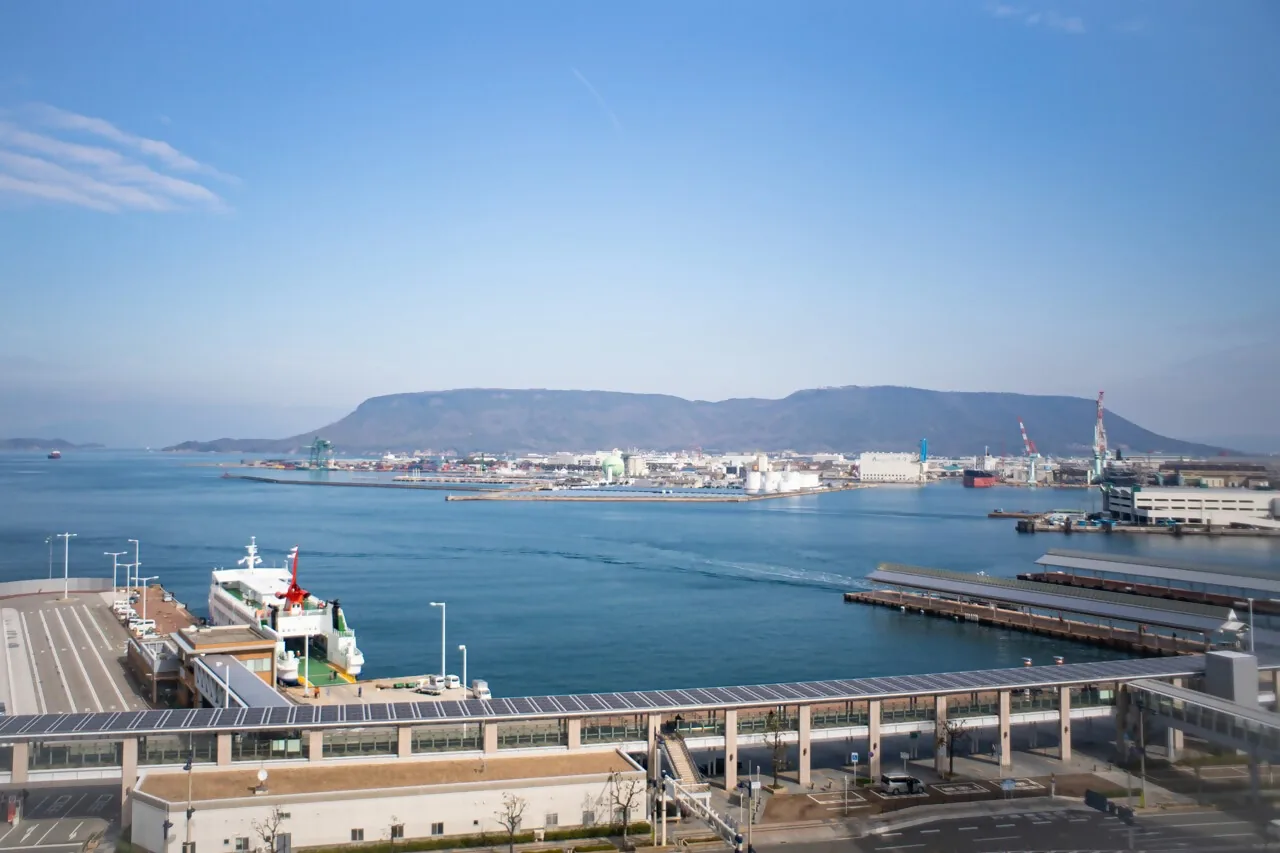
Yashima
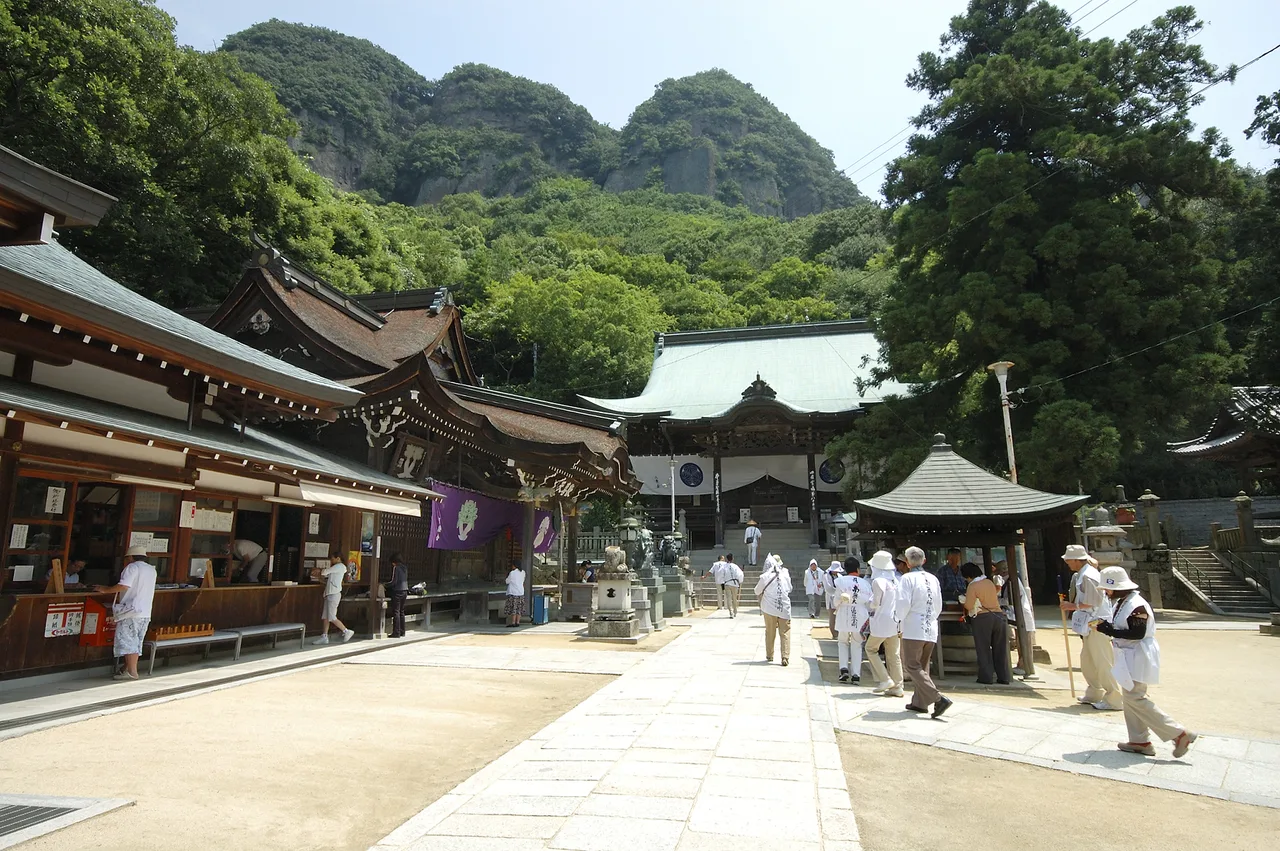
Yakuri-ji Temple
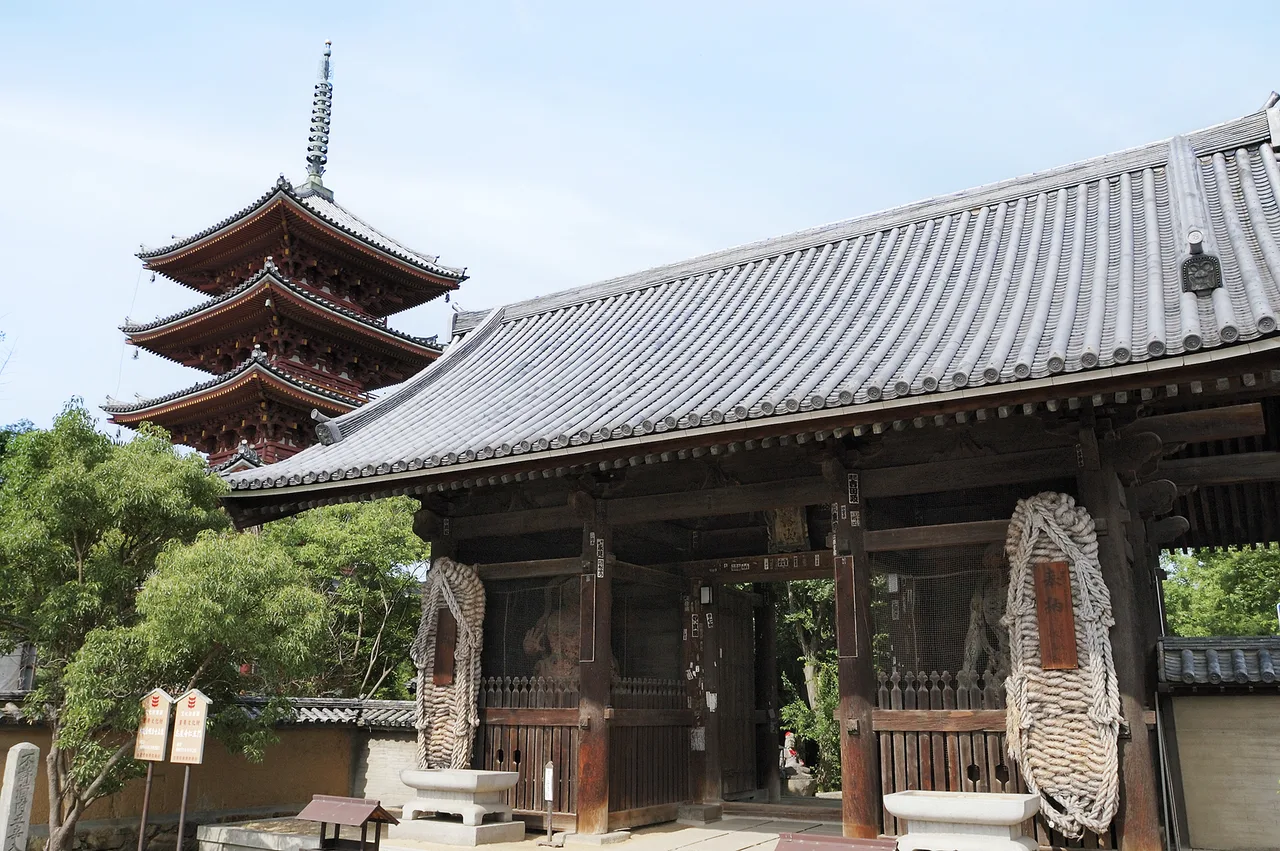
Shido-ji Temple (Temple 86 of the Shikoku Pilgrimage)
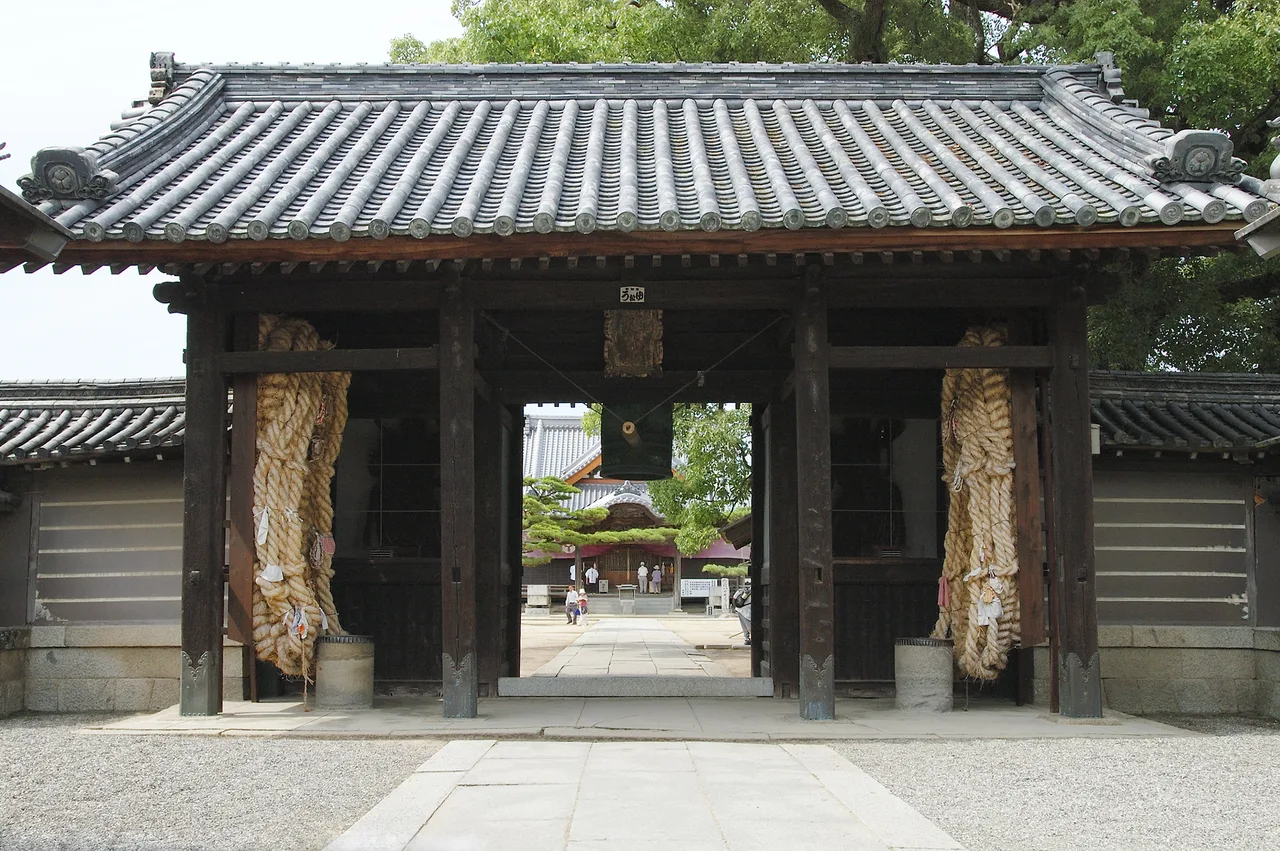
Nagao-ji Temple (Temple 87 of the Shikoku Pilgrimage)
Okubo-ji Temple (Temple 88 of the Shikoku Pilgrimage)