Kochi Food Guide: Katsuo Tataki, Inaka-zushi, Kinme-don and Saba
This guide is translated from the Japanese edition. Read the Japanese edition
Kochi food to try: straw-seared katsuo tataki and where to sear it yourself, inaka-zushi, moray eel, Tosa Akaushi beef, kinme-don, chirimen-don and Shimizu saba.
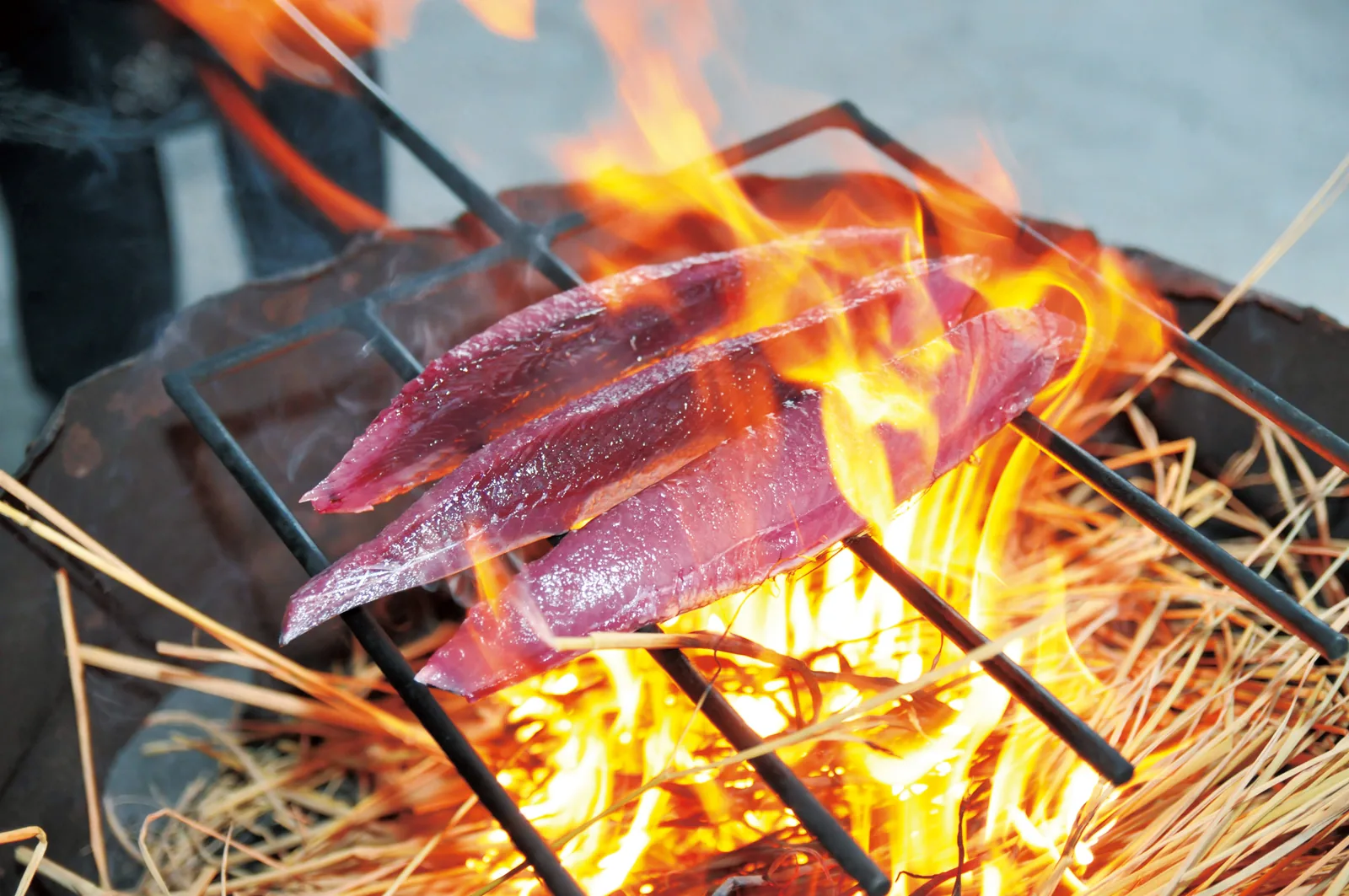
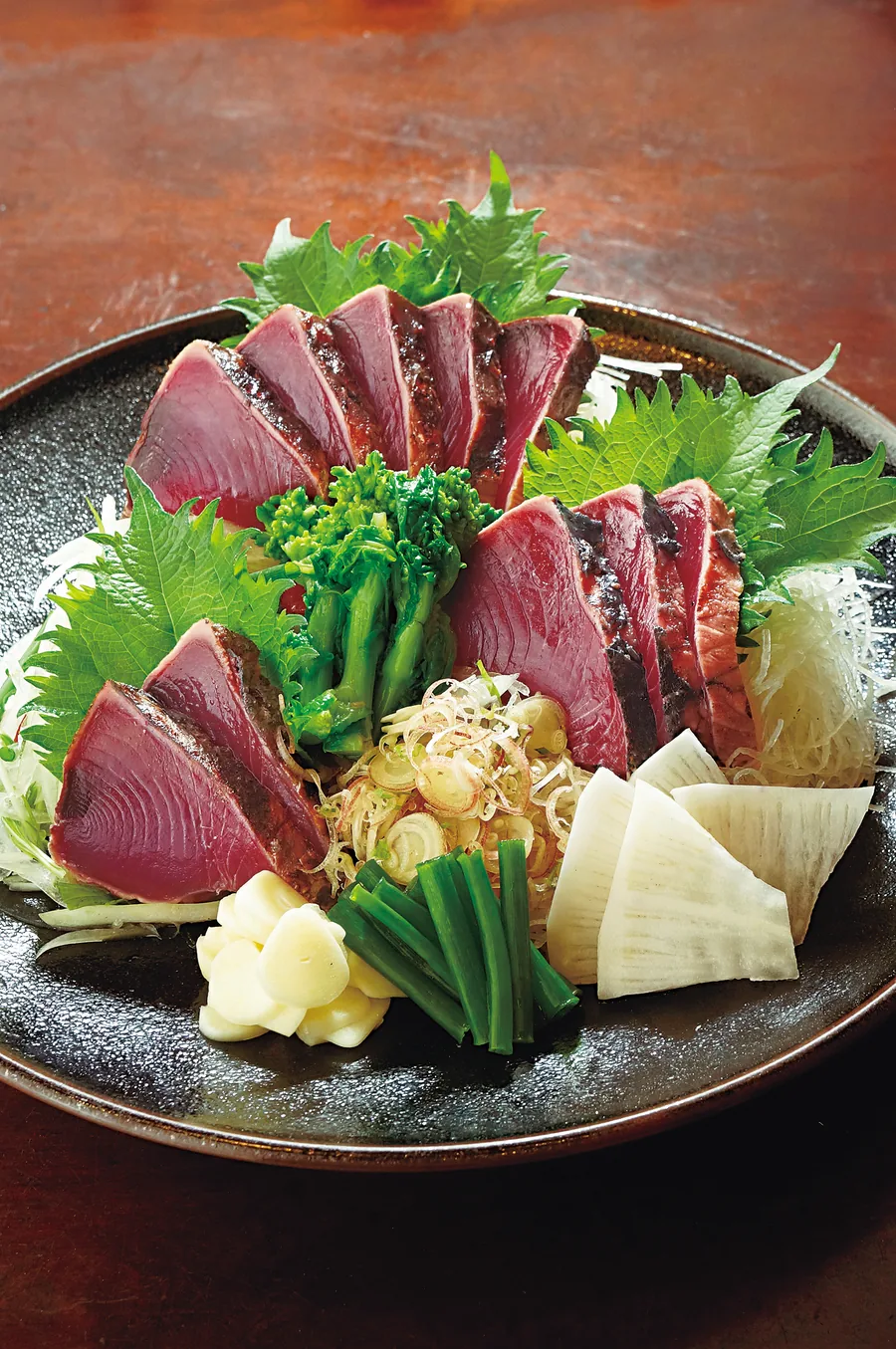
Thick slices of bonito, their edges charred black by a straw fire, served with thin slices of garlic and plenty of garnish. In Kochi, katsuo no tataki (seared bonito) is a treat for visitors and also something local people eat as an everyday meal. Along the long coastline, from Muroto in the east to Tosashimizu in the west, each port has its own signature fish, and in the mountains there is even a style of sushi made with vegetables.
Katsuo tataki: seared over burning straw
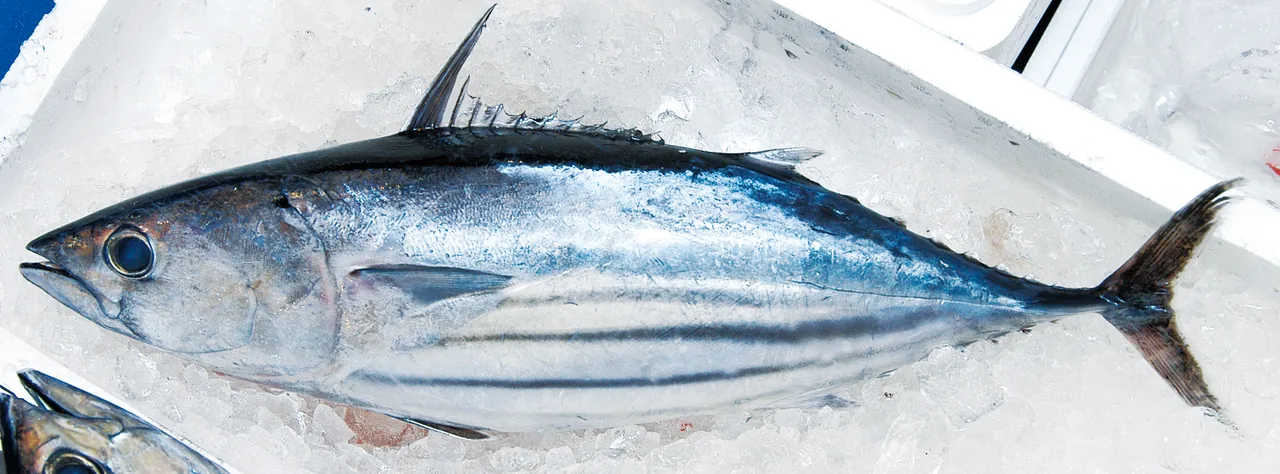
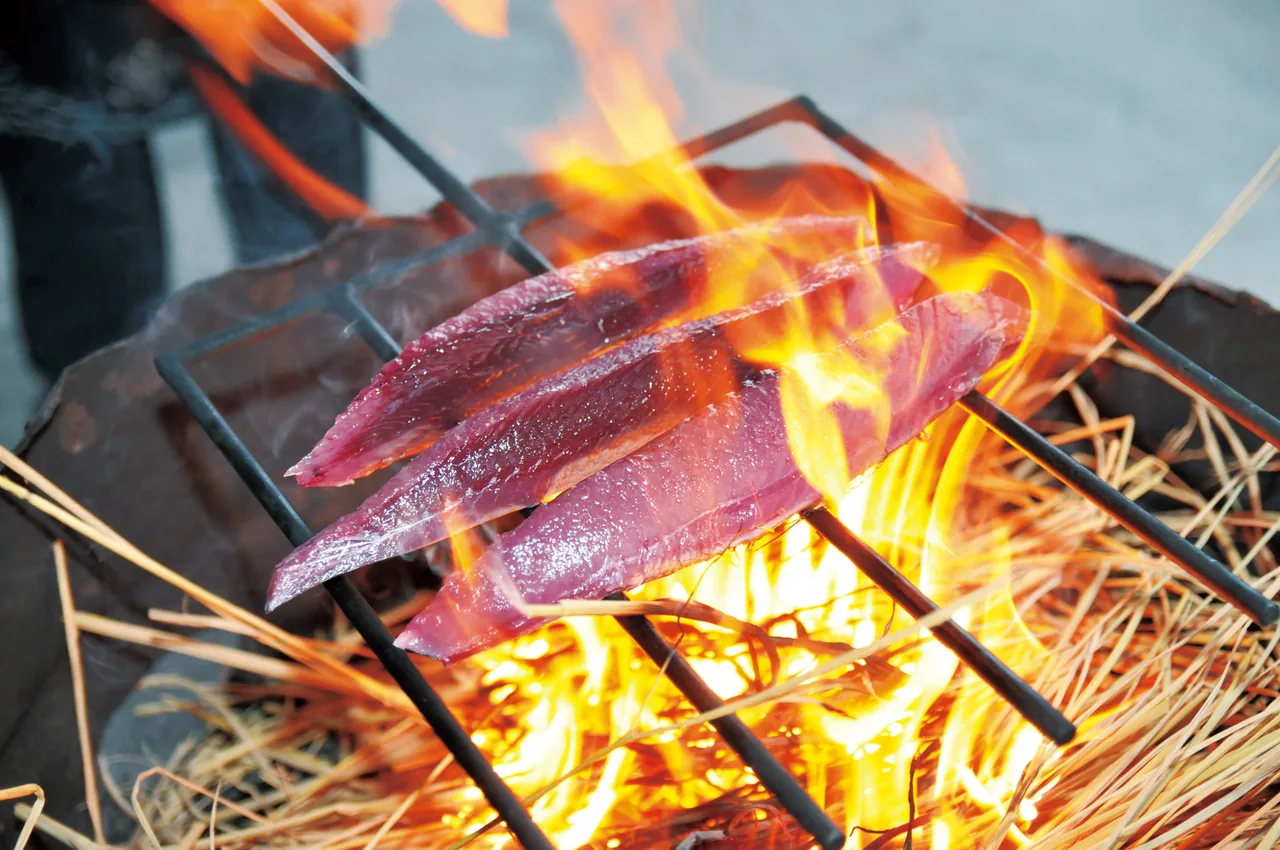
Katsuo tataki is bonito whose surface is seared quickly over a fierce flame, leaving the inside raw, then sliced. Kochi is known for warayaki, searing it over a fire of burning rice straw, which gives the fish a smoky aroma.
画像提供:(公財)高知県観光コンベンション協会
画像提供:(公財)高知県観光コンベンション協会
How it is served depends on the restaurant. It may come with a sauce and garnishes, and shio-tataki, eaten with just salt, is also popular in Kochi. Many places pile on garnishes such as sliced garlic, green onion and shiso leaves.
Where to try straw searing yourself
You do not have to just watch: you can sear bonito over straw yourself. Several places in Kochi offer hands-on sessions where you eat the tataki you have just made.
画像提供:(公財)高知県観光コンベンション協会
- Kuroshio Kobo (Kure, Nakatosa): choose a course that starts with filleting a whole bonito, or one that starts at the straw searing. Reservations required.
- Katsuo Fureai Center Kuroshio Ichibankan (Kuroshio Town): two options, a full course that starts with filleting and a simpler one that starts with the searing. Booking is required; check how to book on the center's own information.
- Tosa Tataki Dojo (Kochi City): a restaurant that serves set meals with a straw-searing experience included.
Some places close for part of the year, and some finish for the day once the bonito runs out. Dates and prices differ by venue and are listed on each one's information, such as Kochi-tabi's page for Kuroshio Kobo.
Inaka-zushi: sushi made with mountain vegetables
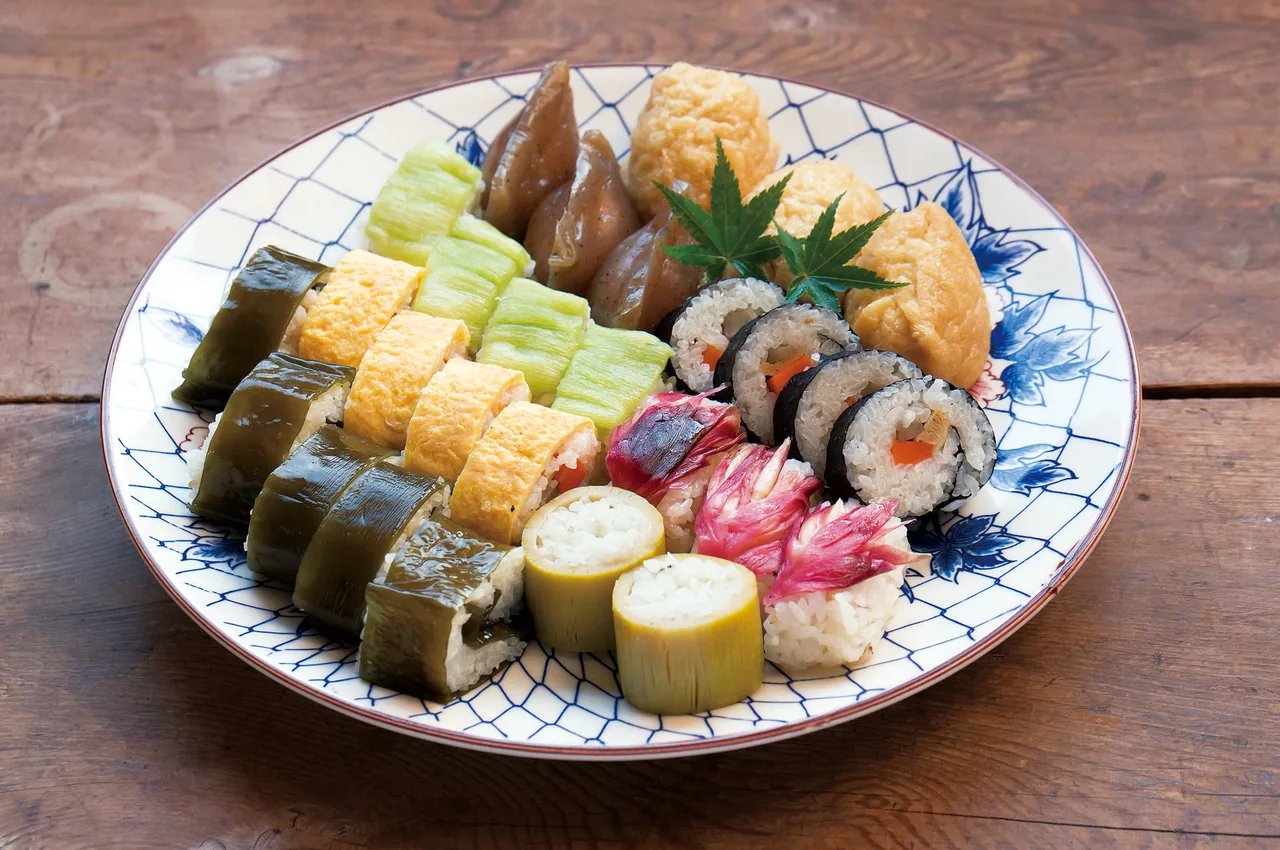
Inaka-zushi ("country sushi") comes from the mountain villages, where nori and kombu were hard to come by, so people made sushi with what grew around them. Ryukyu (the stem of the hasu-imo taro), myoga ginger, konnyaku, bamboo shoots and shiitake are placed on or rolled with the rice. The rice is often seasoned with yuzu vinegar, which gives it a fresh, sharp flavor.
画像提供:(公財)高知県観光コンベンション協会
Inaka-zushi is also part of sawachi ryori, the big platters that are essential at okyaku, Kochi's traditional banquets. You will see it at stalls at the Sunday Market in Kochi City, which makes the market the easiest place to pick some up as you go. Ingredients and shapes vary by area and household; Japan's Ministry of Agriculture, Forestry and Fisheries also covers the dish in its regional cuisine series.
Utsubo tataki: moray eel from around Susaki
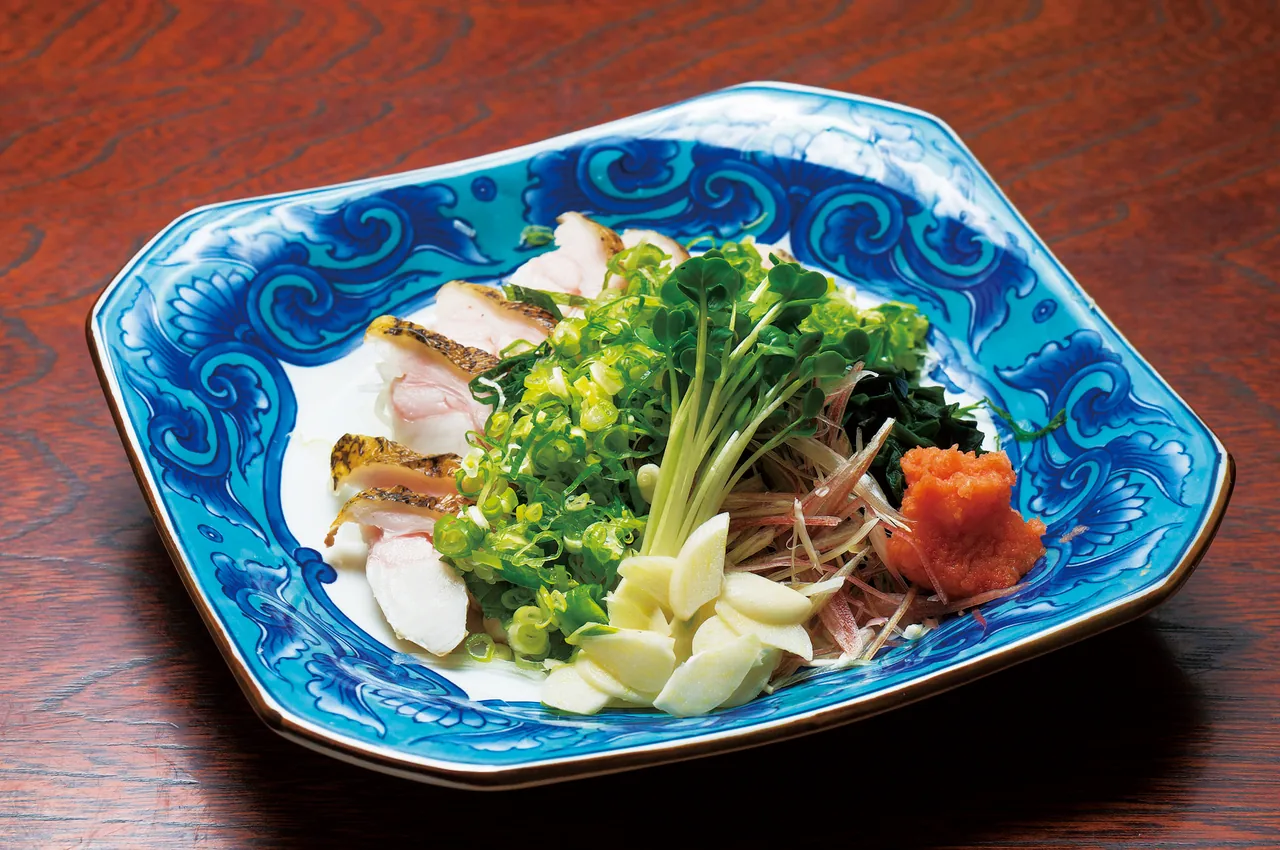
The moray eel, a long fish that lives among the rocks, is also on the menu in Kochi. Its best-known dish is utsubo no tataki. Where bonito tataki is only seared on the outside, moray is cooked all the way through and served with a vinegar and soy dressing.
画像提供:(公財)高知県観光コンベンション協会
Susaki City is the main port for moray landings, and the dish is widely eaten in the area from Tosa City to Susaki. It is at its best in autumn and winter, when the fish are fattier.
Tosa Akaushi: red cattle raised only in Kochi
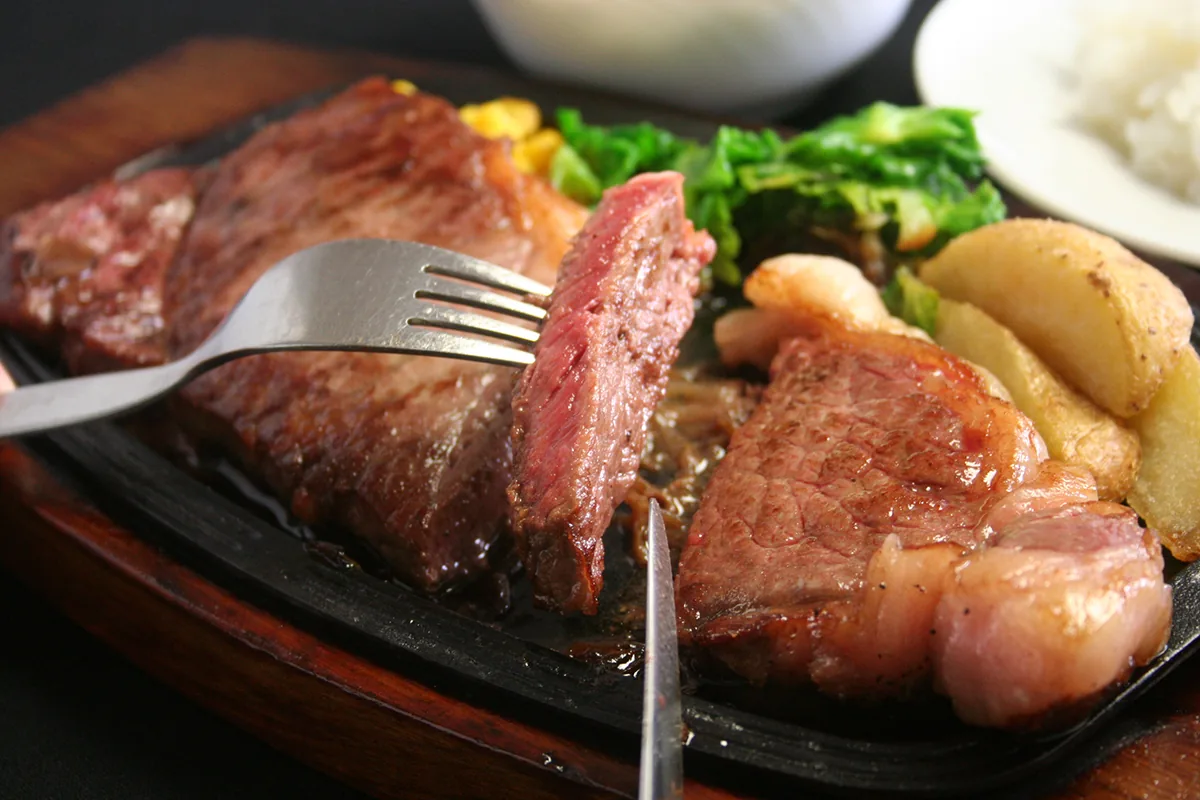
Tosa Akaushi is a strain of Japanese Brown cattle (akage washu) developed in Kochi Prefecture. Its brown coat has black markings around the eyes and on the nose, hooves and other points, a pattern known as kewake. It is raised only within Kochi and few head are shipped, which is why it is sometimes called "phantom beef."
画像提供:(公財)高知県観光コンベンション協会
The marbling is moderate, and the appeal is the flavor of the lean meat. It is raised mainly in the Reihoku area of north-central Kochi and eaten as steak or yakiniku. The Kochi Prefecture page on Tosa Akaushi explains the breed in detail.
Muroto kinme-don: teriyaki and sashimi in one bowl
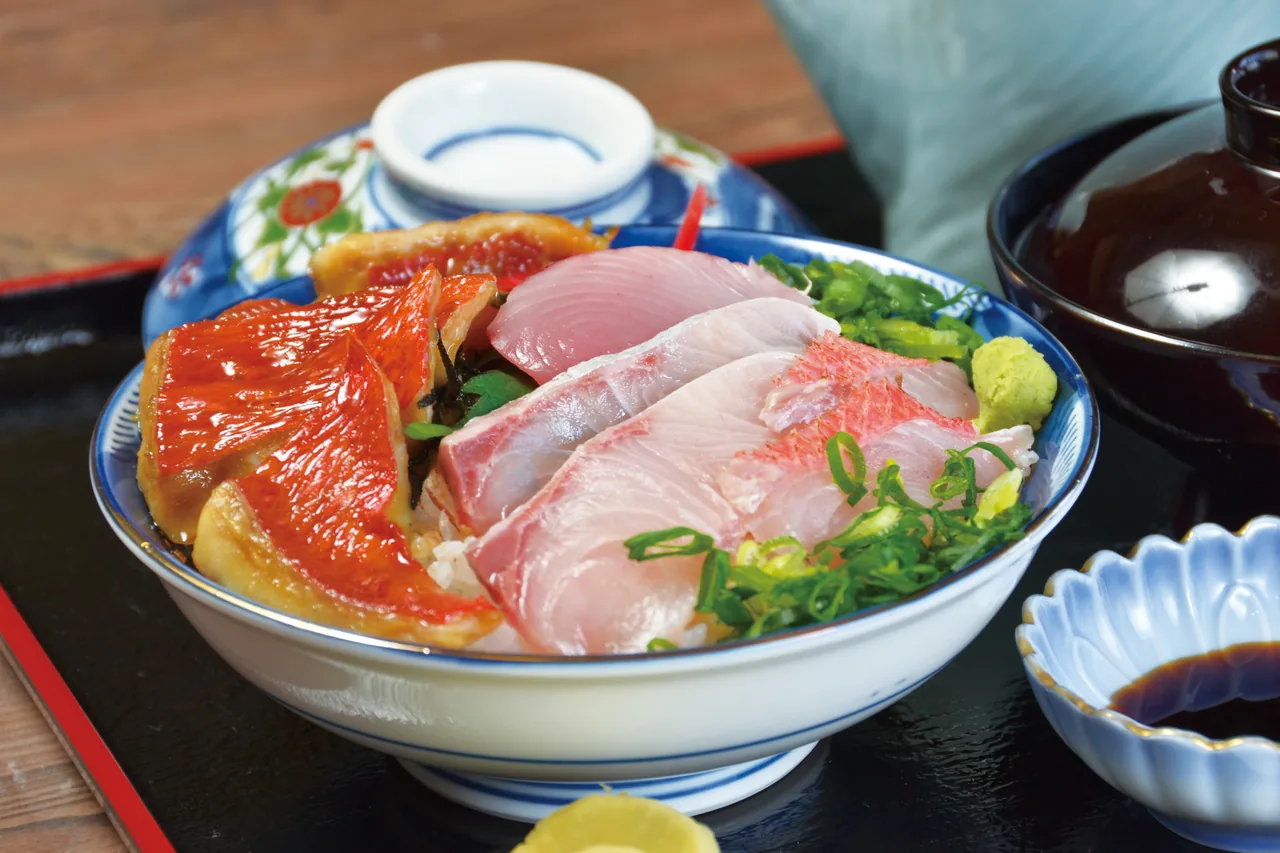
The sea off Cape Muroto in eastern Kochi is a fishing ground for kinmedai (splendid alfonsino). Muroto City's local rice bowl, Muroto Kinme-don, follows set rules: it uses kinmedai caught off Muroto, tops the rice with teriyaki kinmedai and local sashimi, and comes with a kinmedai broth that each restaurant makes its own way.
画像提供:(公財)高知県観光コンベンション協会
All participating restaurants serve it at the same price. Depending on the catch, it may not be available on some days, so Muroto City recommends calling the restaurant before you go.
Aki kamaage chirimen-don
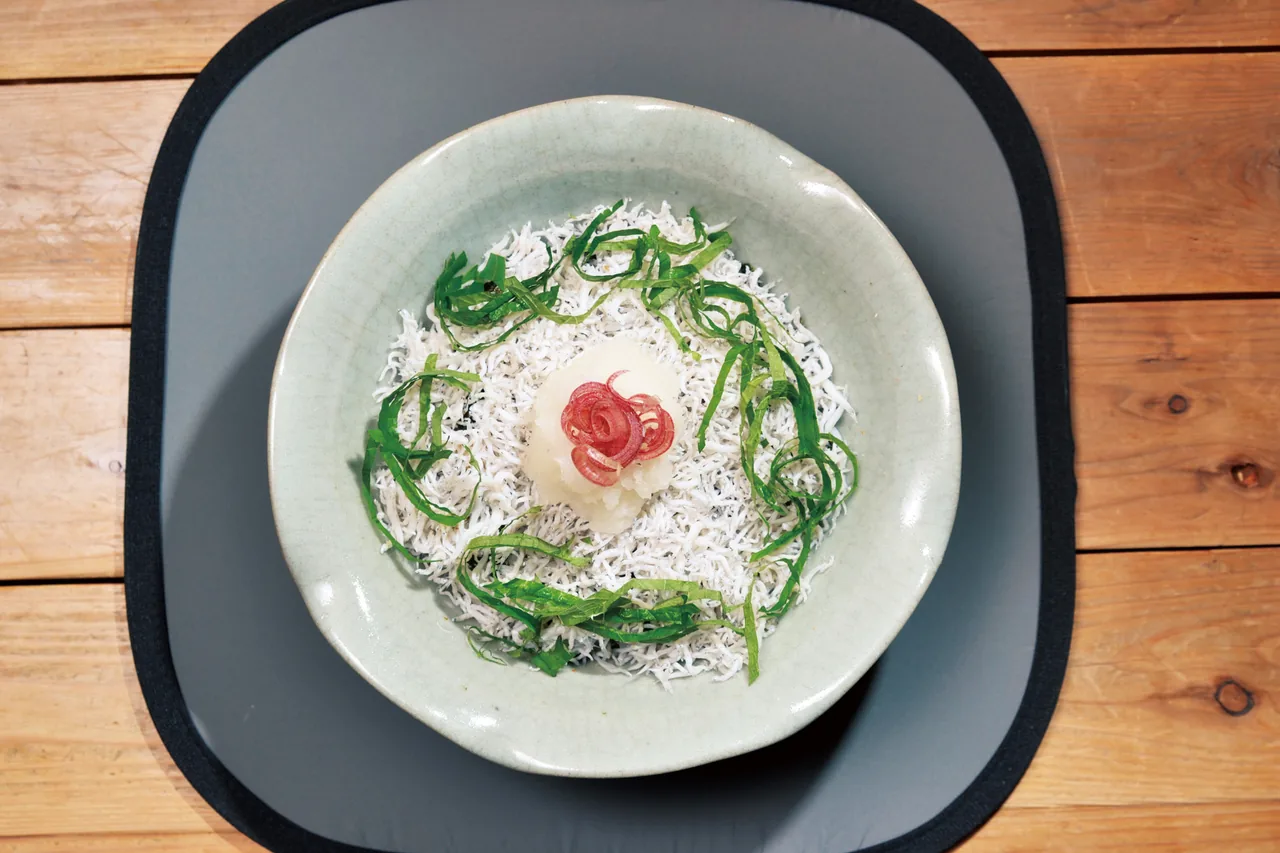
Aki City, between Muroto and Kochi City, is known for chirimen-jako. Young sardines (dorome) boiled in hot water are called kamaage chirimen; dried in the sun, they become the familiar chirimen-jako.
画像提供:(公財)高知県観光コンベンション協会
Kamaage chirimen-don is a bowl of rice topped with soft, plump kamaage chirimen. Several restaurants in the city serve it, each with its own toppings and seasonings. The places that serve it can change, so it is safest to look at the list of restaurants on the Aki City Tourism Association's page before you go.
Shimizu saba: mackerel you can eat as sashimi
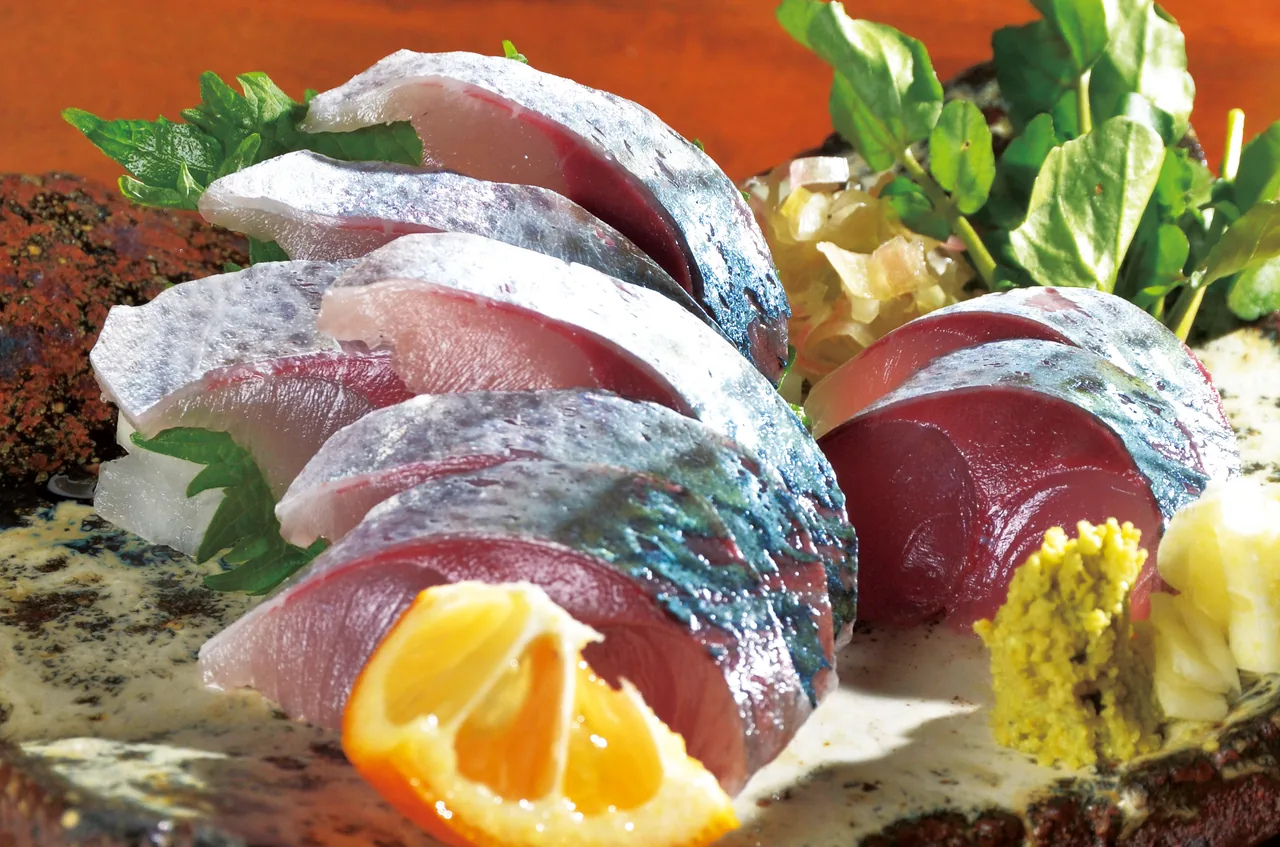
Tosa no Shimizu Saba, from Tosashimizu City at the western end of the prefecture, is blue mackerel (goma saba) landed at the local fishing cooperative and selected for its fat and freshness.
画像提供:(公財)高知県観光コンベンション協会
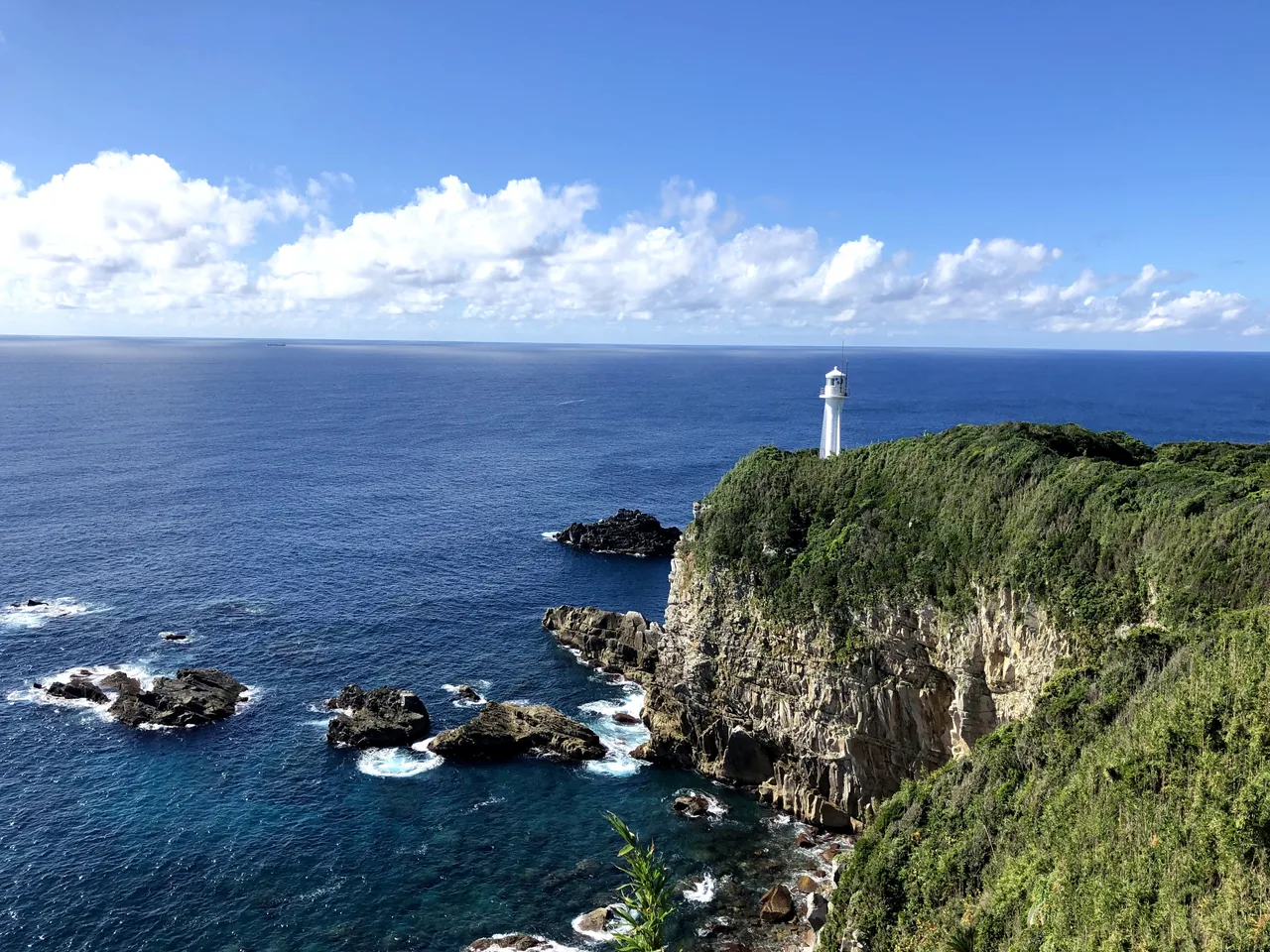
The fish are caught one at a time with tatenawa, a hook-and-line method, and brought back to port alive so that they are not bruised. That is why, unusually for mackerel, you can eat it as sashimi. It is fattiest in autumn and winter. If you are heading to Cape Ashizuri, the southernmost point of Shikoku, stop in Tosashimizu town to try it. Details are on Tosashimizu City's Shimizu saba page.
Eating your way through the markets: the Sunday Market and Kure Taishomachi Market
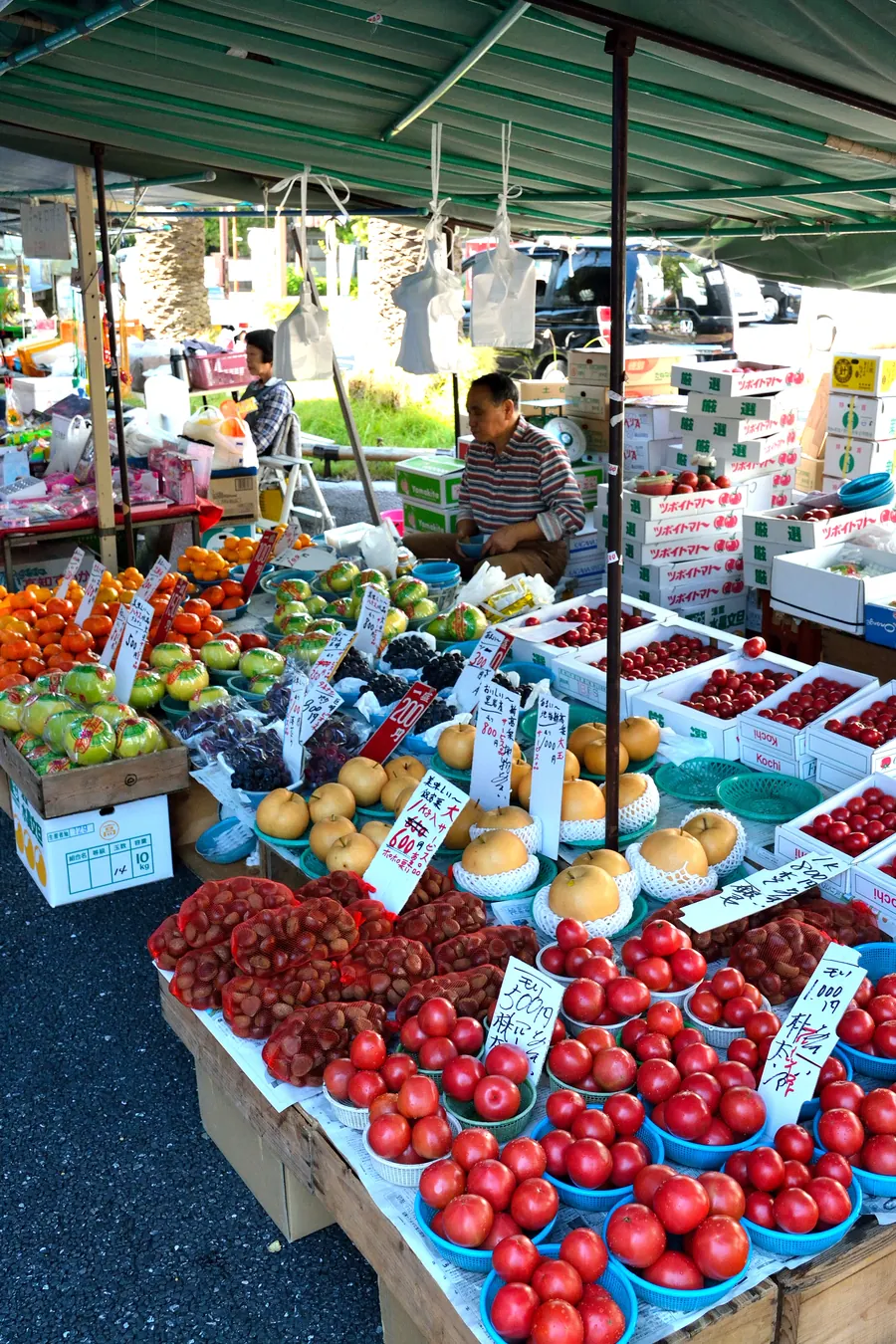
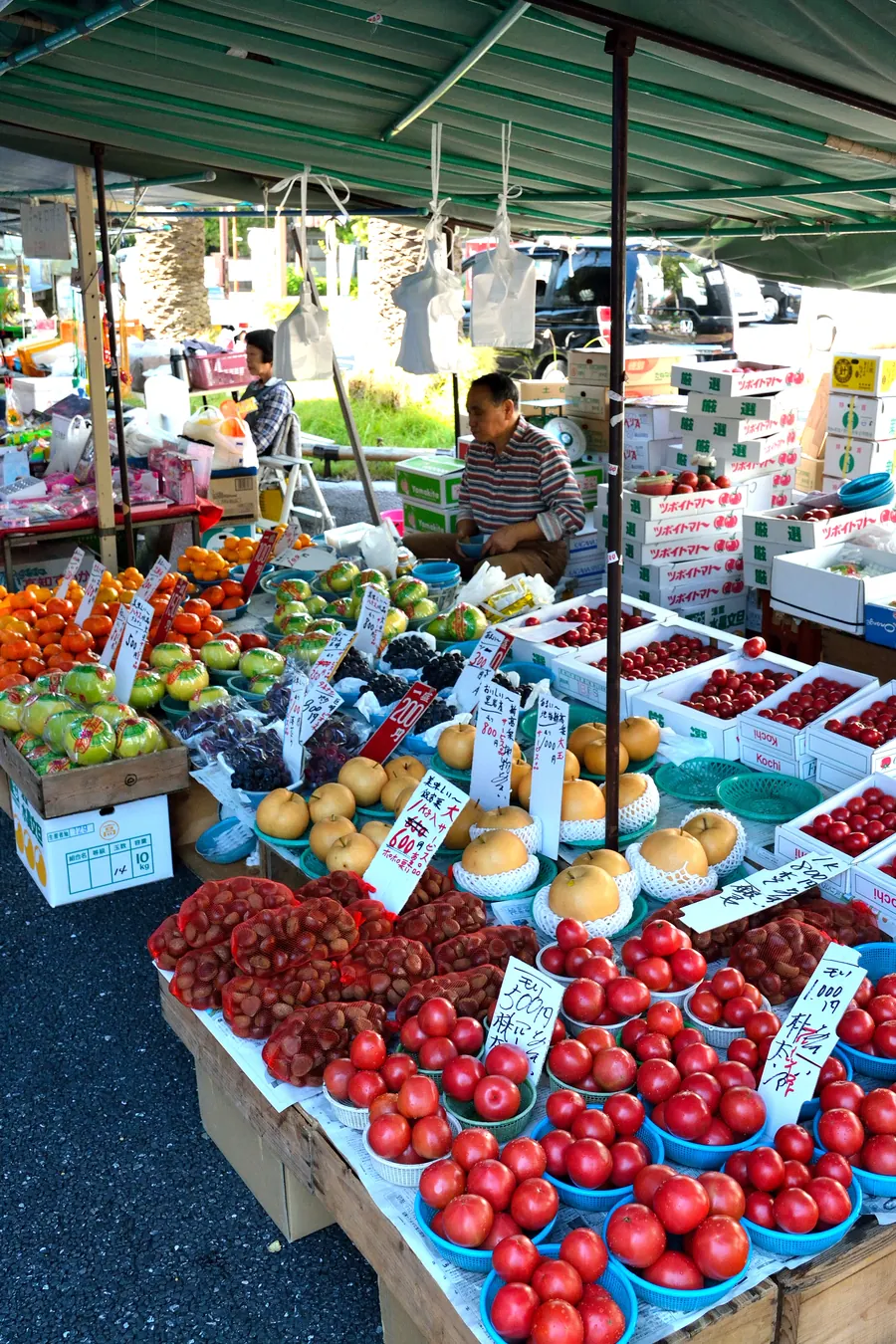
Kochi City's Sunday Market is a street market held every Sunday on Otesuji, a broad avenue near Kochi Castle. It has run for more than 300 years, since 1690, with stalls along roughly 1 km of road. Alongside vegetables and fruit, some stalls sell food such as inaka-zushi. The market has some days off, so check the dates on Kochi City's street market page before you go.
画像提供:(公財)高知県観光コンベンション協会
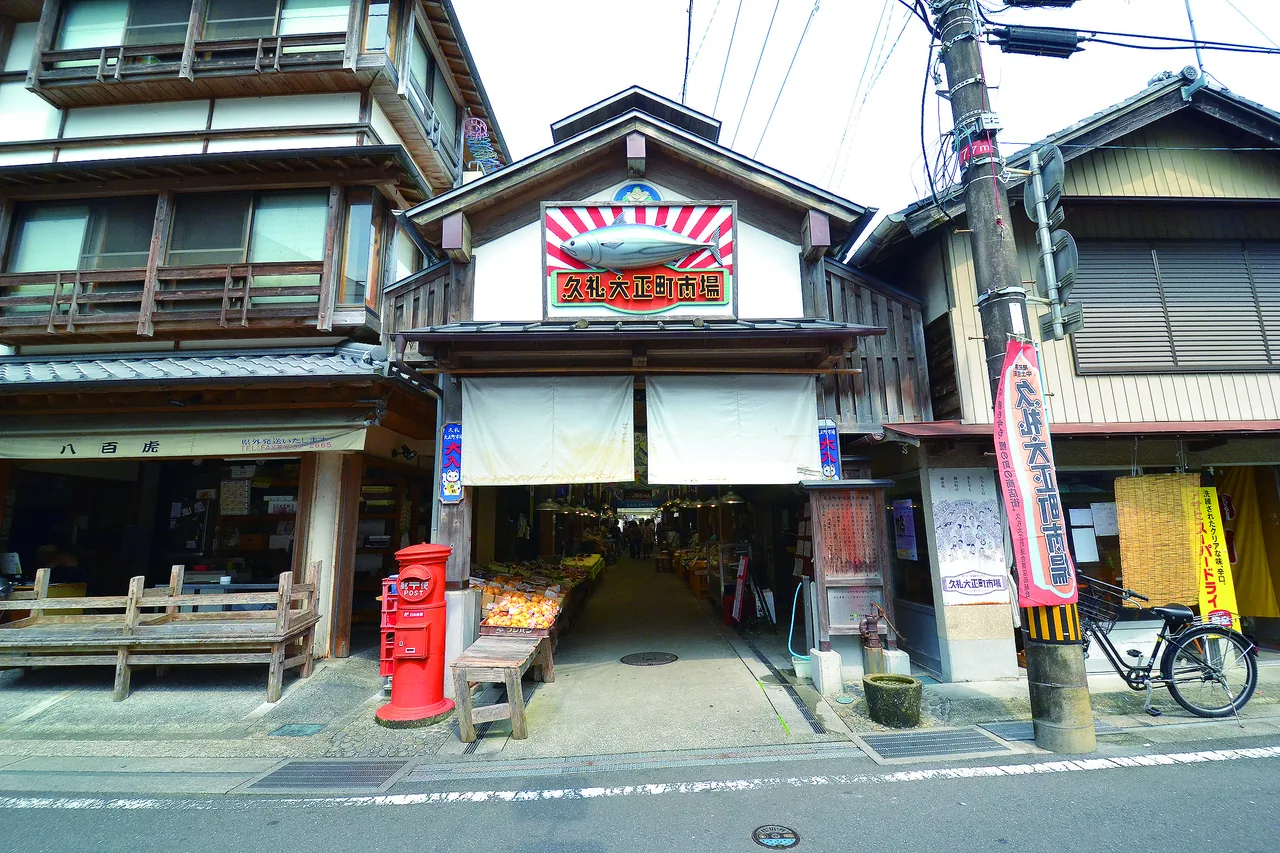
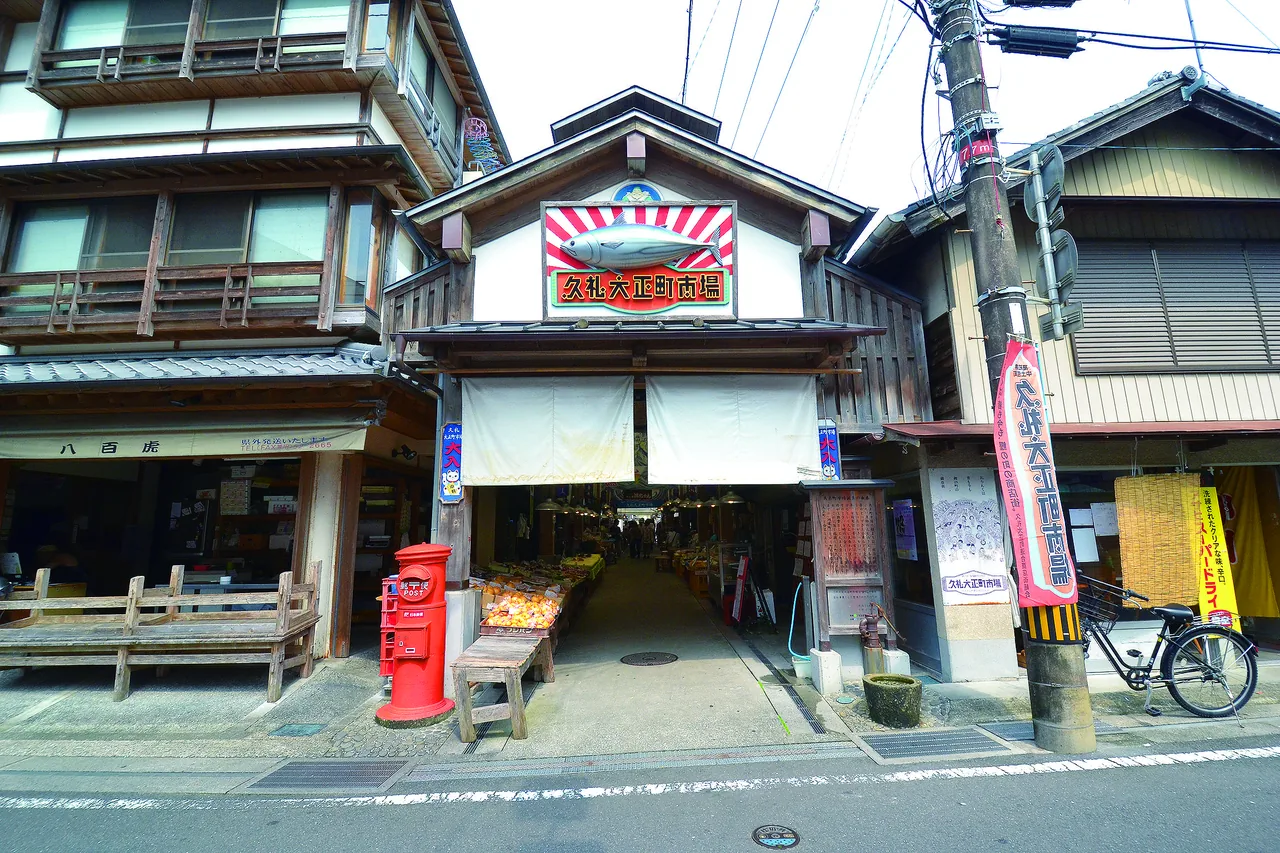
In Kure, a town in Nakatosa known for pole-and-line bonito fishing, Kure Taishomachi Market is a small market of fish and vegetable shops along a narrow lane. On days when bonito are landed, the fishermen's cooperative holds its auction from 6:30 a.m. It is about a 5-minute walk from Tosa-Kure Station on the JR Dosan Line.
画像提供:(公財)高知県観光コンベンション協会
Opening hours and days off differ from shop to shop, so check before you go. Buses run to Cape Ashizuri in Tosashimizu from Nakamura Station in Shimanto City, so you can combine the trip with our guide to the Shimanto River's submersible bridges and tour western Kochi.