Shimanto River Chinkabashi: Sada, Takase, Iwama and How to Visit
This guide is translated from the Japanese edition. Read the Japanese edition
Visiting the Shimanto River chinkabashi (submersible bridges) in Kochi: Sada, Takase, Iwama and Ittodawara, getting to Nakamura, taxis and buses, and crossing safely.
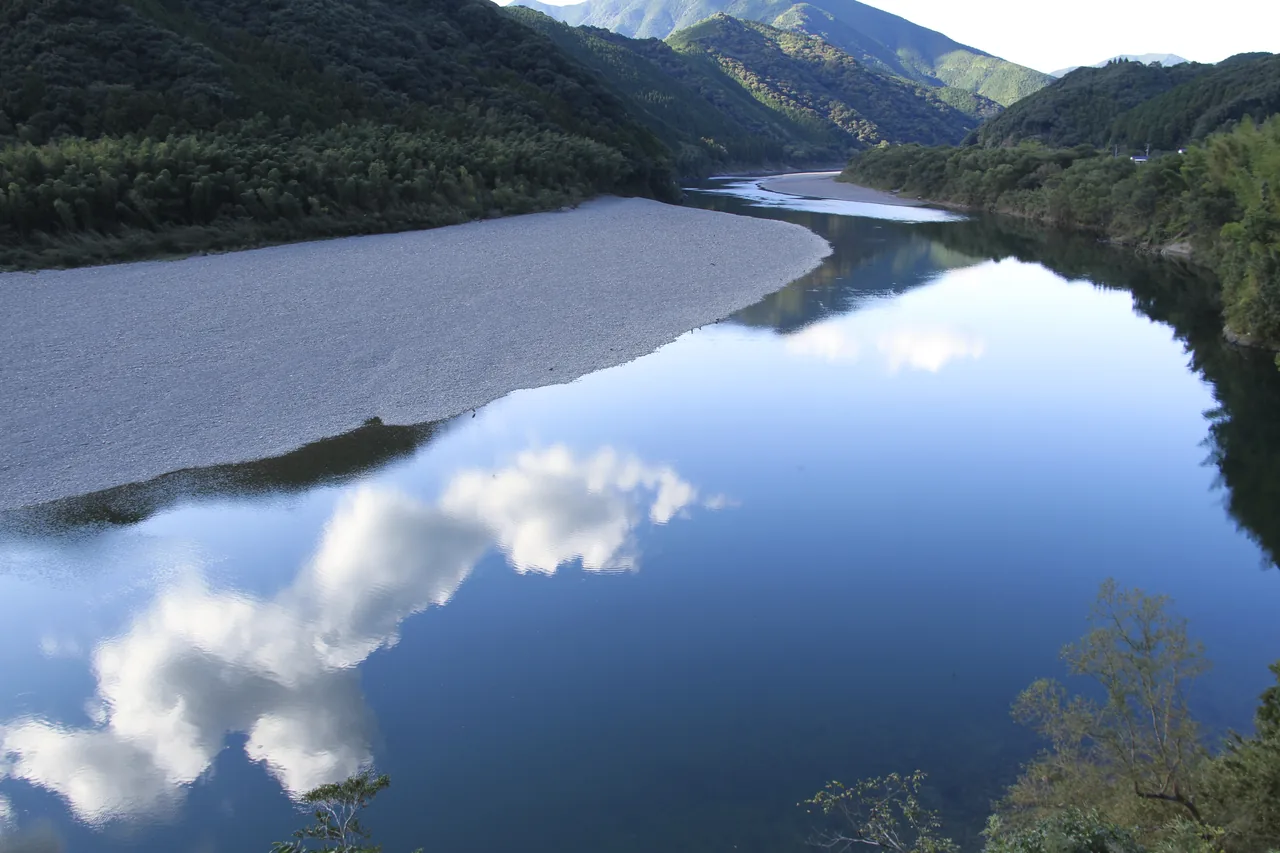
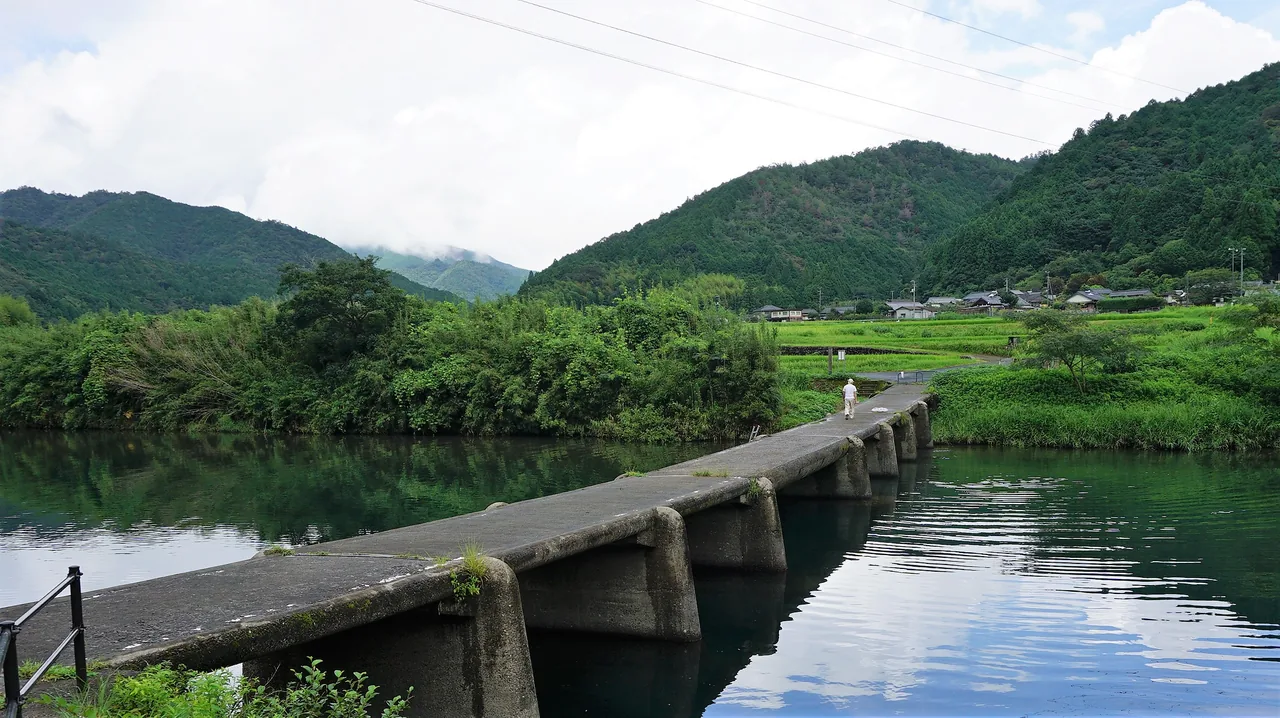
A narrow bridge with no railings lies just above the water, crossing a river that bends its way between the mountains. On the Shimanto River in western Kochi Prefecture, these chinkabashi, or "submersible bridges," are still part of everyday life for the people who live along it. The bridges are scattered across the river basin, and if you set out without knowing where each one is, the driving alone can take up the whole day. Sada, about 15 minutes by car from Nakamura Station, fits into half a day, but Iwama, farther upstream, is about 50 minutes each way.
What is a chinkabashi? A low bridge without railings
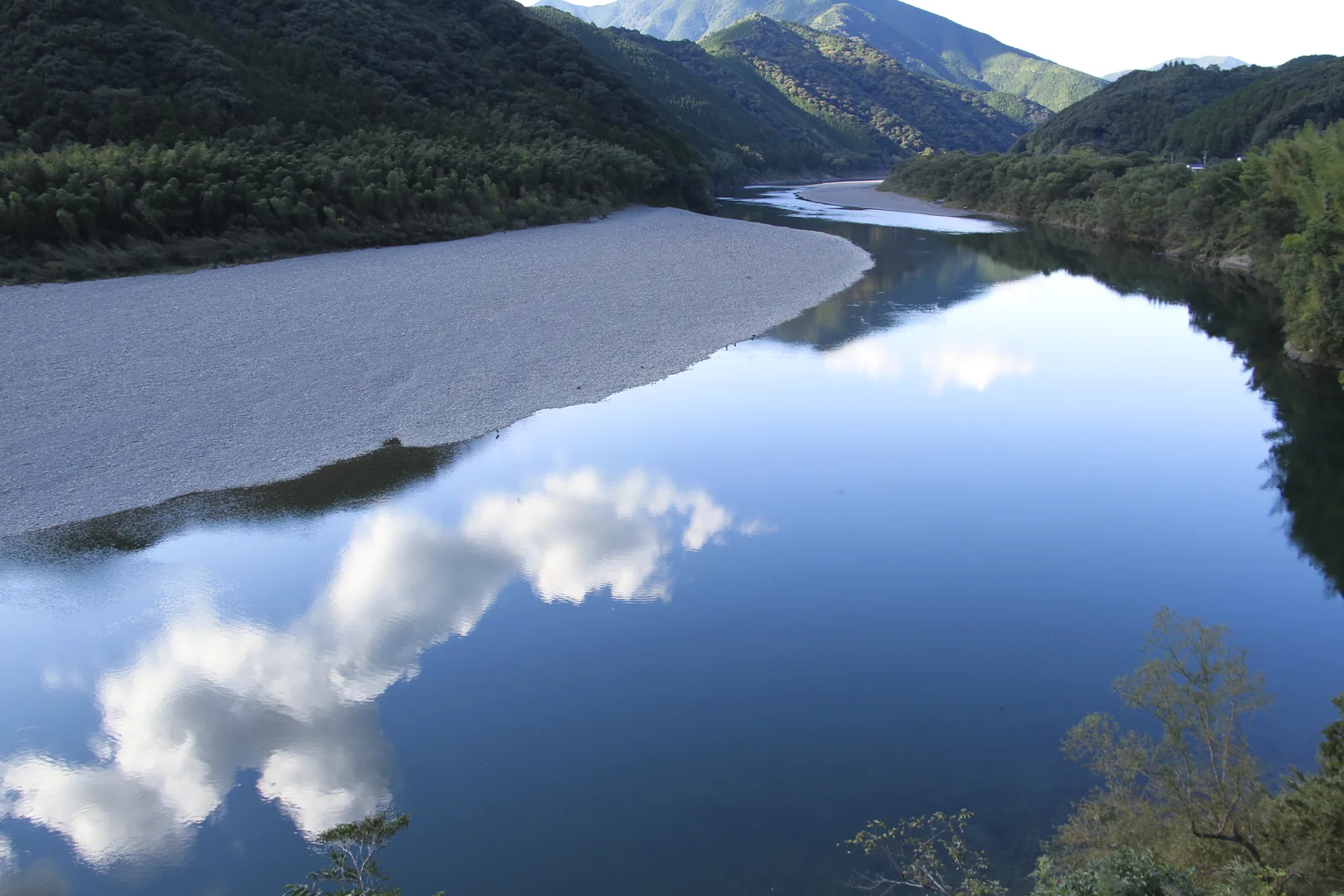
The Shimanto River rises on Mt. Irazuyama in the town of Tsuno and winds through the mountains of western Kochi for 196 km before reaching the Pacific at Shimanto City.
A chinkabashi is a bridge built low on purpose, so that it goes underwater when heavy rain swells the river. It has no railings, which makes it less likely to be washed away when submerged. Because the design assumes the bridge will go under, people can cross again once the water drops. Kochi Prefecture lists 48 submersible bridges on the Shimanto River under its preservation policy (as of 2019).
These are not bridges built for tourists. Cars and people still use them every day. Give way to local traffic when you cross, and if a car comes, step off the bridge and wait.
Base yourself in Nakamura: getting there and the order to go
For the bridges on the lower river, Nakamura, the center of Shimanto City, is the base. From Kochi Station the limited express Ashizuri reaches Nakamura Station in about 1 hour 40 to 50 minutes (after Kubokawa it runs on the Tosa Kuroshio Railway line).
Approximate driving times from Nakamura Station:
| Bridge | From Nakamura Station | What stands out |
|---|---|---|
| Sada Chinkabashi | About 15 minutes by car | Farthest downstream and the longest |
| Takase Chinkabashi | About 25 minutes by car | Ordinary cars can cross it |
| Iwama Chinkabashi | About 50 minutes by car | The midstream bridge seen on posters and TV commercials |
As you head upstream from Sada to Takase and then Iwama, the river narrows and the mountains close in. Ittodawara Chinkabashi, in the town of Shimanto farther upstream, is a long way from Nakamura, so leave plenty of time if you want to fit it into the same day.
Sada Chinkabashi: the closest to Nakamura
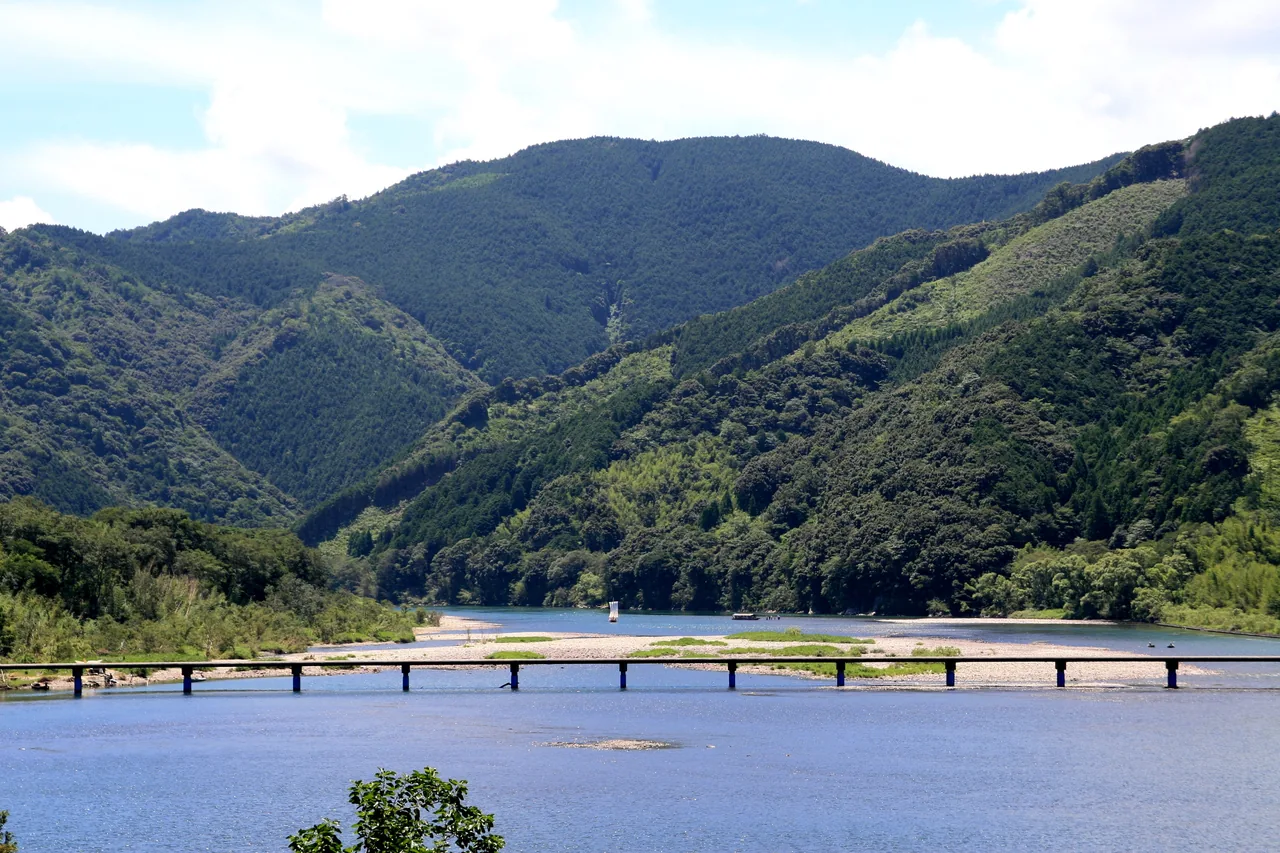
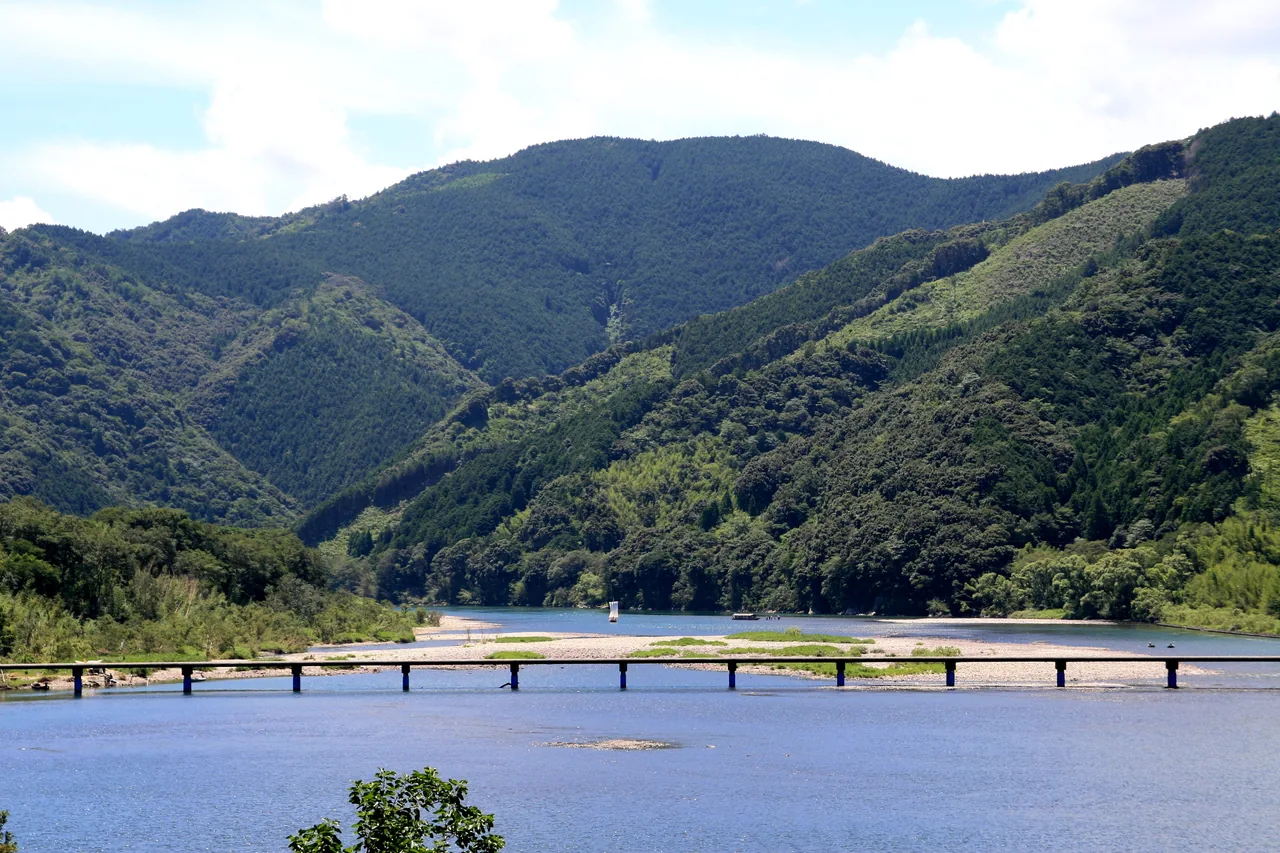
Sada Chinkabashi is the farthest downstream and the longest of the Shimanto River's submersible bridges. Its official name is Imanari Bridge; it is 291.6 meters long and 4.2 meters wide, and was built in 1972.
画像提供:(公財)高知県観光コンベンション協会
It is about 15 minutes from Nakamura Station by car, or about 40 minutes by bicycle, which makes it the natural first stop if you have never seen a chinkabashi. There is free parking beside the bridge. Walk down to the riverbank and look at it from the side to see how low and long it really is.
Takase Chinkabashi: a long bridge that cars use too
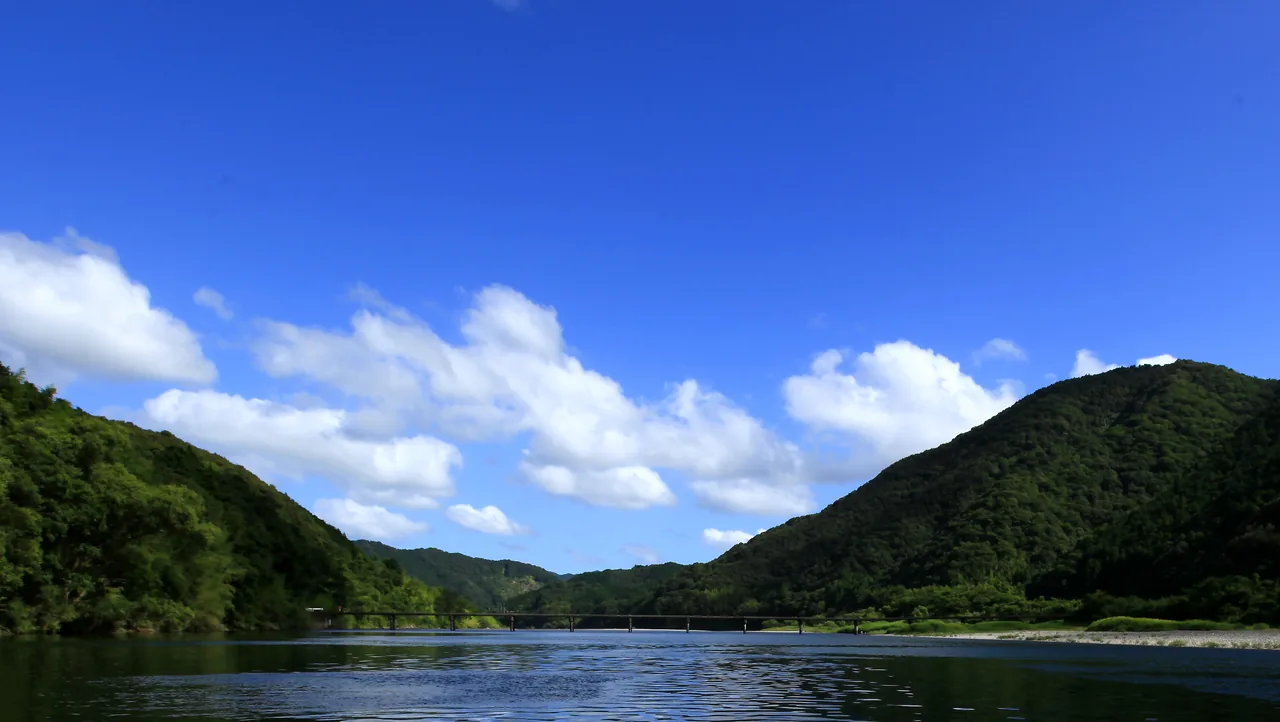
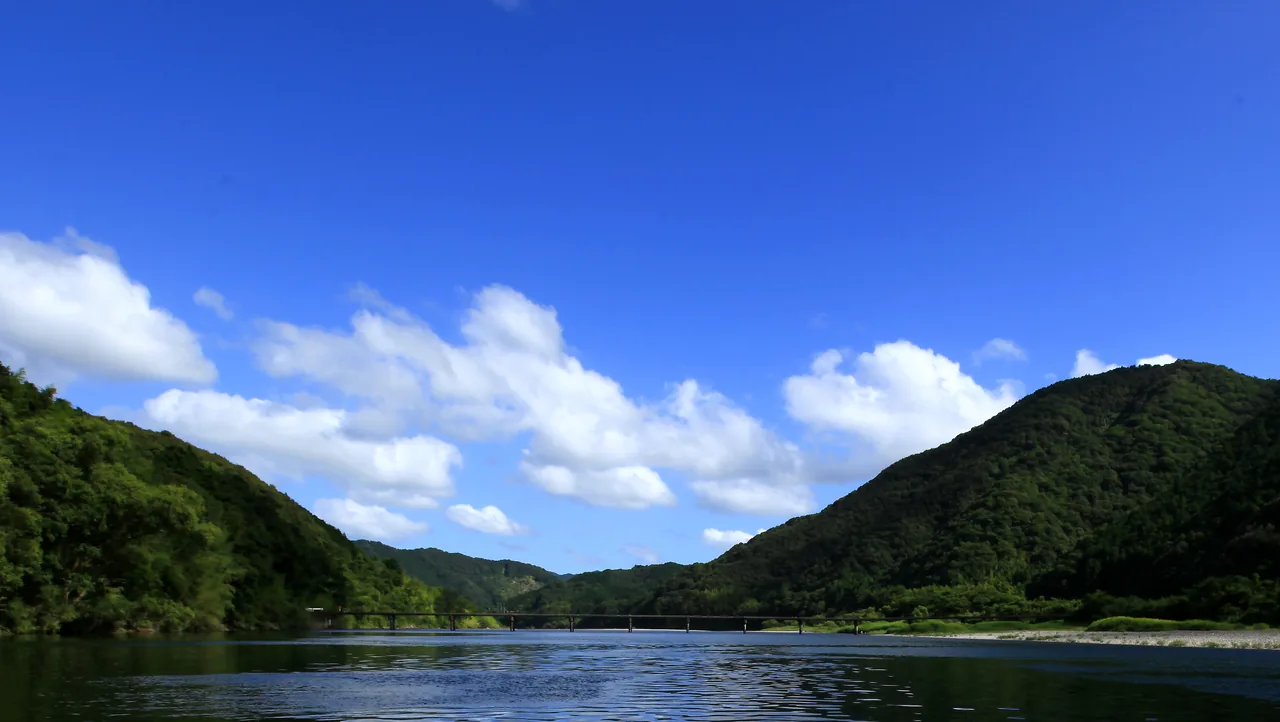
Takase Chinkabashi is 232.3 meters long and 3.4 meters wide, and was completed in 1973. It is the third longest submersible bridge on the Shimanto River, and ordinary cars can drive across it.
画像提供:(公財)高知県観光コンベンション協会
The riverbanks around it draw people to watch fireflies in early summer and to camp in summer. You can also get here by bus: take a service from Nakamura bound for Ekawasaki and get off at Takasebashi.
Iwama Chinkabashi: the classic mountain view
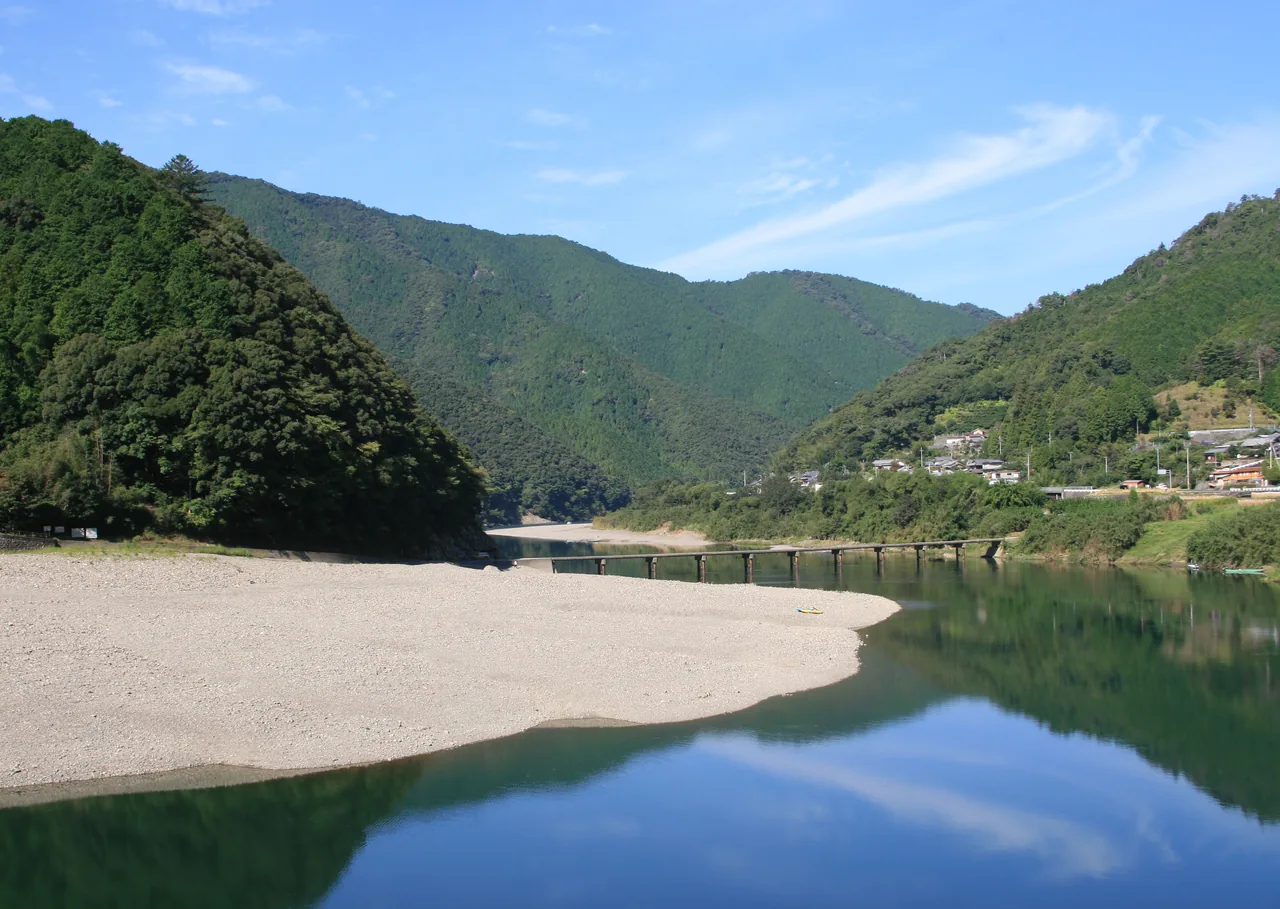
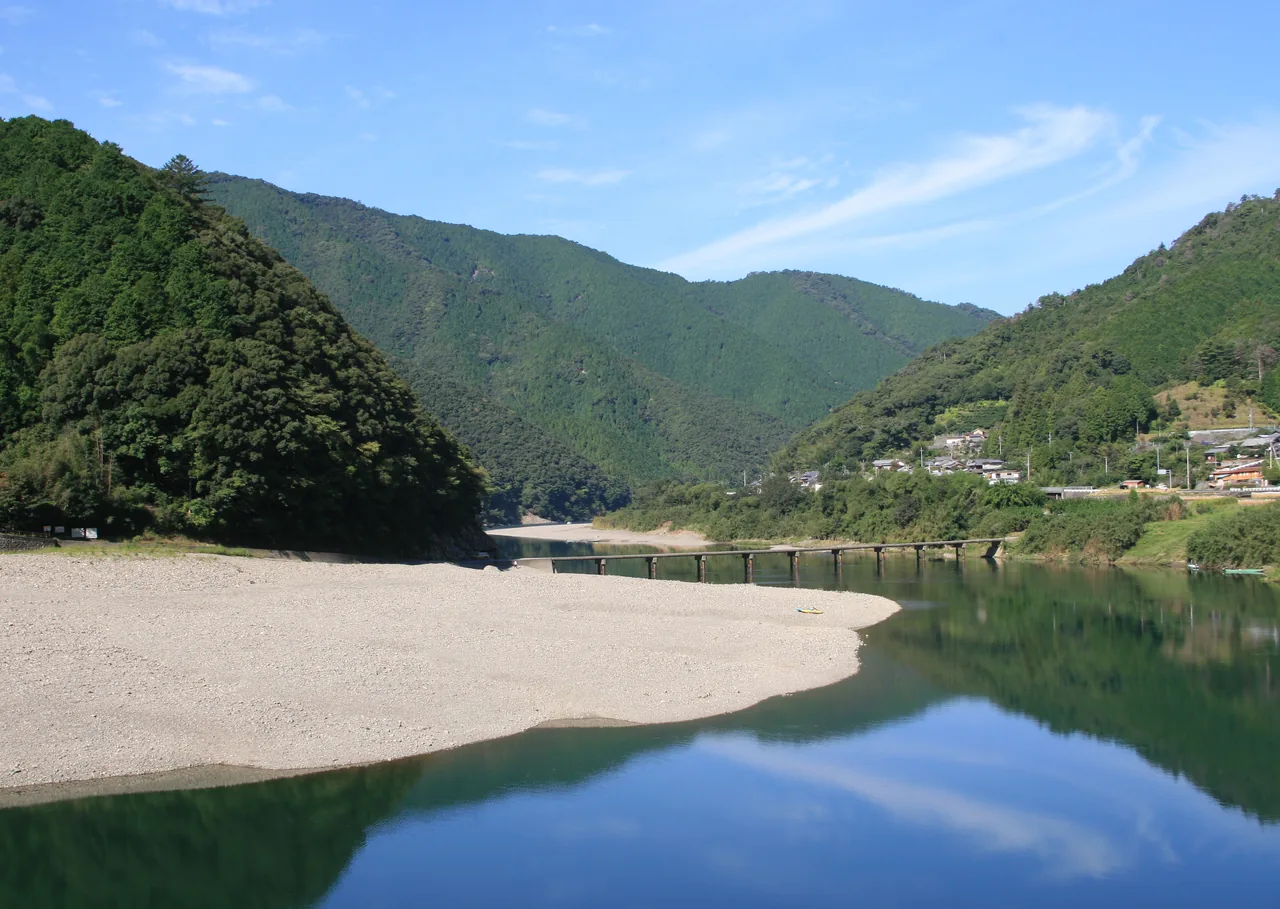
Iwama Chinkabashi, in the Iwama district of Nishitosa on the middle reaches, is 120 meters long and 3.5 meters wide and dates from 1966. The way it cuts low across the deep green river, surrounded by mountains, has made it a fixture of tourism posters and TV commercials.
画像提供:(公財)高知県観光コンベンション協会
It is about 50 minutes by car from Nakamura Station, or about 20 minutes by car from Ekawasaki Station on the JR Yodo Line. The bridge has been closed in the past after a pier sank, so check the Shimanto City Tourism Association's notices for its current status before you go.
Ittodawara Chinkabashi: the oldest one still standing
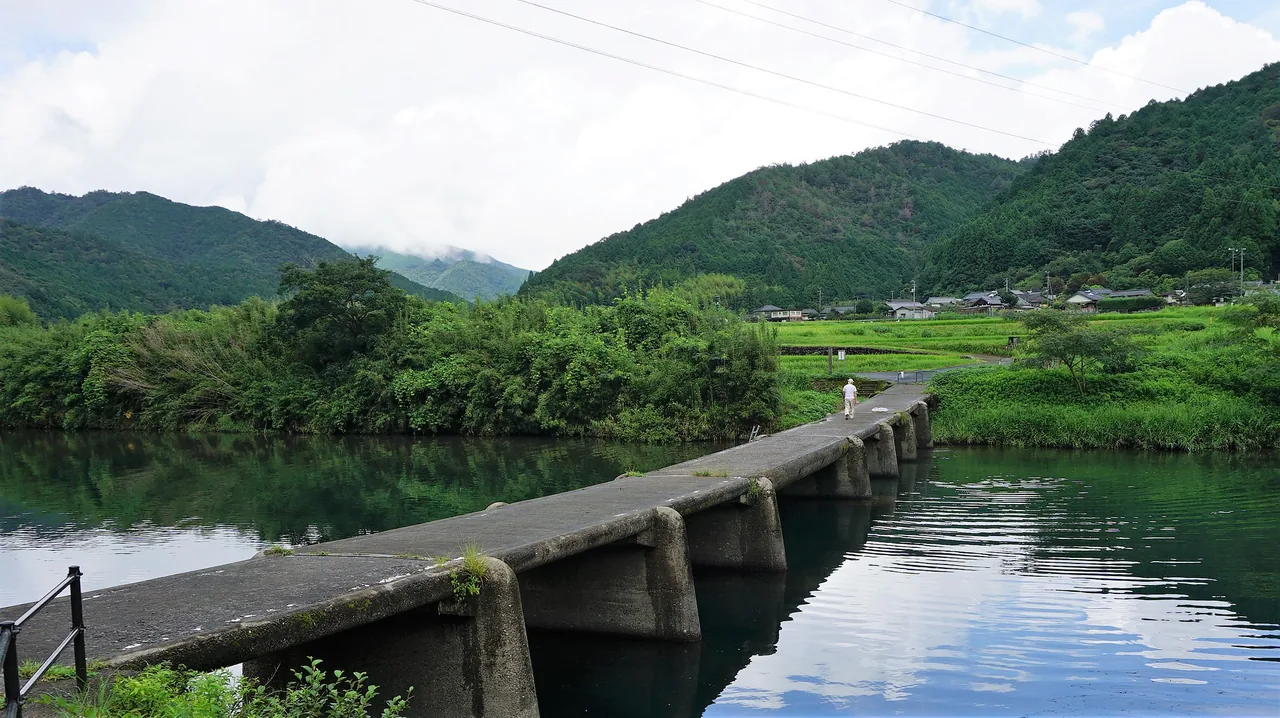
Ittodawara Chinkabashi, in the Taisho district of the town of Shimanto upstream, was built in 1935. It is the oldest submersible bridge still standing on the Shimanto River and is a Registered Tangible Cultural Property of Japan.
画像提供:(公財)高知県観光コンベンション協会
At 61 meters long and 2.5 meters wide it is small, and its chunky concrete piers give it the look of an old bridge. It stands on Prefectural Route 19 and is hard to reach by public transport, so going by car is the practical choice. According to the Shimanto Town Tourism Association, vehicles cannot cross the bridge, but you can walk across it.
Can you do it without a car? Taxis and buses
If you are not driving, these services from Nakamura Station are the ones to know.
- Submersible bridge sightseeing taxi: four departures a day from Nakamura Station. It may not run in bad weather (Shimanto City information).
- Loop bus: a bus from Nakamura Station calls at Sada Chinkabashi and other sights. Check the operating days and times in the Shimanto City information.
- Shimanto River Bus: a sightseeing bus that makes one round trip a day between Nakamura and Nishitosa upstream, mainly on Saturdays, Sundays and holidays. Check the operating days for each fiscal year on the Shimanto River Bus page.
For Sada Chinkabashi alone, you can also cycle there and back from Nakamura. If you want to go as far as Iwama or Ittodawara, a rental car or taxi makes the timing much easier to plan.
Crossing safely
Submersible bridges have no railings. When taking photos, do not step backward or edge toward the side. On bridges that cars use, a vehicle may arrive while you are halfway across, so avoid standing still on the deck for long.
Do not cross after rain when the river is high, or when water is reaching the deck. On windy days it is safer not to push it.
Nearby places to add
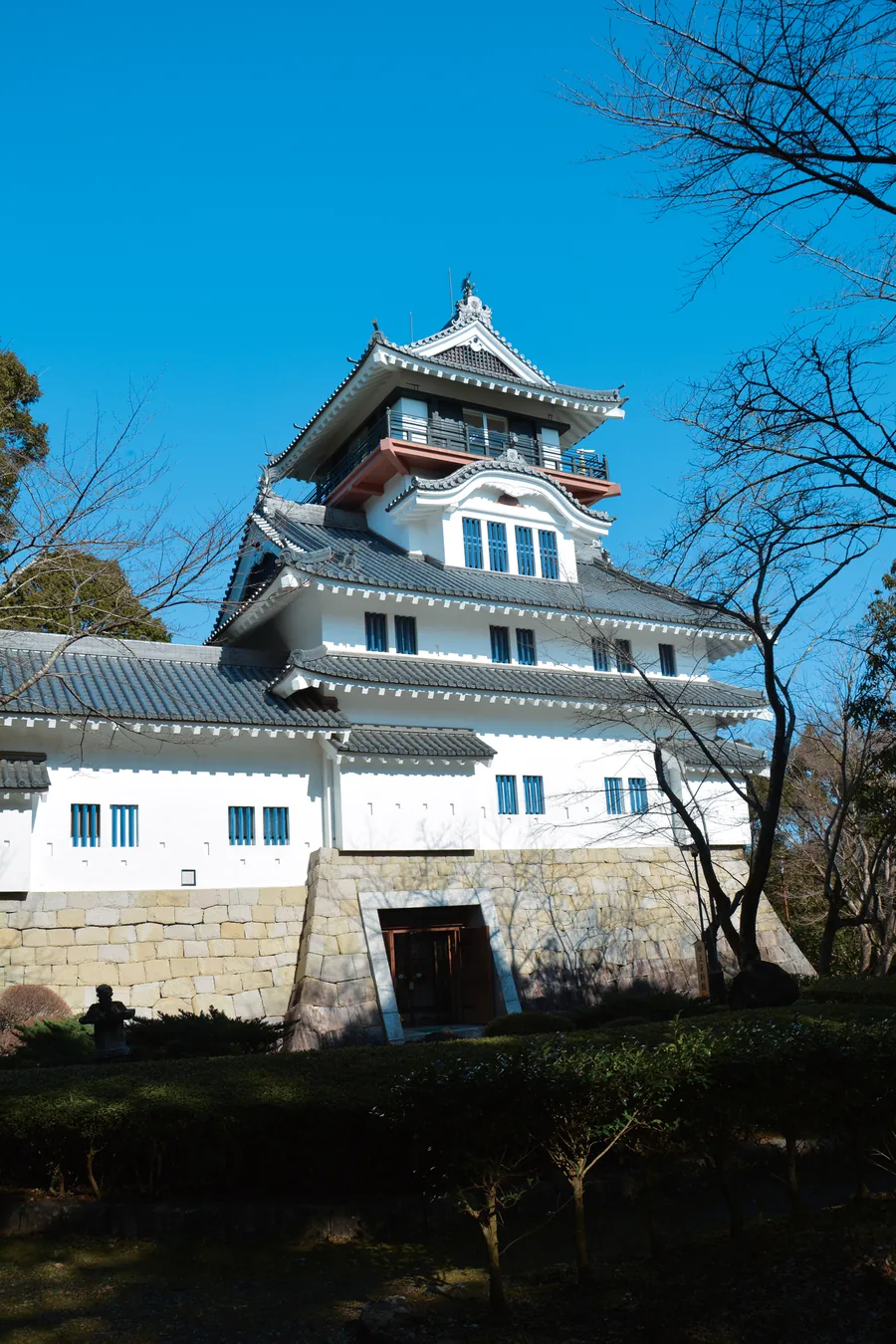
On the west side of central Nakamura, the castle-shaped Shimanto City Museum has an observation room on its top floor that looks over the Shimanto River and the town. Seeing the river from above before you head to the bridges works well.
Submersible bridges are not unique to the Shimanto. The Niyodo River in central Kochi has them too, and they appear alongside its famously clear water in our Niyodo Blue guide. For a list of the bridges and their lengths, see Shimanto City's submersible bridge page.