Kumamoto Food: 6 Local Dishes, from Basashi to Taipien
This guide is translated from the Japanese edition. Read the Japanese edition
Six Kumamoto dishes and where to eat them, from basashi and karashi renkon to garlicky ramen, taipien soup, Takamori dengaku and Amakusa Daio chicken.
Open the menu at an izakaya in Kumamoto City and you will often find basashi and karashi renkon listed side by side. Kumamoto Prefecture spans the grasslands of Aso, mountain villages, plains facing the Ariake and Yatsushiro seas, and the islands of Amakusa, each with a very different character. Its local dishes have equally varied roots: flavors born in the castle town of Kumamoto, flavors of the Aso mountain villages, and a noodle dish said to have come from China.
Basashi: horse meat with a cherry-pink cut
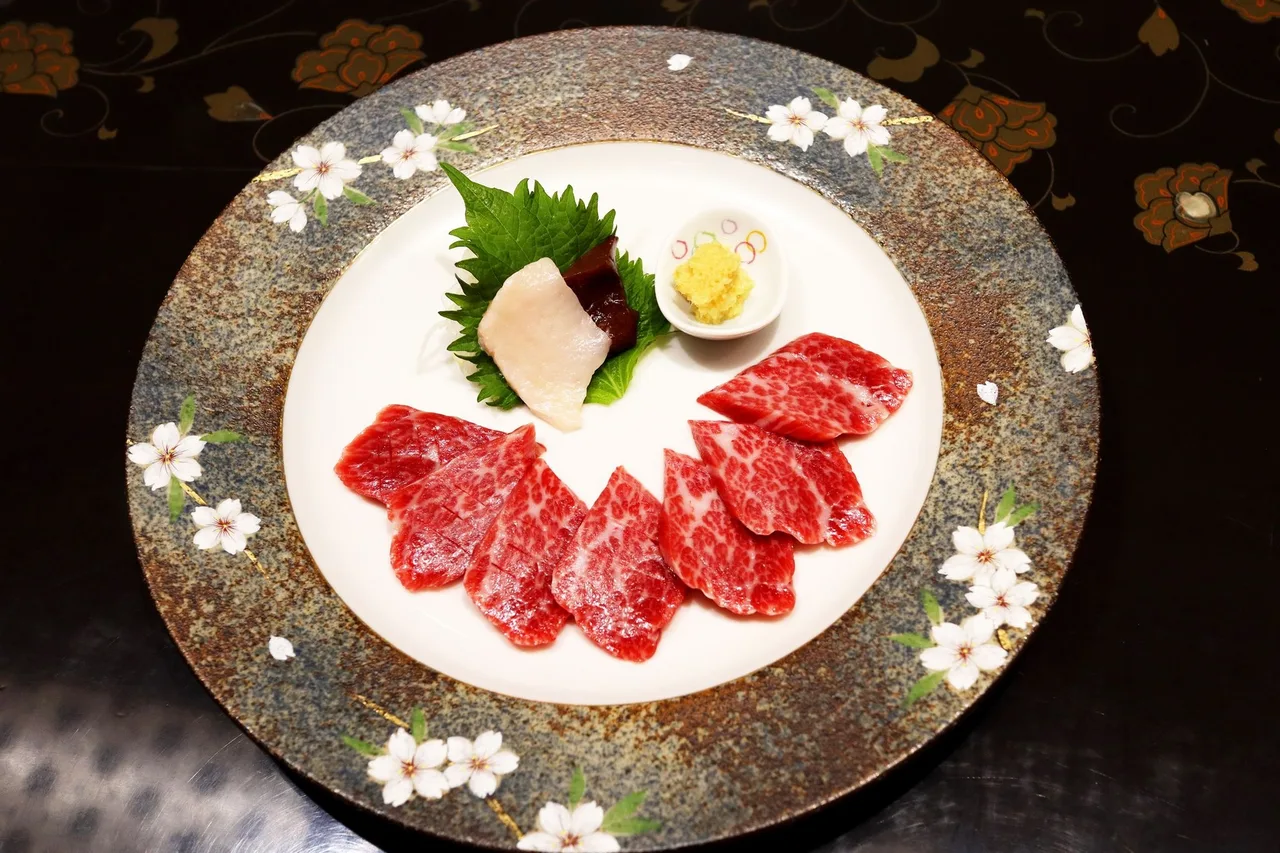
Photo: © Kumamoto Prefecture Tourist Federation.
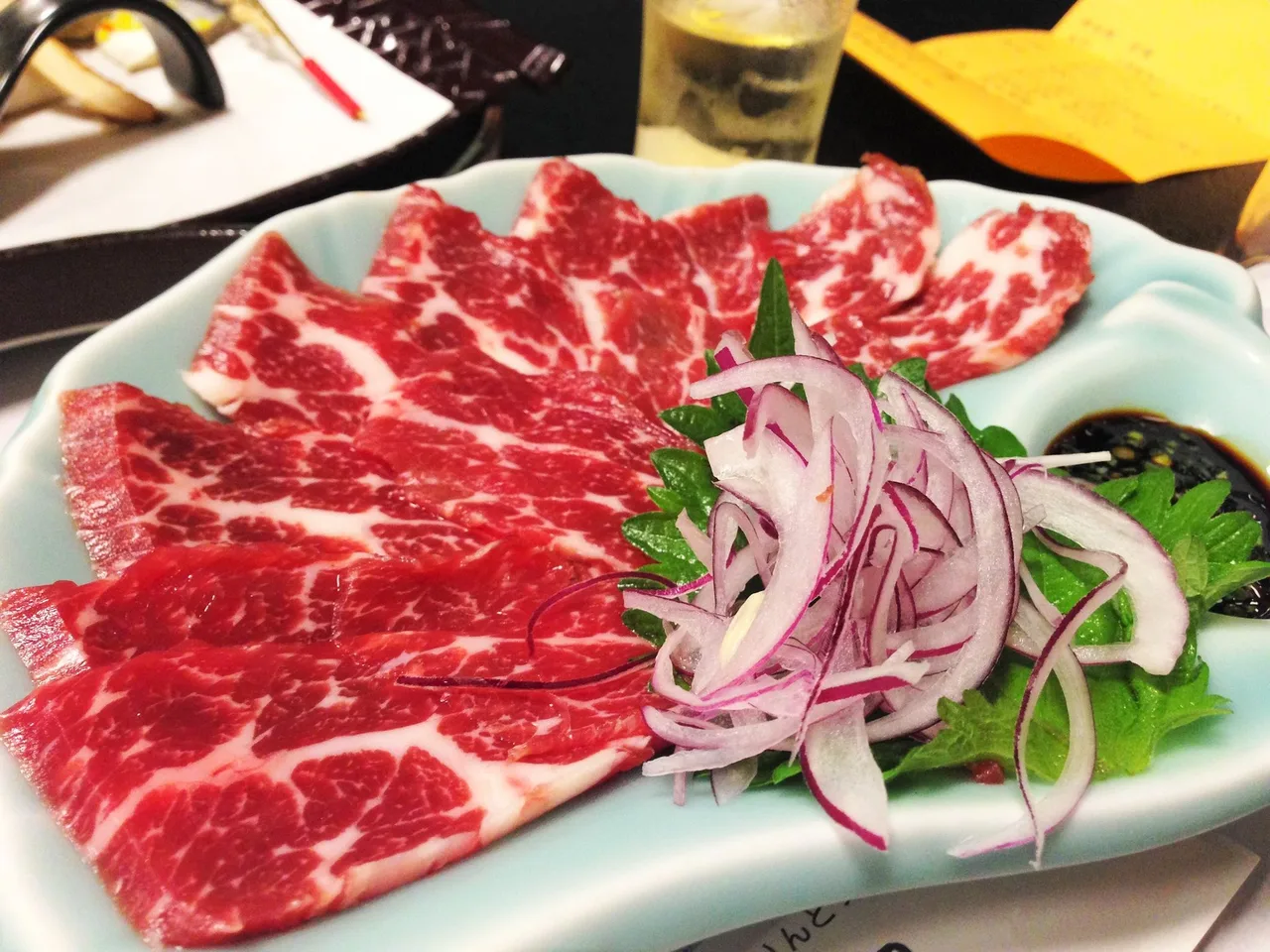
Basashi is raw horse meat, thinly sliced and eaten with soy sauce and condiments. The Ministry of Agriculture, Forestry and Fisheries features it as a Kumamoto local dish in "Our Regional Cuisines", noting that it is also called sakura-niku (cherry blossom meat) because of the clean pink color of the cut. In Kumamoto, it is also served as a treat at celebrations and when guests visit.
Lean red meat, fatty marbled cuts and white fat each have a different taste and texture, and many restaurants serve an assortment. Eating horse meat is a custom that varies by region within Japan, and Kumamoto is one of the places where it has taken root. In the Aso area there is also baniku soba, buckwheat noodles topped with horse meat simmered in a sweet and savory sauce.
Karashi renkon: lotus root filled with mustard miso
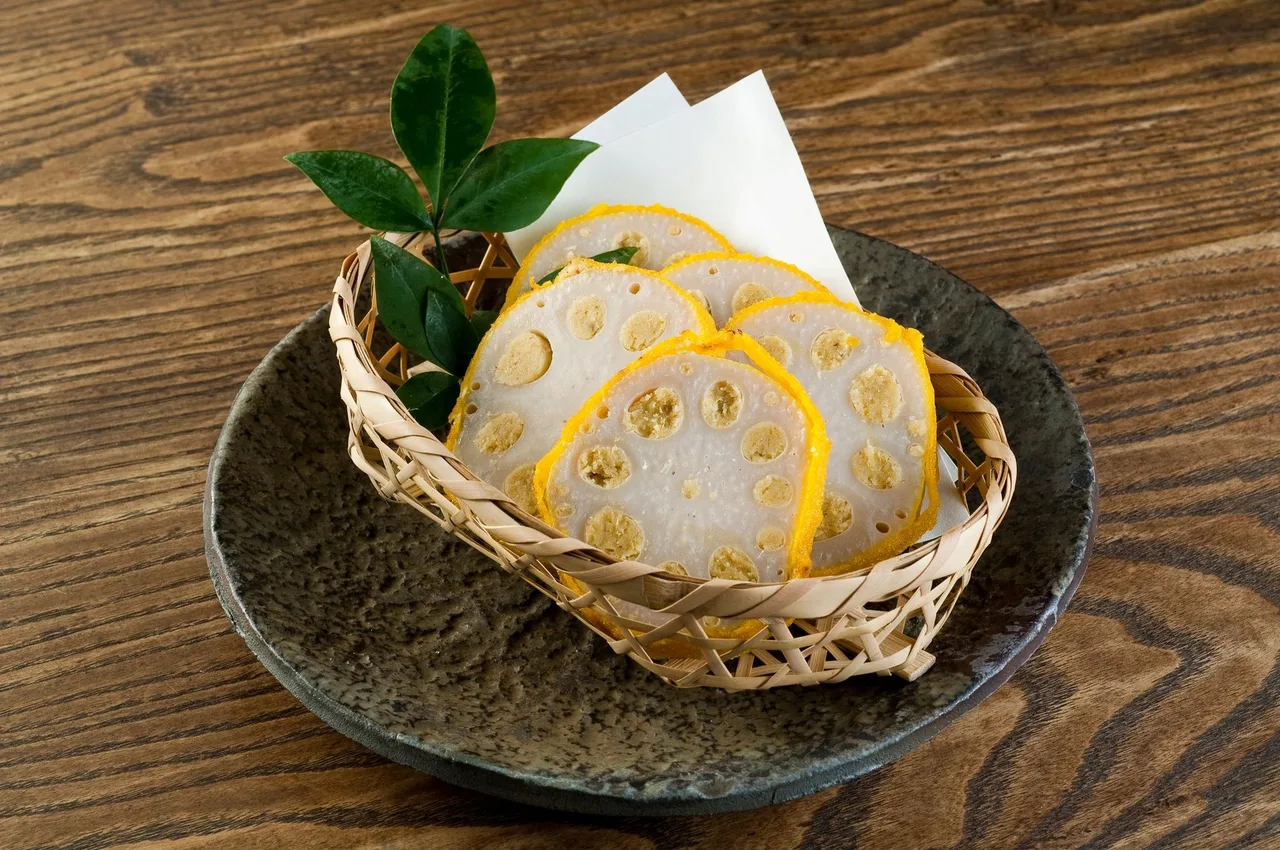
Photo: © Kumamoto Prefecture Tourist Federation.
Karashi renkon is lotus root whose holes are stuffed with miso mixed with Japanese mustard, then coated in a yellow batter and deep-fried. When sliced, a pattern of yellow mustard miso appears across the white cross-section of the lotus root. According to the Ministry of Agriculture, Forestry and Fisheries' "Our Regional Cuisines", legend has it that it was created in the early Edo period for Hosokawa Tadatoshi, the lord of the Kumamoto domain, who was in poor health.
It has a sharp, nose-tingling heat, so try a little at a time to see how spicy it is. It is served as a snack with drinks at izakaya and as a side dish with rice, and it is also sold at souvenir shops.
Kumamoto ramen: pork-bone broth fragrant with garlic
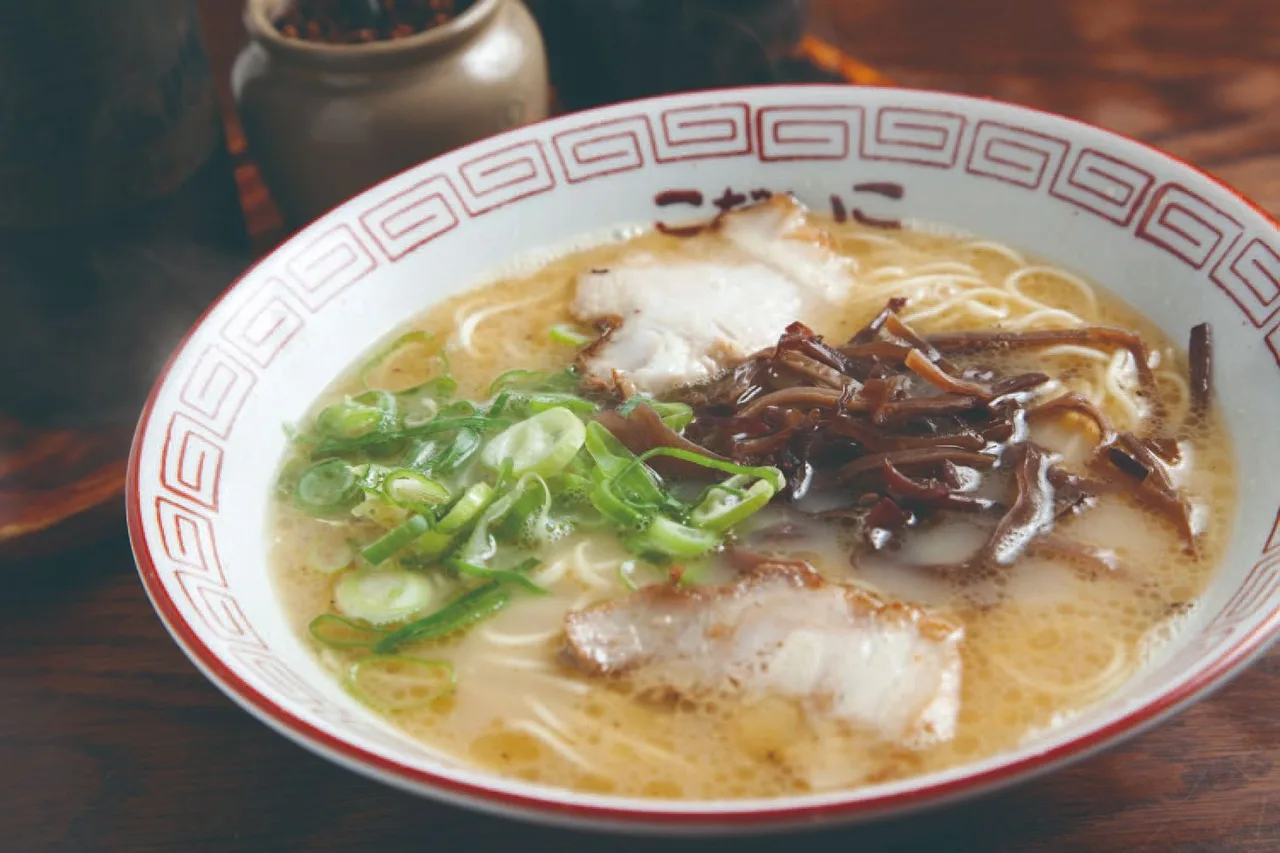
Photo: © Kumamoto Prefecture Tourist Federation.
Kumamoto ramen is a pork-bone (tonkotsu) broth flavored with garlic. Besides chashu pork and green onion, it comes with wood ear mushrooms.
Even with the same tonkotsu base, the way garlic is used and the richness of the broth differ from shop to shop.
Taipien: glass noodles and vegetables in soup
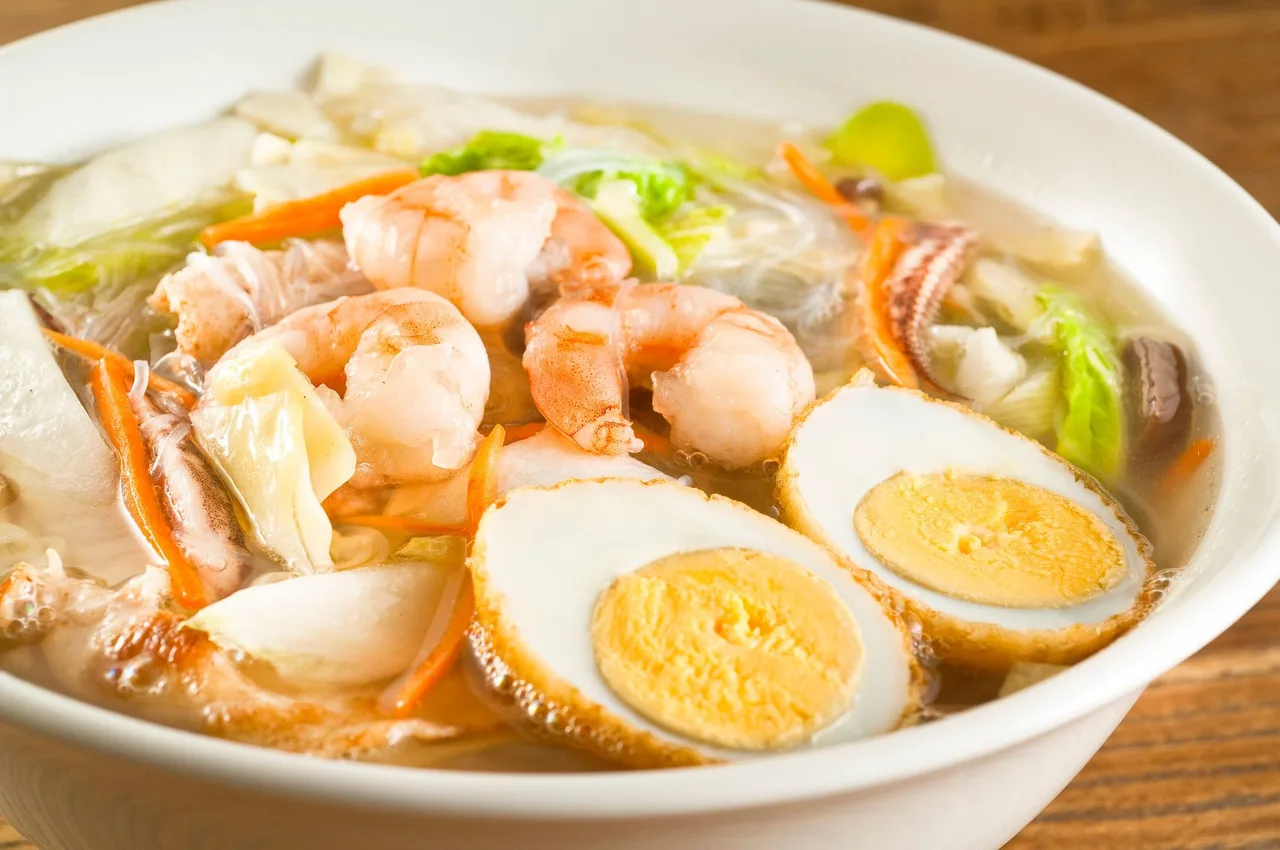
Photo: © Kumamoto Prefecture Tourist Federation.
Taipien is a soup dish that uses glass noodles in place of regular noodles, packed with vegetables, pork, shrimp and more. The Ministry of Agriculture, Forestry and Fisheries' "Our Regional Cuisines" says it is based on a dish from Fujian Province in China.
It is a standard item at Chinese restaurants in Kumamoto and is also made at home. It is Kumamoto's other noodle dish, quite different from ramen.
Takamori dengaku: a mountain-village dish grilled over a charcoal hearth
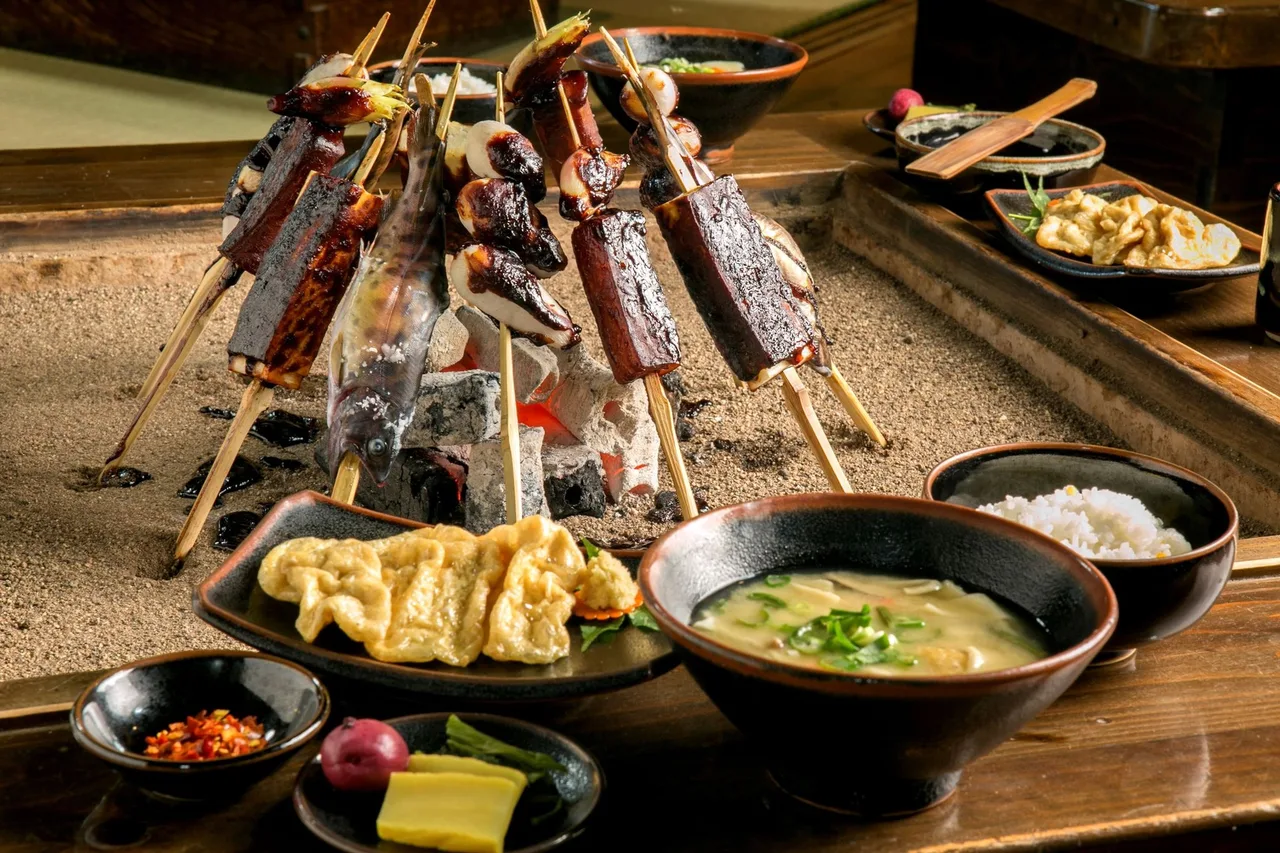
Photo: © Kumamoto Prefecture Tourist Federation.
Takamori dengaku, from the town of Takamori in Minamiaso, is a dish of skewered ingredients coated in miso and grilled over charcoal in an irori sunken hearth.
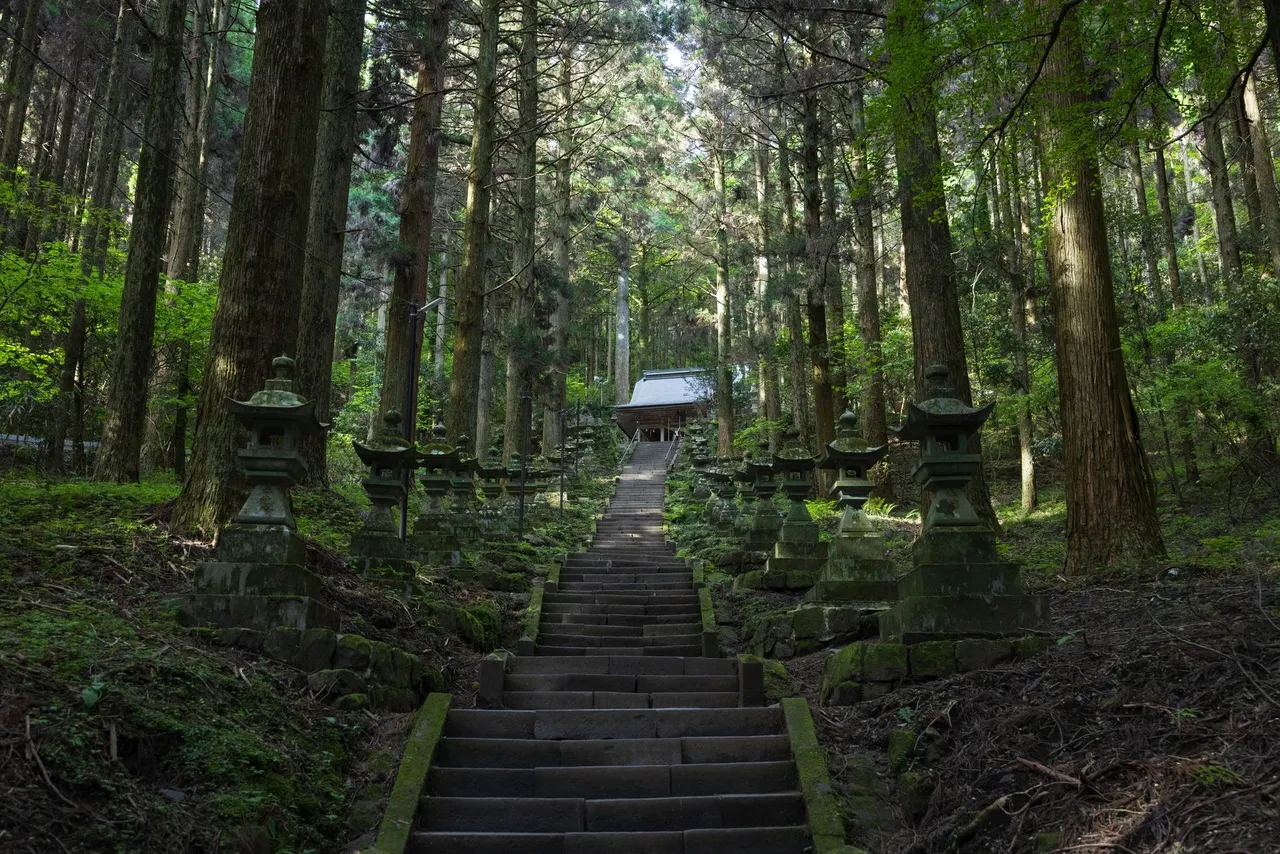
Sitting around the hearth and waiting for the skewers to cook is part of the experience. The flavor of the miso varies by restaurant. Takamori is also home to Kamishikimi Kumanoimasu Shrine, known for its approach lined with stone lanterns, so dengaku makes a good lunch on a day touring Minamiaso.
Amakusa Daio: a large jidori chicken revived by the prefecture
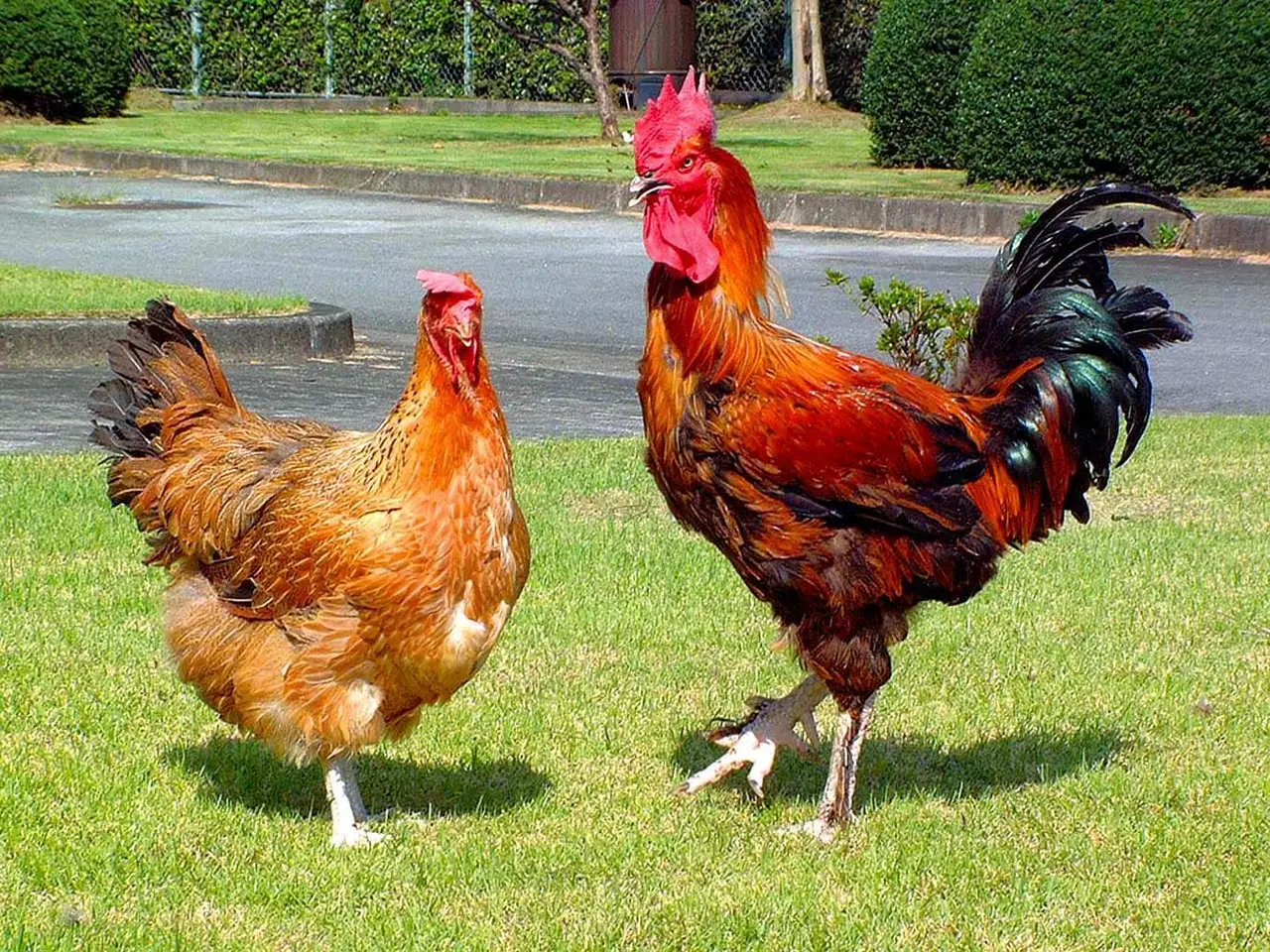
Photo: © Kumamoto Prefecture Tourist Federation.
Amakusa Daio is a Kumamoto jidori (local breed) chicken based on a large-bodied bird. According to Kumamoto Prefecture, the original breed disappeared in the Showa period, but the prefecture worked to restore it. Today, meat chickens bred from that bird are sold as "Amakusa Daio".
How it is prepared depends on the restaurant. Only a limited number of places serve it, so if you want to try it, the surest way is to check the list of restaurants (PDF, Japanese) published by Kumamoto Prefecture and contact the restaurant.
Where to eat: choosing a restaurant and ordering
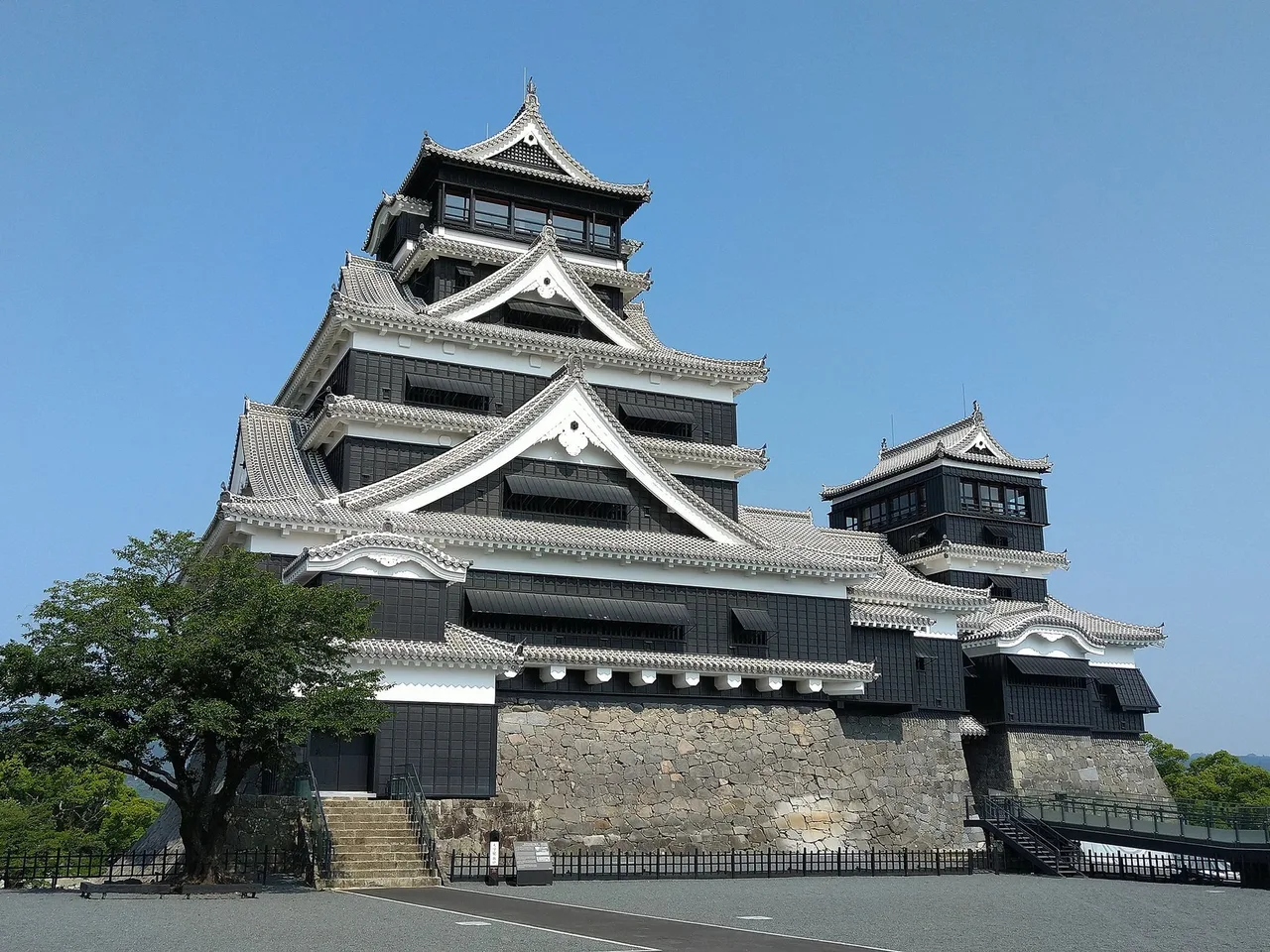
Basashi, karashi renkon, Kumamoto ramen and taipien are easy to find at restaurants in Kumamoto City. Many places are around Kumamoto Station and the city center served by the streetcar, so you can combine a meal with a visit to Kumamoto Castle. Other dishes are worth a dedicated trip: Takamori dengaku in Takamori, and Amakusa Daio at the restaurants that carry it.
Some small eateries accept cash only. If you want to pay by card or other cashless methods, check the signs at the entrance or register before going in. If you don't know the name of a dish, you can order by showing its name or a photo. To soak in a hot spring after your meal, see Kumamoto onsen towns.