Kumamoto Onsen Guide: Kurokawa, Tsuetate, Yamaga and 3 More
This guide is translated from the Japanese edition. Read the Japanese edition
How six Kumamoto onsen towns differ, from Kurokawa's bath-hopping pass and riverside Tsuetate to Yamaga's Sakura-yu, Waita, Tarutama and seaside Hinagu.
In the valleys of the Oguni area, north of Aso, white plumes of steam rise from the inns along the rivers. Kumamoto Prefecture has mountain onsen towns lined with ryokan, but also public bathhouses in town centers and spa towns by the sea. "A Kumamoto onsen" can mean very different ways of staying and spending the day.
Kurokawa Onsen: hopping between outdoor baths with a pass
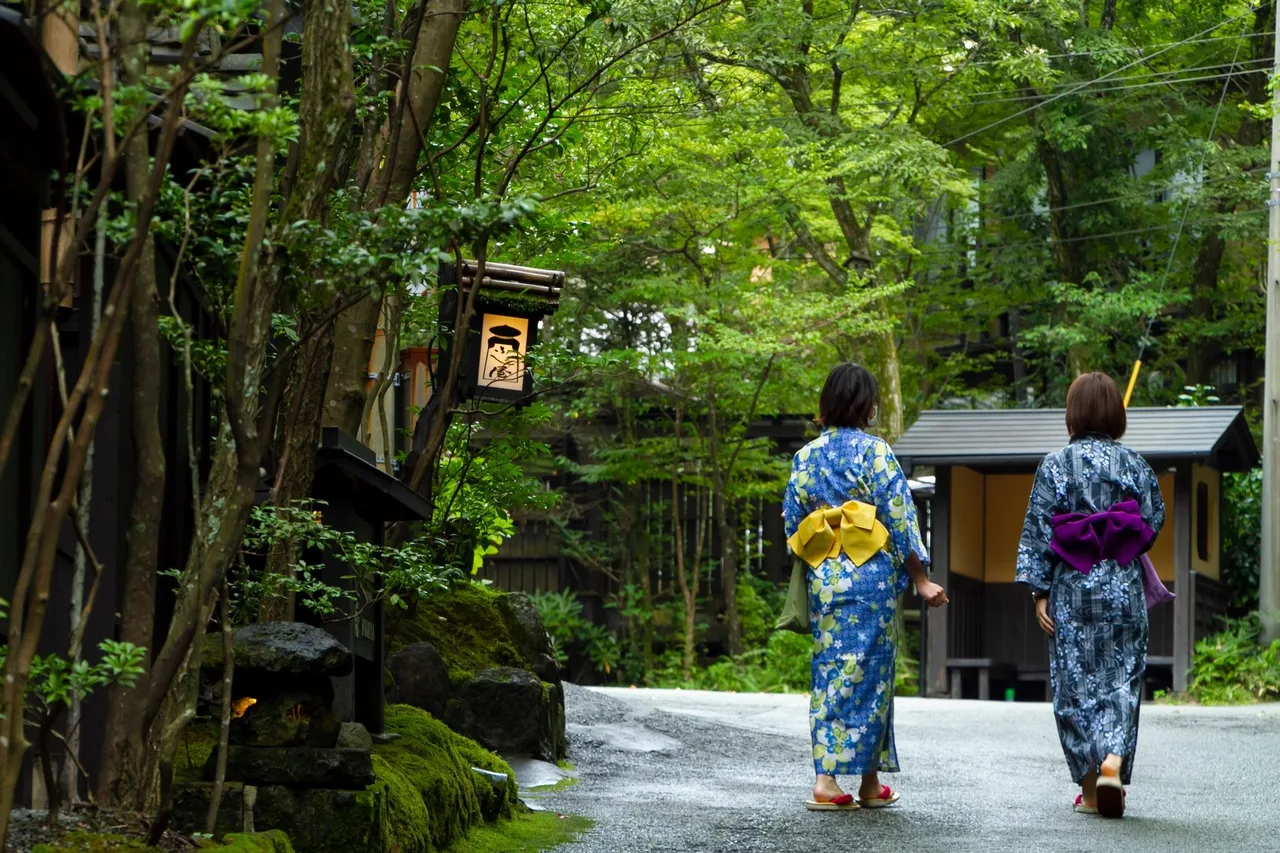
Photo: © Kumamoto Prefecture Tourist Federation.
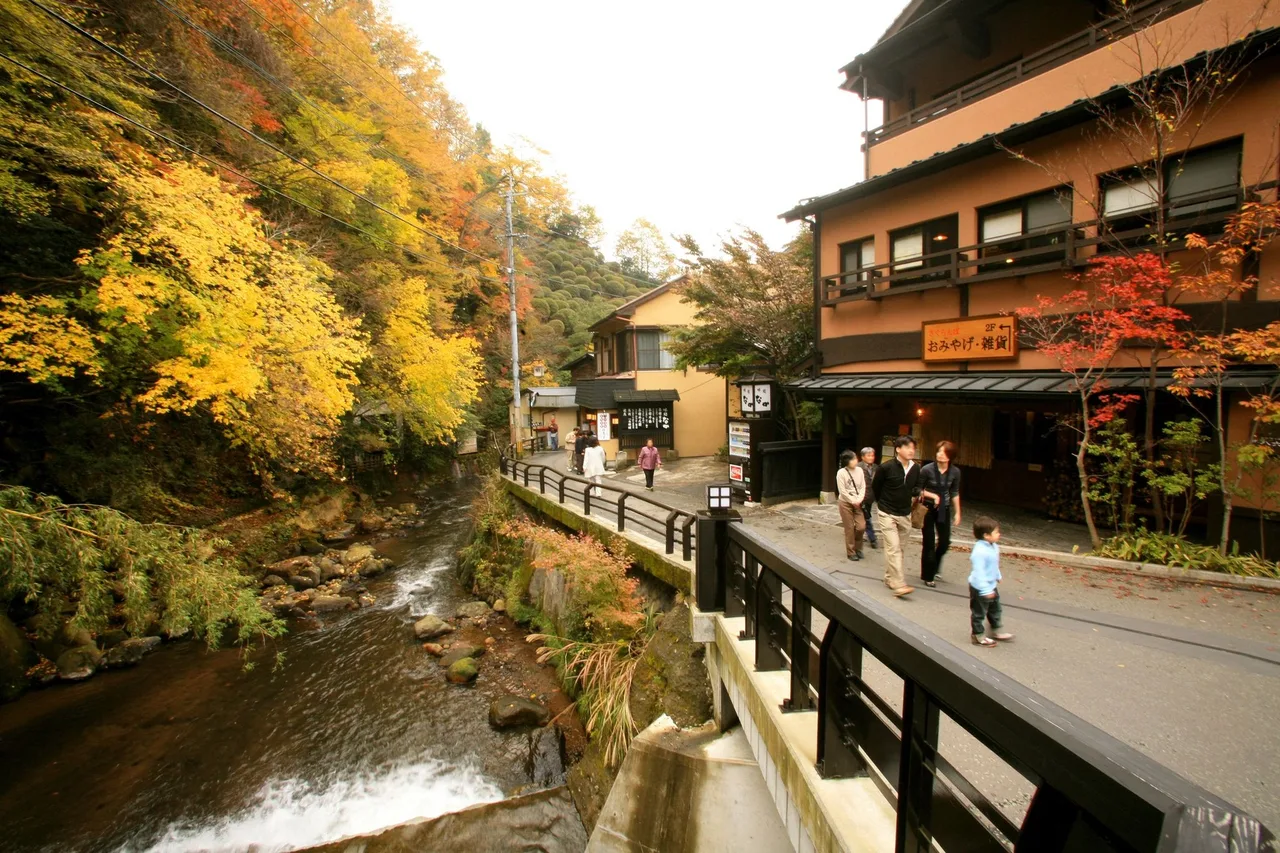
Kurokawa Onsen is a hot spring town in Minamioguni where ryokan cluster along a river in the mountains. Wooden buildings stand among the green of the trees, and you can walk right beside the flowing water.
Even if you are not staying overnight, you can buy a Nyuto Tegata bathing pass and choose three outdoor baths at participating ryokan. Changing into a yukata and walking from inn to inn to bathe is the classic way to spend time in Kurokawa. Check the official website for participating ryokan and bathing hours. In winter, the town is lit with bamboo lanterns during Yuakari.
Tsuetate Onsen: a hillside town with inns stacked on both banks
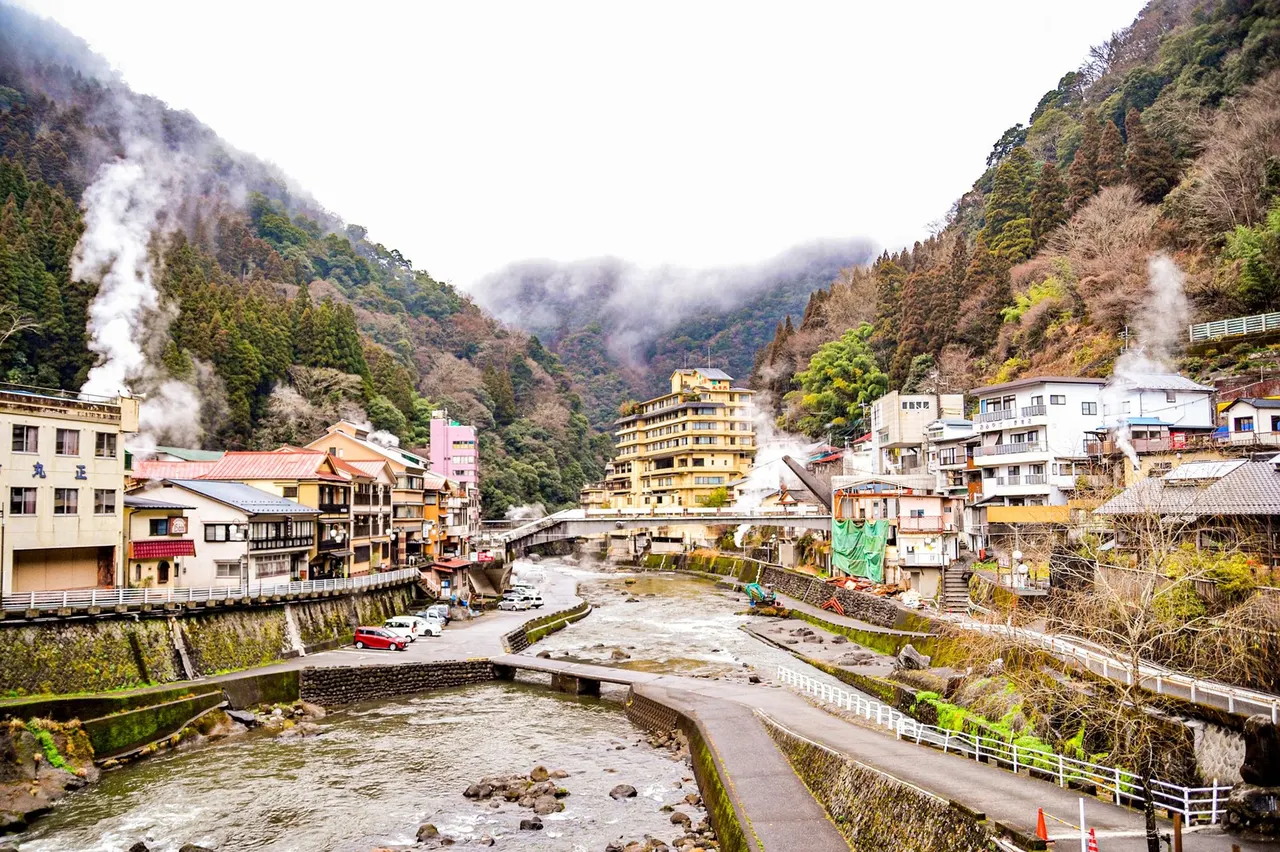
Photo: © Kumamoto Prefecture Tourist Federation.
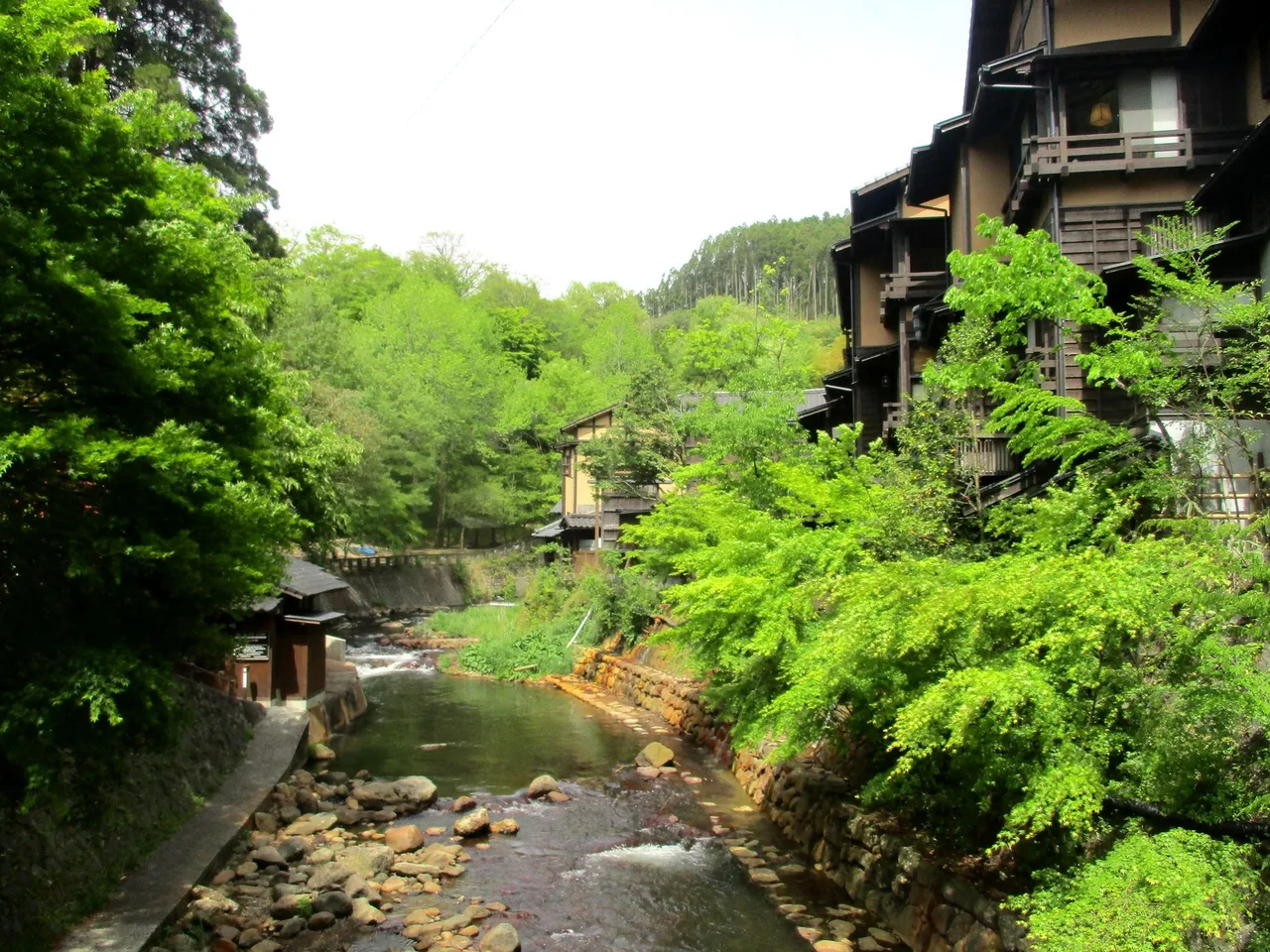
Tsuetate Onsen in Oguni is a hot spring town with inns lined up along the deep valley of the Tsuetate River. Buildings are stacked on the slopes of both banks, and steam drifts up between them and from the riverside. Behind the inns runs a network of narrow lanes called sedoya, and walking up and down its slopes and steps is part of the fun.
In spring, the Tsuetate Onsen Koinobori Festival strings many carp streamers across the river. Information on inns and events is on the Tsuetate Onsen official website.
Yamaga Onsen: Sakura-yu, a public bathhouse in the town center
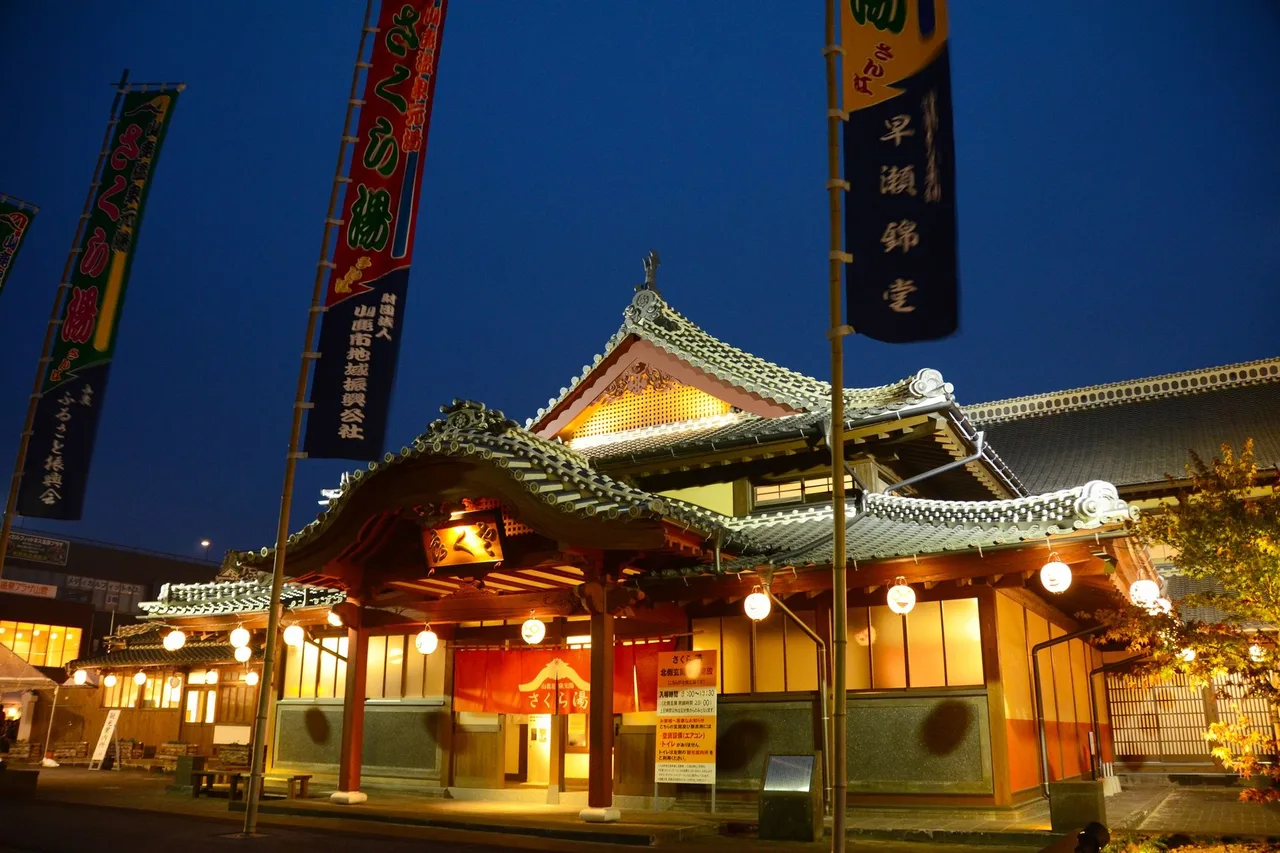
Photo: © Kumamoto Prefecture Tourist Federation.
Sakura-yu, in the center of Yamaga, is a wooden public bathhouse with large tiled roofs. According to Yamaga City, the building was a domain teahouse lodge in the Edo period and became a hot spring for townspeople after a renovation in the Meiji era. It was later torn down, then rebuilt in wood in 2012.
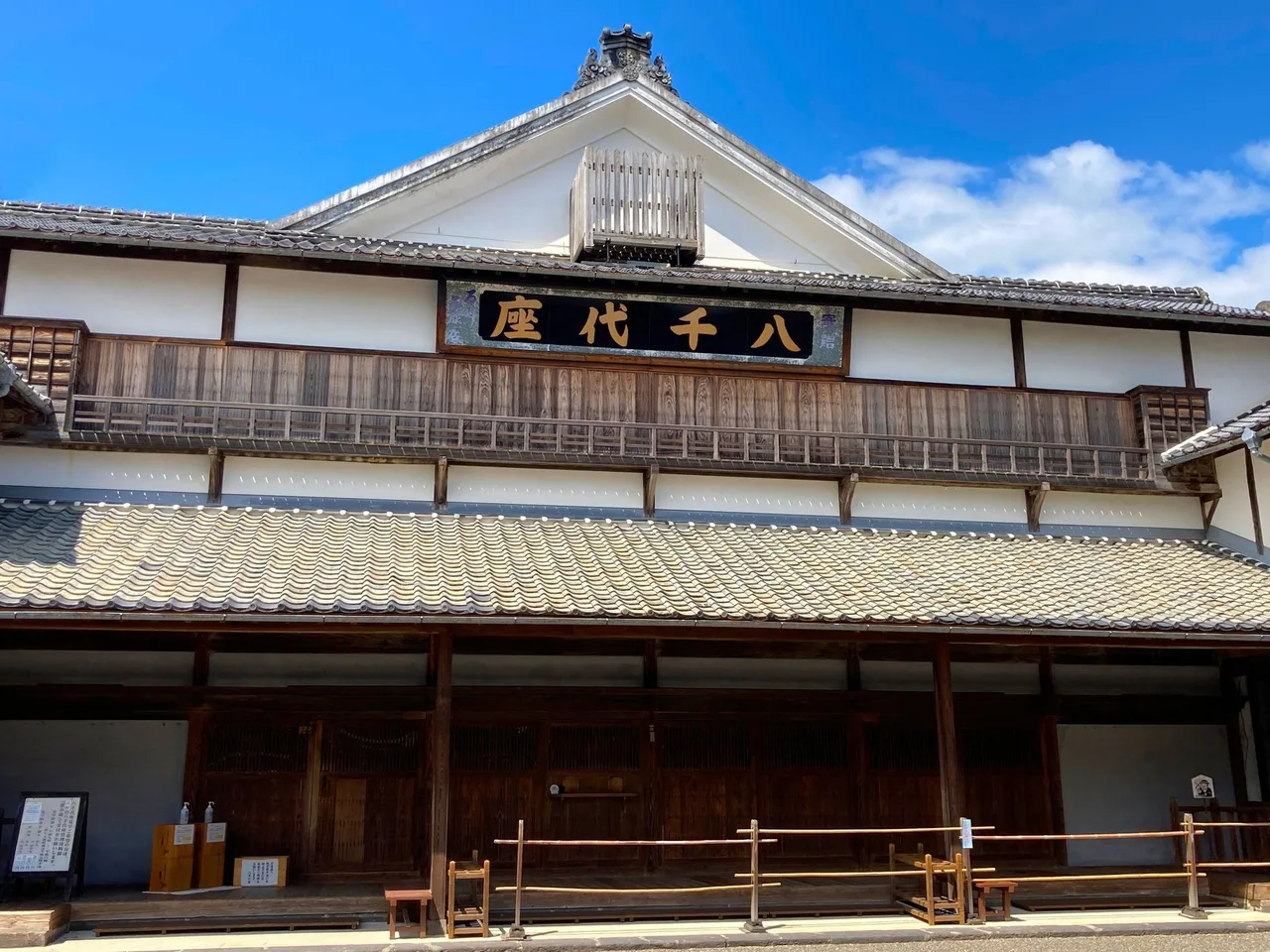
The appeal of Yamaga is that you can drop in for a soak during a walk around town without staying at a ryokan. Yachiyoza Theater, a Meiji-era playhouse, is also in the town center, so you can combine a tour of the theater and a public bath in one day.
Waita Onsenkyo: a mountain village wrapped in steam
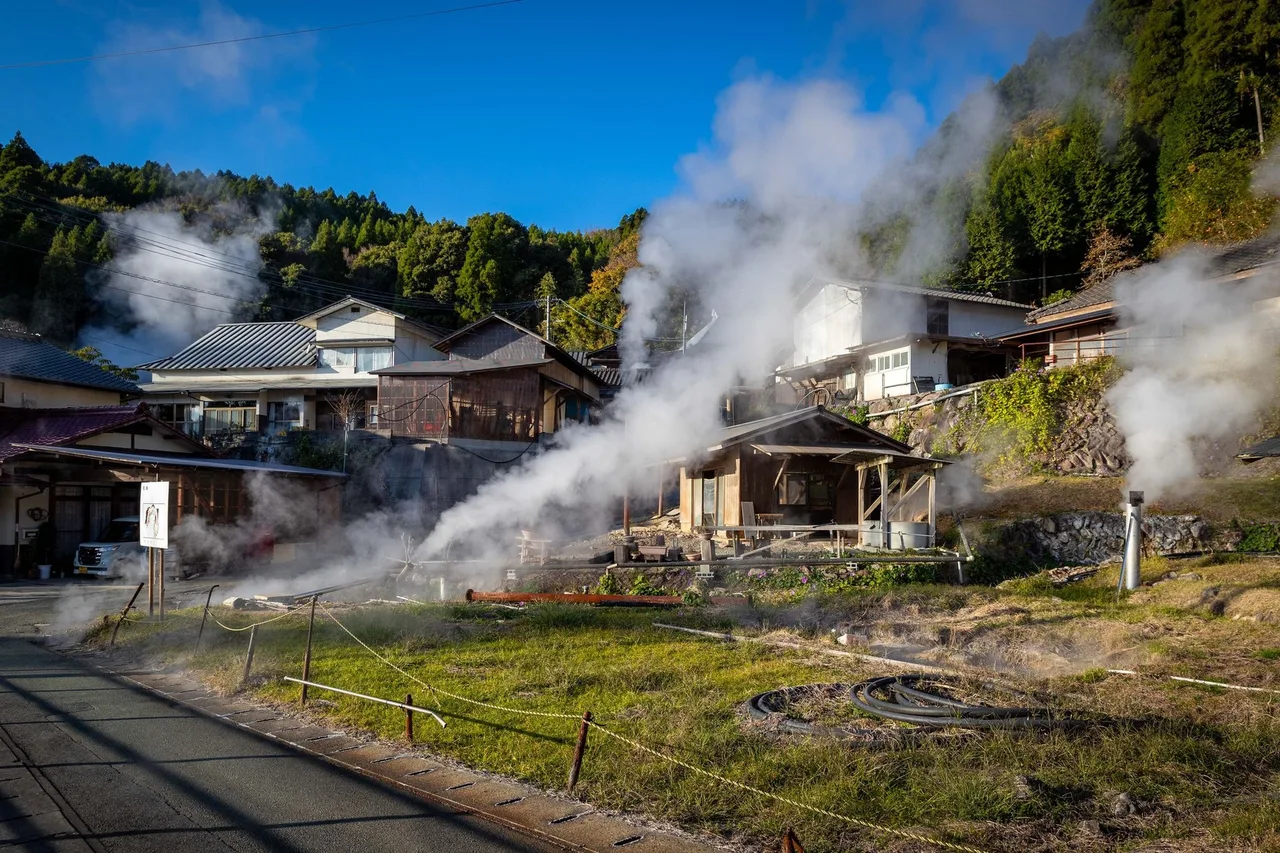
Photo: © Kumamoto Prefecture Tourist Federation.
At the foot of Mt. Waita in Oguni, several small hot spring areas are grouped together under the name Waita Onsenkyo. All around the villages, steam bursts from the ground and from the chimneys of bath huts, and the steam itself becomes the scenery.
This is not a large onsen town but a mountain village where inns and bath huts are scattered among houses. Some places serve food steamed with geothermal heat. Many visitors get around by car, so if you are using public transport, check the bus times in advance.
Tarutama Onsen: a hot spring by a waterfall in the hills of Minamiaso
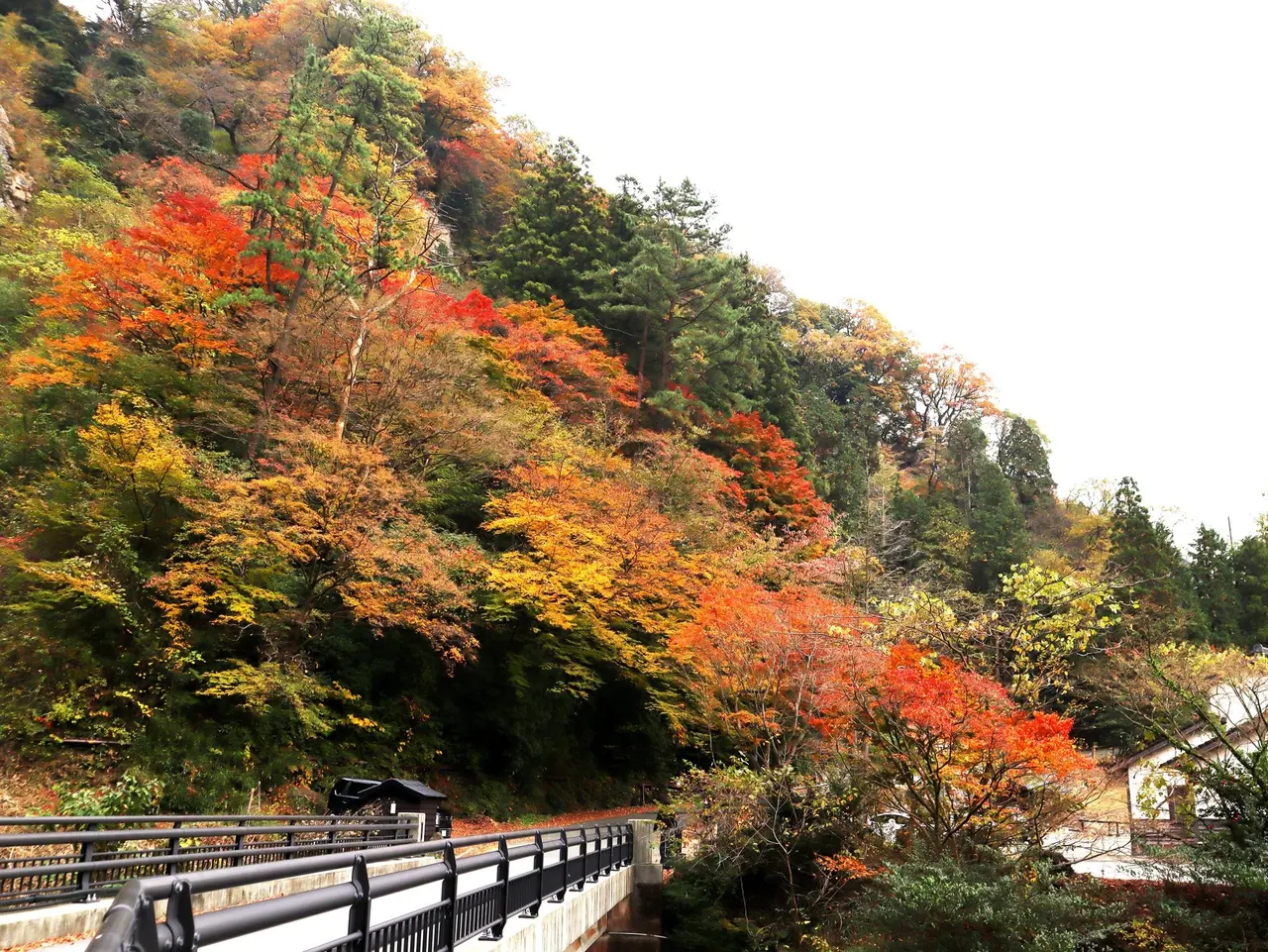
Photo: © Kumamoto Prefecture Tourist Federation.
Tarutama Onsen in Minamiaso is a hot spring beside Kinryu Falls in the hills. Its history goes back to a ryokan founded in the Meiji era. It closed after the 2016 Kumamoto Earthquake and reopened in 2021 as a day-use hot spring facility, "Tarutama Onsen Takibiyori".
The area is surrounded by trees, and in autumn the mountainside turns red and yellow. It works well as a stop on a drive, combined with Minamiaso's springs and grassland views. Check the facility's official website for how to bathe and opening days.
Hinagu Onsen: a seaside spa town
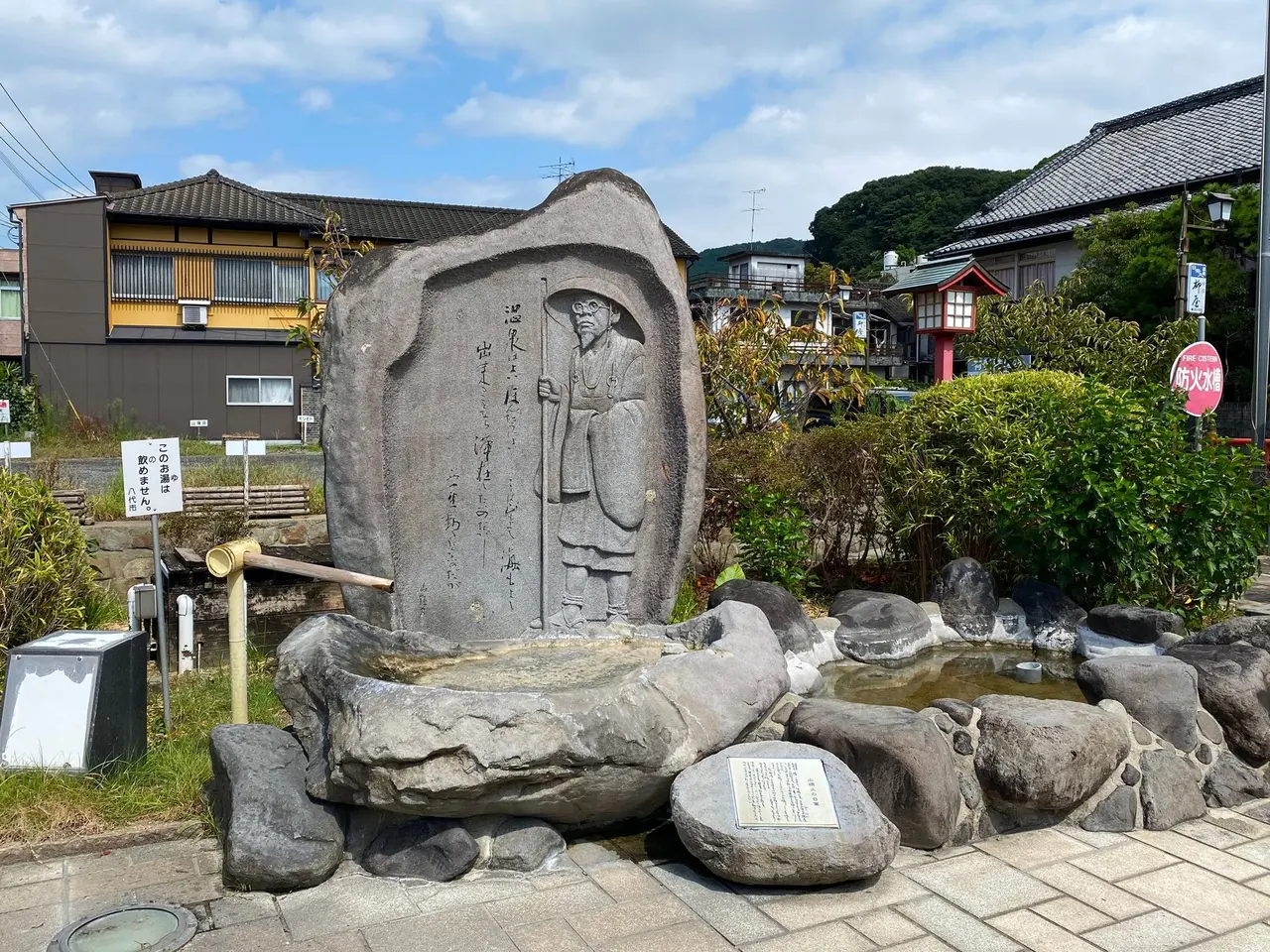
Photo: © Kumamoto Prefecture Tourist Federation.
Hinagu Onsen is a spa town on the coast in the south of Yatsushiro.
Unlike the mountain onsen towns, its inns and bathing facilities stand among streets on flat land. You can enjoy the spa-town atmosphere on a stroll around the inns. Before you go, check whether facilities are open and transport is running on the official information from Yatsushiro City and the facilities.
How to choose: onsen towns by purpose
- To try several ryokan outdoor baths: Kurokawa Onsen, where the bathing pass lets you hop between baths.
- To use a town bathhouse without staying overnight: Sakura-yu in Yamaga Onsen, easy to combine with a walk around town.
- To see steaming scenery: Tsuetate Onsen and Waita Onsenkyo. Both are in Oguni, in the same area north of Aso as Kurokawa Onsen.
- To stop off while sightseeing in Aso: Tarutama Onsen in Minamiaso.
- To walk a seaside spa town: Hinagu Onsen in Yatsushiro.
Kurokawa, Tsuetate and Waita are in the mountains north of Aso, some distance from central Kumamoto. Public transport is mainly by bus with limited services, so planning an overnight stay makes the trip more relaxed.
What to check before bathing
At Japanese hot springs, the usual rules are to wash your body before getting into the bath and not to put your towel in the water. You can check the basics in "How to Use Japanese Onsen and Sento".
Rules for bathers with tattoos differ from facility to facility. They can vary even within the same onsen town, so check the facility's information before you go or contact them directly. At some public bathhouses, you need to bring your own towel and soap. To taste Kumamoto's food after your bath, see Kumamoto local food.