Kusatsu Onsen Things to Do: Yubatake, Open-Air Baths and Yumomi
This guide is translated from the Japanese edition. Read the Japanese edition
Kusatsu Onsen on foot: the Yubatake, the yumomi show, the Sainokawara open-air bath, public baths visitors can use, tips for the acidic water and getting there.
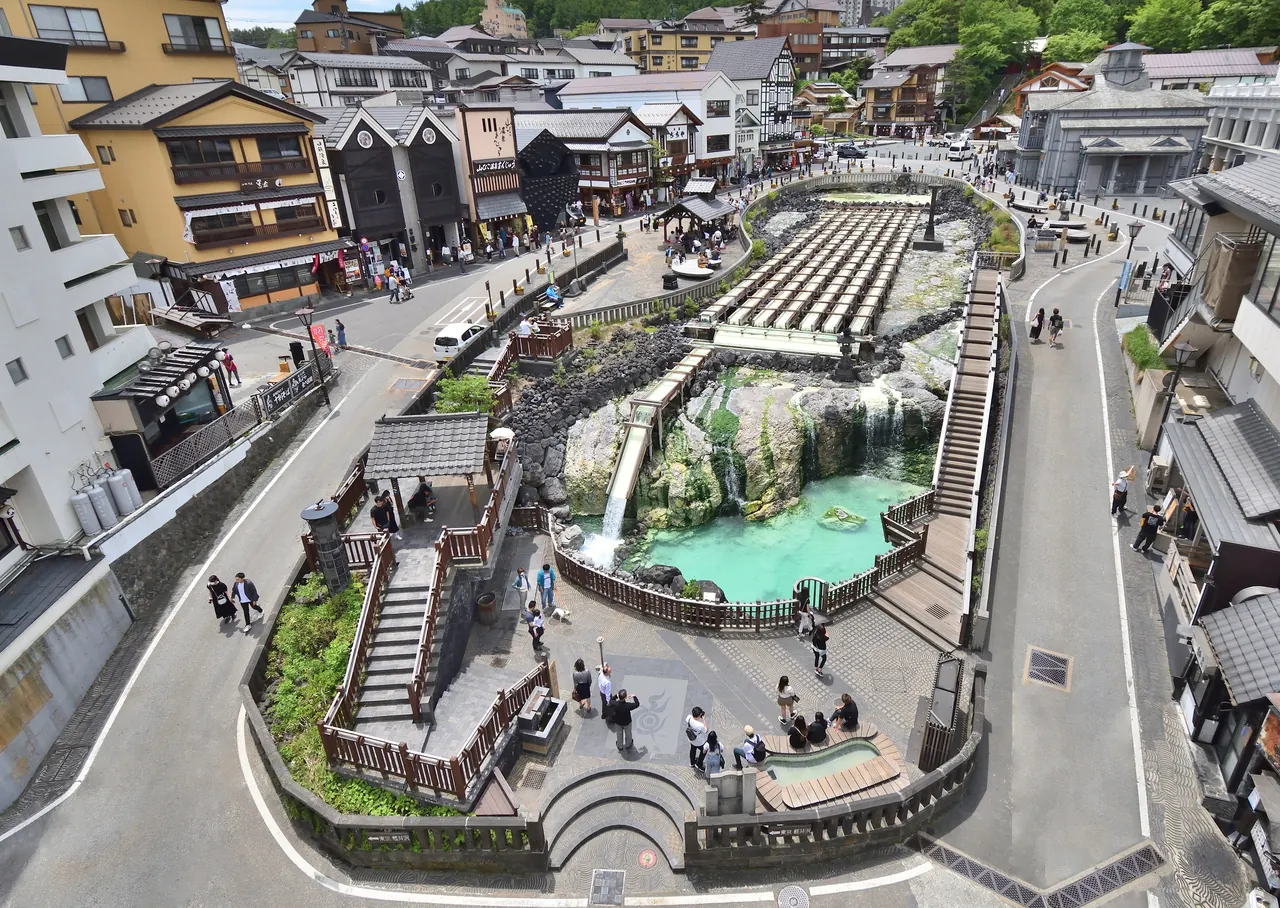
Walk downhill from the bus terminal and the smell of sulphur grows stronger, until about five minutes later you come out into a square full of rising steam. This is the Yubatake, the heart of Kusatsu Onsen. Inns, souvenir shops and public baths all cluster around it, and most of the sights are within walking distance.
What kind of hot-spring town is Kusatsu?
Kusatsu Onsen sits on a plateau about 1,200 metres above sea level in north-western Gunma. Hot water rises all over town, and Kusatsu is said to have the largest volume of naturally flowing hot water in Japan. The water is strongly acidic; the Yubatake source is said to be around pH 2. It tingles a little on the skin, a feel that is Kusatsu's own.
The town centres on the Yubatake, with streets such as Sainokawara-dori and the stone steps up to Kosenji Temple leading off it. Sainokawara Park is only about 10 minutes' walk from the Yubatake, so you won't miss having a car. You can see the main sights on a day trip, but an overnight stay lets you see the Yubatake at night and the quiet streets in the early morning.
Walking around the Yubatake
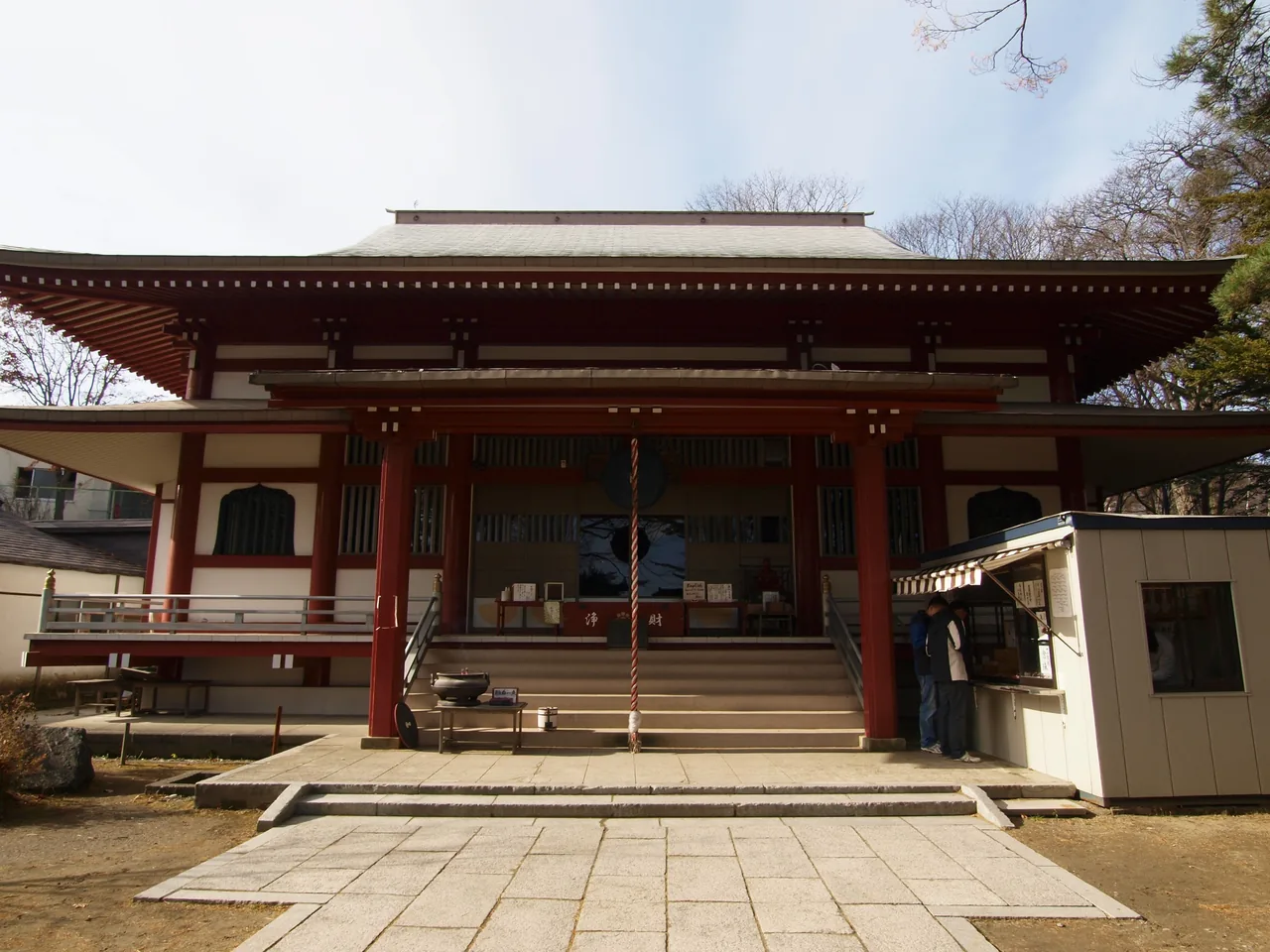
Photo: https://gunma-kanko.jp/
At the Yubatake, the water that wells up runs through wooden channels to cool and then spills over the end as a waterfall. It was named Yubatake, "hot-water field", because it is a field where yunohana, the deposits that settle in the wooden channels (yutoi), can be gathered. The stone fence around it is carved with the names of historical figures who visited Kusatsu, and walking round looking for names you know is one way to enjoy it.
Climb the stone steps beside the Yubatake and you reach Kosenji Temple on a rise above the Yubatake, with a view over the whole field and the roofs of the inns around it.
After dark the Yubatake is lit up and the steam glows in the lights. This is when many guests come out for a stroll after dinner, in a yukata with a haori jacket on top. Kusatsu is high up, so even in summer the mornings and evenings feel cool.
Watching and trying yumomi
At Netsunoyu, beside the Yubatake, you can watch a show of yumomi, a Kusatsu tradition. Yumomi is a way of cooling water that is too hot by stirring it with long wooden boards rather than diluting it with cold water. In the show, performers move the boards in time to the songs as the steam swirls up.
There are six shows every day (three in the morning, three in the afternoon), and the morning times change in winter. Weekends and holidays are busy, so once you know which show you want, queue early. Separately from the show, there is a yumomi hands-on session at midday every Sunday and Monday. Check Netsunoyu's information for the latest schedule.
Sainokawara Park and its open-air bath
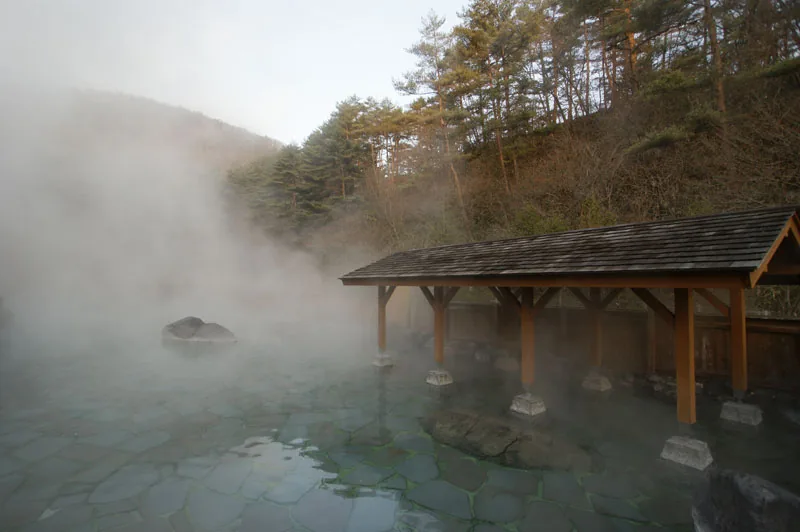
Photo: https://gunma-kanko.jp/
Walk west from the Yubatake along Sainokawara-dori, past souvenir shops selling onsen manju and small restaurants, and in about 10 minutes you reach Sainokawara Park. Inside the park the stream itself is hot water, welling up between the rocks and sending up steam.
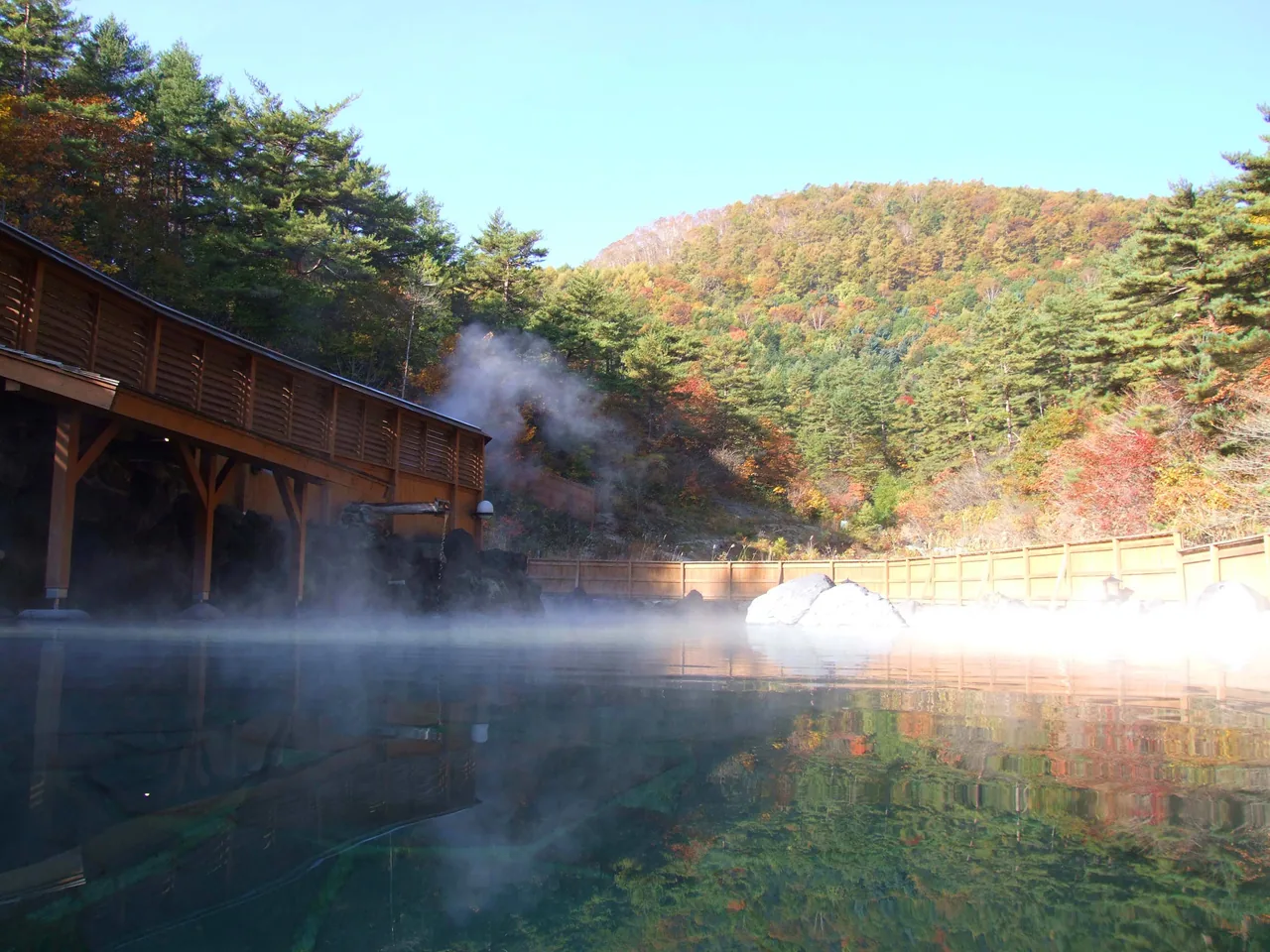
At the far end of the park, the Sainokawara open-air bath covers about 500 square metres and is divided into men's and women's sides. On Friday evenings the men's side is usually open as a mixed bath (there are exceptions, so check the official information). It is surrounded by trees, so you can bathe looking at fresh green in spring, autumn colours in autumn or snow in winter. There are changing rooms but no washing area, so if you want to wash, use your inn or a day-use bathhouse with showers.
Public baths and day-use bathhouses
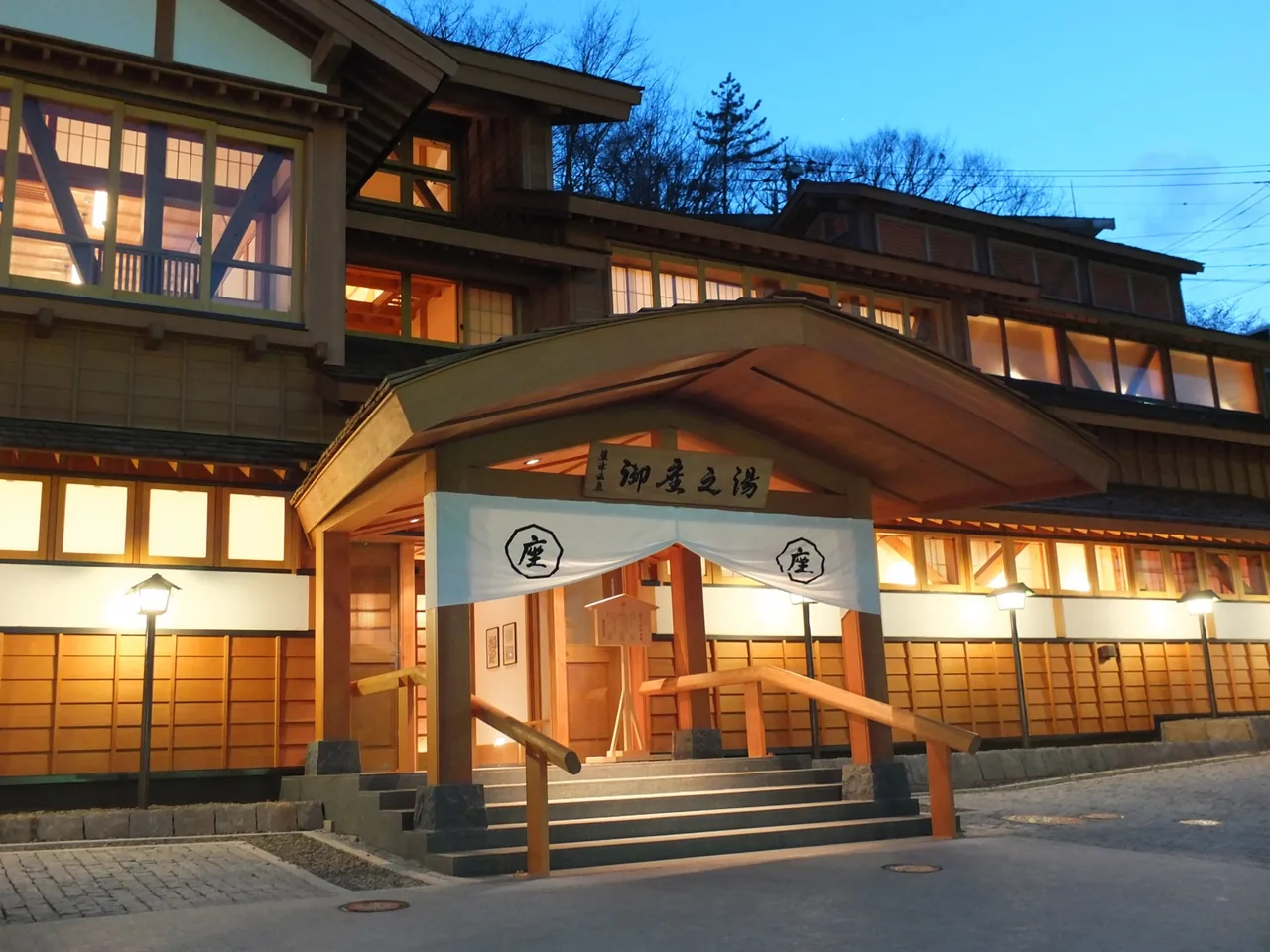
Photo: https://gunma-kanko.jp/
Kusatsu has a number of public baths looked after by local residents. A few of them, Shirahata no Yu among them, are listed as open to visitors, with opening and cleaning times that differ from bath to bath. Shirahata no Yu, right by the Yubatake, uses the Shirahata spring, said to have been found by the warlord Minamoto no Yoritomo.
These baths exist first of all for the people who live here. They usually have no shampoo or soap, and you should follow the house rules: pour water over yourself before getting in, keep your towel out of the water and keep your voice down. The basics are also explained in our guide to onsen and sento etiquette in Japan.
For a longer soak, or when you want a place to wash, a day-use bathhouse is easier. Gozanoyu lets you compare two different springs inside a wooden building. Otakinoyu, a little further from the Yubatake, offers awaseyu, bathing in a series of pools at different temperatures. Check each bathhouse's own information for hours and prices.
Bathing in acidic water
Kusatsu's water is strong, so short soaks with rests in between suit it better than long sessions one after another.
The sulphur in the water can turn silver and other jewellery black. Take off rings and necklaces and leave them in your room.
Whether people with tattoos can bathe depends on each facility's rules. Check with your inn or the bathhouse before you go.
Getting there and getting around
By train from Tokyo, change at Naganohara-Kusatsuguchi Station on the JR Agatsuma Line to a JR bus, which takes about 25 minutes to Kusatsu Onsen Bus Terminal. There are also highway buses from Shinjuku and other parts of Tokyo straight to Kusatsu Onsen Bus Terminal, taking around four hours with no changes. From the bus terminal it is about a five-minute walk to the Yubatake.
On an overnight stay, an easy order is Sainokawara Park and the open-air bath on the afternoon you arrive, the lit-up Yubatake in the evening, and the quiet Yubatake and a public bath the next morning. The Kusatsu Onsen Tourism Association's website has information on the whole town.