Kutani Ware Guide: Ko-Kutani History, Museums and Painting
This guide is translated from the Japanese edition. Read the Japanese edition
Kutani ware in Ishikawa: Ko-Kutani and the revival wares, the Ishikawa Kutani Ware Museum, shopping and painting at Kutani Pottery Village, and access.
Green, yellow, purple, deep blue and red. Stand in front of a large Kutani ware plate and the first thing that strikes you is the depth of its colors. Kutani ware is overglaze-painted porcelain fired in southern Ishikawa Prefecture, and it is designated a Traditional Craft of Japan. In Kaga and Nomi, the cities where it is made, you can study fine old pieces in a quiet museum, choose dishes to take home and try painting one yourself. Learn the basics of its history first, then visit the museum before the pottery village, and both the exhibits and the shopping become far more rewarding.
What is Kutani ware? Ko-Kutani and the revival wares
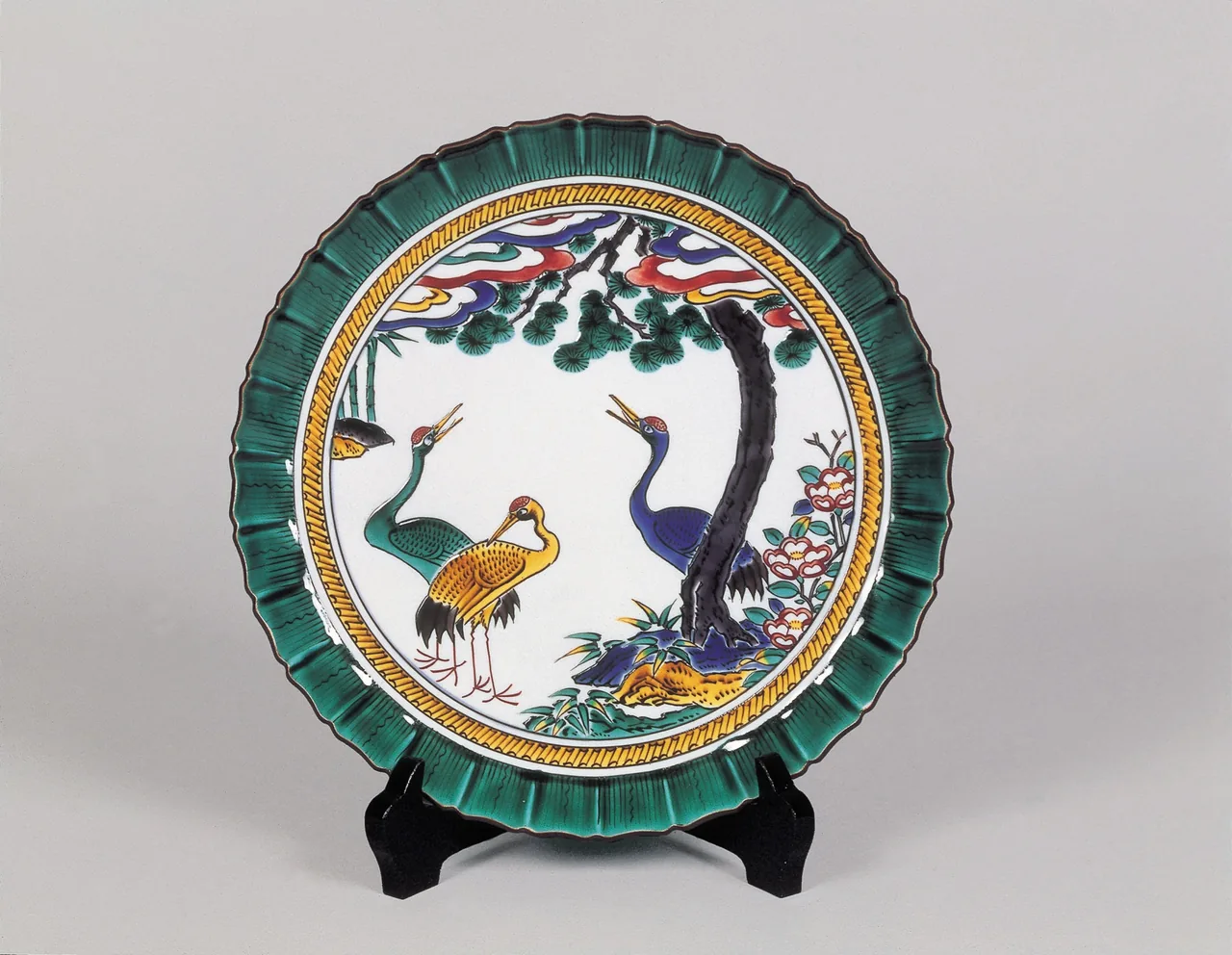
Kutani ware is said to have begun in the Meireki era of the Edo period, around 1655. The overglaze-painted porcelain fired in the village of Kutani, within the lands of the Daishoji Domain, is what is now called Ko-Kutani (Old Kutani). Production of Ko-Kutani stopped suddenly toward the end of the 17th century, and Kutani kilns were opened again in the 19th century. Works from that time on are known as the revival Kutani wares (Saiko Kutani).
Its palette is the "five colors of Kutani": green, yellow, purple, deep blue (konjo) and red. Two styles are known as typical of Ko-Kutani: gosai-de, painted with all five colors, and ao-de, which leaves out red and covers the surface of the piece with the remaining colors. Kutani ware was designated a Traditional Craft of Japan in 1975.
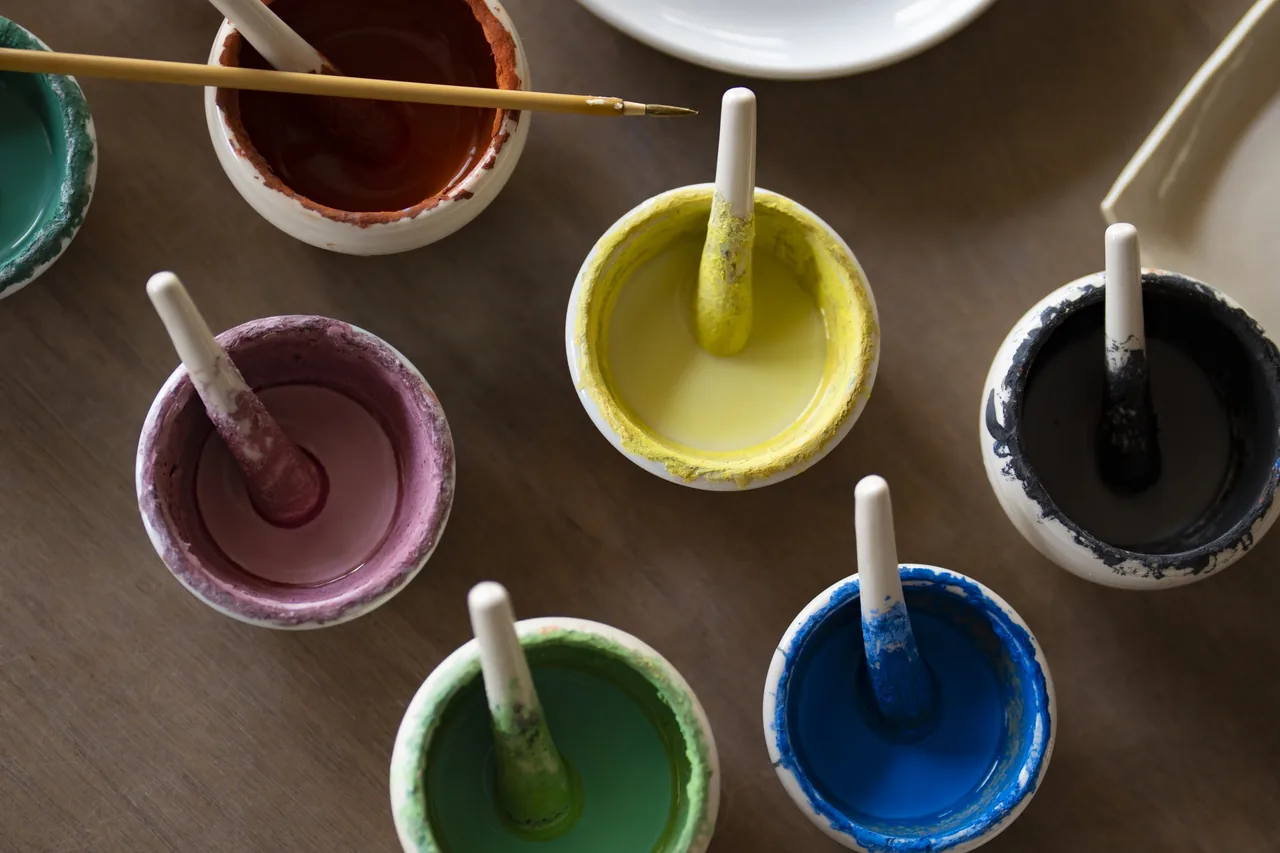
Photo: ©石川県観光連盟
When you look at old pieces in a museum, notice how much of the white ground is left and whether red is used. That makes the difference between gosai-de and ao-de easy to spot.
Ishikawa Kutani Ware Museum: starting with Ko-Kutani in Daishoji
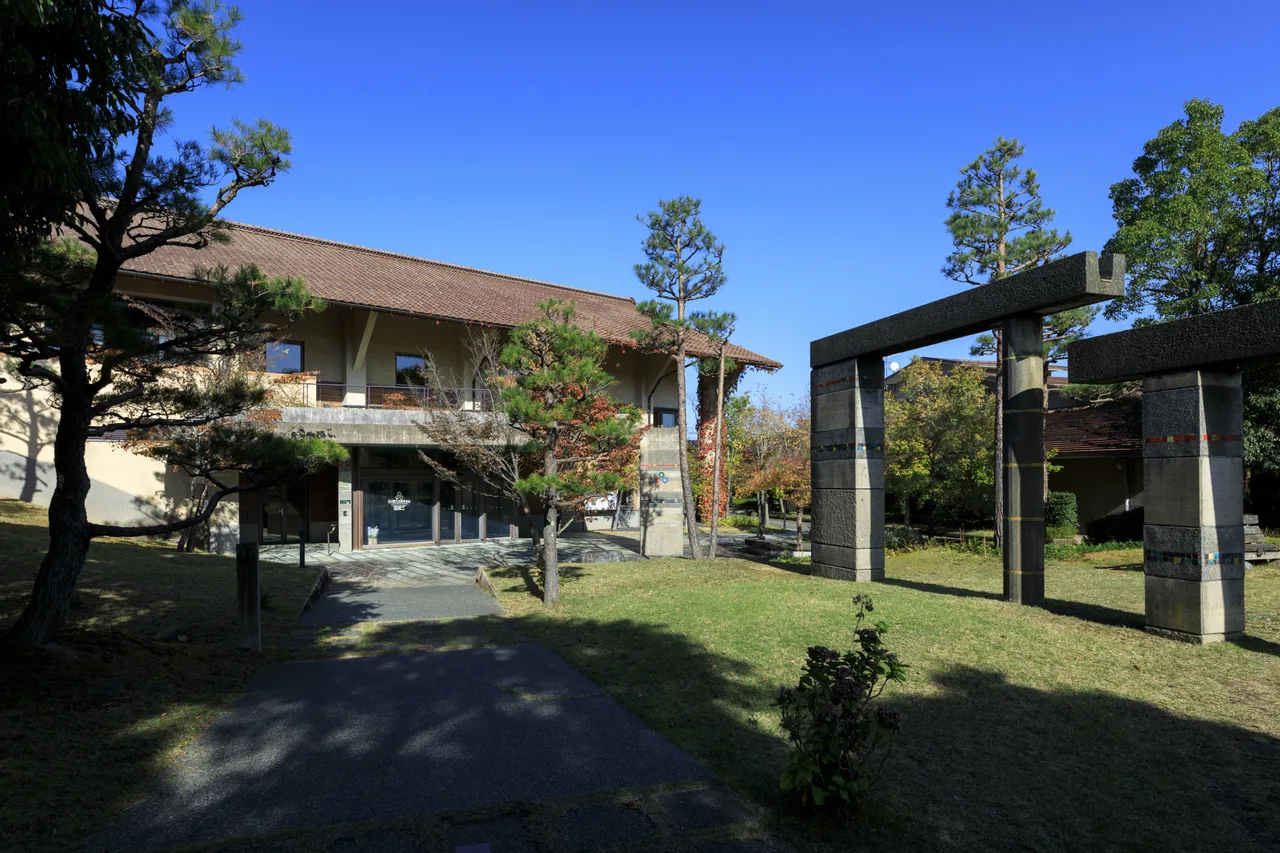
The Ishikawa Kutani Ware Museum in Daishoji, Kaga, displays the history of Kutani ware comprehensively, from Ko-Kutani through the revival wares. The museum describes itself as the only museum in Japan specializing in Kutani ware. In the galleries, large plates and bowls sit in glass cases, so you can compare the styles of each period. Allow about an hour to see the exhibits.
The museum is about 550 m from Daishoji Station on the IR Ishikawa Railway, within walking distance. If you take the Umi-mawari (coast) route of the CANBUS sightseeing loop bus from Kaga-Onsen Station, it is about 100 m from the "Yamanoshita Jiingun/Ishikawa Kutani Ware Museum" stop. Check the official website for opening hours, admission and exhibition changes.
Kutani Pottery Village: browsing the Kutani ware shops
Kutani Pottery Village in Nomi brings together ten Kutani ware shops. Each shop has its own range and taste in designs, so the fun lies in comparing a few before you choose. If you go after seeing Ko-Kutani at the museum, you will notice the colors and patterns that today's pieces have inherited.
Deciding first how you will use a piece makes choosing easier. For small plates or teacups for everyday meals, pick them up and check the weight and how the rim feels. For a decorative plate, step back and look at the whole design and the balance of colors to see what you like. If it is a gift, ask whether the shop can box it.
When buying ceramics on a trip, think about how to get them home unbroken. Whether you carry them yourself or have the shop ship them depends on the shop. Ask before you buy whether international shipping is possible. Check Nomi City's information for how to get there by public transport before you set out.
Painting experience: adding color to a white piece
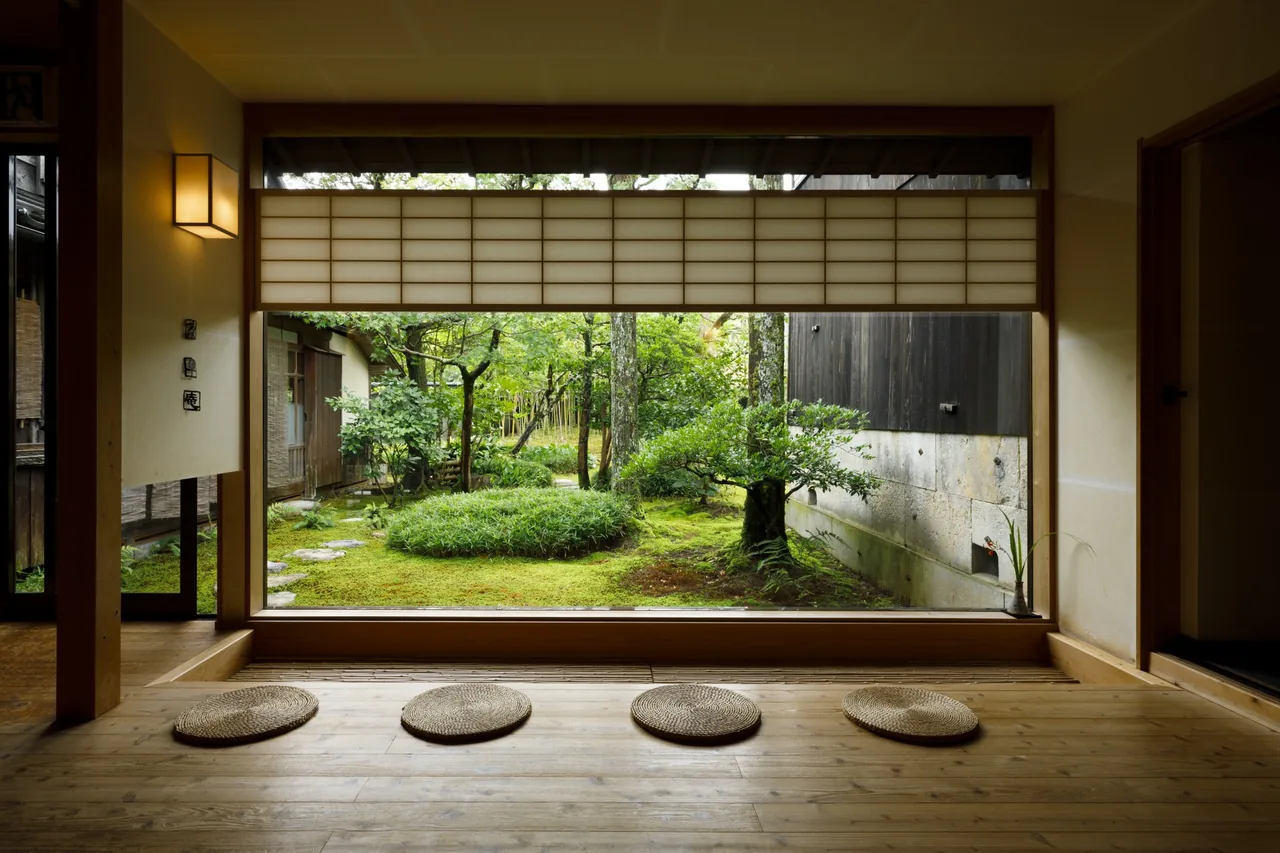
Kutani Pottery Village has a hands-on workshop building where you can try overglaze painting and making pottery. The building was renovated on September 28, 2024. The workroom is lined with electric potter's wheels and worktables, and travelers can easily join in.
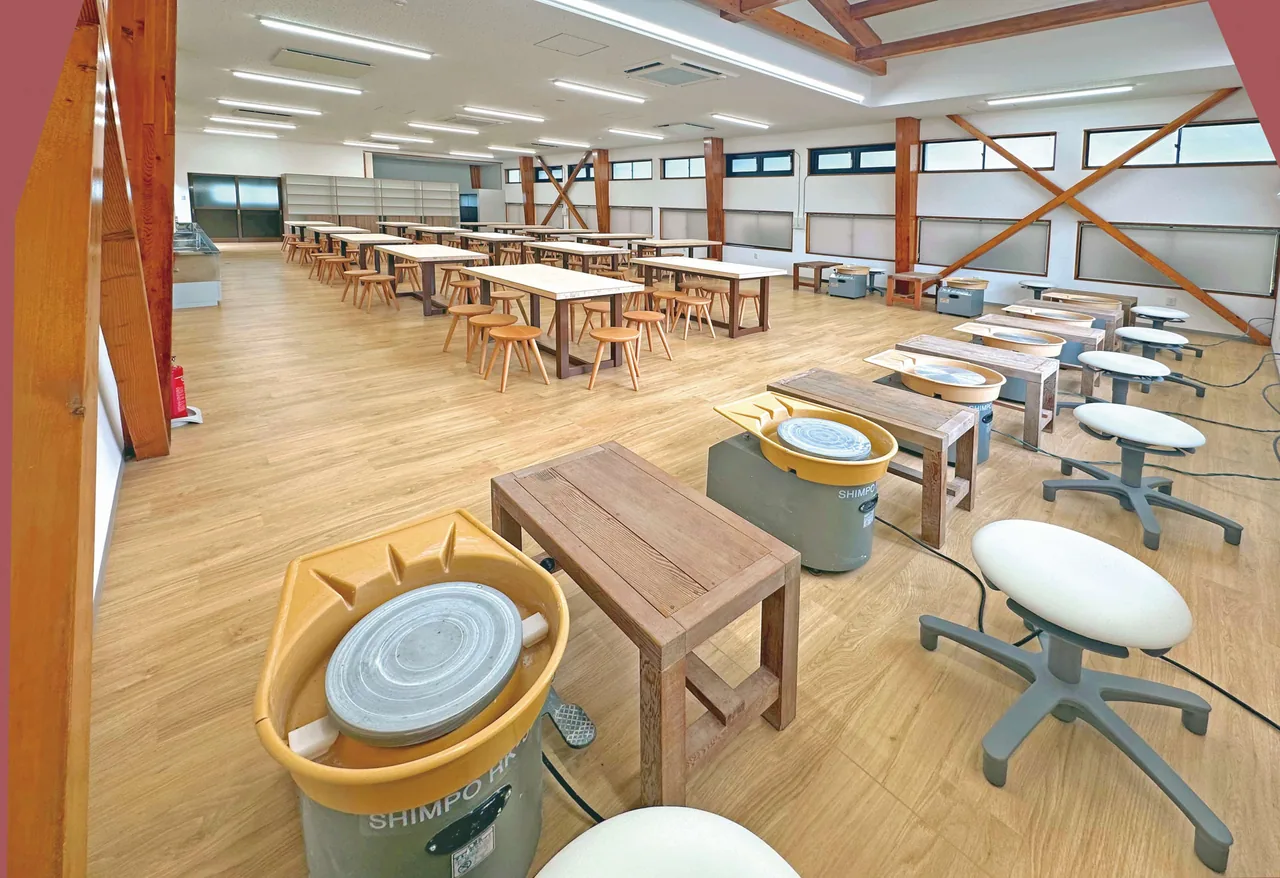
Photo: ©石川県観光連盟
In the painting experience, you paint pictures or characters on a white piece with a brush. Try copying a Ko-Kutani design in the five Kutani colors, or paint any pattern you like. Painted pieces are finished only after firing in a kiln, so you may not be able to take yours home the same day. Before you sign up, check the official information for how to collect the piece, whether it can be shipped abroad and whether you need to book.
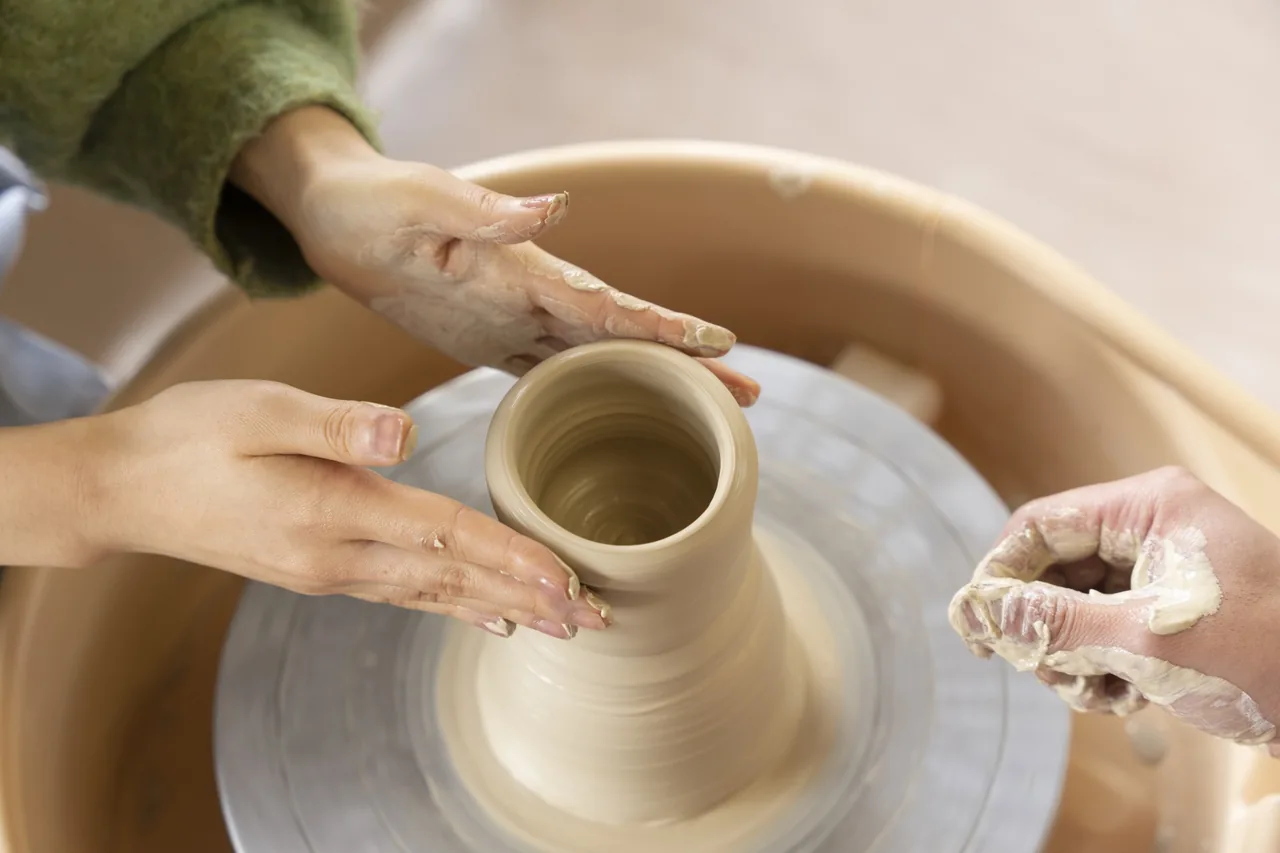
Photo: ©石川県観光連盟
The pottery-making experience on the wheel starts with shaping a vessel from clay. Unlike painting, your hands get covered in clay, so wear clothes with sleeves you can roll up easily.
Rosanjin and Yamashiro Onsen: another Kutani ware detour
Places linked to Kutani ware can be found in the hot spring towns too. Rosanjin's Former Residence Iroha Soan in Yamashiro Onsen is the house where Kitaoji Rosanjin spent about six months, from autumn 1915 to the following spring. During that time he studied pottery under Suda Seika, a Kutani ware potter. Visit after seeing Kutani ware at the museum, and the connection between the pieces and the people behind them comes into view.
Getting around and getting there
Daishoji in Kaga, where the museum is, and Nomi, where Kutani Pottery Village is, are some distance apart. To see both in a day, use a car or combine trains with buses and taxis, and leave plenty of time for the journey.
A good order is to see Ko-Kutani and the revival wares at the museum first, then choose dishes at the pottery village and try painting. Handling pieces after learning the history and how to read the colors gives you a clearer sense of what to look for. If you are staying at a hot spring, split it up: the museum and Yamashiro Onsen on day one, the pottery village on day two, so neither day feels rushed.
- The Hokuriku Shinkansen was extended to Tsuruga on March 16, 2024, and now stops at Kaga-Onsen Station.
- From Kaga-Onsen Station, the Umi-mawari (coast) route of the CANBUS takes you close to the Ishikawa Kutani Ware Museum.
- If you stay in Kaga Onsen, you can combine the museum with Iroha Soan in Yamashiro Onsen.
For help choosing a hot spring town, see Kaga Onsen's four hot springs. Find more places in Ishikawa with sights in Ishikawa.