
Fushimi Inari Crowds: Best Time to Visit, Senbon Torii and Access
This guide is translated from the Japanese edition. Read the Japanese edition
When to visit Fushimi Inari to avoid the crowds, getting there from Kyoto Station, walking the Senbon Torii and Mount Inari, and shrine etiquette.
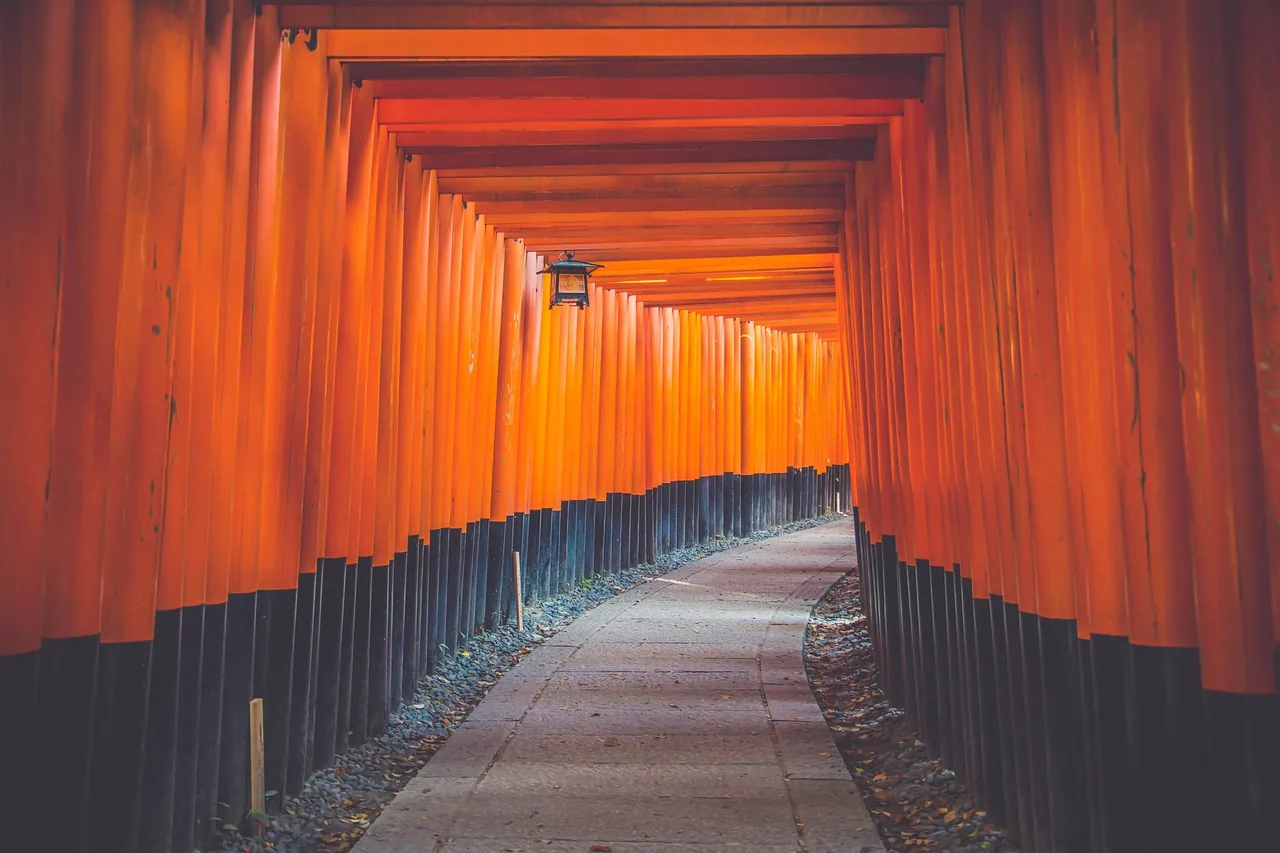
The tunnel of vermilion torii gates, packed so tightly there is barely a gap between them, is one of Kyoto's defining sights. It also draws a crowd, and at busy times you can find yourself walking through the Senbon Torii staring at the back of the person in front. The torii path at Fushimi Inari Taisha Shrine doesn't end at the Senbon Torii: it carries on past the Okusha Hohaisho and up Mount Inari. Where you turn back makes a big difference to how long you spend here.
How to get to Fushimi Inari Shrine from Kyoto Station
Two stations serve the shrine. From Kyoto Station, the JR Nara Line is the easy choice; from Gion and the Kamo River area, the Keihan Main Line is more convenient.
| Line | Station | From Kyoto Station | After you exit |
|---|---|---|---|
| JR Nara Line | Inari Station | Direct from Kyoto Station, no change needed | The big torii of the main approach stands in front of the station; head east and you are at the shrine |
| Keihan Main Line | Fushimi-Inari Station | Not directly connected to Kyoto Station. Direct from Keihan stations such as Gion-Shijo | Walk east to reach the main approach |
| City Bus Route Minami 5 | Inari Taisha-mae | Kyoto City advises avoiding it where possible, as journey times vary a lot | Walk east to the shrine |
As you leave JR Inari Station, the large red torii and the main approach are right in front of you. For Keihan's Fushimi-Inari Station, check on Keihan's official website which train types stop there before you board. Check journey times, fares and timetables on each operator's official website.
- Access (Fushimi Inari Taisha official website, Japanese)
- Comfortable access to major sights: Fushimi (Fushimi Inari Taisha) (Kyoto City Official Travel Guide, Japanese)
- Inari Station (JR Odekake Net)
- Fushimi-Inari Station information (Keihan Railway)
From the Romon Gate through the Senbon Torii to the Okusha Hohaisho
Pass under the torii on the main approach and the vermilion Romon Gate rises ahead. Tradition says it was donated by Toyotomi Hideyoshi, and it is a large gate by shrine standards. Pray at the main hall (Honden) beyond the gate, then head towards the mountain.
Walk east from the main hall and the Senbon Torii (Thousand Torii Gates) begin. From the Edo period, people spread the custom of donating a torii so that a wish would "go through", or in thanks for a wish that had, and those gifts built up into today's tunnel of gates. The torii do not stop at the Senbon Torii; they line the paths across all of Mount Inari.
Beyond the Senbon Torii is the Okusha Hohaisho, a hall for worshipping Mount Inari from afar, with the mountain's three peaks rising behind it. Behind it to the right stands a pair of stone lanterns known as the Omokaru-ishi. Make a wish and lift the stone on top of the lantern: if it feels lighter than you expected, the wish will come true; if heavier, it may be harder to achieve.
If your schedule is tight, walking through the Senbon Torii to the Okusha Hohaisho and turning back there is one good option.
How far should you climb on Mount Inari?
Mount Inari is a sacred mountain at the southern end of the "Thirty-Six Peaks of Higashiyama", with three peaks that rise step by step from west to east. Sacred sites and stone mounds (otsuka) are scattered across it, and making a pilgrimage around them is called "oyama suru" (doing the mountain).
Beyond the Okusha Hohaisho the torii-lined path keeps going, up towards the higher parts of the mountain. The full loop is a fair distance with plenty of ups and downs, so save it for a day when you have time and energy to spare. Kyoto City's official travel guide, Kyoto Kanko Navi, lists approximate distances and walking times on its Fushimi Inari Taisha page.
- Wear comfortable shoes. This is a mountain path, and town sandals are not a good choice.
- Bring something to drink, but note that eating and drinking are prohibited in the shrine grounds outside designated areas.
- It is fine to turn back partway. Keeping some energy in reserve makes the walk down much calmer.
If you are touring Kyoto in the autumn leaf season, How to Enjoy Kyoto's Autumn Leaves Without the Crowds is also worth a read.
How to avoid the crowds: thinking about timing
Kyoto City says the area around Fushimi Inari Taisha gets crowded and asks visitors to check the Kyoto Sightseeing Comfort Map before they go. Pick a date, time and the expected weather, and the map shows forecast comfort levels by time of day. It also shows live camera footage, so you can get a feel for conditions on the ground before you set off.
Kyoto City also encourages morning sightseeing, noting that early in the morning getting around is smooth and popular sights are easier to enjoy without the crowds. If you want the Senbon Torii with few people around, arriving early is your best bet. Once your date is set, check the forecast for the Fushimi area on the Comfort Map and plan your departure around the busy hours.
- Kyoto Sightseeing Comfort Map: Fushimi (Kyoto City Official Travel Guide)
- Morning and night sightseeing in Kyoto (Kyoto City Official Travel Guide, Japanese)
Shrine etiquette and what is not allowed
The grounds of Fushimi Inari Taisha are a place of prayer with a long history. To protect the dignity and order of the sacred precincts, the shrine prohibits the following:
- Smoking or using fire
- Entering off-limits areas
- Flying drones or other aircraft
- Damaging buildings, torii or trees
- Shouting, sitting down on the paths, or anything else that disturbs other worshippers
- Eating or drinking outside designated areas
- Approaching or feeding wild birds and animals
- Walking dogs or bringing pets (assistance dogs excepted)
The paths inside the Senbon Torii are narrow. Step to the side when you take photos so you do not block the people behind you. Some temples and shrines do not allow photography in certain places, or ban flash, so follow the signs on site. Kyoto City's official travel site also sets out sightseeing etiquette, place by place.
- Requests from Fushimi Inari Taisha (official website, Japanese)
- Kyoto sightseeing etiquette (Kyoto City Official Kyoto Kanko Navi Plus, Japanese)
Visiting hours and the precinct map on the shrine's official site
Check worship hours, the hours of the amulet counters and festival dates on the Fushimi Inari Taisha official website. The precinct map shows where everything is, from the Romon Gate, the Senbon Torii and the Okusha Hohaisho up to the sacred sites on Mount Inari.
- Precinct map (Fushimi Inari Taisha official website, Japanese)
- Fushimi Inari Taisha (Kyoto City Official Travel Guide)
For other places to visit in Kyoto, browse the list of Kyoto spots.