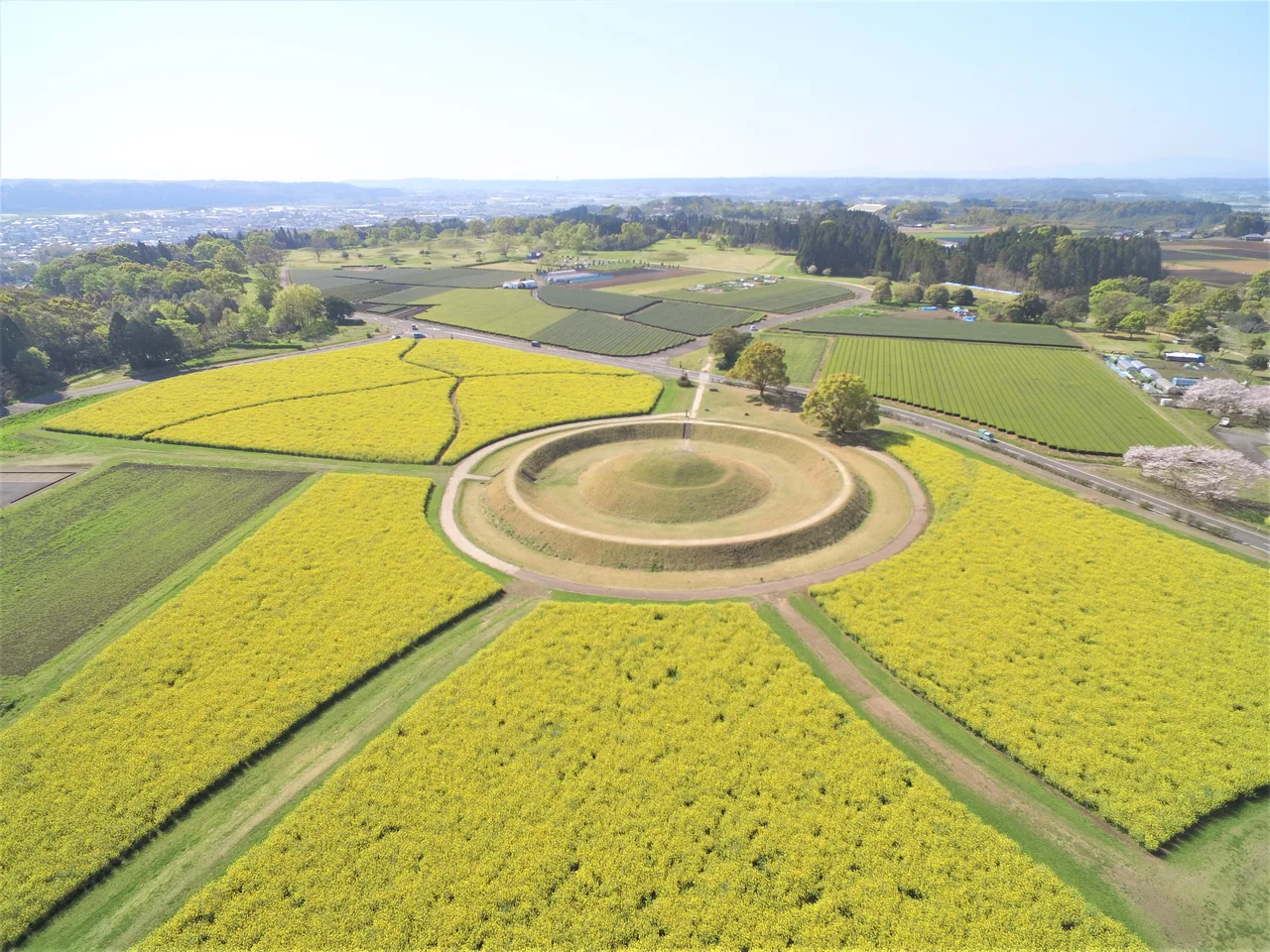
Miyazaki Flowers by Season: Cherry Blossoms, Nemophila and Cosmos
This guide is translated from the Japanese edition. Read the Japanese edition
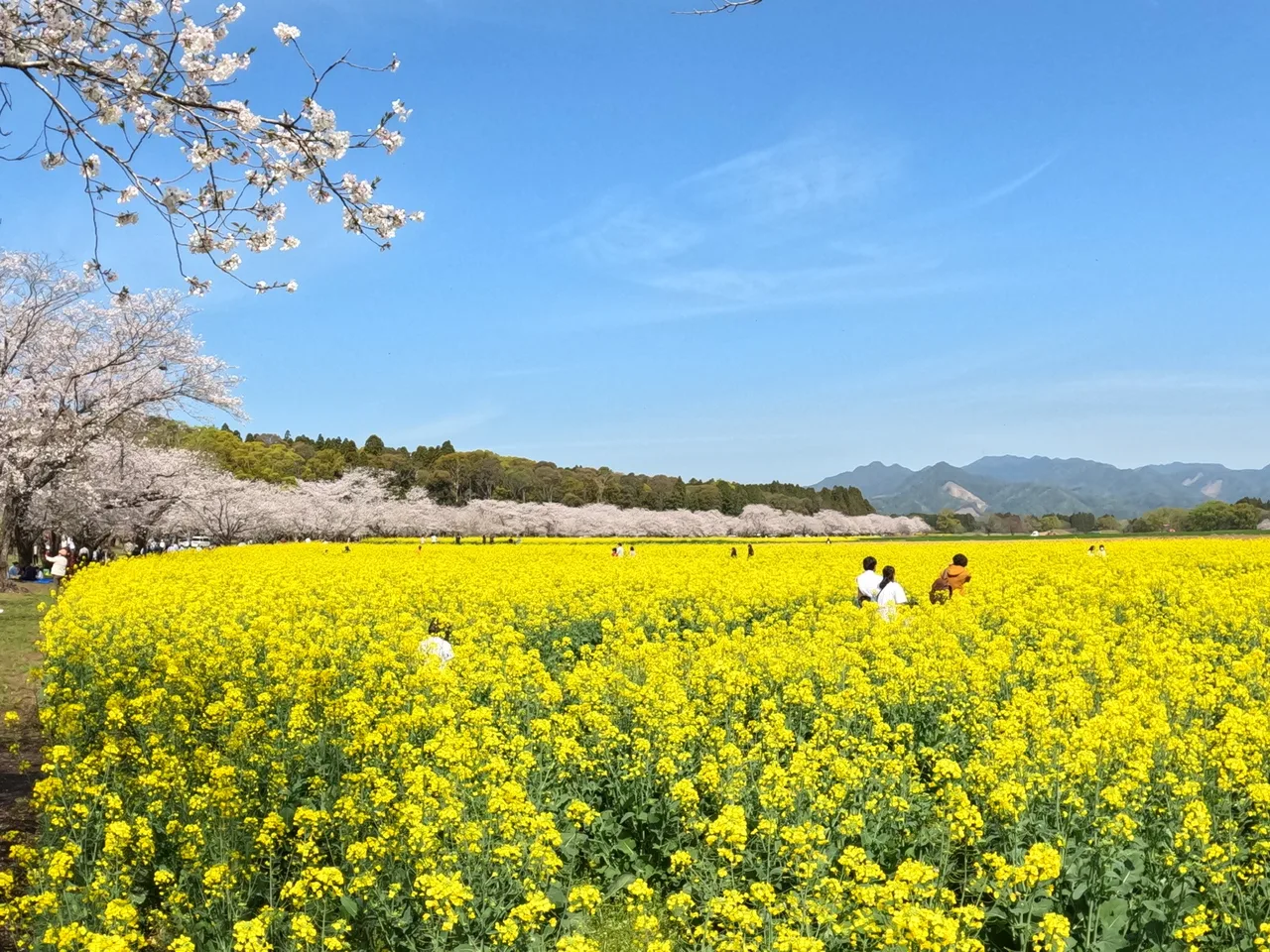
Six flower spots in Miyazaki in bloom order, from Saitobaru canola and cherry blossoms to Ikoma Kogen nemophila, jacaranda, azaleas and autumn cosmos.
Spring comes early in Miyazaki. By late March, a plateau dotted with ancient burial mounds turns yellow with canola blossoms and pale pink with cherry trees. April and May bring fields of flowers on the highlands; from the end of May, jacaranda blooms by the sea and Miyama Kirishima azaleas color the Kirishima mountains; and in autumn it's the turn of cosmos. Through the year, something is coming into bloom somewhere in the prefecture. Bloom times shift from year to year, so the dates given here are only typical guidelines. Before you go, check each place's official website for that year's bloom updates.
Bloom calendar at a glance
| Place | Municipality | Flowers | Typical peak |
|---|---|---|---|
| Saitobaru Burial Mounds | Saito City | Canola, cherry blossoms | Around late March to early April |
| Hanatate Park | Nichinan City | Cherry blossoms | Around mid-March to early April |
| Mochio Park | Miyakonojo City | Cherry blossoms | Around late March to early April |
| Ikoma Kogen | Kobayashi City | Nemophila, poppies | Nemophila around mid-April to early May; poppies around mid-April to late May |
| Around Michi-no-Eki Nango | Nichinan City | Jacaranda | Around late May to the end of June |
| Ebino Kogen | Ebino City | Miyama Kirishima azaleas | Around late May to early June |
| Ikoma Kogen | Kobayashi City | Cosmos | Around late September to late October |
| Saitobaru Burial Mounds | Saito City | Cosmos | Around late October to early November |
Saitobaru Burial Mounds: canola, cherry blossoms and cosmos around ancient tombs
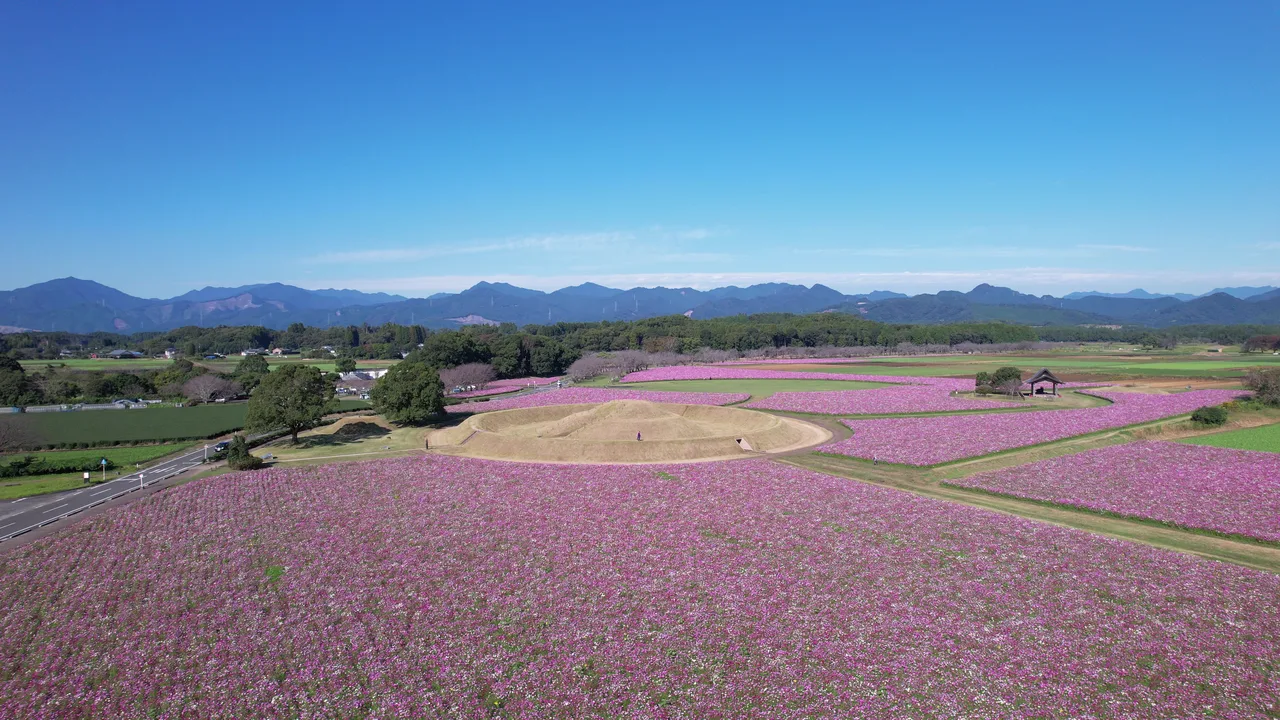
Photo: 宮崎県観光協会
The Saitobaru Burial Mounds in Saito City sit on a broad plateau scattered with ancient tombs large and small. In spring and autumn, the ground around the mounds becomes a field of flowers, giving you a view rarely seen elsewhere: ancient graves and blossoms side by side.
In spring, canola and cherry blossoms bloom at about the same time, usually peaking from around late March to early April. Rows of cherry trees stretching behind fields of yellow canola are the plateau's signature view. In some years, the Saito Flower Festival is held during the season. Autumn is cosmos season, with the flowers usually at their best from late October to early November. The Saito City Tourism Association posts bloom updates as the season progresses.
Hanatate Park: about 10,000 cherry trees covering a hillside
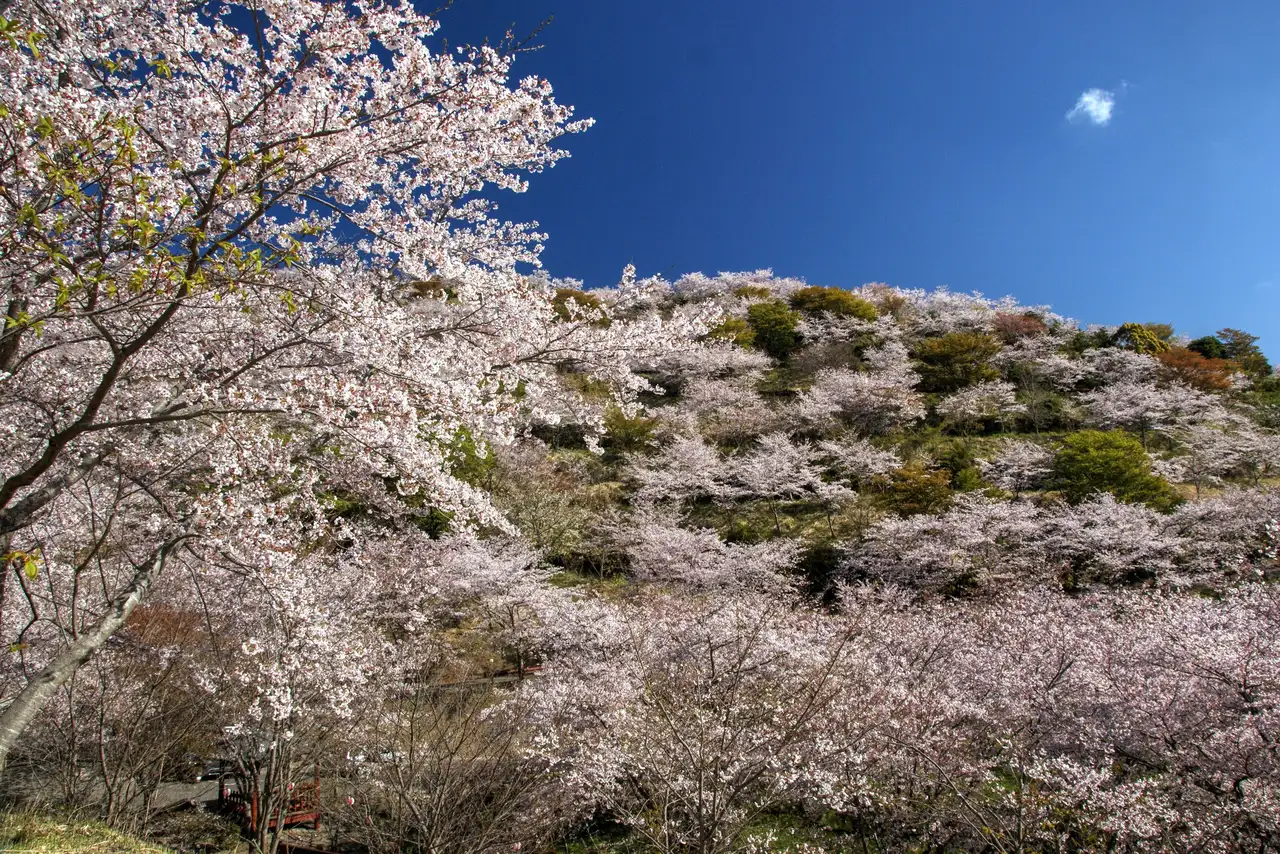
Photo: 宮崎県観光協会
Hanatate Park, in the Kitago district of Nichinan City, sits on a hilltop 489 m above sea level. About 10,000 cherry trees, including Somei-yoshino and wild mountain cherries, are planted here, and in bloom season the hillside is buried in blossoms. From the observation deck you can look out over the town of Nichinan and the Pacific.
The blossoms usually peak from around mid-March to early April, and the Hanatate Park Cherry Blossom Festival is usually held around late March. Nichinan City has made the cherry tree its official city tree, and this park is its best-known cherry blossom spot. Because the park is on a hilltop, it is best reached by car.
Mochio Park: a cherry tree tunnel about 2 km long
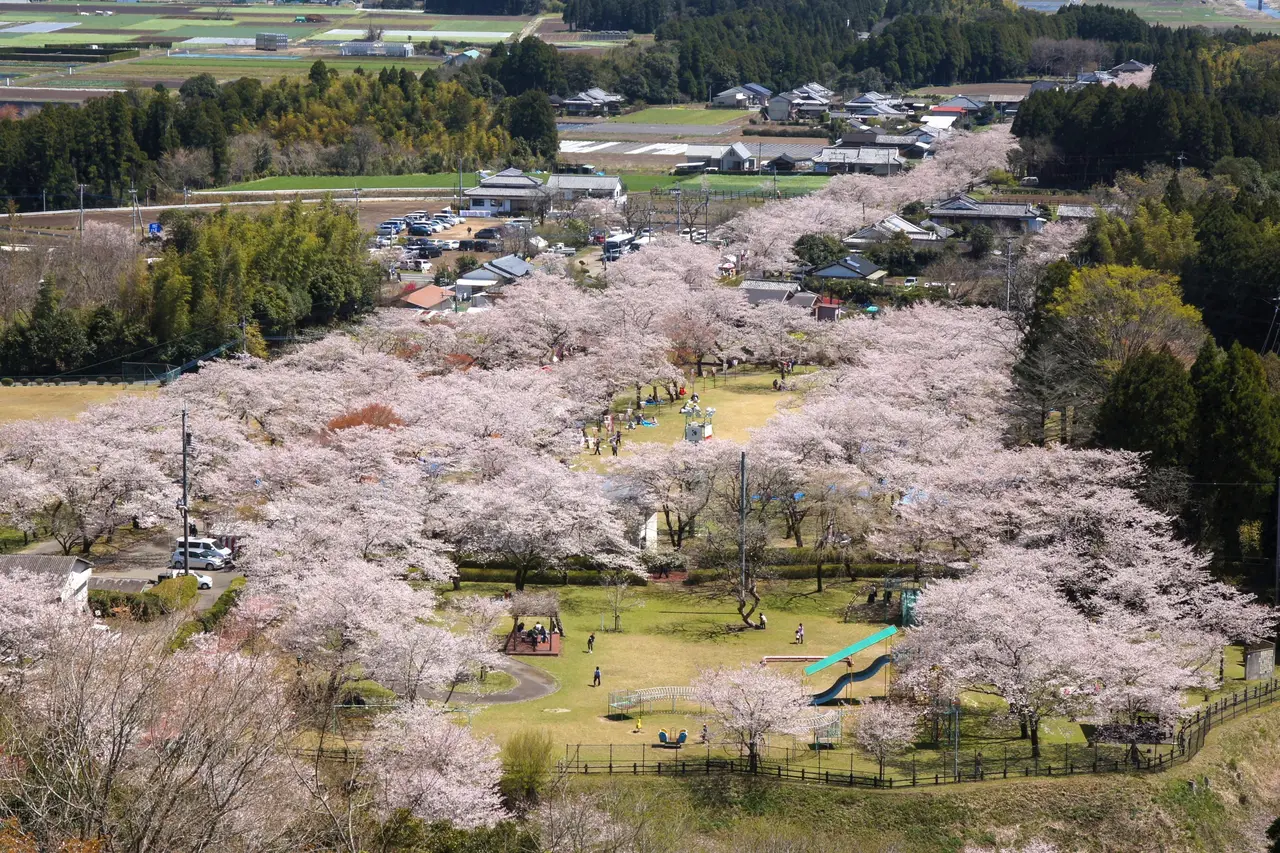
Photo: 宮崎県観光協会
Mochio Park in Miyakonojo City has about 2,600 cherry trees, including Somei-yoshino and double-flowered yaezakura. The roughly 2 km avenue of cherry trees along the road up the hill has been chosen as one of Japan's Top 100 Cherry Blossom Spots. At the top of the hill stands Mochio Shrine, where an observation deck looks out over the whole park.
From late March to early April, the Miyakonojo Mochio Cherry Blossom Festival is usually held, with the trees lit up at night during the festival. While it's on, the cherry tree avenue and the park's open lawn are closed to vehicles, so you can't drive in. Plan to walk in to see the blossoms. Festival dates are set according to how the blossoms are progressing, so check Miyakonojo City's announcements.
Ikoma Kogen: nemophila in spring and cosmos in autumn
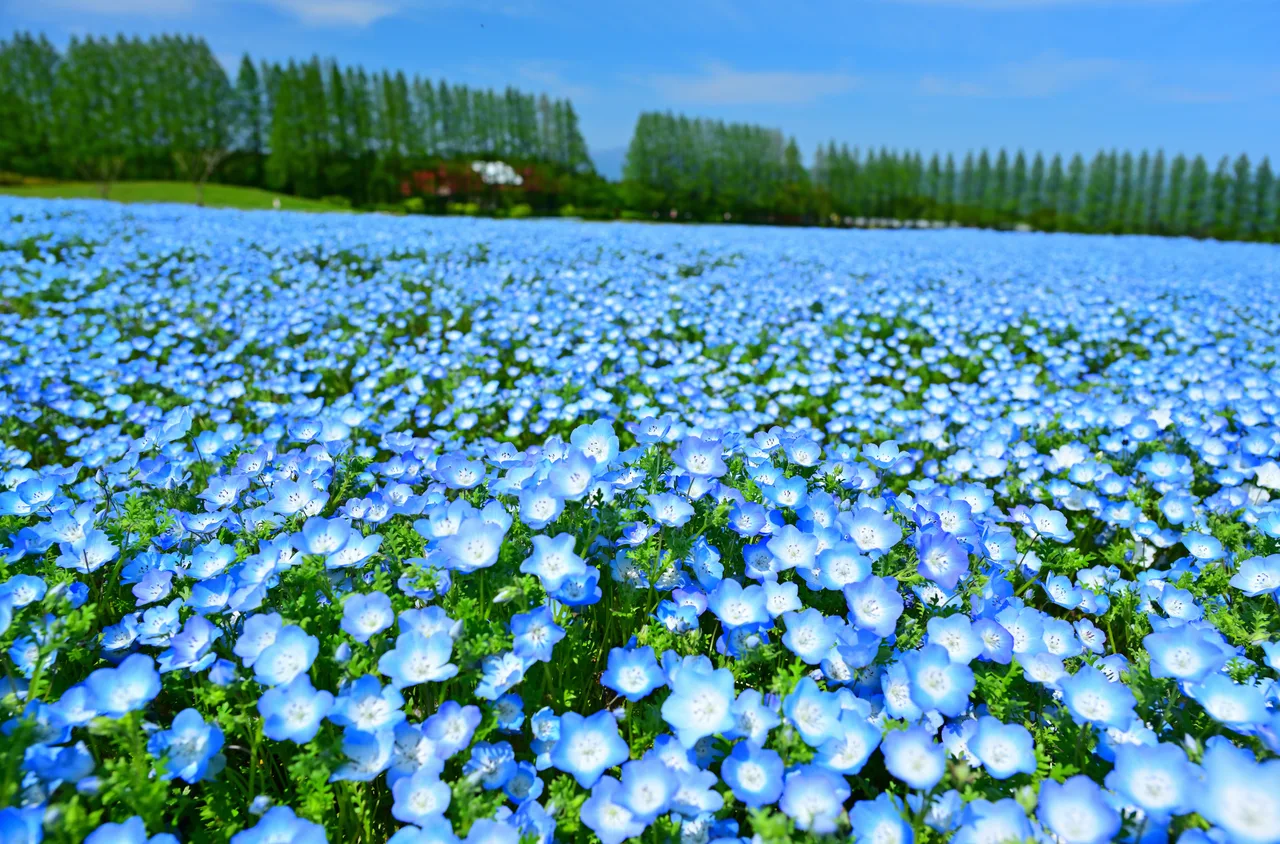
Photo: 宮崎県観光協会
Ikoma Kogen in Kobayashi City is a highland flower garden replanted with each season, run as "Hana no Eki Ikoma Kogen." In spring, nemophila and Iceland poppies follow the canola blossoms. As a rough guide, nemophila is at its best from around mid-April to early May, and the poppies from around mid-April to late May.
In autumn the star is cosmos: from around late September to late October, about a million of them carpet the highland. Check the Hana no Eki Ikoma Kogen website for opening days and seasons, along with bloom updates, before you go.
Nango jacaranda: blue-purple blossoms in early summer
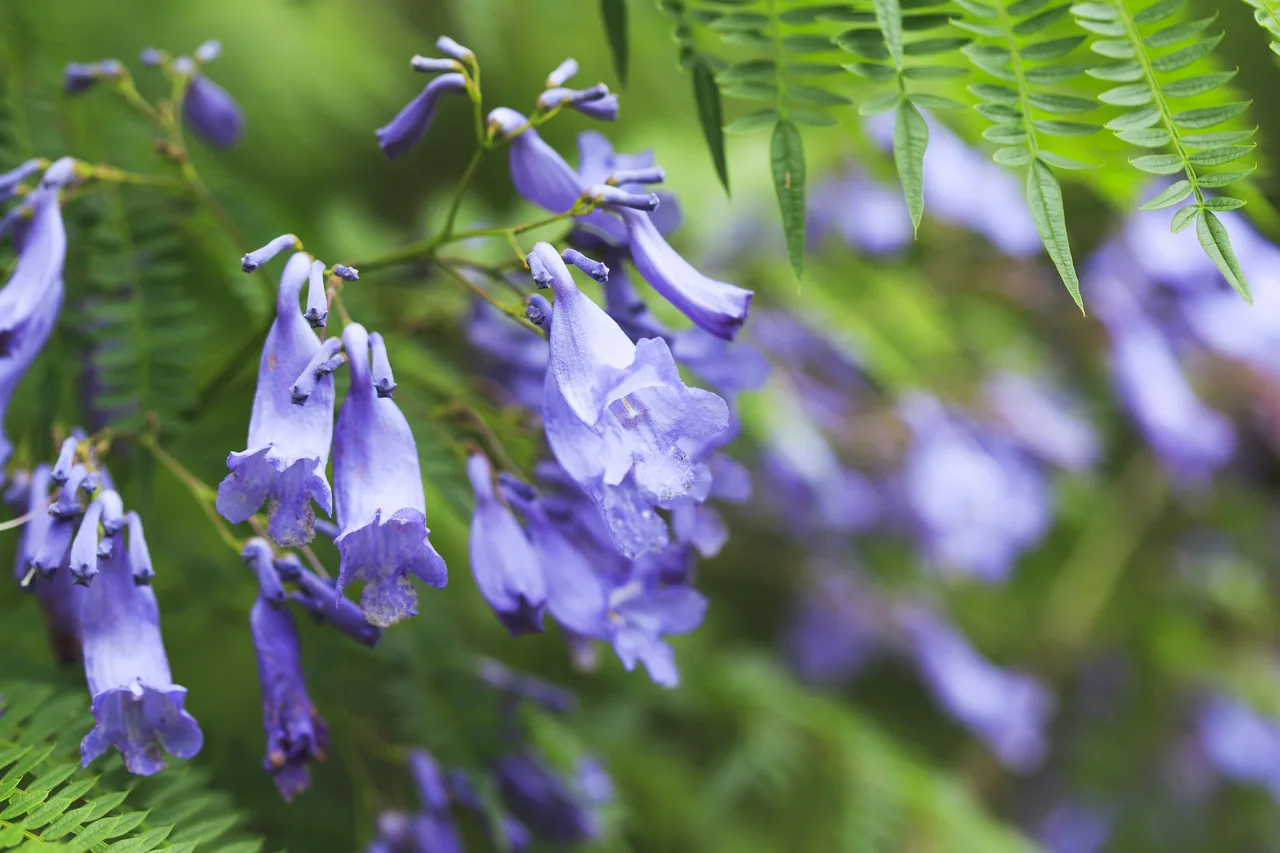
Photo: 宮崎県観光協会
Around Michi-no-Eki Nango, a roadside rest stop in Nango, Nichinan City, is the "Jacaranda Forest," where jacaranda trees grow together in large numbers. After the cherry blossom season ends and the rainy season approaches, the branch tips fill with bell-shaped blue-purple flowers.
The trees usually bloom from around late May to the end of June. A Jacaranda Festival is held during the flowering season, but the dates are set each year, so check the Michi-no-Eki Nango website. Nango is on the southern part of the Nichinan Coast, so it fits well into a trip around the Nichinan Coast sights.
Ebino Kogen: Miyama Kirishima azaleas in the Kirishima mountains
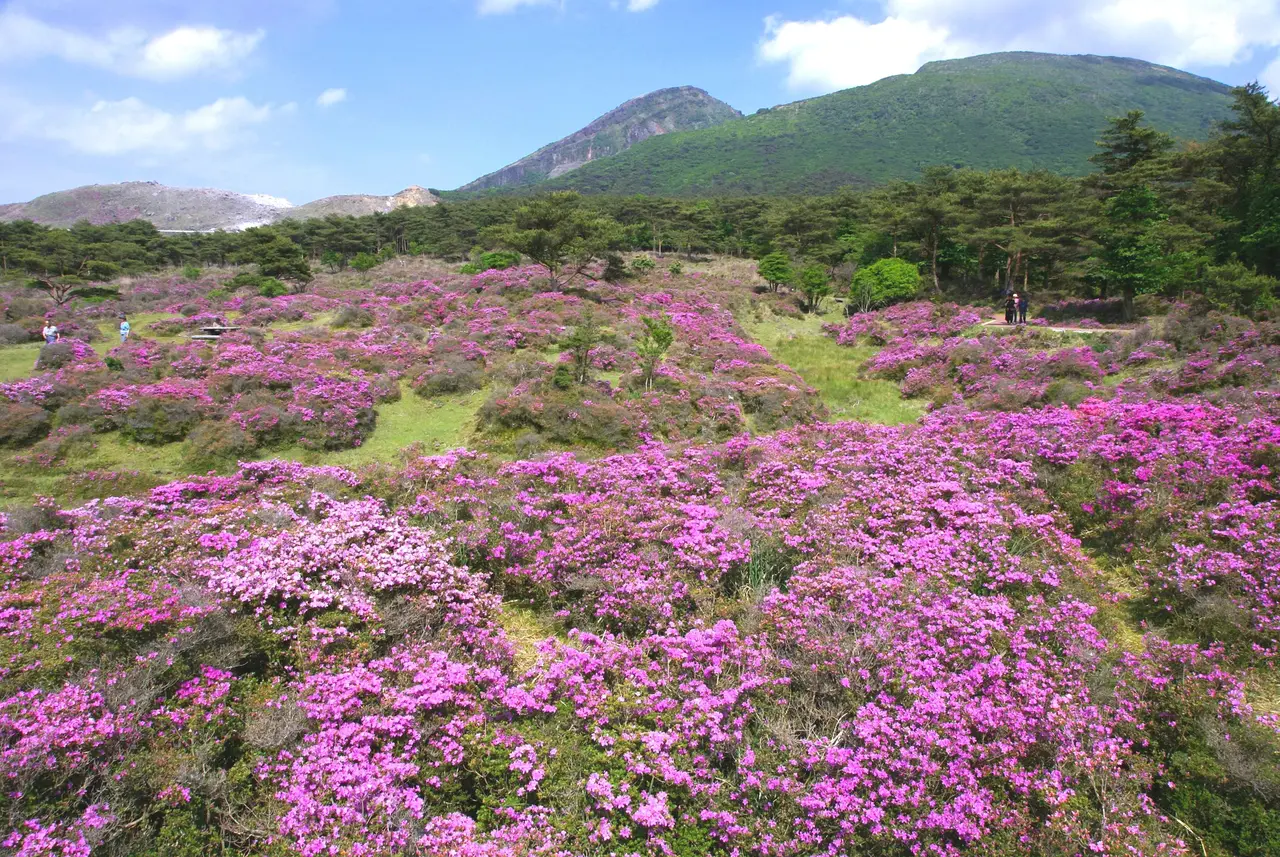
Photo: 宮崎県観光協会
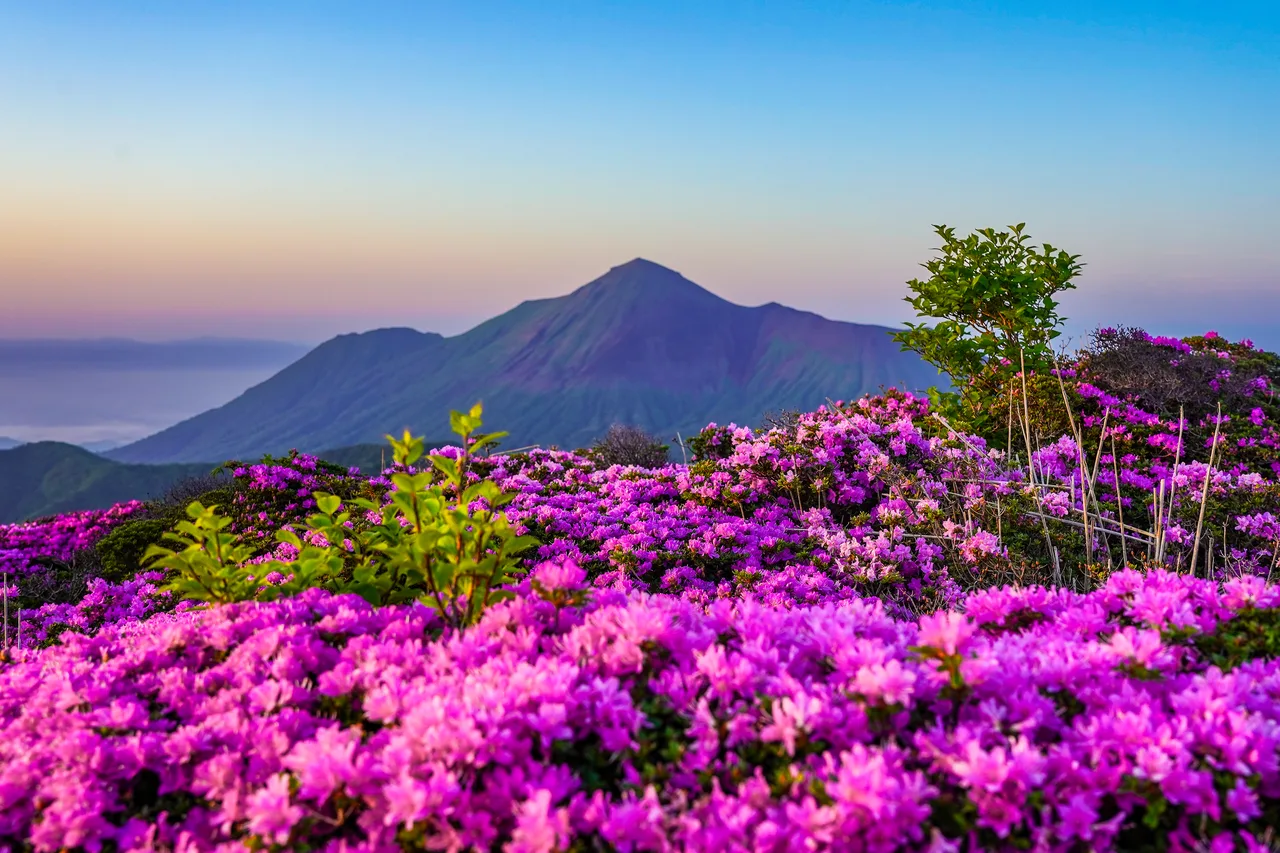
Ebino Kogen in Ebino City is a highland plateau in the Kirishima mountain range. In early summer, Miyama Kirishima, an azalea that grows wild on Kyushu's mountains, comes into bloom, turning areas such as the Tsutsujigaoka park area pink. The flowers usually peak from around late May to early June, and on some of the surrounding mountains they reach their best only in June. Mt. Takachiho-no-mine, in the same Kirishima range, is another well-known spot for these azaleas.
The Kirishima mountains include active volcanoes such as Mt. Iou and Mt. Shinmoe, and volcanic activity sometimes closes roads and hiking trails. Before you go, check announcements from Ebino City and the Japan Meteorological Agency for current restrictions.
Before you go: bloom updates and getting around
All the dates in this guide are typical guidelines. Flowers bloom earlier in warm years and later in cold ones, and festival dates change each year. Checking official sources like the ones below for that year's blooms is the safest way to plan.
- Saitobaru bloom updates (Saito City Tourism Association, Japanese)
- Michi-no-Eki Nango
- Ebino City (including restriction information for Ebino Kogen, Japanese)
The six spots are spread across the prefecture, and Hanatate Park, Ikoma Kogen and Ebino Kogen are on hilltops or highlands. Getting around by train and bus alone is difficult, and a rental car is by far the easiest option. If you use public transportation, many sections have only infrequent trains and buses, so check the timetables before you plan.