
Nagoya Food Guide: Miso Katsu, Hitsumabushi, Tebasaki and More
This guide is translated from the Japanese edition. Read the Japanese edition
The bean miso behind Nagoya food, how miso katsu sauces differ, eating hitsumabushi in four rounds, tebasaki, Nagoya Cochin, kishimen, tenmusu and café morning sets.
Walk through the underground malls at Nagoya Station and the signs keep coming: miso katsu, tebasaki, hitsumabushi, kishimen, dishes you rarely see in other cities. The food born in and around Nagoya and eaten here for generations is known as "Nagoya meshi," and it's one of the reasons travelers come. Some dishes surprise you with the deep color of their miso, some, like hitsumabushi, come with an order for eating them, and once you add the city's café breakfast habit, there's more than one trip can cover.
Bean miso: the flavor behind Nagoya food
Much of Nagoya meshi shares one ingredient: mame miso, or bean miso. Unlike miso made with rice or barley koji, it's made from soybeans and salt, and it's dark, savory, slightly astringent and faintly sour. The best-known kind is Hatcho miso from Okazaki in Aichi Prefecture. Its name comes from being made at a spot eight cho (about 870 meters) from Okazaki Castle, and it's aged for at least two summers and two winters.
Miso katsu and miso nikomi udon
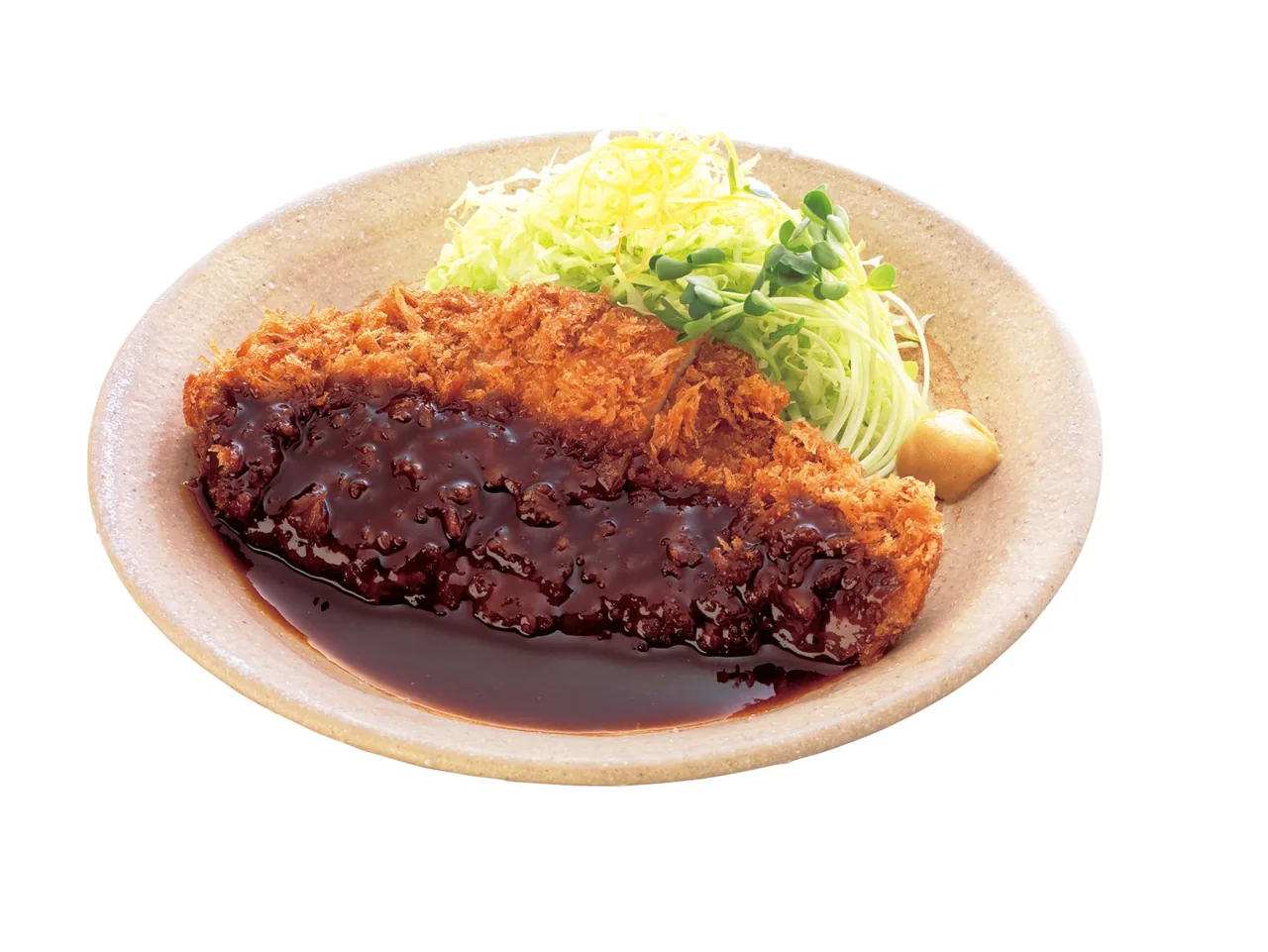
Photo: © Nagoya Convention & Visitors Bureau
Miso katsu is a pork cutlet served with a bean miso sauce. The sauce isn't plain miso but a blend with other seasonings, and every restaurant's tastes different. Some pour a thin sauce over the cutlet; others dip the cutlet into a pot of thick sauce. Besides the pork cutlet itself, some places also pair the miso sauce with kushikatsu skewers.
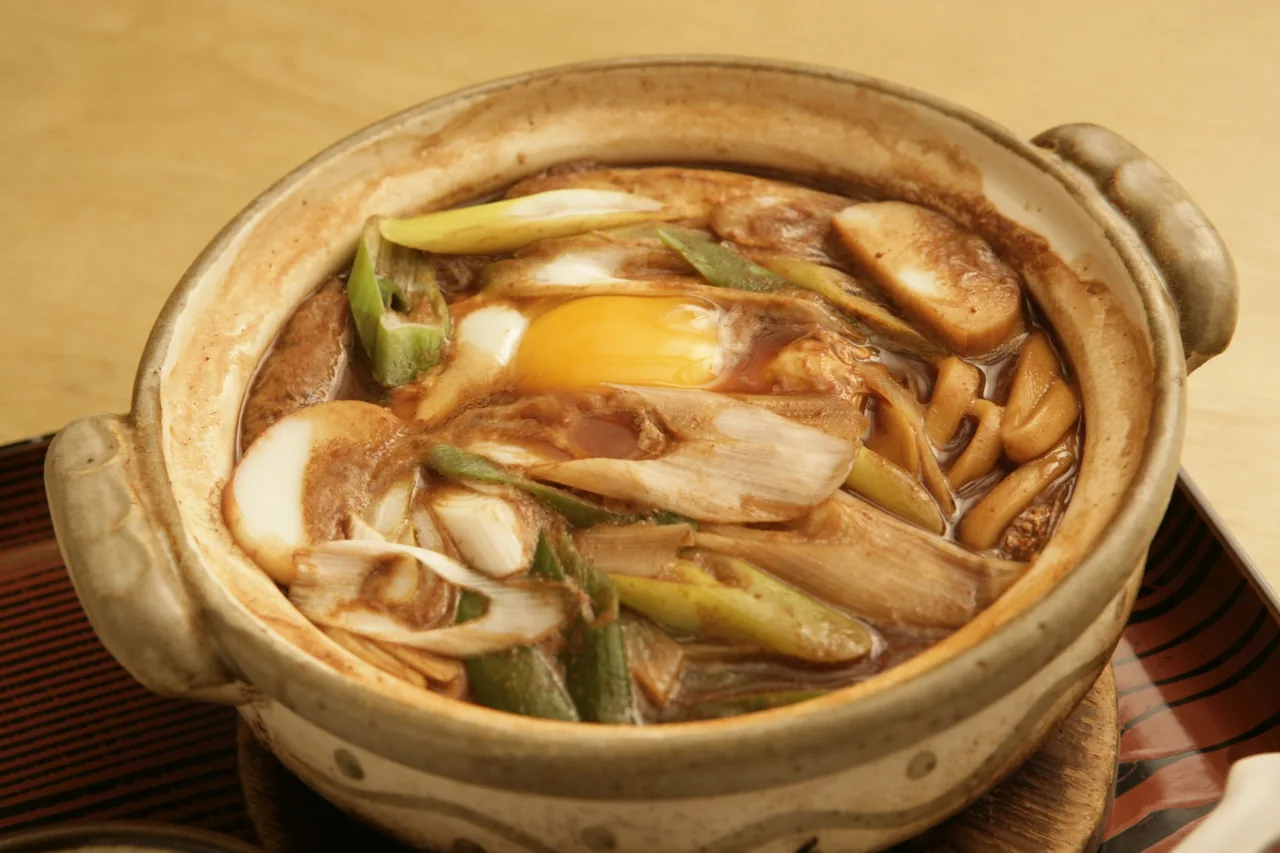
Photo: © Nagoya Convention & Visitors Bureau
Miso nikomi udon is udon simmered in a bean miso broth and served in the earthenware pot it was cooked in. It uses thick noodles and arrives bubbling hot. It's the classic dish for a Nagoya winter, but restaurants that serve it have it all year round.
How to eat hitsumabushi: four portions, changing as you go
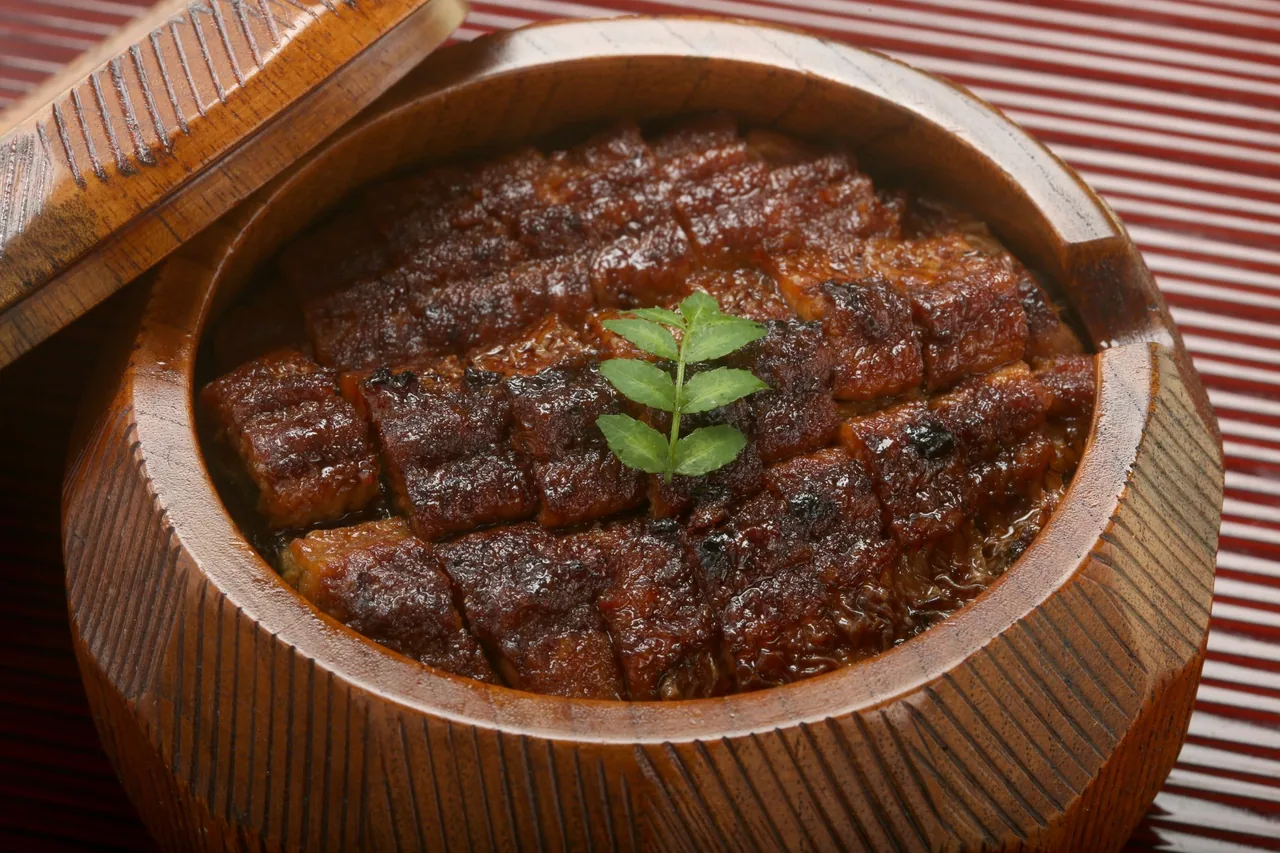
Photo: © Nagoya Convention & Visitors Bureau
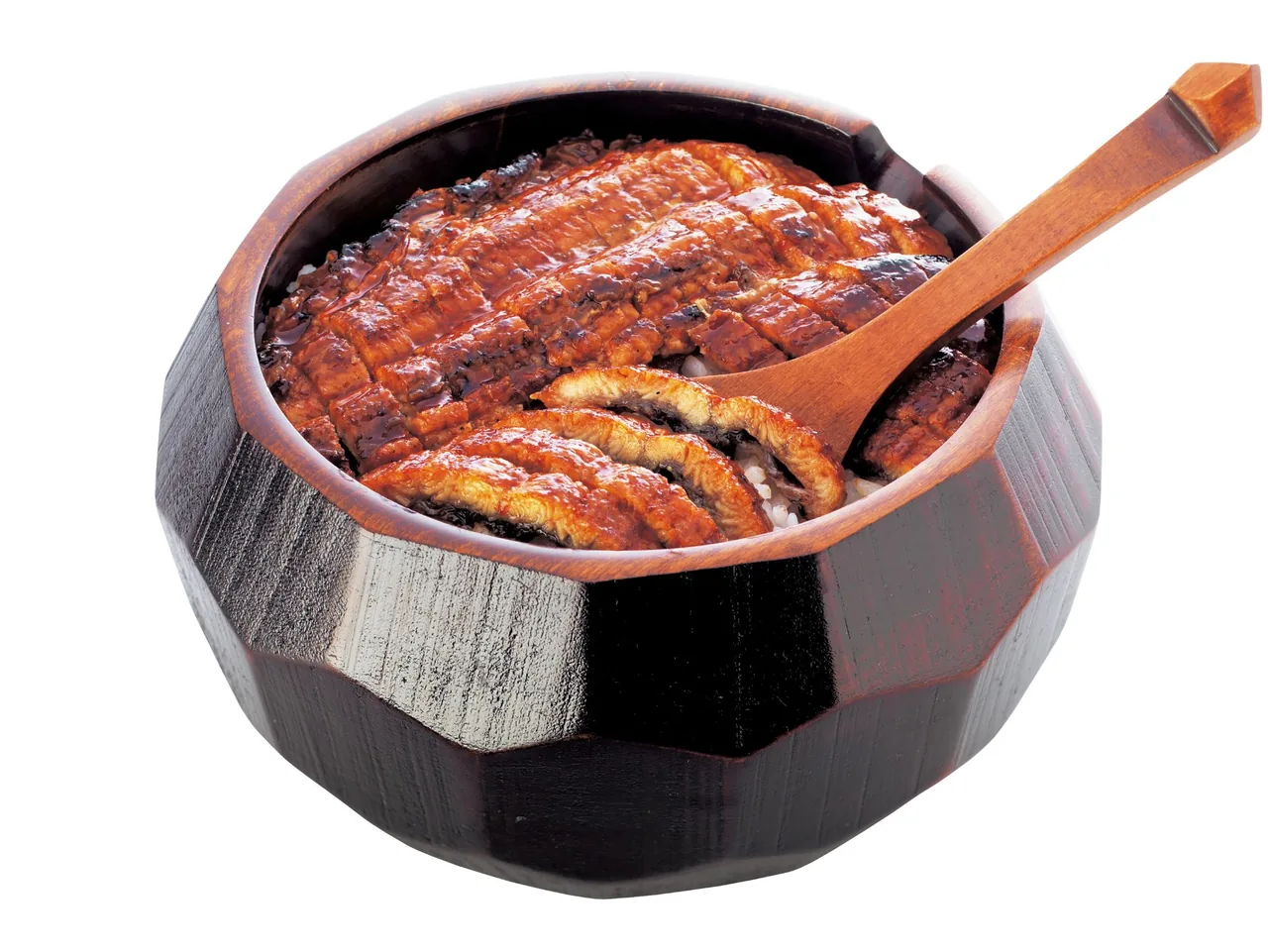
Hitsumabushi is chopped grilled eel laid over rice and served in a wooden tub called an ohitsu. Rather than eating it all one way, the Nagoya style is to change how you eat it partway through.
- Cut the rice in the tub into four portions with the paddle, drawing a cross
- Spoon the first portion into your bowl and eat it as it is
- Mix the second with condiments such as green onion, wasabi and nori
- Top the third with condiments, pour in the dashi and eat it like ochazuke
- Finish the fourth portion whichever way you liked best
One dish gives you three flavors in turn: eel and rice, the fragrance of the condiments, and a dashi-soaked ochazuke. That's what makes hitsumabushi fun to eat.
Tebasaki wings and Nagoya Cochin chicken
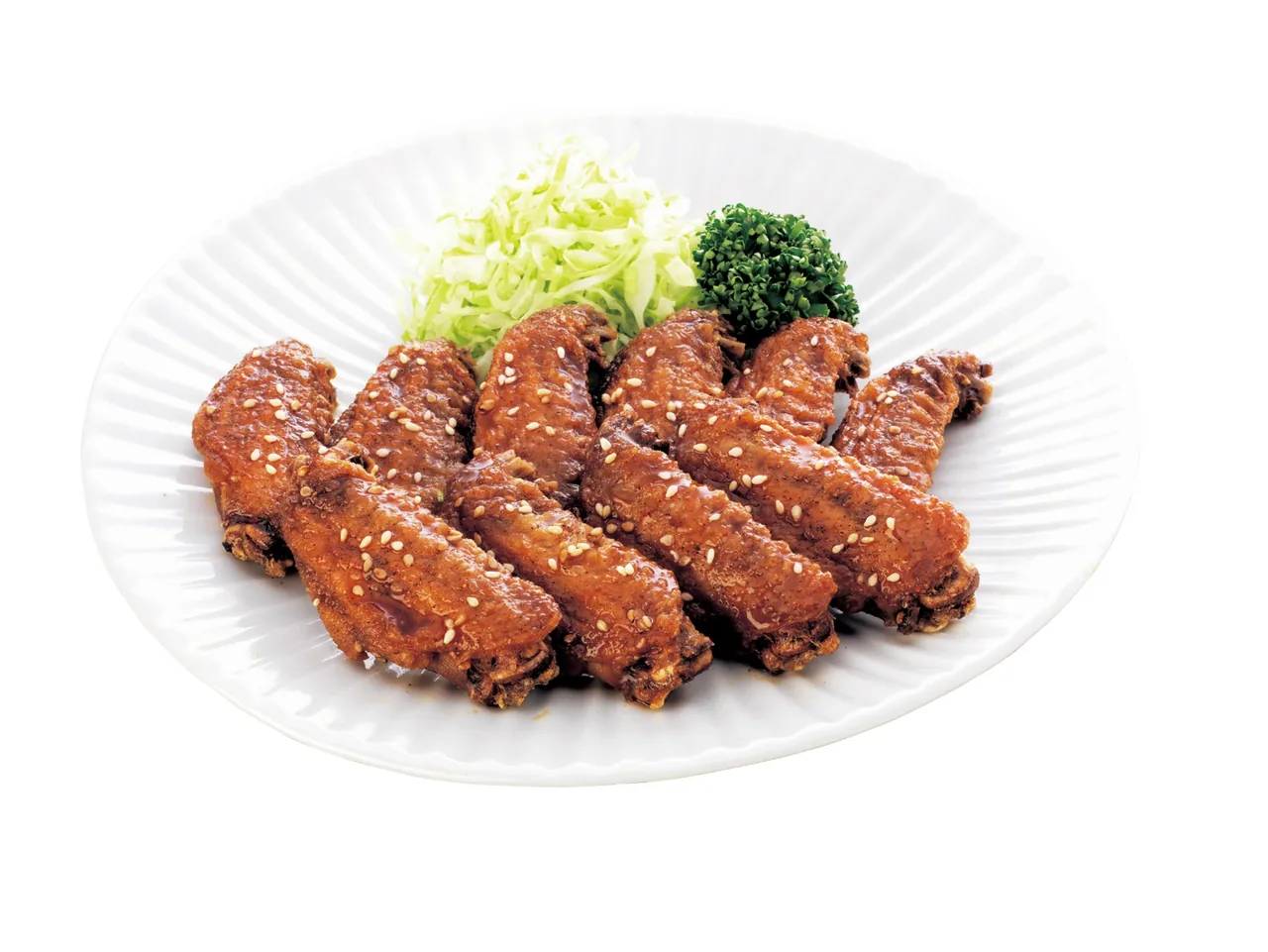
Photo: © Nagoya Convention & Visitors Bureau
Tebasaki are, strictly speaking, "tebasaki karaage." Chicken wing tips are fried without batter, brushed with a sweet and savory sauce, then finished with pepper and other spices and sesame seeds. Crisp outside and with a peppery kick, they appear on the menu at almost every izakaya in Nagoya.
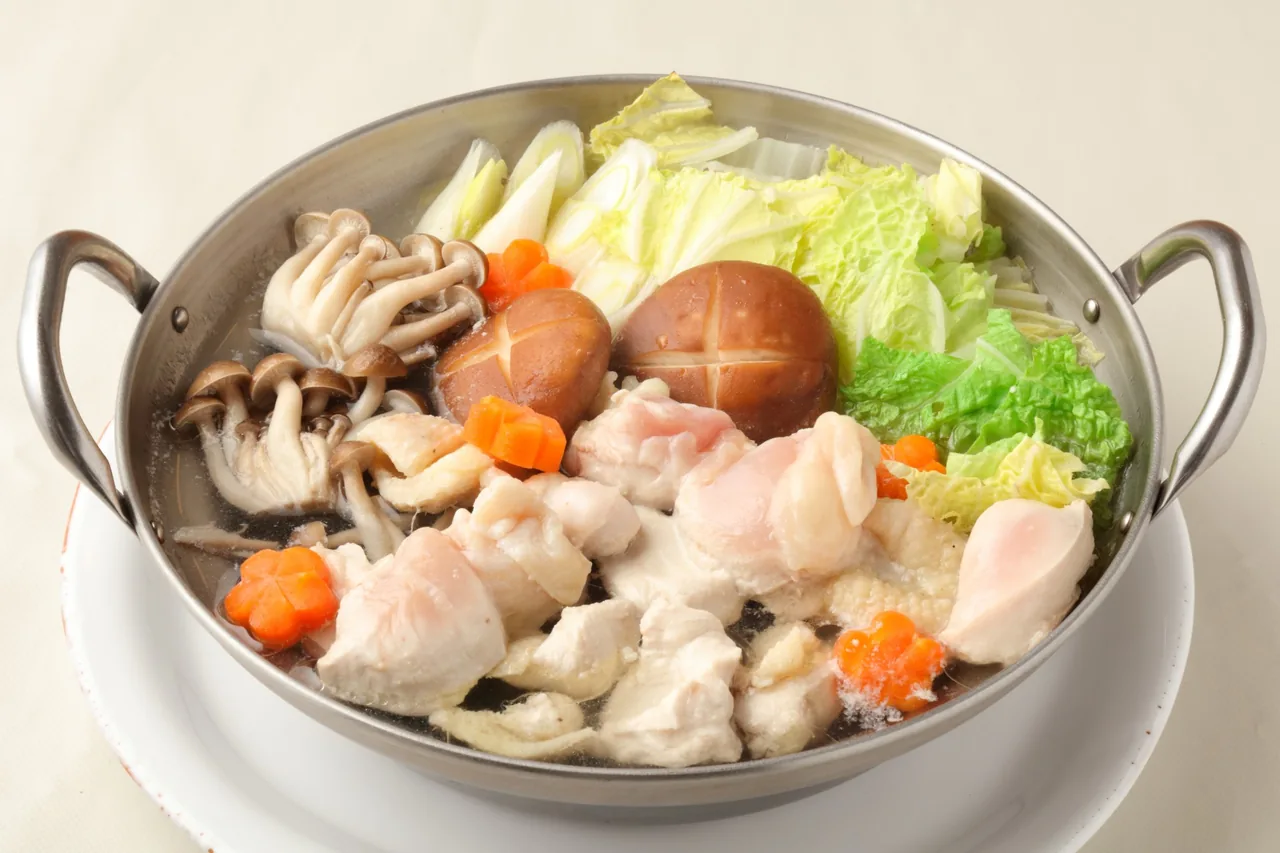
Photo: © Nagoya Convention & Visitors Bureau
Nagoya Cochin is Aichi Prefecture's signature chicken breed. It was created in the mid-Meiji period by crossing native chickens with a breed brought in from China, and in 1905 it was recognized as Japan's first domestically developed practical breed. The breed is raised for both meat and eggs.
Kishimen, tenmusu, Taiwan ramen and ankake spaghetti
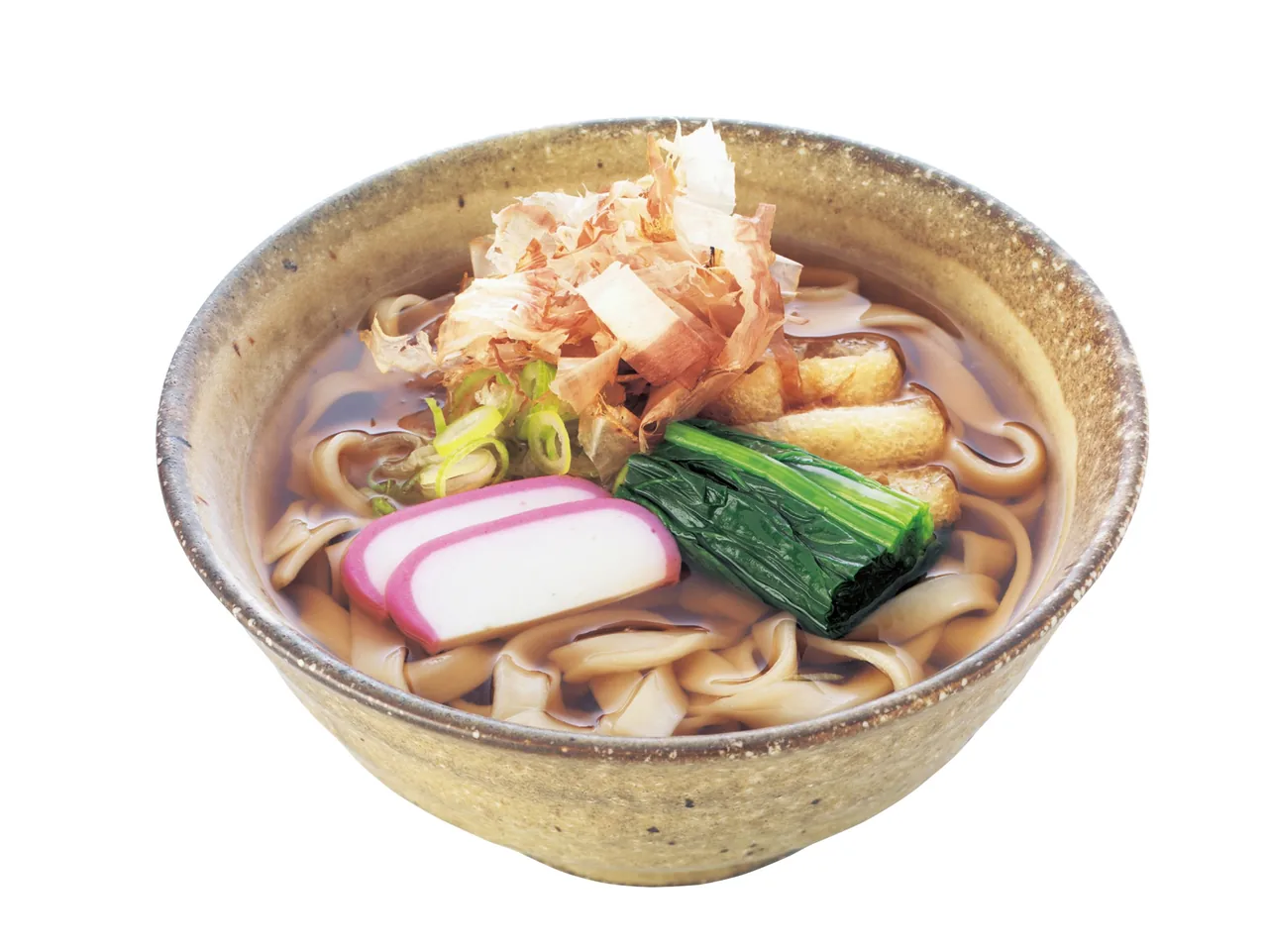
Photo: © Nagoya Convention & Visitors Bureau
Nagoya meshi also covers plenty of noodles and light meals.
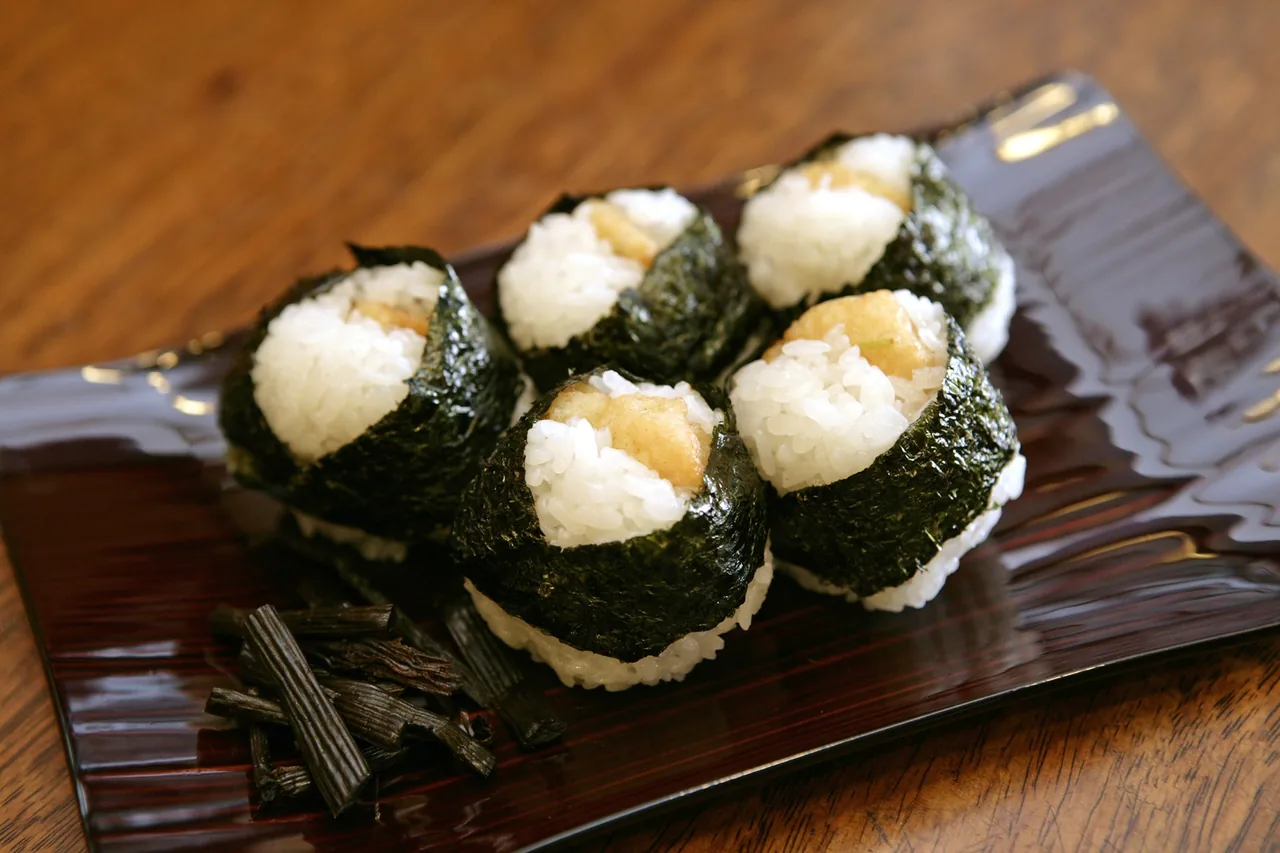
Photo: © Nagoya Convention & Visitors Bureau
| Dish | What it is |
|---|---|
| Kishimen | Wide, flat noodles. Eaten widely in and around Nagoya, and sold dried as a souvenir |
| Tenmusu | Small rice balls with a little shrimp tempura inside. Born in Tsu in Mie Prefecture, it became a Nagoya specialty and a popular souvenir |
| Taiwan ramen | A spicy, chili-laced ramen created in Nagoya. Despite the name, it isn't a Taiwanese dish |
| Ankake spaghetti | Spaghetti topped with a thick, peppery sauce |
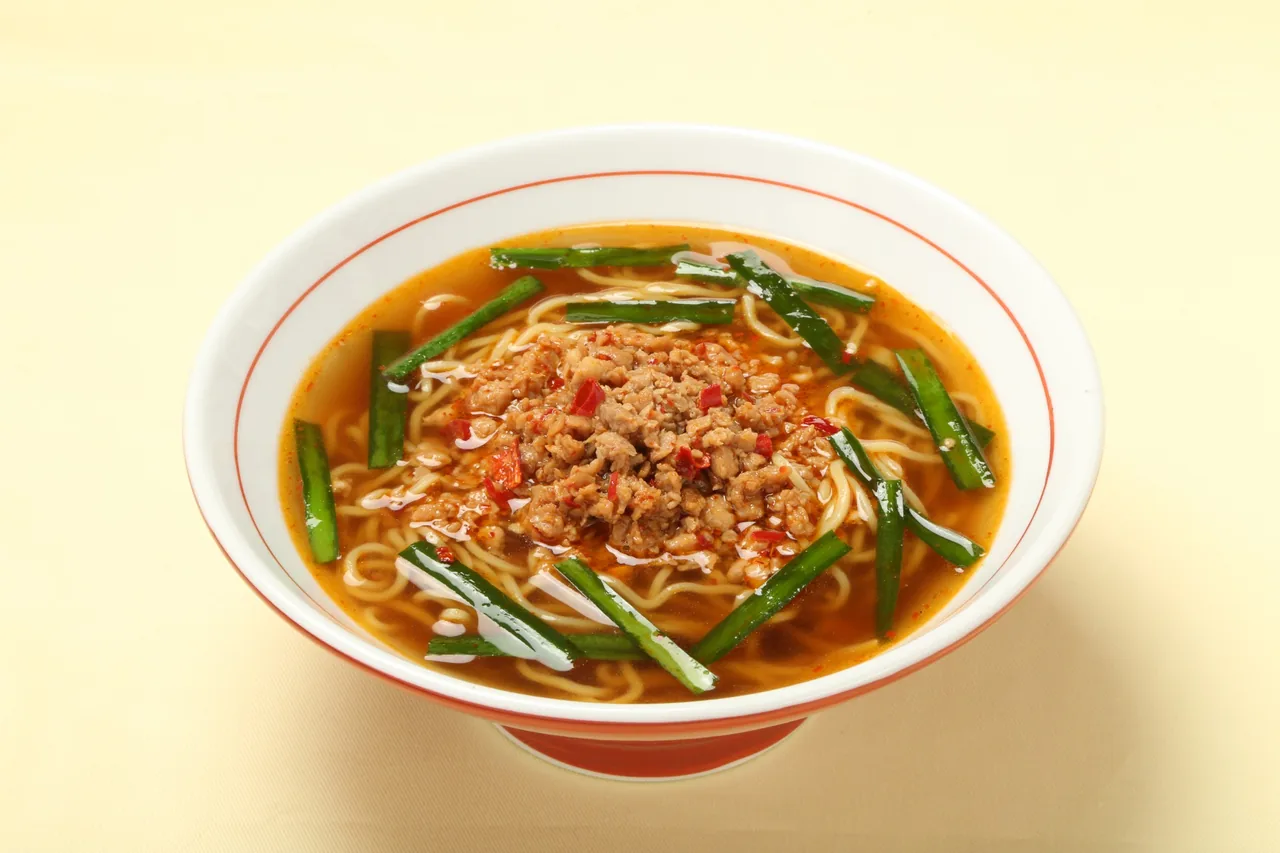
Photo: © Nagoya Convention & Visitors Bureau
All of them are easy to fit in, good for lunch between sights or a light meal at night. Taiwan ramen is very spicy, so if you don't handle heat well, ask about the spice level before ordering.
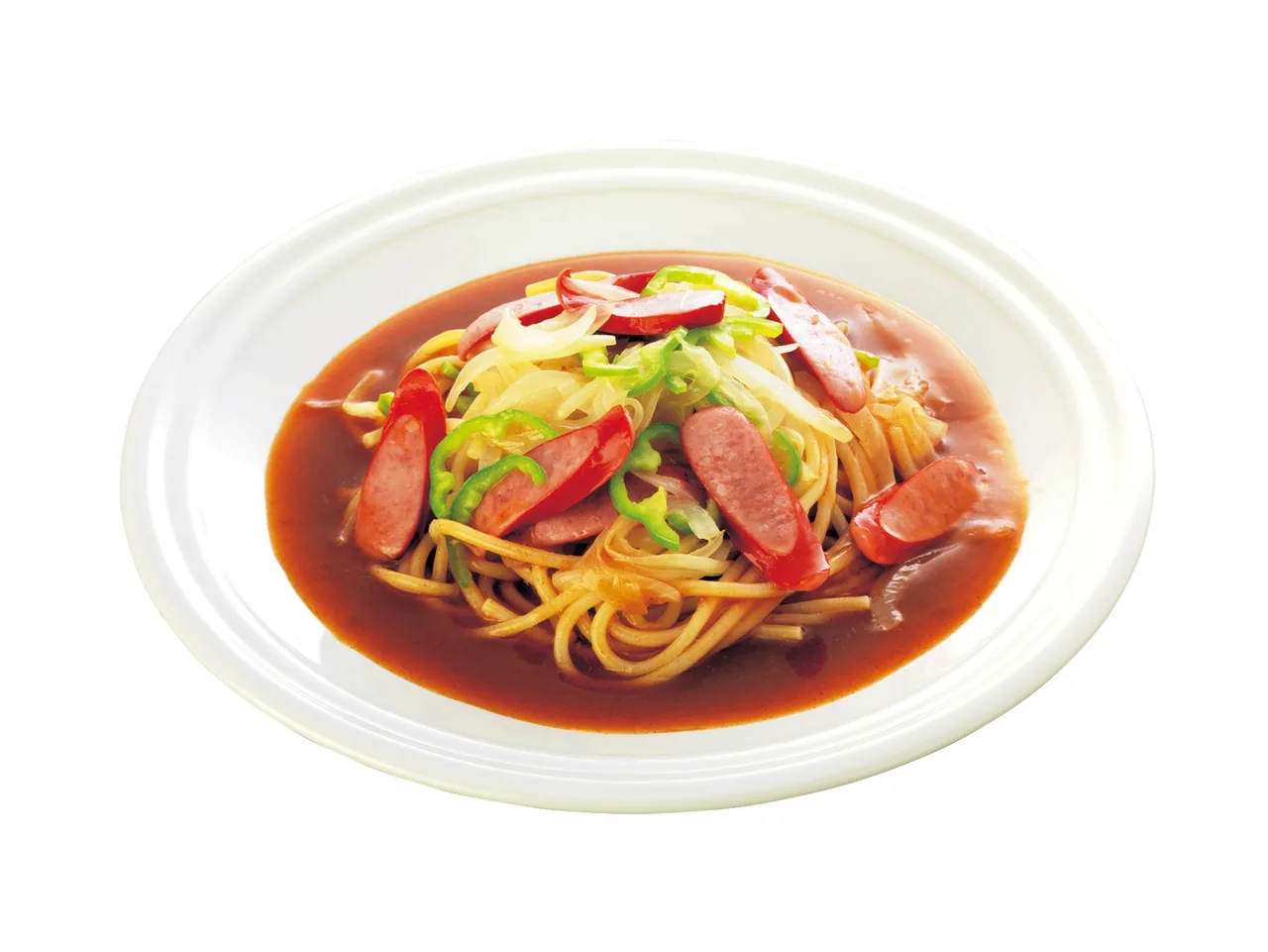
Photo: © Nagoya Convention & Visitors Bureau
Café morning sets and ogura toast
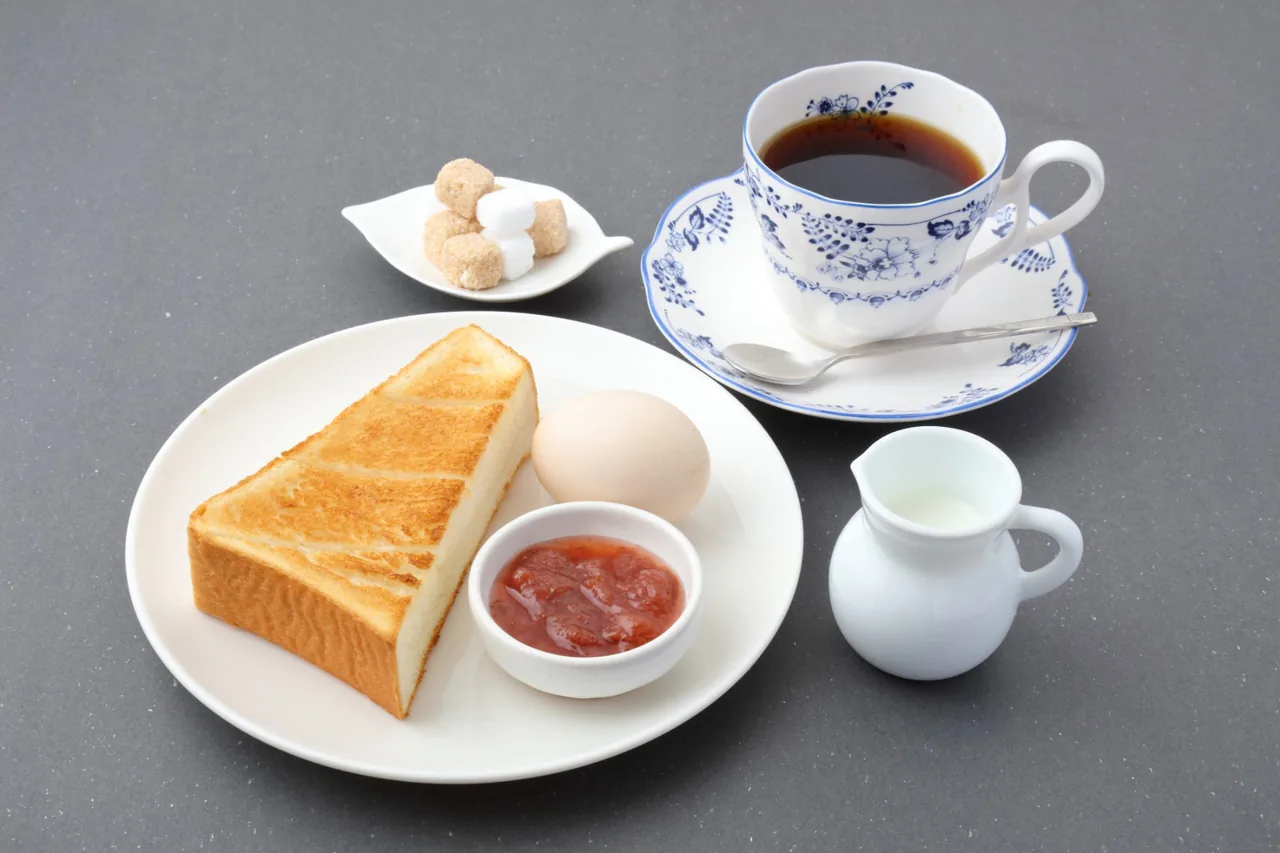
Photo: © Nagoya Convention & Visitors Bureau
At Nagoya cafés, the "morning" service is deeply rooted: order coffee or another drink in the morning, and toast and a boiled egg come with it. What you get and the hours vary from café to café, and it's a Nagoya habit you rarely see elsewhere in Japan.
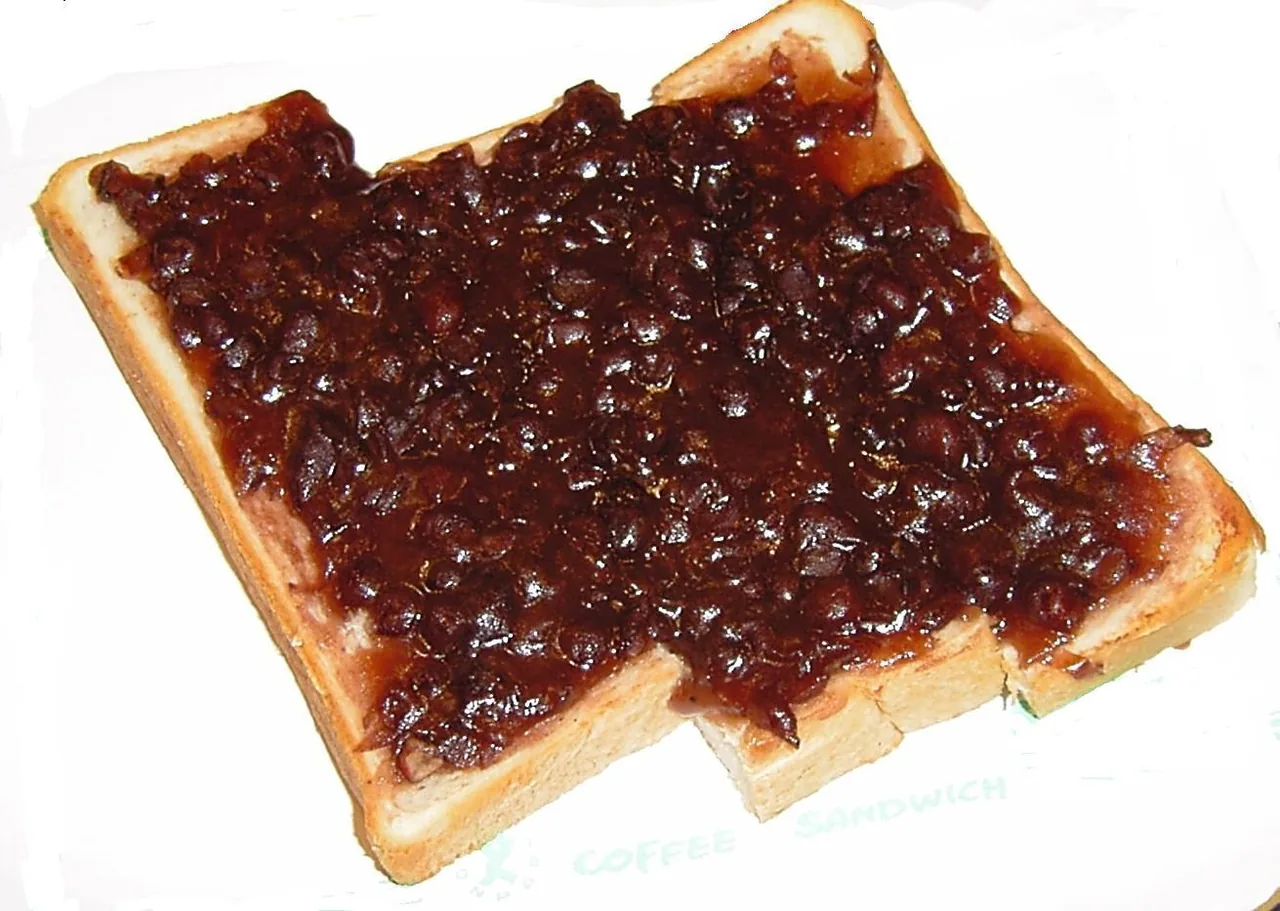
Photo: © Nagoya Convention & Visitors Bureau
A staple on café menus is ogura toast: toast spread with butter or margarine and topped with sweet red bean paste. If you have a sweet tooth, a morning set is a good time to try it. The City of Nagoya's website also looks at why the city has so many cafés and how that ties in with a spirit of hospitality.
Where to eat Nagoya meshi: Nagoya Station, Nagoya Castle, Osu and Atsuta
Restaurants serving Nagoya meshi are spread all over the city, but these places fit easily into a sightseeing route.
- Nagoya Station's underground malls and station buildings: Several underground malls spread out around Nagoya Station, with many Nagoya meshi restaurants among them. Handy on the day you arrive or leave.
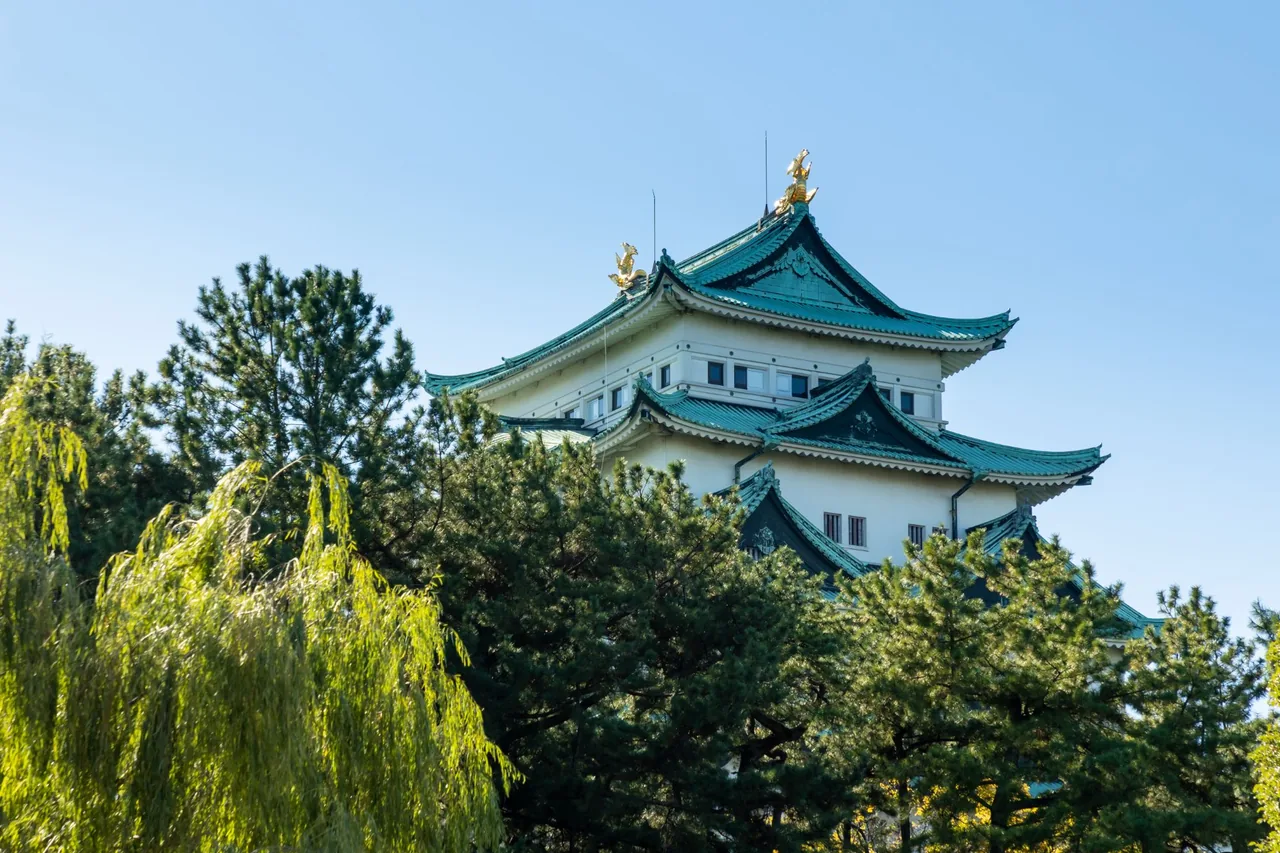
- Kinshachi Yokocho at Nagoya Castle: A cluster of restaurants and souvenir shops near the castle's Main Gate and East Gate, including Nagoya meshi restaurants. Good for lunch after the castle.
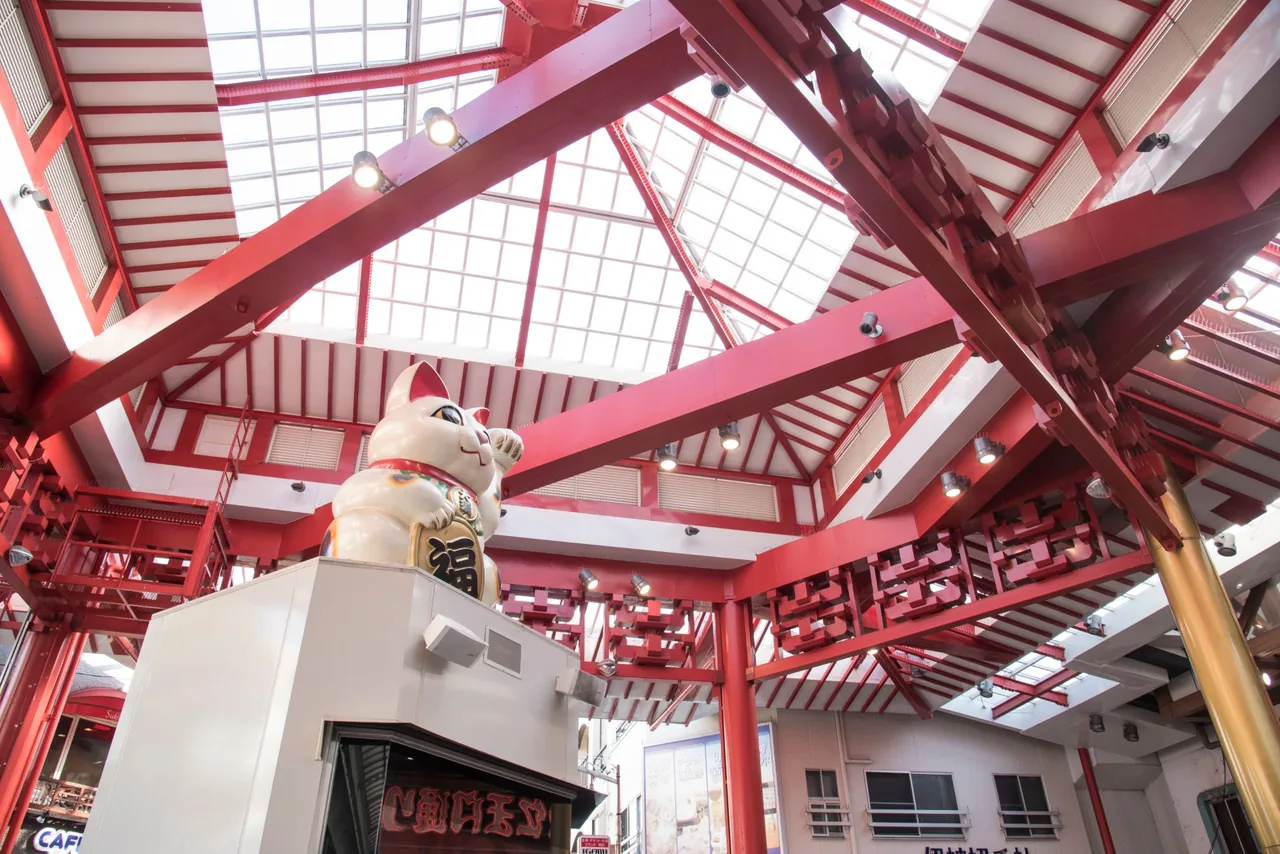
- Osu Shopping Street: At Osu Shopping Street, you can buy snacks you can hold in one hand and eat as you walk. A route that pairs it with Nagoya Castle is in our Nagoya one-day itinerary.
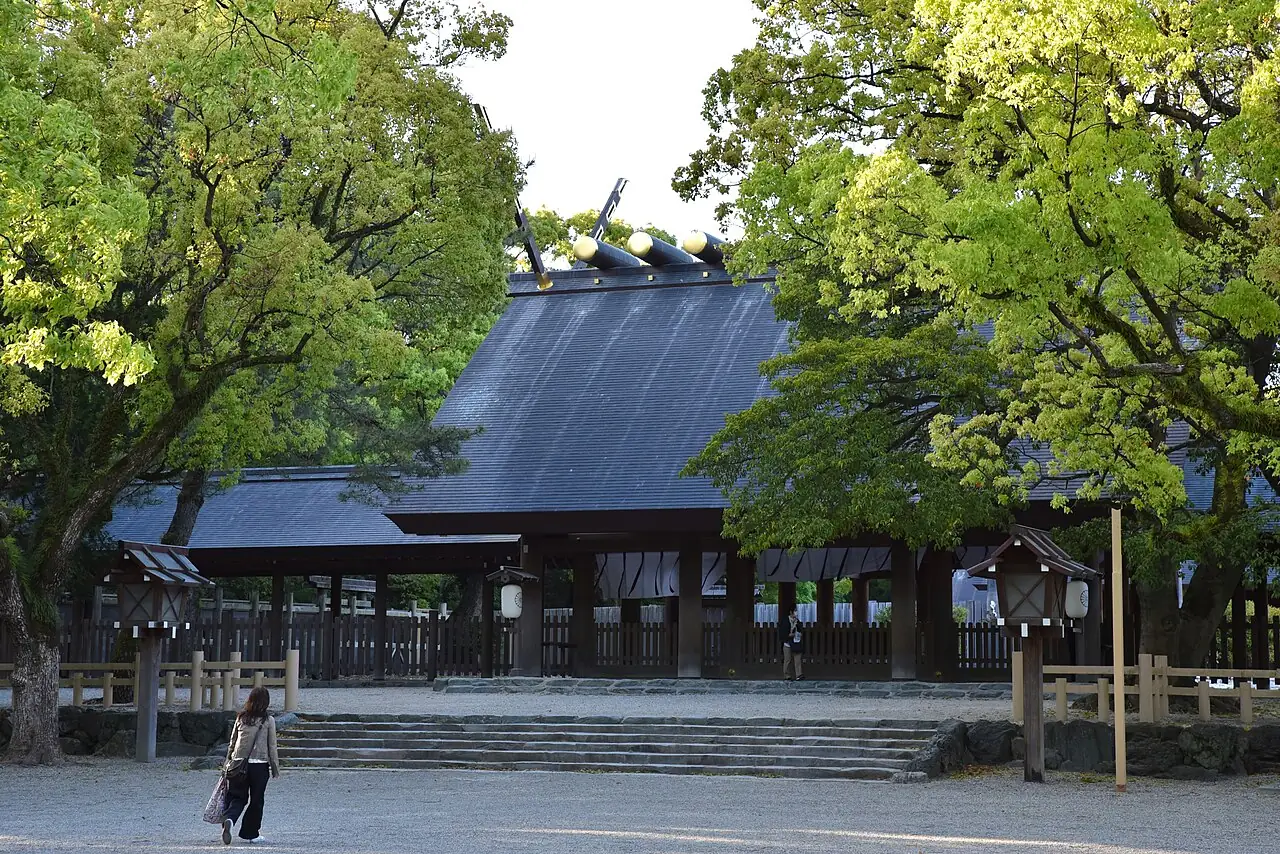
- Around Atsuta Jingu Shrine: Restaurants near Atsuta Jingu Shrine also serve hitsumabushi and kishimen.
Each dish is introduced on the Nagoya meshi page of Nagoya-info, the official tourism site of the City of Nagoya. For sights by area, start from the Nagoya page.
Places in this guide
Hotels nearbyPR
See prices and availability for hotels in Nagoya and book on our partner Trip.com.
See hotels in Nagoya on Trip.com