
Nagoya One-Day Itinerary: Nagoya Castle, Osu and Sakae by Subway
This guide is translated from the Japanese edition. Read the Japanese edition
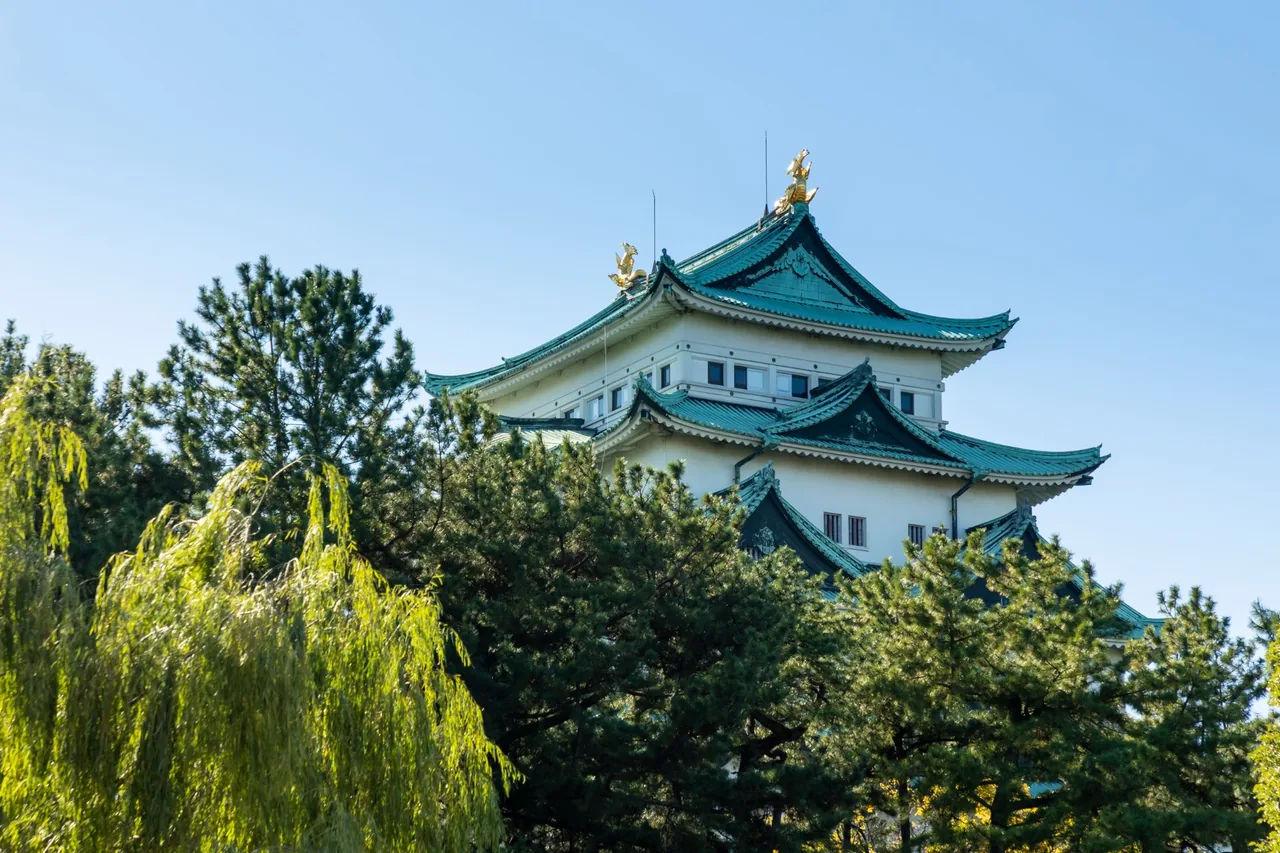
Nagoya Castle's Hommaru Palace in the morning, Osu Kannon and Osu Shopping Street at midday, Sakae's night views after dark, linked one way by subway.
The first question most people face on arriving at Nagoya Station is what order to see Nagoya Castle, Osu and Sakae in. All three are only a few subway stops apart, but each suits a different time of day: the castle early in the morning, Osu for grazing on snacks around lunchtime, and Sakae for the night view after sunset. Go from the castle down to Osu on the Tsurumai Line, then up to Sakae on the Meijo Line, and the day links together without using the same station twice.
The order: Nagoya Castle, Osu, then Sakae
Leave Nagoya Station in the morning and head back from Sakae at night. The subway handles every transfer.
| Time | Where | Station |
|---|---|---|
| Morning | Nagoya Castle (Hommaru Palace, Ninomaru Garden) | Get off at Nagoyajo Station (Meijo Line) |
| Midday | Lunch at Kinshachi Yokocho, or snacks in Osu | Tsurumai Line from Sengencho Station to Osu Kannon Station |
| Afternoon | Osu Kannon Temple and Osu Shopping Street | Board at Kamimaezu Station (Meijo and Tsurumai lines) |
| Evening | Oasis 21 and Chubu Electric Power MIRAI TOWER | Sakae Station (Meijo and Higashiyama lines) |
From Nagoya Station to Nagoyajo Station, take the Higashiyama Line to Sakae and change to the Meijo Line. The Me-guru sightseeing bus, which leaves from the bus terminal at Nagoya Station, also runs to the castle with no change. Me-guru only runs on set days, so check the Me-guru information page before building it into your plans.
Nagoya Castle in the morning: the keep is closed, so start with Hommaru Palace
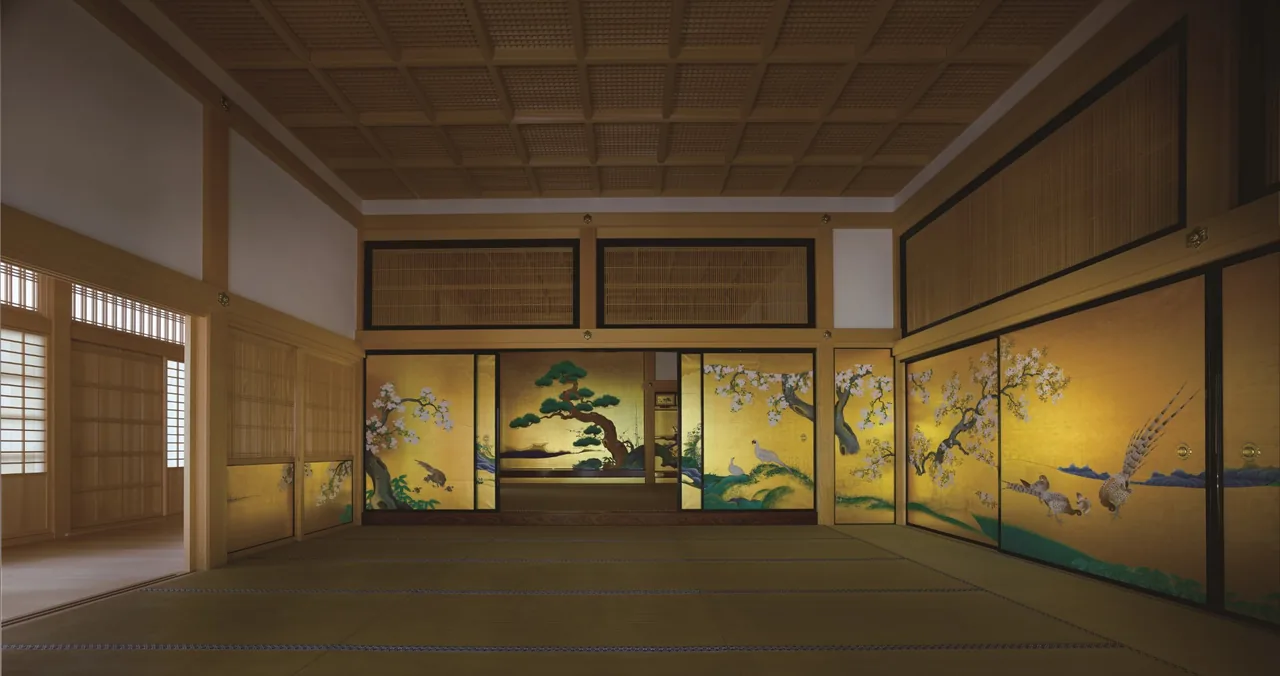
Photo: © Nagoya Convention & Visitors Bureau
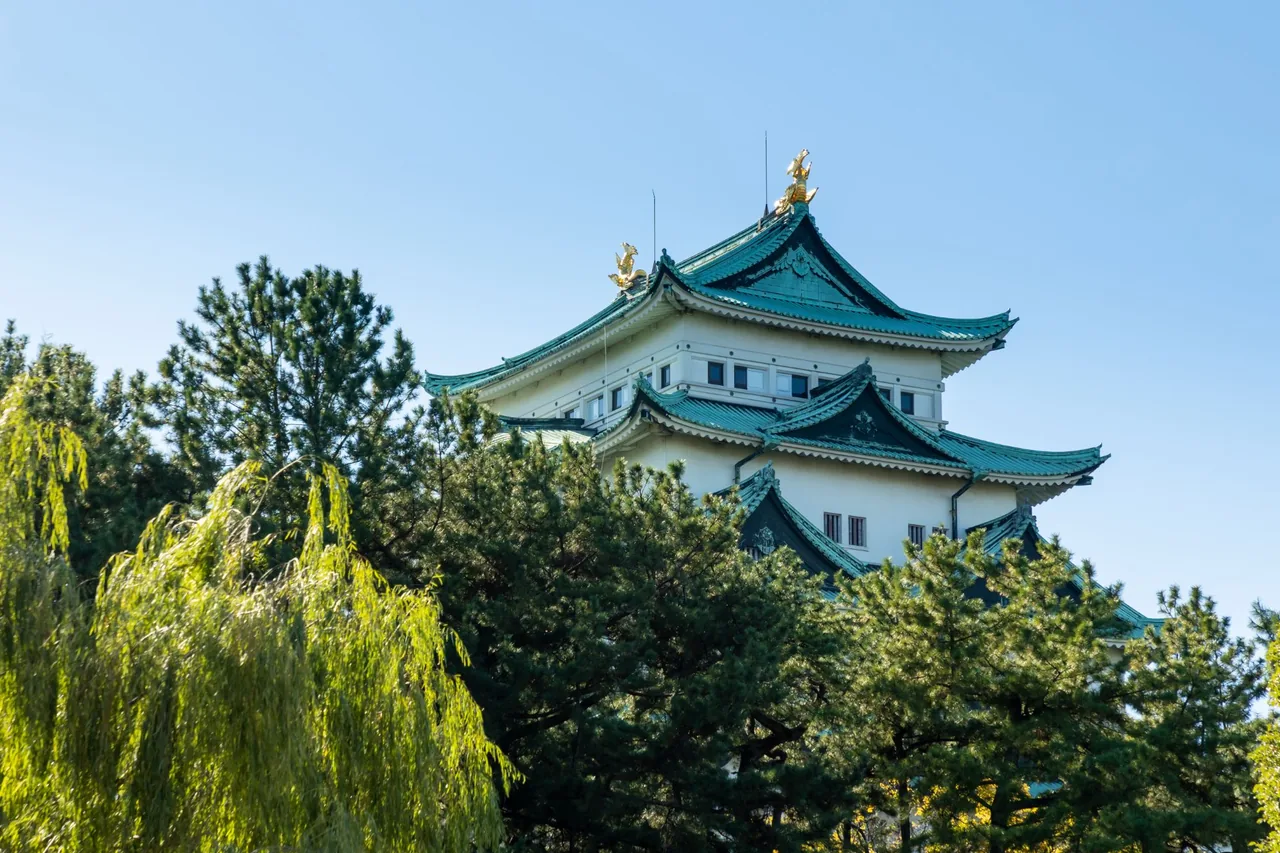
Nagoya Castle's main keep is closed because of earthquake-resistance and other problems, and you can't go inside. The city of Nagoya is working on a project to rebuild the keep in wood, but no completion date has been set. Progress updates appear on the castle's keep restoration project page.
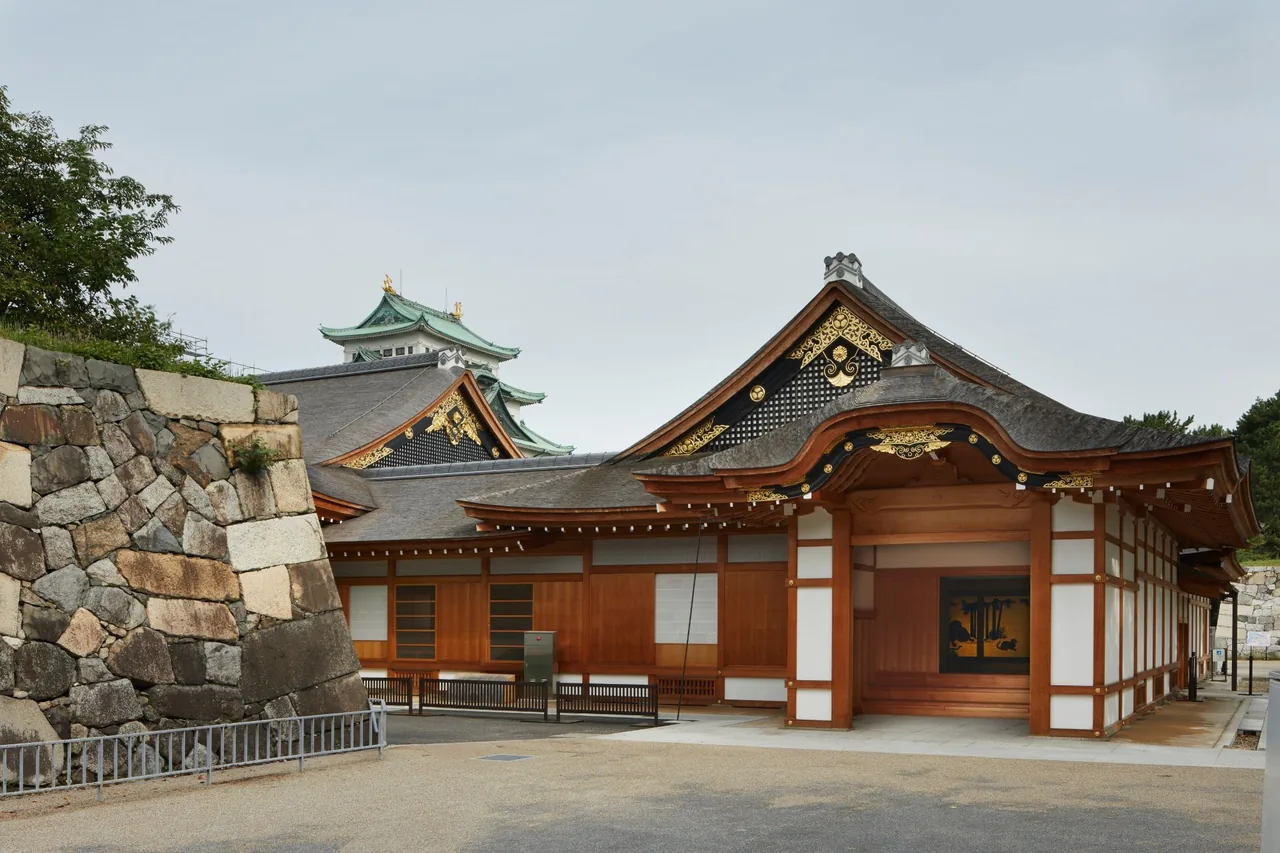
You'll see the keep from outside, and its golden shachihoko roof ornaments are visible from many spots around the grounds. The main building you can go inside now is Hommaru Palace, whose reconstruction was completed in 2018. You take off your shoes at the entrance and walk from room to room past reproduced wall paintings and ornamental metalwork. Audio guides are available in Japanese, English, Chinese and Korean.
The castle has two entrances.
- East Gate: At the eastern end of the grounds, easy to reach from Nagoyajo Station and close to the Ninomaru Garden, a designated Place of Scenic Beauty.
- Main Gate: At the western end, the most convenient for the keep and Hommaru Palace.
Enter through the East Gate from Nagoyajo Station, walk west from Ninomaru Garden to Hommaru Palace and the outside of the keep, and leave through the Main Gate, and you cross the castle in one direction. Check opening hours, admission and Hommaru Palace entry times in the castle's visitor information.
Lunch: eat at Kinshachi Yokocho, or wait until Osu
Just outside the castle is Kinshachi Yokocho, a cluster of restaurants and souvenir shops. The Yoshinao Zone by the Main Gate is a row of wooden buildings modeled on Edo-period merchant houses; the Muneharu Zone by the East Gate uses a lot of glass. If you leave by the Main Gate, lunch in the Yoshinao Zone fits neatly before you move on. Reading up on Nagoya dishes such as miso katsu and hitsumabushi in our Nagoya food guide makes the menus easier to choose from.
To reach Osu from the Main Gate, use Sengencho Station on the Tsurumai Line. The castle's official website lists it as one of the nearest stations, though the walk is longer than from Nagoyajo Station. Ride the Tsurumai Line three stops south and get off at Osu Kannon Station. If snacking your way through Osu is part of the plan, a light lunch, or none at all until you get there, is another option.
From Osu Kannon through Osu Shopping Street to Kamimaezu
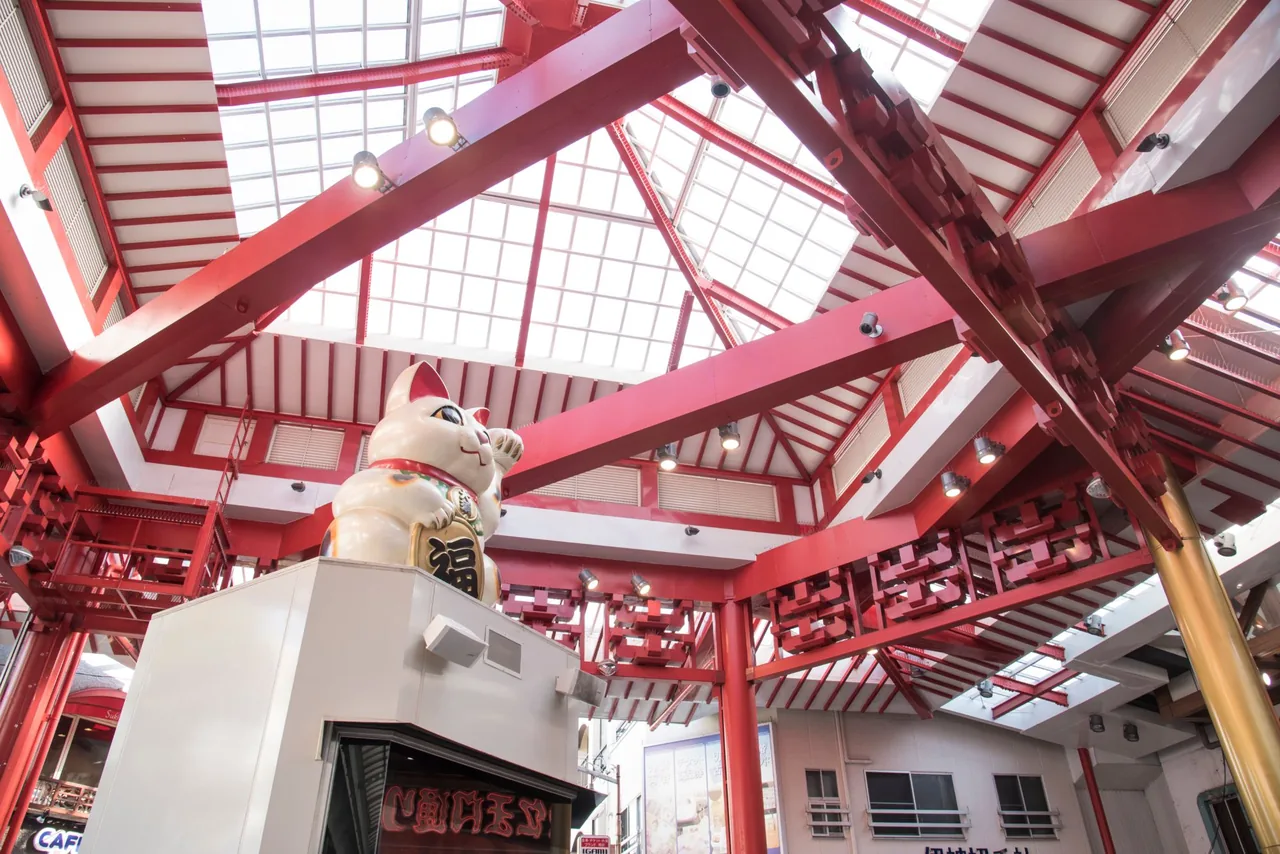
Photo: © Nagoya Convention & Visitors Bureau
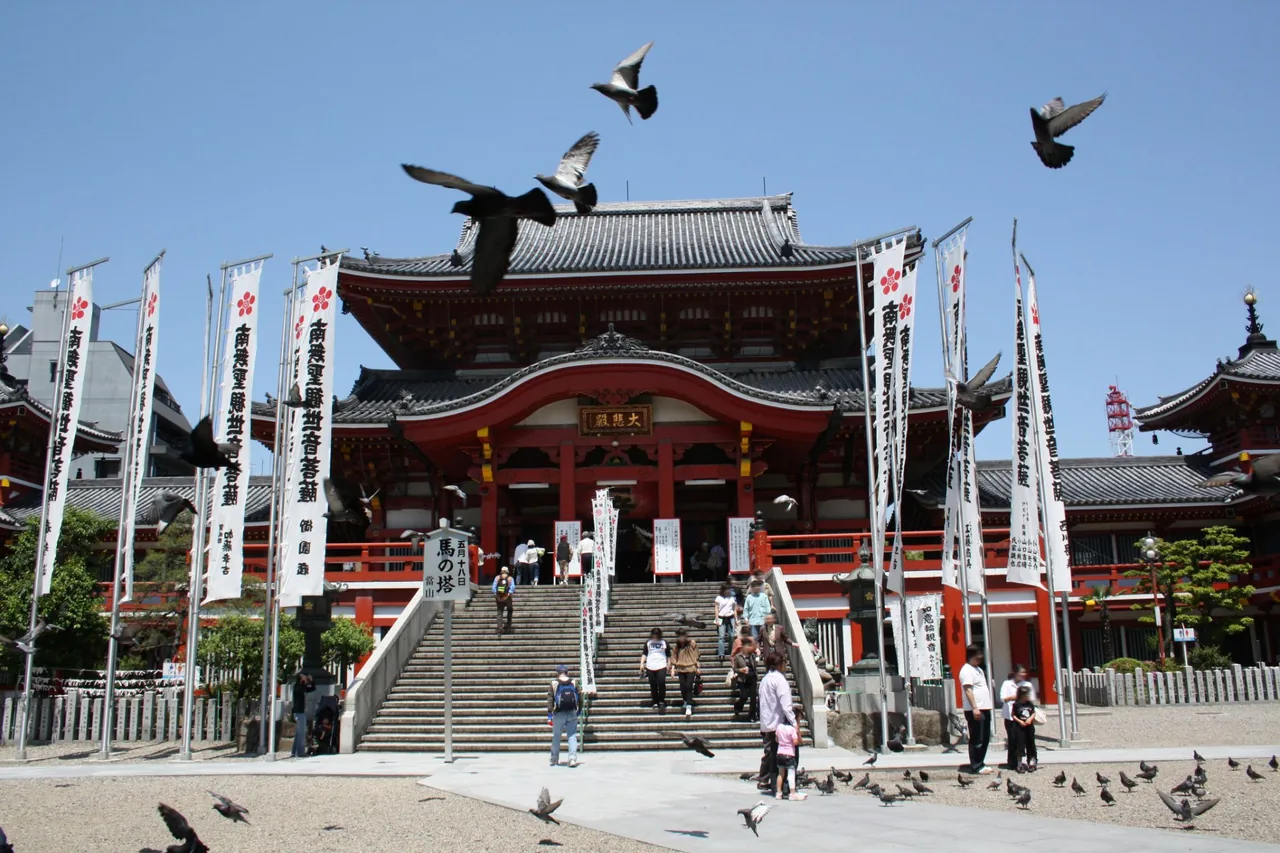
Outside Osu Kannon Station, the vermilion main hall of Osu Kannon Temple comes into view first. It's a Shingon Buddhist temple, and its Osu Bunko library holds a large collection of old texts, including National Treasures and Important Cultural Properties. On the 18th and 28th of every month, a temple fair day, an antiques market sets up in the grounds; if your dates line up, you might switch the order and come to Osu in the morning.
After visiting the temple, head into Osu Shopping Street from the east side of the grounds. Around 1,200 shops are packed in here, with electronics stores, secondhand clothing, general goods, snacks and sweets mixed together street by street. Many of the streets are covered by arcades, so it stays easy to walk even when the weather turns.
Plenty of people buy something they can hold in one hand and eat as they go, but the streets get crowded on weekend afternoons. Step to a shopfront or the side of the street to eat so you don't bump into anyone. Kamimaezu Station is at the eastern end of the shopping district, and that's where you board the Meijo Line. A map of the shops is on the Osu Shopping Street official website.
Sakae in the evening: night views from Oasis 21 and MIRAI TOWER
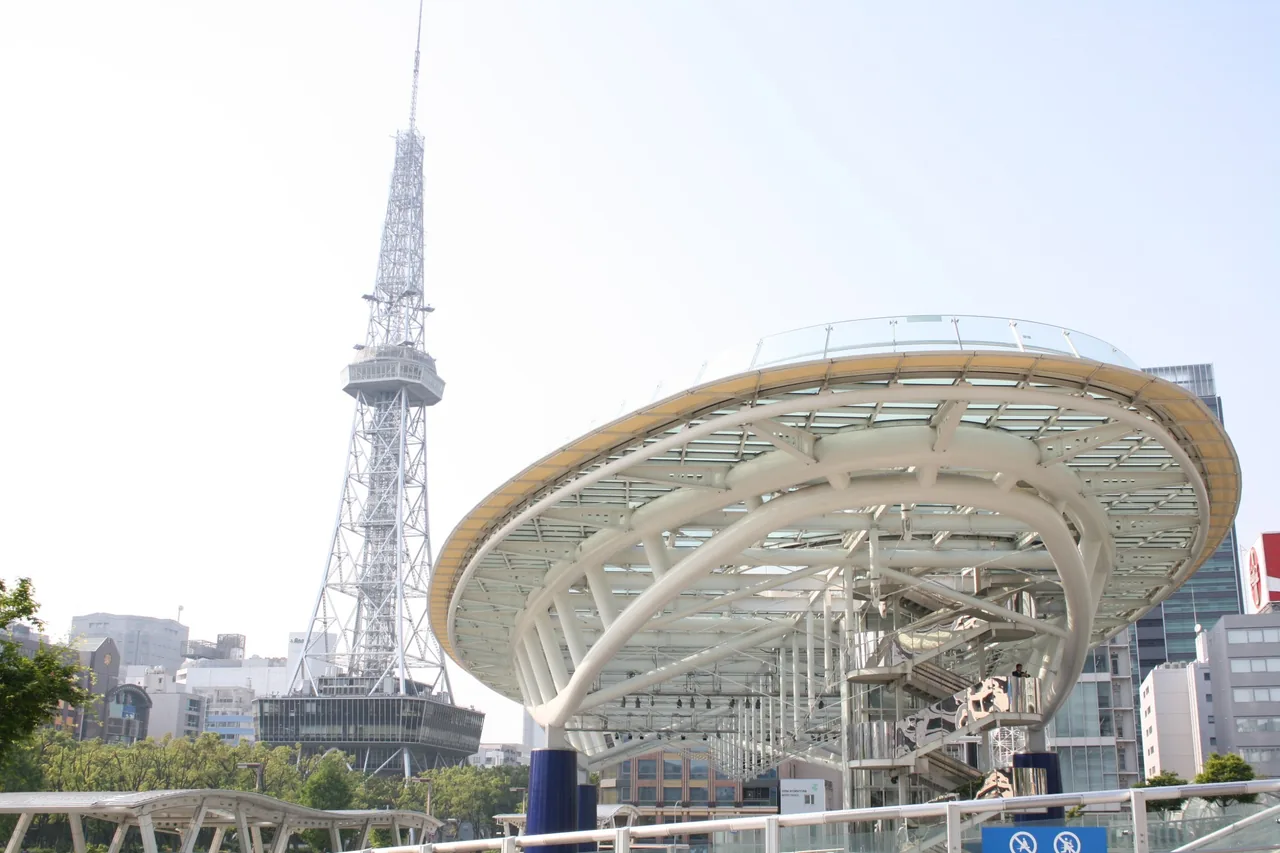
Photo: © Nagoya Convention & Visitors Bureau
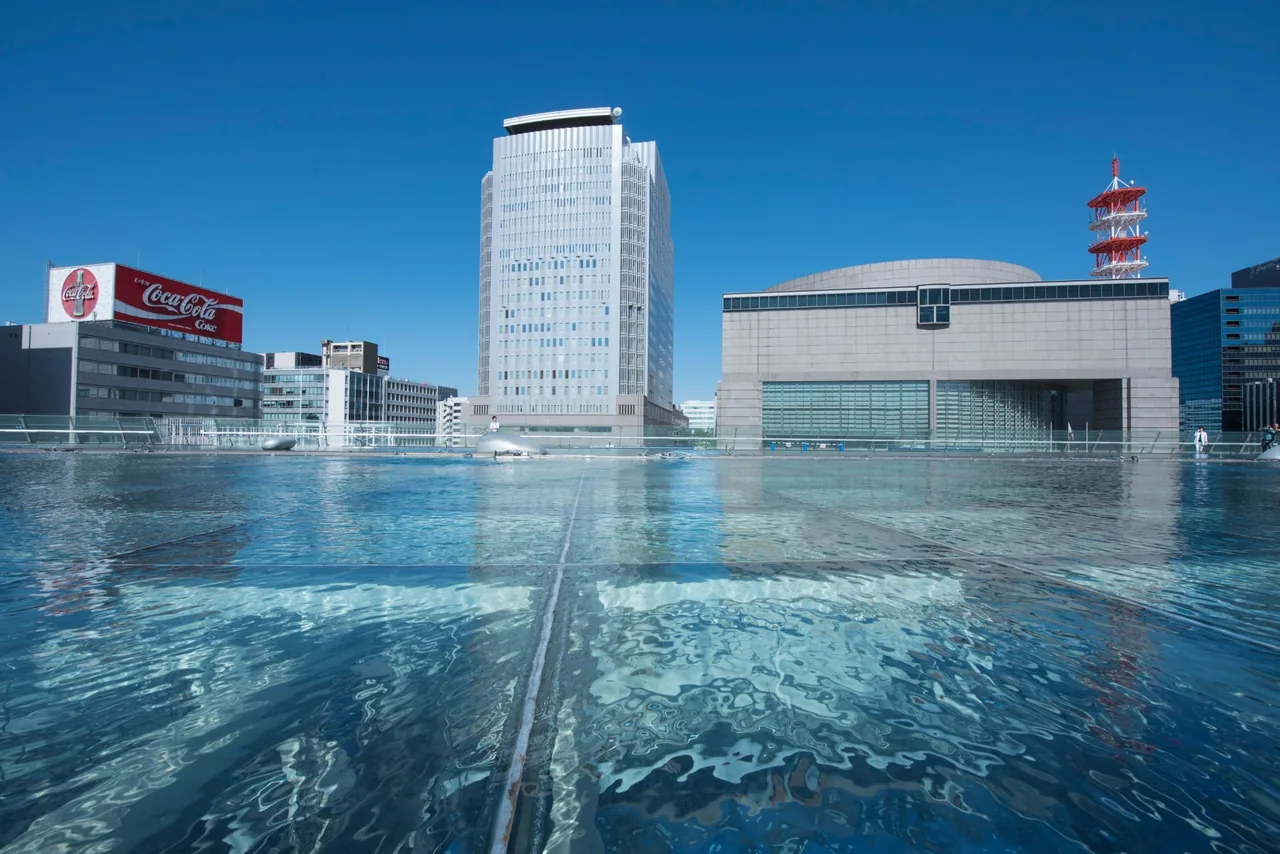
From Kamimaezu, it's two stops on the Meijo Line to Sakae Station. Connected to the station is Oasis 21, a multi-level park marked by its glass roof filled with water, called the "Spaceship-Aqua". You can walk around on top of the roof, and it's lit up at night.
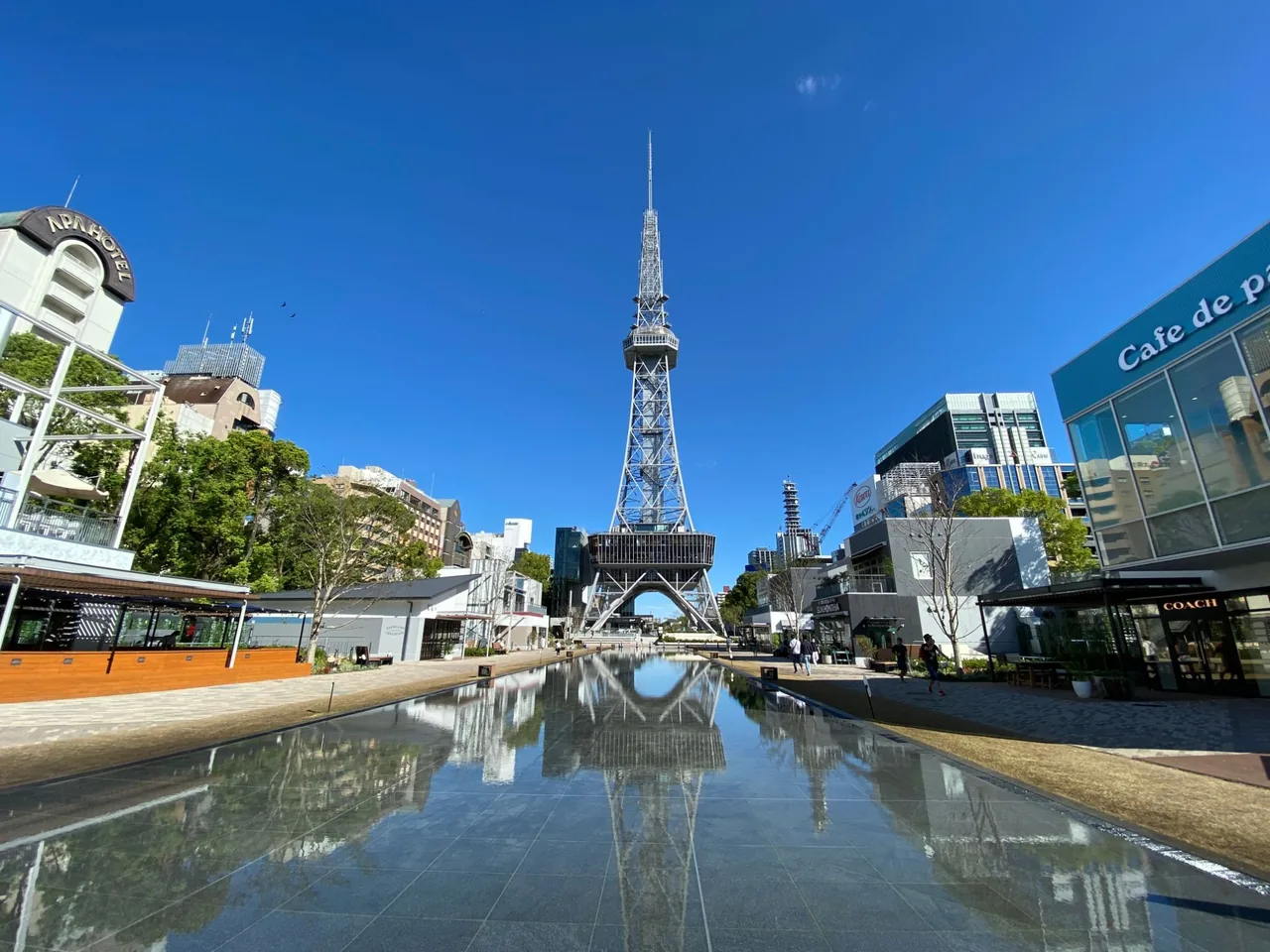
Northwest of Oasis 21, in Hisaya-odori Park, stands Chubu Electric Power MIRAI TOWER. Formerly the Nagoya TV Tower, it was built in 1954 as Japan's first integrated broadcasting tower, and in 2022 it became the first tower in Japan to be designated a national Important Cultural Property. The indoor Sky Deck, 90 meters above the ground, looks out over the city, and its night view is certified as a Japan Night View Heritage site.
Go up to the Sky Deck a little before sunset, watch the city switch from daylight to night lights, then walk back to the station past the illuminated Spaceship-Aqua, and you get both the daytime and night-time views. Check observation deck hours and prices on the MIRAI TOWER official website. Around Sakae Station, underground shopping malls and department stores spread out, with plenty of places for dinner.
Back to Nagoya Station from Sakae, and adding Atsuta or the port
From Sakae Station to Nagoya Station is two stops on the Higashiyama Line. The underground malls and station buildings at Nagoya Station sell souvenirs all in one place, so if you're catching the shinkansen that day, leave a little time at the end to choose.
With a second day in Nagoya, you can head south.
- Atsuta Jingu Shrine: The nearest stations are Atsuta Jingu Nishi and Atsuta Jingu Temmacho on the Meijo Line.
- Port of Nagoya: Home to the Port of Nagoya Public Aquarium and the Antarctic research ship Fuji; take the Meijo Line and change to the Meiko Line at Kanayama Station.
If rain is in the forecast, see our Nagoya rainy day guide, which links up indoor sights. Sights by area are on the pages for Nagoya Castle, Osu and Sakae.
Places in this guide
Hotels nearbyPR
See prices and availability for hotels in Nagoya and book on our partner Trip.com.
See hotels in Nagoya on Trip.com