Nagoya Castle
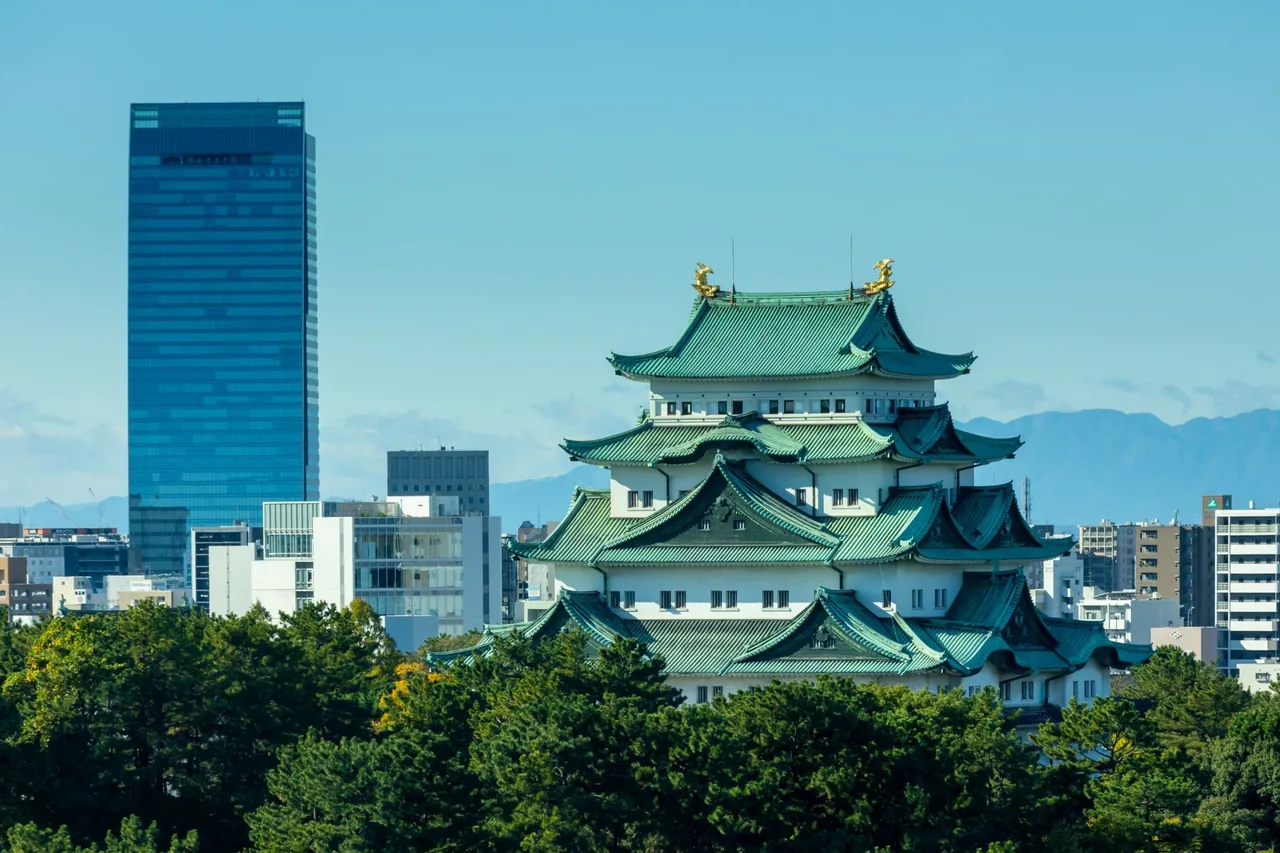
Photo: © Nagoya Convention & Visitors Bureau
Areas of Nagoya
Nagoya Castle
Visiting Nagoya Castle: the Hommaru Palace, fully restored in 2018, Kinshachi Yokocho, what to see while the keep is closed, access and a route.
 Sep 19 – Nov 23Nagoya Castle Autumn Festival (Chrysanthemum Exhibition)
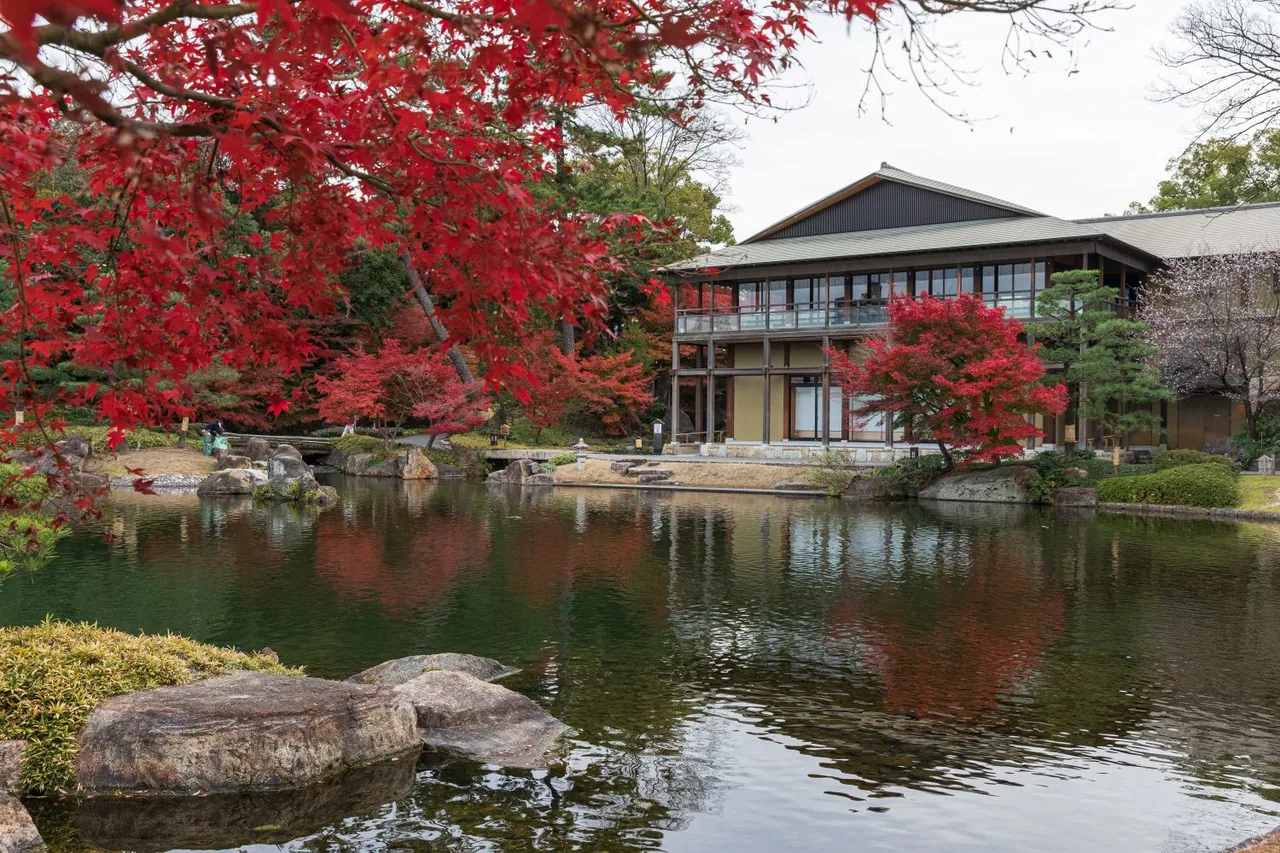 Nov 14 – Dec 6Tokugawaen Autumn Leaves Festival
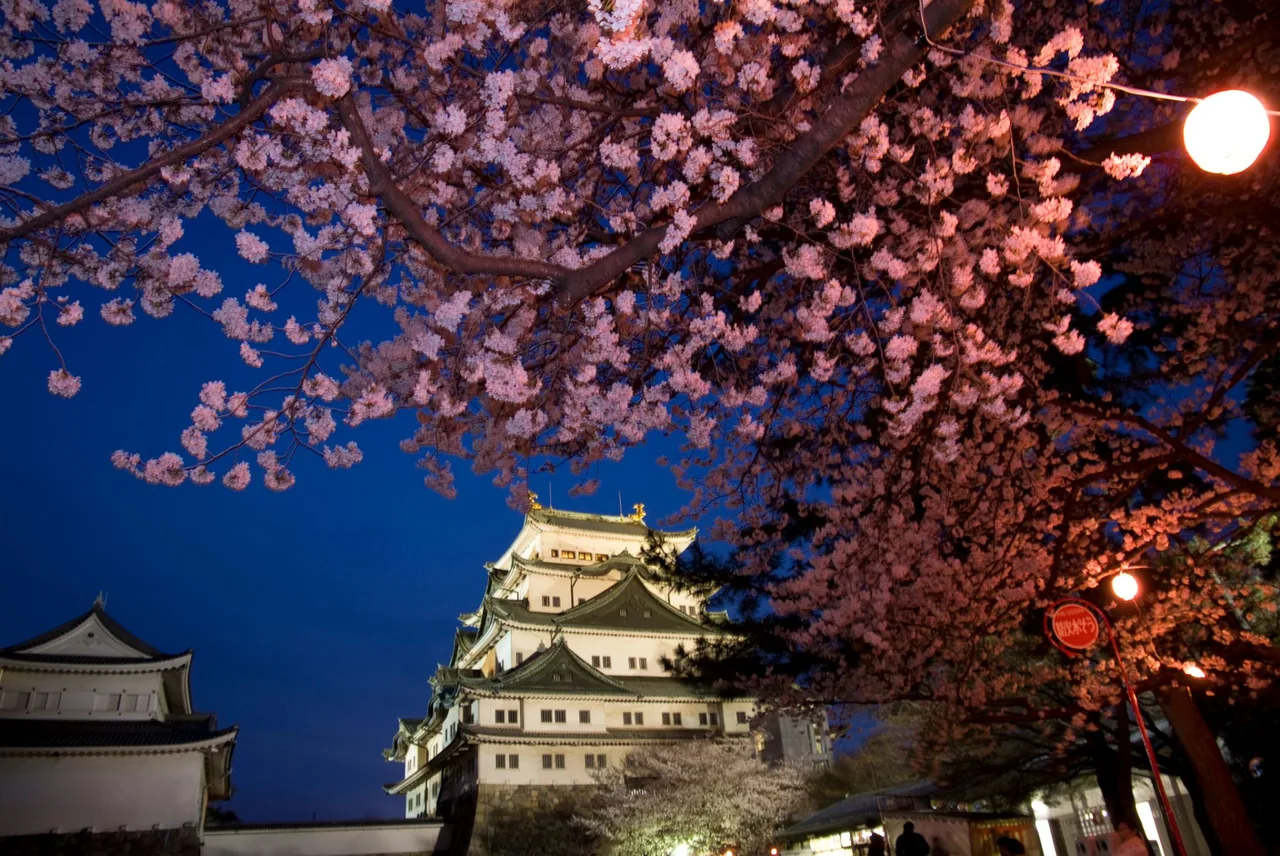 GuidesNagoya Cherry Blossoms and Autumn Leaves: Best Spots and Timing
Find on the map
This page is translated from the Japanese edition. Read the Japanese edition
What is the area like?
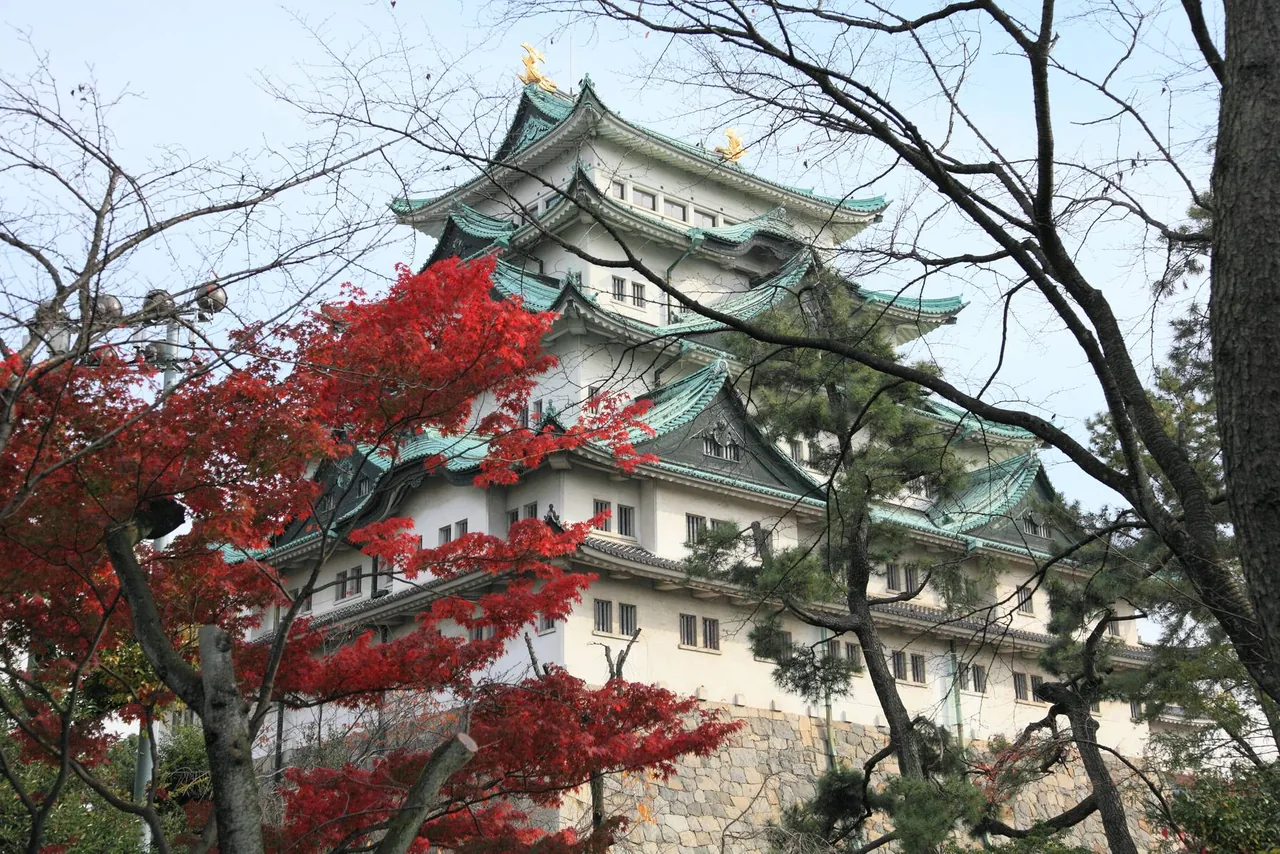
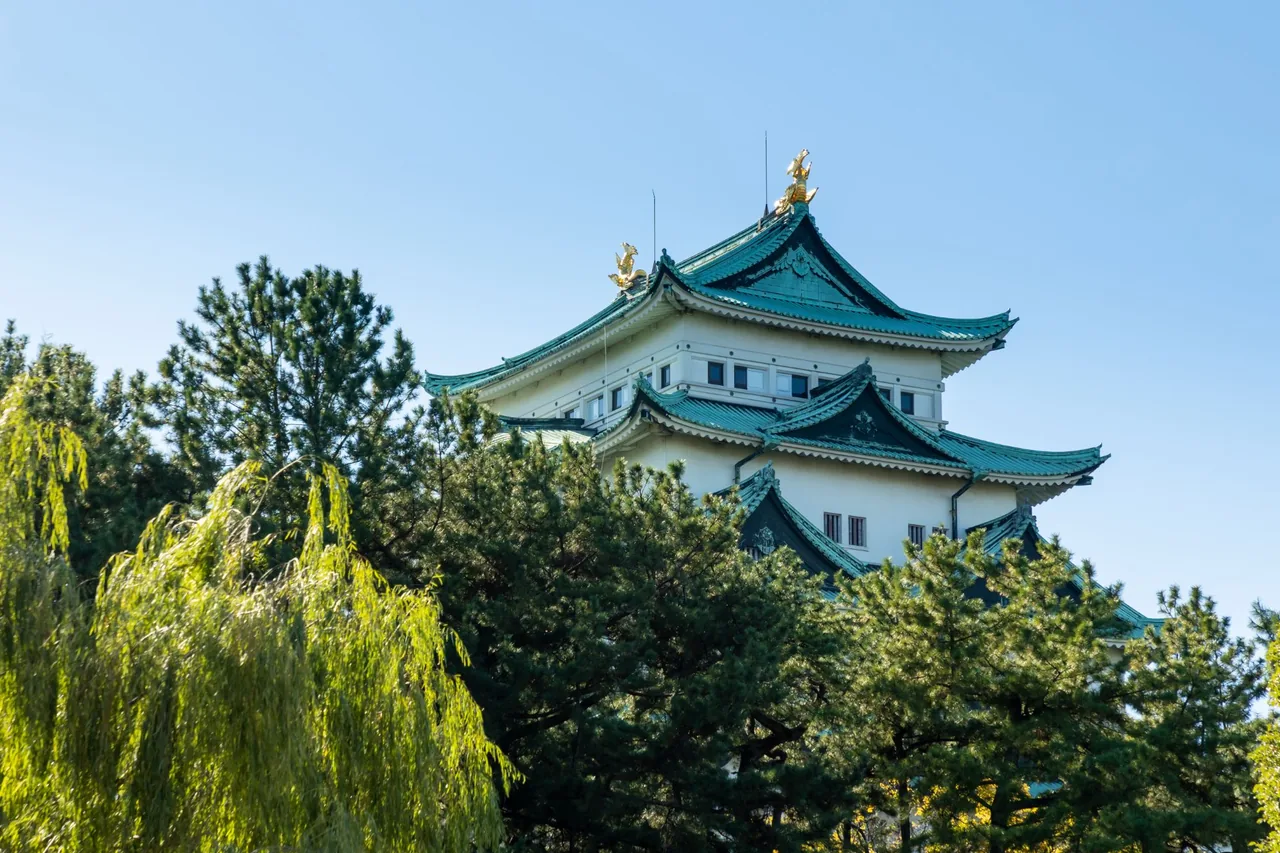
High stone walls run along the moat, and above them rises the keep crowned with golden shachihoko, the mythical fish of Japanese castle roofs. Construction of Nagoya Castle began in 1610 on the orders of Tokugawa Ieyasu, and it was the seat of the Owari Tokugawa family throughout the Edo period. The castle site is designated a national Special Historic Site.
The keep is currently closed because of earthquake-resistance concerns, and you cannot go inside. Even so, the restored Hommaru Palace, the gardens, the stone walls and the moats take two to three hours to see. In front of the castle is Kinshachi Yokocho, a cluster of restaurants and souvenir shops, so plan on about half a day for the castle and the area together.
Main sights
Nagoya Castle
You view the keep from outside, but its golden shachihoko can be seen from many points around the grounds. The golden shachihoko were recreated in 1959, with the male on the north side and the female on the south. Check the progress of the project to rebuild the keep in wood, as well as opening hours and admission, on the Nagoya Castle official website.
Hommaru Palace
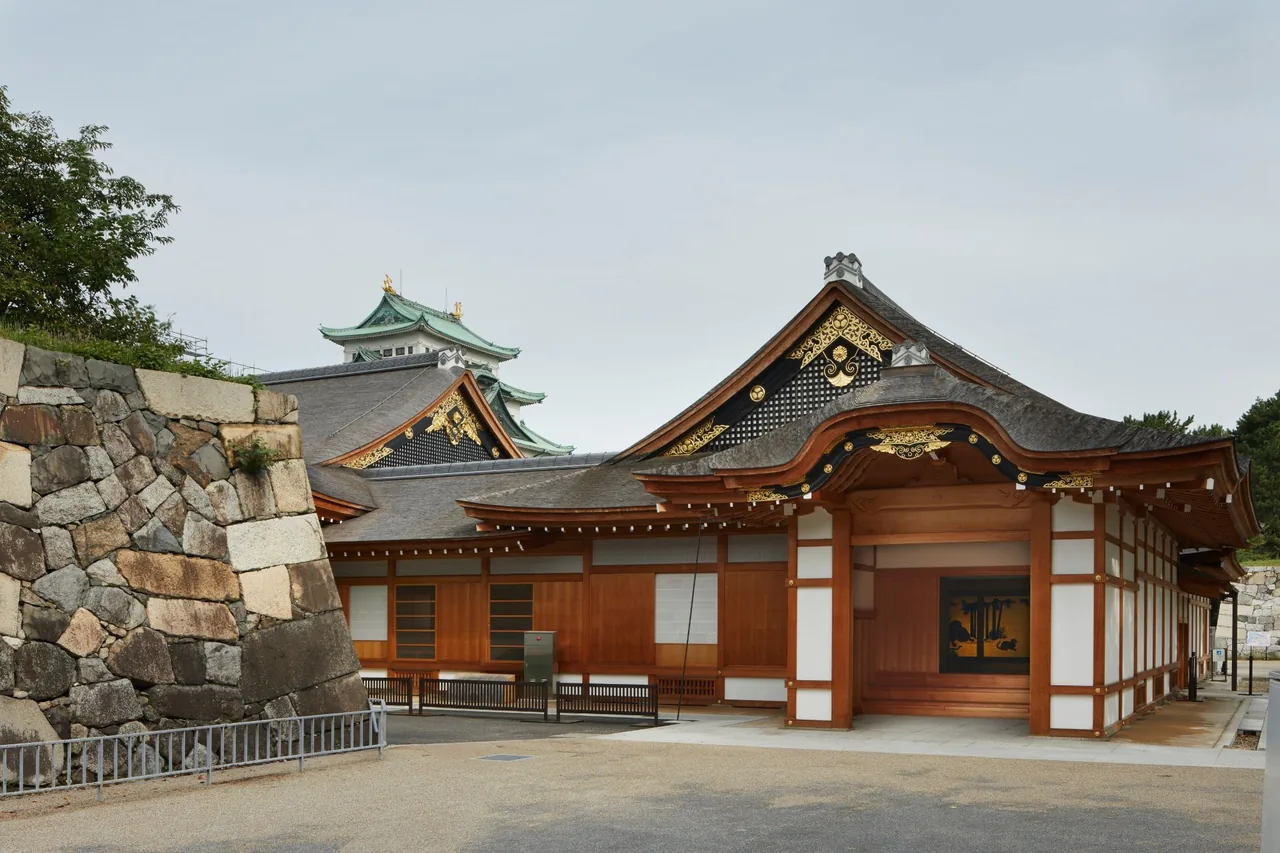
Completed in 1615 as the residence and government office of the lord of the Owari domain, the palace later became lodgings for the shogun. It burned down in the 1945 air raids, but restoration began in 2009 based on Edo-period plans and prewar photographs, and the whole palace opened in 2018. You walk through room after room where even the wall paintings and ornamental metalwork have been recreated (Hommaru Palace guide).
Kinshachi Yokocho
These food and shopping streets opened in March 2018 in two spots next to Nagoya Castle. They are split into the Yoshinao Zone, lined with wooden buildings that recall Edo-period merchant houses, and the Muneharu Zone, with modern Japanese-style buildings using plenty of glass. The Muneharu Zone is right in front of Exit 7 of Nagoyajo subway station.
Food and shopping
You'll have more choice eating at Kinshachi Yokocho than inside the castle. It includes restaurants serving Nagoya meshi, the city's local specialties, which makes it a good place for lunch after seeing the castle.
You can buy souvenirs at Kinshachi Yokocho too. If you're looking for sweets and goods themed on the golden shachihoko, stopping by after the castle is the most efficient plan.
Getting there
- Subway: about a 5-minute walk from Exit 7 of Nagoyajo Station on the Meijo Line. The station was renamed from Shiyakusho Station in January 2023. From Nagoya Station, take the Higashiyama Line to Sakae and change to the Meijo Line for two stops.
- Bus: the Me-guru sightseeing bus has a Nagoya Castle stop, reachable from Nagoya Station without changing.
The access page on the Nagoya Castle official website lists other routes.
How to explore the area
Walk into the castle from Nagoyajo Station, see the Hommaru Palace, then go around the stone walls and gardens near the keep; this takes about two to three hours. You take your shoes off inside the Hommaru Palace, so shoes that slip on and off easily make things simpler. At lunchtime, leave the castle and eat at Kinshachi Yokocho, then carry straight on to your next stop.
Two stops south of Nagoyajo Station on the Meijo Line is Sakae, home to Oasis 21 and MIRAI TOWER. If you use the Me-guru bus, you can combine the castle with the Toyota Commemorative Museum and Noritake Garden around Nagoya Station.
Sights in Nagoya Castle

Recommended hotels in Nagoya CastlePR
See prices and availability for hotels in Nagoya and book on our partner Trip.com.
See hotels in Nagoya on Trip.com