
Nagoya Cherry Blossoms and Autumn Leaves: Best Spots and Timing
This guide is translated from the Japanese edition. Read the Japanese edition
Nagoya cherry blossom and autumn leaves spots, from Nagoya Castle and the Yamazaki River to Tokugawaen, with typical timing, night illuminations and routes.
In late March, walk along the moat of Nagoya Castle and you will see cherry branches reaching from the banks out over the water. Each of Nagoya's cherry blossom spots looks quite different: castle stone walls and moats, a tree-lined river running through a residential area, a park opened in the Meiji era, the hillside of a botanical garden. In autumn, two Japanese gardens, Tokugawaen in Ozone and Shirotori Garden in Atsuta, show red leaves reflected in their ponds and lit up at night. Every spot is a walk from a subway station, so you can combine two or three in a single day when they are in season.
When do cherry blossoms and autumn leaves peak in Nagoya?
The Nagoya Local Meteorological Office records the flowering and full bloom of Nagoya's cherry trees (Somei-yoshino) using a sample tree on its grounds. The trees usually start flowering in late March and reach full bloom into early April, but the flowering date can shift by more than a week from year to year. When you plan your dates, check that year's observations on the Japan Meteorological Agency's cherry blossom page.
In the city's Japanese gardens, autumn leaves are usually at their best from mid-November to early December. This also comes earlier or later depending on the weather.
| Spot | Season | At night |
|---|---|---|
| Nagoya Castle | Spring cherry blossoms; autumn leaves in the Ninomaru Garden | Open into the evening on some days of the spring festival |
| Yamazaki River | Cherry trees along the river in spring | Illuminations around Kanae-kobashi Bridge at peak season |
| Tsuruma Park | Spring cherry blossoms | Illuminations during the cherry blossom festival |
| Higashiyama Zoo and Botanical Gardens | Cherry varieties blooming in turn from March to late April | Some years, evening opening of the botanical garden in double-cherry season |
| Shirotori Garden | Weeping cherry in spring; autumn leaves | Evening opening and illuminations during the autumn maple event |
| Tokugawaen | Autumn leaves | Evening opening on some days of the autumn leaves festival |
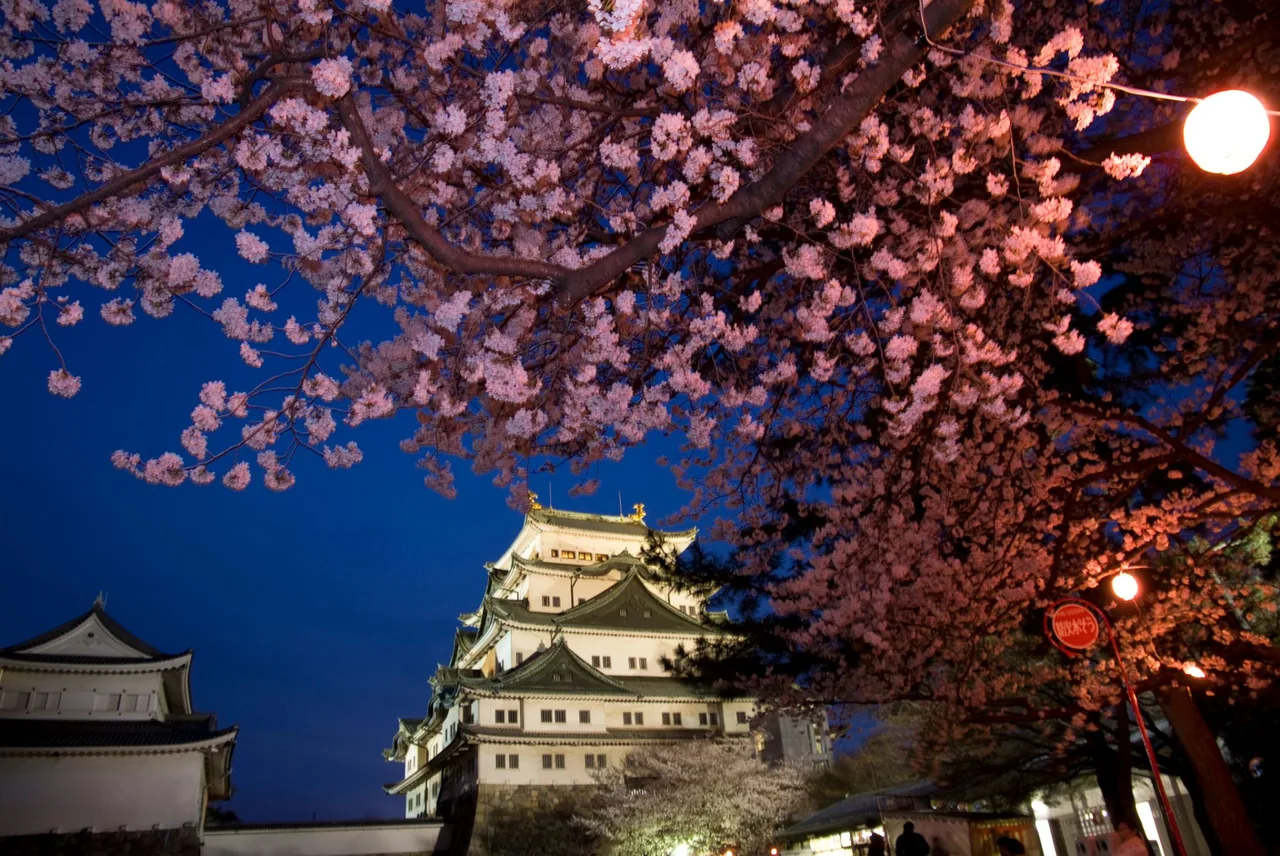
Nagoya Castle: cherry blossoms over the moat and the illuminated keep
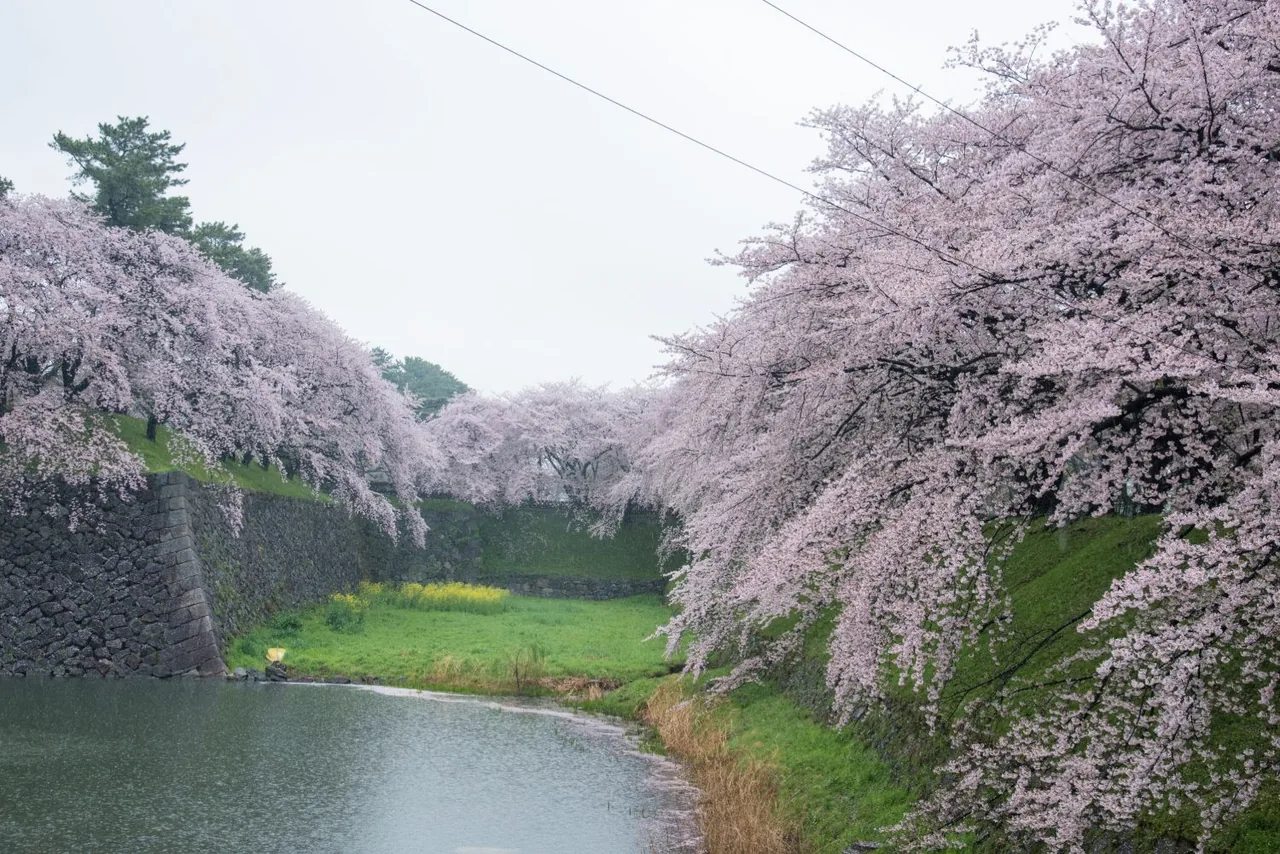
Photo: © Nagoya Convention & Visitors Bureau
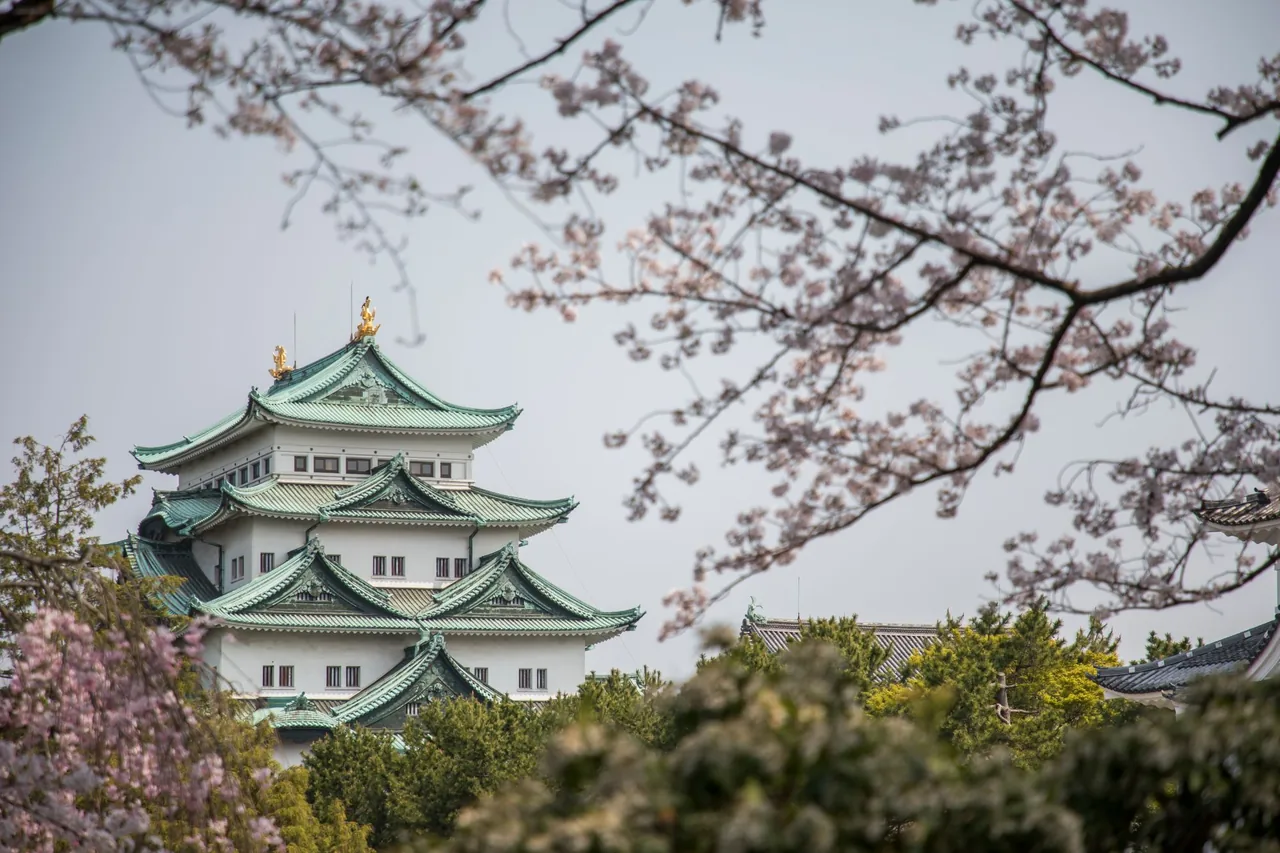
At Nagoya Castle, cherry trees grow not only in the open spaces inside the grounds but also on the banks of the moats. At full bloom, branches stretch out over the water from both sides, and the pale pink flowers overlap with the grey stone walls.
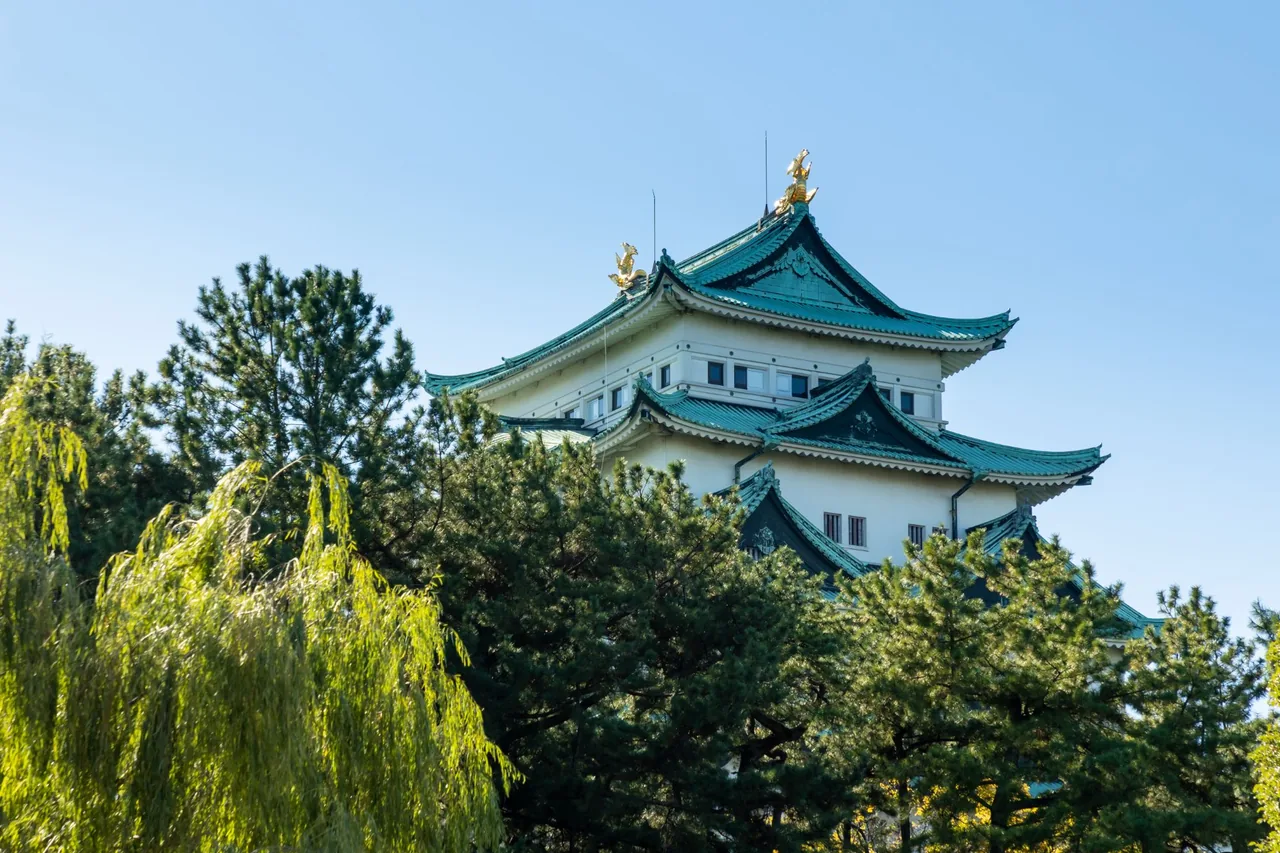
The Nagoya Castle Spring Festival runs from around late March to early May, and while the cherries are at their best there is a period when the grounds stay open later and the blossoms and main keep are lit up. After dark, the green copper roofs and golden shachihoko of the keep stand out beyond the illuminated blossoms. The keep itself is closed while it is being rebuilt in wood, but you can still admire it from outside. Evening opening dates are set each year, so check the Nagoya Castle event calendar.
In autumn, the maples turn in the Ninomaru Garden, which lies east of the Honmaru (inner citadel). It is designated a national Place of Scenic Beauty, and you can see autumn colors around the Ninomaru Chatei teahouse inside the garden. Nagoya Castle is about a 5-minute walk from Exit 7 of Nagoyajo Station on the Meijo subway line.
Yamazaki River: 2.5 km of cherry trees and night blossoms at Kanae-kobashi
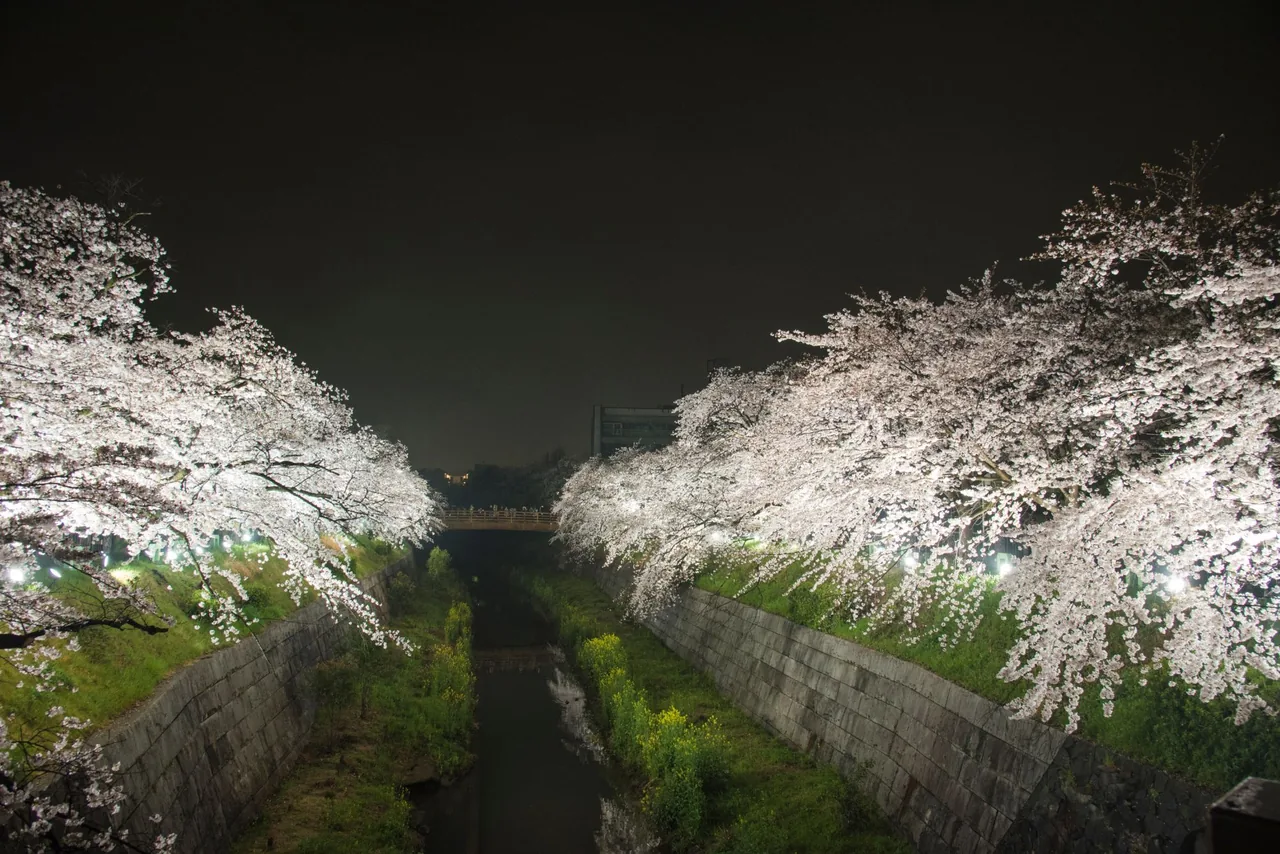
Photo: © Nagoya Convention & Visitors Bureau
The Yamazaki River, in Mizuho Ward, is lined with about 550 cherry trees on both banks for about 2.5 km between Ishikawa Bridge and Ochiai Bridge. Known as the Yamazakigawa Shiki-no-Michi, it is one of Japan's 100 Best Cherry Blossom Spots and Nagoya's best-known avenue of cherry trees. Unlike the castle or a park, it has no entrance or closing time, so you can join the riverside path through the residential streets wherever you like.
At peak season, about 120 m from Kanae Bridge to the south side of the wooden Kanae-kobashi Bridge is lit up at night. White blossoms cover the river from both stone-walled banks, with branches hanging almost to the water, a completely different view from the daytime. The illumination dates are set according to how the blossoms are progressing.
Kanae-kobashi Bridge is about a 13-minute walk from Mizuho Kuyakusho Station on the Sakura-dori subway line. There is no dedicated parking, so go by train.
Tsuruma Park: a cherry blossom spot right outside the station
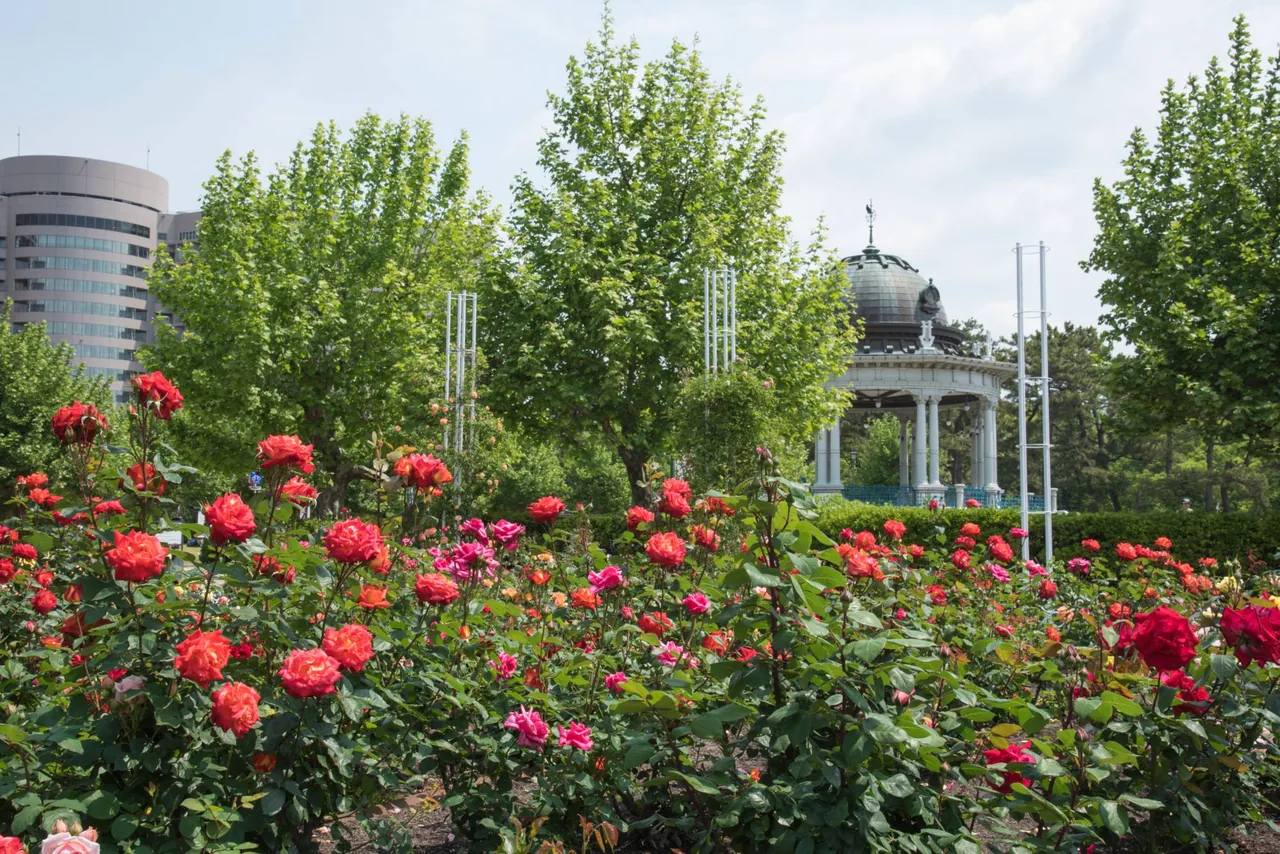
Tsuruma Park opened at the end of the Meiji era and was the first park laid out in Nagoya. About 750 cherry trees, mostly Somei-yoshino, grow here, and like the Yamazaki River it is one of Japan's 100 Best Cherry Blossom Spots. What sets it apart is that you can see blossoms both in the Western-style area with its fountain tower and bandstand and in the Japanese garden around Ryugaike Pond.
A cherry blossom festival is usually held in season, and the trees are lit up at night during the festival. The park gets busy with hanami (cherry blossom viewing) crowds in spring, so a weekday morning suits a quieter walk. It is right outside the park exit of JR Tsurumai Station on the Chuo Main Line and Exit 4 of Tsurumai Station on the Tsurumai subway line, which makes it easy to drop by between other stops.
Higashiyama Zoo and Botanical Gardens: a long season on the Cherry Blossom Corridor
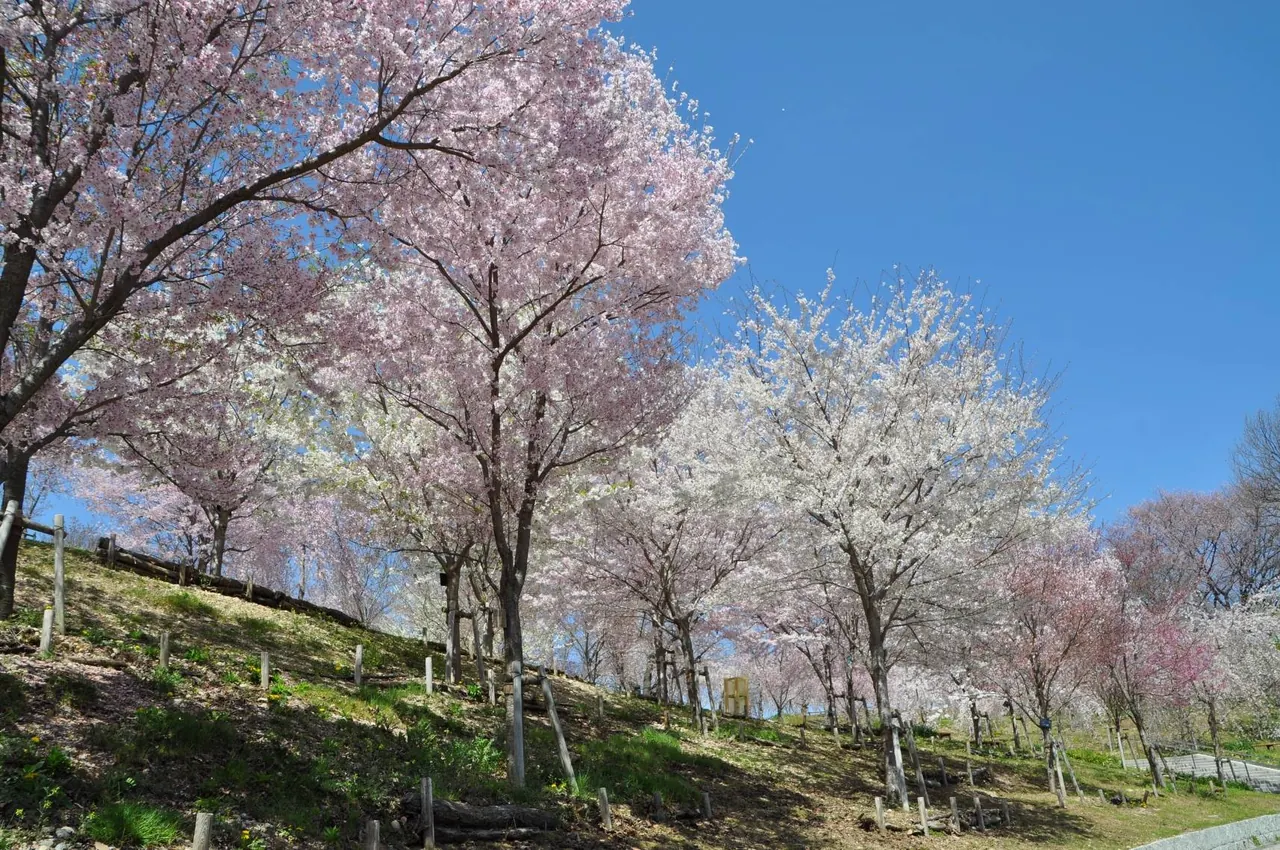
Photo: © Nagoya Convention & Visitors Bureau
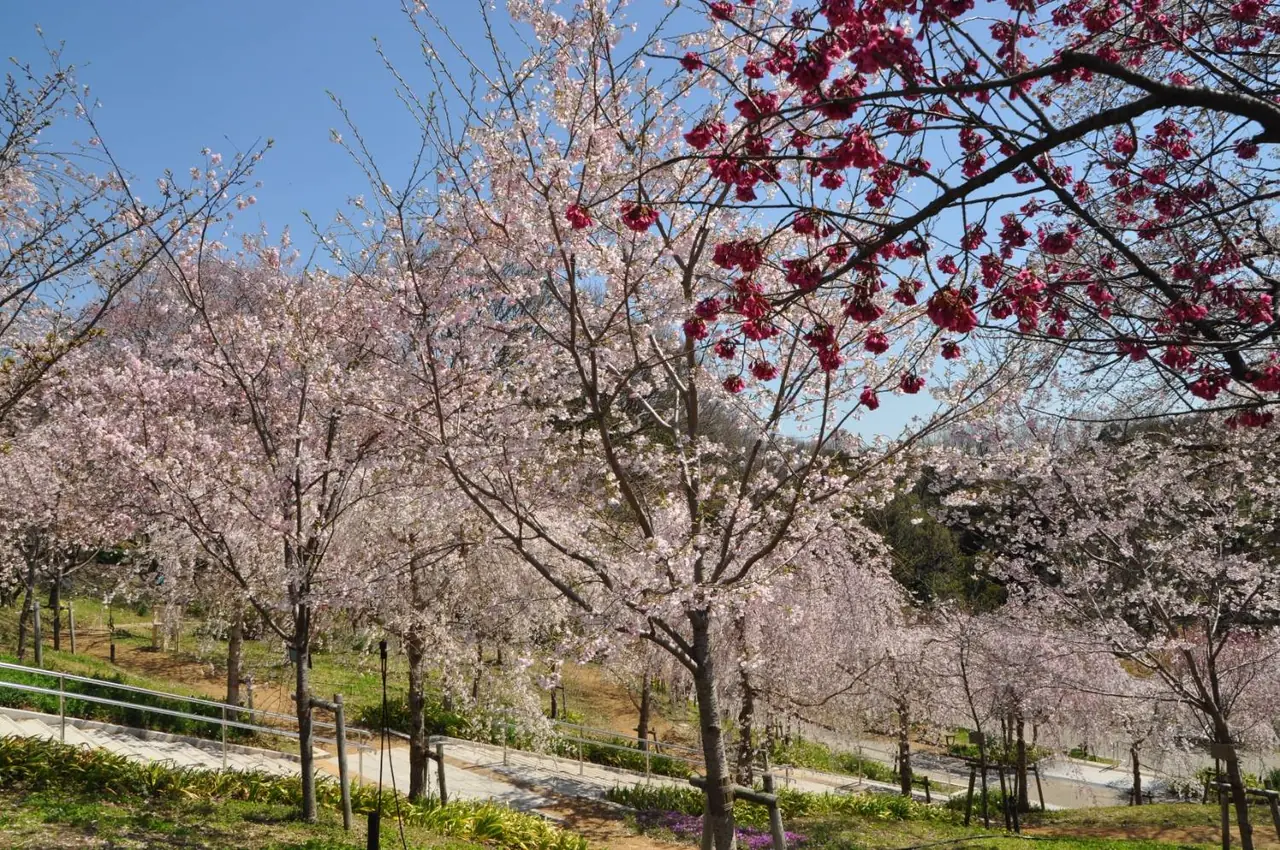
The Cherry Blossom Corridor in the botanical garden at Higashiyama Zoo and Botanical Gardens has about 1,000 trees of about 100 varieties. Early varieties, Somei-yoshino and the later double-flowered cherries bloom one after another, so even if you reach Nagoya in mid-April or later, after the city's Somei-yoshino have fallen, you may still find cherry blossoms here.
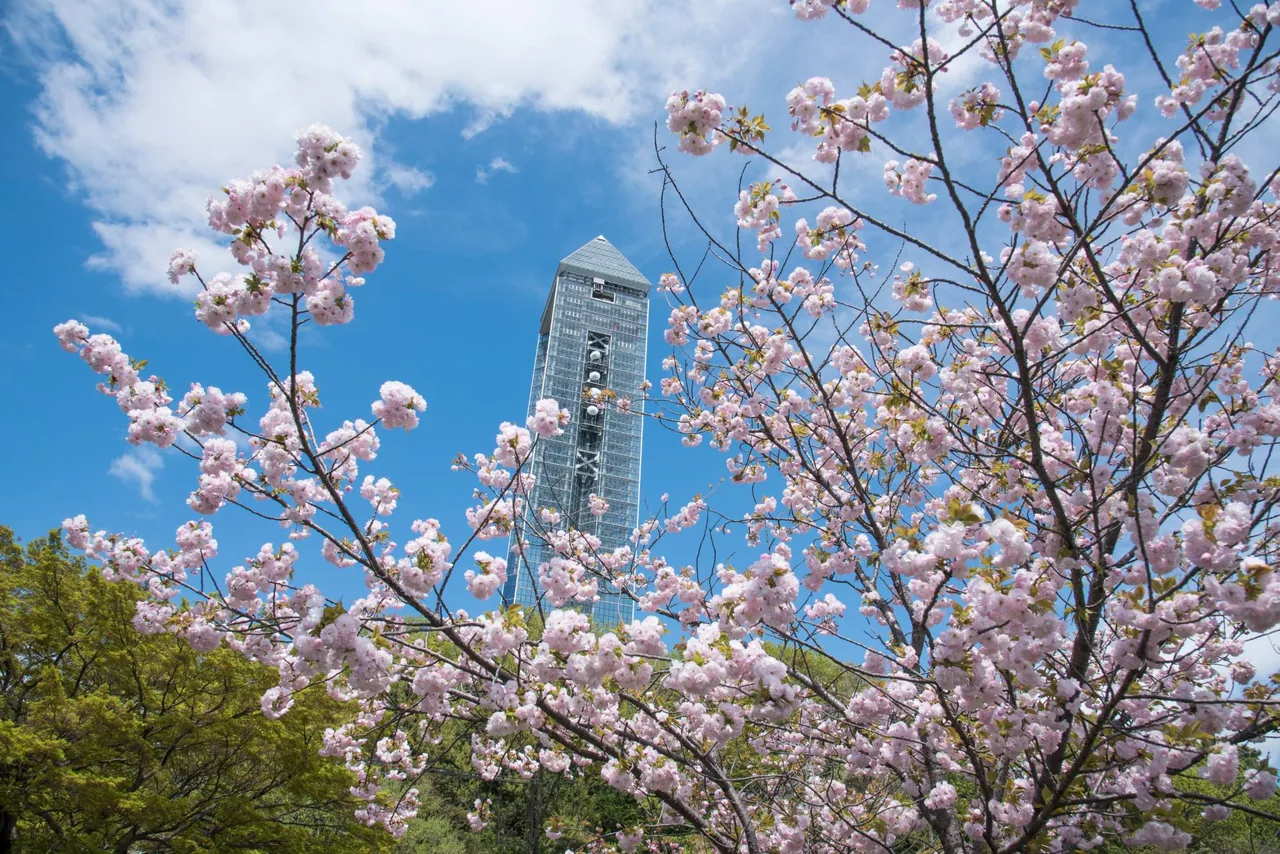
Photo: © Nagoya Convention & Visitors Bureau
The Higashiyama Zoo and Botanical Gardens Spring Festival runs from around mid-March to early May. In 2026, the botanical garden stayed open into the evening while the double-flowered cherries were at their best, with the corridor lit up under the name "Yoi no Yaezakura Sanpo." Check the Higashiyama Zoo and Botanical Gardens website to see whether it is held again in later years.
The botanical garden entrance is about a 7-minute walk from Exit 6 of Hoshigaoka Station on the Higashiyama subway line. It connects with the zoo inside the grounds, and you can walk up to Higashiyama Sky Tower on the hill.
Shirotori Garden: weeping cherry in spring, lit-up leaves on autumn nights
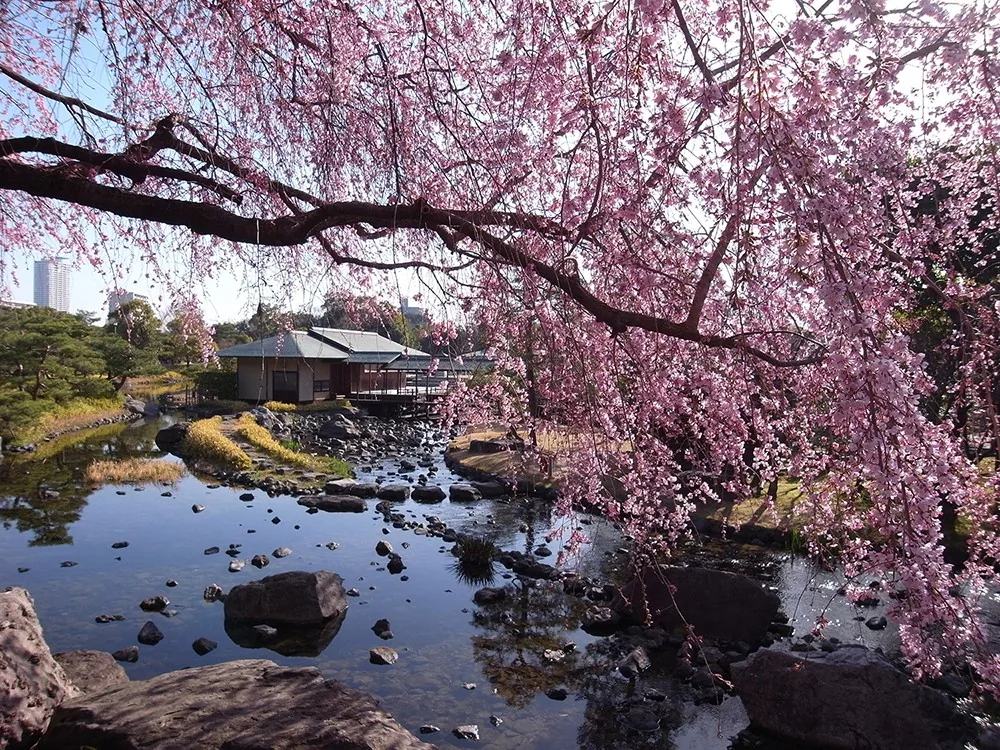
Photo: © Nagoya Convention & Visitors Bureau
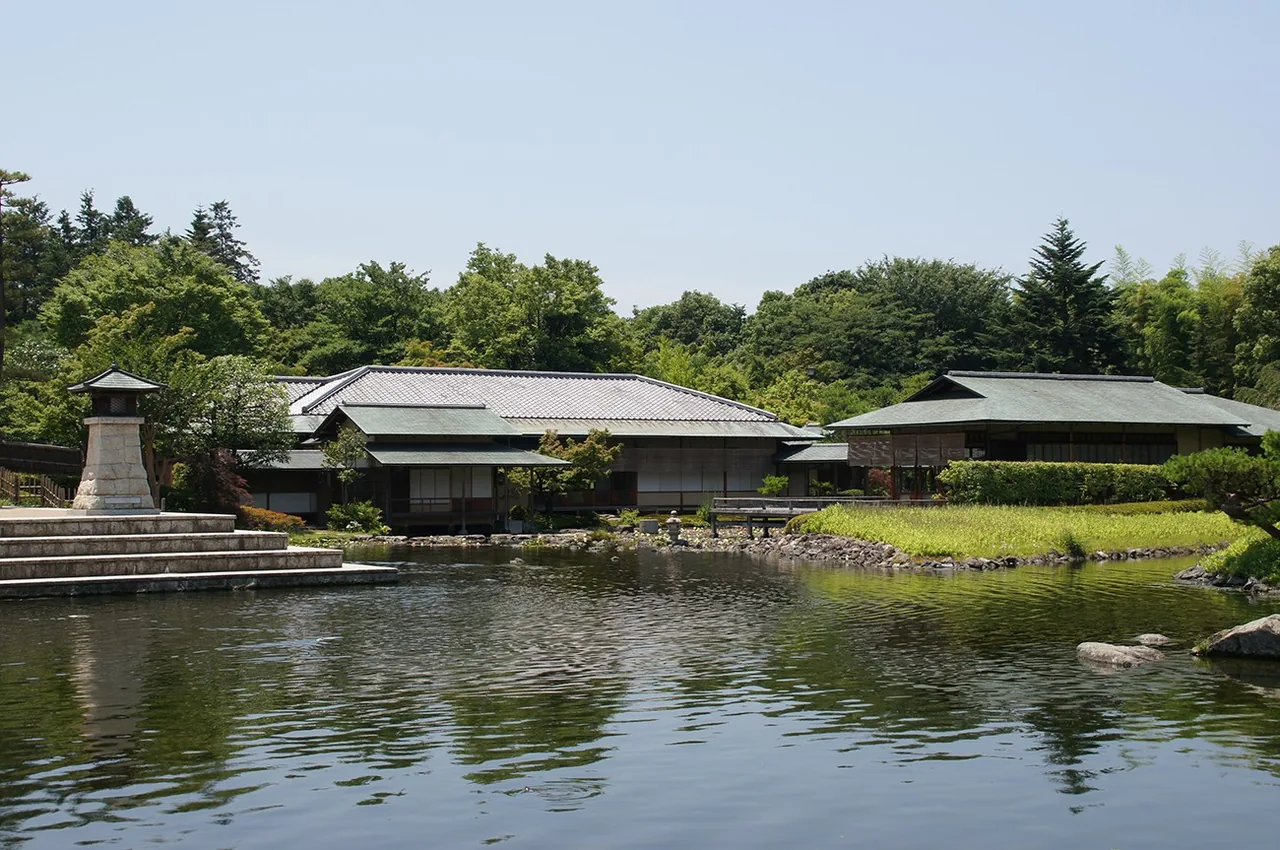
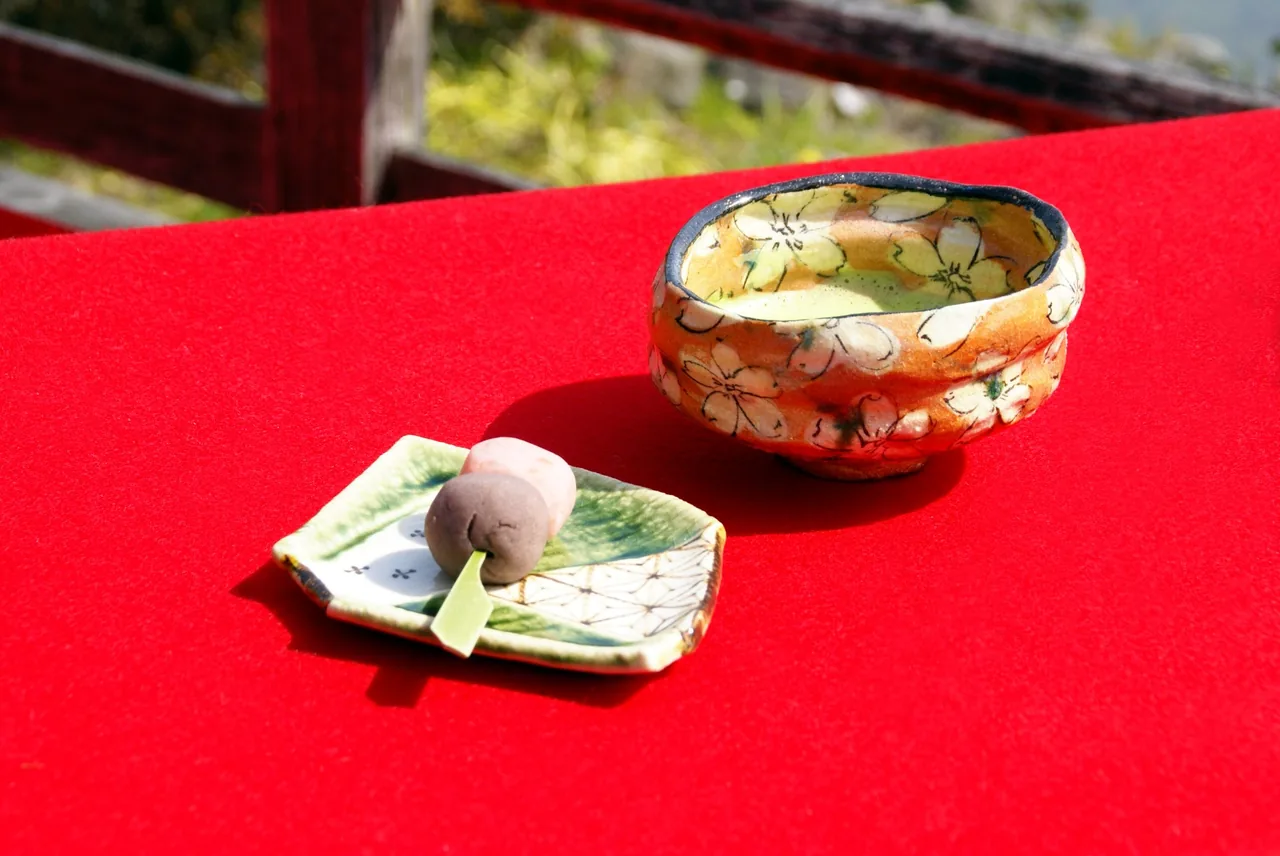
Shirotori Garden, west of Atsuta Jingu Shrine, is a Japanese garden you explore by walking around its pond. In spring a weeping cherry blooms in front of the Seiutei teahouse on the pond's edge, and a cherry blossom tea ceremony, the Kan'okai, is held on weekends and other days around late March.
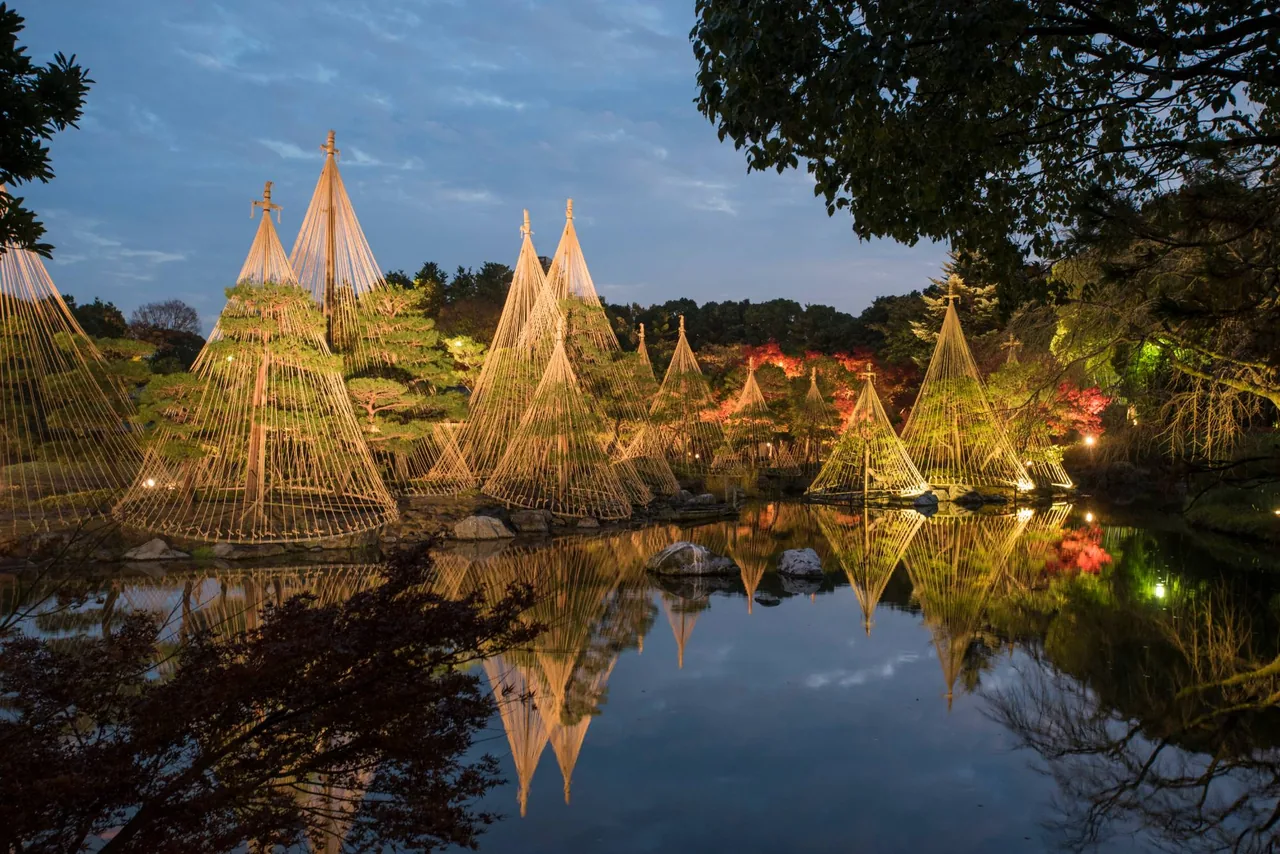
Photo: © Nagoya Convention & Visitors Bureau
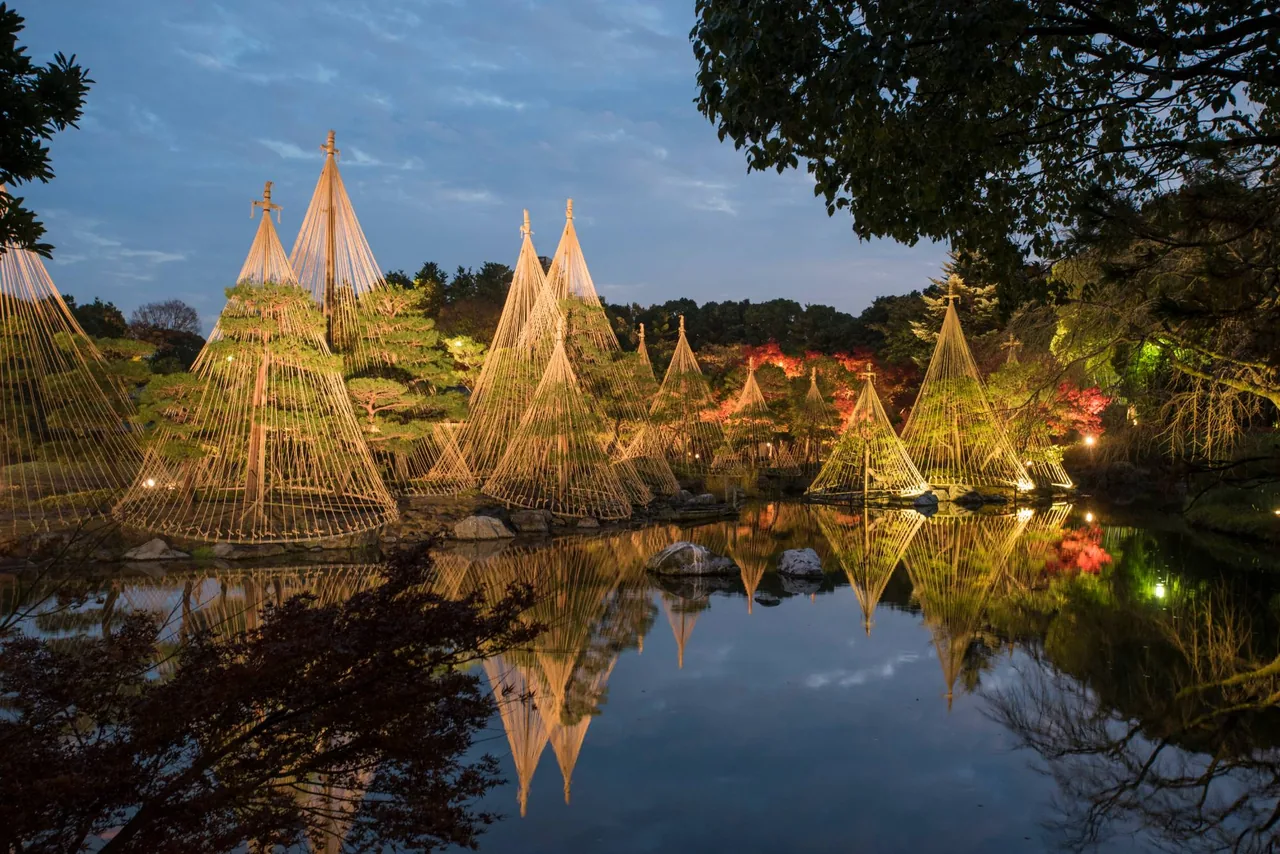
In autumn, the Kanpukai maple event is held from around mid- to late November, and on some days the garden opens in the evening and is lit up. Cone-shaped yukitsuri ropes that protect the pine branches from snow and red maples are mirrored on the dark pond. Illumination days change each year, so check the Shirotori Garden website. It is about a 10-minute walk from Exit 4 of Atsuta Jingu Nishi Station on the Meijo subway line.
Tokugawaen: autumn colors over the pond and the gorge
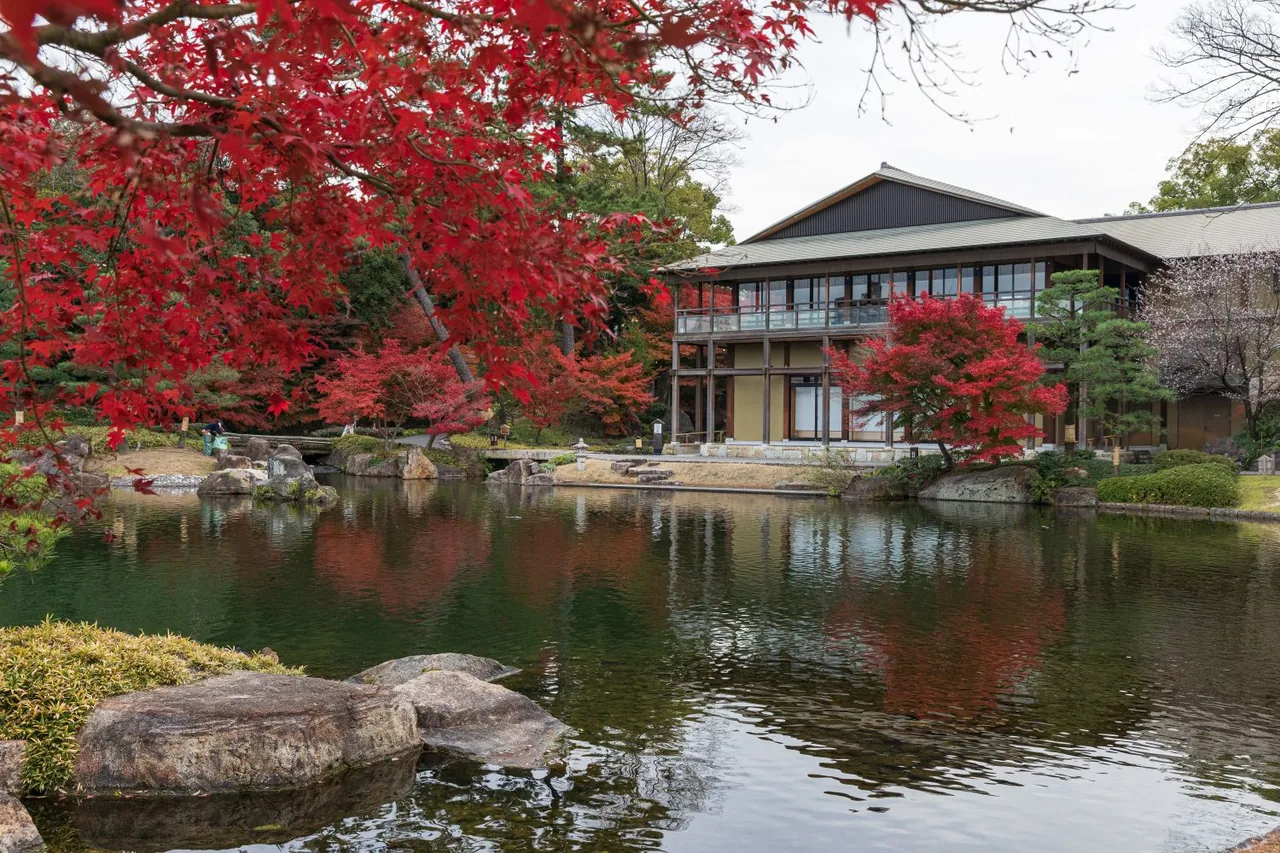
Photo: © Nagoya Convention & Visitors Bureau
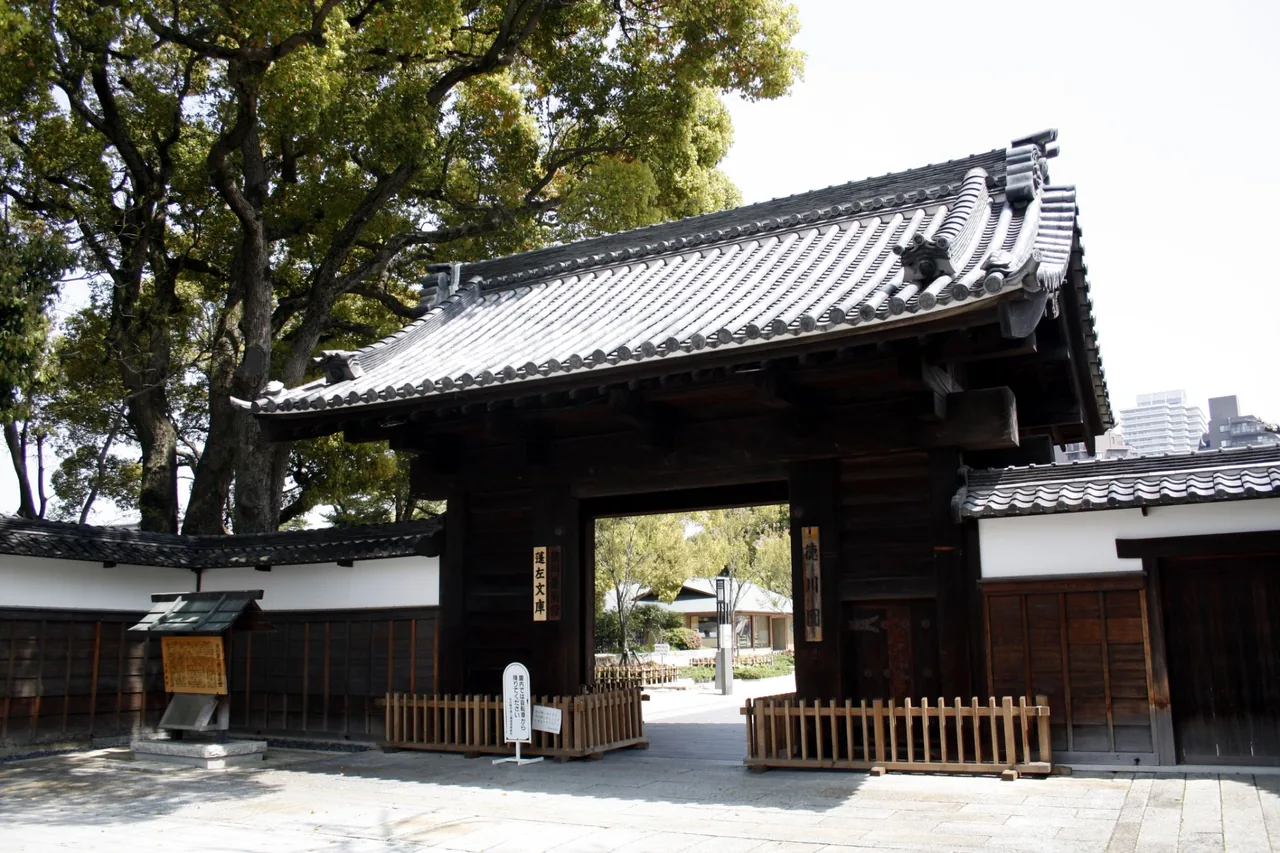
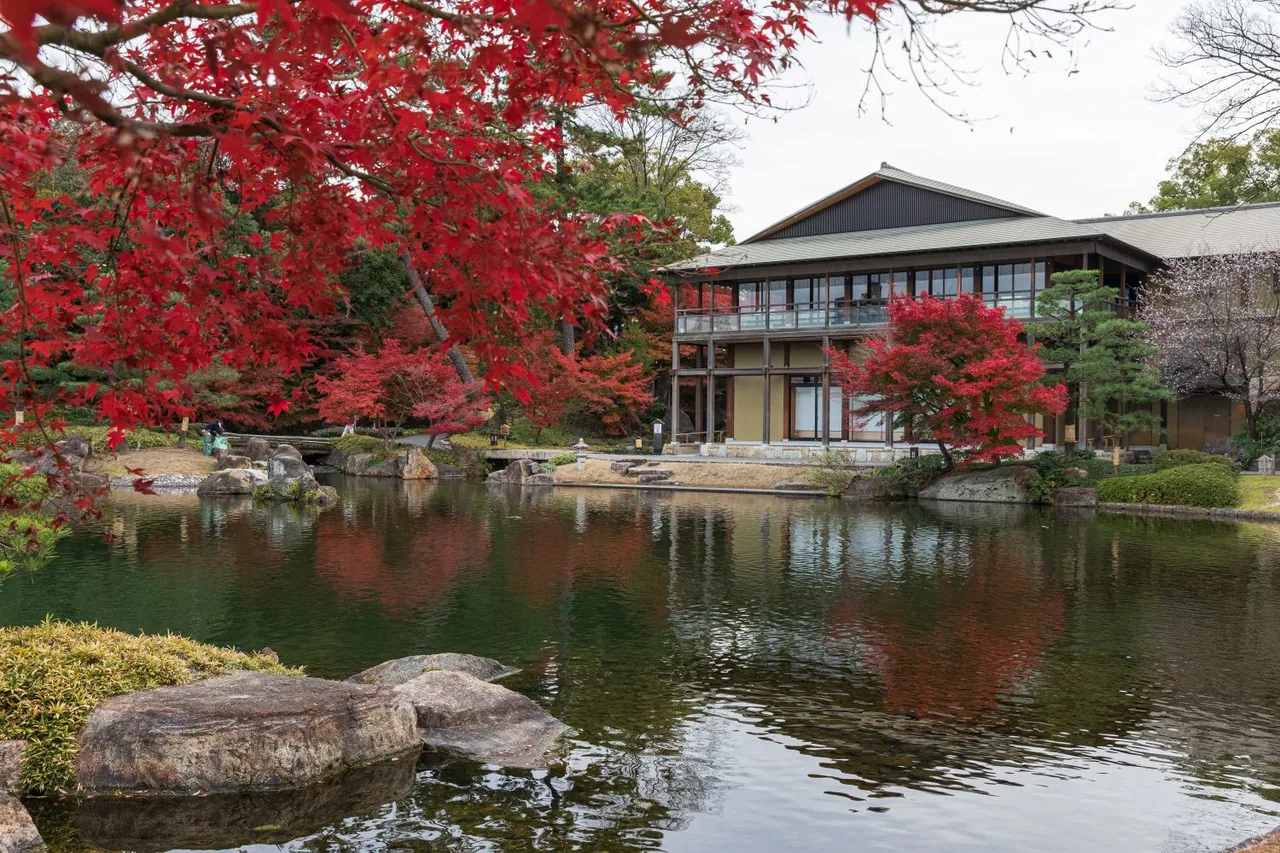
Tokugawaen Garden is a Japanese garden on the site of the Ozone residence, the retirement home of Tokugawa Mitsutomo, the second lord of the Owari domain. In autumn the maples around Kansenro hall on the shore of Ryusenko Pond turn red, and their color is reflected on the water.
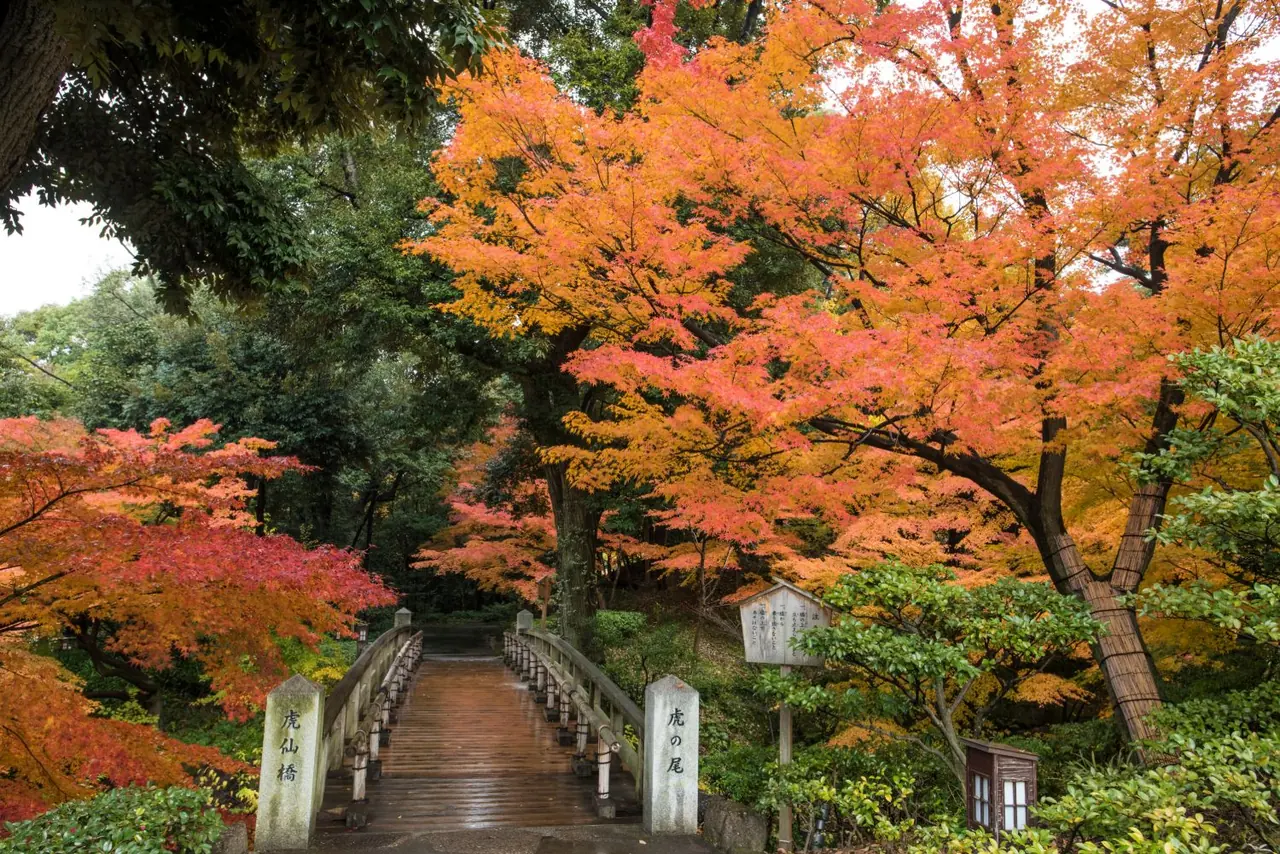
Photo: © Nagoya Convention & Visitors Bureau
Follow the gorge up from Ryusenko Pond and orange leaves arch over the wooden Kosenbashi Bridge. The Tokugawaen Autumn Leaves Festival runs from around mid-November to early December, and on some days during the festival the garden opens in the evening with the leaves lit up (in 2026 the festival runs from November 14 to December 6). Check evening opening days on the Tokugawaen website.
The garden is near the Tokugawaen Shindeki stop of the city buses and Meitetsu buses, and you can also walk from Ozone Station on the JR Chuo Main Line and the Meijo subway line. For a walk that pairs it with the Tokugawa Art Museum next door, see Tokugawa Art Museum, Tokugawaen and the Cultural Path in half a day.
How to see them in a day in spring and autumn
The nearest stations for Nagoya Castle, Shirotori Garden and Tokugawaen are all on the Meijo subway line, so you can move between them without changing trains. Here are some combinations by season.
| Season | Route |
|---|---|
| Spring (Somei-yoshino at peak) | See the moat and keep at Nagoya Castle in the morning, then Tsuruma Park at midday. After dark, head to Mizuho Kuyakusho Station and walk along the Yamazaki River under the night blossoms |
| Spring (mid-April onward) | See the double-flowered cherries on the Cherry Blossom Corridor at Higashiyama. In years with evening opening, stay from late afternoon until the corridor is lit up |
| Autumn (leaves at peak) | Tokugawaen in the morning, the Ninomaru Garden at Nagoya Castle in the afternoon, and Shirotori Garden in the evening on an illumination day |
Evening openings and illuminations are scheduled year by year and day by day, and rain can change them. It is worth checking each official website on the morning you go. For etiquette such as saving spots and handling rubbish, see Cherry blossom season in Japan and hanami etiquette; for riding the subway, see How to use Nagoya's subway and the Me-guru bus. You can find more places to visit in the list of Nagoya spots.
Places in this guide
Nagoya Castle
Nagoya Castle Spring Festival
Tsuruma Park
Higashiyama Zoo and Botanical Gardens Spring Festival (Cherry Blossom Corridor)
Shirotori Garden
Shirotori Garden Cherry Blossom Tea Gathering (Kan'okai)
Shirotori Garden Autumn Leaves Illumination (Kanpukai)
Tokugawaen Garden
Tokugawaen Autumn Leaves Festival
Hotels nearbyPR
See prices and availability for hotels in Nagoya and book on our partner Trip.com.
See hotels in Nagoya on Trip.com