
Tokugawa Art Museum, Tokugawa-en and Nagoya's Cultural Path
This guide is translated from the Japanese edition. Read the Japanese edition
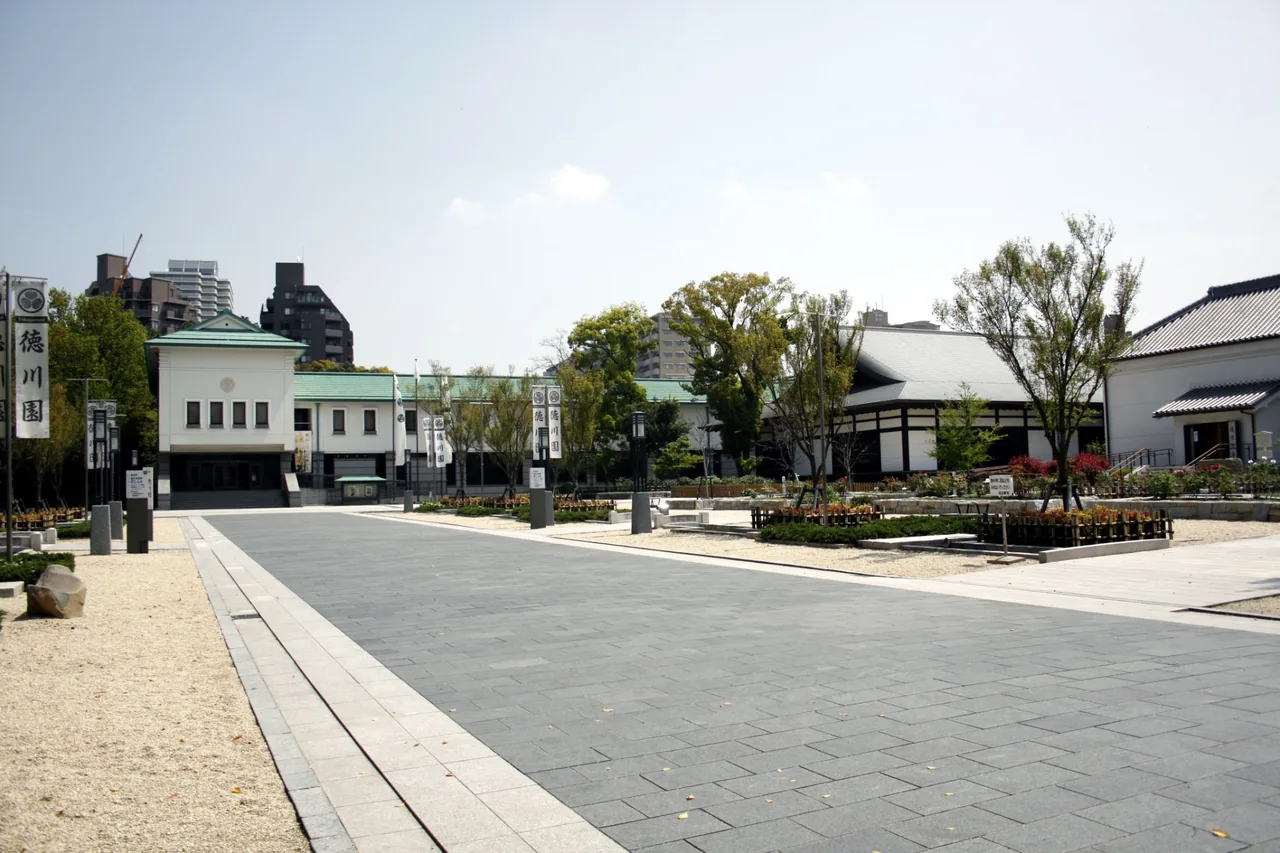
The Tokugawa Art Museum and its Owari Tokugawa treasures, Tokugawa-en Garden next door and the old houses of Nagoya's Cultural Path: highlights, access, a half-day route.
East of Nagoya Castle, in a residential district a little way from any subway station, a museum holding the treasures of the Owari Tokugawa family stands beside a Japanese garden laid out on the site of a feudal lord's retirement estate. Between them and the castle runs a district where samurai houses lined the streets in the Edo period and, from the Meiji era on, businesspeople built Western-style villas. The City of Nagoya calls this route the "Cultural Path" (Bunka no Michi). If you have half a day left after the castle, this is where you can see the world of the daimyo and modern Nagoya in one continuous walk.
Tokugawa Art Museum: the heirlooms of a daimyo family
The Tokugawa Art Museum was opened in 1935 by Tokugawa Yoshichika, the 19th head of the Owari Tokugawa family. At the core of the collection are belongings of Tokugawa Ieyasu inherited by Tokugawa Yoshinao, the first lord of the Owari domain, joined by armor and swords, tea utensils, Noh costumes, wedding furnishings and more handed down through the family. The collection numbers more than 10,000 items.
The best known are the National Treasure Tale of Genji Scrolls and the Hatsune wedding furnishings. The Genji scrolls are fragile, so they are not always on view. They are shown in a special display from mid- to late November each year. If there is a piece you want to see, check the exhibition schedule on the Tokugawa Art Museum's official website before you go.
Opening hours, closing days and admission can change with each exhibition, so it helps to read the visitor information page first. Next to the museum is the Nagoya City Hosa Library, and the two sometimes hold exhibitions together. The museum's history is set out on its About Us page.
Tokugawa-en: from a lord's retirement estate to a Japanese garden
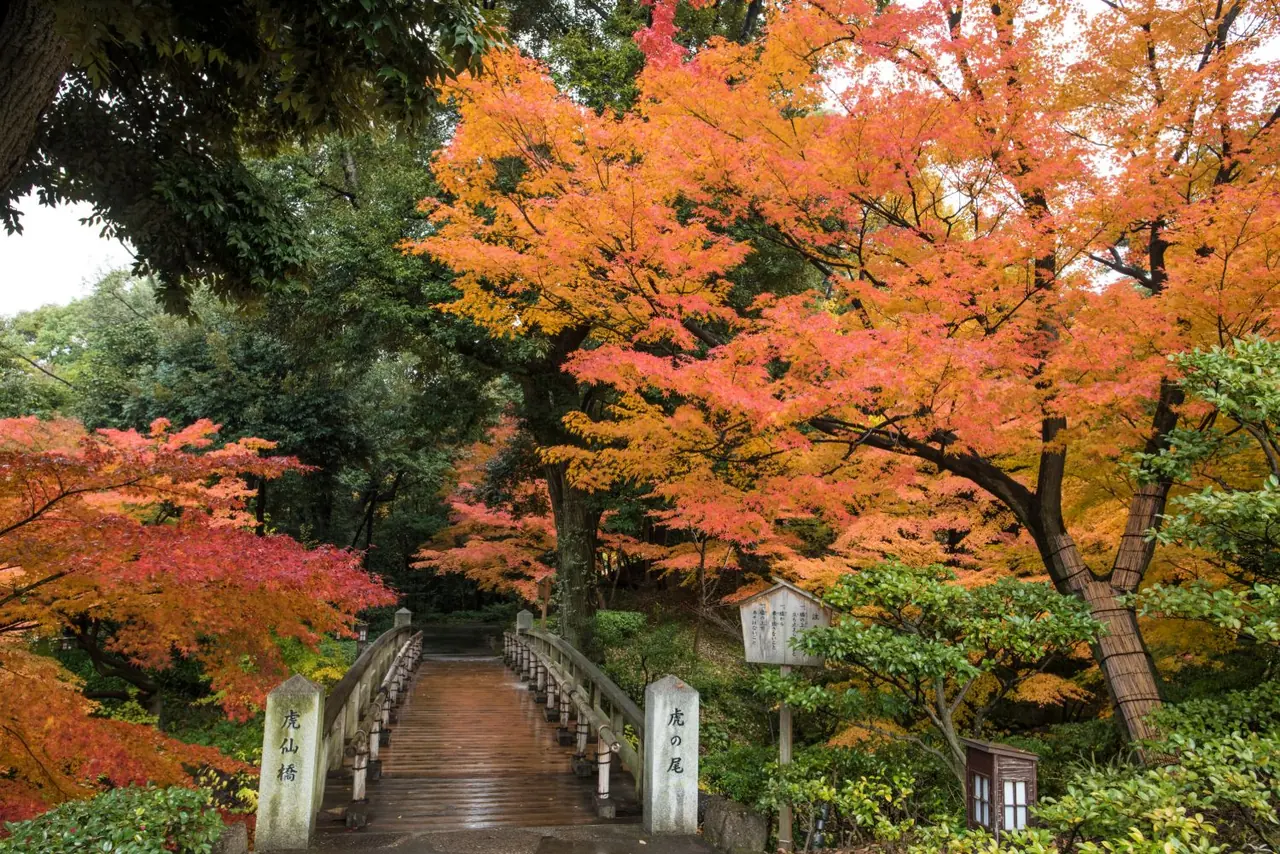
Photo: © Nagoya Convention & Visitors Bureau
Right beside the museum is Tokugawa-en Garden. It began in 1695 as the Ozone residence, built by Tokugawa Mitsutomo, the second lord of Owari, as his retirement home. In the Meiji era it became a residence of the Owari Tokugawa family, and in 1931 Tokugawa Yoshichika donated it to the City of Nagoya, which opened it to the public as "Tokugawa-en" the following year. Air raids near the end of the war destroyed most of the buildings. After serving as a public park in the postwar years, it reopened in 2004 as a pond-and-stroll garden, the kind you walk around a central pond.
- Ryusen-ko Lake: the pond at the heart of the garden, meant to represent the sea.
- Ozone Falls: a waterfall that drops in three tiers.
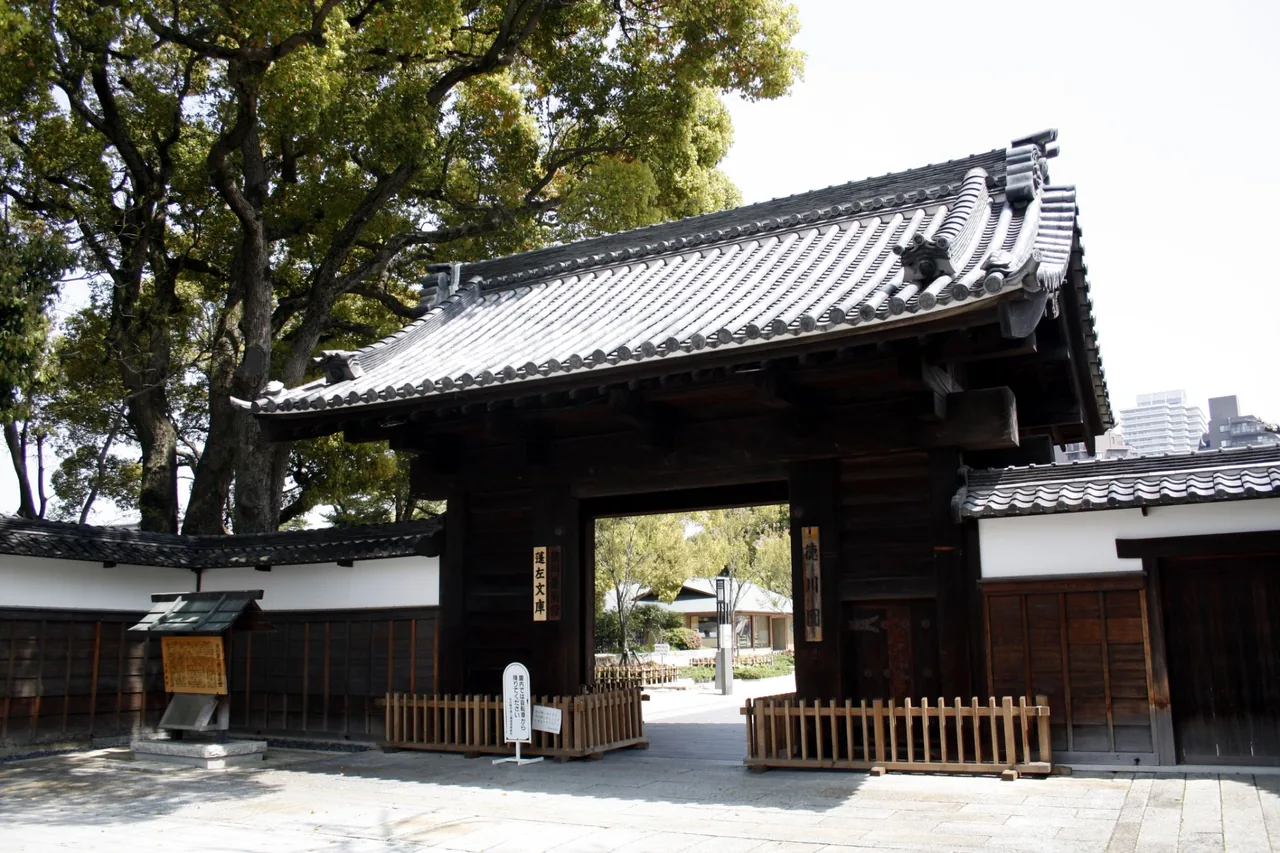
- Kuromon (Black Gate): the gate of the Owari Tokugawa residence, built in 1900, which survived the air raids.
Peonies in spring, irises in early summer and maple leaves in autumn change the garden's look through the year. Check flowering times, opening hours and admission on the Tokugawa-en official website.
The Cultural Path: Taisho and Showa houses in the old samurai quarter
The City of Nagoya has named the area from Nagoya Castle to Tokugawa-en the "Cultural Path." At its center are the streets of Shirakabe, Chikara and Shumoku, east of the castle. Middle-ranking samurai had their residences here in the Edo period, and from the Meiji era on, businesspeople built homes and Western-style villas. Gates and walls still carry traces of the samurai houses, and in 1985 the city designated the area a townscape preservation district.
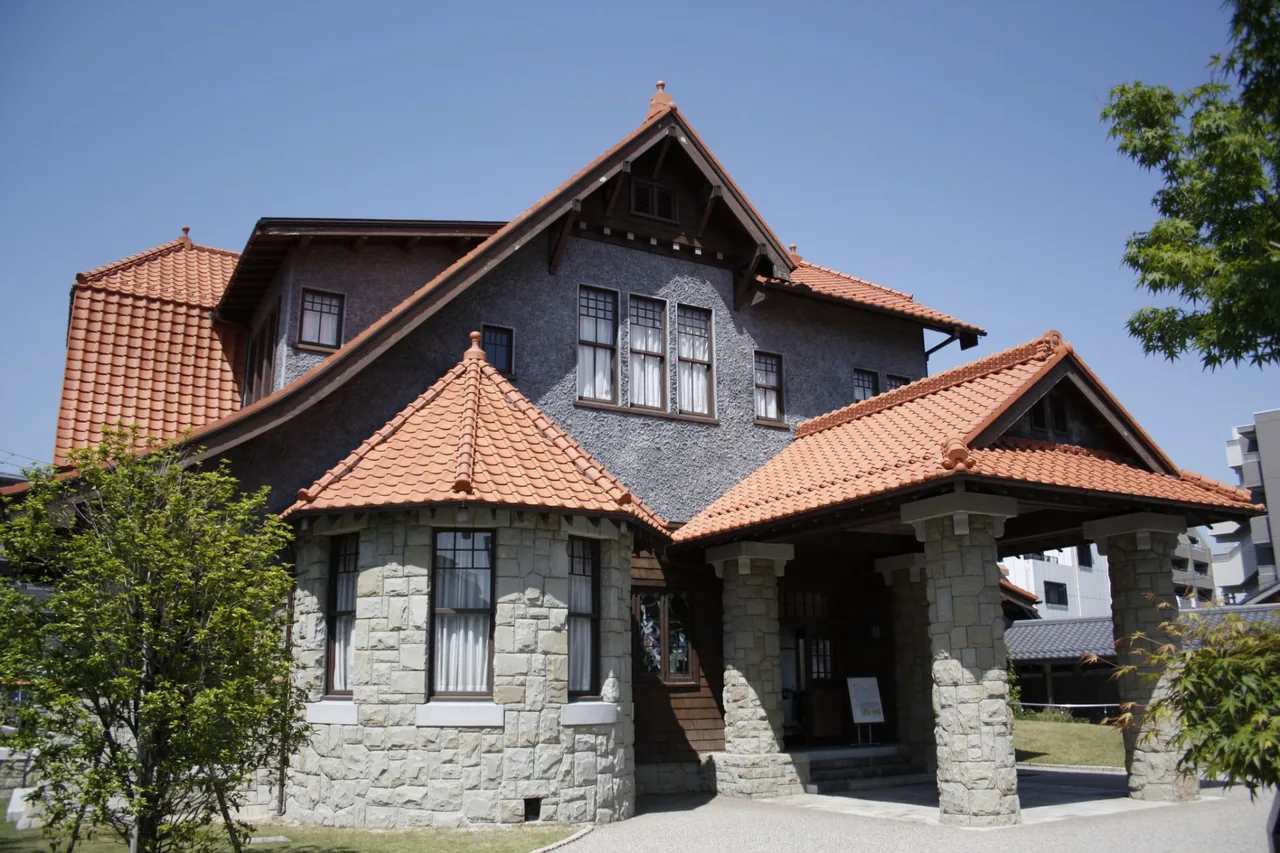
Cultural Path Futabakan: the "Futaba Palace" of Sadayakko and Momosuke
Cultural Path Futabakan is the house where actress Kawakami Sadayakko and businessman Fukuzawa Momosuke lived in the Taisho era. It originally stood in Higashi-Futaba-cho, where it was known as the "Futaba Goten" (Futaba Palace) and drew figures from politics, business and the arts. The building blends Japanese and Western styles. It was donated to the City of Nagoya in 2000, moved to a site next to the preservation district and restored, and opened in 2005.
Highlights include stained glass based on original designs by the graphic artist Sugiura Hisui, Fukuzawa Momosuke's brother-in-law, and exhibits tracing Sadayakko's life. One room also introduces literary materials linked to Nagoya (Cultural Path Futabakan).
Cultural Path Shumokukan and the former Toyoda Sasuke residence
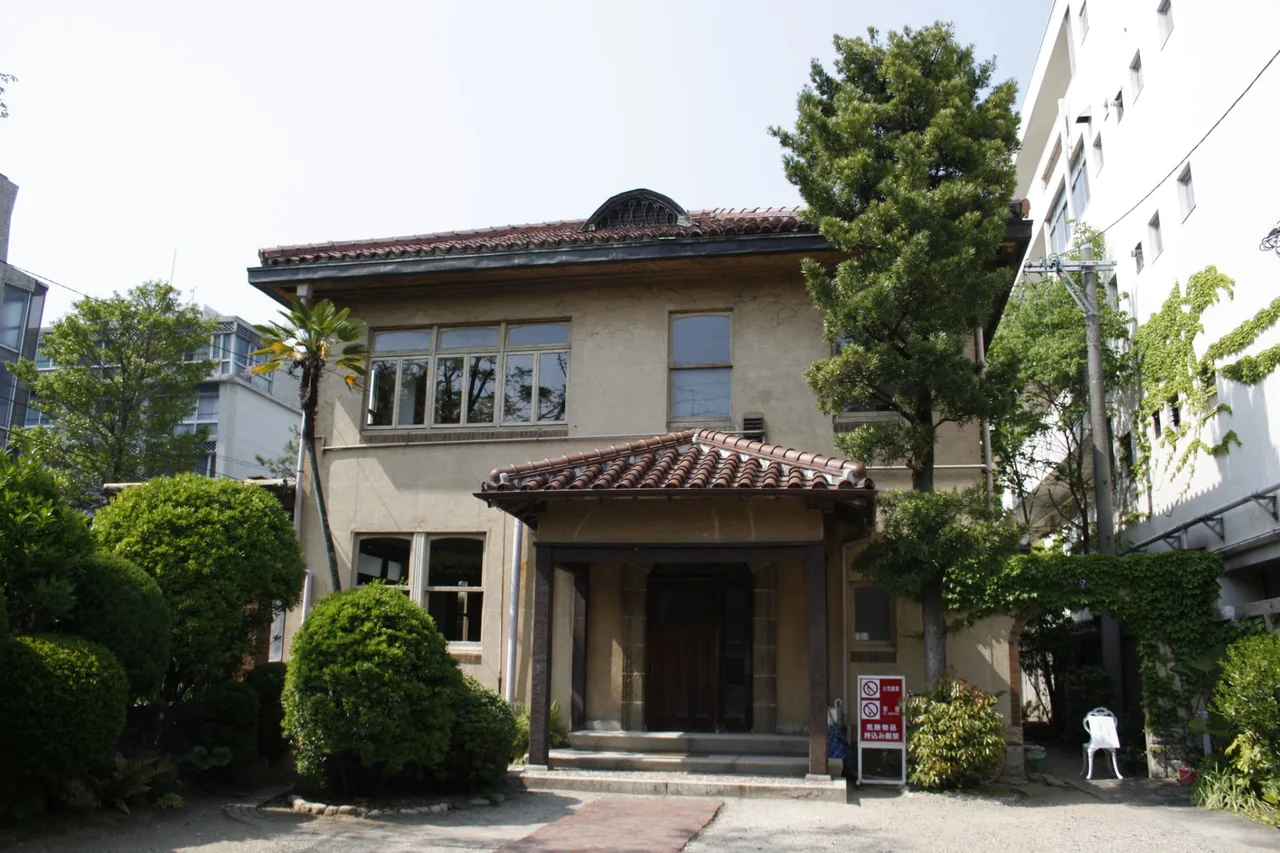
Photo: © Nagoya Convention & Visitors Bureau
Other houses open to visitors are within walking distance of Futabakan.
- Cultural Path Shumokukan: the house built from the end of the Taisho era into the early Showa era by Imoto Tamesaburo, who made his name exporting ceramics. A Western-style wing, a Japanese wing, a tea room and two storehouses, east and west, stand around the garden.
- Former Toyoda Sasuke residence: the home of Toyoda Sasuke, a businessman who supported his elder brother, the inventor Toyoda Sakichi. It consists of a Japanese-style house built in 1923 and a Western-style house built before it.
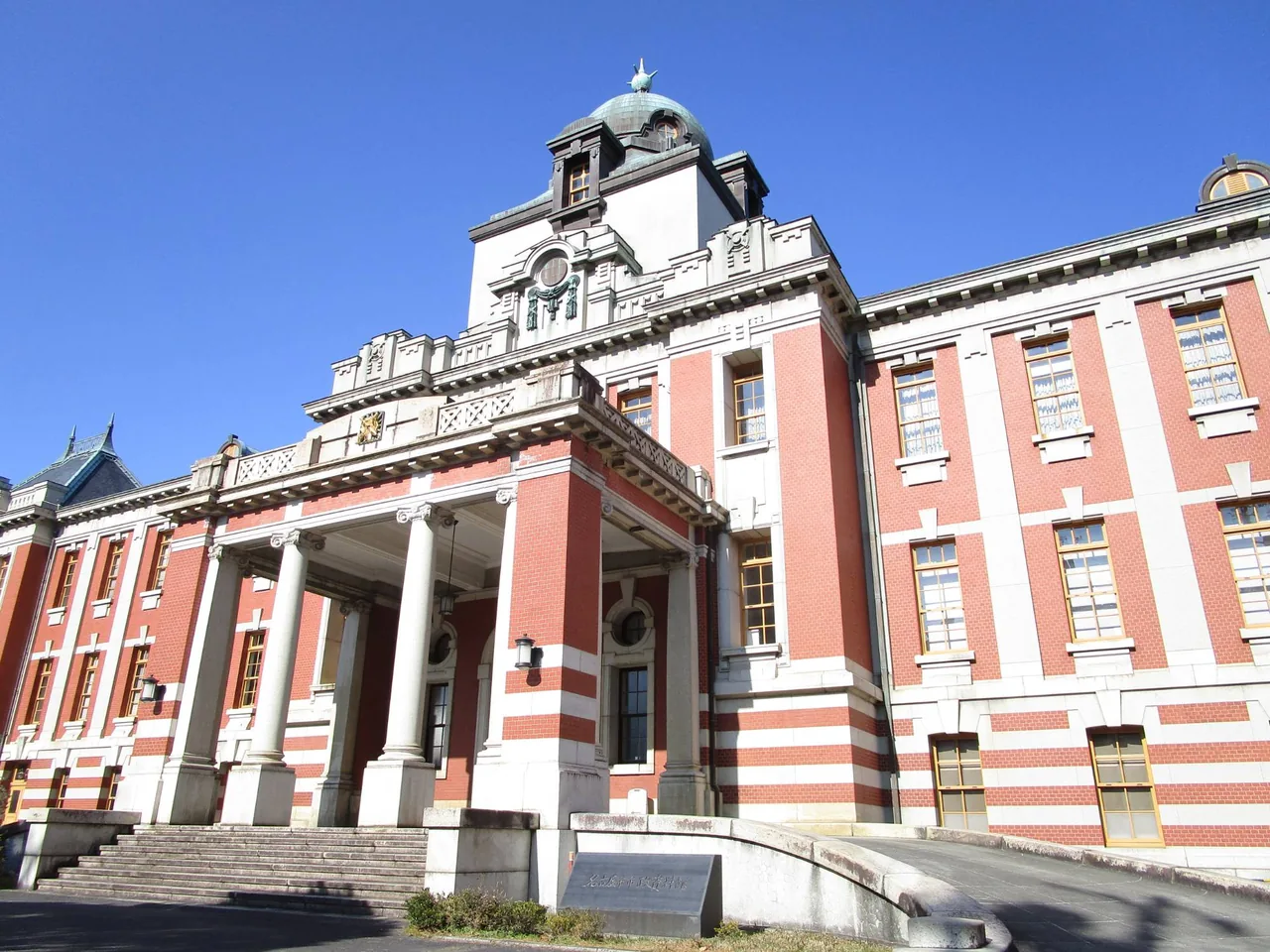
The Catholic Chikaramachi Church also stands on these streets, and if you head west toward the castle you reach the red-brick Nagoya City Archives.
Getting there: buses, the subway and the Me-guru
You can walk between the Tokugawa Art Museum, Tokugawa-en and the Cultural Path, but both ends are some way from a subway station.
| Destination | Main ways to get there |
|---|---|
| Tokugawa Art Museum and Tokugawa-en | About 3 minutes on foot from the Tokugawaen Shindeki bus stop. About 10 minutes on foot from the south exit of Ozone Station on the JR Chuo Line |
| Cultural Path Futabakan | About 10 minutes on foot from Exit 2 of Takaoka Station on the Sakura-dori subway line. About 5 minutes south on foot from the Shirakabe stop on the Key Route Bus |
| Both | Get off the Me-guru sightseeing bus at "Tokugawaen, Tokugawa Art Museum and Hosa Library" or at "Cultural Path Futabakan" |
From Nagoya Station to Tokugawaen Shindeki takes about 30 minutes by bus from the bus terminal at Nagoya Station. Stops and routes are listed in the Tokugawa Art Museum's visitor information and on Futabakan's access page. For the Me-guru's operating days and one-day ticket, see Nagoya's subway and the Me-guru bus.
A half-day route
- Morning: take the Me-guru or a bus to Tokugawa-en. Walk around the pond, and look at the Kuromon gate that escaped the air raids
- Late morning to afternoon: see the exhibits at the Tokugawa Art Museum next door. The galleries run on one after another, so leave yourself plenty of time
- Afternoon: walk west to the Cultural Path and see Futabakan, Shumokukan and the former Toyoda Sasuke residence, inside or from the street
- Evening: pass the City Archives on your way toward Nagoya Castle, then return to Nagoya Station or Sakae by Me-guru or subway
Closing days and open days differ from house to house along the Cultural Path. If you want to see them all in one day, check each official website for the days they are open so you don't end up turning back at a closed gate.
For Ieyasu, who built Nagoya Castle, and the making of the castle town, see Following the three great warlords in Nagoya. The same area in reverse, starting at Futabakan and ending at Tokugawa-en and the museum, is laid out in the Cultural Path and Tokugawa-en half-day course, and the whole area is on the Tokugawaen and Cultural Path area page.
Places in this guide
Hotels nearbyPR
See prices and availability for hotels in Nagoya and book on our partner Trip.com.
See hotels in Nagoya on Trip.com