Nagoya Half-Day: Cultural Path, Tokugawaen, Tokugawa Art Museum
- Cultural Path Futaba Museum
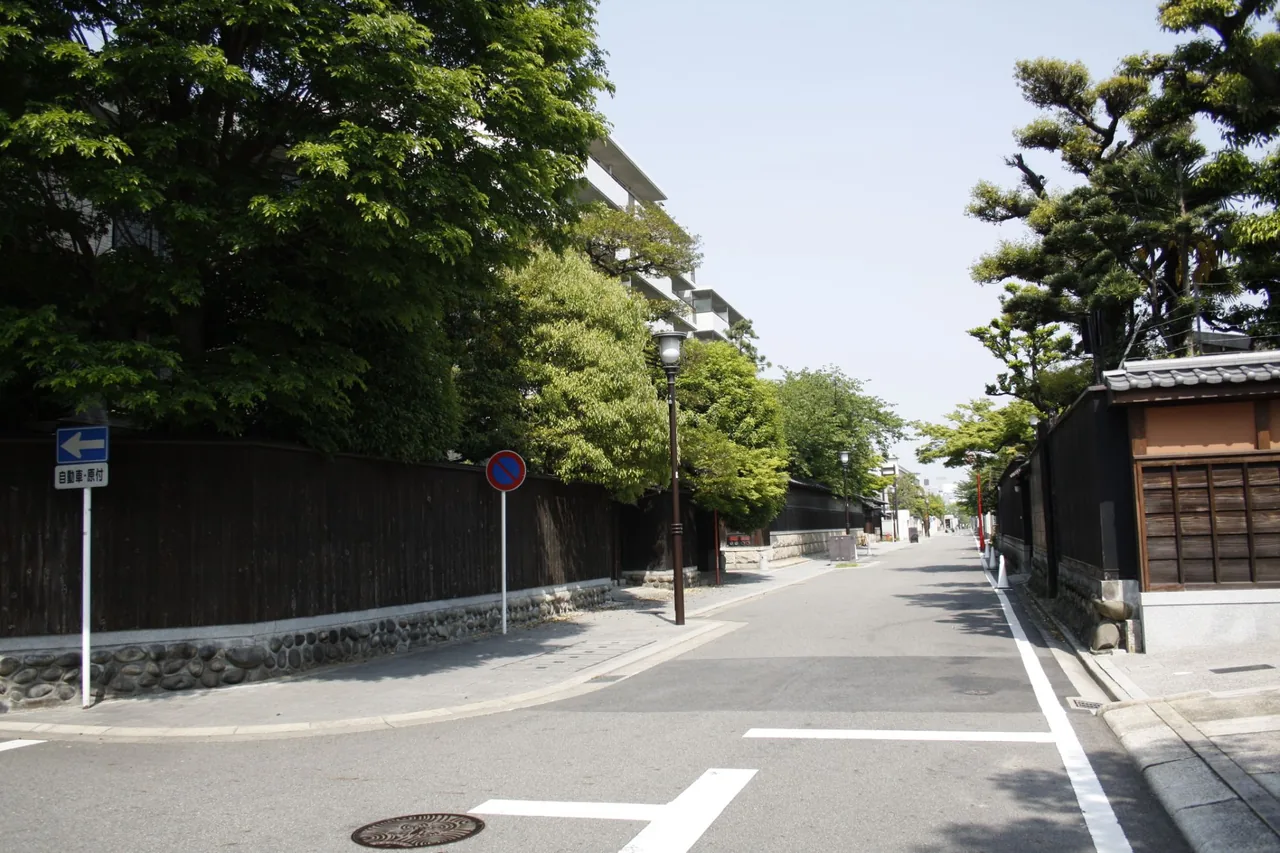
- Shirakabe, Chikaramachi and Shumokucho Streets
- Tokugawaen Garden
- Tokugawa Art Museum

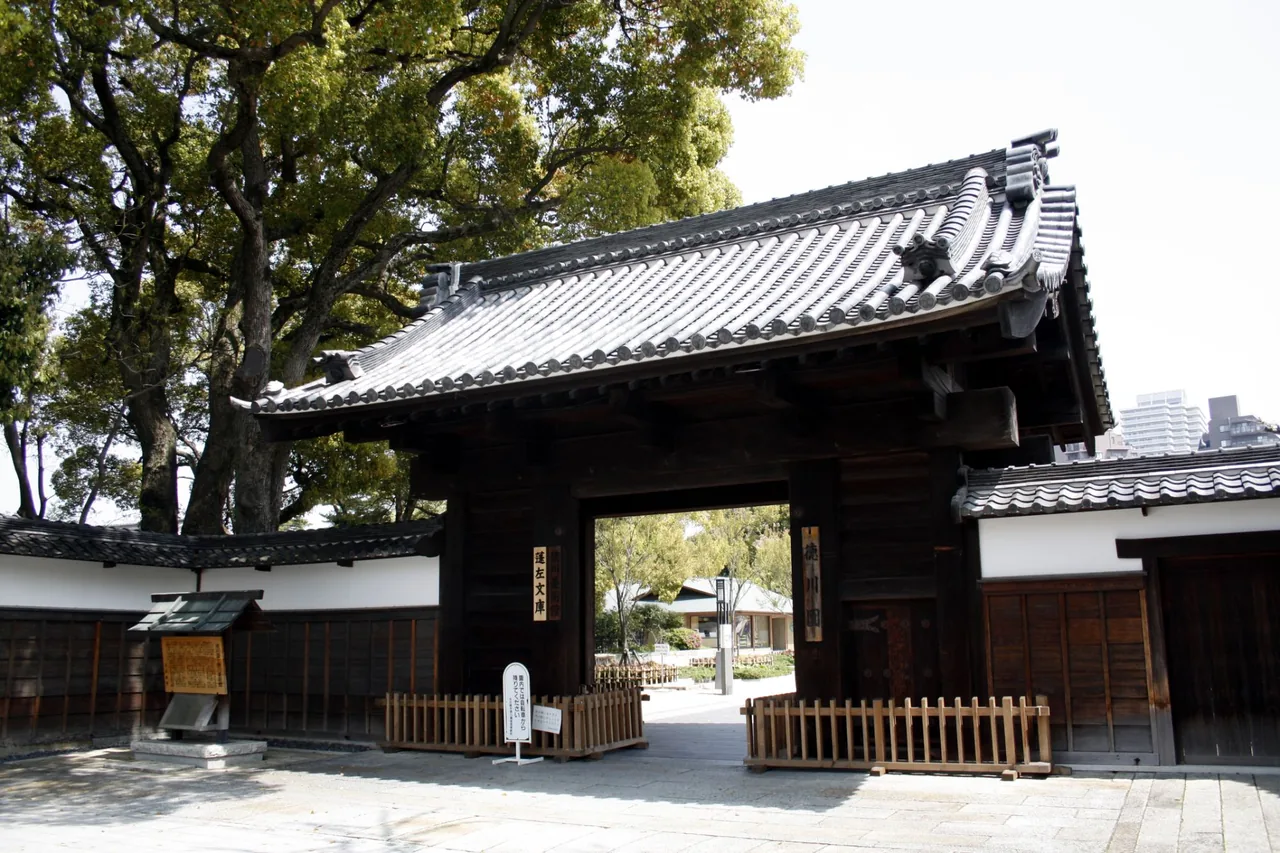
Photo: ©(公財)名古屋観光コンベンションビューロー
Areas of Nagoya
Things to do at Tokugawaen, east of Nagoya Castle: the Tokugawa Art Museum, Tokugawaen Garden and the Futaba Museum, and getting there by Me-guru or city bus.
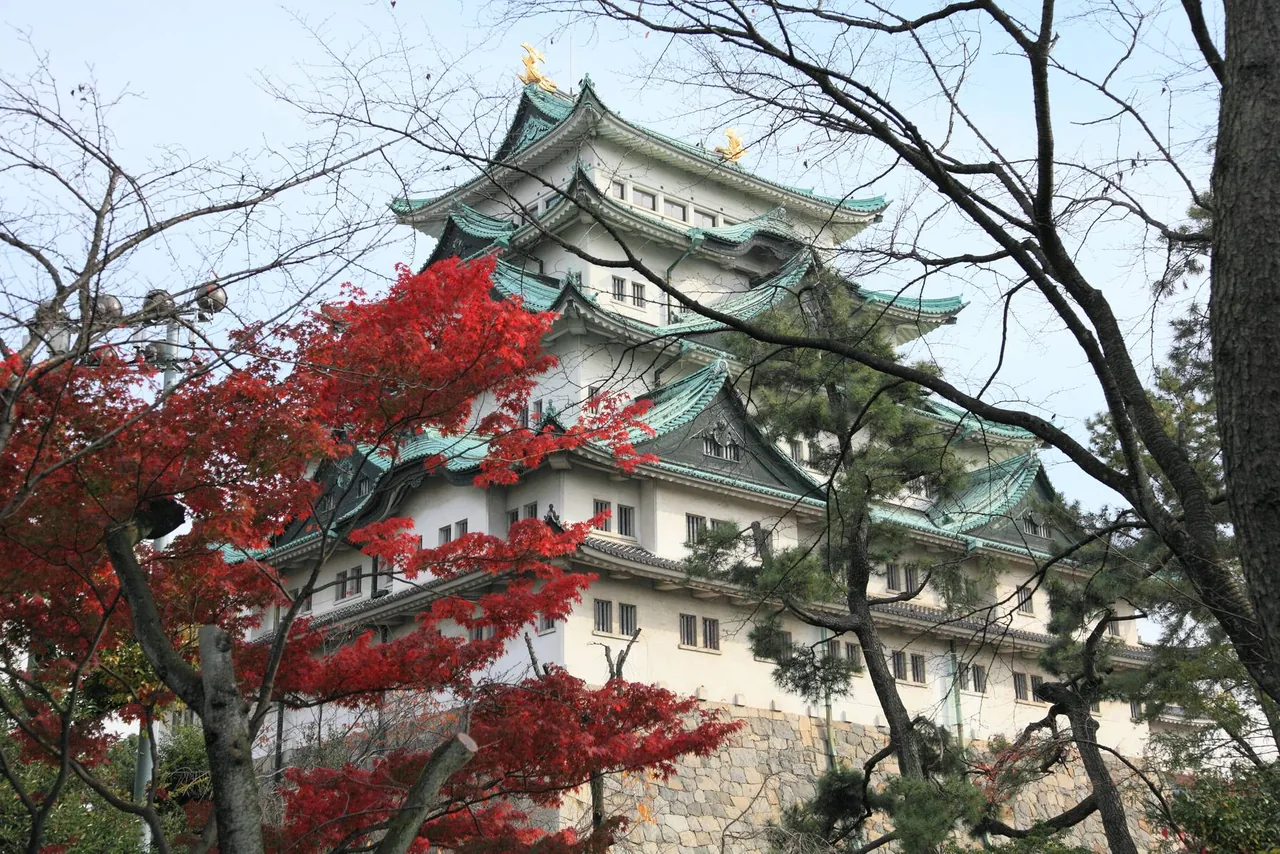 Sep 19 – Nov 23Nagoya Castle Autumn Festival (Chrysanthemum Exhibition)
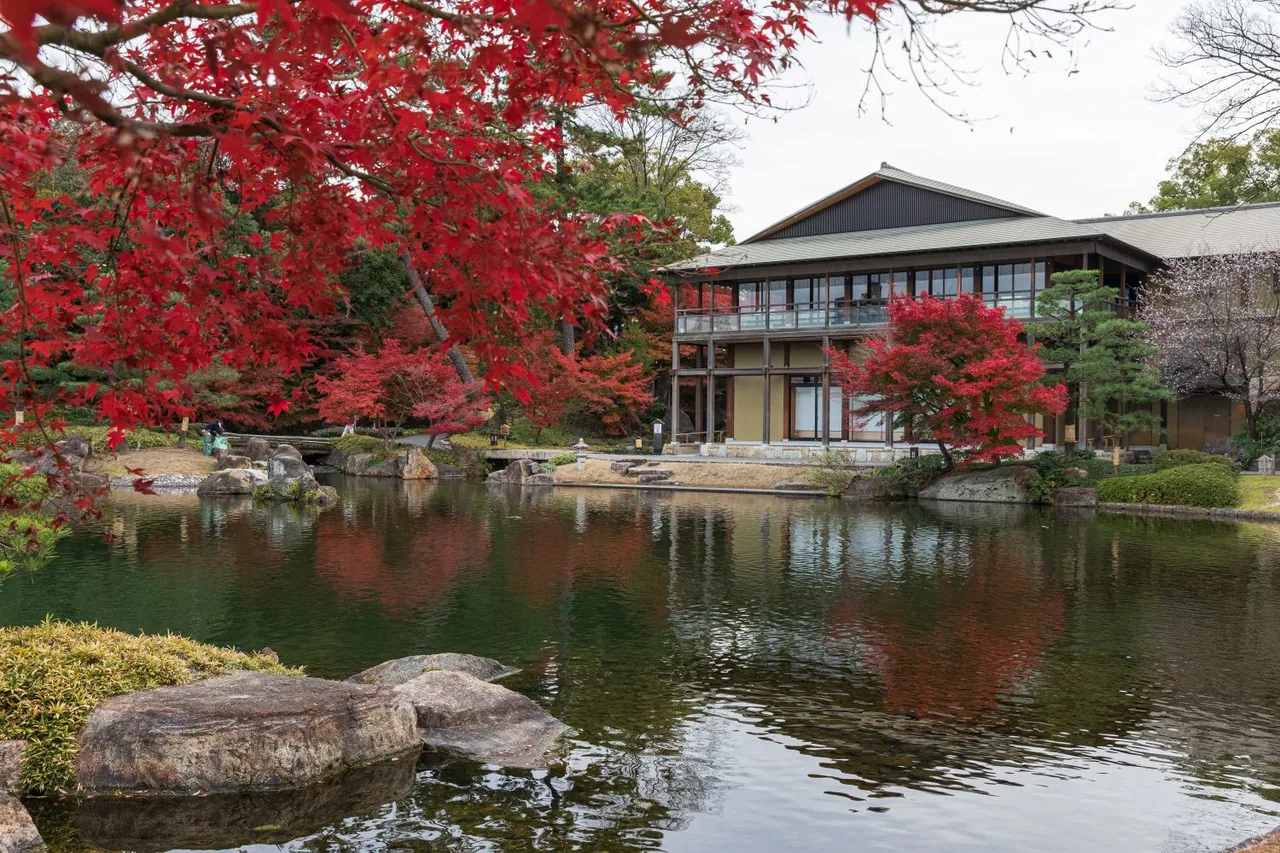 Nov 14 – Dec 6Tokugawaen Autumn Leaves Festival
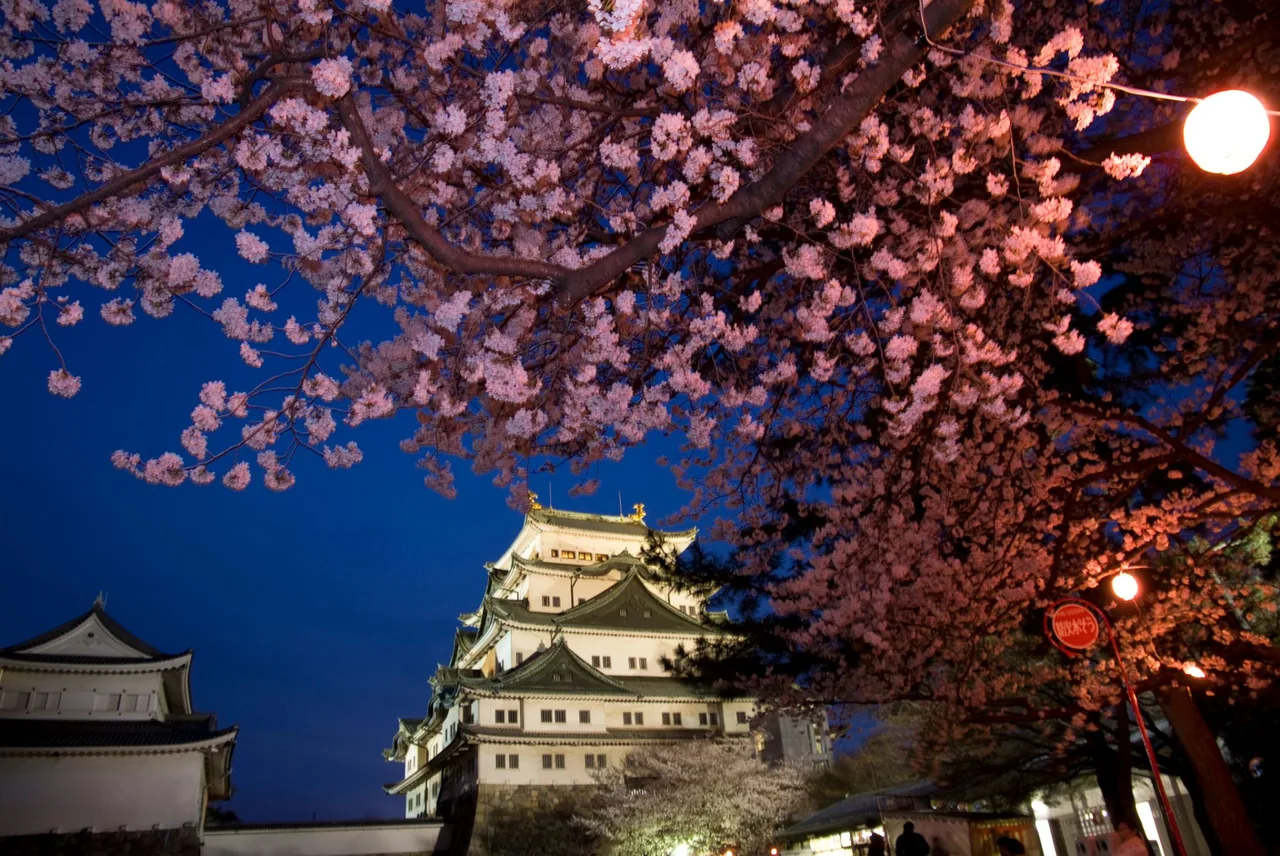 GuidesNagoya Cherry Blossoms and Autumn Leaves: Best Spots and Timing
This page is translated from the Japanese edition. Read the Japanese edition
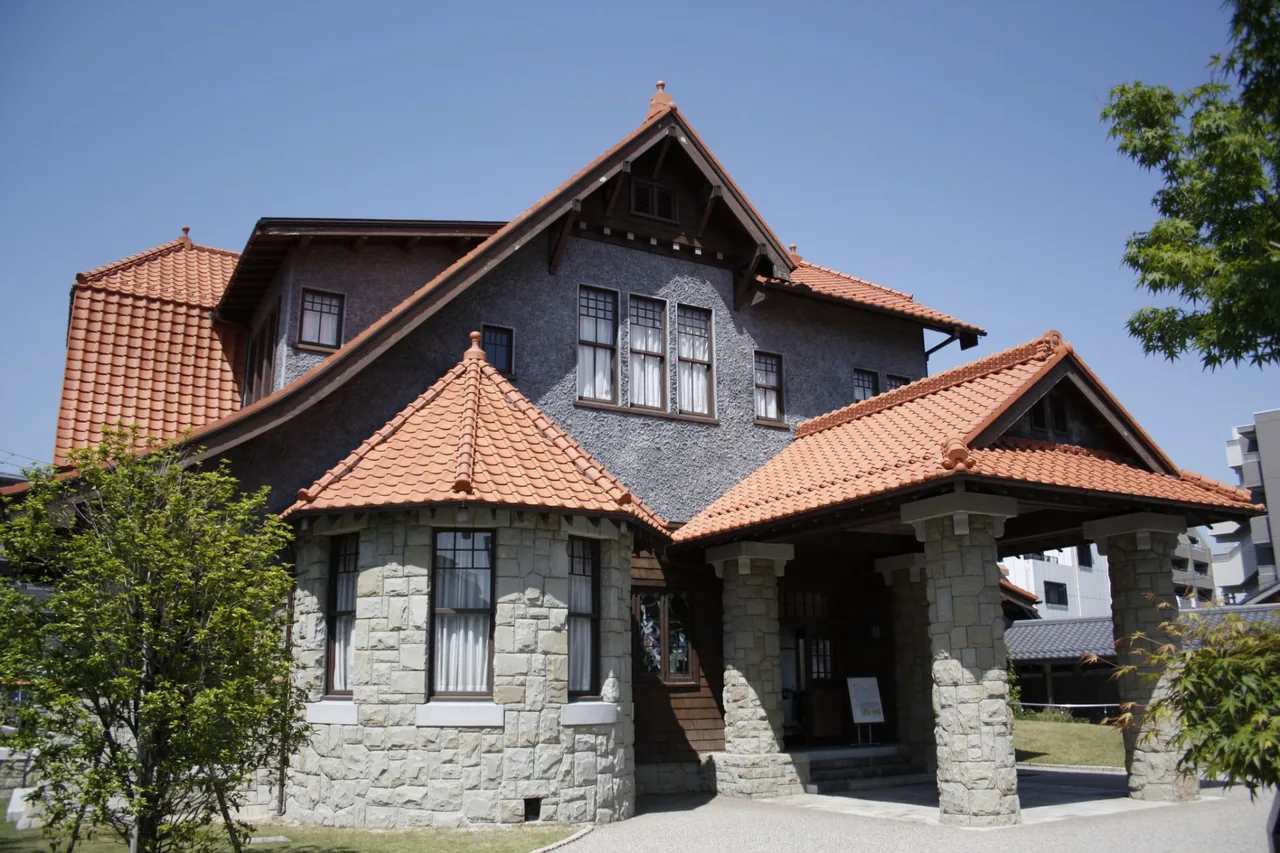
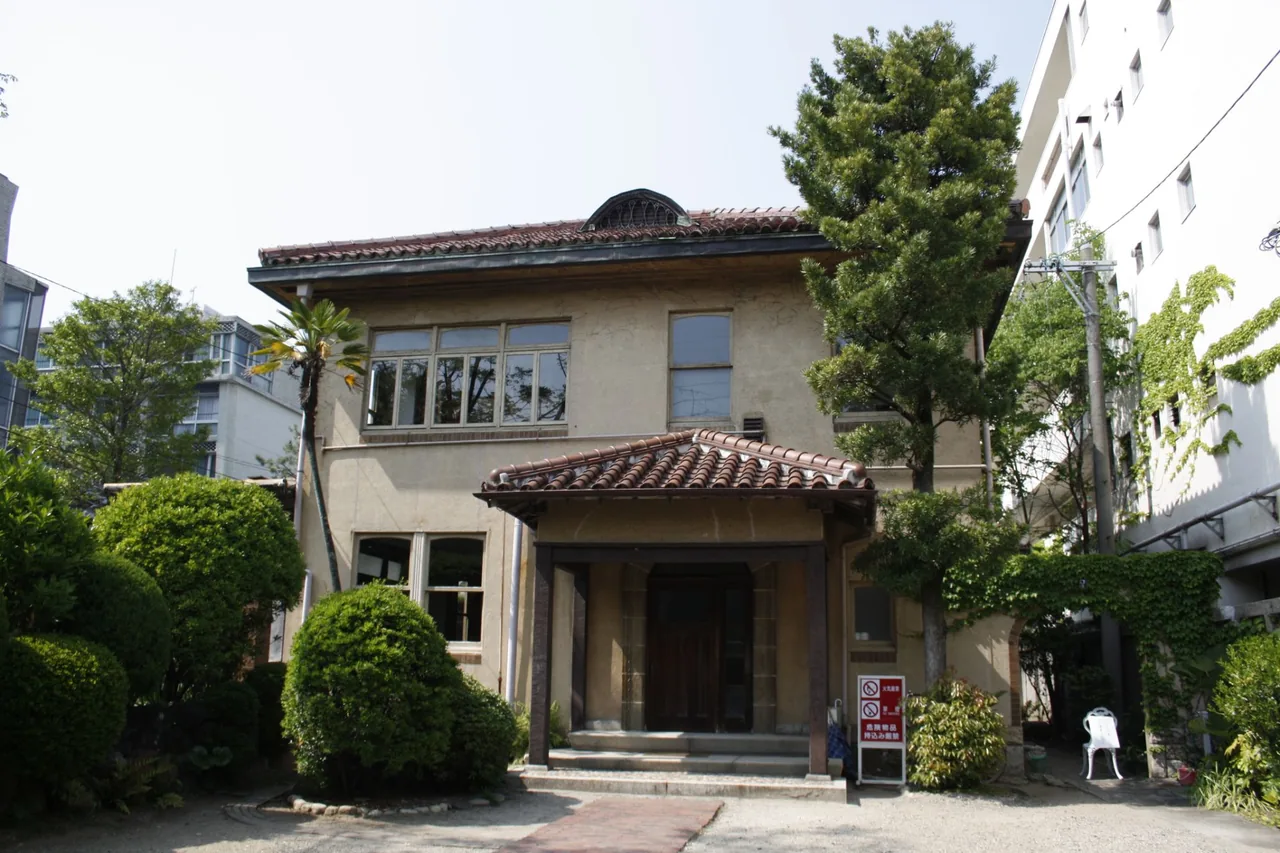
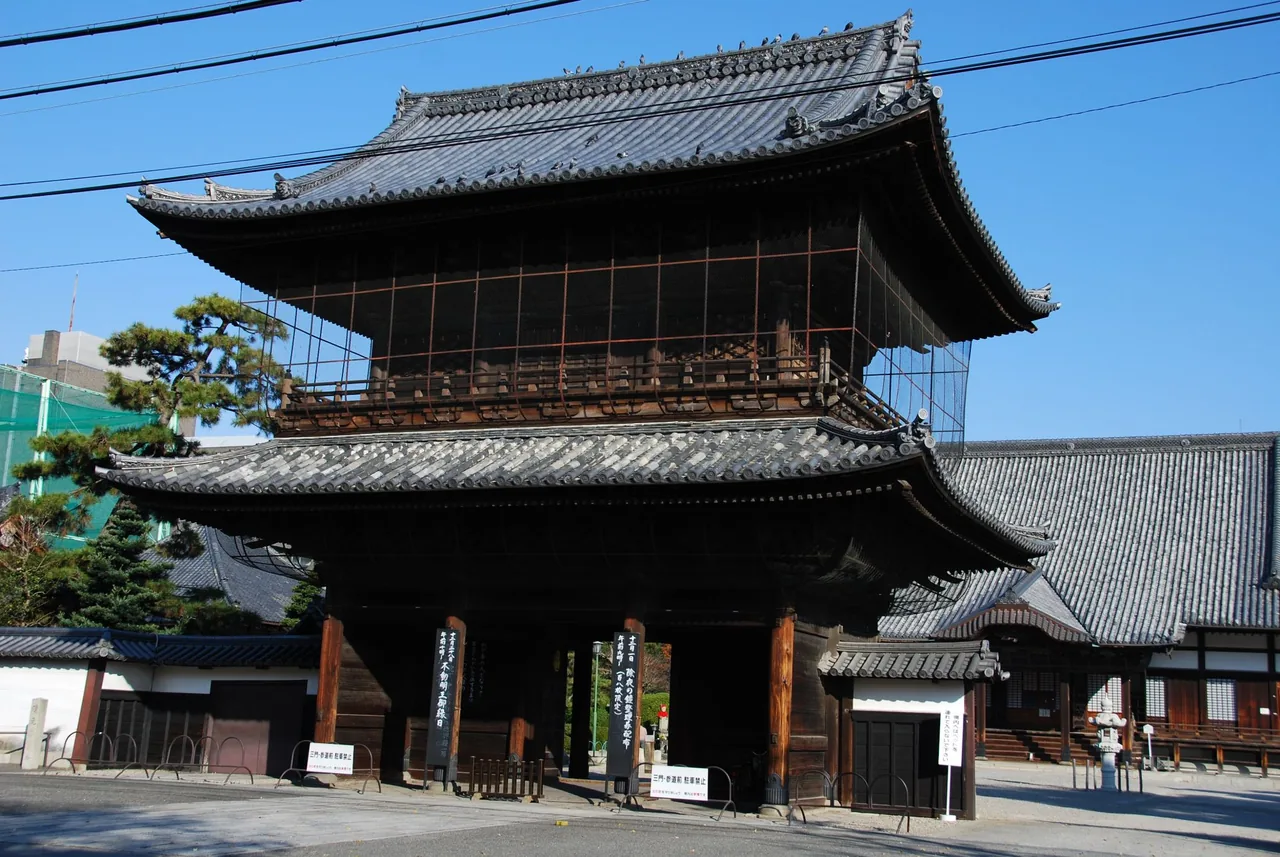
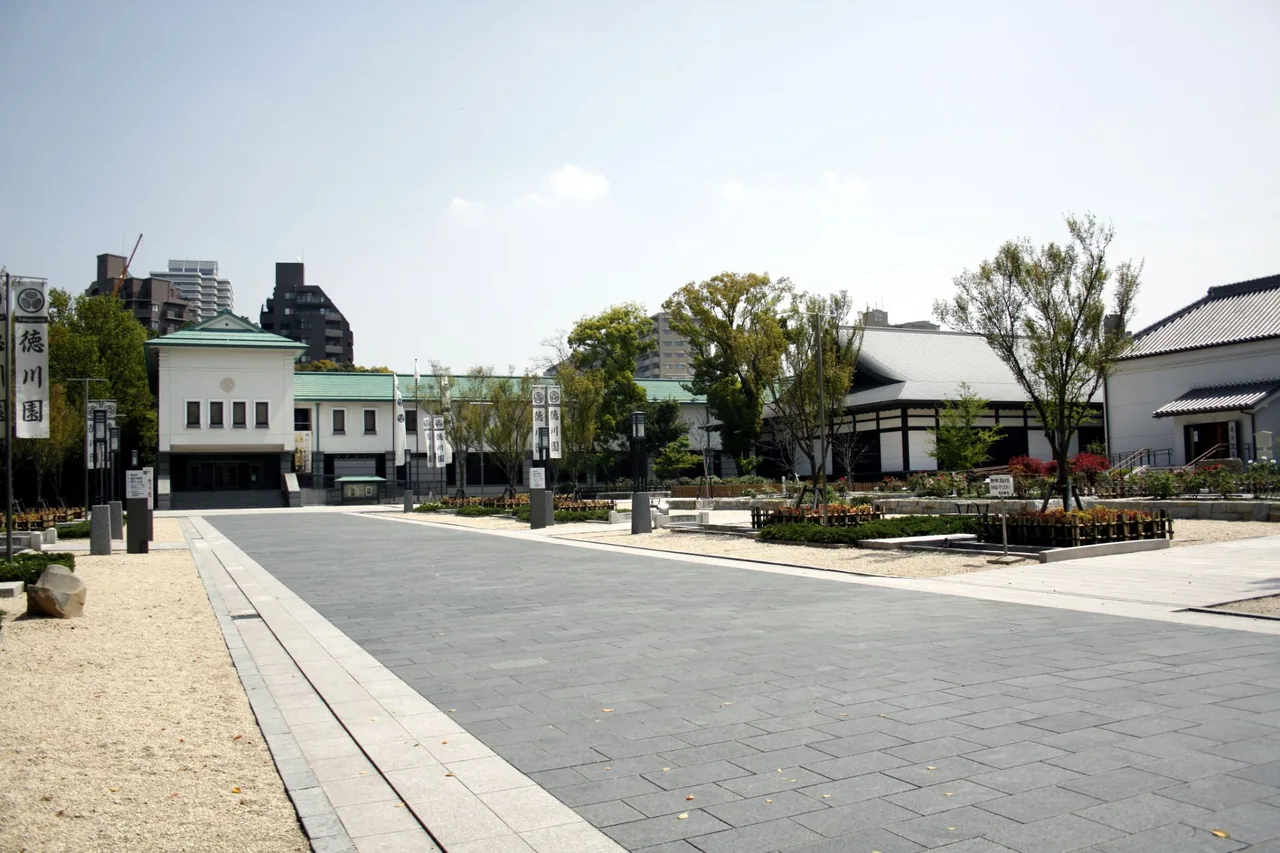
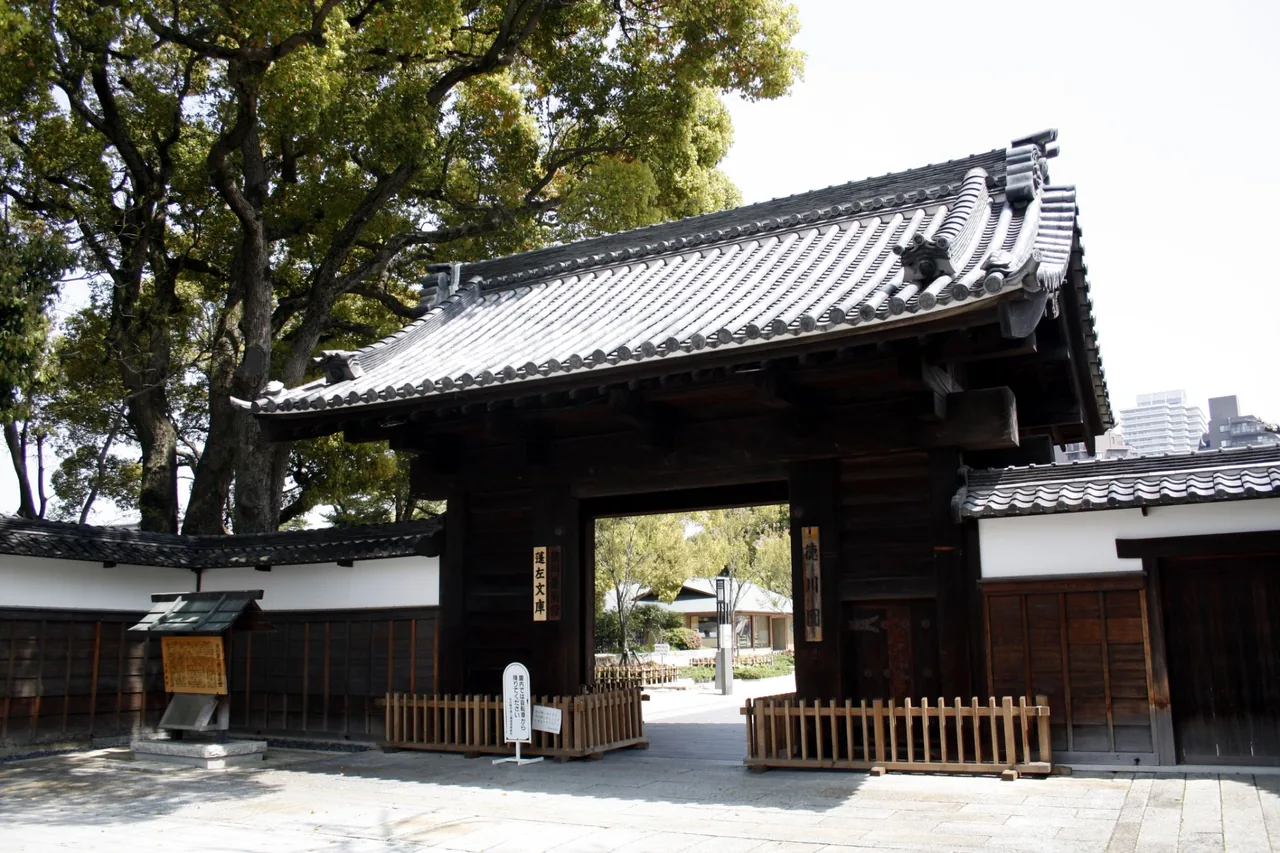
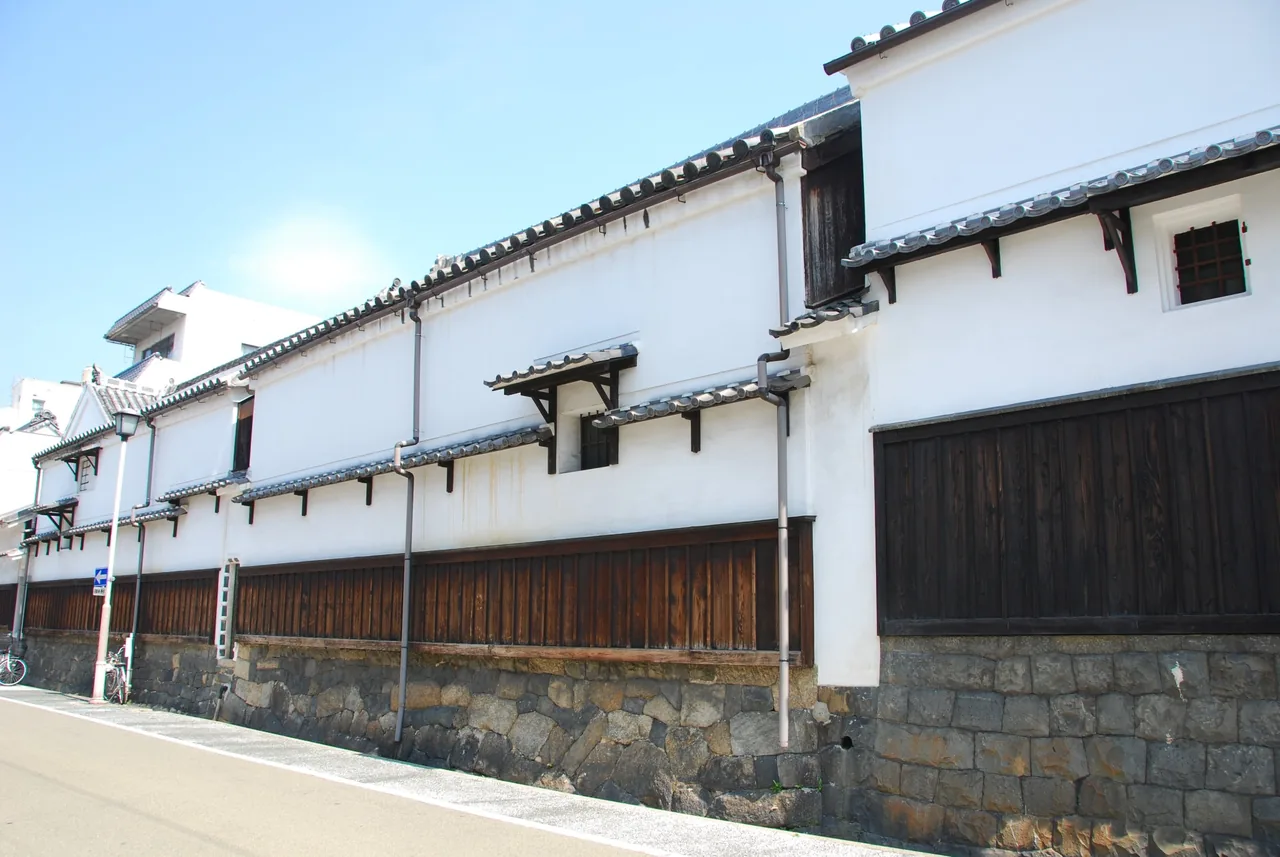
Head east with the Nagoya Castle keep behind you and the office blocks of the center give way to low houses and plenty of green. In Tokugawa-cho, Higashi Ward, the Tokugawa Art Museum, which displays treasures handed down in the Owari Tokugawa family, stands next to Tokugawaen, a Japanese garden laid out on the site of a lord's retirement residence. A little to the west, in Shumoku-cho, the Cultural Path Futaba Museum is the restored home of the actress Sadayakko Kawakami and the businessman Momosuke Fukuzawa.
Like Nagoya Castle, many of these places are linked to the Owari Tokugawa family, and you can see them together with the castle in a day. The Me-guru sightseeing bus connects Nagoya Station and Nagoya Castle with this area, so you can reach spots far from subway stations without changing.
This museum holds and displays the treasures of the Owari Tokugawa family, the senior of the three main branches of the Tokugawa clan, and opened in 1935. At its core is the Sunpu Owakemono, Tokugawa Ieyasu's belongings inherited by Yoshinao, the first lord of Owari, and its more than 10,000 items include the National Treasure Tale of Genji Scrolls and the National Treasure Hatsune wedding furnishings. The displays change with each exhibition, so if you want to see a particular piece, check the exhibition schedule on the official website. See Tokugawa Art Museum for details.
A Japanese garden on the site of the Ozone residence that Tokugawa Mitsutomo, the second lord of the Owari domain, built in 1695 as his retirement home. Wartime air raids destroyed most of its buildings and trees, and in 2004 it reopened, relandscaped as a pond-and-stroll garden. An artificial hill stands for Mt. Ontake, the stream flowing from it for the Kiso River and the pond for Ise Bay, and the scenery changes as you walk around the pond. See Tokugawaen Garden for details.
The house where Sadayakko Kawakami and Momosuke Fukuzawa lived, known as the Futaba Palace and a gathering place for politicians, business leaders and artists, was moved to this site and restored. It was rebuilt using as many of the original materials, dismantled and kept in storage, as possible, and opened in 2005. See Cultural Path Futaba Museum for details.
This area sits among residential streets rather than a busy dining district. For more choice, eat around Ozone Station, or take the Me-guru bus or the subway back to Sakae or Nagoya Station.
Check the Me-guru operating days and timetable on the Me-guru information page, and directions to the museum on the Tokugawa Art Museum's visitor information page.
To combine the area with Nagoya Castle, see the castle in the morning, take the Me-guru bus to the Cultural Path Futaba Museum, and then continue east to Tokugawaen and the Tokugawa Art Museum, so you never retrace your steps. How much the museum shows depends on the exhibition, so leave yourself plenty of time there.
To get back, take a bus from Tokugawaen Shindeki to Sakae or Nagoya Station, or walk to Ozone Station for the JR or the subway. Each facility has its own closing days, so check their official websites before you set out.
See prices and availability for hotels in Nagoya and book on our partner Trip.com.
See hotels in Nagoya on Trip.com