
Nagoya Walking Route from the Station: Shikemichi to Nayabashi
This guide is translated from the Japanese edition. Read the Japanese edition
A walking route from Nagoya Station to Noritake Garden, Endoji Shopping Street, the storehouses of Shikemichi and Nayabashi Bridge, with distances and stops.
Step out of the Sakura-dori exit of Nagoya Station and you face a wall of glass high-rises. Walk about 15 minutes northeast, though, and you reach a street of white-walled storehouses raised on stone walls and a shopping arcade lined with old shops. The west bank of the Horikawa River, a canal dug in the early Edo period when Nagoya Castle was built, was a town of merchants who had moved here from Kiyosu. This is a loop you can walk from the station when you have half a day free after arriving in Nagoya, or some time to spare before your shinkansen home.
The route and how far it is
The route makes a loop: north from the station to Noritake Garden, east to Endoji Shopping Street, south through Shikemichi and along the Horikawa, and finally from Nayabashi Bridge back to the station. The total distance is around 4 to 5 kilometers. With time for stops, allow half a day (3 to 4 hours) so you are not rushed.
| Section | Distance (approx.) | Walking time (approx.) |
|---|---|---|
| Nagoya Station → Noritake Garden | About 1 km | About 15 min |
| Noritake Garden → Endoji Shopping Street | About 1 km | Around 15 min |
| Endoji Shopping Street → Shikemichi | Right next door to the south | A few minutes |
| Shikemichi → Nayabashi Bridge | Just under 1 km | 10–15 min |
| Nayabashi Bridge → Nagoya Station | About 1 km | About 10 min |
To join the route partway, Kokusai Center Station on the Sakura-dori subway line is handy: Endoji Shopping Street is about 5 minutes' walk north from Exit 2. From Nayabashi, walking east along Hirokoji-dori brings you to Fushimi subway station, and you can carry on to Sakae. If you time it to reach Nayabashi in the evening, you cross the bridge just as the city lights start to reflect on the river.
Noritake Garden: start at a red-brick factory site
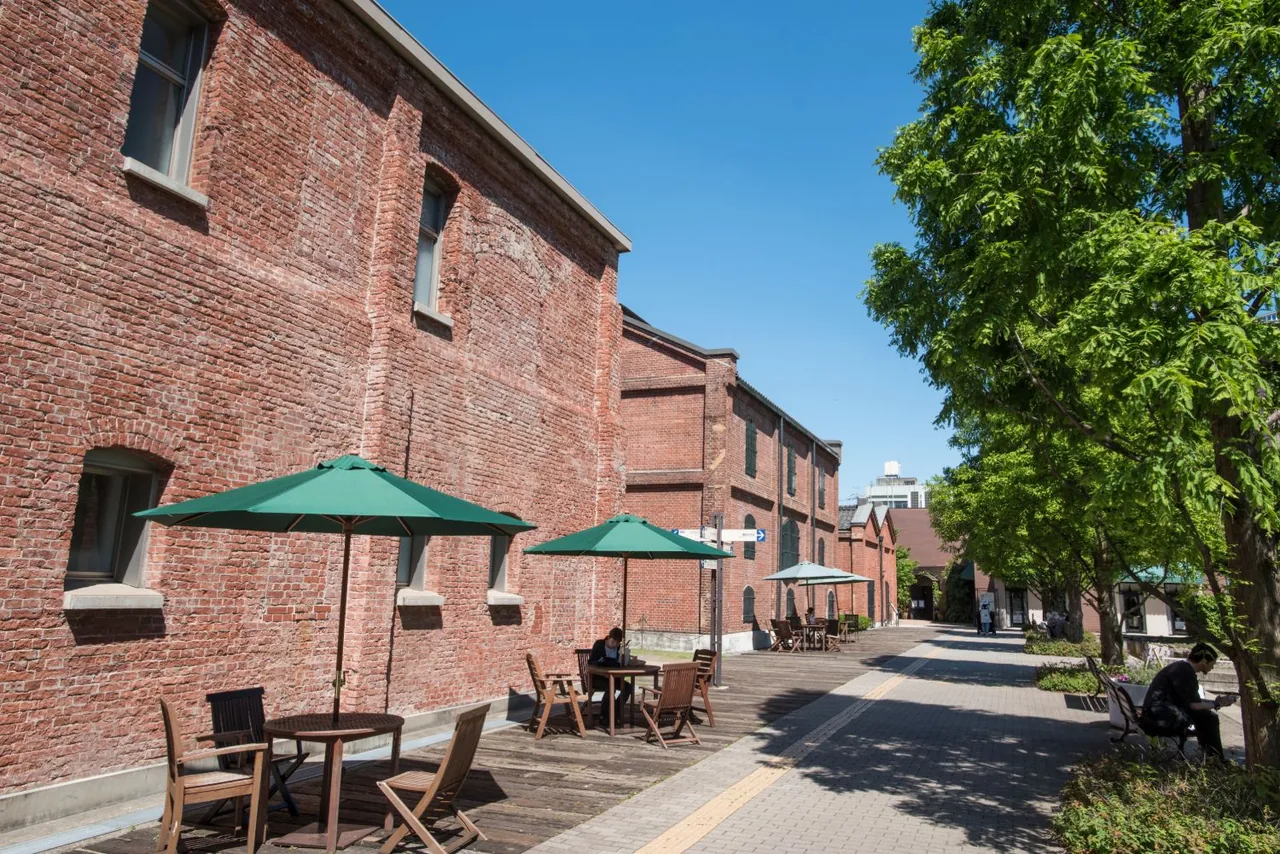
Photo: © Nagoya Convention & Visitors Bureau
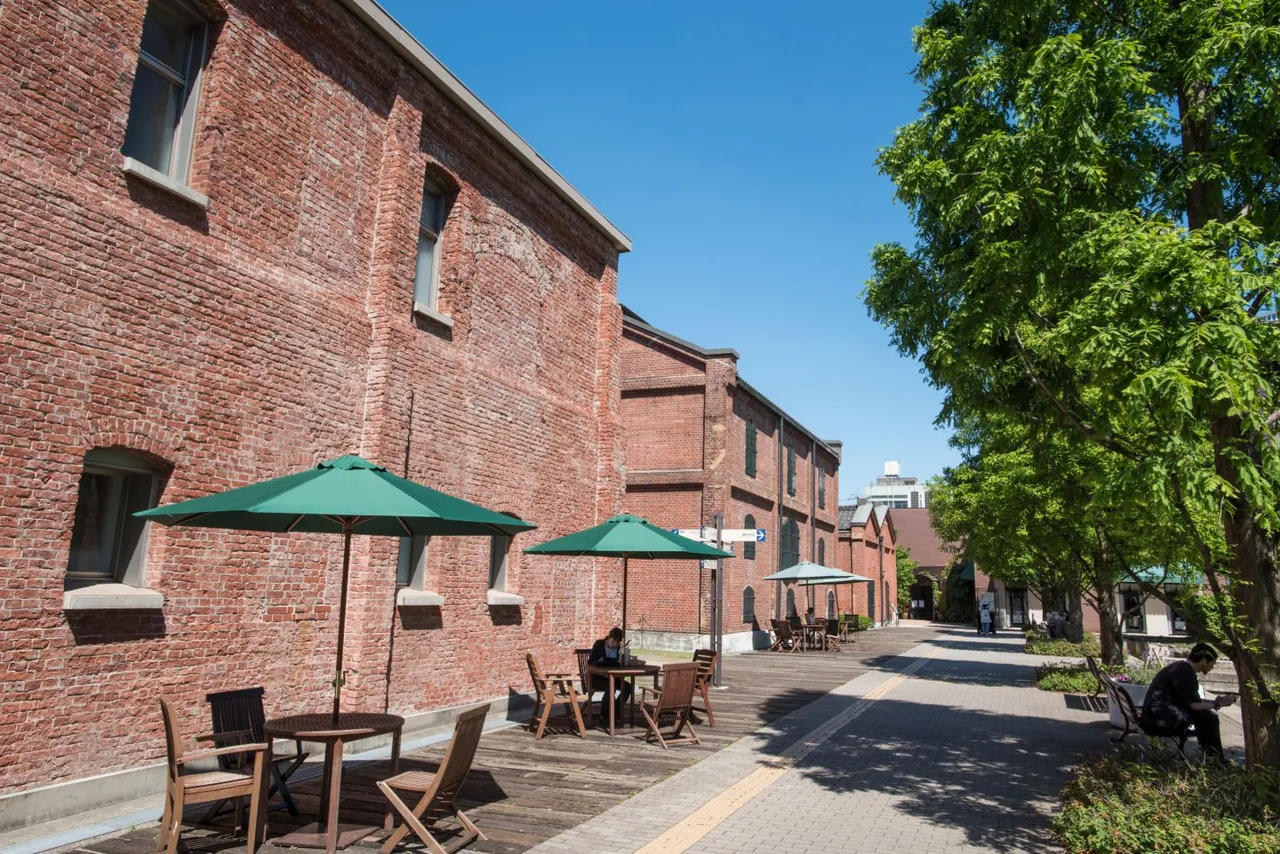
Heading north from the station, the first stop is Noritake Garden. This is where the ceramics maker Noritake was founded in 1904, and the old factory site is now a green space. The grounds are free to enter, and just walking between the red-brick buildings gives you a feel for the days when tableware was fired here.
The chimney stumps in the plaza are the bases of the chimneys of tunnel kilns for firing porcelain, built between 1933 and 1940. After the factory moved away, the upper sections were removed and only the bases were kept as a reminder of the site's industrial history.
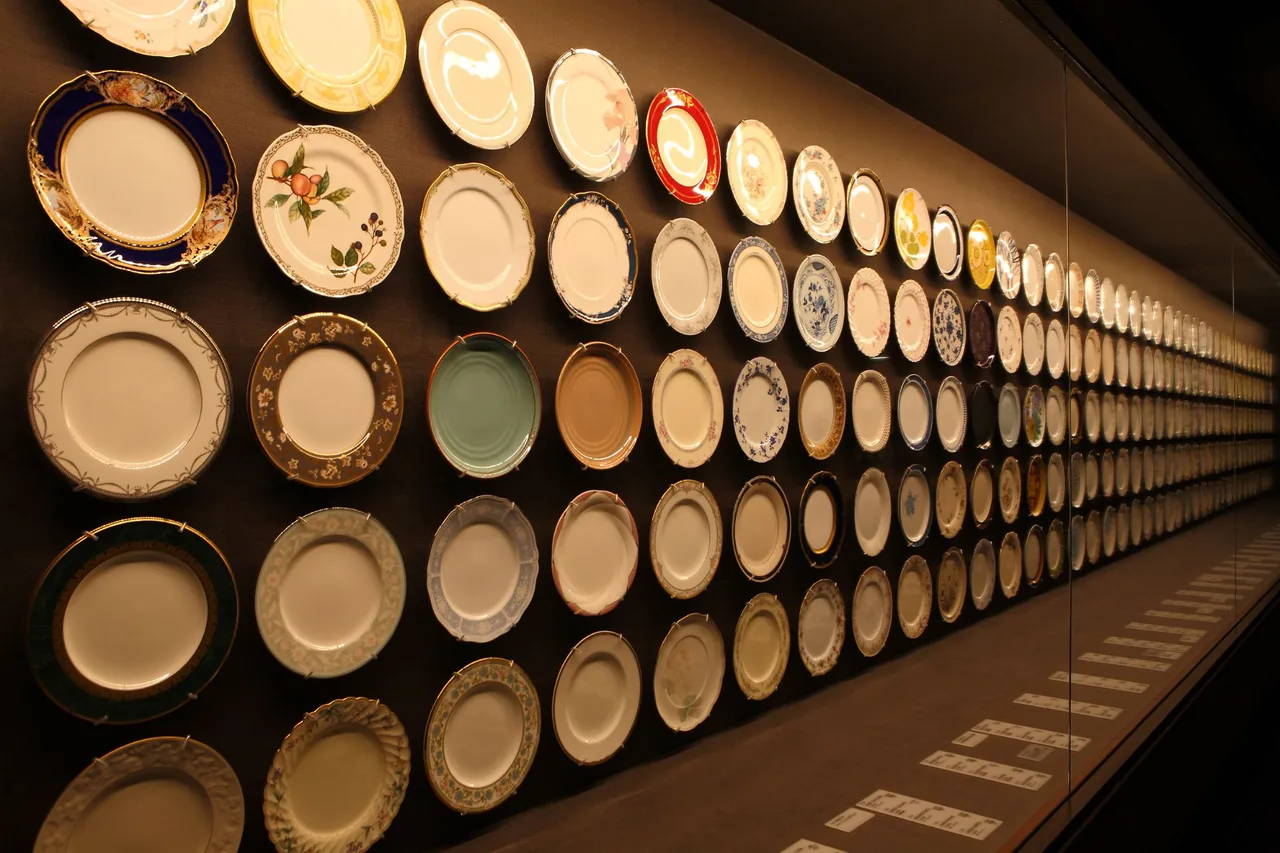
Photo: © Nagoya Convention & Visitors Bureau
If you are into tableware, the Noritake Museum and Craft Center (admission charged) show the company's Western-style dinnerware through the years and artisans painting pieces by hand. Linger too long at the start and the second half of the walk becomes a dash, so about an hour is a sensible amount of time if you go inside. Check opening hours and closing days on the Noritake Garden official website before you set out.
Endoji Shopping Street: an old-town arcade and Gojo Bridge
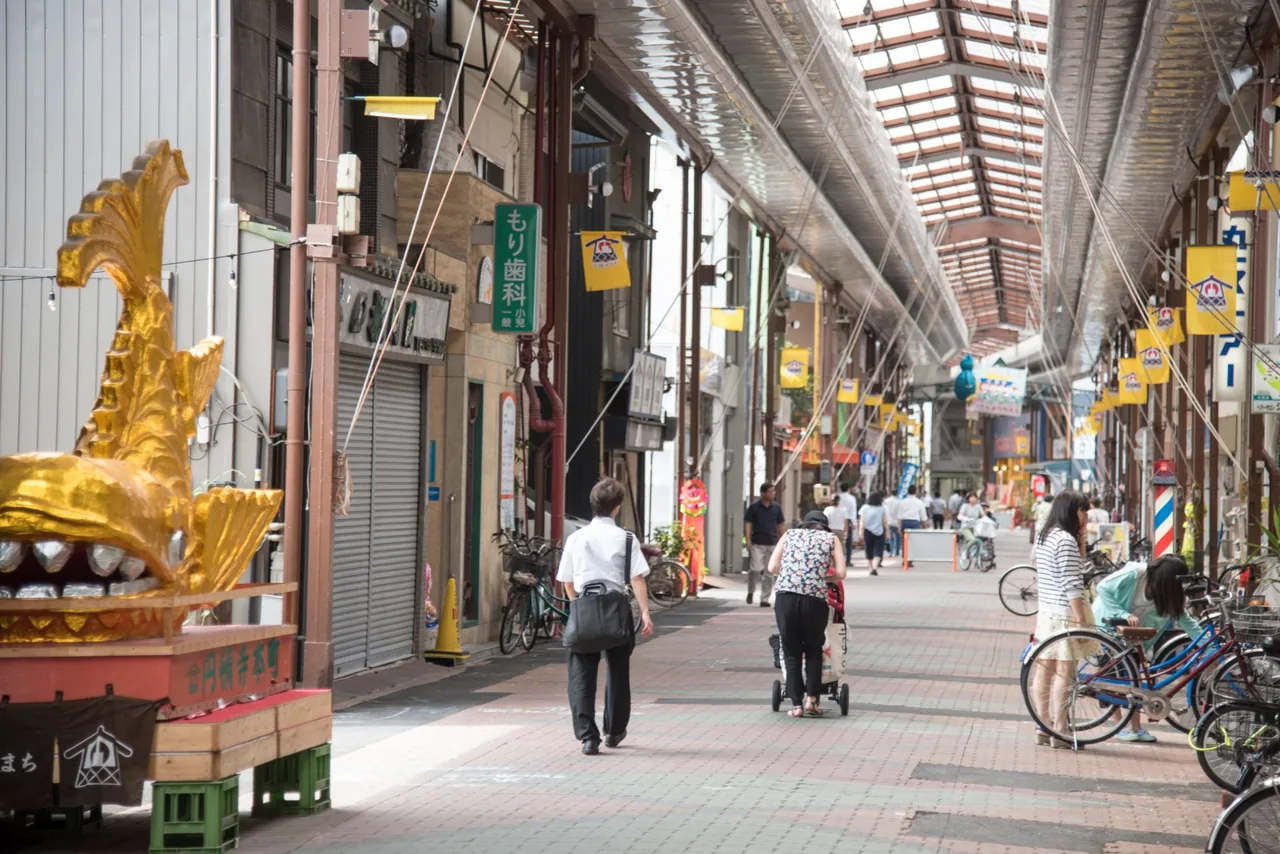
Photo: © Nagoya Convention & Visitors Bureau
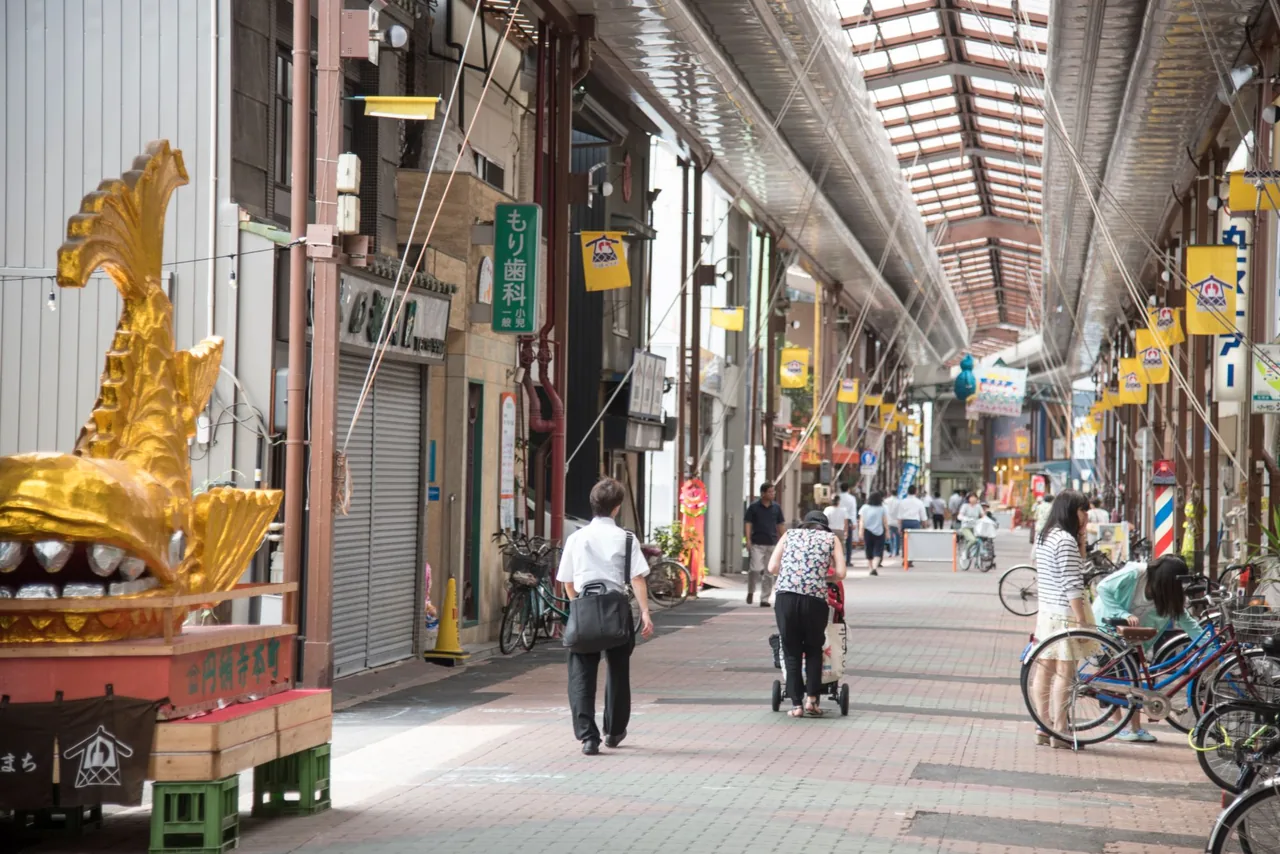
Walk east from Noritake Garden and you come to the Endoji Honmachi Shopping Street on the west side of a wide avenue (Egawa-sen), and across it the arcade of Endoji Shopping Street. It is said to have begun as a town of merchants who moved here from Kiyosu when Nagoya Castle was built, and it takes its name from Endoji, a temple on the street. Long-standing shops mix with restaurants and boutiques set in old buildings, showing a down-to-earth side of Nagoya far removed from the station area.
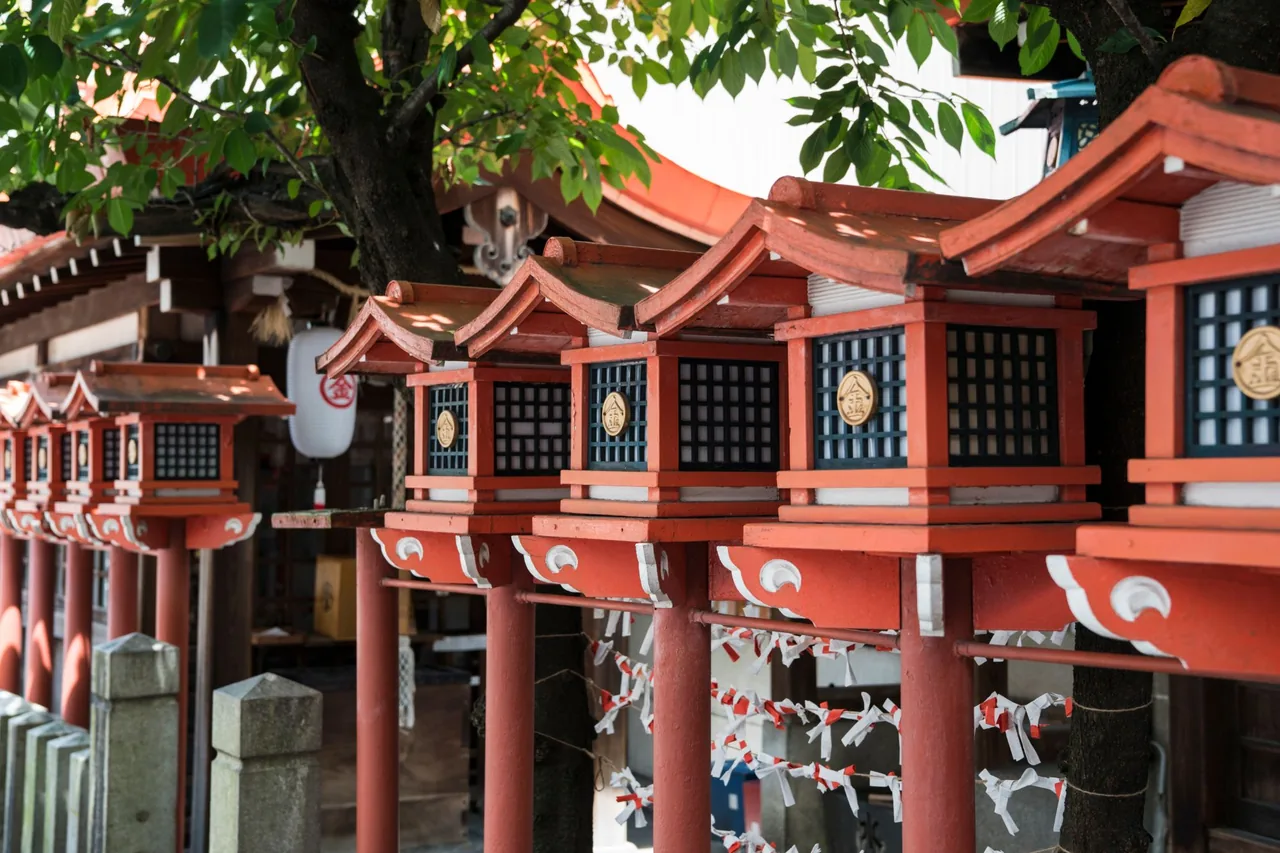
Photo: © Nagoya Convention & Visitors Bureau
At the east end of the arcade, Gojo Bridge crosses the Horikawa. It originally spanned the Gojo River in Kiyosu and was moved here during the "Kiyosu-goshi," when the whole town of Kiyosu relocated to Nagoya with the building of the castle. The present bridge, rebuilt in 1938, is reinforced concrete, but it keeps the look of a wooden bridge, with stone railings and giboshi (onion-shaped post caps).
The street holds events such as a Tanabata festival in summer and a Paris festival in autumn, when the arcade gets even livelier than usual. Event schedules are on the Endoji Shopping Street official website.
Shikemichi: storehouses on stone walls and rooftop shrines
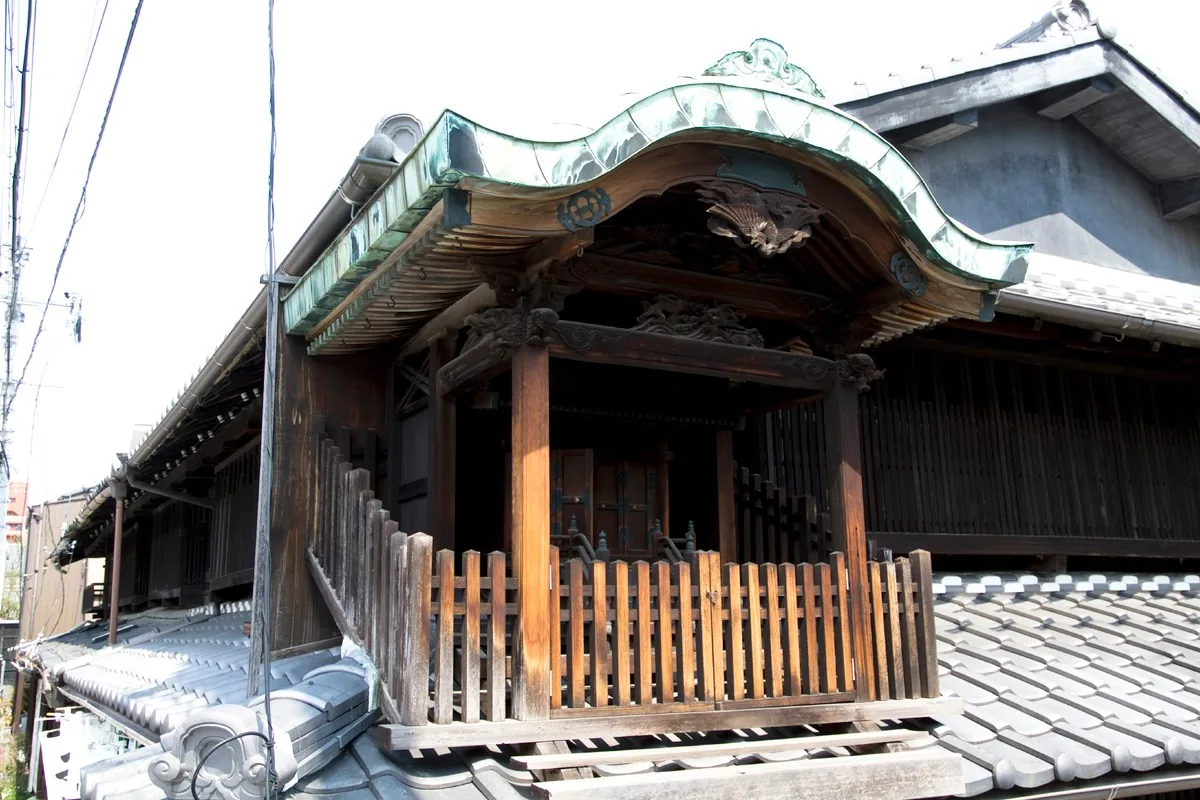
Photo: © Nagoya Convention & Visitors Bureau
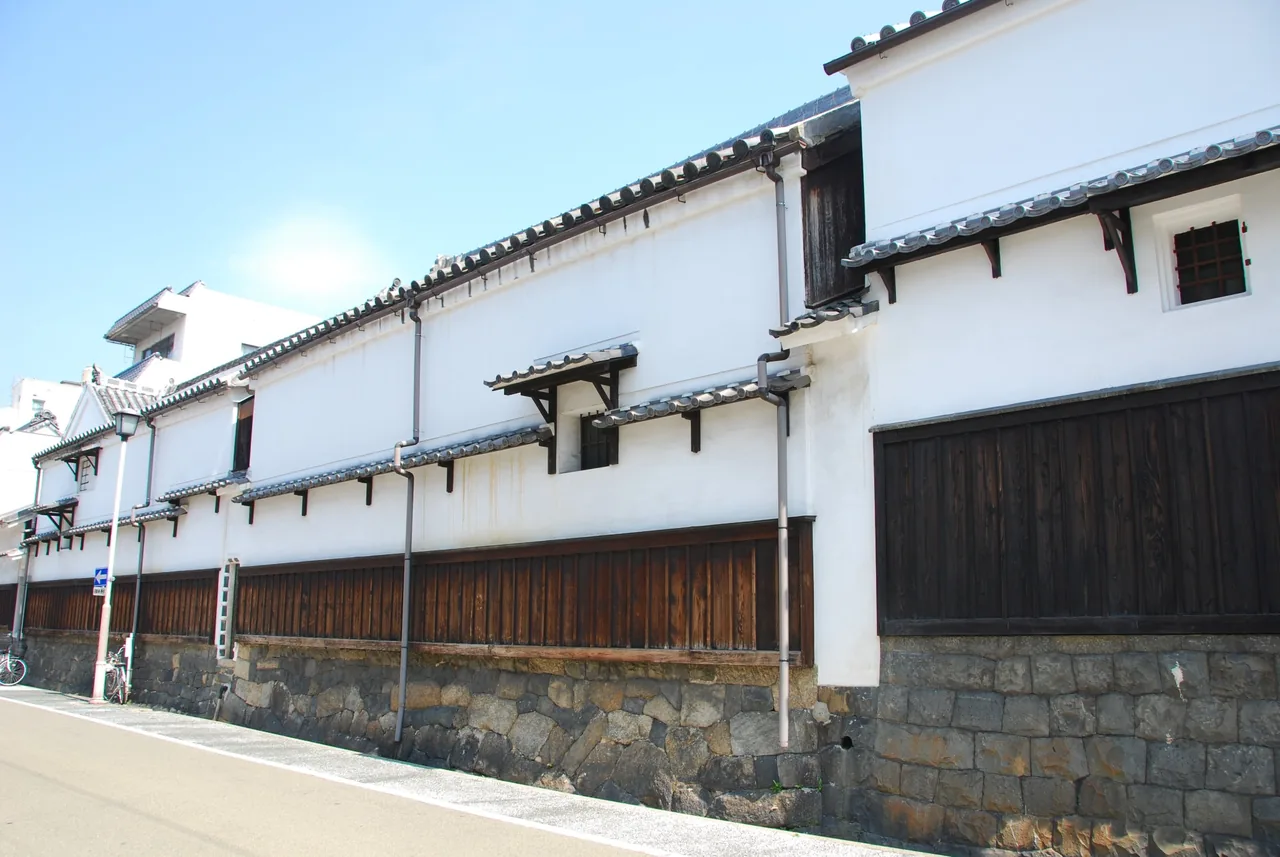
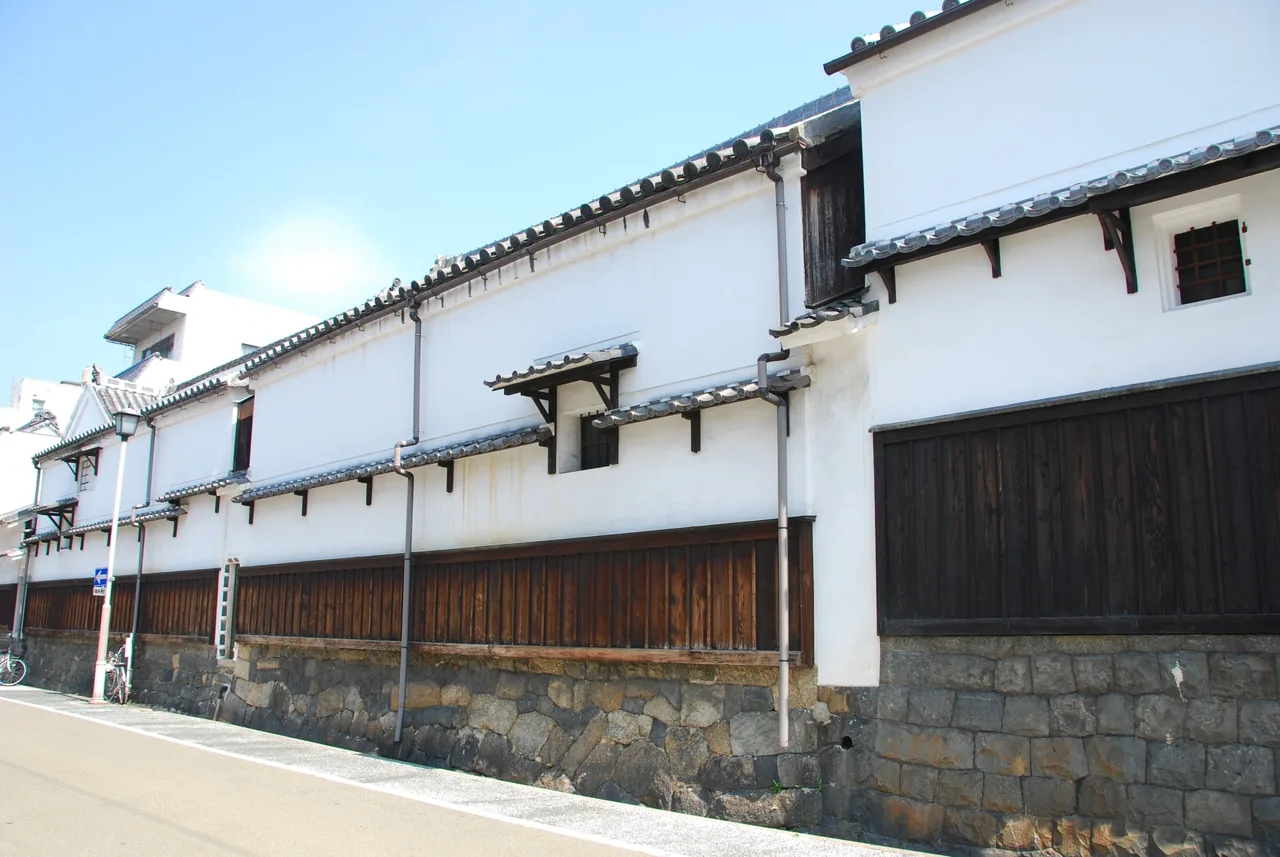
Just south of Endoji Shopping Street, running north to south alongside the Horikawa, is Shikemichi. After a great fire in 1700 (the 13th year of the Genroku era), the road was widened to four ken (about 7 meters) to keep fires from spreading, which is said to be the origin of its name. It is designated a townscape preservation district by the City of Nagoya. On the east side of the street, white-walled storehouses stand on a raised stone wall, while townhouses line the west side. The storehouses were built behind merchant houses that faced the Horikawa, a trace of the days when the canal carried the town's trade.
As you walk, look up now and then. On the first-floor roofs of some townhouses sits a small shrine. These are yanegami, "roof gods," a custom handed down in the Owari region of enshrining a deity on the roof of a home. The narrow lanes one block off the main street also keep rows of old houses. Some storehouses and townhouses have become cafés and restaurants, making this a good place for a break mid-walk. At the south end of the street stands Sengen Shrine.
Shikemichi is also a place where people live. Please don't peer into doorways or down private lanes, or step onto private property to take photos.
Along the Horikawa to Nayabashi Bridge
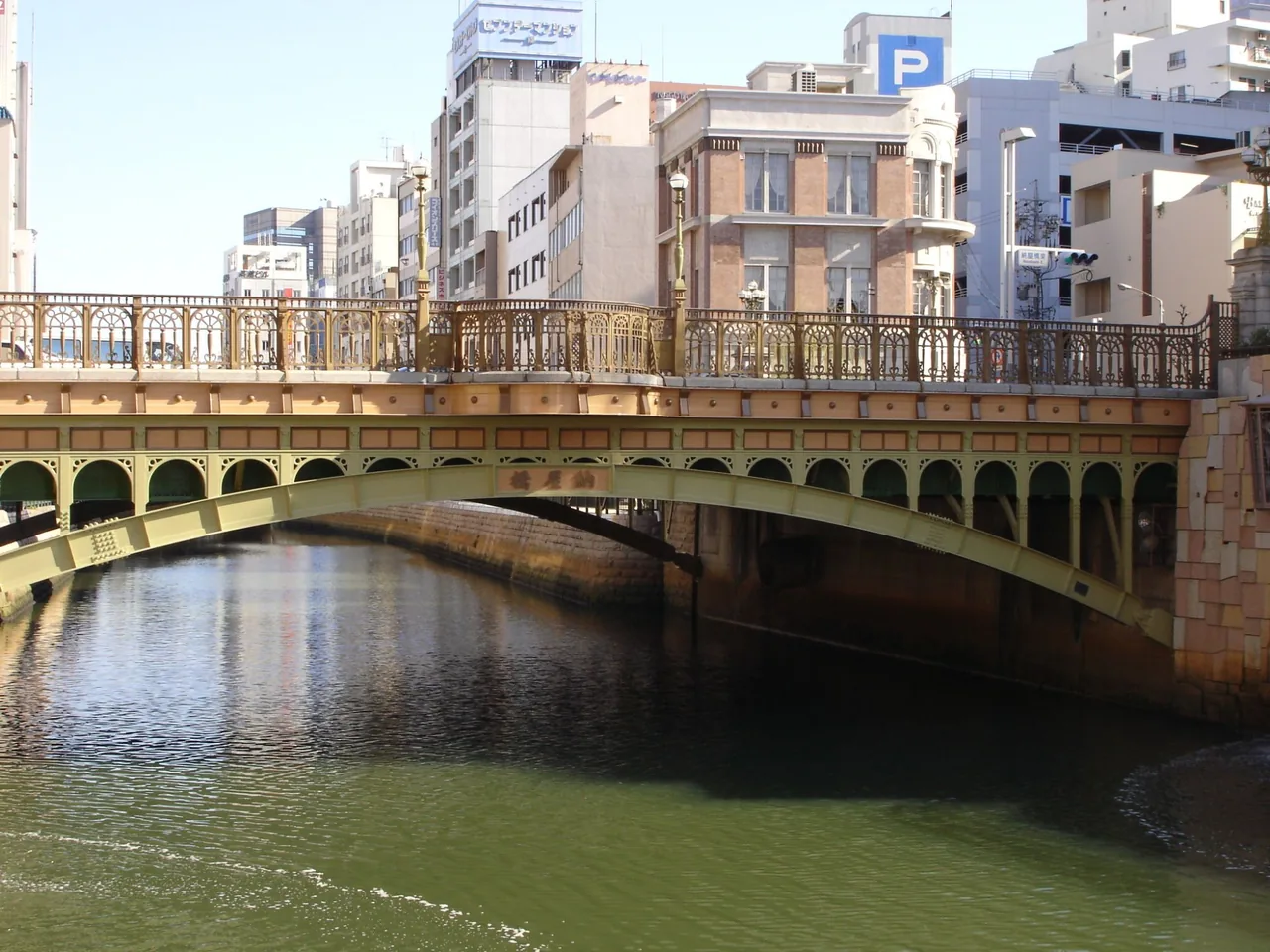
Photo: © Nagoya Convention & Visitors Bureau
From the south end of Shikemichi, walk south along the Horikawa until you reach Hirokoji-dori, the avenue linking Nagoya Station and Sakae. Here it crosses the river on Nayabashi Bridge. The Horikawa is a canal dug in the early Edo period to carry materials for building Nagoya Castle, and it went on to support trade in the castle town.
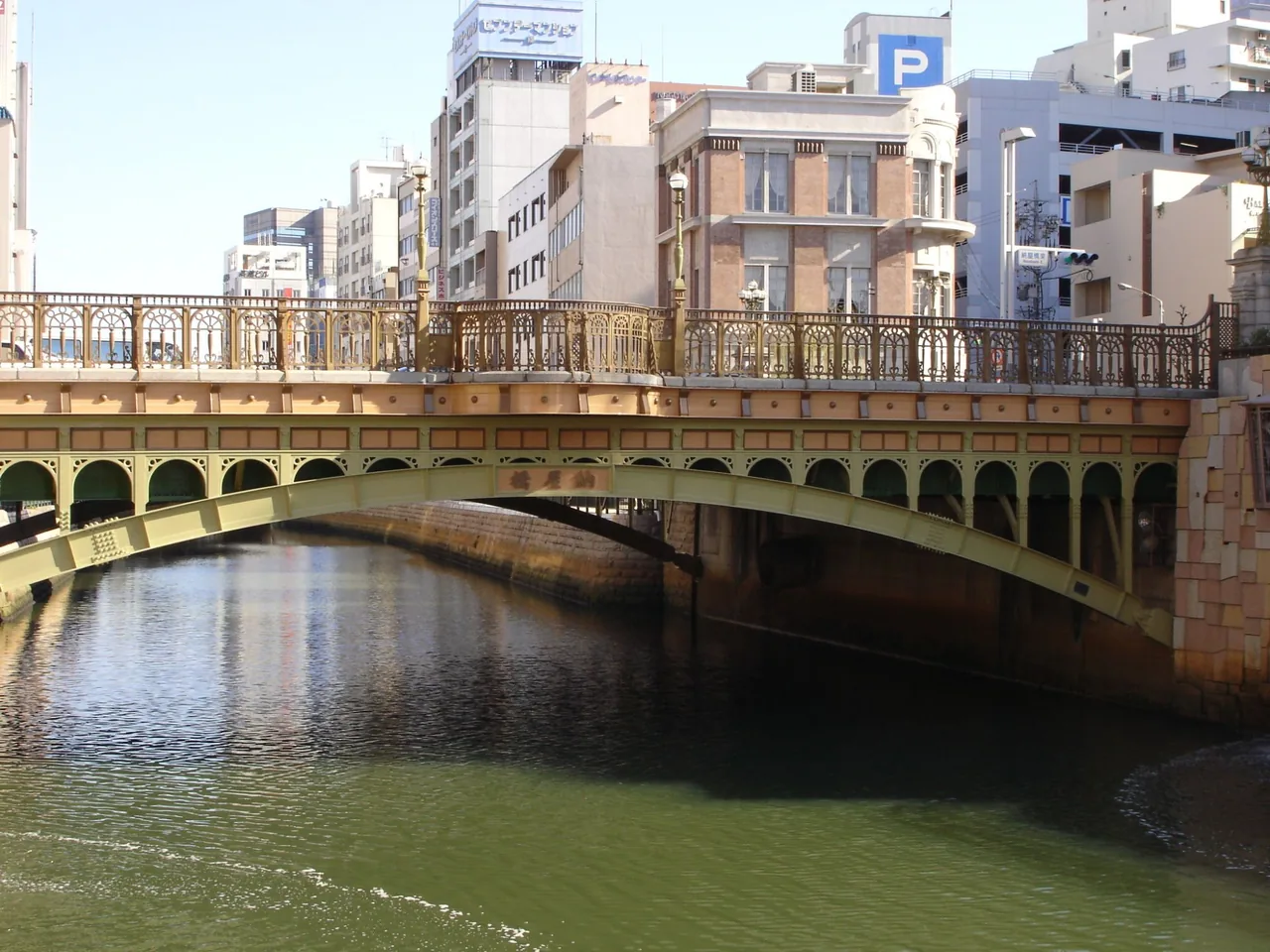
The present Nayabashi dates from 1981, but it keeps the arched look and railing design of the bridge built here in 1913. The center of the railing bears the crest of Fukushima Masanori, who oversaw the digging of the Horikawa, surrounded by the crests of Oda Nobunaga, Toyotomi Hideyoshi and Tokugawa Ieyasu. The brown building at the east end of the bridge is the former Kato Shokai Building, built in the early Showa era and now a Registered Tangible Cultural Property of Japan.
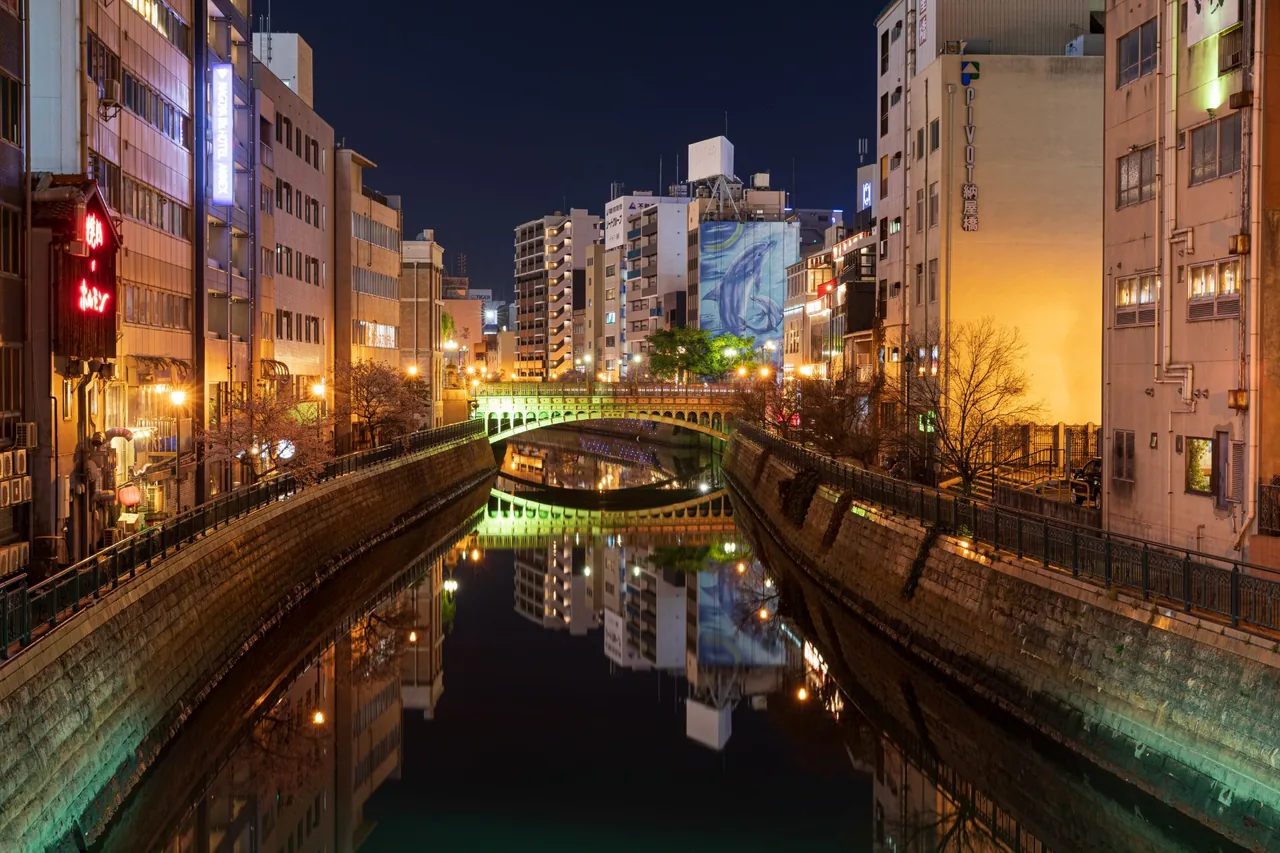
Photo: © Nagoya Convention & Visitors Bureau
After dark, the lights of the bridge and the riverside buildings shimmer on the water. Once you have taken in the view from the bridge or the bank, walk west along Hirokoji-dori and you are back at Nagoya Station in about 10 minutes.
Before you set out
- Wear comfortable shoes: The full loop is 4 to 5 kilometers. If you tire, you can take the subway back from Kokusai Center or Fushimi Station.
- Shop hours: Shops along the arcade and in Shikemichi set their own hours and closing days. If there is a particular place you want to visit, check its own information before you go.
- Taking the bus: The Me-guru sightseeing bus also stops near Noritake Garden and Shikemichi. For how to combine it with the subway, see Nagoya's subway and the Me-guru bus.
The history of the Shikemichi townscape is also covered on Nagoya City's official tourism site, Nagoya Concierge. If you want to finish the day with a night view from an observation deck near the station, Nagoya's night view spots compares the options.
Places in this guide
Hotels nearbyPR
See prices and availability for hotels in Nagoya and book on our partner Trip.com.
See hotels in Nagoya on Trip.com