
Nagoya Subway and Me-guru Bus: Lines, Day Passes and IC Cards
This guide is translated from the Japanese edition. Read the Japanese edition
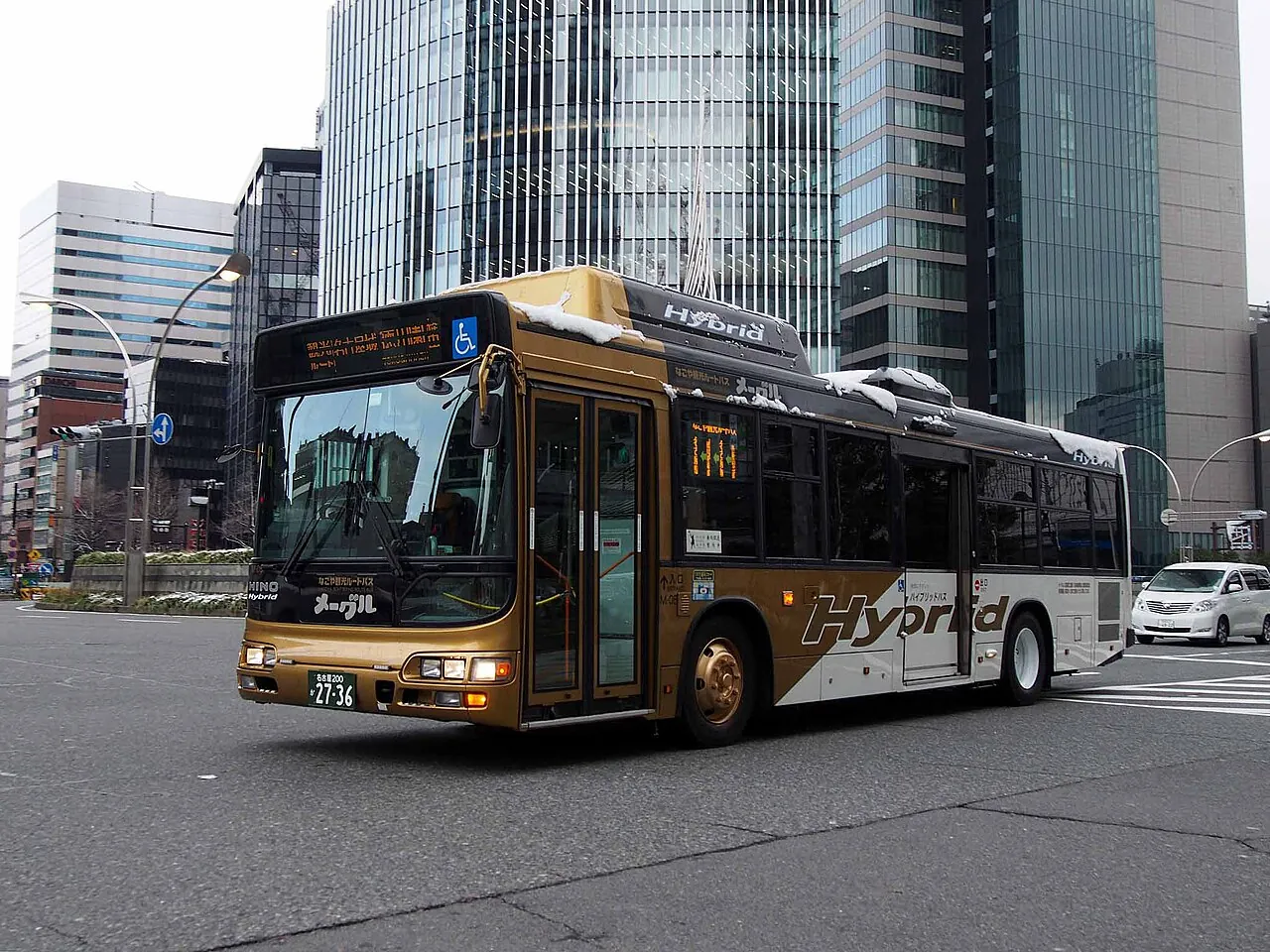
Which Nagoya subway lines sightseers use, how IC cards like manaca and Suica work, day passes such as the Donichi Eco Kippu, and when the Me-guru bus runs.
Step off the shinkansen at Nagoya Station and the next thing you ride will usually be the subway. Nagoya Castle, Osu and Sakae are all a few stops away, and the lines visitors need are few. Use a day pass when you ride a lot on a weekend and the Me-guru sightseeing bus when you want to work through the main sights in order, and you save both effort and money.
The Higashiyama and Meijo lines do most of the work
The Nagoya Municipal Subway has six lines: Higashiyama, Meijo, Meiko, Tsurumai, Sakura-dori and Kamiiida. These are the ones visitors use most.
| Line | Main stations and where they take you |
|---|---|
| Higashiyama Line | East from Nagoya Station to Fushimi and Sakae; Nagoya to Sakae is two stops |
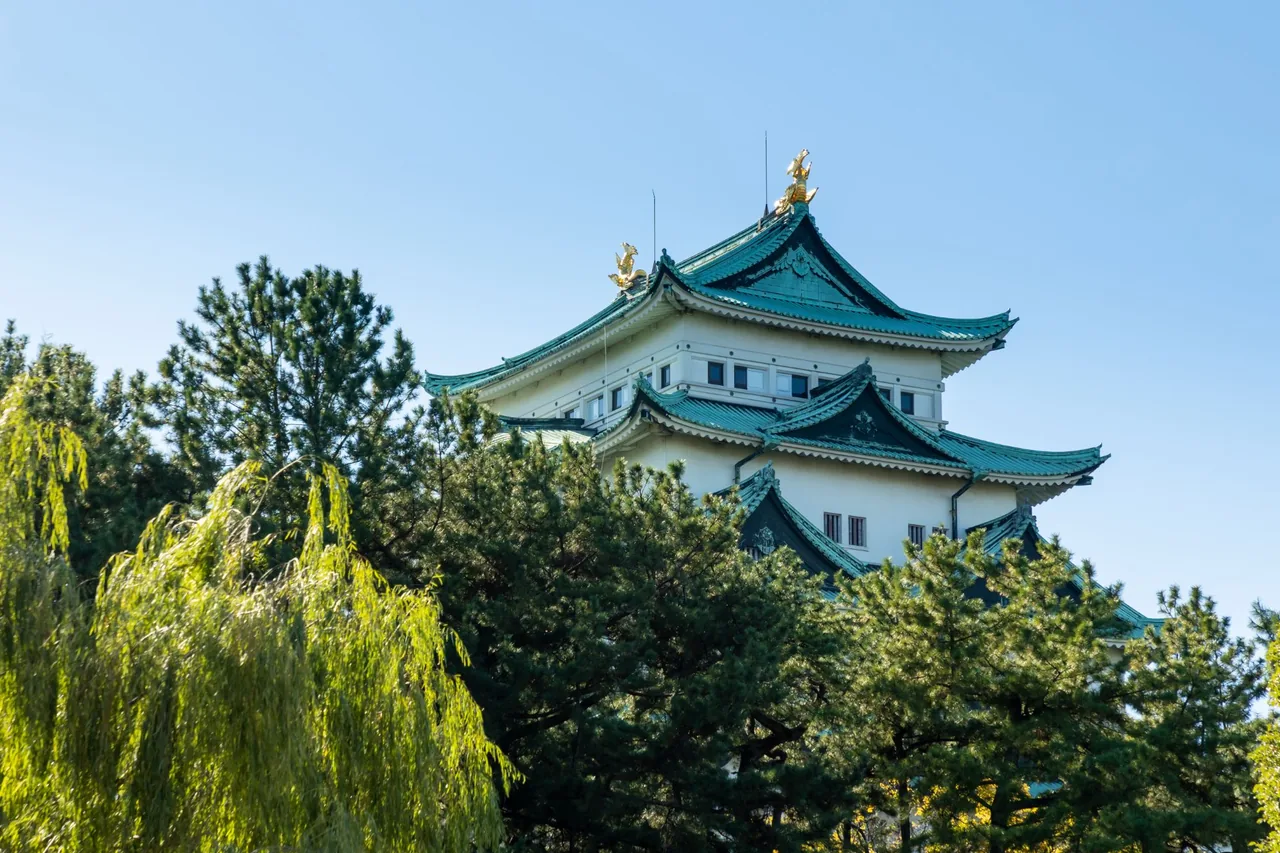
| Meijo Line | Two stops north of Sakae is Nagoya-jo (the castle; renamed from Shiyakusho in 2023), two stops south is Kamimaezu (Osu); further south are the stations for Atsuta Jingu |
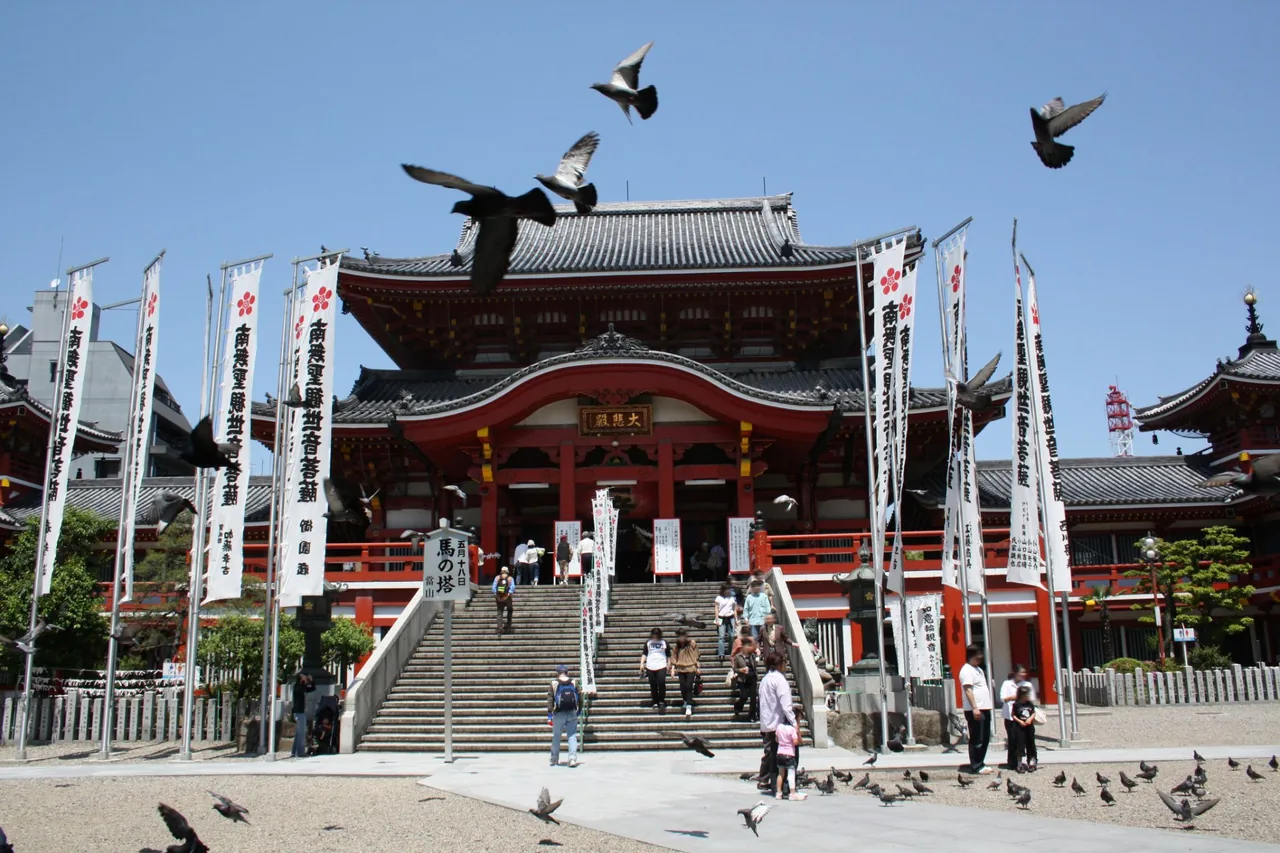
| Tsurumai Line | One stop from Fushimi to Osu Kannon |
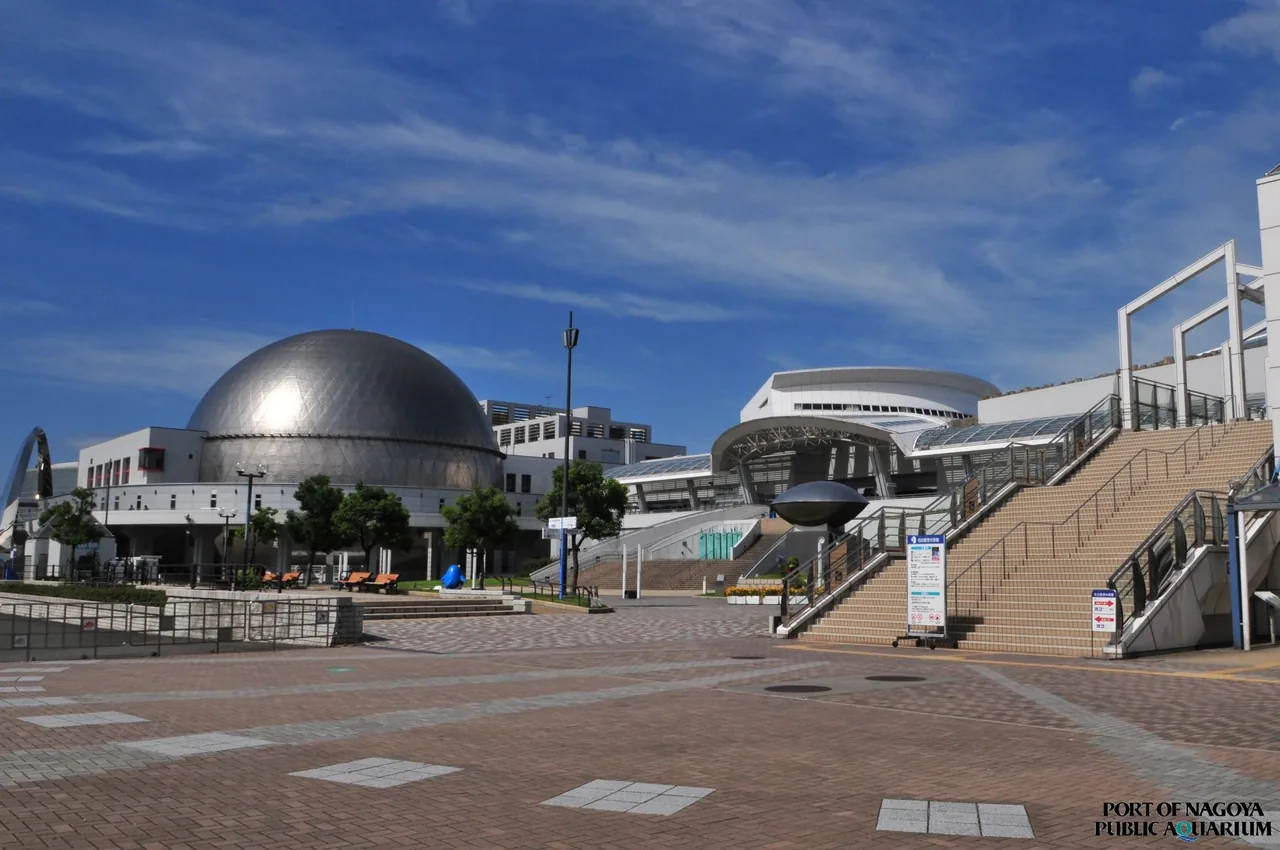
| Meiko Line | South from Kanayama to its last stop, Nagoyako (the aquarium) |
| Sakura-dori Line | From Nagoya Station to Hisaya-odori (north Sakae) |
The Meijo Line runs in a loop, and trains are signed "clockwise" (migi-mawari) or "counterclockwise" (hidari-mawari). Check on the route map which direction gets you there faster before you board. Some Meiko Line trains run through from the Meijo Line toward Kanayama, so from Sakae you can sometimes reach Nagoyako without changing.
The full map of stations and lines is on the Transportation Bureau's route map.
Riding with an IC card
The subway and city buses accept Nagoya's own IC card, manaca, and the ten cards in the nationwide interoperable network, including Suica, ICOCA and PASMO. If you have a card from Tokyo or Osaka, just tap it at the gate.
The catch is discounts. Transfer discounts, for example when you change between the subway and a city bus, are a manaca-only service and do not apply to other IC cards. If you are staying a few days and will change between subway and bus often, it is worth getting a manaca or considering one of the day passes below. How to buy and top up IC cards is covered in How to use IC cards on Japanese trains.
Three day passes that cover the subway
Of the Transportation Bureau's day passes, three cover the subway, and they differ in the days and the vehicles they cover. There is also an all-day pass for city buses only.
- Donichi Eco Kippu: valid only on Saturdays, Sundays, holidays and the 8th of each month, for unlimited rides on all city buses and subway lines for the day. For weekend sightseeing, start here.
- Bus and Subway All-Line One-Day Pass: any day of the week, unlimited rides on all city buses and subway lines from first to last train.
- Subway All-Line 24-Hour Ticket: unlimited subway rides for 24 hours from the first time you put it through an automatic gate. Start it in the evening and it lasts until the next afternoon, covering both your arrival night and the following morning.
The Donichi Eco Kippu and the one-day pass are sold at subway station ticket machines and station offices. Check prices and sales points on the Transportation Bureau's day pass page. At participating sights and shops, showing a day pass that is in use when you enter gets you a discount or other perk; look for them on Nagoya Toku Navi (web version).
The Me-guru sightseeing bus
The Me-guru sightseeing bus starts at Nagoya Station and runs past the main sights in turn. It stops at the Toyota Commemorative Museum, Noritake Garden, Shikemichi, Nagoya Castle, Tokugawa-en, the Cultural Path Futaba-kan, near the Nagoya City Archives, MIRAI TOWER, Hirokoji Sakae and more, reaching places that are a walk from any subway station without a transfer.
- It runs Tuesday to Sunday. It does not run on Mondays (or the next weekday when Monday is a holiday) or from December 29 to January 3.
- Buses come every 20–40 minutes on weekends and holidays, every 30 minutes to an hour on weekdays. With fewer weekday buses, picking your bus from the timetable cuts the waiting.
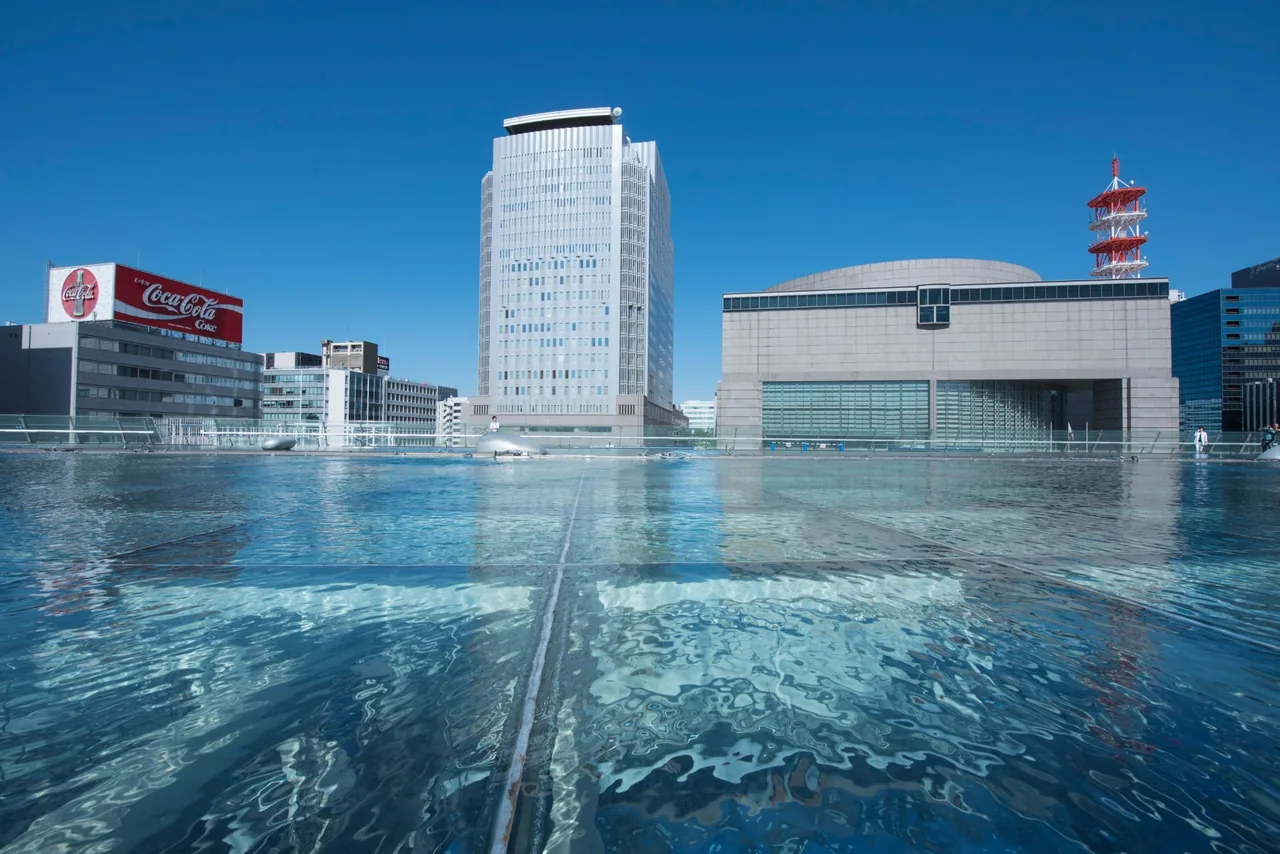
- The unlimited-ride "1DAY Ticket" is sold on board and at places such as the Oasis 21 i-Center.
On days with events such as the Nagoya Festival, the bus may take a detour. Check operating days, the timetable and service notices on the Me-guru information page.
From Chubu Centrair Airport into the city
From Chubu Centrair International Airport, Meitetsu's μSKY limited express reaches Meitetsu Nagoya Station in as little as 28 minutes. At Nagoya, JR, Meitetsu, Kintetsu and the subway each have their own station name and gates: the Meitetsu station is "Meitetsu Nagoya" and the Kintetsu one "Kintetsu Nagoya." When changing, follow the signs with the company name.
For an example of how to spend your first day, see Nagoya one-day itinerary; for sights near the station, see Around Nagoya Station.
Places in this guide

Hotels nearbyPR
See prices and availability for hotels in Nagoya and book on our partner Trip.com.
See hotels in Nagoya on Trip.com