
Nagoya Souvenirs and Sweets: Uiro, Ebi Senbei and Moriguchi-zuke
This guide is translated from the Japanese edition. Read the Japanese edition
Nagoya souvenirs explained: uiro, shrimp crackers, Moriguchi-zuke pickles, oni manju and ogura toast, with where to buy them at Nagoya Station and Osu.
Thirty minutes until the shinkansen home. The souvenir counters at Nagoya Station are lined with white and matcha-green uiro, boxes of crackers printed with shrimp, and long, narrow packs of pickles, and the aisles fill with people trying to decide. Nagoya's souvenirs run from steamed rice-flour sweets to shrimp crackers and sake-lees pickles, so there is something for a sweet tooth and something to go with a drink. Knowing what is inside each one makes for a better gift and a good conversation when you hand it over. Dishes you eat on the spot, such as miso katsu and hitsumabushi, are covered in our Nagoya food guide.
Uiro: Nagoya's classic steamed rice-flour sweet
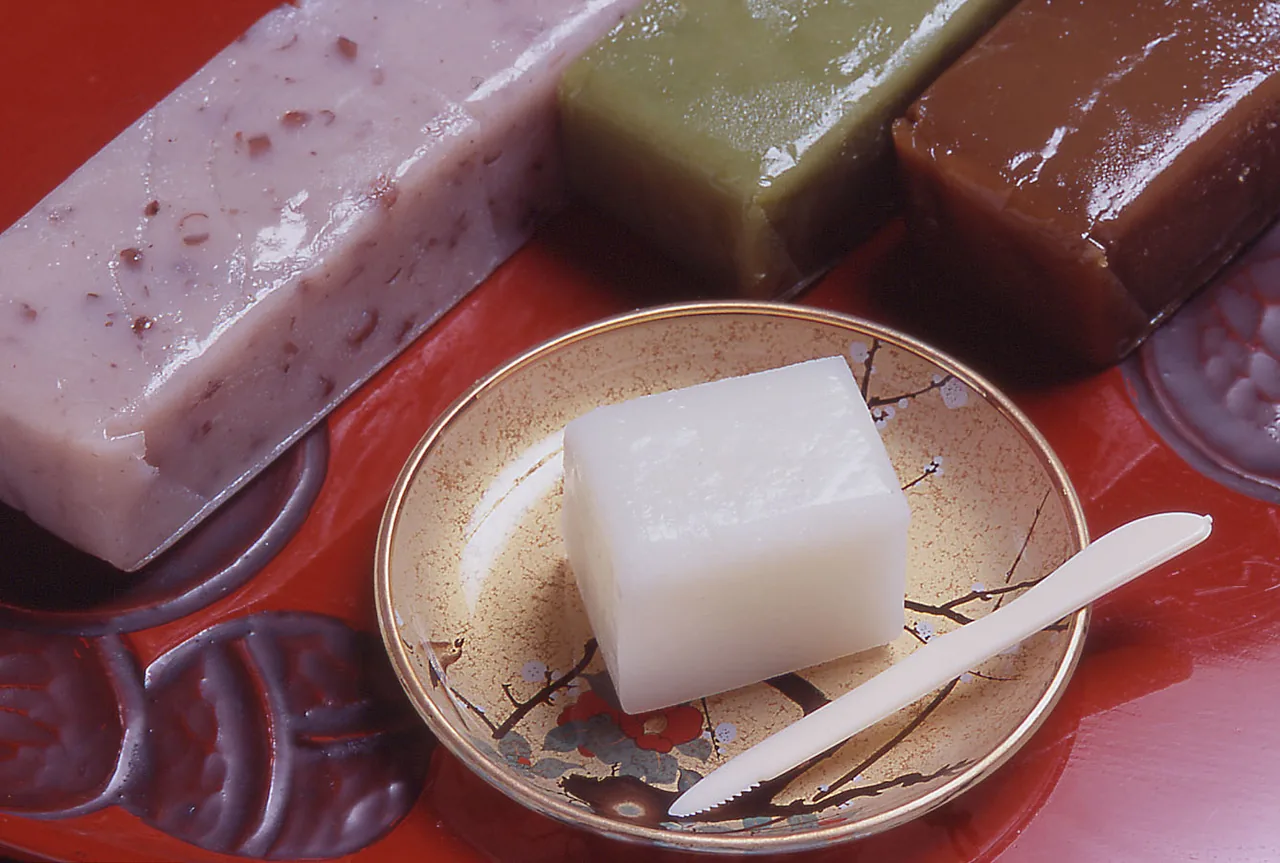
Uiro is a Japanese sweet made by mixing rice flour with sugar, steaming it and setting it in bars. Many Nagoya shops spell it "uiro" rather than "uirō." Besides plain white, it comes in brown sugar, matcha and red bean colors and flavors, all with a springy, chewy texture.
Some of Nagoya's confectioners date back to the Edo period, and uiro has been made here since then. The city still has several specialist shops, including Aoyagi Sohonke, founded in 1879, and Osu Uiro, founded in 1947 in the temple town around Osu Kannon. Bite-size pieces and brightly colored new styles have also become common in recent years.
Traditional uiro sold as a whole bar looks lovely sliced and laid out on a plate. Fresh "nama uiro," though, can have a best-before date only a few days away. Buy it near the end of your trip, or pick individually wrapped pieces that keep longer.
Ebi senbei: shrimp crackers from Mikawa
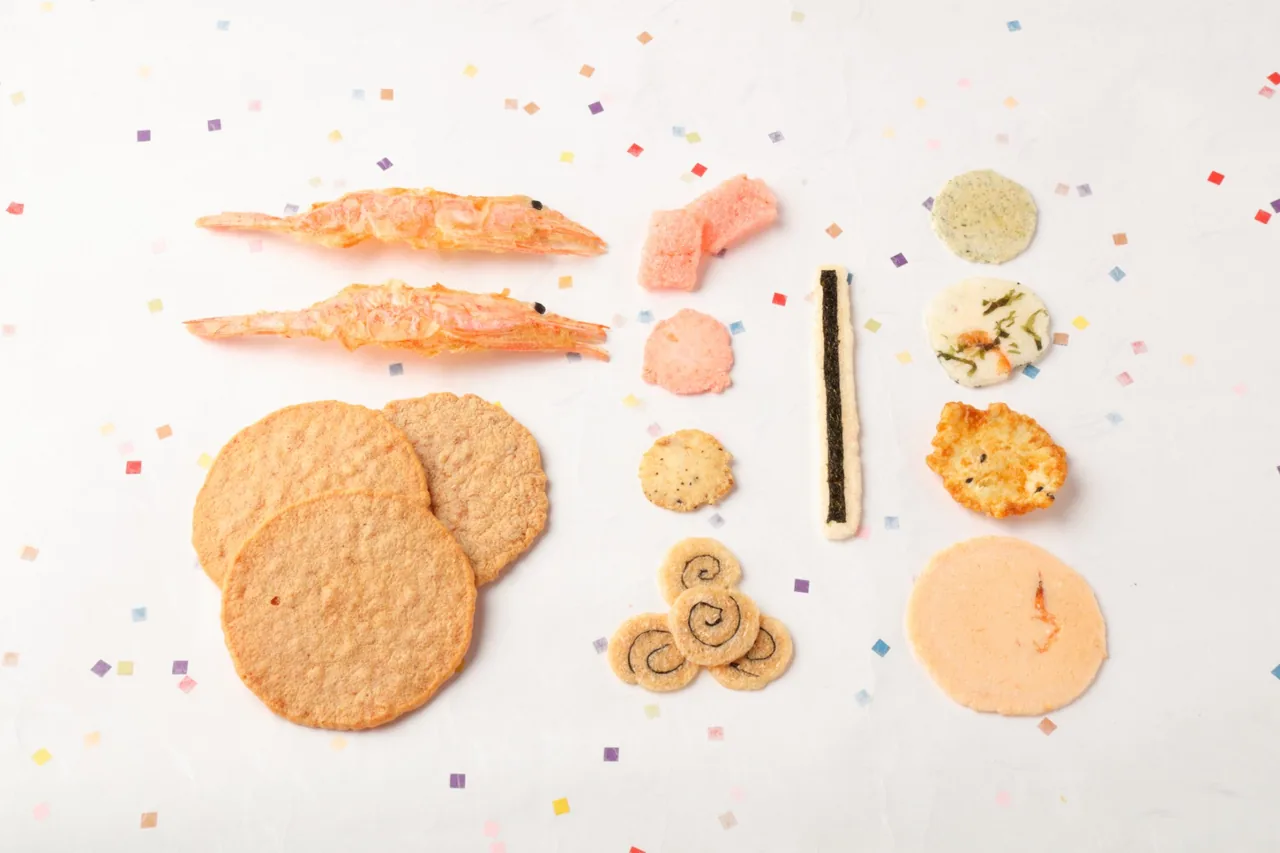
Photo: © Nagoya Convention & Visitors Bureau
For someone who doesn't care for sweets, ebi senbei (shrimp crackers) are an easy choice. Shrimp paste is worked into the dough before baking, and the shrimp aroma comes through as soon as you take a bite.
In Aichi Prefecture, Isshiki in Nishio City, on Mikawa Bay, is known for its shrimp crackers. Crackers have been made there for about a century, and "Mikawa Isshiki Ebi Senbei" was registered as a regional collective trademark in 2018. "Yukari" from Bankaku Sohonpo (founded 1889), based in Tokai City on the Chita Peninsula, is a familiar sight at station shops and department stores in Nagoya.
Some crackers have a whole shrimp baked in, others are paired with nori or sesame, and some are thin round discs. They break easily, so if they are going in a suitcase, choose boxed ones and tuck them between your clothes.
Moriguchi-zuke: long radishes pickled in sake lees
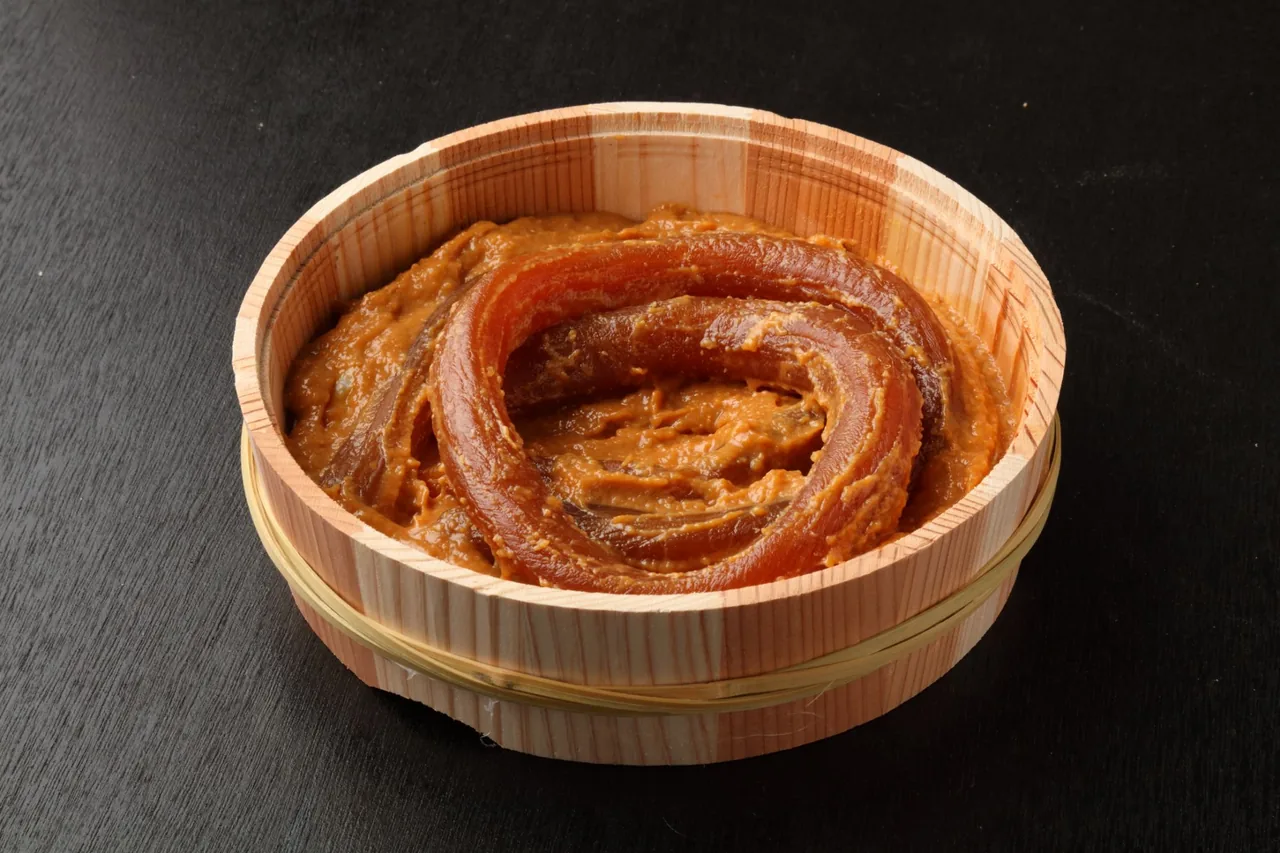
Photo: © Nagoya Convention & Visitors Bureau
Moriguchi-zuke is a pickle made by steeping Moriguchi daikon, a long, slender radish, in sake lees. The radish is only about 2 cm across but grows to more than a meter long. Fuso Town in northern Aichi, where the sandy soil along the Kiso River suits it well, is now the main growing area.
Making it takes time. The radishes are first salted to draw out water and bitterness, then pickled in sake lees that are changed several times. The finishing touch, mirin lees and sugar, is a distinctly Aichi step, and the whole process is said to take more than two years. The amber-colored radish has a crisp bite and a strong sake-lees aroma.
One theory says the name comes from Moriguchi in Osaka (today's Moriguchi City), but the origin is not certain.
Oni manju: steamed cakes packed with sweet potato
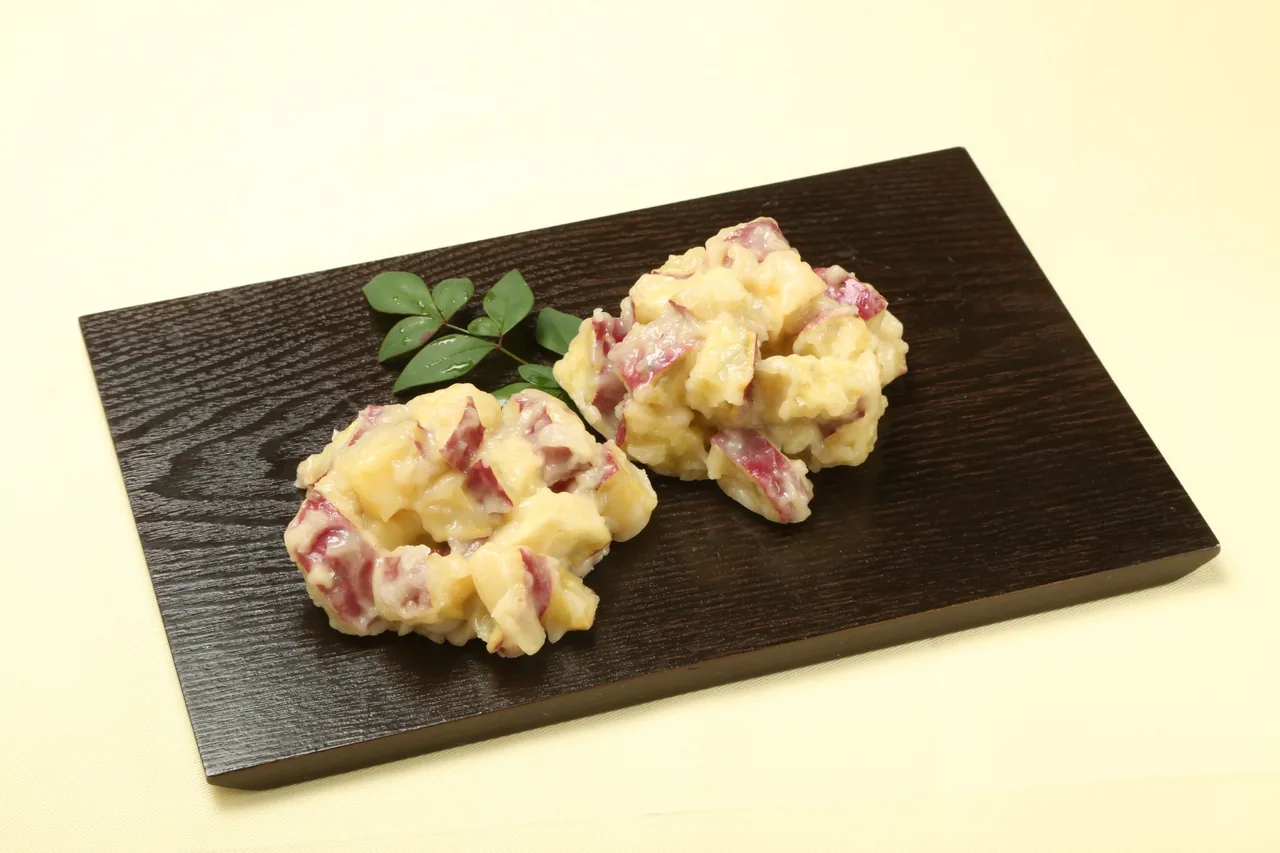
Photo: © Nagoya Convention & Visitors Bureau
Oni manju is a local sweet from the Tokai region, centered on Aichi, made by mixing cubed sweet potato into a wheat-flour batter and steaming it. The name, "demon bun," is said to come from its knobbly look, which brings to mind a demon's horns or iron club. It spread during and after the war, when food was scarce and sweet potatoes and flour were easy to get.
It is still sold at Japanese sweet shops and supermarkets, an everyday snack for locals. It is a simple sweet that lets the flavor of the sweet potato speak for itself.
The Ministry of Agriculture, Forestry and Fisheries has more on its history and how it is made on its oni manju page.
Zenzai: sweet red beans with shiratama dumplings
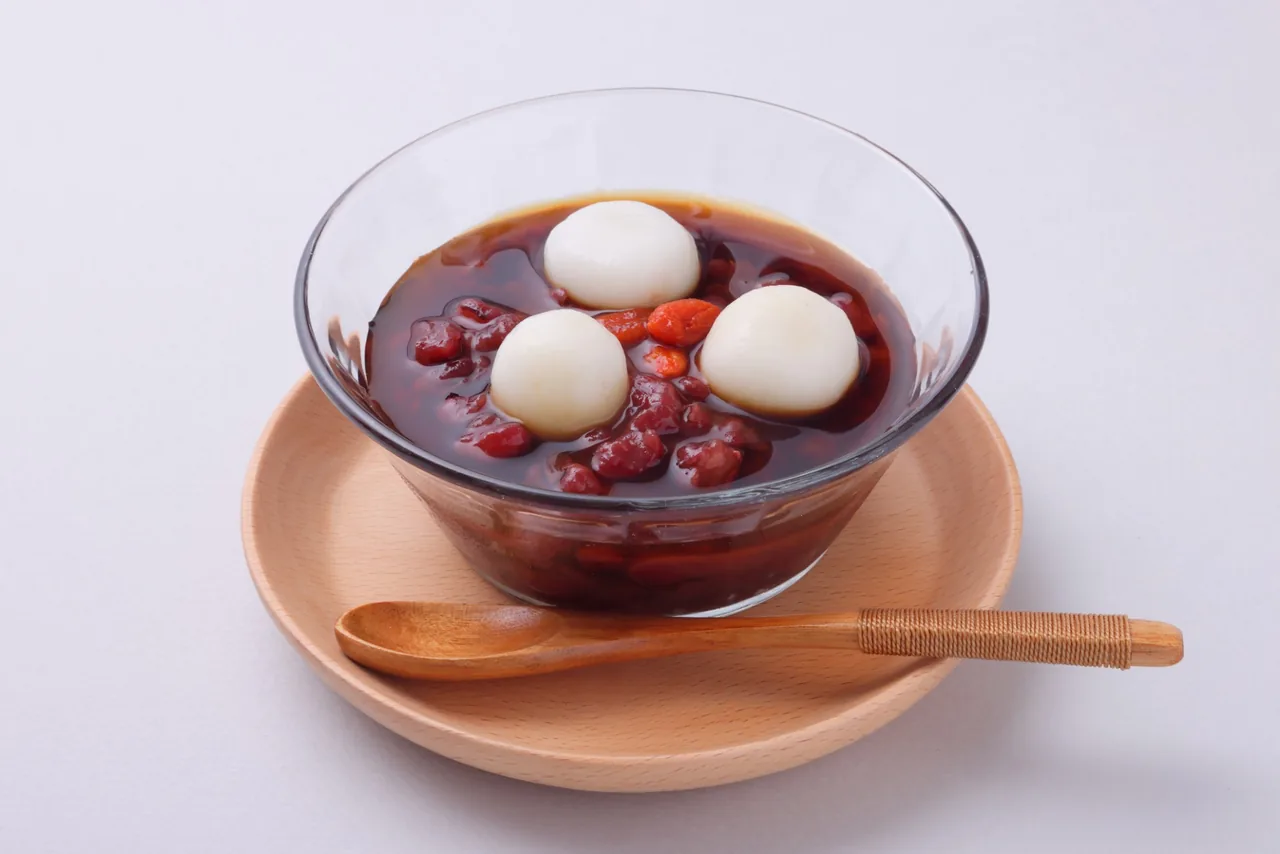
Photo: © Nagoya Convention & Visitors Bureau
Zenzai, red beans simmered with sugar and served with shiratama dumplings or mochi, is a Japanese sweet found at tea houses across the country. In Nagoya, too, you can have it at Japanese sweet shops and tea houses.
Nagoya and zenzai share a small connection. According to research by the Nagoya City Library, ogura toast is said to have been born around 1921 at Mitsuba, a café in Nagoya, inspired by students who dipped their bread into zenzai.
Ogura toast: sweet red bean paste at the café
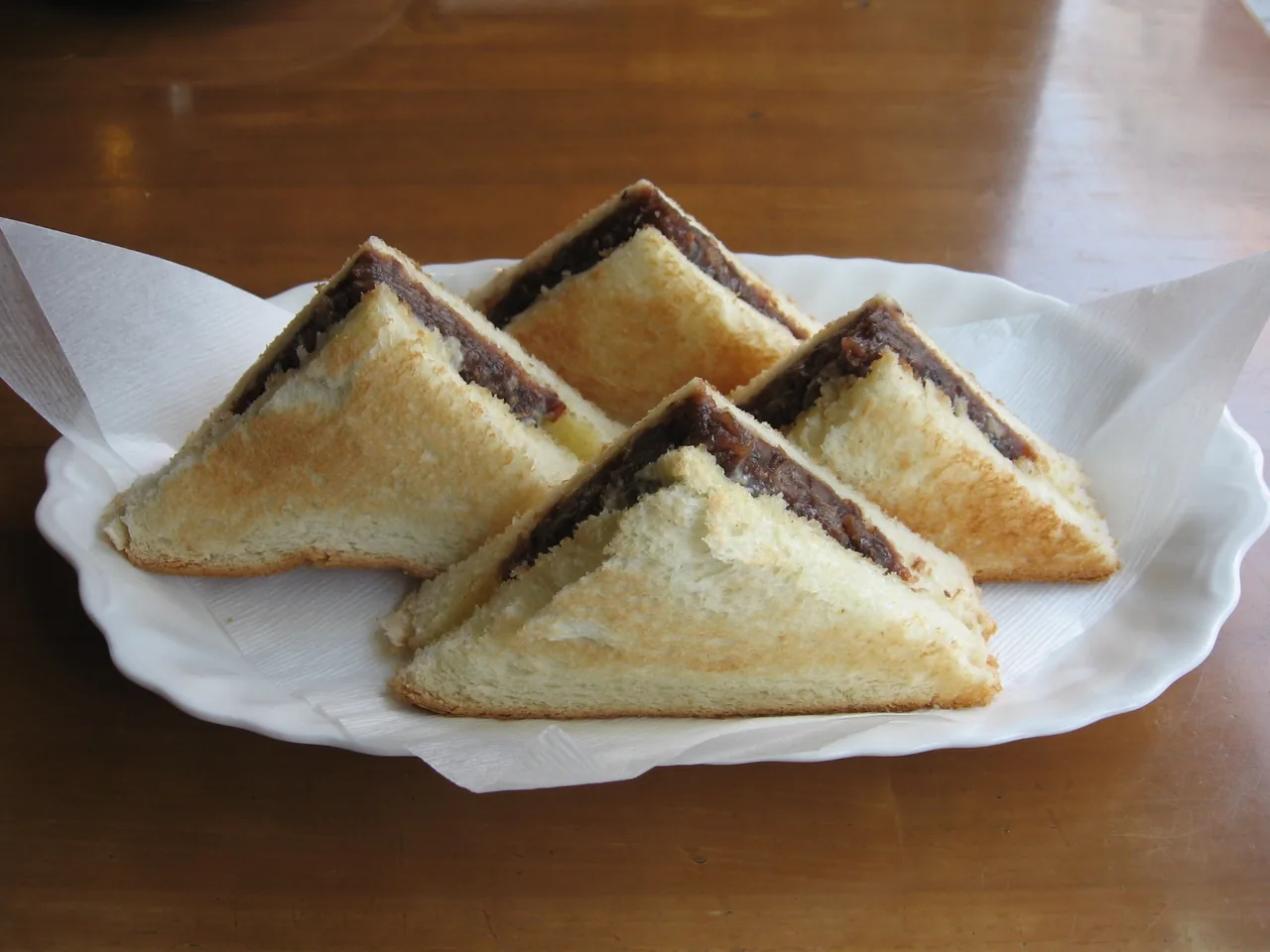
Photo: © Nagoya Convention & Visitors Bureau
Ogura toast, buttered toast with ogura red bean paste, is a standard at Nagoya's cafés. Most places spread the paste on top, but some sandwich it between slices and cut them into triangles, as in the photo. Some cafés serve it as part of a morning set; the café tradition is covered along with it in our Nagoya food guide.
Where to buy: Nagoya Station, department stores and Osu
If you want to do all your shopping at the end of the trip, Nagoya Station is the easiest place.
- Inside JR Nagoya Station: Gift Kiosk Nagoya is on the Central Concourse next to the shinkansen fare adjustment office, and there are shops with the same name beside the shinkansen ticket gates. They stock the standard Nagoya souvenirs, so you can shop right before boarding.
- JR Nagoya Takashimaya: A department store connected to Nagoya Station. Its Japanese sweets floor on B1, "Meika Hyakusen," carries famous sweets from the Tokai region, including Nagoya-only assortments of Bankaku Sohonpo's "Yukari."
- Osu: The main shop of Osu Uiro, which started in the temple town of Osu Kannon Temple, and Aoyagi Sohonke's Osu shop are both here, easy stops while you explore Osu Shopping Street.
Shop locations and products can change, so check each store's official website before you go.
Shelf life and taking souvenirs home
- Check the best-before date: Steamed sweets like nama uiro and oni manju can have a short shelf life. Dry snacks like shrimp crackers tend to last longer, but dates vary by product, so check the box before you buy.
- Storing Moriguchi-zuke: Whether it needs refrigeration depends on the product, so follow the instructions on the package.
- Taking food abroad: Every country and region has its own rules on bringing in food. Foods containing meat or plants may be restricted, so check your home country's customs and quarantine information before you leave.
Nishio City's Mikawa Isshiki Ebi Senbei page has more on where the shrimp crackers come from. For more places to visit in Nagoya, see our Nagoya page.
Places in this guide
Hotels nearbyPR
See prices and availability for hotels in Nagoya and book on our partner Trip.com.
See hotels in Nagoya on Trip.com