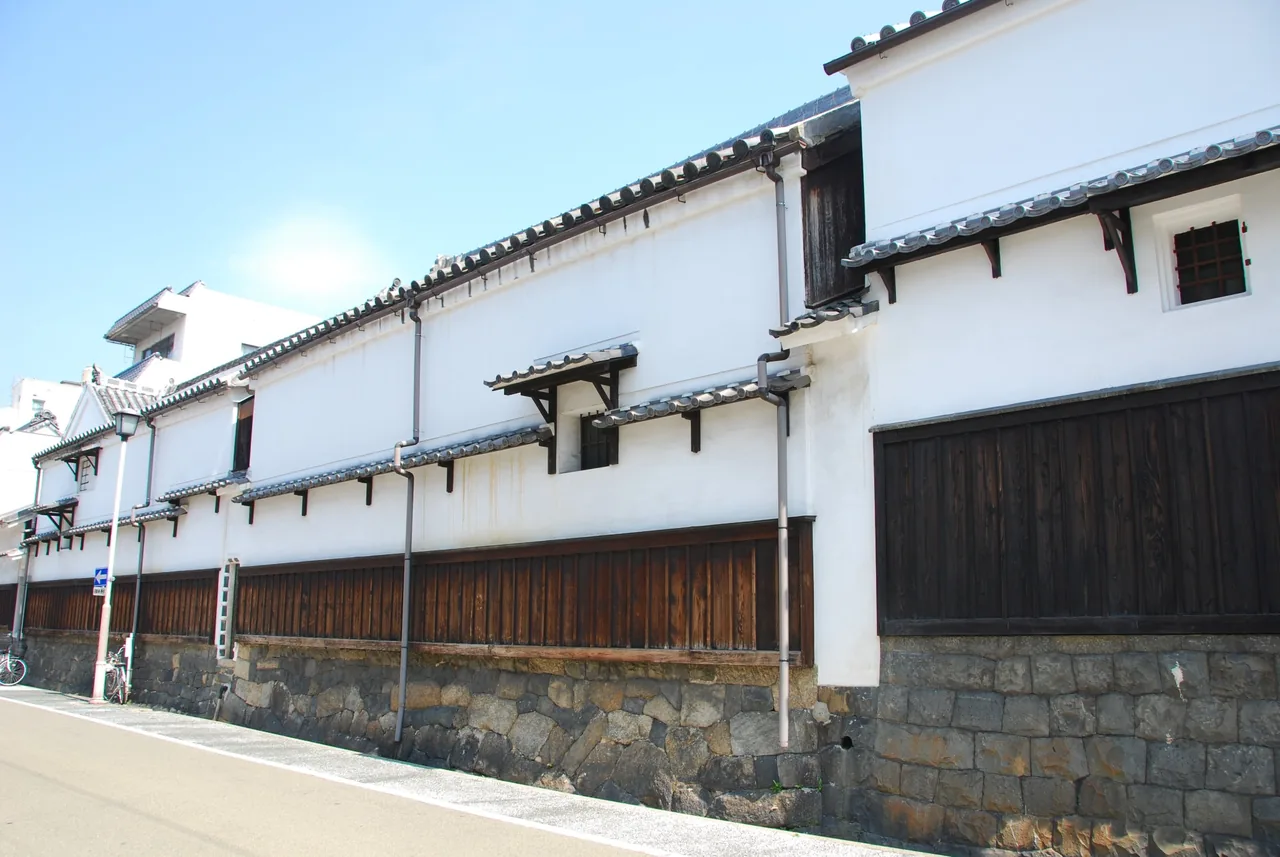
Atsuta Jingu and Port of Nagoya Day: Shrine Forest to Harbor
- Atsuta Jingu Shrine
- Shirotori Garden
- Port of Nagoya Public Aquarium
- Antarctic Research Ship Fuji
- Nagoya Port Building

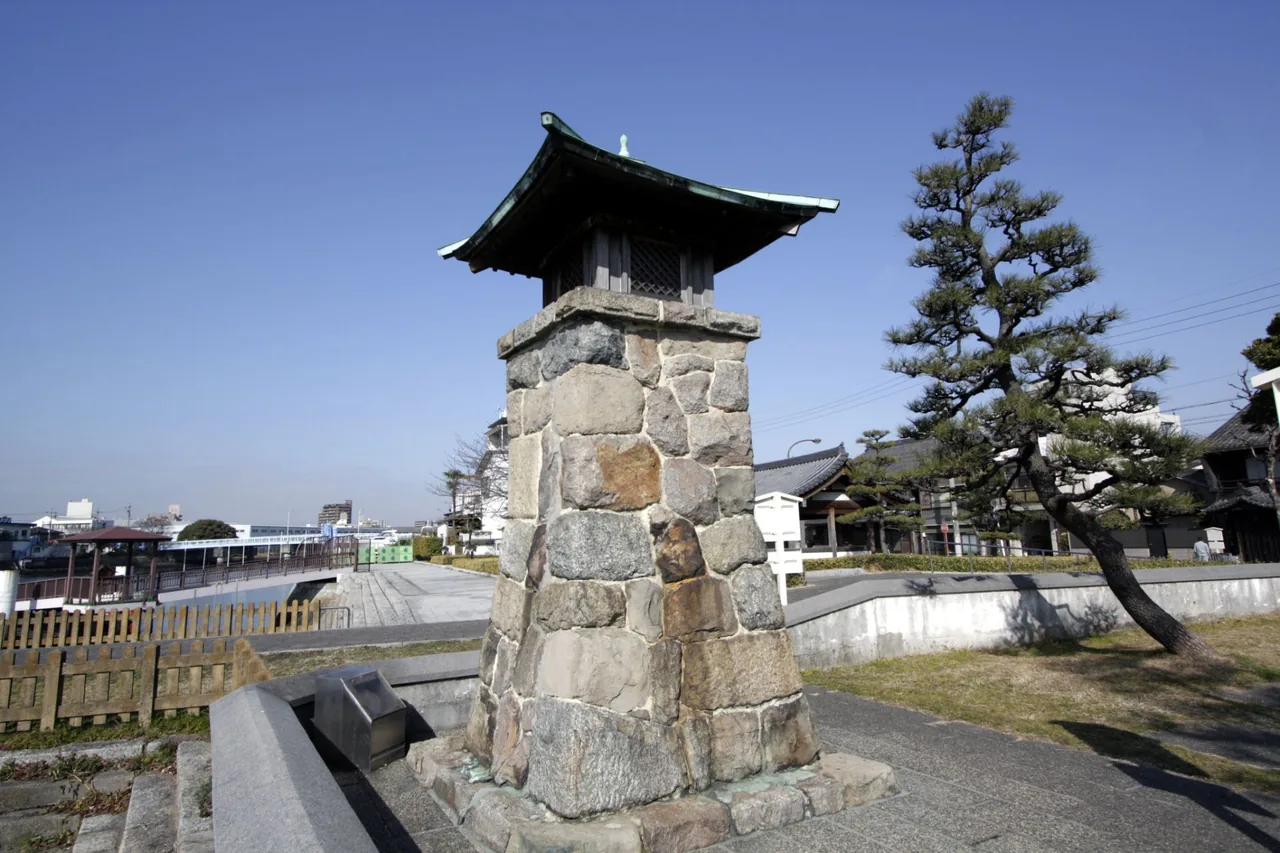
Photo: © Nagoya Convention & Visitors Bureau
Areas of Nagoya
Visiting Atsuta Shrine in Nagoya: the shrine of the sacred Kusanagi sword, the Kusanagi Hall of swords, Shirotori Garden and stations for each gate.
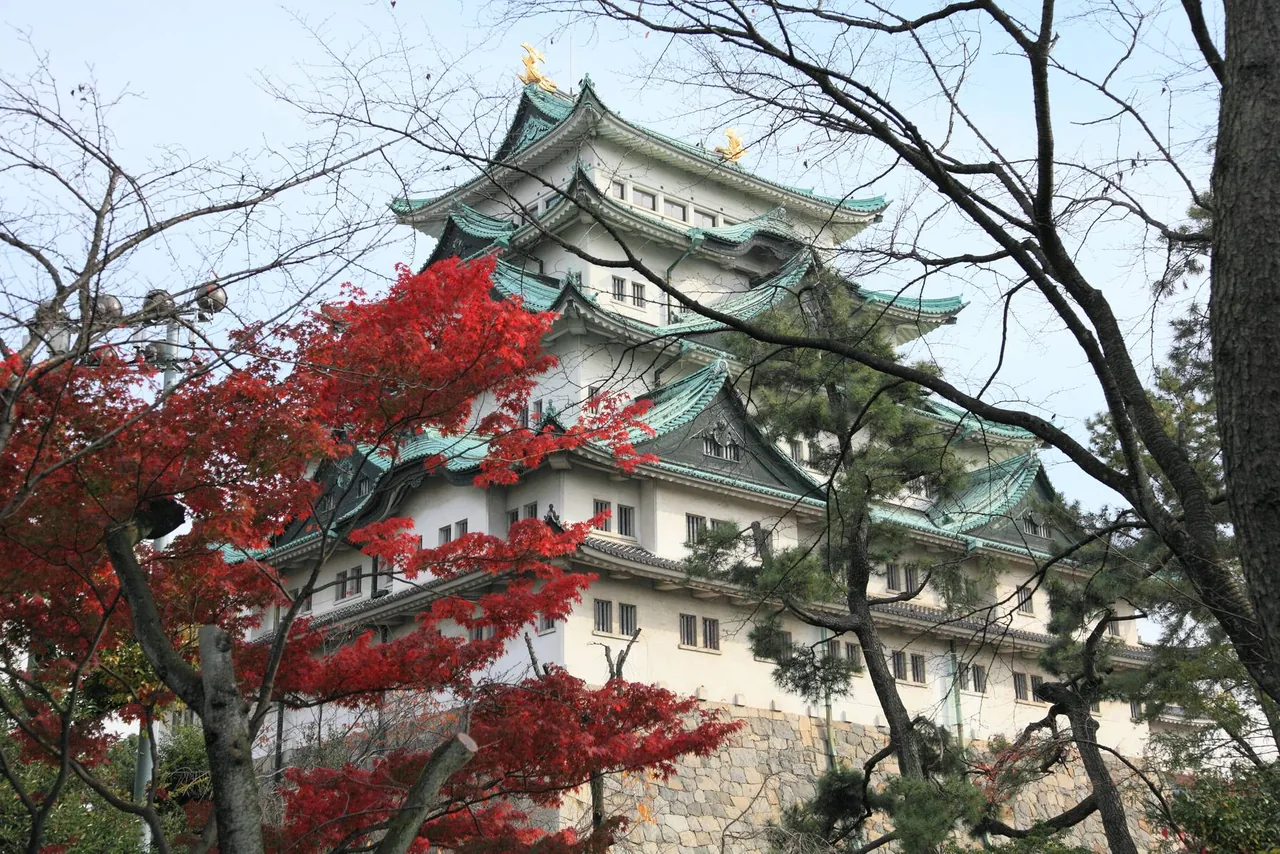 Sep 19 – Nov 23Nagoya Castle Autumn Festival (Chrysanthemum Exhibition)
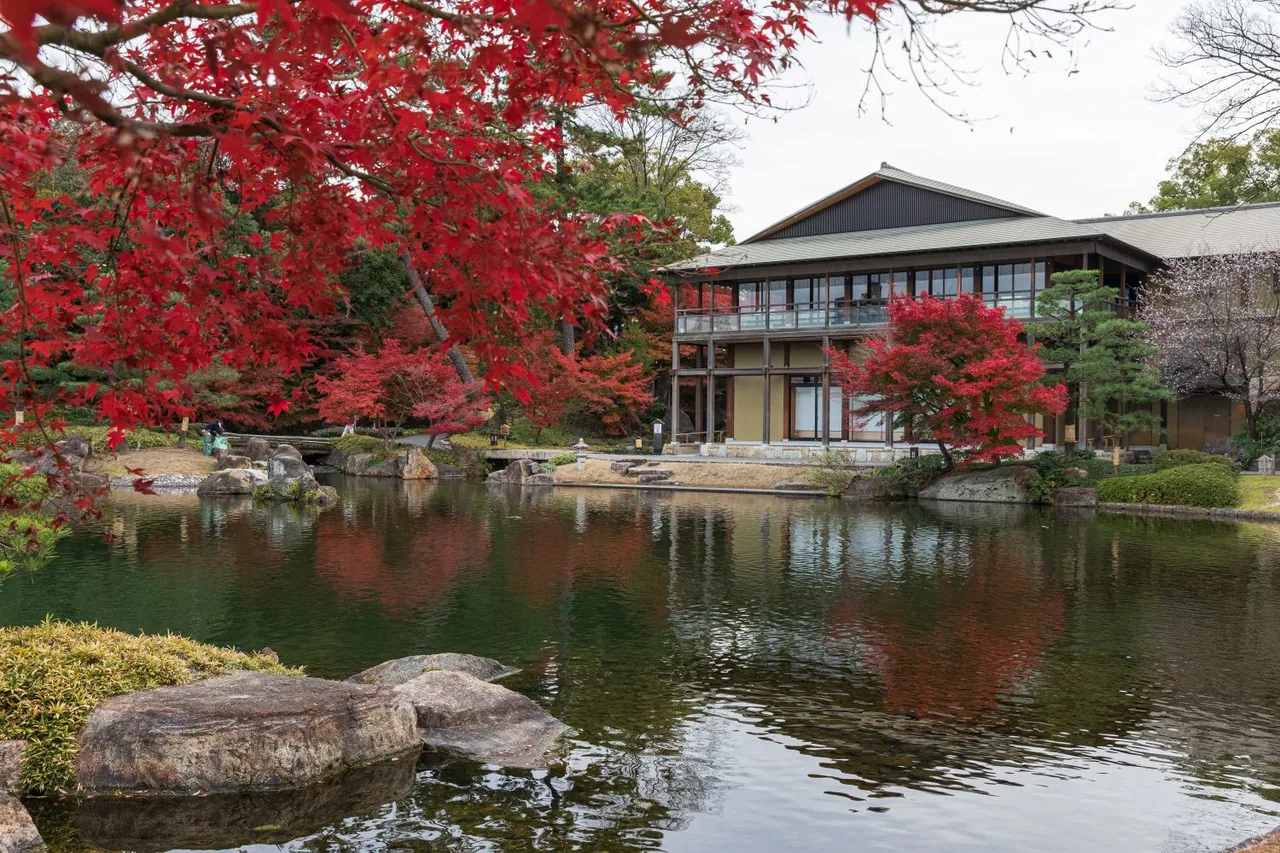 Nov 14 – Dec 6Tokugawaen Autumn Leaves Festival
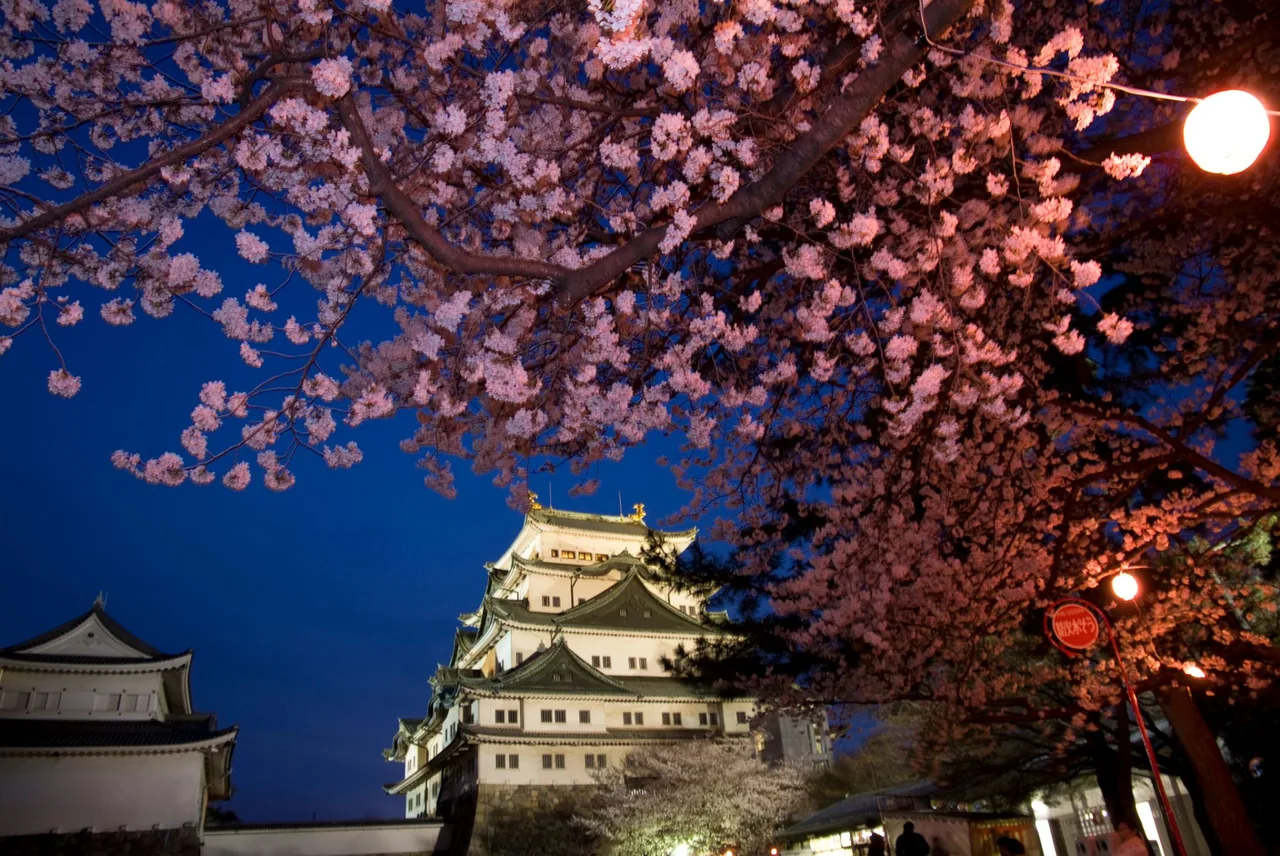 GuidesNagoya Cherry Blossoms and Autumn Leaves: Best Spots and Timing
This page is translated from the Japanese edition. Read the Japanese edition
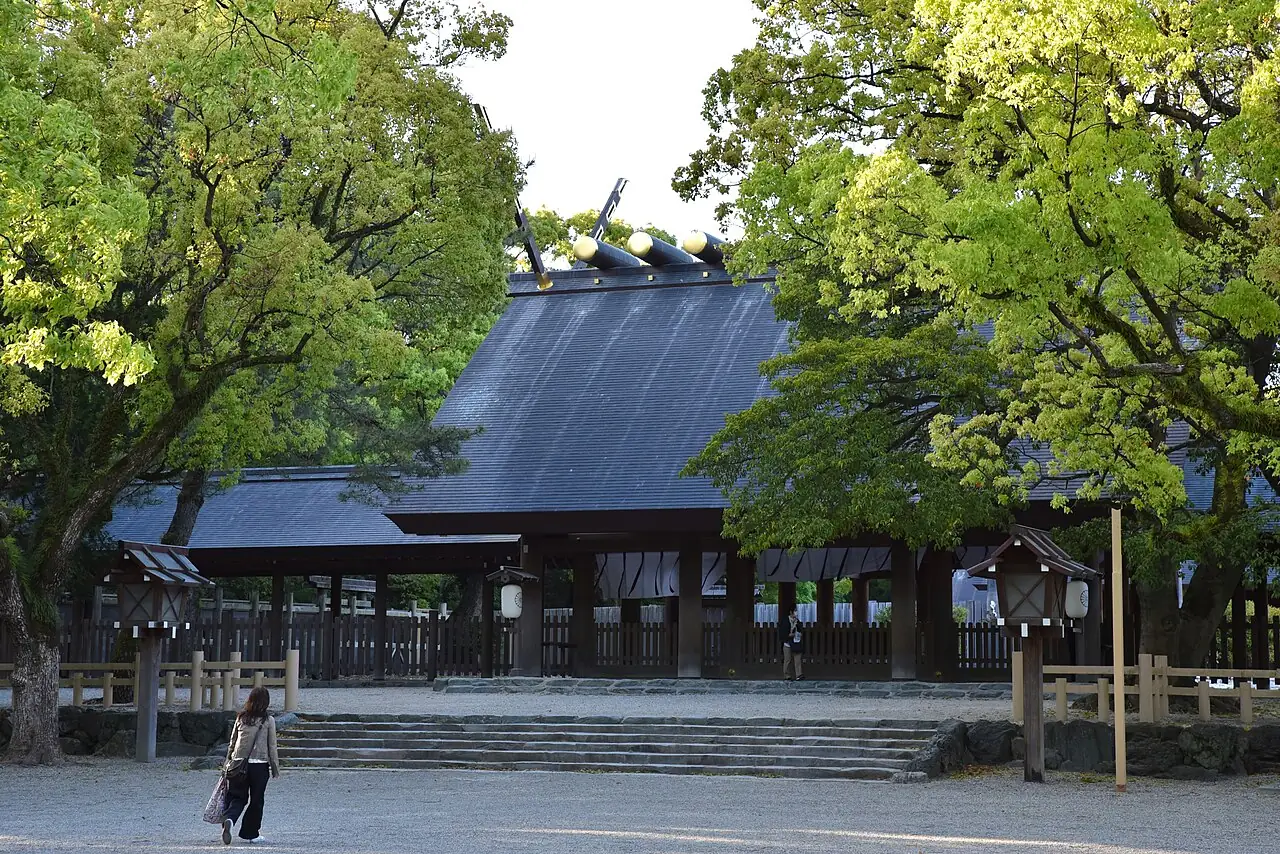
Pass under the great torii gate and the noise of the city fades, giving way to an approach lined with thick old trees. Atsuta Jingu Shrine enshrines Kusanagi-no-Mitsurugi, the sacred sword that is one of the Three Sacred Treasures of Japan, and has long been revered as second only to Ise Jingu. Locals call it affectionately "Atsuta-san."
Trees more than a thousand years old stand in the shrine's grounds of about 200,000 square meters, and it's easy to forget you are in the middle of Nagoya. Allow one to two hours for worship and the treasure halls, or about half a day if you also walk around Shirotori Garden to the west.
Follow the approach to the main sanctuary (Hongu) to pray. In the grounds stands the Nobunaga-bei, an earthen wall Oda Nobunaga donated in thanks for his victory at the Battle of Okehazama, counted among Japan's three great earthen walls. At the annual festival, Atsuta Matsuri, held every June 5, offerings include lantern displays (kento makiwara) and fireworks (official site).
The Treasure Hall holds about 6,000 treasures donated by the imperial family and worshippers from across Japan, shown in changing themed exhibitions. The Kusanagi Hall, a "treasure house of swords", houses many donated Japanese swords and has a corner where you can feel the weight of a real sword. Exhibition schedules are on the Treasure Hall and Kusanagi Hall page.
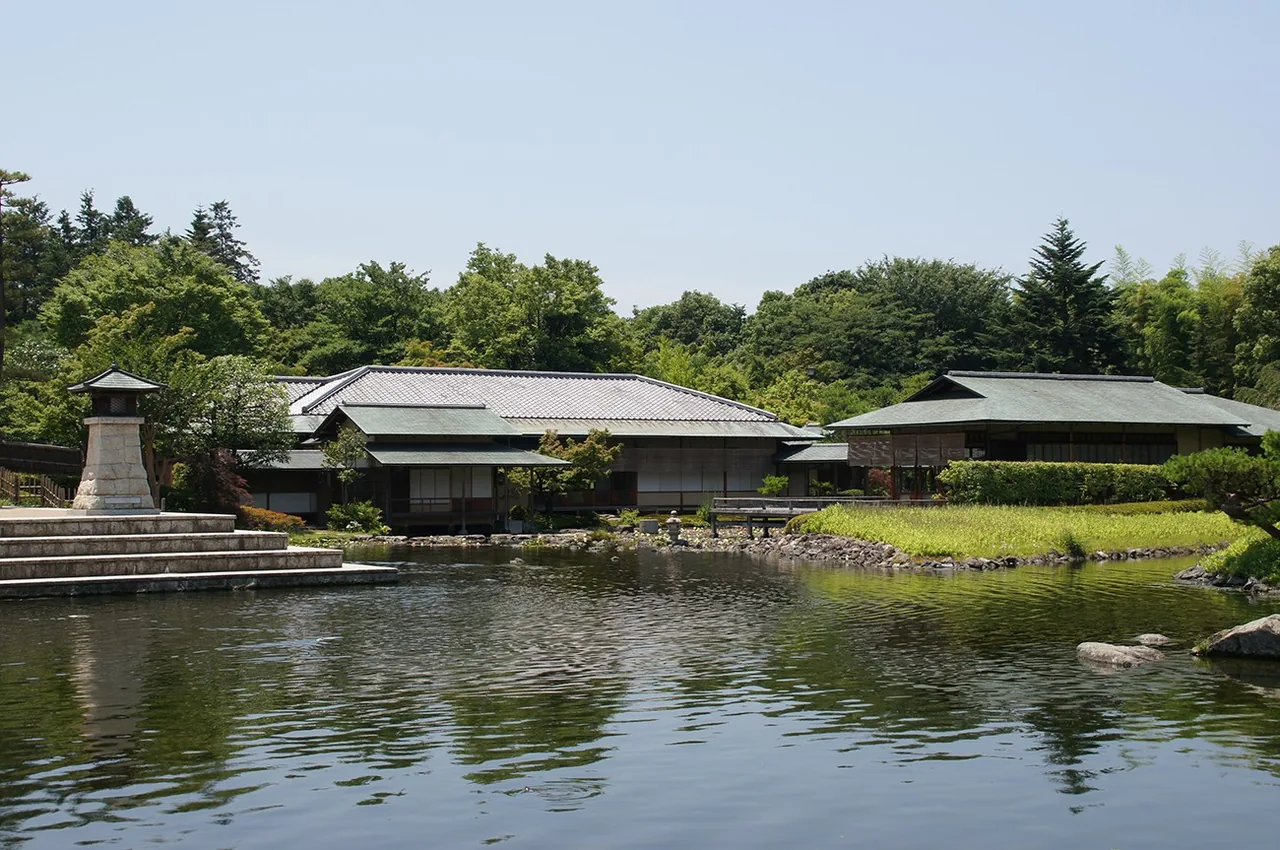
West of Atsuta Jingu, this Japanese garden is laid out for strolling around a pond. Its artificial hill stands for Mount Ontake, the stream flowing from it for the Kiso River and the pond for Ise Bay, telling a "story of water" from the source to the sea (official site).
You can also find Nagoya specialties such as hitsumabushi and kishimen noodles around Atsuta Jingu. Hitsumabushi is chopped grilled eel served over rice in a wooden tub, and you change how you eat it as you go: on its own, with condiments, then with broth poured over. Nagoya Travel Guide's Nagoya meshi page describes the dishes.
Amulets and goshuin (shrine stamps) are available at the shrine's amulet office. The Atsuta Jingu-mae shopping street is also near the shrine, an easy detour before or after your visit.
Each gate of Atsuta Jingu has a different nearest station.
From Nagoya Station, the Meitetsu Nagoya Main Line from Meitetsu Nagoya Station to Jingu-mae is convenient, with no change needed. The shrine's access page has a map.
Enter by the main gate, walk the approach, pray at the main sanctuary, see the Treasure Hall and Kusanagi Hall, then leave by the west gate for Shirotori Garden, and you won't retrace your steps. Allow three to four hours for worship, the exhibitions and a stroll in the garden.
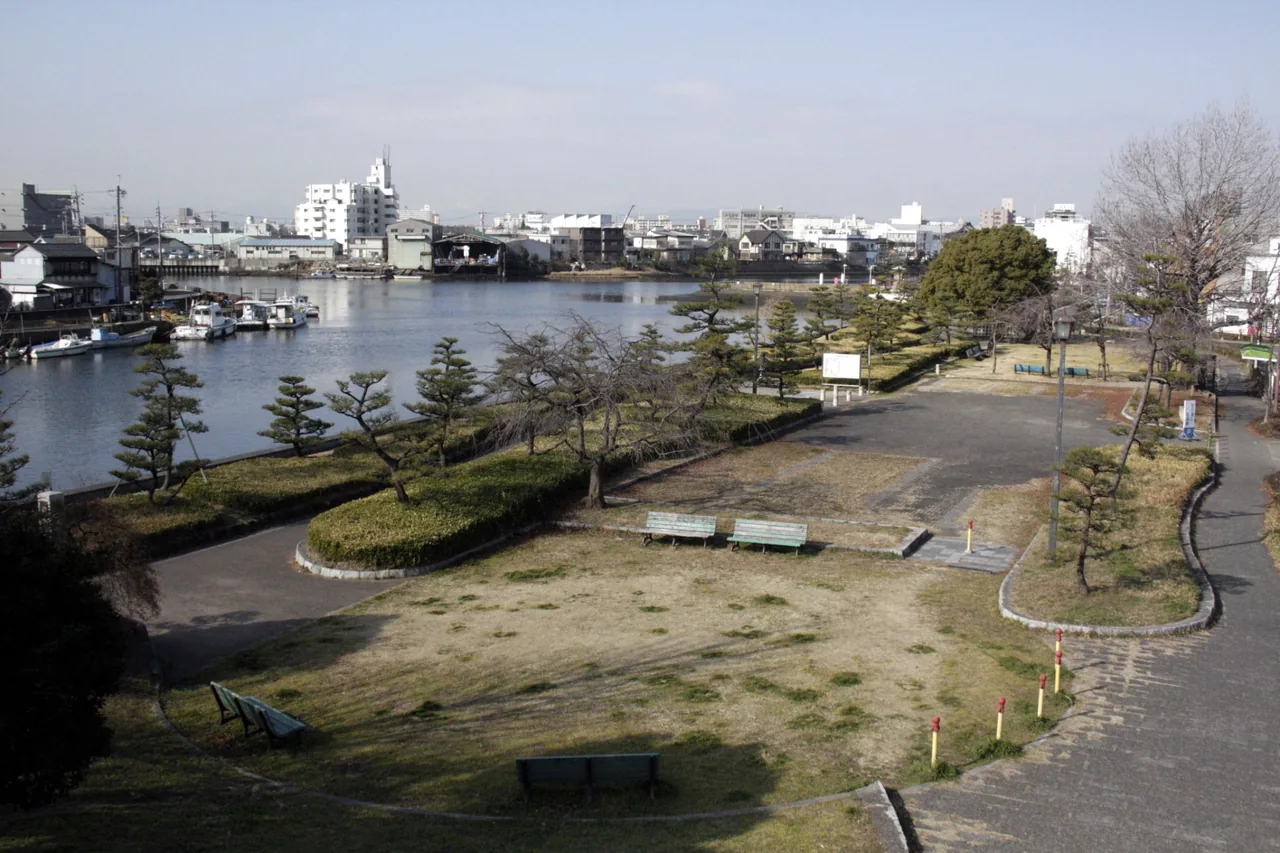
From Atsuta Jingu Nishi Station, the Meijo subway line toward Kanayama takes you to Osu at Kamimaezu Station and to Sakae at Sakae Station. Change to the Meiko Line at Kanayama on the way and you can also reach the Port of Nagoya, home to the aquarium.
See prices and availability for hotels in Nagoya and book on our partner Trip.com.
See hotels in Nagoya on Trip.com