
Nagoya Samurai History: Sites of Nobunaga, Hideyoshi and Ieyasu
This guide is translated from the Japanese edition. Read the Japanese edition
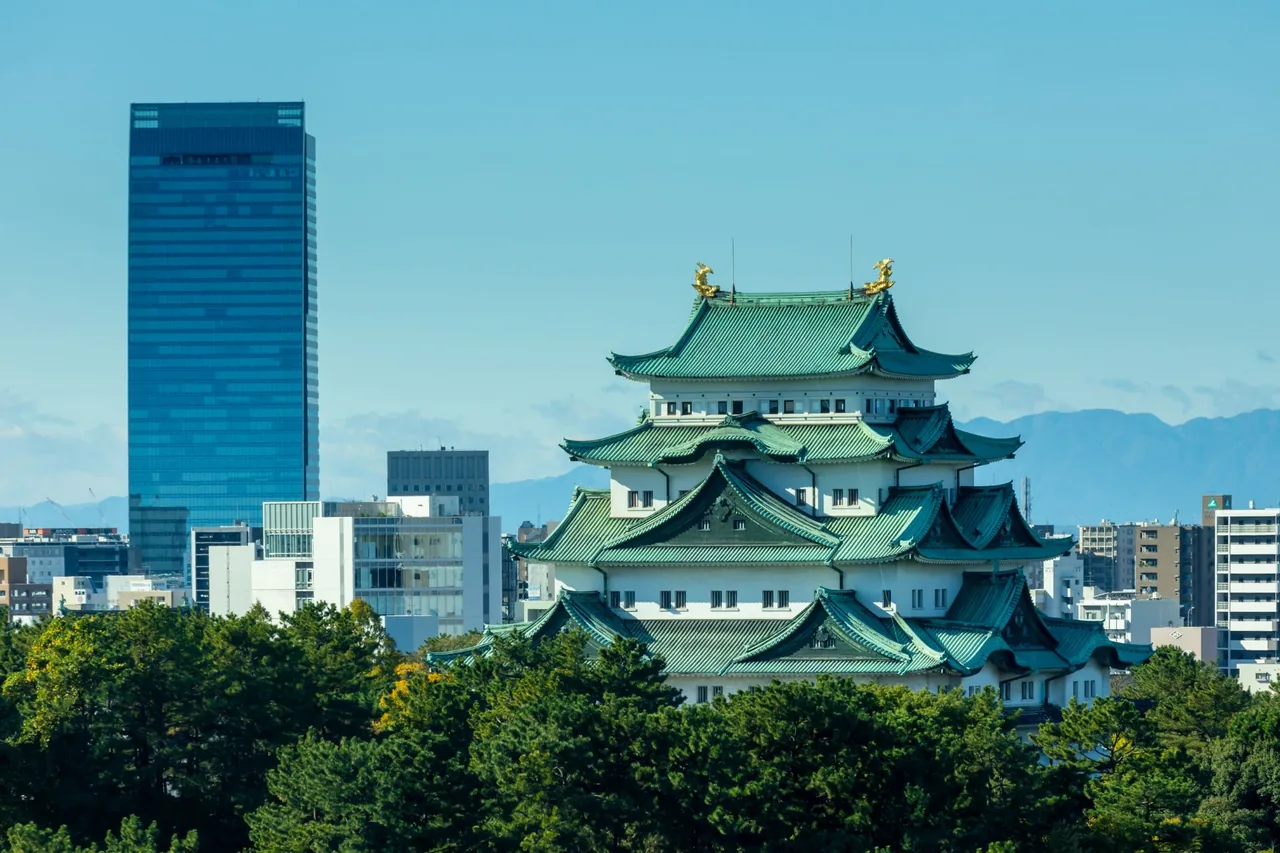
A history walk through Nagoya's sites linked to Oda Nobunaga, Toyotomi Hideyoshi and Tokugawa Ieyasu, from Atsuta Jingu and Banshoji to Nakamura and Nagoya Castle.
Oda Nobunaga, Toyotomi Hideyoshi and Tokugawa Ieyasu, the three warlords who drove the unification of Japan in the age of civil war, all came from Owari and Mikawa, today's Aichi Prefecture. Nagoya calls them the "San-eiketsu," the three great heroes, and temples, shrines and historic sites linked to them are scattered across the city. The shrine where Nobunaga prayed for victory, the village where Hideyoshi was born, the castle and town Ieyasu built: by subway, you can follow all three in a day.
Nobunaga: the Nobunaga-bei at Atsuta Jingu and Banshoji
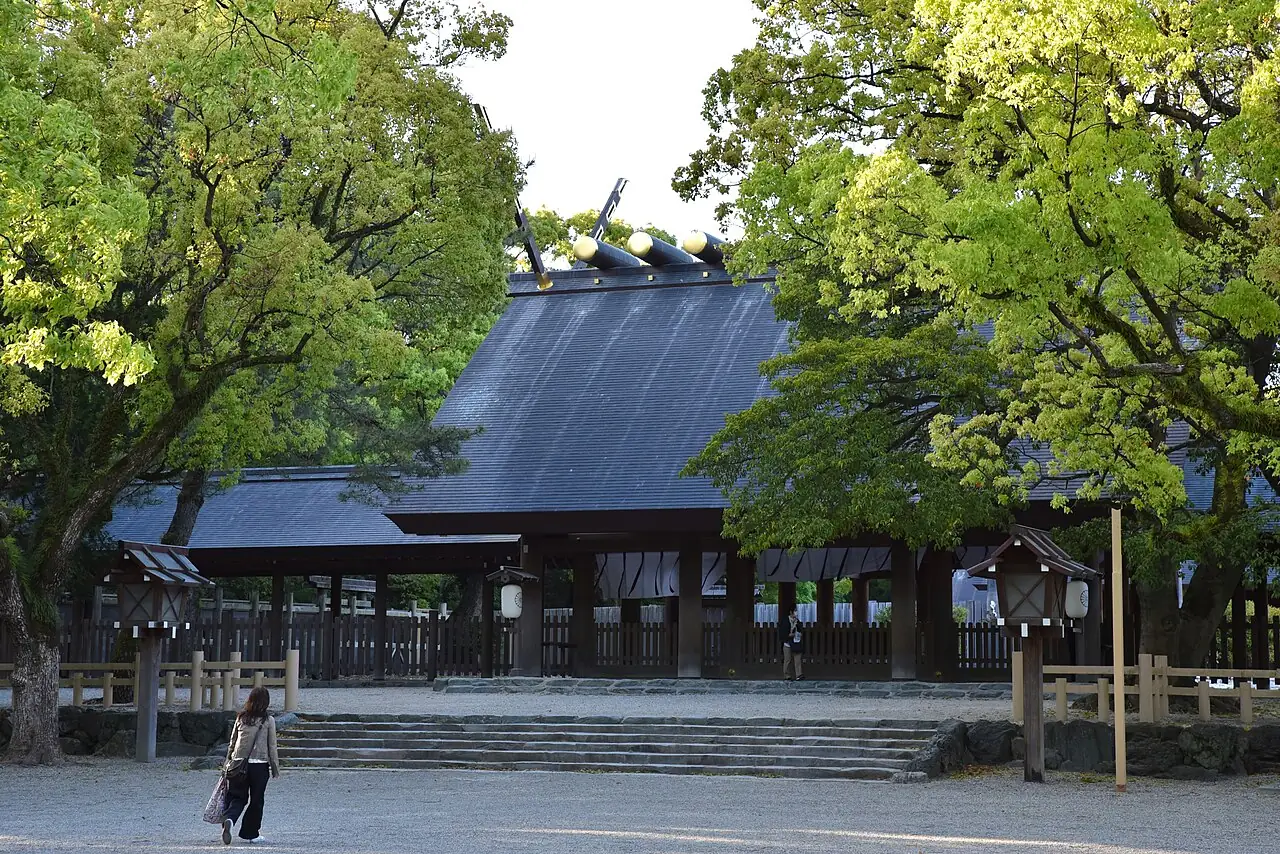
In 1560, on his way to the Battle of Okehazama, Oda Nobunaga stopped at Atsuta Jingu to pray for victory. After his decisive win he donated the Nobunaga-bei wall in thanks. Made of earth and lime kneaded with oil and topped with thick layers of tiles, it is counted with the Dairen-bei at Nishinomiya Shrine and the Taiko-bei at Sanjusangendo as one of Japan's three great earthen walls. It stands beside the approach to the main sanctuary, so you pass it on the way in or out (Atsuta Jingu's page on the Nobunaga-bei).
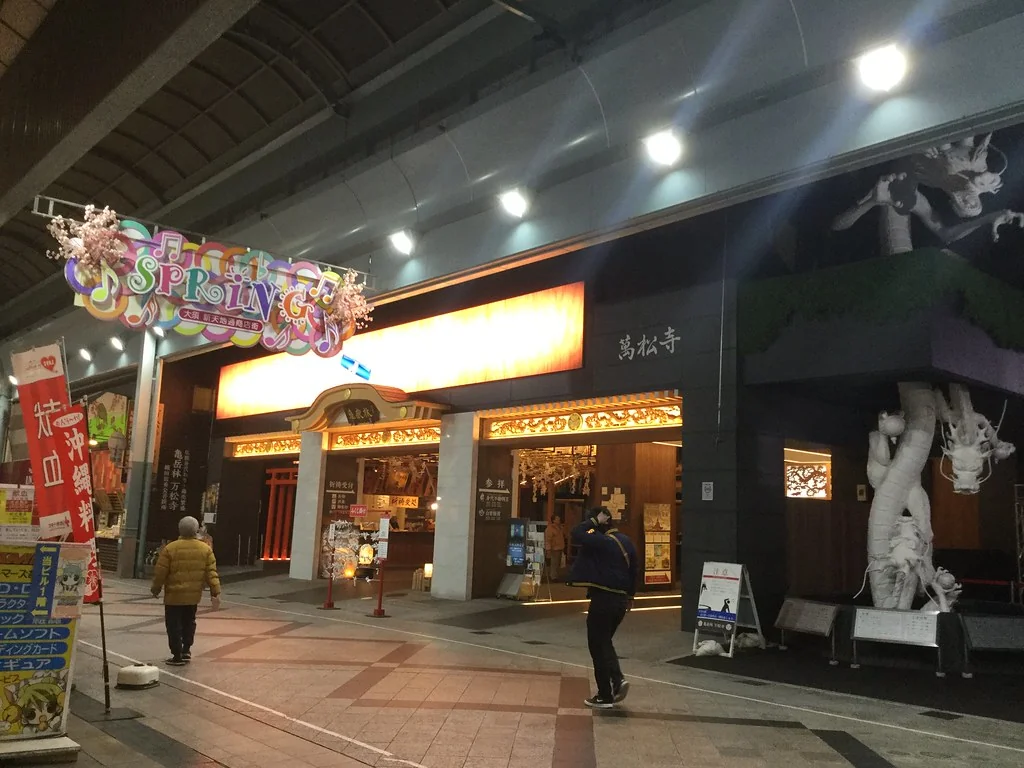
Banshoji in Osu was founded in 1540 by Nobunaga's father, Oda Nobuhide, as the Oda family temple. The story goes that at Nobuhide's funeral, Nobunaga, the chief mourner, grabbed a handful of incense and threw it at the memorial tablet. In the grounds, the karakuri mechanical puppet display "Nobunaga," made by puppet maker Tamaya Shobei VIII, acts out this "incense incident" and the scene in which Nobunaga is said to have danced the Kowakamai piece "Atsumori" before setting out for Okehazama, at set times of day. Performance times are on Banshoji's official website.
Hideyoshi: Nakamura Park, his home village
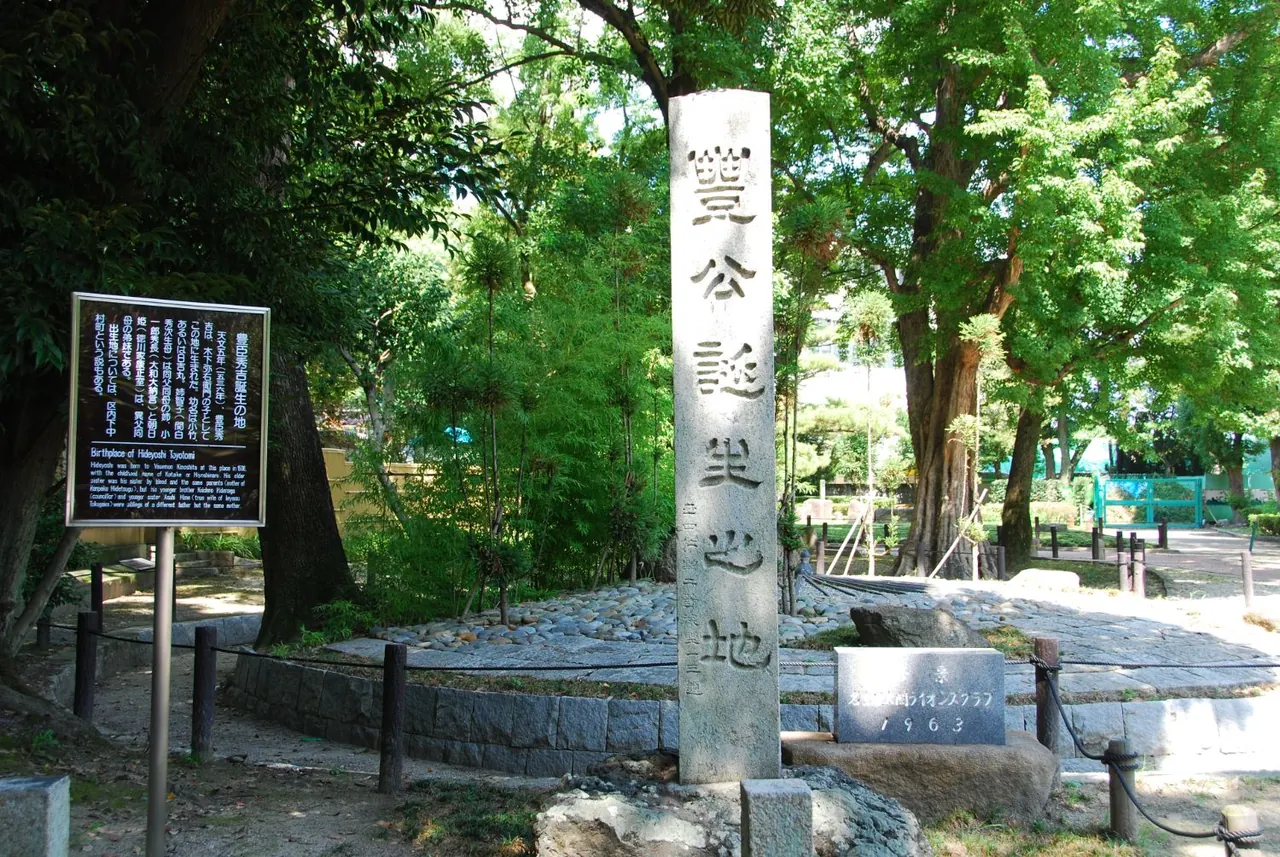
Photo: © Nagoya Convention & Visitors Bureau
Toyotomi Hideyoshi was born in what is now Nakamura Ward, Nagoya. At the heart of Nakamura Park stands Hokoku Shrine, built in 1885 to mark his birthplace, and local people have shaped the shrine and park ever since.
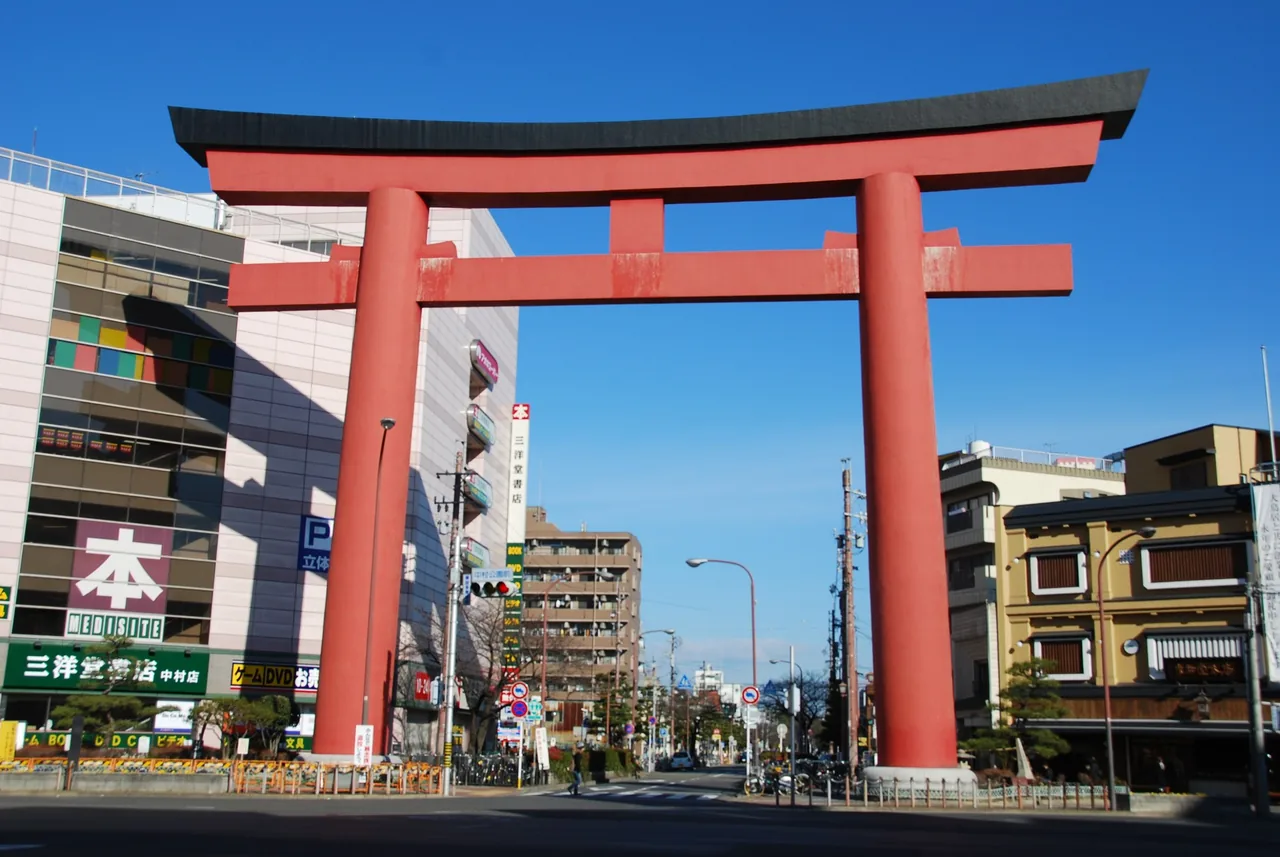
Photo: © Nagoya Convention & Visitors Bureau
In a corner of the park, the Nagoya City Hideyoshi and Kiyomasa Memorial Museum covers the period from Nobunaga's rise to the Siege of Osaka, focusing on Toyotomi Hideyoshi and Kato Kiyomasa, both born in Nakamura. It is about a 10-minute walk north from Exit 3 of Nakamura Koen Station on the Higashiyama subway line, which you reach without changing by heading west from Nagoya Station (Nagoya City Hideyoshi and Kiyomasa Memorial Museum).
Ieyasu: Nagoya Castle and the "Kiyosu-goshi"
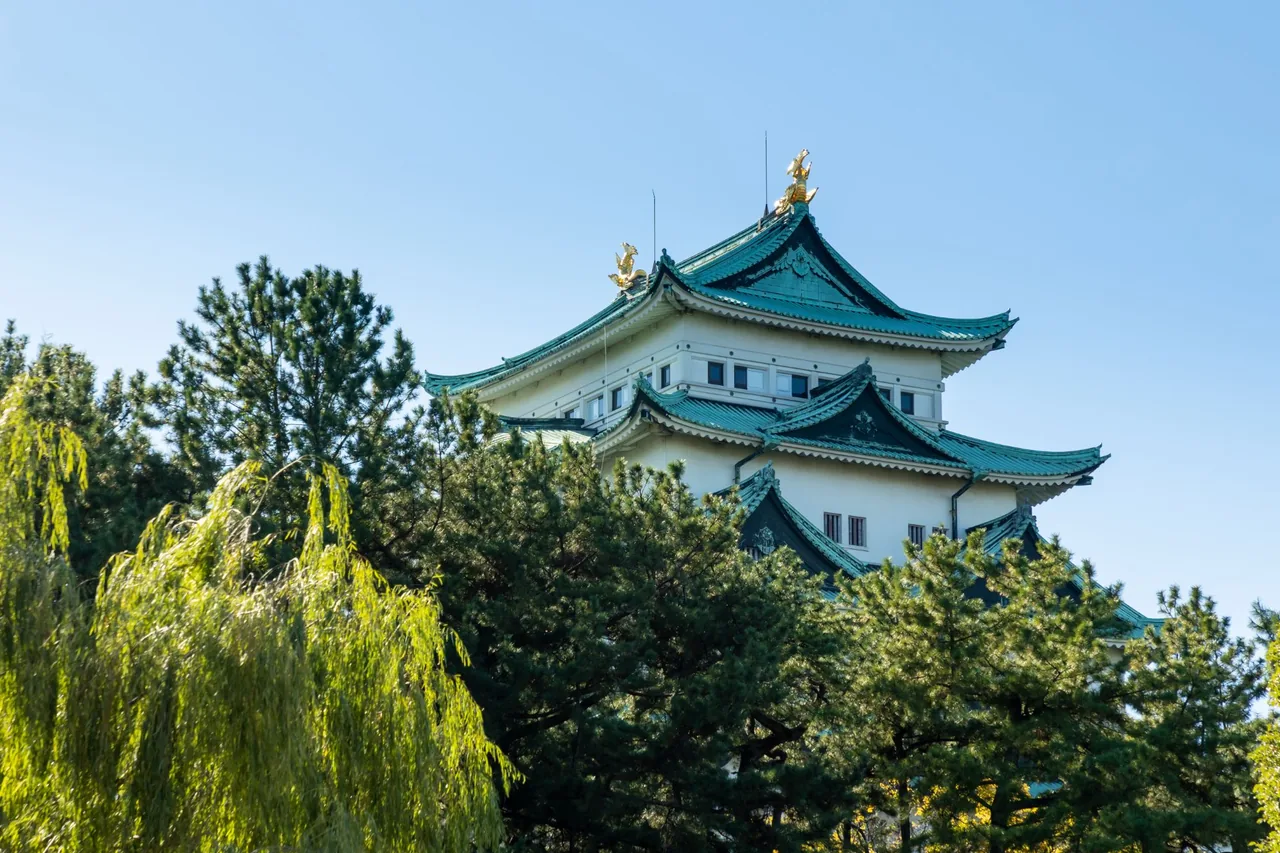
Photo: © Nagoya Convention & Visitors Bureau
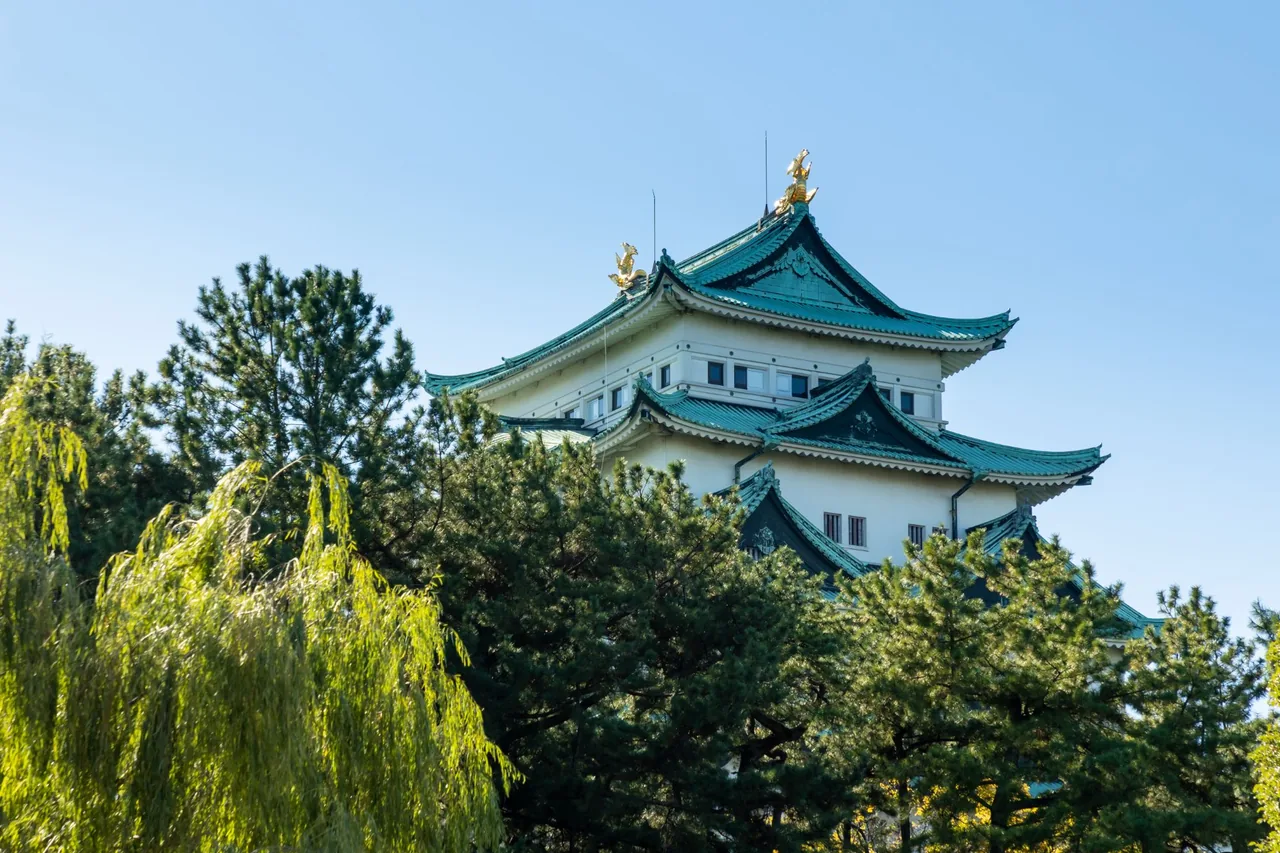
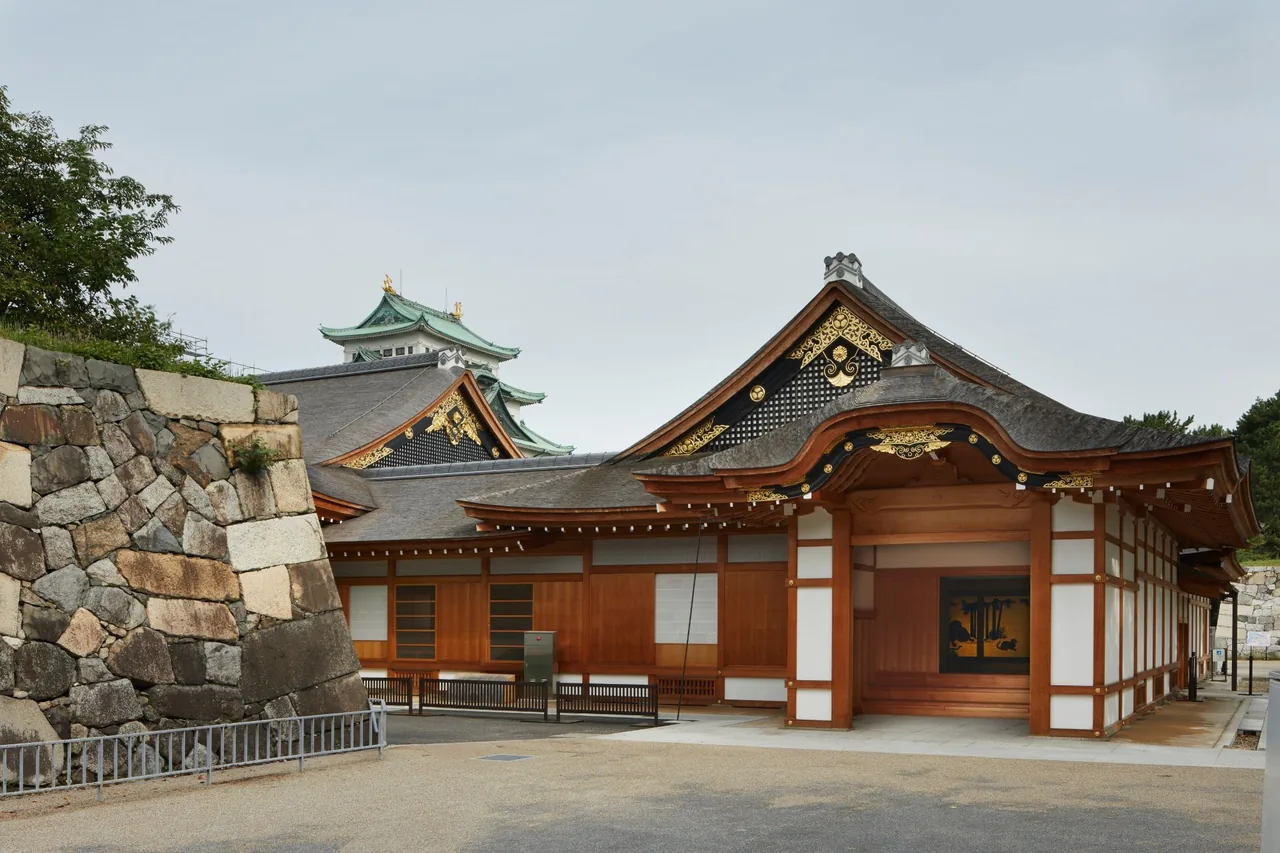
The framework of today's Nagoya was laid down by Tokugawa Ieyasu. In 1610 he ordered the building of Nagoya Castle and moved the whole town of Kiyosu (now Kiyosu City), until then the center of Owari, to Nagoya. This was the "Kiyosu-goshi," and according to Nagoya Castle, about 60,000 people, around 100 temples and shrines and 67 town blocks were moved.
South of the castle a merchants' town was laid out in a grid, and streets built then, such as Hommachi-dori, Hirokoji and Shikemichi, are still there. Inside the castle grounds, the Hommaru Palace, built as the residence of the Owari lords and later used as lodgings for the shogun, has been restored from Edo-period plans and prewar photographs. The story of the castle's building and the Kiyosu-goshi is told in detail on Nagoya Castle's official website.
Osu Kannon: the temple Ieyasu moved
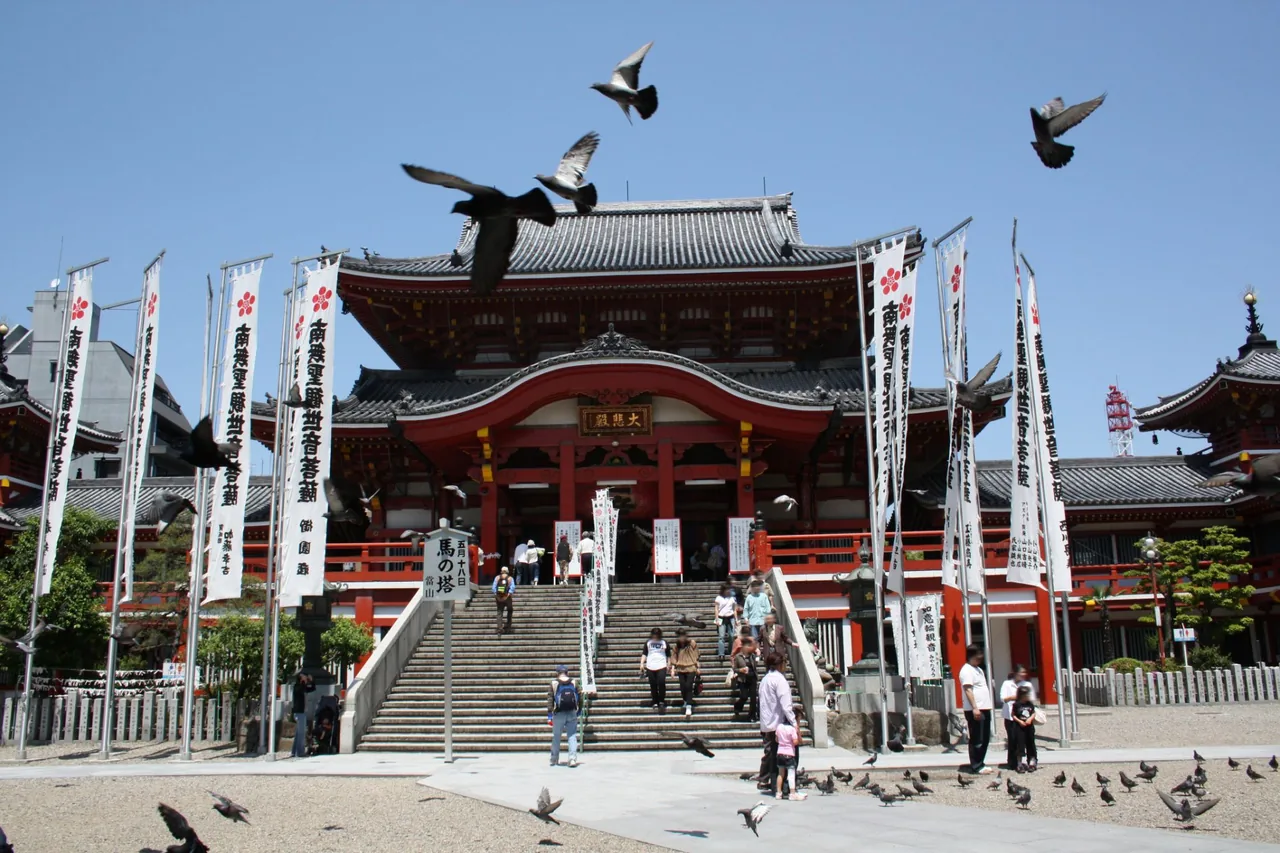
Photo: © Nagoya Convention & Visitors Bureau
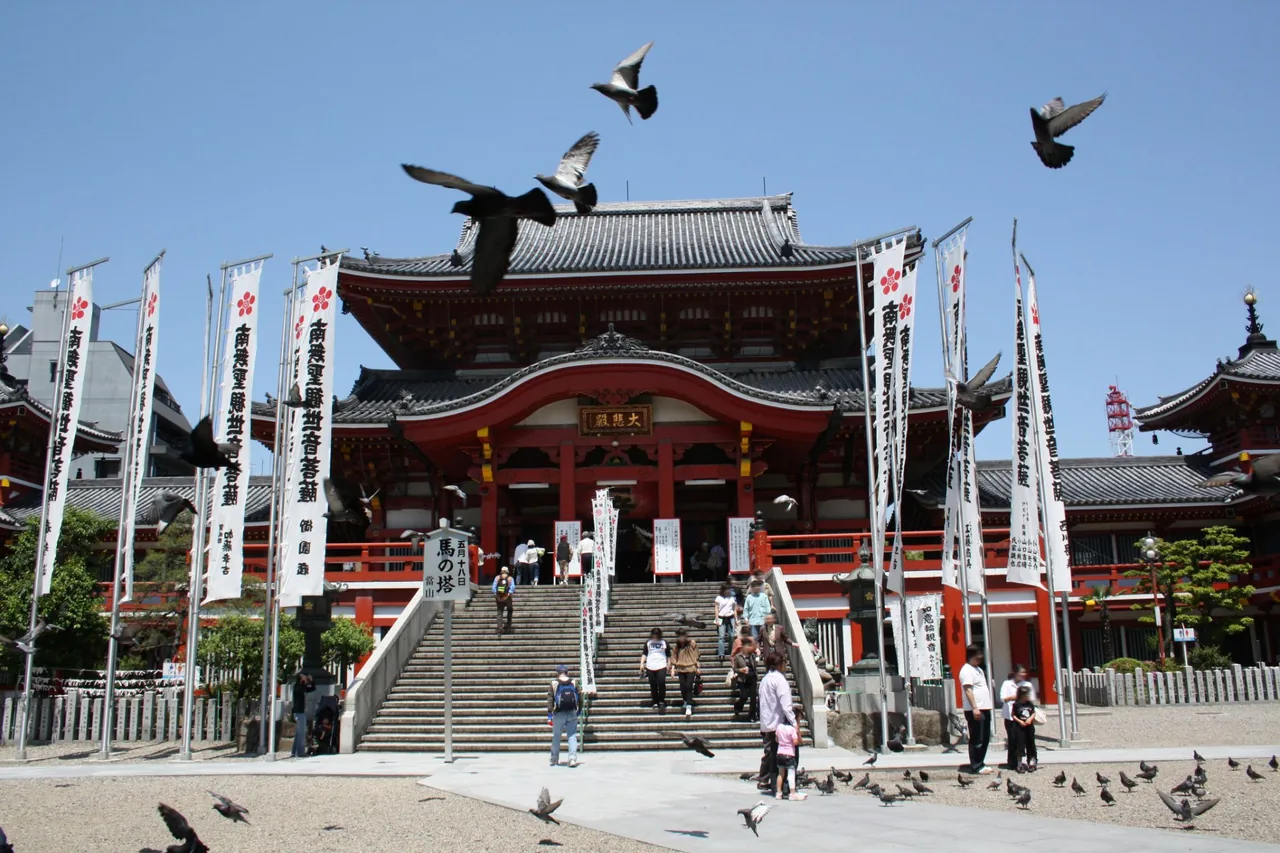
Osu Kannon is also closely tied to Ieyasu's town planning. It originally stood in Osu in Owari Province (now Hashima, Gifu Prefecture) and was moved to its present site when Ieyasu laid out Nagoya. A town grew up in front of the temple gate and became today's Osu shopping district. The temple's Osu Bunko library holds some 15,000 volumes, including a manuscript of the Kojiki that is a National Treasure.
Banshoji is just nearby, so in Osu you can walk between temples linked to both Nobunaga and Ieyasu.
Following the three unifiers in a day
The three areas are linked by subway. Here is one route starting from Nagoya Station.
- In the morning, take the Higashiyama Line to Nakamura Koen Station for Hokoku Shrine and the Hideyoshi and Kiyomasa Memorial Museum.
- Ride the Higashiyama Line back through Nagoya to Sakae and change to the Meijo Line for Nagoya-jo Station. Visit Nagoya Castle and the Hommaru Palace.
- Go south on the Meijo Line to Kamimaezu for Banshoji and Osu Kannon, with lunch in the Osu shopping streets.
- Continue on the Meijo Line to Atsuta Jingu Temmacho Station, visit Atsuta Jingu and see the Nobunaga-bei.
The three heroes are also the stars of the Nagoya Festival, usually held in October. In a normal year the Kyodo Eiketsu Gyoretsu procession, led by people dressed as the three, moves through the city (there is no procession in 2026). For how to combine Nagoya Castle and Osu, see Nagoya one-day itinerary; the city tourism site's feature on places linked to the three heroes is also useful.
Places in this guide
Hotels nearbyPR
See prices and availability for hotels in Nagoya and book on our partner Trip.com.
See hotels in Nagoya on Trip.com