
Niigata Food Guide: Hegi Soba, Tare Katsudon and Red Snow Crab
This guide is translated from the Japanese edition. Read the Japanese edition
Niigata food to try: hegi soba, tare katsudon without egg, red snow crab from Noh, chamame edamame, Awashima's wappa-ni, sasa-zushi and Echigo-hime strawberries.
Niigata is famous for rice, but its specialties go well beyond a bowl of it. There's soba from the mountain towns, a katsudon born in a port city, crab from the Sea of Japan and the edamame people eat all summer. Each area has dishes locals have kept eating for generations, and what's available changes with the seasons, so it pays to match your choices to when you travel.
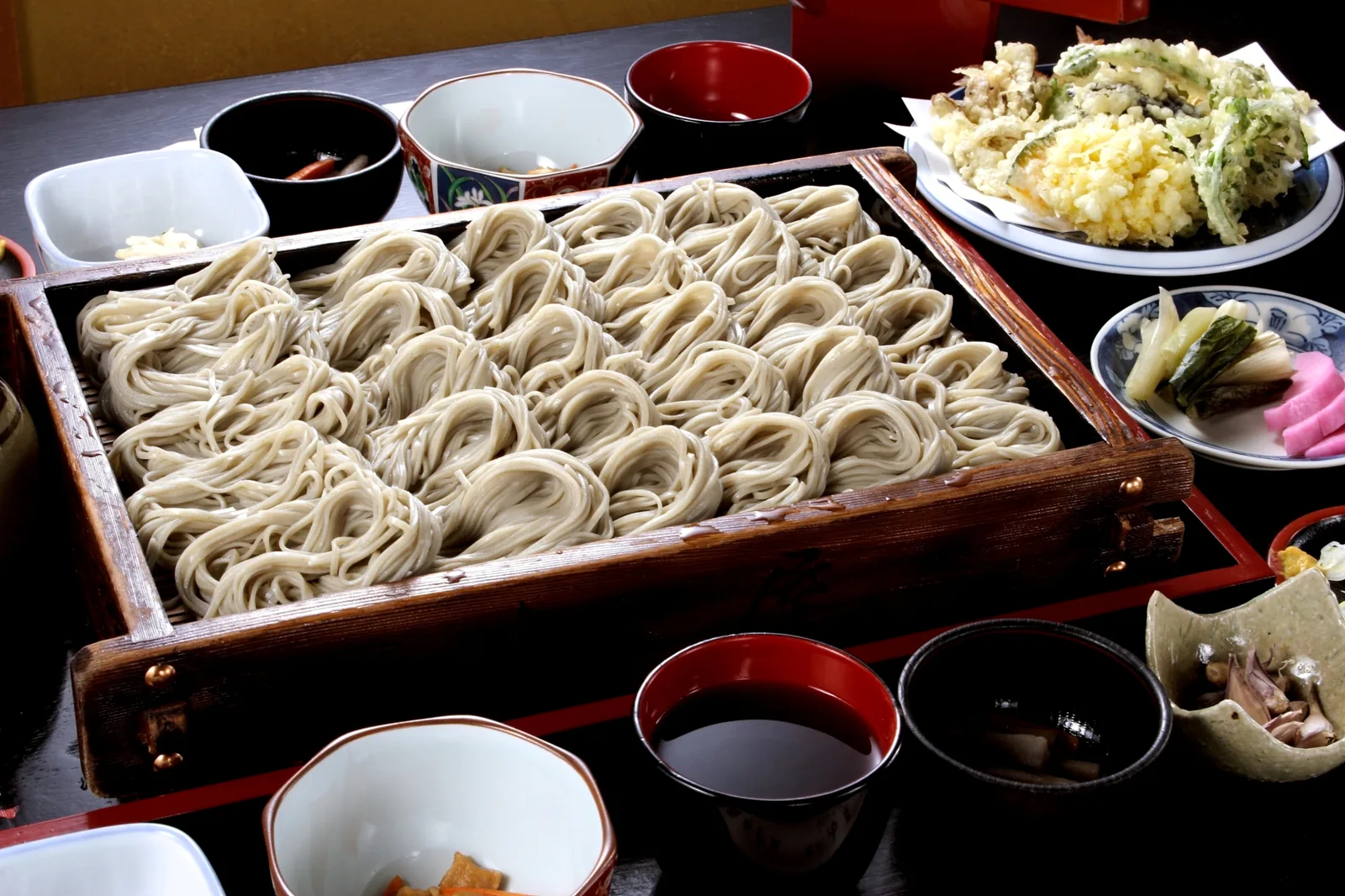
Hegi soba: silky noodles bound with seaweed
Hegi soba is a buckwheat noodle eaten mainly in the Uonuma region. What sets it apart is the binder: funori, a kind of seaweed, which gives the noodles a smooth surface and a firm bite.
The "hegi" in the name is the square tray made of cedar boards the noodles are served on. The cooked soba is gathered into bite-sized bundles and lined up on the tray. This area was known for hemp textiles, and funori was used as a starch to stiffen the thread; that is said to be how it found its way into soba.
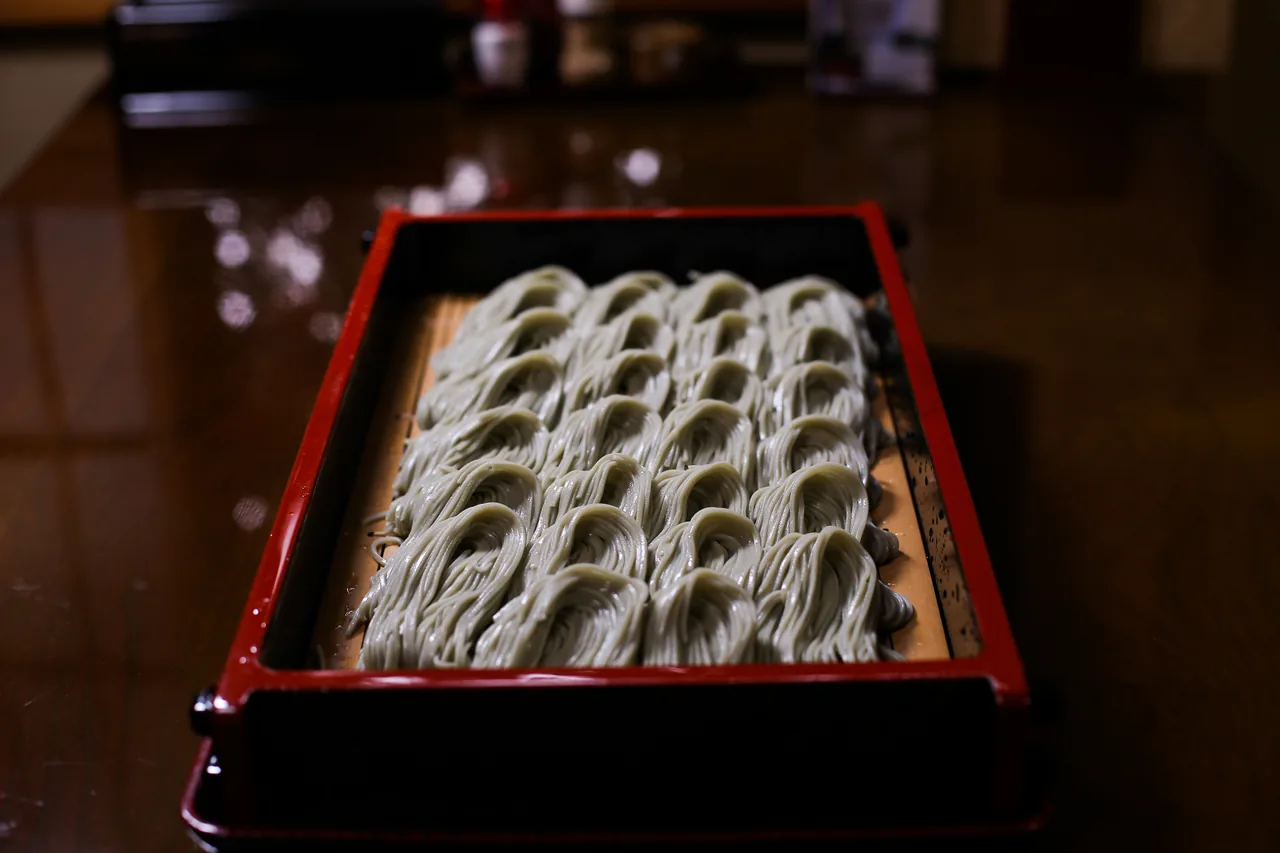
The traditional condiment is mustard, not wasabi, a habit said to have started because wasabi didn't grow in Uonuma. You can read more about its origins and how it's eaten on the Ministry of Agriculture's "Our Regional Cuisines" page.
Tare katsudon: Niigata City's katsudon without egg
Order katsudon in Niigata City and you'll often get not the egg-topped version but thin cutlets dipped in a sweet-savory soy sauce glaze and laid over rice. This is tare katsudon. It was born in Niigata City when it thrived as a port, and around 70 places in the city serve it.
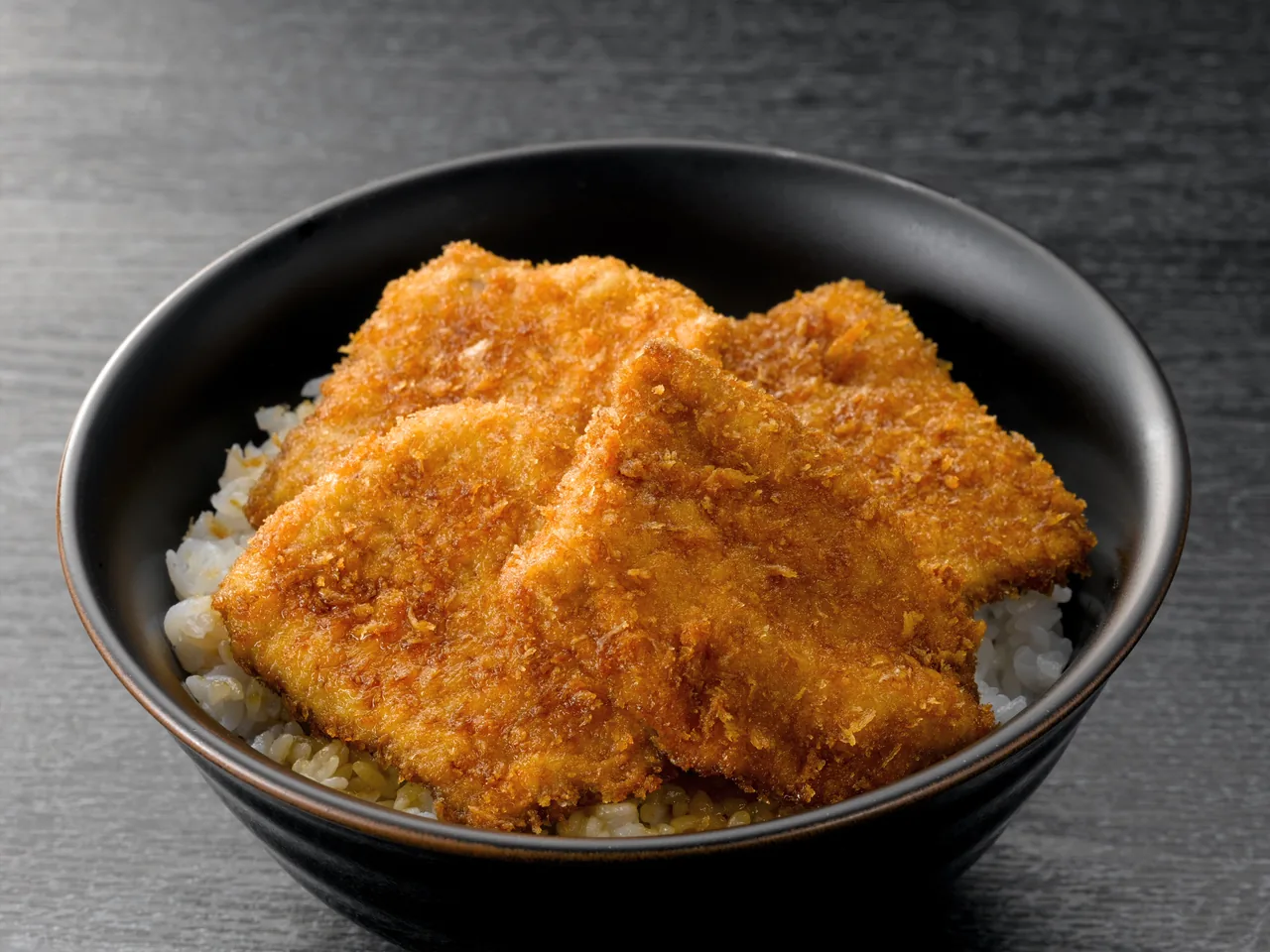
Restaurants that serve the egg version sometimes label it "tamago-toji katsudon" to tell the two apart. The sweetness of the sauce and the number of cutlets vary from place to place, so trying a few is part of the fun. It's easy to find around Niigata Station and in the Furumachi entertainment district.
Red snow crab: Kaniya Yokocho in Noh
Red snow crab (beni-zuwaigani) is landed at Noh Port in the city of Itoigawa. At the nearby roadside station Marine Dream Nou, "Kaniya Yokocho" is a row of shops selling boiled crab, and you can eat what you buy on the spot.
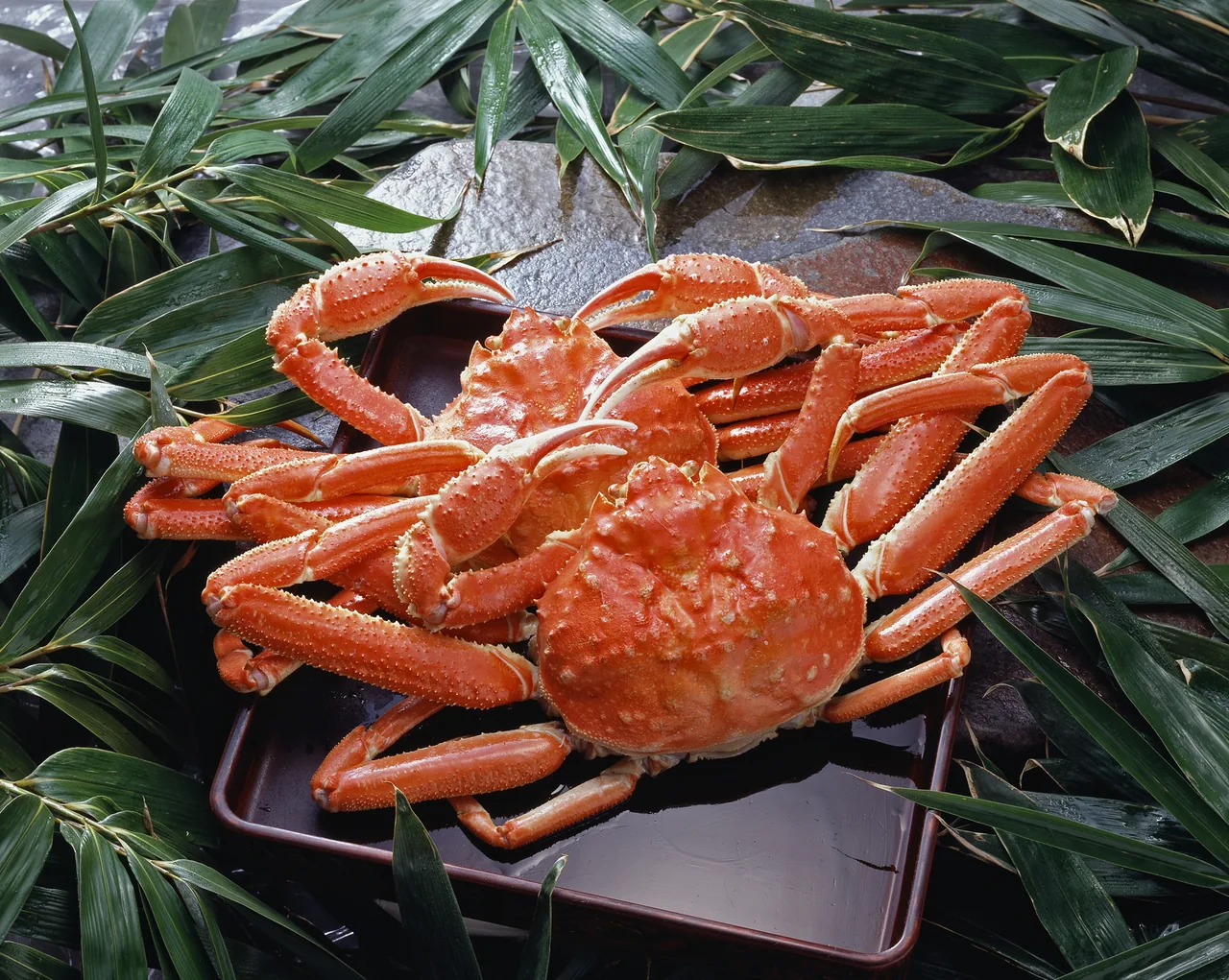
To protect stocks, red snow crab isn't fished in January and February, and many Kaniya Yokocho shops close in those months too, so go between March and December. Check the latest on the Itoigawa City Tourism Association website.
Summer chamame and spring Echigo-hime
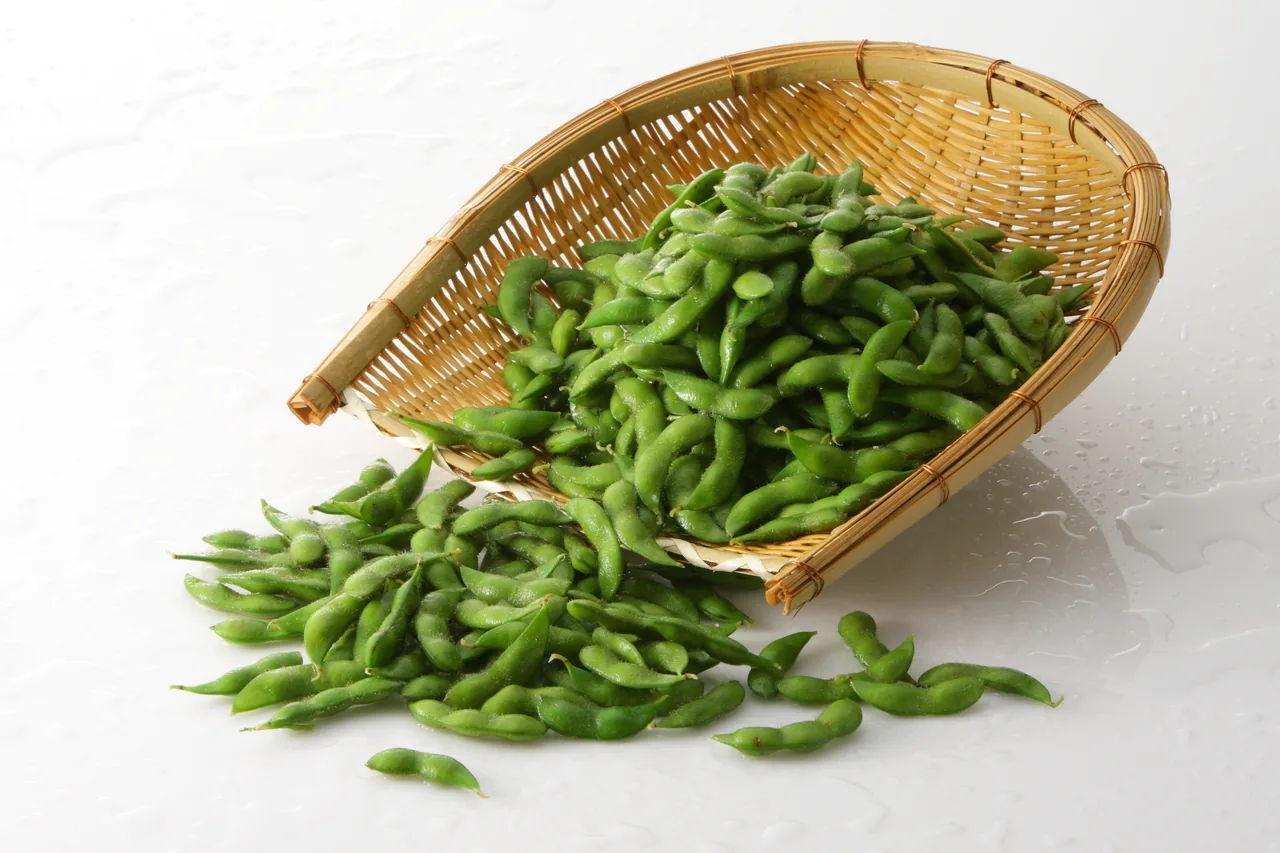
Chamame are edamame with a brownish inner skin. Niigata grows more edamame by area than any other prefecture, and it's a staple at home. Kurosaki chamame, from the Kurosaki area of Nishi Ward in Niigata City, was the first edamame registered under Japan's Geographical Indication (GI) system. It smells wonderful when boiled and is in season from late July through August. If you're in Niigata in summer, order some with a beer or sake.
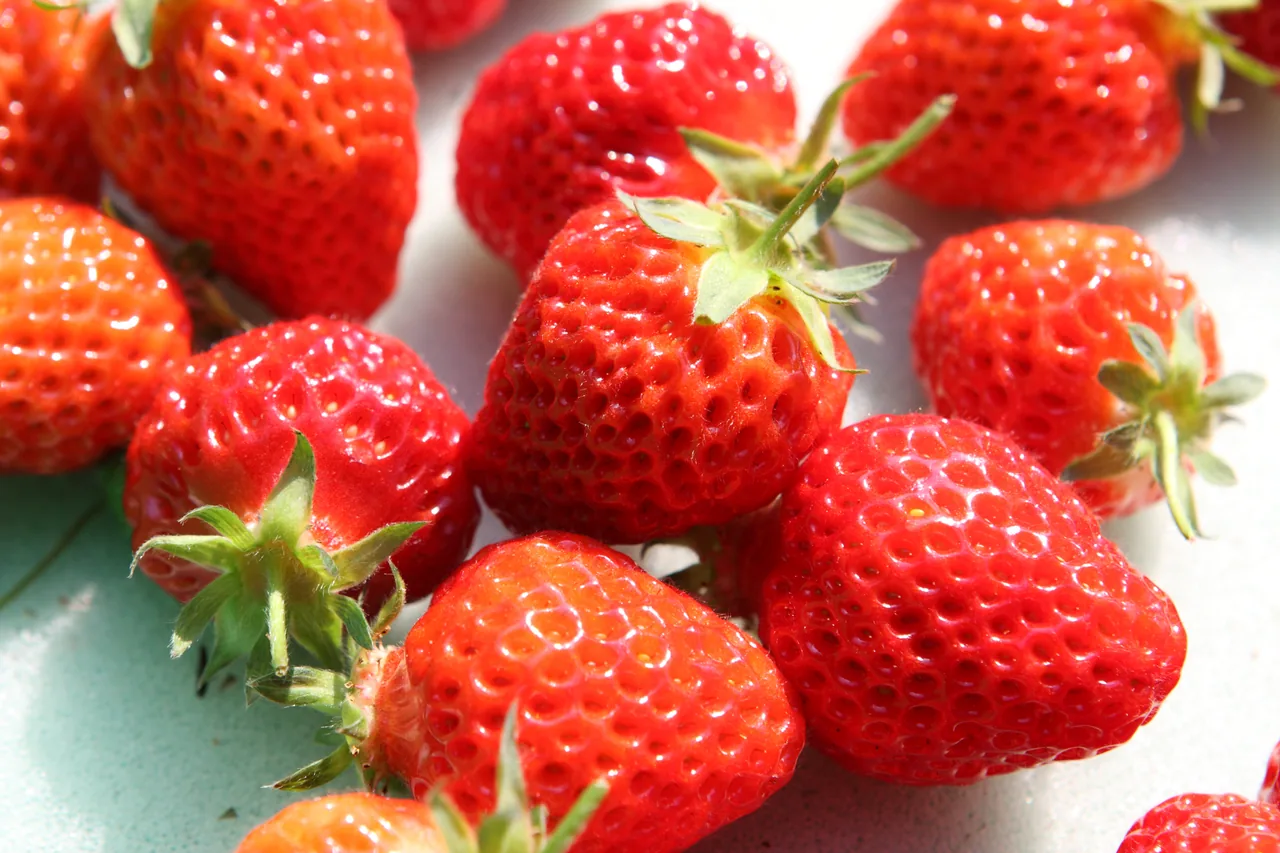
Echigo-hime is a strawberry variety developed by Niigata Prefecture in 1996. Its flesh is soft and bruises easily, so it rarely leaves the prefecture. It's in season from winter to spring, when sweets made with Echigo-hime appear in shops around Niigata.
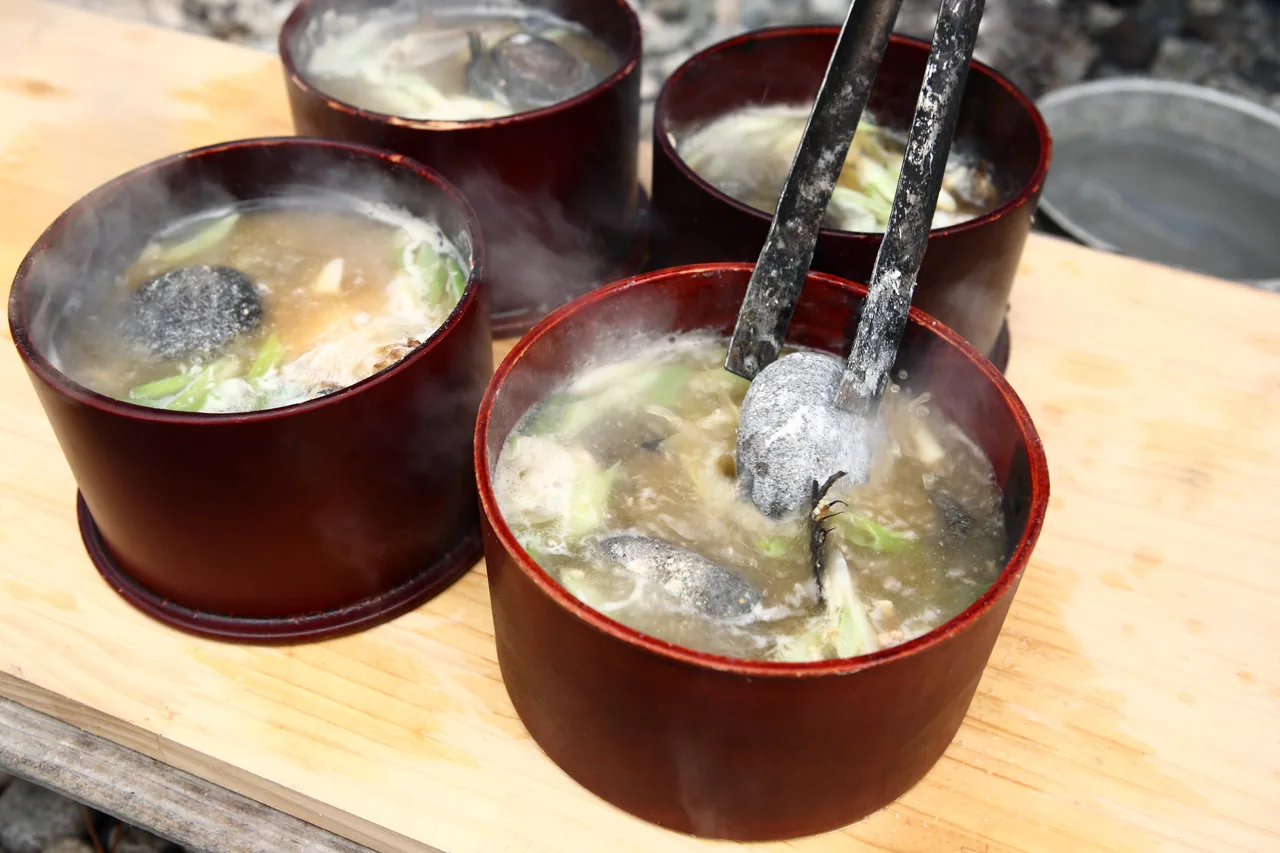
Awashima's wappa-ni and Joetsu's sasa-zushi
Awashima, an island off the coast of Murakami, has a fishermen's dish called wappa-ni. Grilled fish, green onion and miso go into a "wappa," a vessel of bent wood; hot water is poured in, and a red-hot stone is dropped in to bring it to a rolling boil. It's said to have come from fishermen wanting a hot meal on the beach. Don't confuse it with "wappa-meshi" (rice steamed in a wappa), which is a different dish.
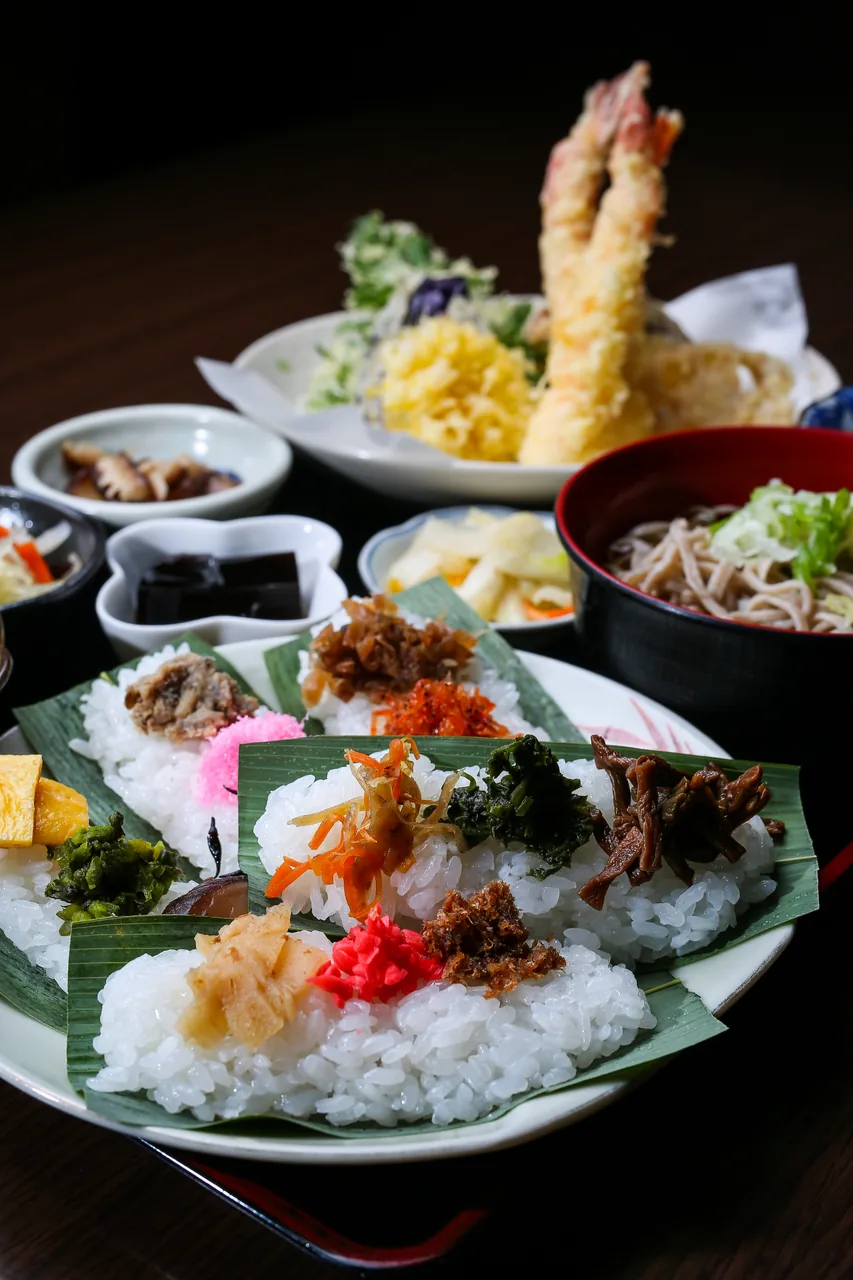
Sasa-zushi has long been made mainly in the Joetsu region for festivals, Obon and other days when people gather. Sushi rice is placed on bamboo-grass (kumazasa) leaves and topped with colorful ingredients. The city of Itoigawa has designated July 7 as "Sasa-zushi Day." There's more on the Ministry of Agriculture's sasa-zushi page.
Where and when to eat Niigata's specialties
| Dish | Where | Season |
|---|---|---|
| Hegi soba | Uonuma region (Tokamachi, Ojiya, etc.) and across the prefecture | Year-round |
| Tare katsudon | Niigata City | Year-round |
| Red snow crab | Noh, Itoigawa | March–December (no fishing in January and February) |
| Chamame | Niigata City and across the prefecture | Late July–August |
| Echigo-hime | Across the prefecture | Winter–spring |
| Wappa-ni | Awashima | Check where and when it's served before you go |
| Sasa-zushi | Joetsu region | Year-round (depends on the shop) |
For sake to go with your meal, see Niigata sake and brewery visits. Find more places to visit on the Niigata page.