Niigata Sake Guide: Brewery Visits, Ponshukan and Setaya
This guide is translated from the Japanese edition. Read the Japanese edition
Sake in Niigata, home to more breweries than any other prefecture: Ponshukan station tasting, Setaya in Nagaoka, Ofuku Shuzo, Hakkaisan's snow store, drinking rules.
Step out of the ticket gates at Niigata or Echigo-Yuzawa Station and you'll soon pass shelves lined with sake bottles. Niigata Prefecture has more sake breweries than any other prefecture in Japan, about 90 according to the prefectural government. Rice grows everywhere here, and the winters bring heavy snow. A tasting inside the station fits into the wait for your next train, while a walk through an old brewing town or a brewery tour takes about half a day. You don't need to know much about sake: start by tasting, and your own preferences soon become clear.
What does Niigata sake taste like?
Niigata sake is often described as clean and crisp. With so many breweries, though, the range is wide, from fragrant ginjo to rich, rice-forward sake that's good warmed. If you're looking for what you like, a tasting flight is the quickest way in.
The prefecture and the Niigata Sake Brewers Association publish guidebooks and videos about local sake. To get familiar with brewery names, read the brewery profiles on the Niigata Sake Brewers Association website.
Tasting at the station: Ponshukan's kikizake corner
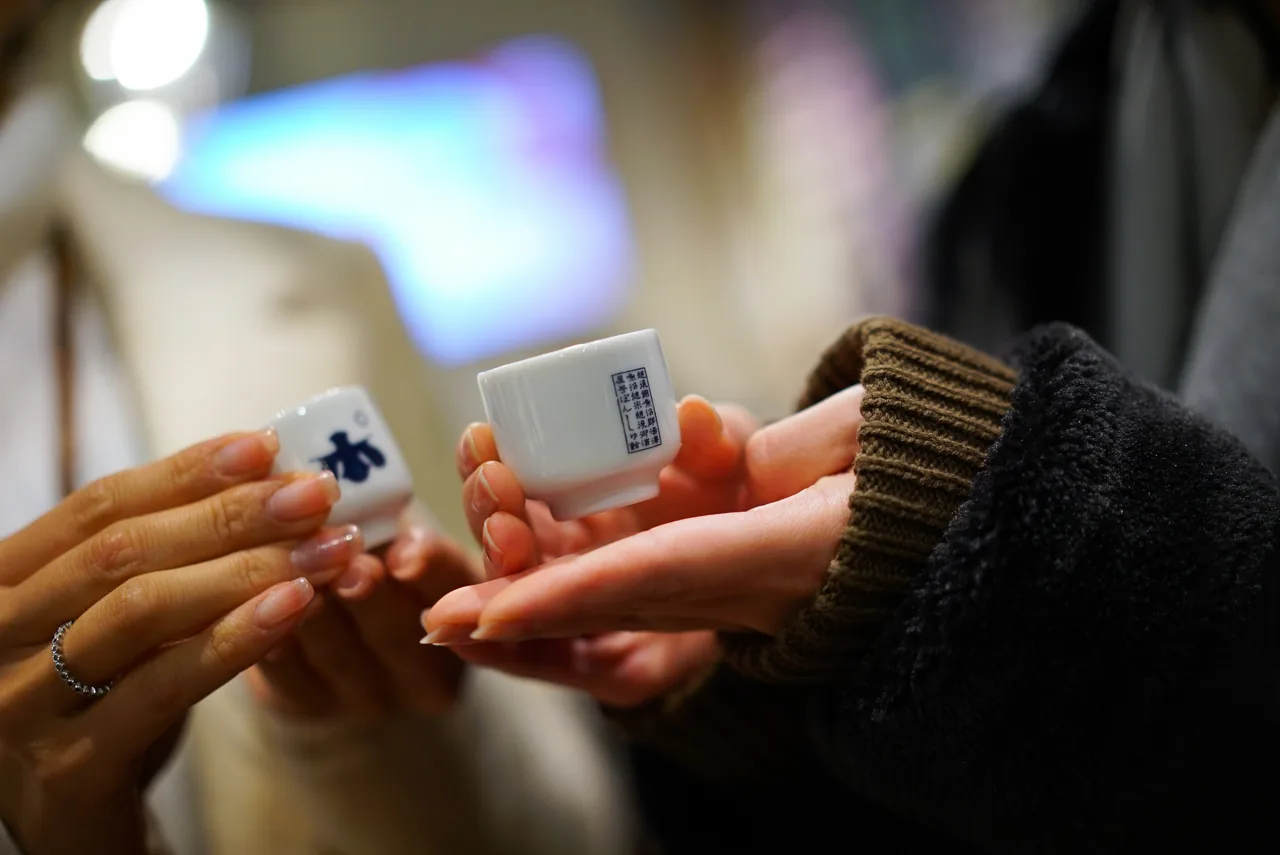
The easiest place to try sake mid-trip is Ponshukan. It has shops inside Echigo-Yuzawa, Niigata and Nagaoka stations, and at the "Kikizake Bansho" tasting corner you pick sake from machines stocked with flagship labels from breweries across the prefecture, one small cup at a time.
Here's how it works:
- Pay at the counter and receive a sake cup and tokens
- Choose a label from the machines along the wall, insert tokens and press the button
- If you find one you like, buy the same label in the shop
The number of tokens varies by label, and prices change from time to time, so check the official website before you go. When it's busy you may have to wait to enter, and visitors are asked to keep to about 20 minutes each. The Echigo-Yuzawa shop also has a "sake bath" with sake added to the water.
Walking Setaya, Nagaoka's brewing quarter
About 3.5 km south of Nagaoka Station, in the Miyauchi area, Setaya grew as a crossroads in the Edo period and became a cluster of sake, miso and soy sauce makers. Old storehouses and shopfronts still line its streets.
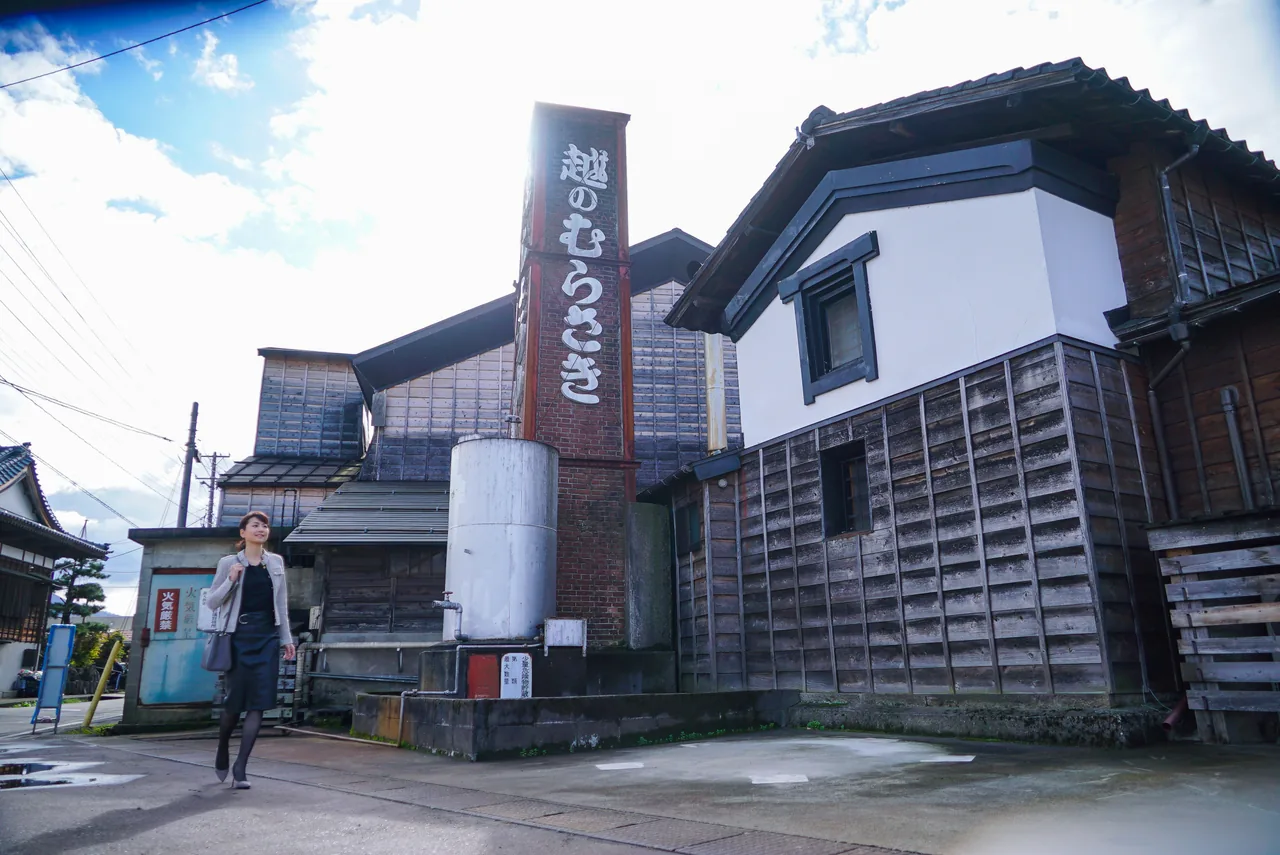
- Yoshinogawa: A sake brewery said to date back to 1548, with a sake museum on its grounds.
- Former Kina Saffron Shuzo Honpo: The estate of a family that made its fortune with a medicinal liqueur called saffron-shu. Its storehouse is known for kote-e, brightly colored plaster reliefs of animals and mythical beasts covering the walls. The city of Nagaoka restored it and opens it to the public.
- Miso and soy sauce makers: Other brewers line the streets too, including a miso maker with an unusual three-story storehouse.
Nagaoka City protects the district's buildings, many of them registered tangible cultural properties, while improving the streetscape. Opening days and hours differ by building, so check pages such as the city's page on the former Kina Saffron Shuzo Honpo before you go.
Booking a brewery tour: Ofuku Shuzo
Ofuku Shuzo, on the outskirts of Nagaoka, is known as the brewery where the "sokujo-moto" method of making the yeast starter was born. Adding lactic acid keeps unwanted bacteria in check so the yeast grows steadily, and many breweries use the method today.
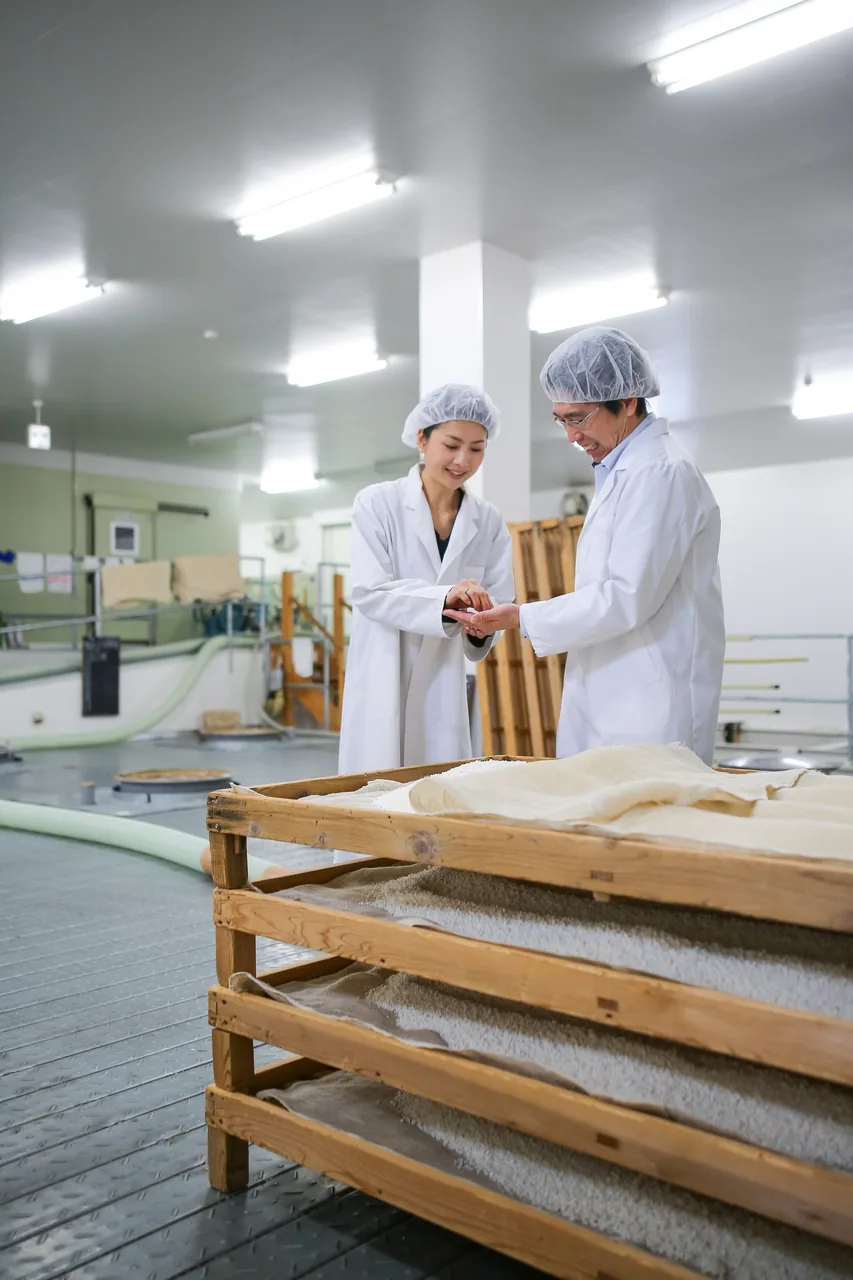
Tours are by reservation and only offered in certain months. Breweries are busiest in winter, when tours are often suspended; the season, times and group size are listed on the official brewery tour page. It's about 20 minutes by car from Nagaoka Station, so take a taxi, or make sure whoever drives skips the tasting.
Snow storage and a brewery village: Hakkaisan's Uonuma no Sato
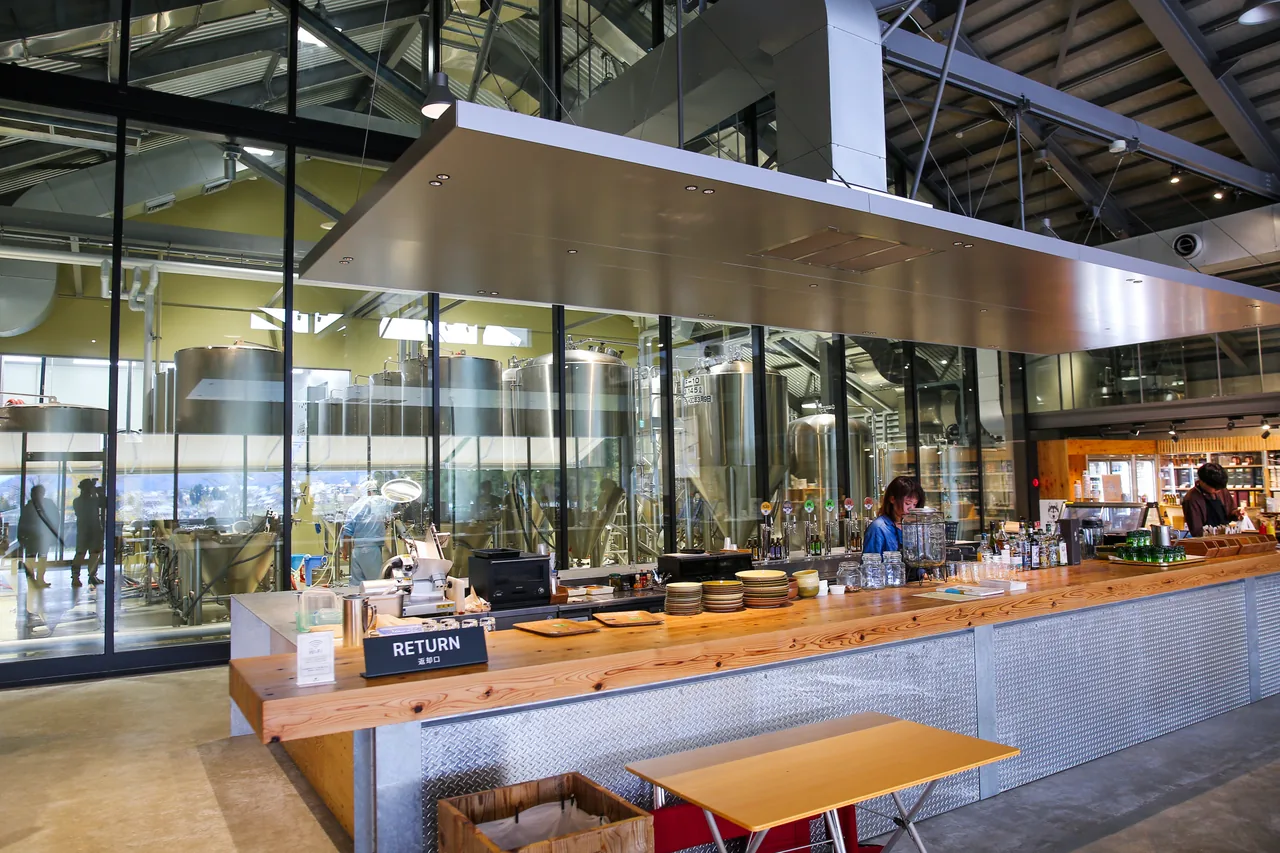
At the foot of Mt. Hakkai in Minamiuonuma is Uonuma no Sato, run by Hakkai Brewery, maker of the Hakkaisan label. Its large grounds hold a brewery, shops, restaurants and a café, enough for half a day.
The highlight is the Hakkaisan Yukimuro, or snow storehouse. A yukimuro is an old snow-country technique: snow that piles up in winter is stored, and its chill keeps food and sake cold. The Hakkaisan Yukimuro holds about 1,000 tons of snow and stays below 5°C all year. Tours of the storage room inside are paid; book on the official website or sign up at the shop on the day (first come, first served). Check the latest details on the Uonuma no Sato official website.
Joetsu's Sakaguchi Memorial Hall and a sake train
The Sakaguchi Memorial Hall in the Kubiki district of Joetsu honors Dr. Kinichiro Sakaguchi, a scientist known for his research on fermentation and microbes and nicknamed the "doctor of sake." It is made up of four facilities, including Rakuhoan, a re-creation of his study, and the Yukitsubaki-en camellia garden. Rakuhoan offers tastings of local sake. The hall closes in winter, so plan a visit between spring and autumn.
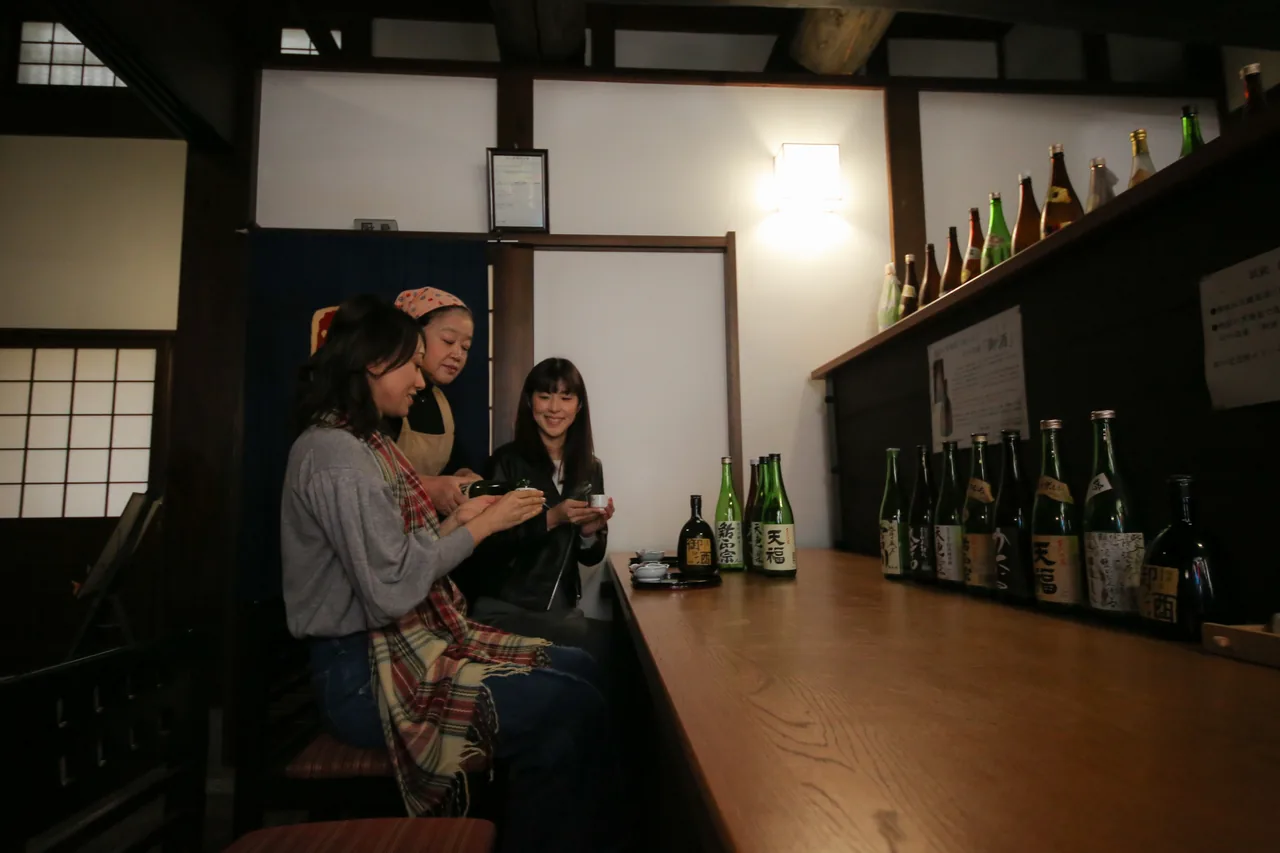
There's also a sightseeing train built around sake. JR East's Koshino Shu*Kura runs between Joetsumyoko and Tokamachi stations, among other routes, with a tasting counter of Niigata sake on board. It only runs on certain days, so check JR East's page.
Drinking rules and things to keep in mind
- No drinking under 20: In Japan, drinking alcohol under the age of 20 is prohibited by law.
- Drivers don't taste: Japan is strict about drunk driving, and even a small amount rules out getting behind the wheel. People who offer drinks to a driver or lend a car to someone who has been drinking can also be punished. Plan your brewery trips by train, bus or taxi.
- Pace yourself: Tasting cups are small, but they add up. Drink water alongside and don't go on an empty stomach.
- Follow instructions in the brewery: During brewing season, breweries guard against unwanted bacteria. On a tour, ask your guide where you can touch things and take photos.
- Taking sake home: If you're flying with sake, check your airline's baggage rules (volume and alcohol content) and your home country's import rules.
Every March, Toki Messe in Niigata City hosts "Niigata Sake no Jin," where breweries from across the prefecture gather and you can taste a huge number of labels. For food to go with your sake, see Niigata's local food and specialties.