
Otaru History Walk: Bank District and Old Temiya Railway
This guide is translated from the Japanese edition. Read the Japanese edition
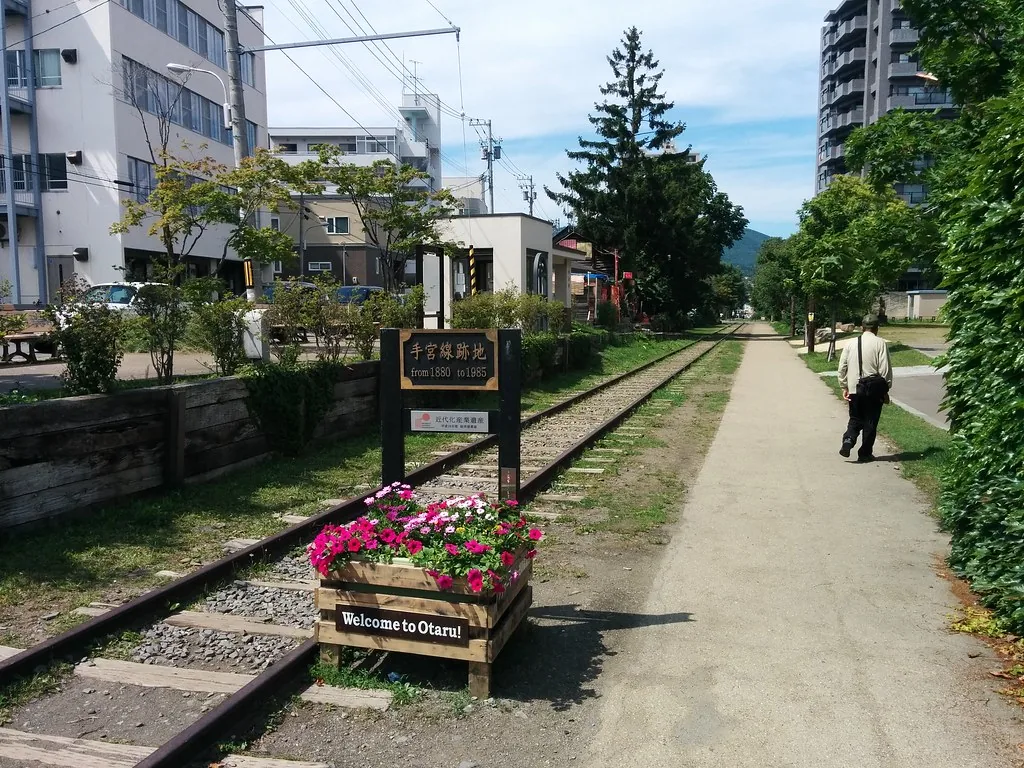
Trace Otaru's history on foot: the Irokanai bank district, once the Wall Street of the North, the Otaru Art Base, the old Temiya Line and the railway museum.
Walk down the hill from Otaru Station toward the canal and, partway, old rails cut across the street. Beyond them, around Nichigin-dori, stand the solid stone and brick buildings of former banks. This walk follows those bank buildings and the railway remains, which are easy to miss if you only see the canal and Sakaimachi-dori.
Irokanai, the "Wall Street of the North"
The Irokanai area near the canal was once lined with banks and known as the "Wall Street of the North." The Bank of Japan's Otaru branch operated in this area until 2002.
Buildings that once housed branches of the Bank of Japan and major commercial banks still stand, now as museums. Some of them let you go inside and see how they were built for banking, not just admire them from the street, and that is what makes this walk worthwhile.
Bank of Japan Otaru Museum
An imposing building facing Nichigin-dori, designed by Kingo Tatsuno, Uheiji Nagano and others and completed in 1912.
It opened as a museum in 2003, the year after the branch closed. Inside are exhibits that include an area recreating Otaru in its "Wall Street of the North" days. Check the official website for opening days and visitor information.
Otaru Art Base: museums in old banks and warehouses
Near the Bank of Japan museum is the Otaru Art Base, a group of museums in historic buildings.
- Nitori Museum of Art: the former Hokkaido Takushoku Bank Otaru Branch
- Former Mitsui Bank Otaru Branch: the old bank building itself, open to visitors
- Stained Glass Museum: the former Arata Shokai building and the former Takahashi Warehouse
There are also a Western Art Museum and an Ukiyo-e museum. If you can't decide where to start, begin with the Former Mitsui Bank Otaru Branch, where the building itself is the main attraction and ties in with the history of the bank district.
The former JNR Temiya Line: walking the old tracks
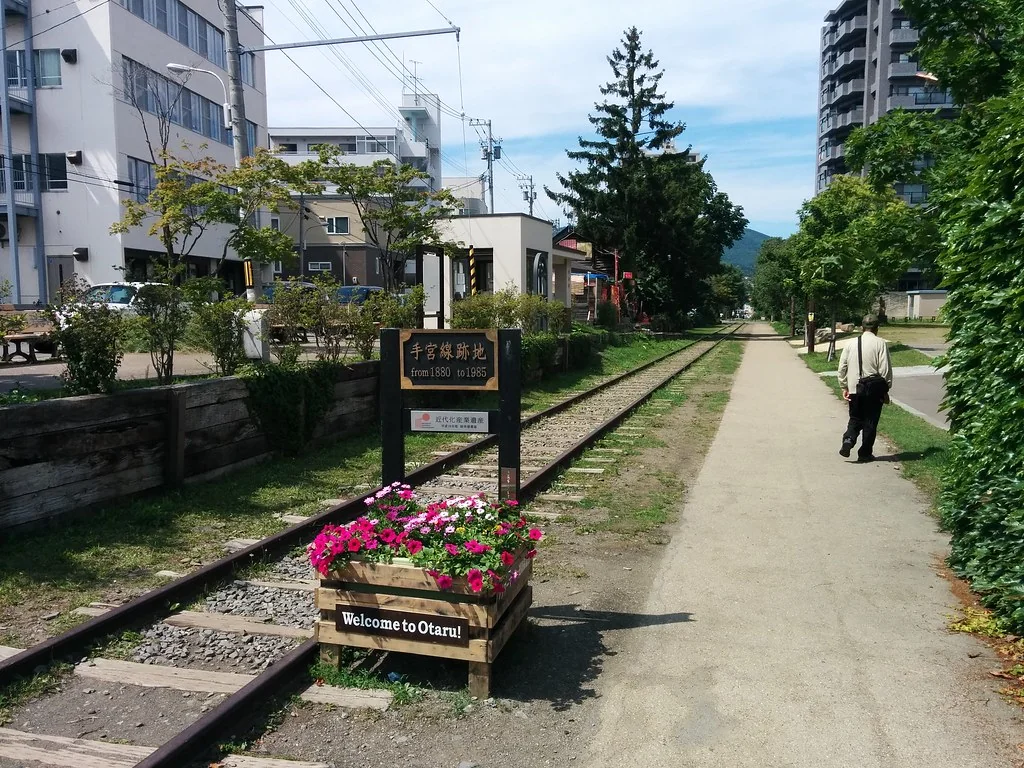
Right beside the Irokanai bank district runs the old track bed. The former JNR Temiya Line was part of the Horonai Railway, built to carry coal from the mines at Horonai (now Mikasa) to the port of Otaru.
The rails were left in place after the line closed, and a walking path now follows them. During the Otaru Snow Light Path festival in February, candles line the old line.
Railway heritage at Temiya: Otaru Museum Main Building
Follow the old Temiya Line north and you reach Temiya and the Otaru Museum Main Building. Engine sheds, a turntable, a water tank and other structures from the Meiji and Taisho eras remain on site and are designated an Important Cultural Property as the Former Temiya Railway Facilities.
According to Otaru City, Engine Shed No. 3, a brick building completed in 1885, is the oldest surviving engine shed in Japan. The turntable, built in 1919, is still used for the museum's steam locomotive runs.
The route: down the hill through the bank district to the canal
From Otaru Station, walk down Chuo-dori toward the canal. Where you cross the old Temiya Line, follow the tracks for a short stretch, then turn onto Nichigin-dori. After the Bank of Japan museum and the Otaru Art Base, the canal is just ahead. To add the museum at Temiya, head north along the old line before or after the bank district.
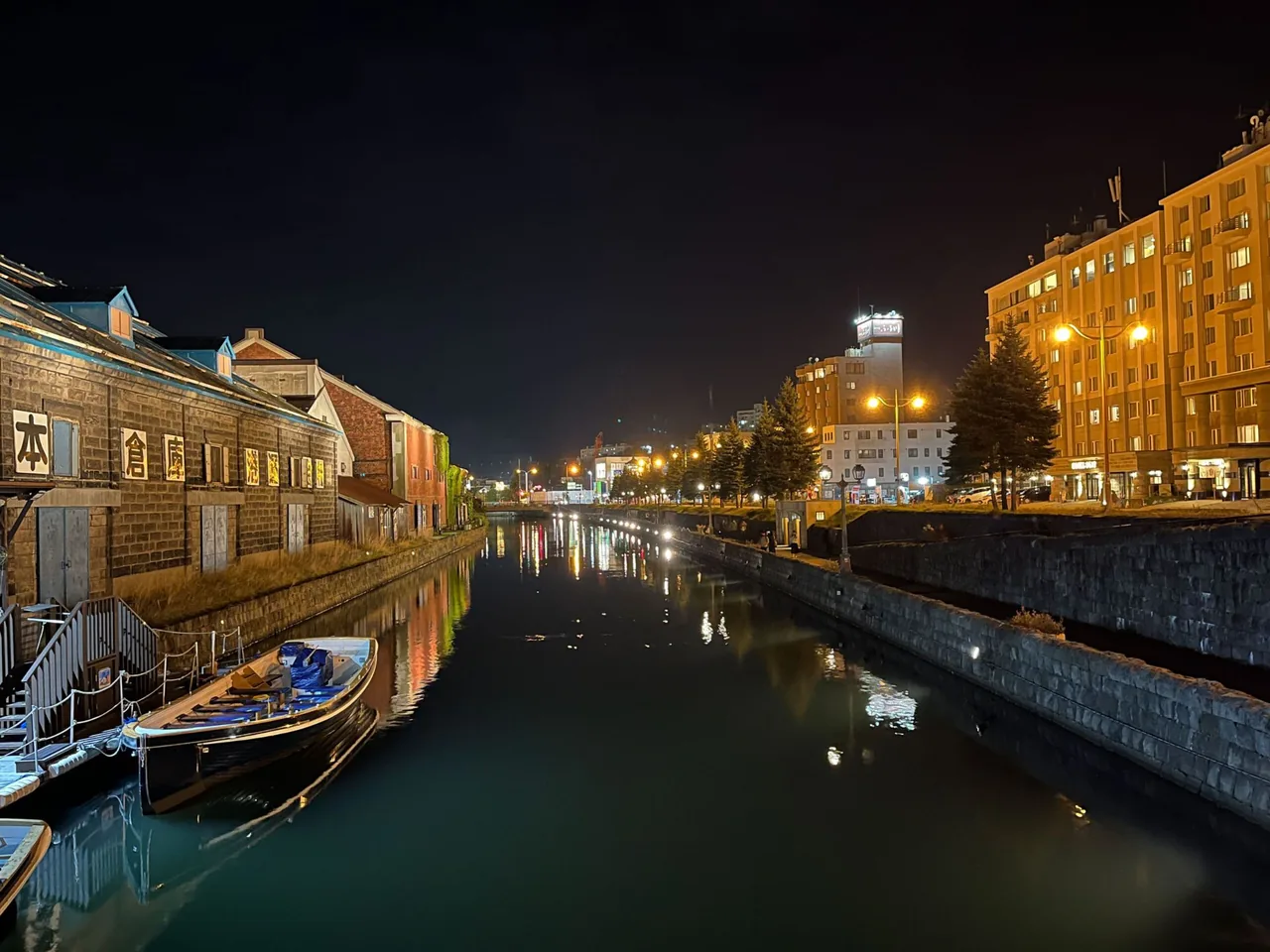
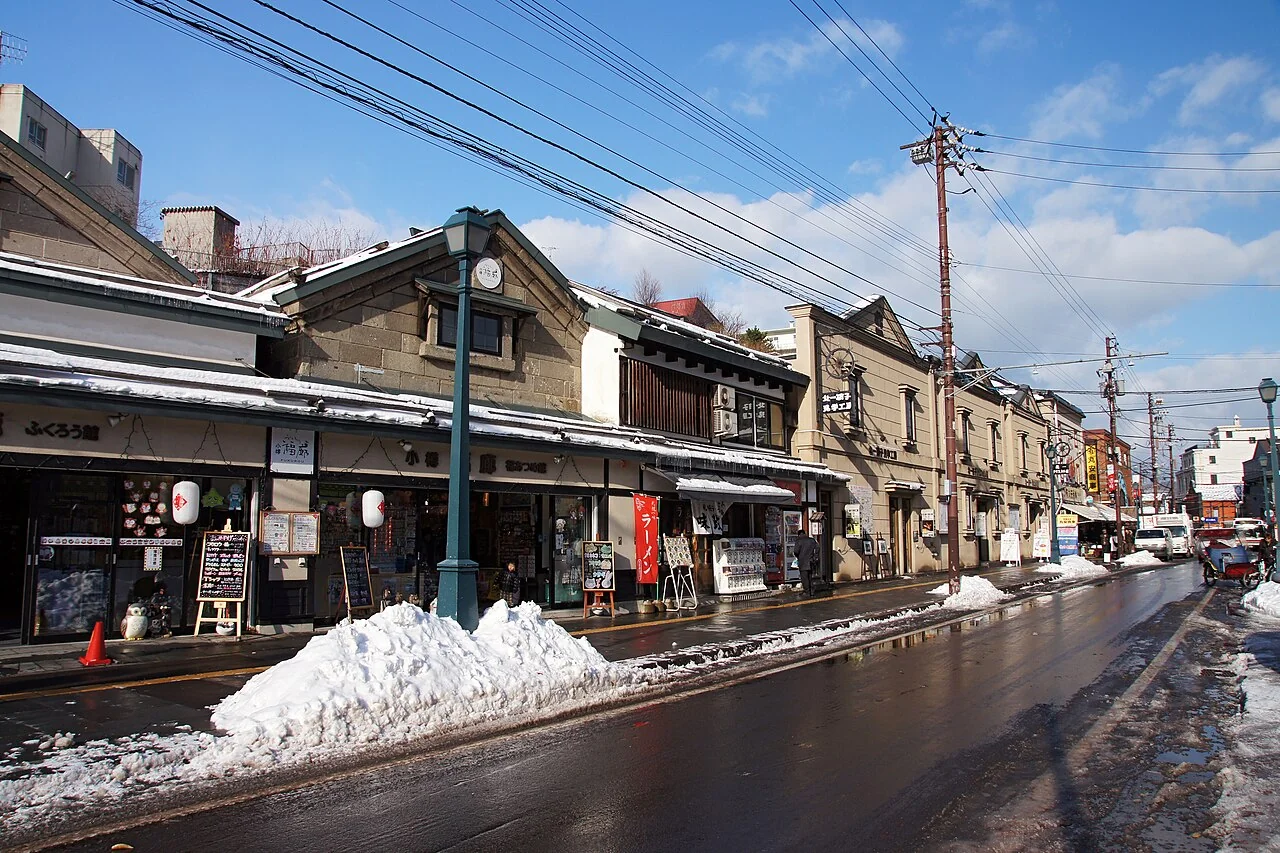
For a stroll along the canal and the route from Sakaimachi-dori to the Marchen Crossroads and Minami-Otaru Station, see the Otaru day trip article. Add Otaru Canal and Sakaimachi-dori and you have a full day in Otaru. In winter the slopes, stone paving and old tracks get icy and slippery, so watch your step.
Places in this guide
Hotels nearbyPR
See prices and availability for hotels in Sapporo and book on our partner Trip.com.
See hotels in Sapporo on Trip.com