Ozu and Uchiko Things to Do: Garyu Sanso, Ozu Castle, Old Streets
This guide is translated from the Japanese edition. Read the Japanese edition
Ozu and Uchiko in Ehime: Garyu Sanso, the wooden keep of Ozu Castle, Uchiko's Yokaichi-Gokoku streets, the closed Uchiko-za and a day trip from Matsuyama.
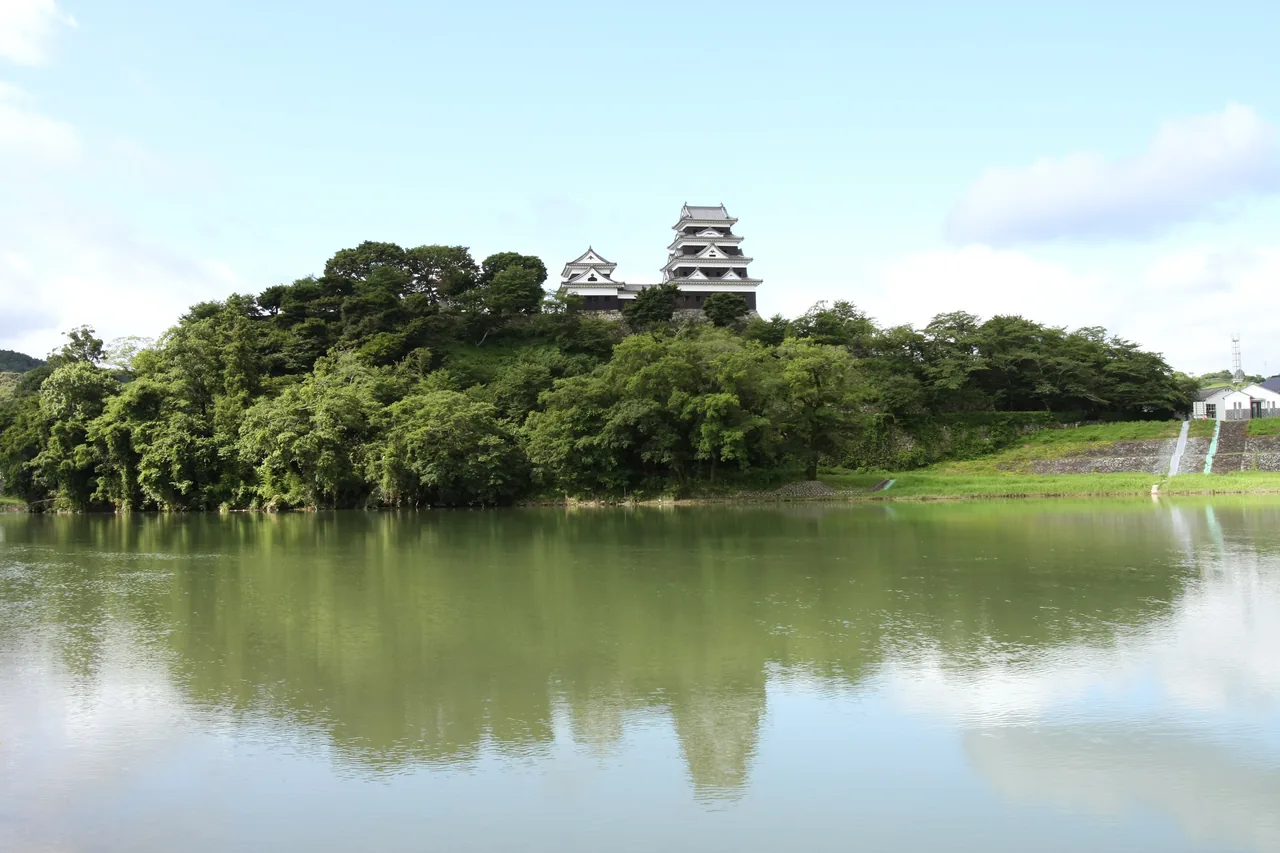
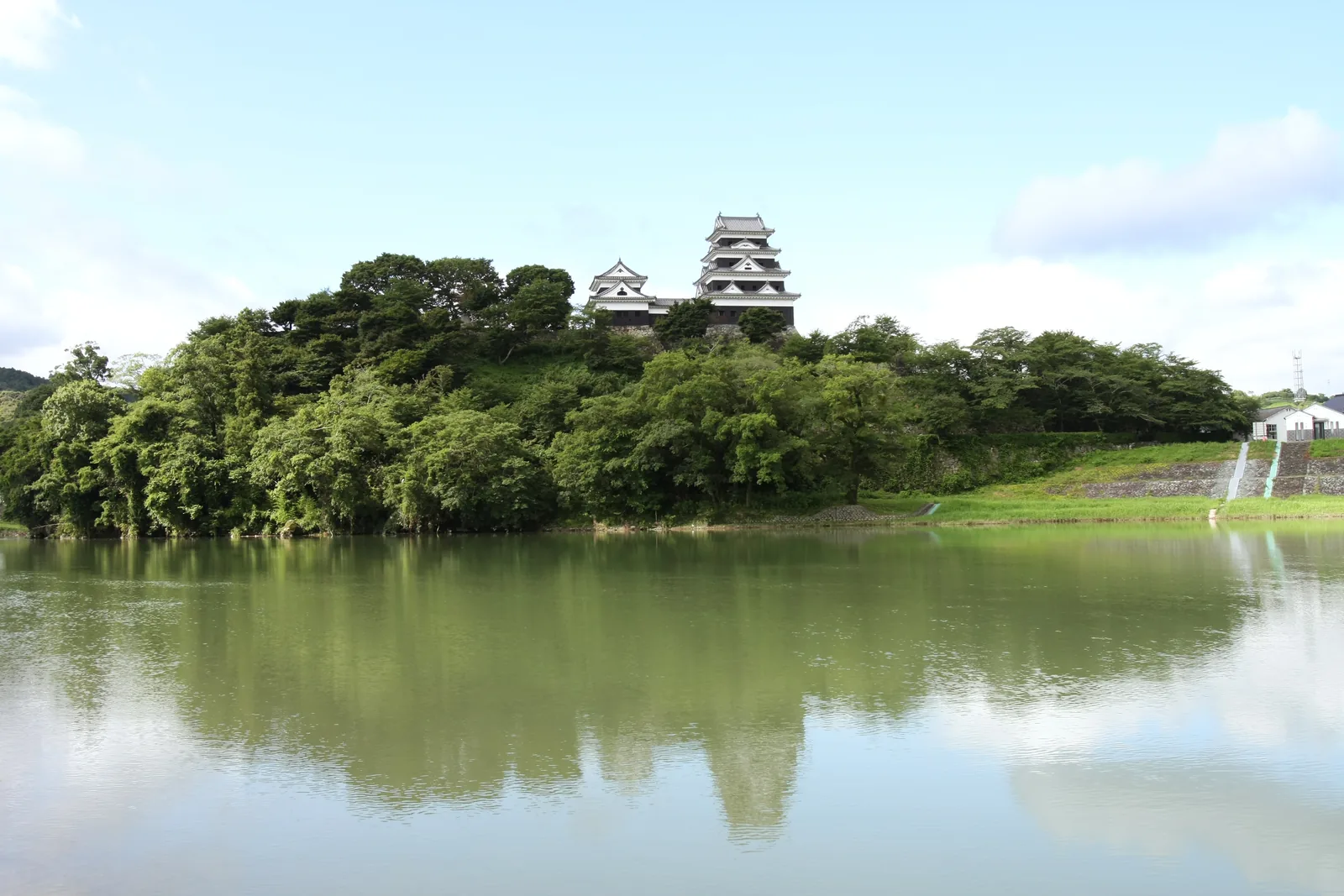
Beyond the green surface of a river, a wooden castle keep stands on a wooded hill. Southwest of Matsuyama, Ozu on the banks of the Hiji River and its neighbor Uchiko still keep a castle town and streets of old merchant houses. Both can be reached from Matsuyama by JR limited express, so you can walk both in a day.
What are Ozu and Uchiko like, and how do you get there?
Ozu is a castle town that spreads along the Hiji River. The Ozu City Tourism Association calls it the "Little Kyoto of Iyo." Uchiko prospered from the late Edo period to the Taisho era by producing mokuro, a wax made from the berries of the wax tree, and the townhouses and residences of those days still line its streets.
Both have stations on the JR Yosan Line. From Matsuyama Station, the limited express Uwakai takes about 25 minutes to Uchiko Station and about 40 minutes to Iyo-Ozu Station. Since they are on the same line, you can see one and then move on to the other.
Garyu Sanso: a villa and garden above the Hiji River
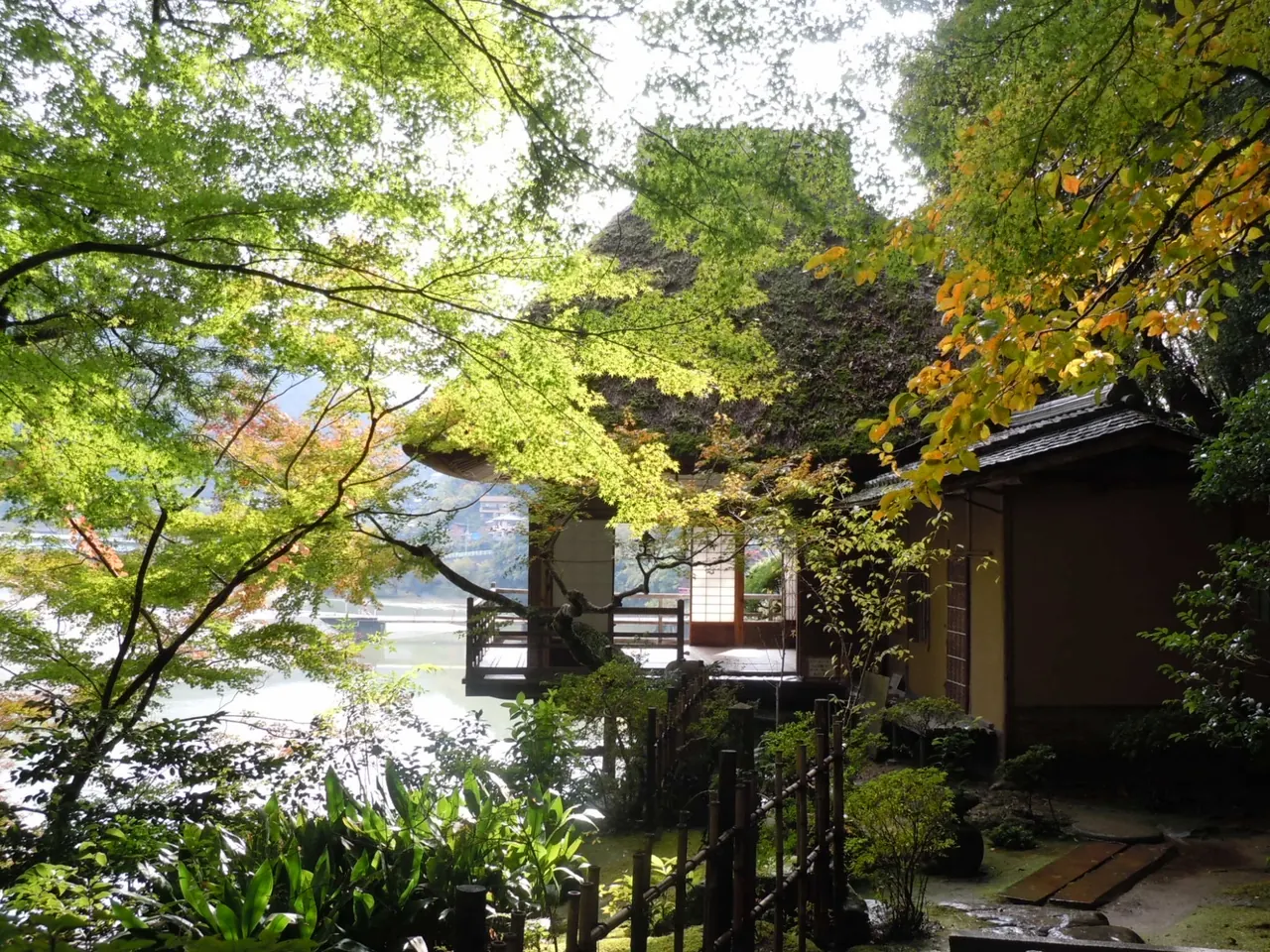
Garyu Sanso is a villa set above the Garyu pool of the Hiji River. Kawauchi Torajiro, a trader from Ozu, built it in the Meiji era, bringing in the Kyoto teahouse architect Yagi Jinbei as an adviser, and it is said to have drawn on the Katsura and Shugakuin imperial villas. Its three buildings, Garyu-in, Furo-an and the library, are Important Cultural Properties, and the garden is a Place of Scenic Beauty.
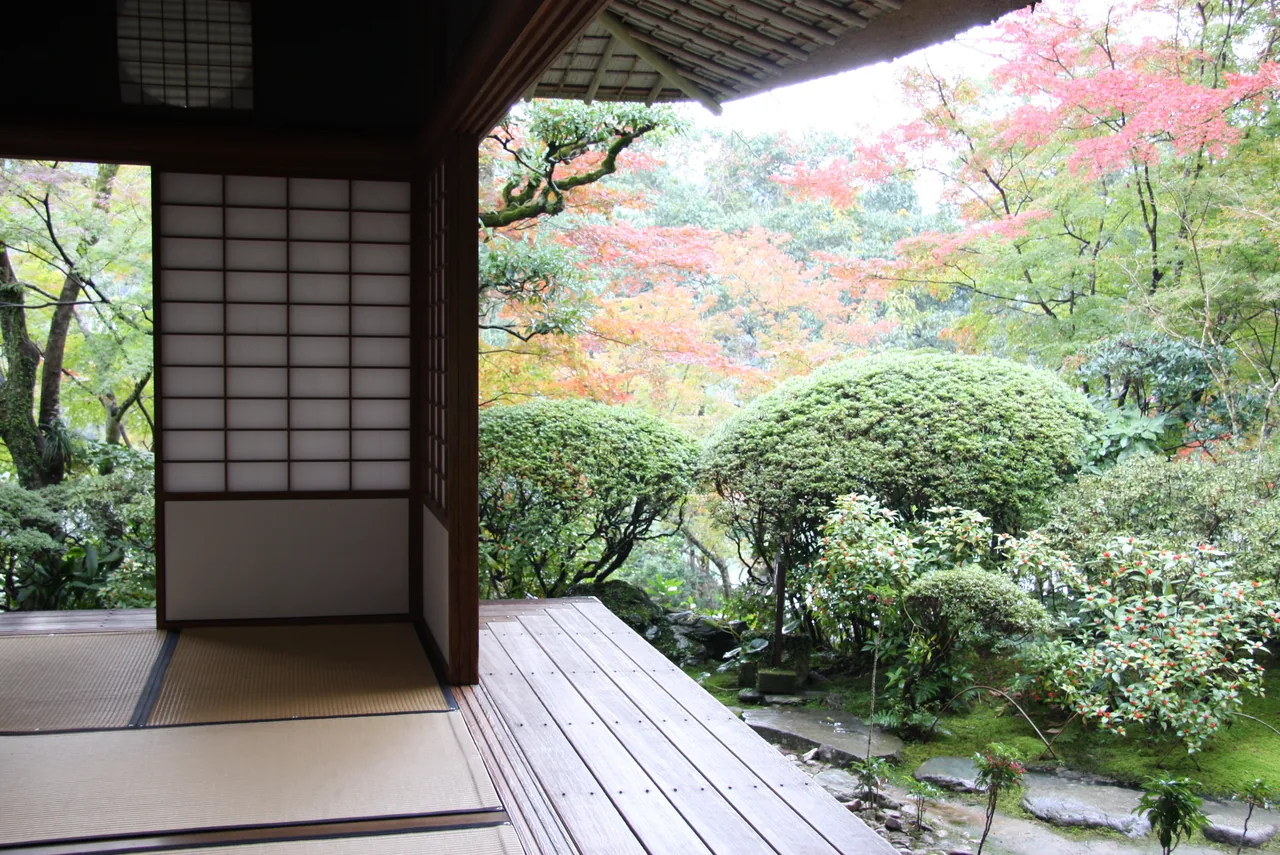
Photo: Ehime Prefectural Tourism & Local Products Association
You can go inside and look at the garden from the tatami rooms. Furo-an is built on a cliff above the Garyu pool and juts out toward the river on stilts, and it is said to be modeled on a boat floating on the Hiji River. Torajiro is thought to have built the villa to receive guests, but it is said that he died having hardly used it.
From JR Iyo-Ozu Station, take an Iyotetsu Nanyo Bus to Ozu Honmachi and walk about 7 minutes. From the Asamoya-mae stop of the Gururin Ozu city loop bus, it is about a 6-minute walk.
Ozu Castle: a four-story keep rebuilt in wood
The keep of Ozu Castle, on a low hill beside the Hiji River, was torn down in 1888. The present keep was rebuilt in wood in 2004, based on old Meiji-era photographs and the "tenshu hinagata," a wooden model of its framework from the Edo period. According to the castle's official website, it is the first four-tier, four-story keep in Japan to be rebuilt in wood after the war, and at 19.15 m it is the tallest of its kind in the country.
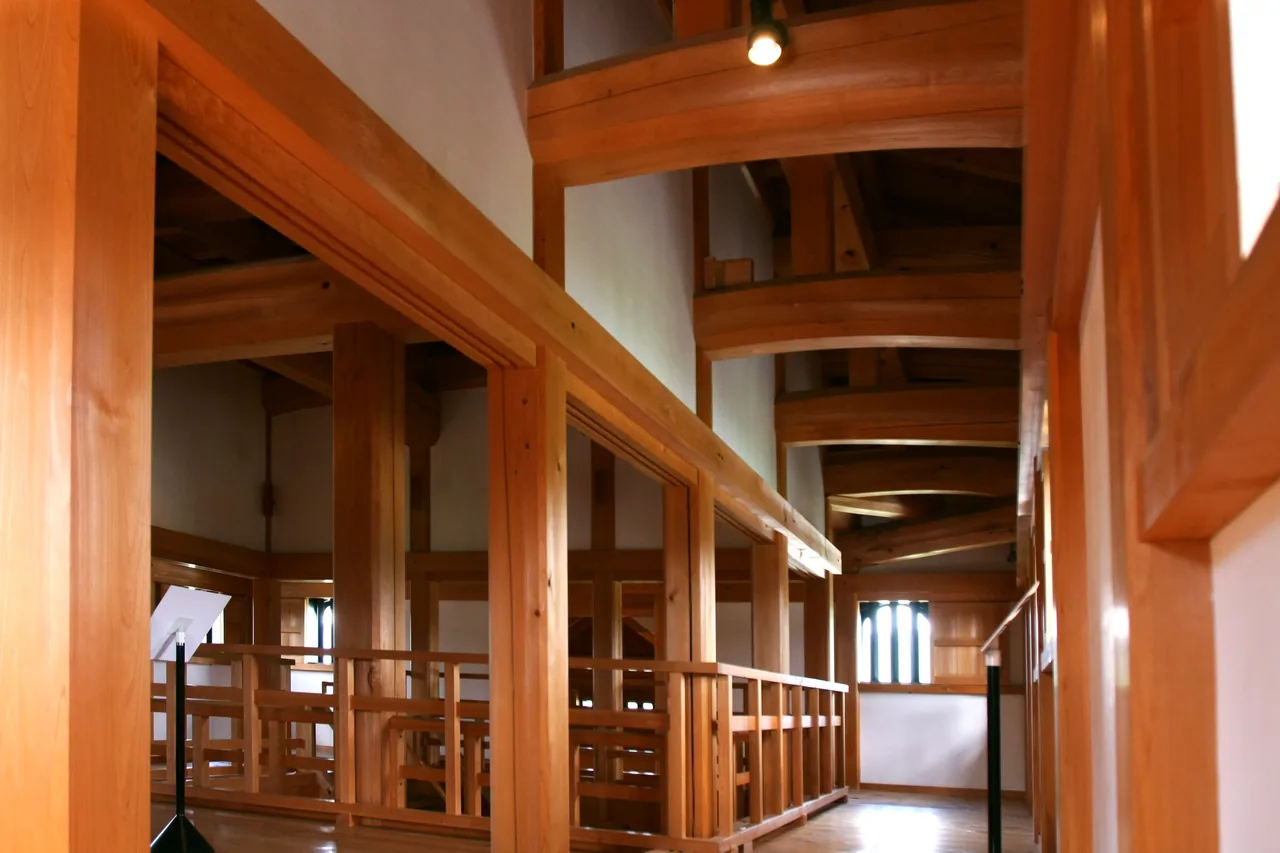
Photo: Ehime Prefectural Tourism & Local Products Association
Inside the keep you can see the wooden structure of thick pillars and beams as it is. The Daidokoro and Koran turrets, linked to the keep by corridor turrets, survive from the Edo period and are Important Cultural Properties. From the upper floors you can look out over the Hiji River below the castle and the town along its banks.
It is about a 30-minute walk from JR Iyo-Ozu Station. On the Gururin bus, it is about 10 minutes from Ozu Ekimae to Ozu-jo-mae, then about 5 minutes on foot.
The Ozu Red Brick House and the Hiji River through the seasons
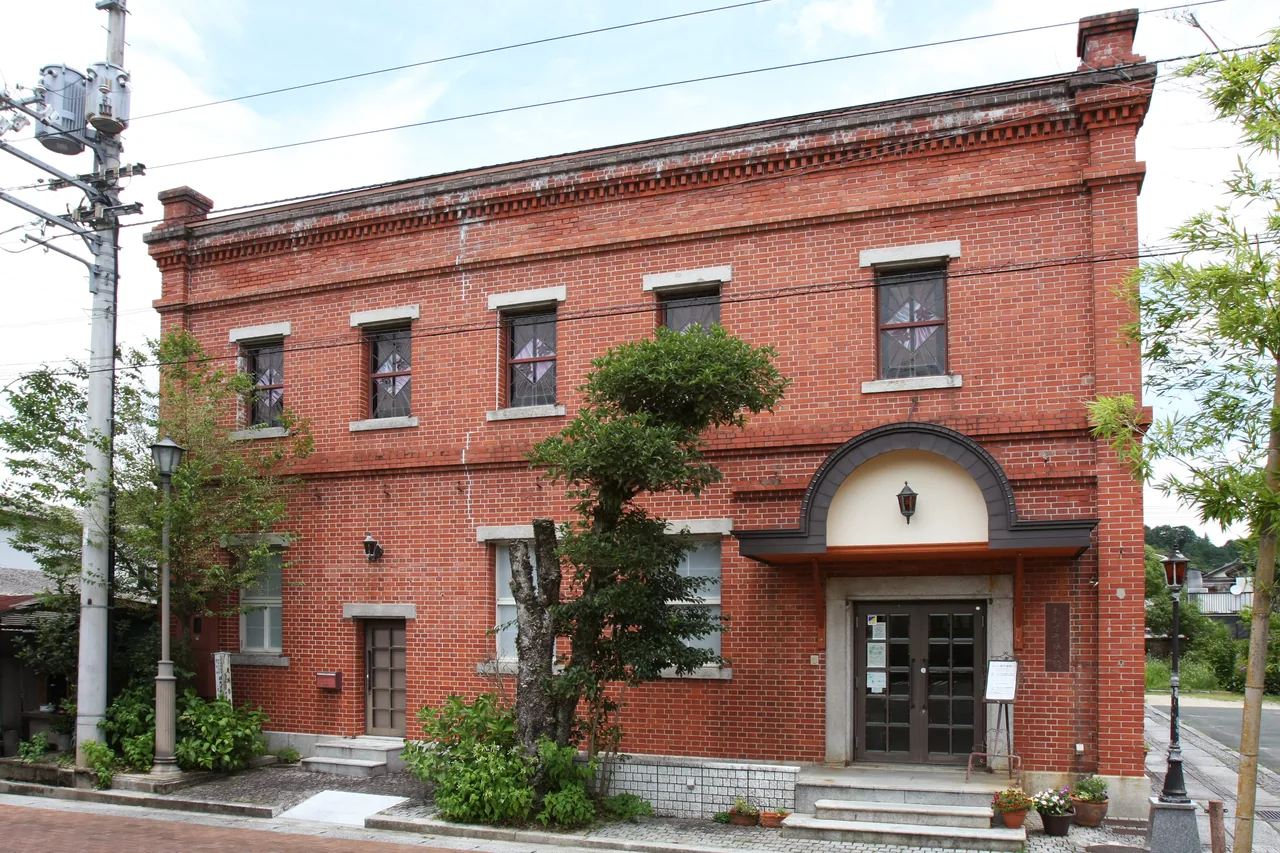
The Ozu Red Brick House in the castle town is a brick building built in 1901 as the head office of the Ozu Commercial Bank. Brick walls topped with a tiled hip roof give it a blend of Japanese and Western styles. Today it is a meeting place for visitors and residents, and entry is free. It is about 2 minutes on foot from Asamoya-mae, so you can walk there together with Garyu Sanso.
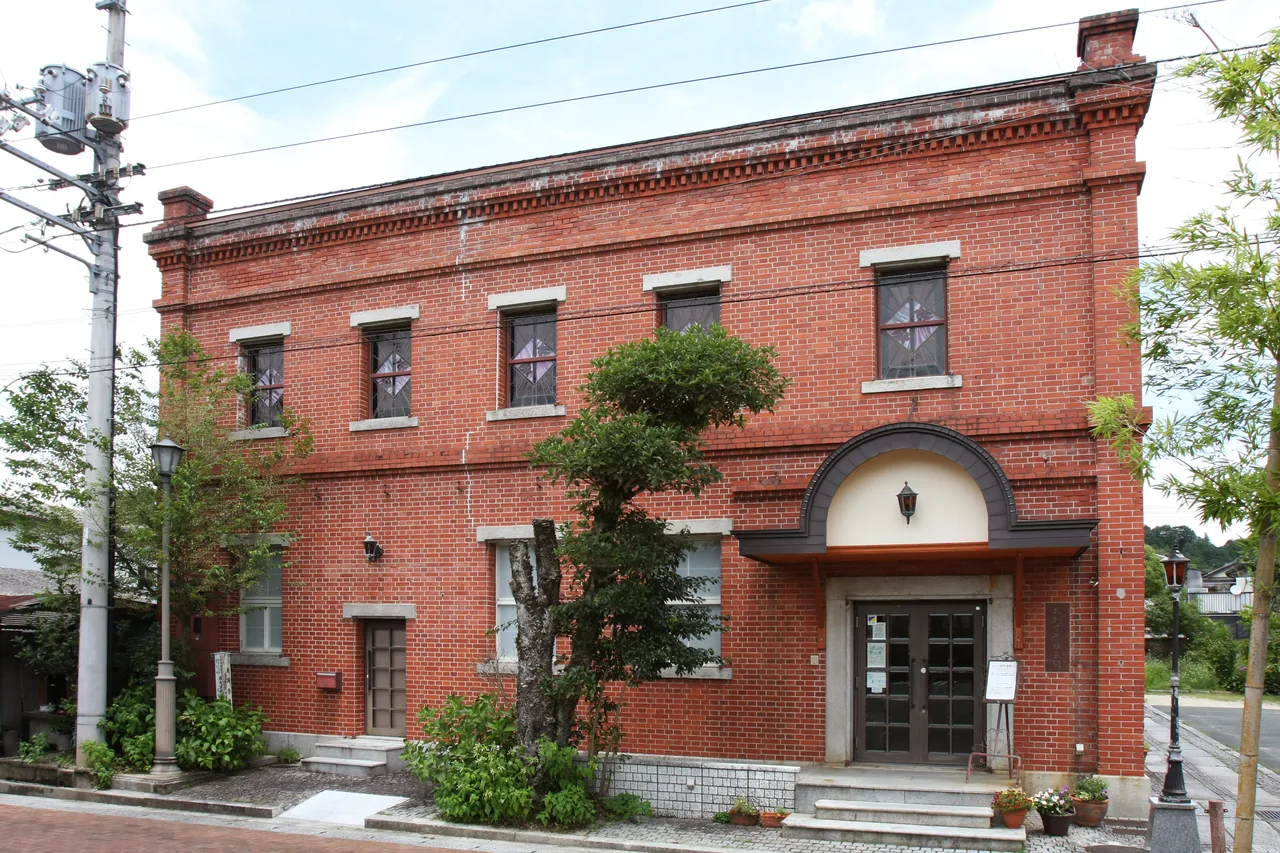
Photo: Ehime Prefectural Tourism & Local Products Association
At the eastern edge of the Konan district of the castle town is Ohanahan Street. The street keeps its Edo-period layout and takes its name from "Ohanahan," a 1966 NHK morning drama series that was filmed here. In the days of the Ozu domain, merchants' storehouses lined the north side of the street and samurai residences the south side.
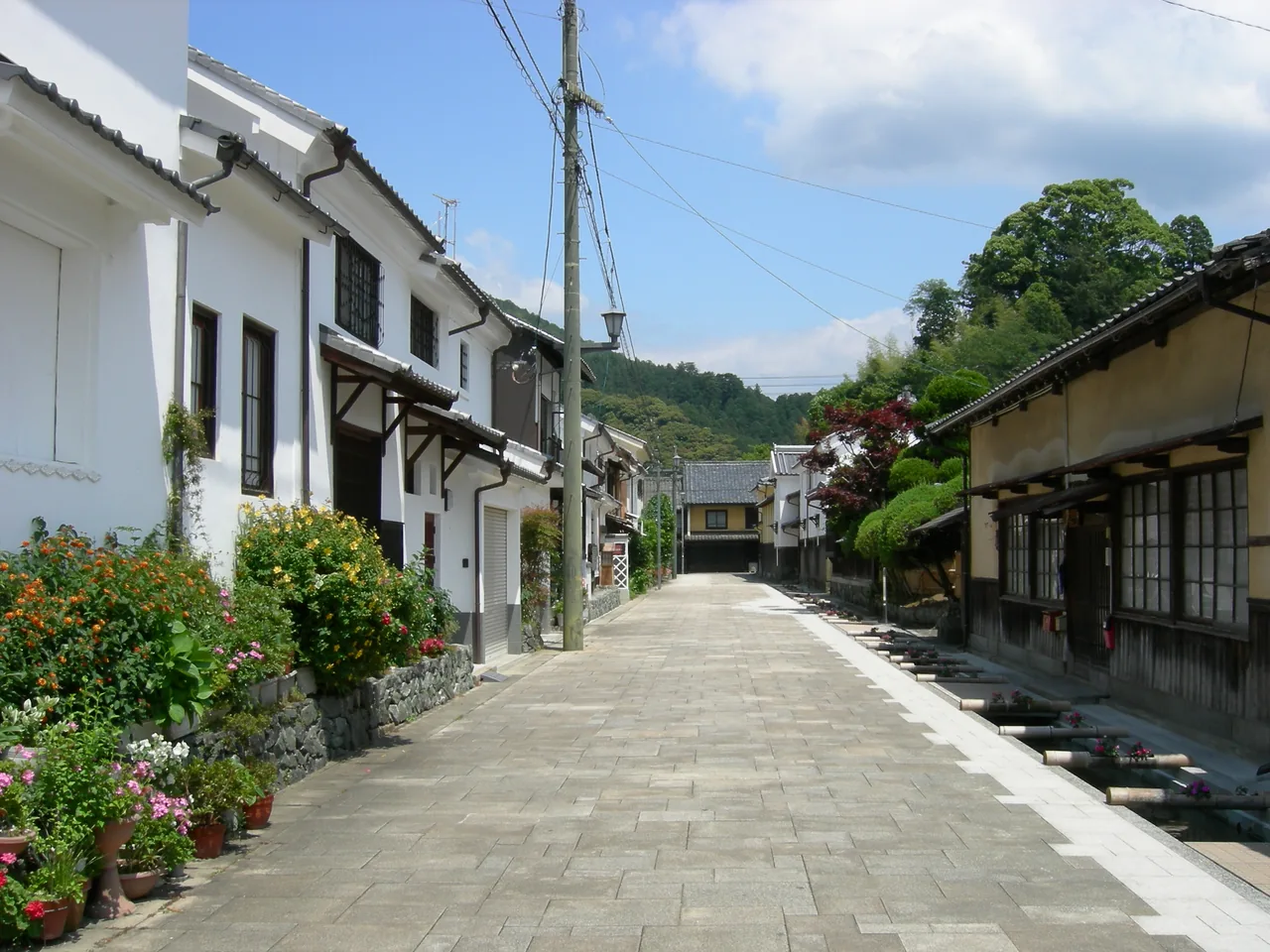
Photo: Ehime Prefectural Tourism & Local Products Association
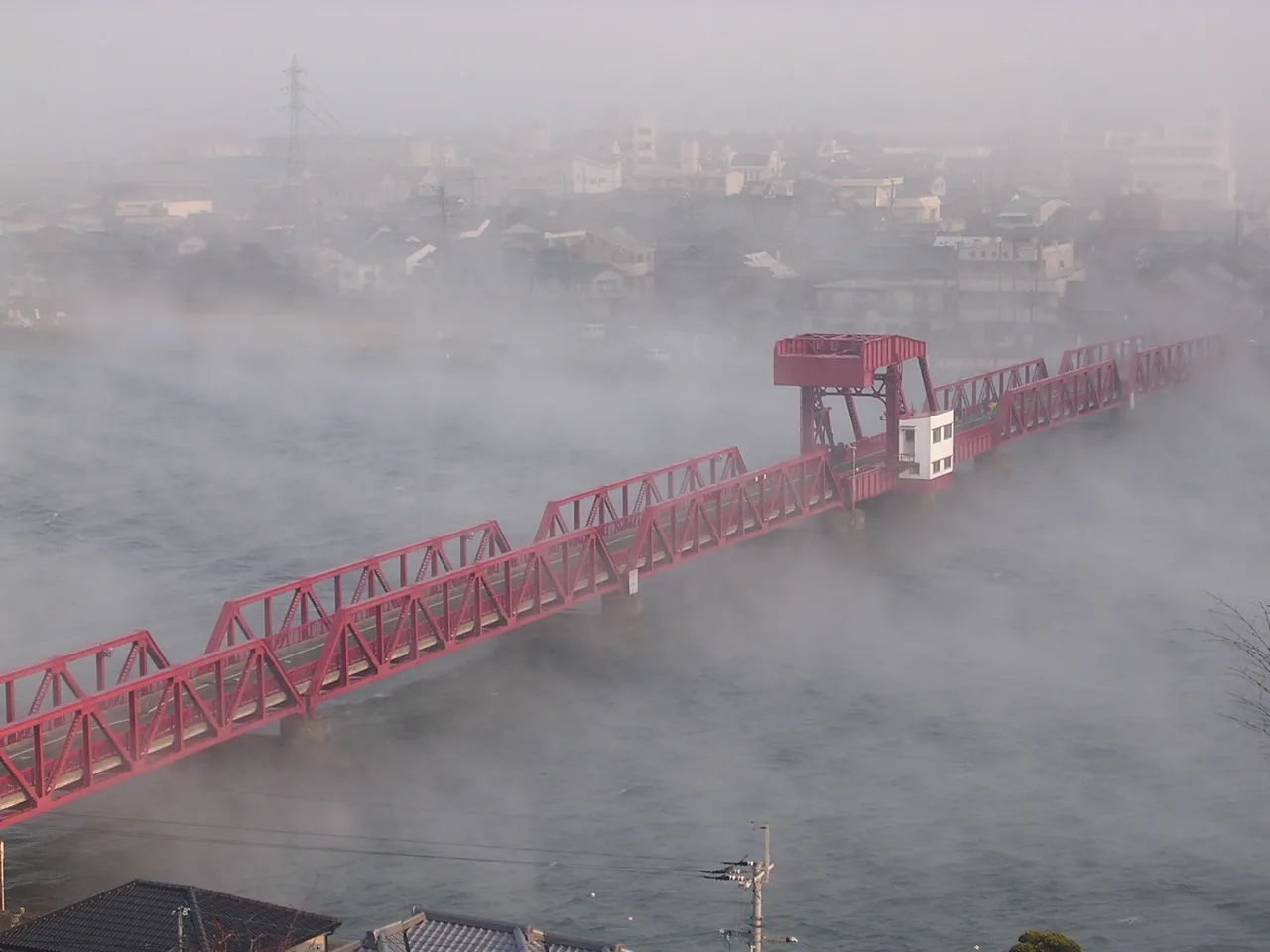
In summer, cormorant fishing (ukai) is held on the Hiji River every year from June 1 to September 20. Roofed pleasure boats surround a fishing boat lit by a bonfire, and you watch the cormorants catch fish. The shared boats board at the Garyu Sanso-shita landing and drop you off below Ozu Castle, about 1 km away. Reservations are required by the day before. Check dates on the Ozu City Tourism Association's cormorant fishing page and how to book on the official Ozu Ukai website. On clear mornings from autumn into winter, you may also see the Hijikawa Arashi, a cold wind carrying fog down the Hiji River and out to sea from the river mouth.
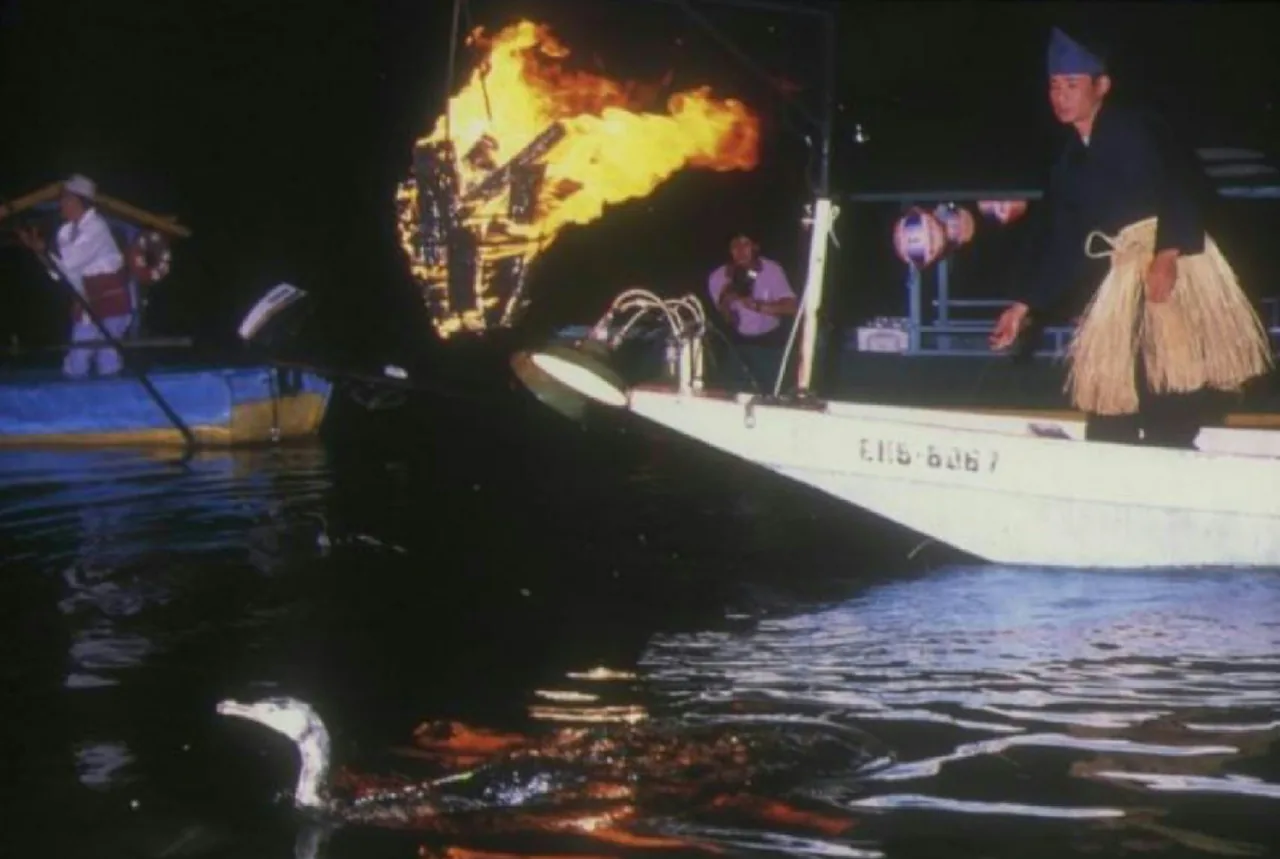
Photo: Ehime Prefectural Tourism & Local Products Association
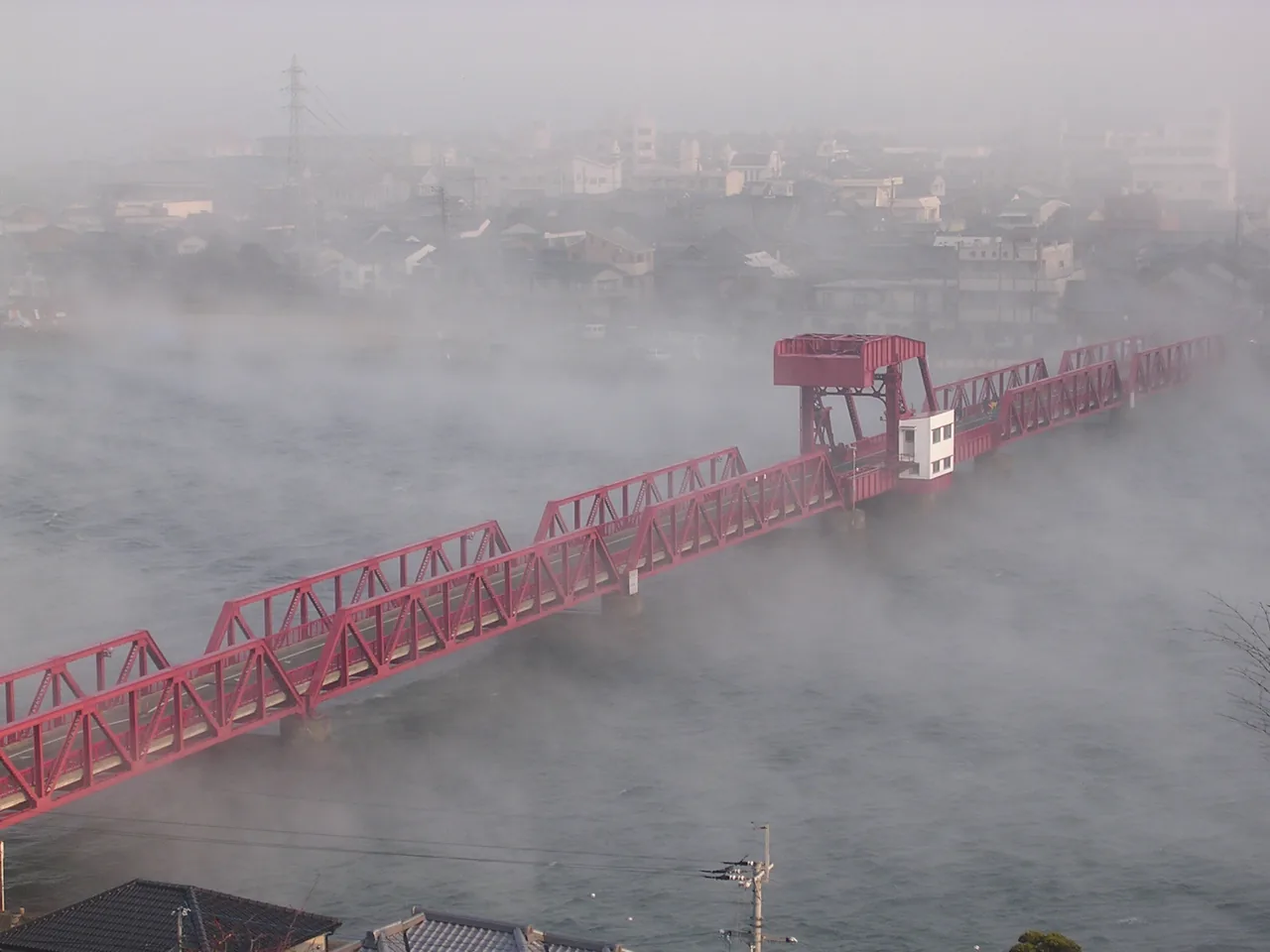
Photo: Ehime Prefectural Tourism & Local Products Association
Uchiko: walking the Yokaichi-Gokoku streets
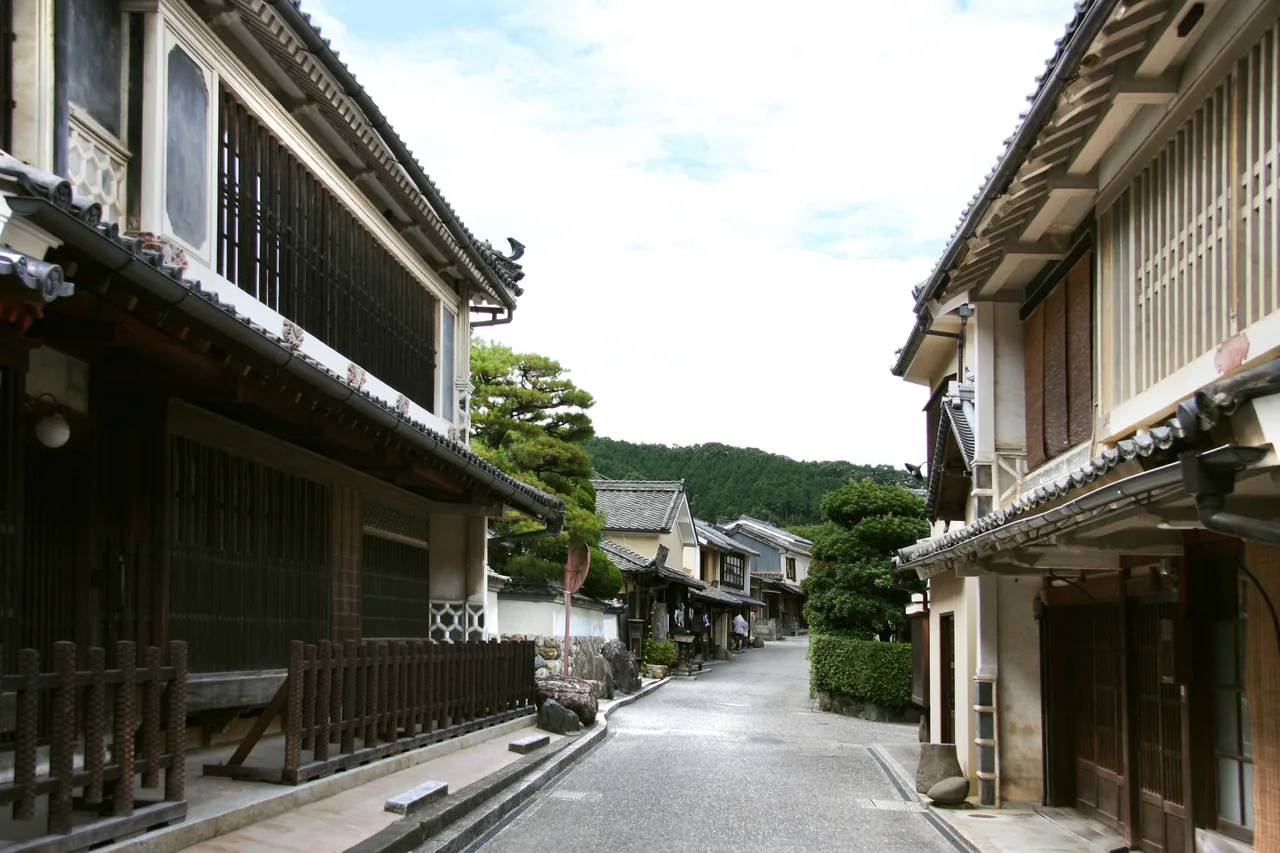
Uchiko's Yokaichi-Gokoku Historic District was selected as an Important Preservation District for Groups of Traditional Buildings in 1982, the first in Shikoku. Yellowish plaster walls and the narrow lanes between buildings, called "sedawa," give these streets their character. It is about a 15-minute walk from JR Uchiko Station to the start of the district.
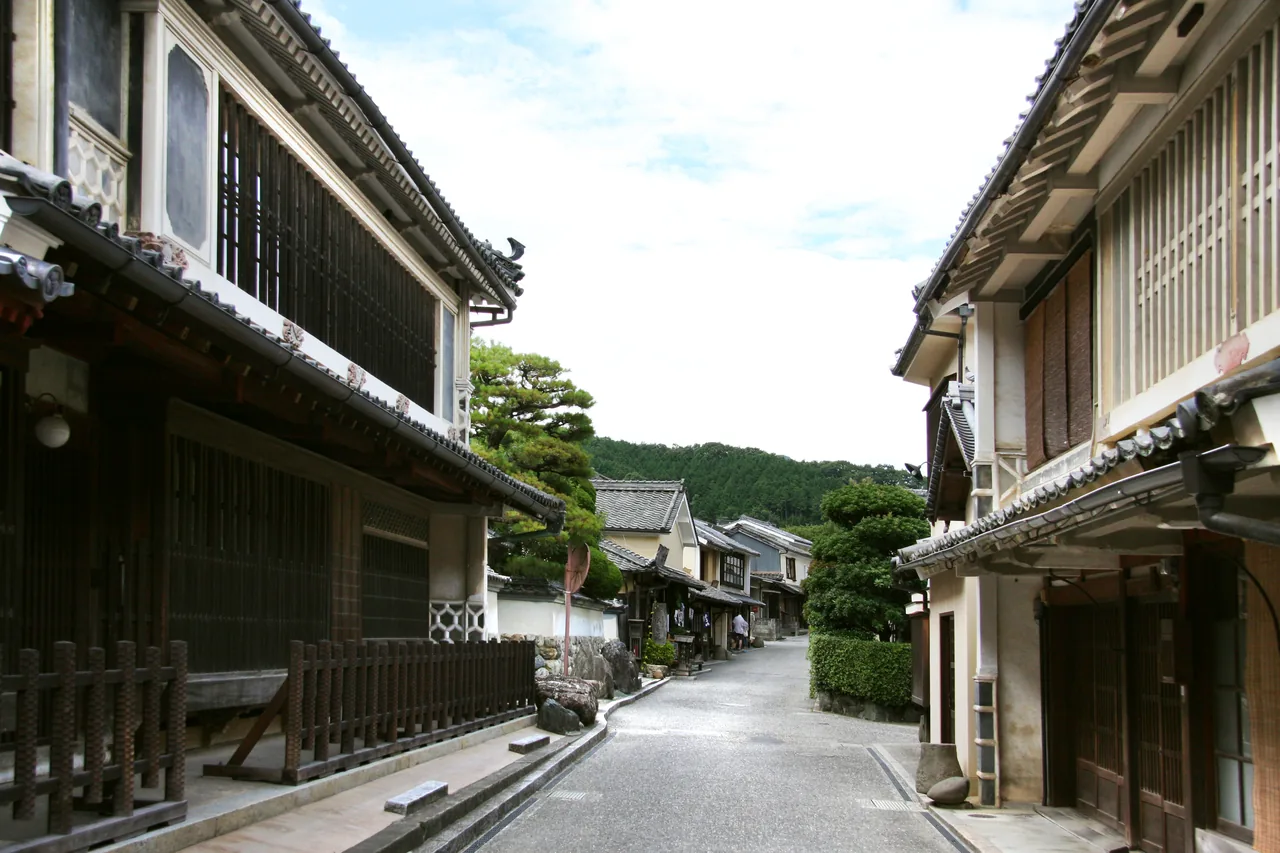
Photo: Ehime Prefectural Tourism & Local Products Association
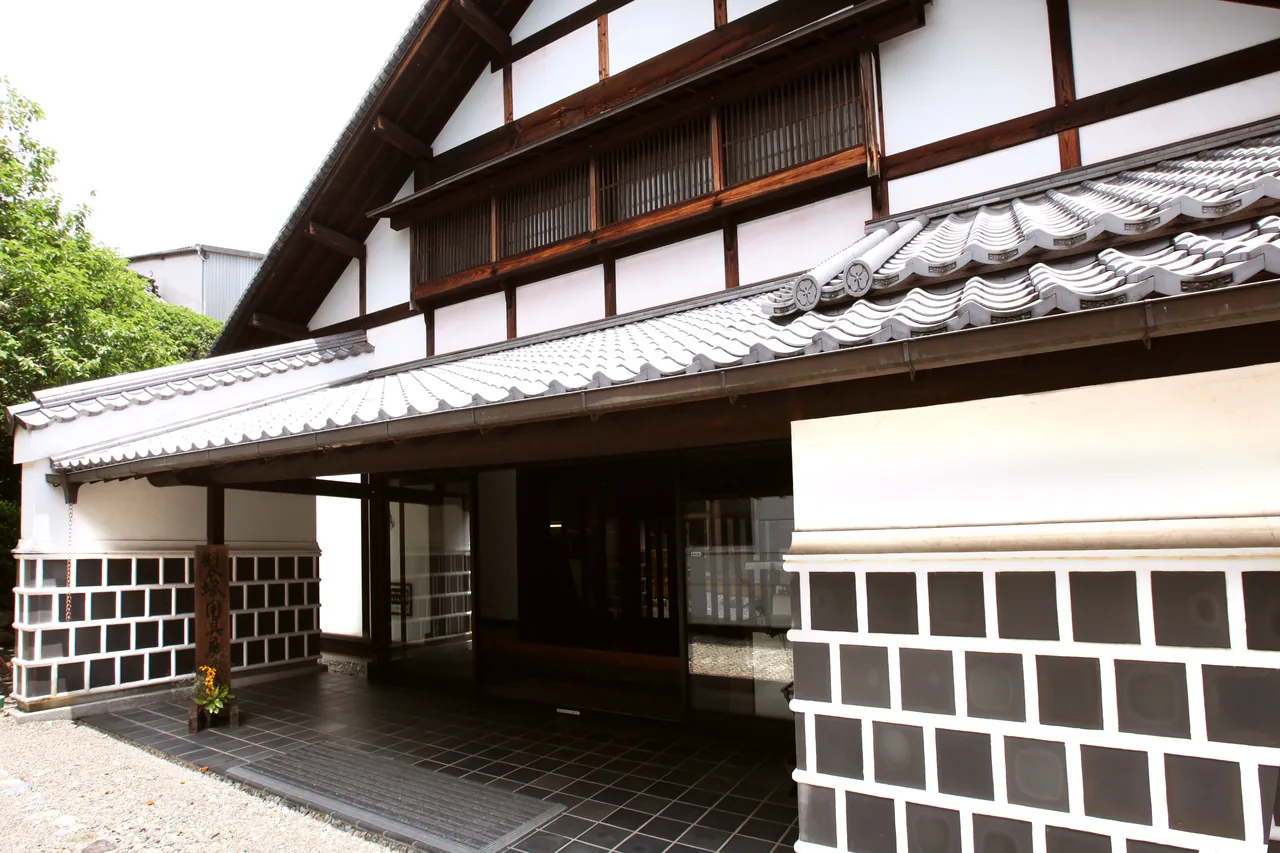
The Kami-Haga Residence (Japan Wax Museum) in the district is the home of the Kami-Haga family, who prospered from wax production. Ten buildings survive, including the main house, whose framework was raised in 1894, and outbuildings, and together they are an Important Cultural Property. Today it is open as a museum introducing Uchiko's wax making.
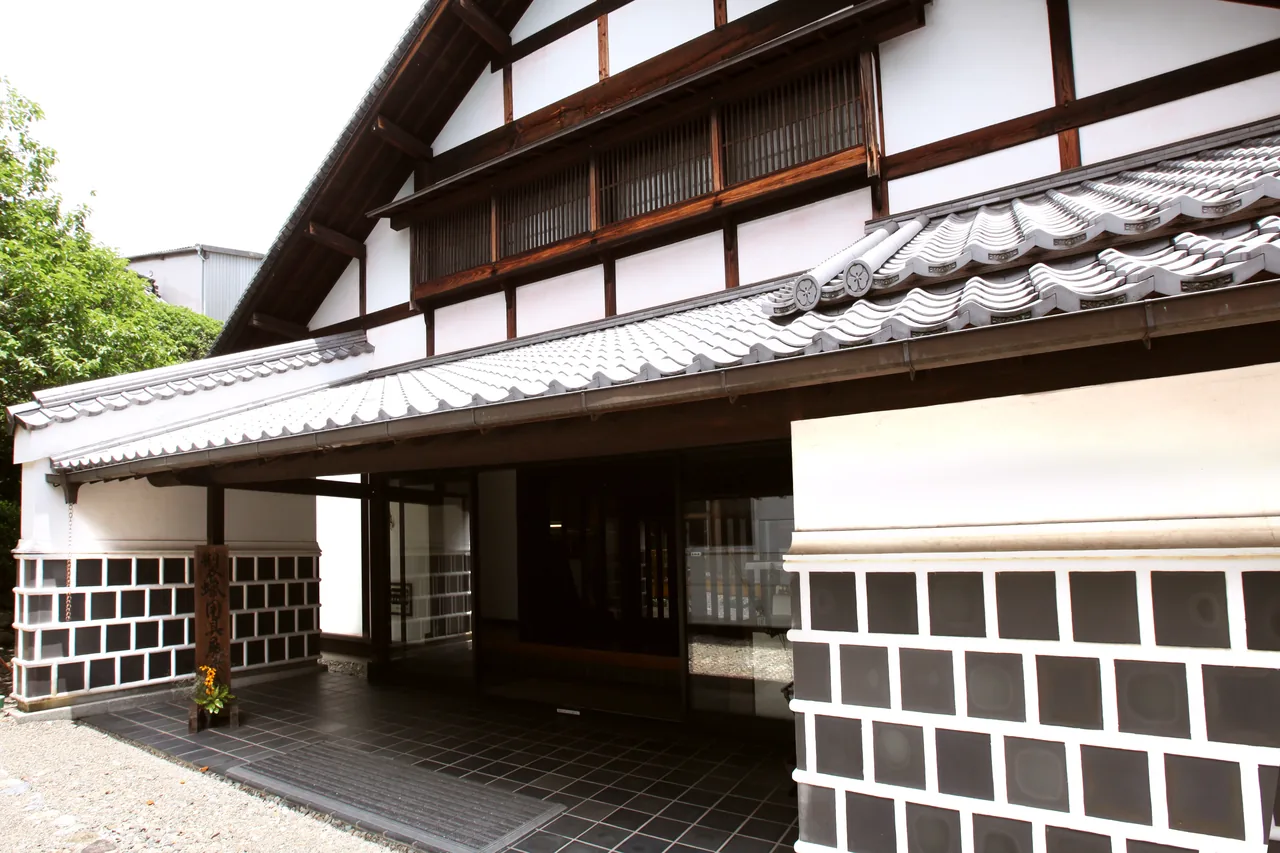
Photo: Ehime Prefectural Tourism & Local Products Association
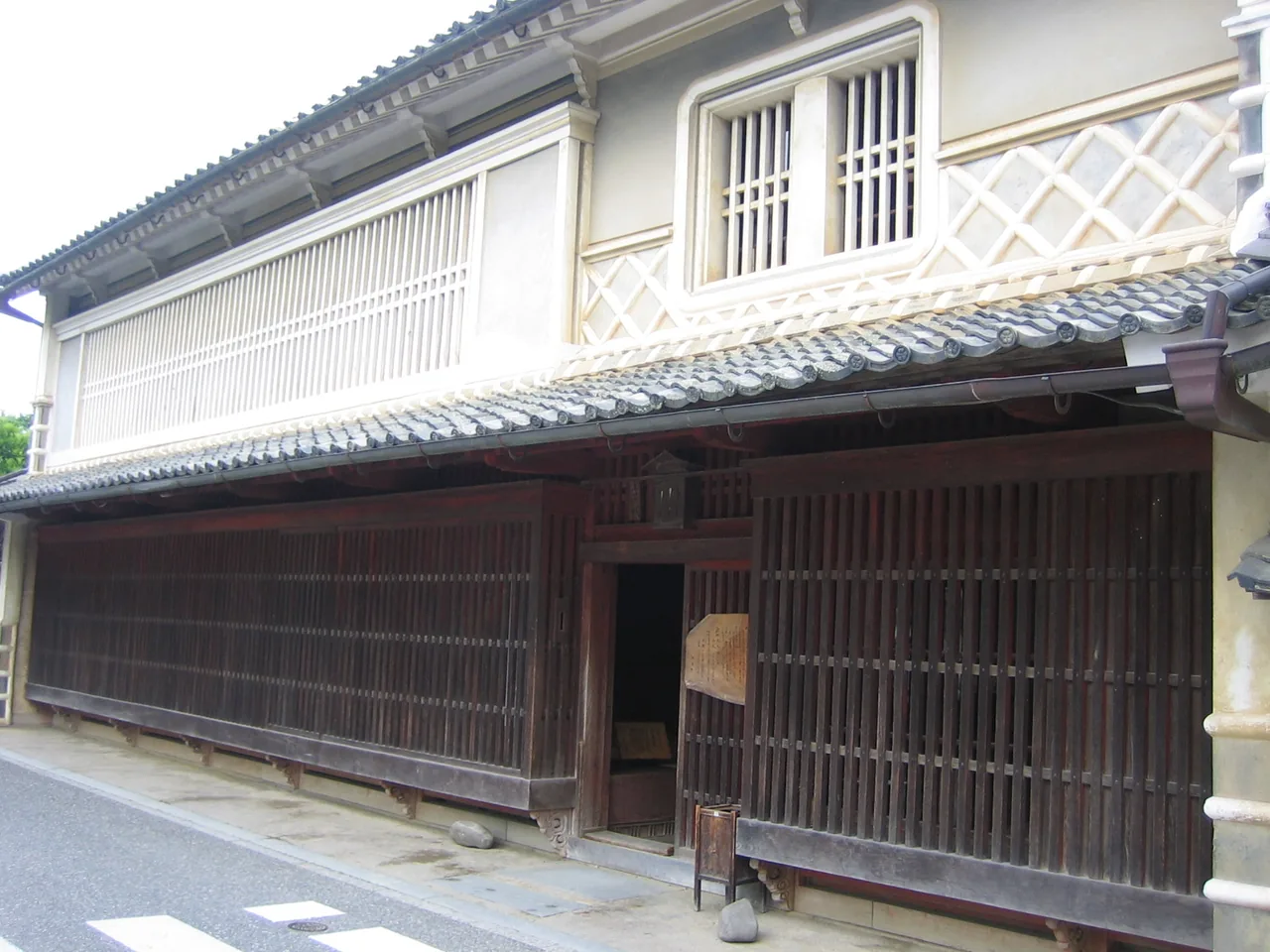
Photo: Ehime Prefectural Tourism & Local Products Association
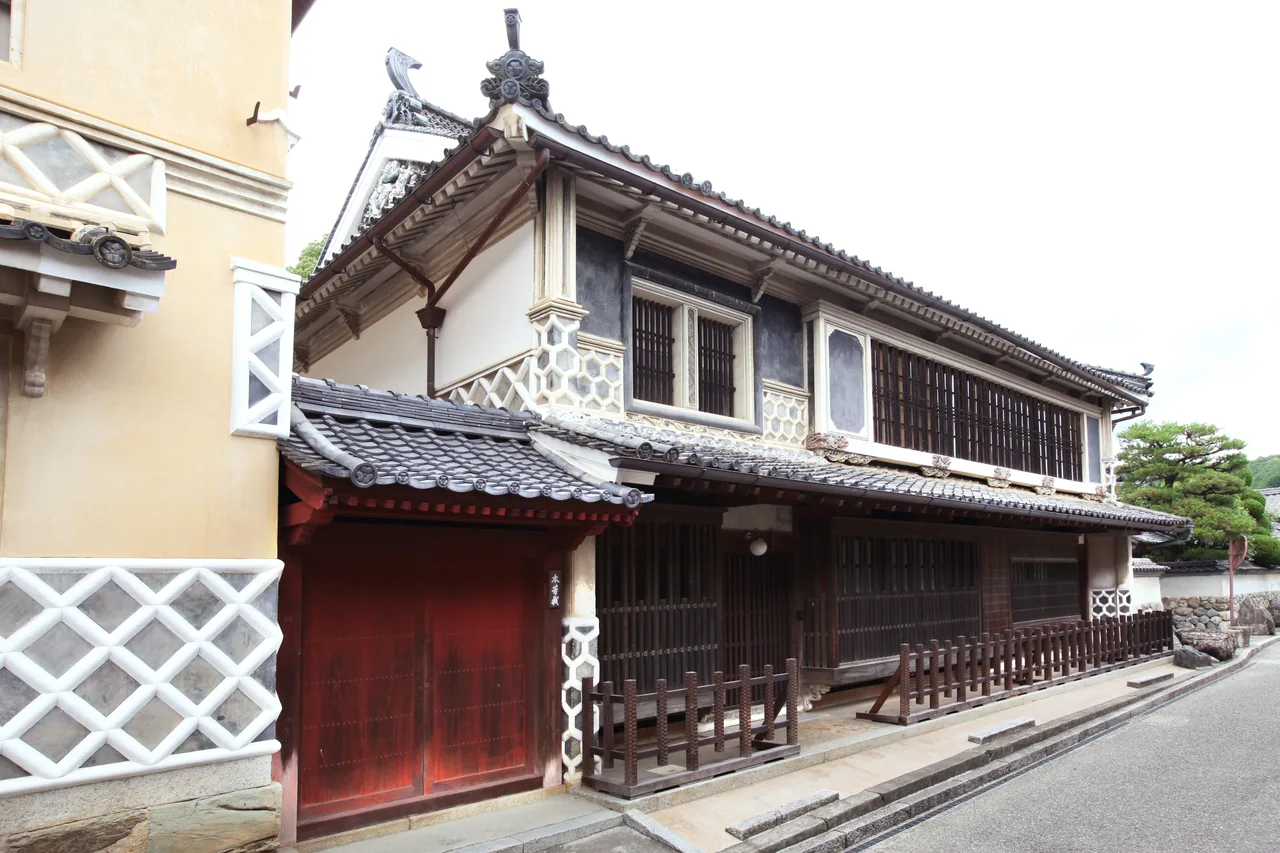
The Hon-Haga Residence is the house of the main family from which the Kami-Haga family branched off. The main house is decorated with hexagon-patterned namako walls and plaster reliefs of cranes, turtles and waves. The interior is not open to the public, but you can see the exterior and the garden. Look under the gables and along the eaves and you will notice the fine work of the plasterers.
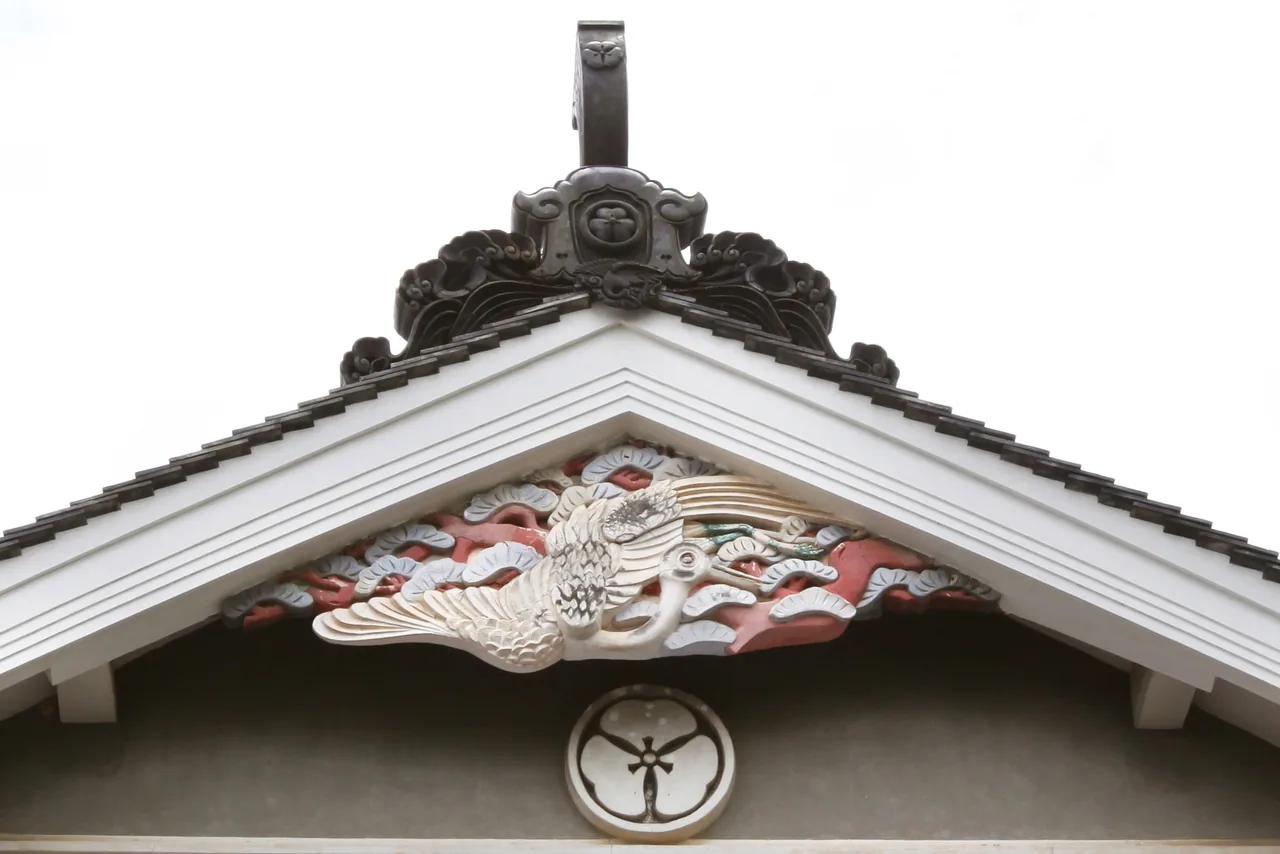
Photo: Ehime Prefectural Tourism & Local Products Association
Every August 6 and 7, the Uchiko Sasa Matsuri decorates the Honmachi shopping street near the historic district, about 500 m long, with ornaments hung on bamboo branches, and on festival days bamboo decorations are added in the Yokaichi-Gokoku district as well. Every May 5, the Ikazaki Giant Kite Battle is held in the Ikazaki area of Uchiko Town: kites are flown from both banks of the Oda River, and fliers try to cut each other's lines with blades called gagari.
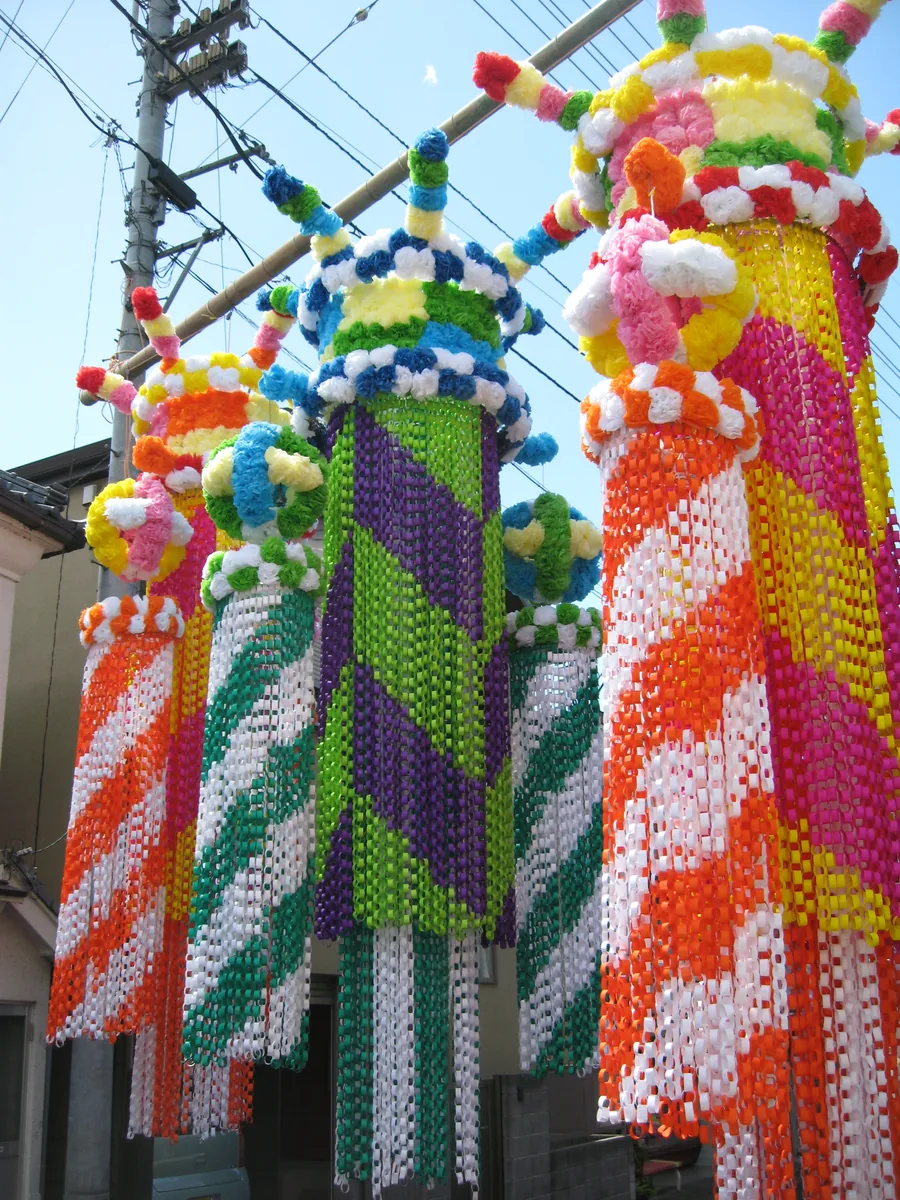
Photo: Ehime Prefectural Tourism & Local Products Association
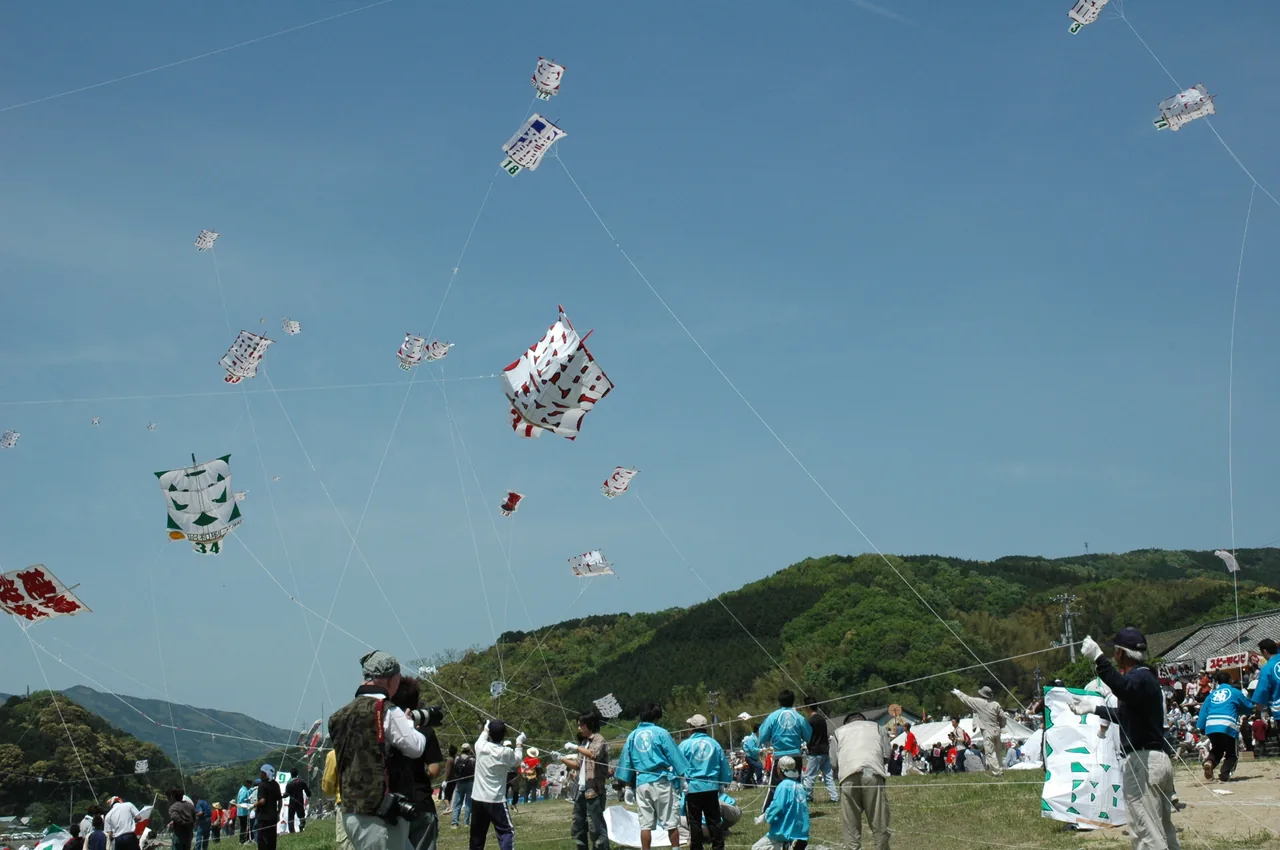
Photo: Ehime Prefectural Tourism & Local Products Association
Uchiko-za is closed for conservation work
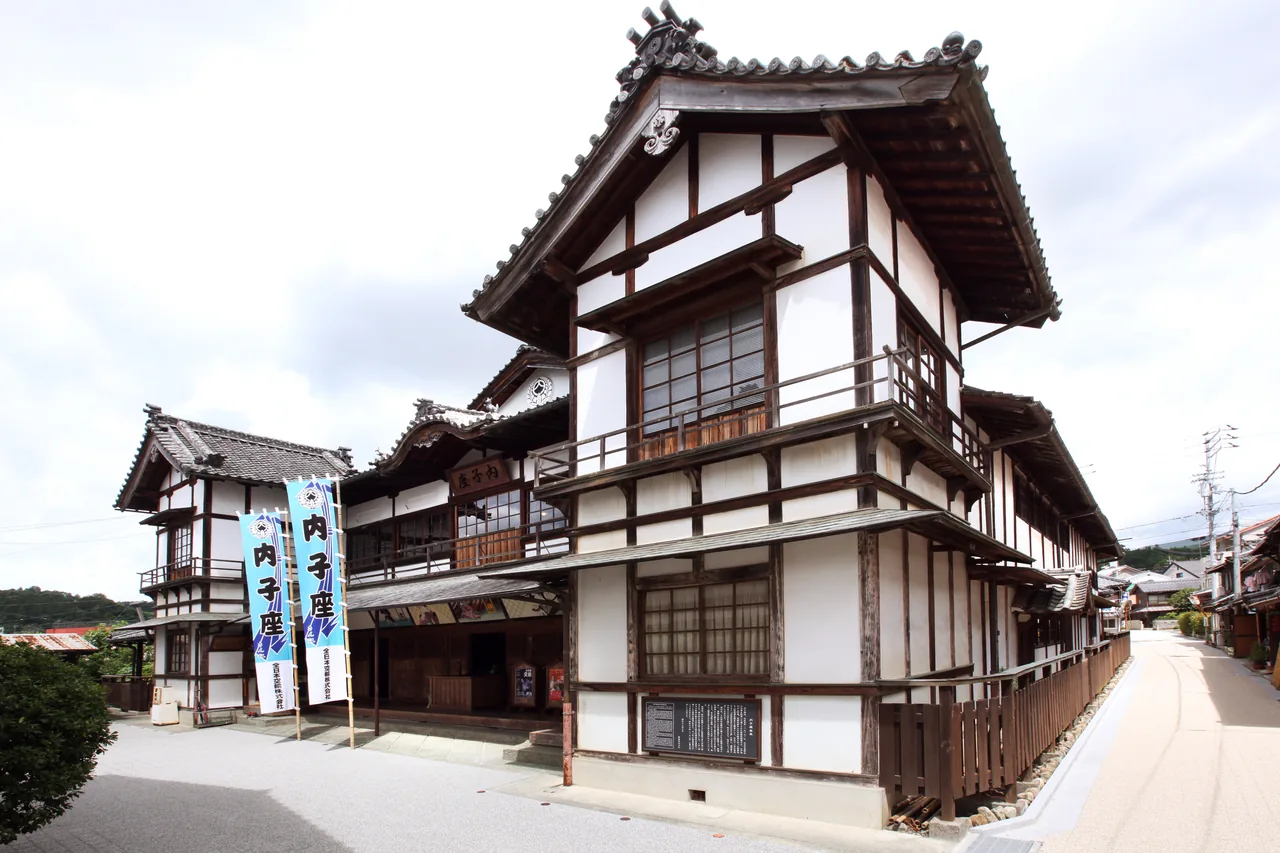
Uchiko-za is a two-story wooden playhouse built in 1916 on the initiative of local townspeople. It has a tiled hip-and-gable roof, a revolving stage, a hanamichi runway and traditional box seating, and it was designated an Important Cultural Property in 2015.
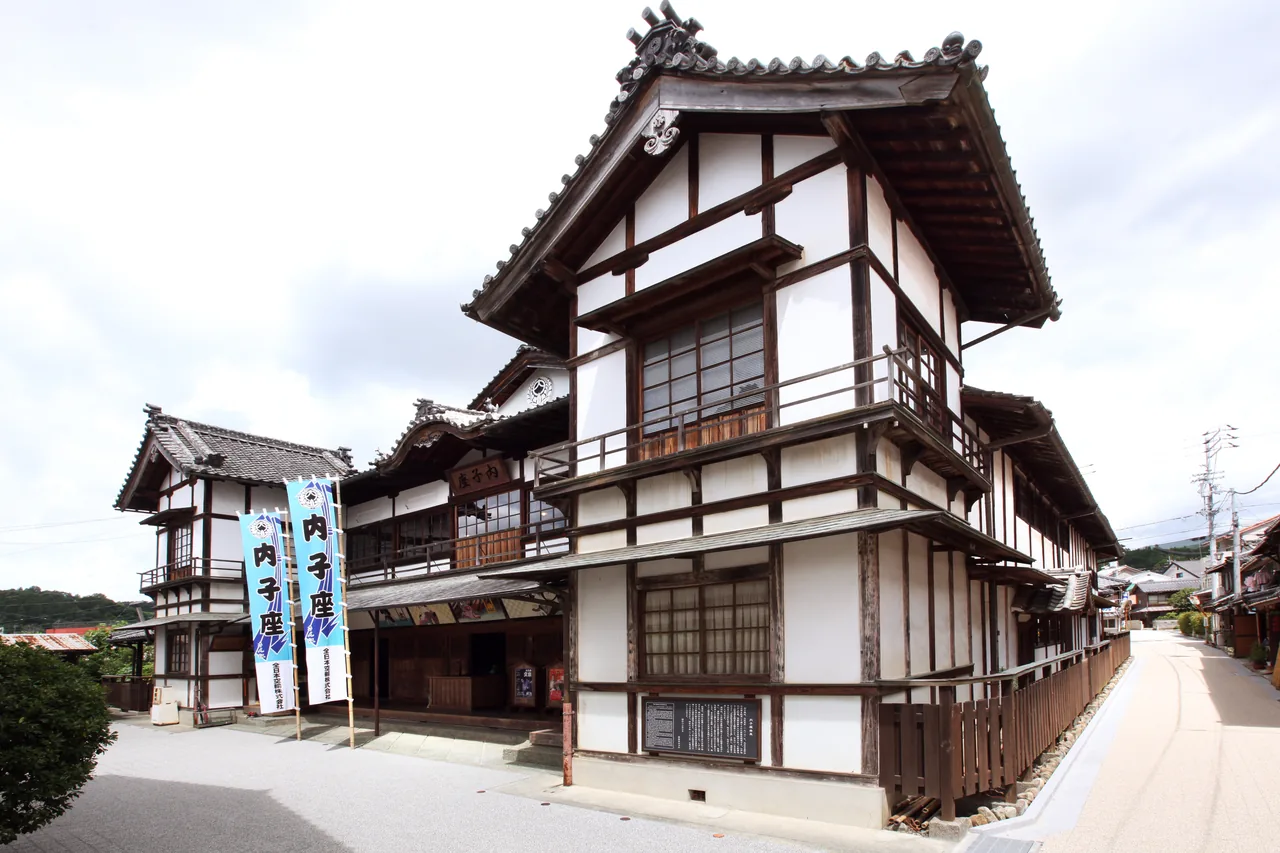
Photo: Ehime Prefectural Tourism & Local Products Association
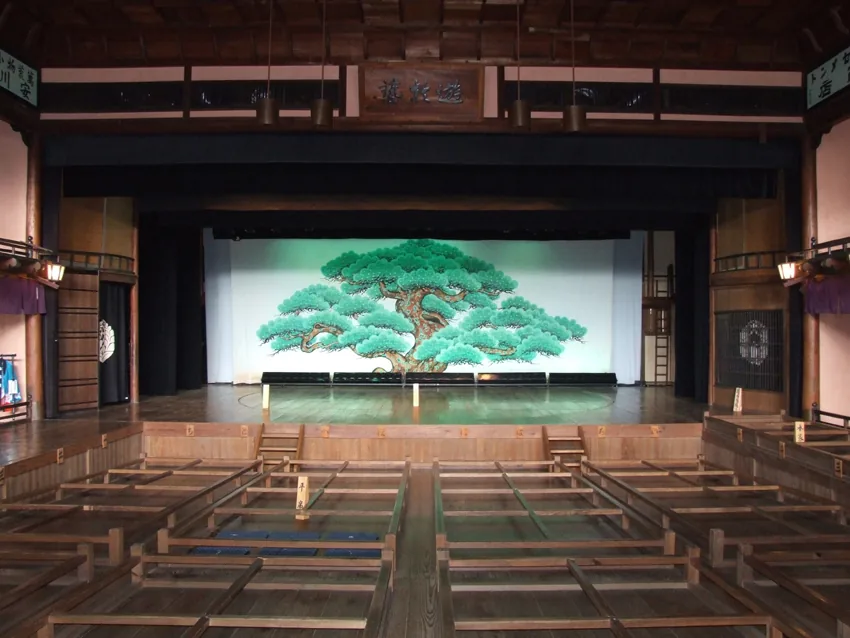
Photo: Ehime Prefectural Tourism & Local Products Association
Since September 2024 it has been closed for conservation work, including earthquake reinforcement, which is expected to take about four years. During the work you cannot see inside the theater. The dressing-room building at the back, Uchiko-za Gakuya, is open, and exhibitions and events are sometimes held there. Check the latest on Uchiko Town's Uchiko-za page. It is about a 10-minute walk from JR Uchiko Station.
Going farther: the Izumidani Rice Terraces
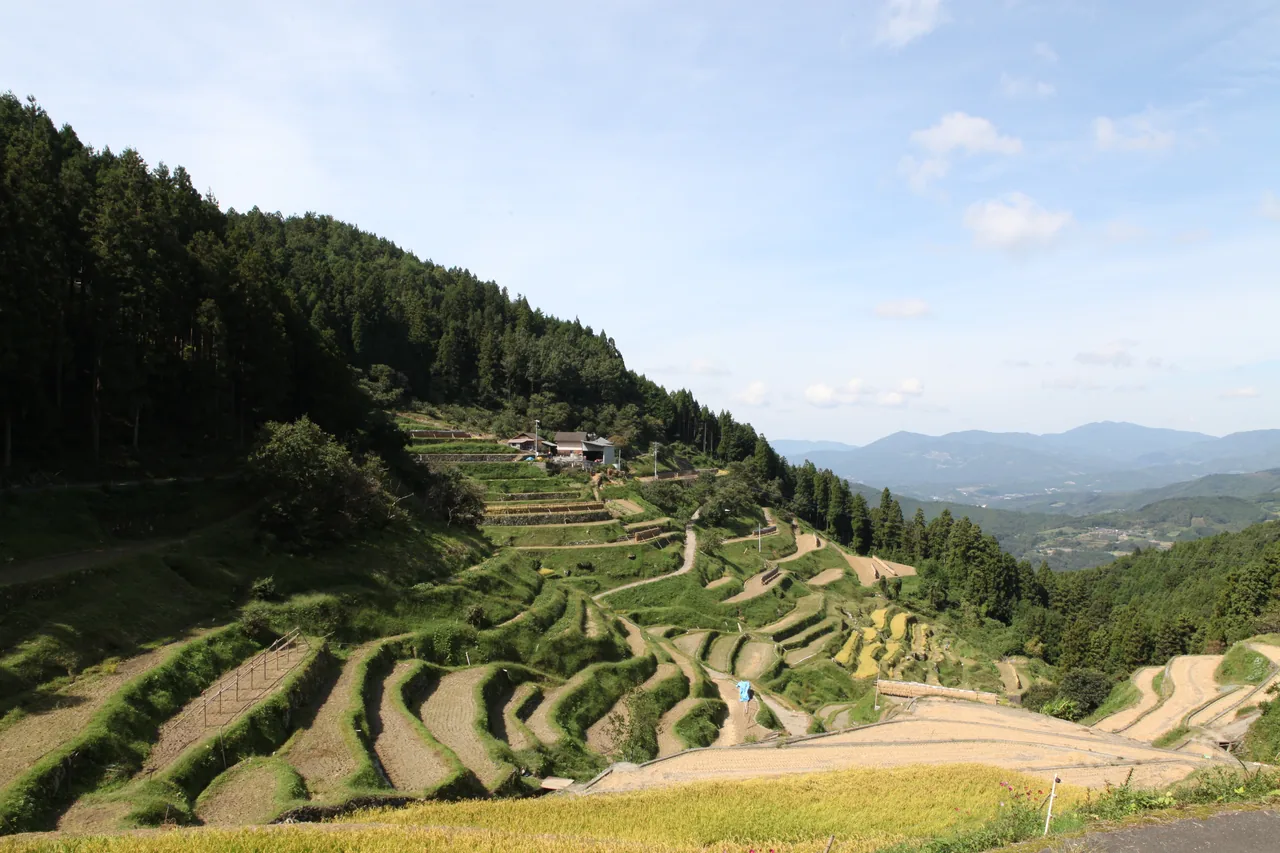
The Izumidani Rice Terraces, in the hills of Uchiko Town, are paddies built with stone walls that rise step by step up a steep slope, and they are one of Japan's 100 Best Rice Terraces. The view changes with the seasons: green rice in summer, ripe grain in autumn and flooded fields.
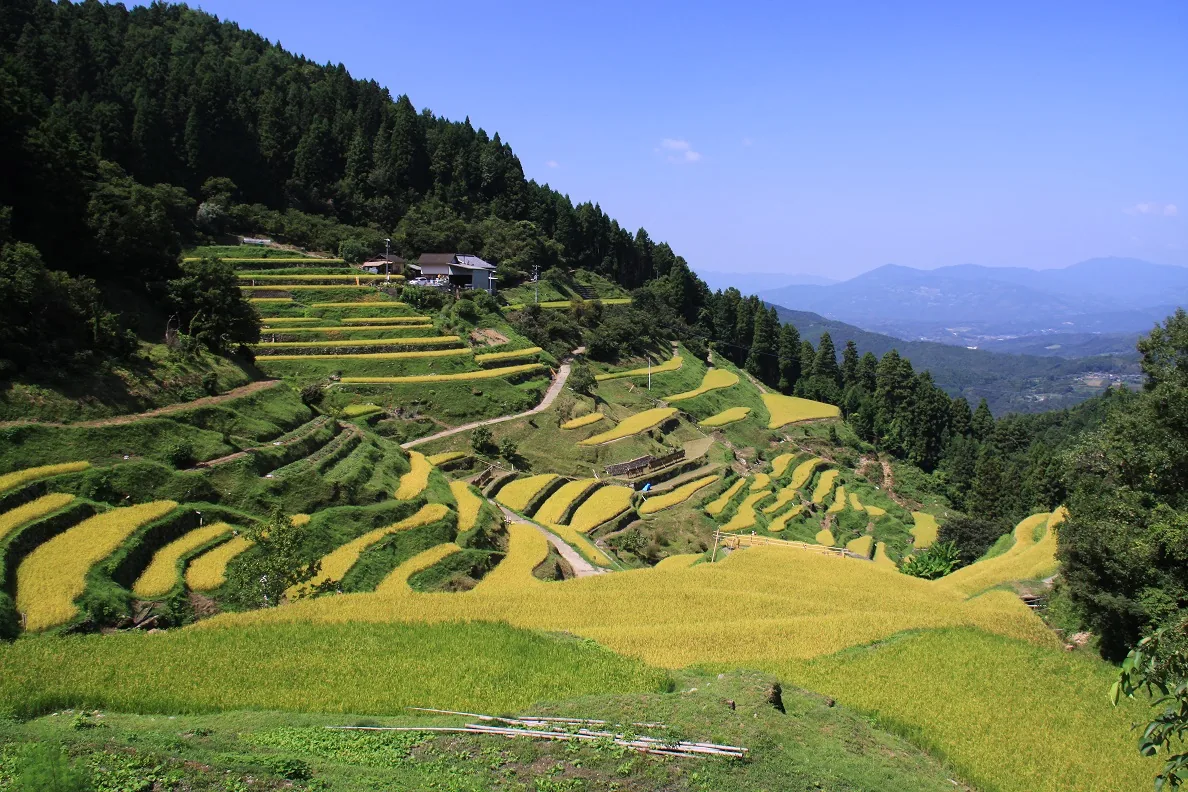
Photo: Ehime Prefectural Tourism & Local Products Association
They are about 15 km from JR Uchiko Station, around 30 minutes by car, and the free parking has room for only about three cars. These are working rice fields, so stay out of the paddies and off the ridges between them, and enjoy the view from the road.
Seeing Ozu and Uchiko in one day
If you leave Matsuyama in the morning, this order makes for easy walking.
- Take the limited express from Matsuyama to Uchiko Station. Walk the Yokaichi-Gokoku streets and see the Kami-Haga and Hon-Haga residences
- Go back to Uchiko Station and take JR to Iyo-Ozu Station
- Take the Gururin bus into the castle town. Visit Garyu Sanso, the Red Brick House and Ozu Castle
- Return to Matsuyama by limited express from Iyo-Ozu Station
Check train times at both Uchiko and Iyo-Ozu in advance, and it becomes easier to decide how long to spend walking each town. For Matsuyama's castle and hot spring, see our "Matsuyama Travel Guide."