Sado Island Itinerary: 2 Days of Onogame, Shukunegi and Tub Boats
This guide is translated from the Japanese edition. Read the Japanese edition
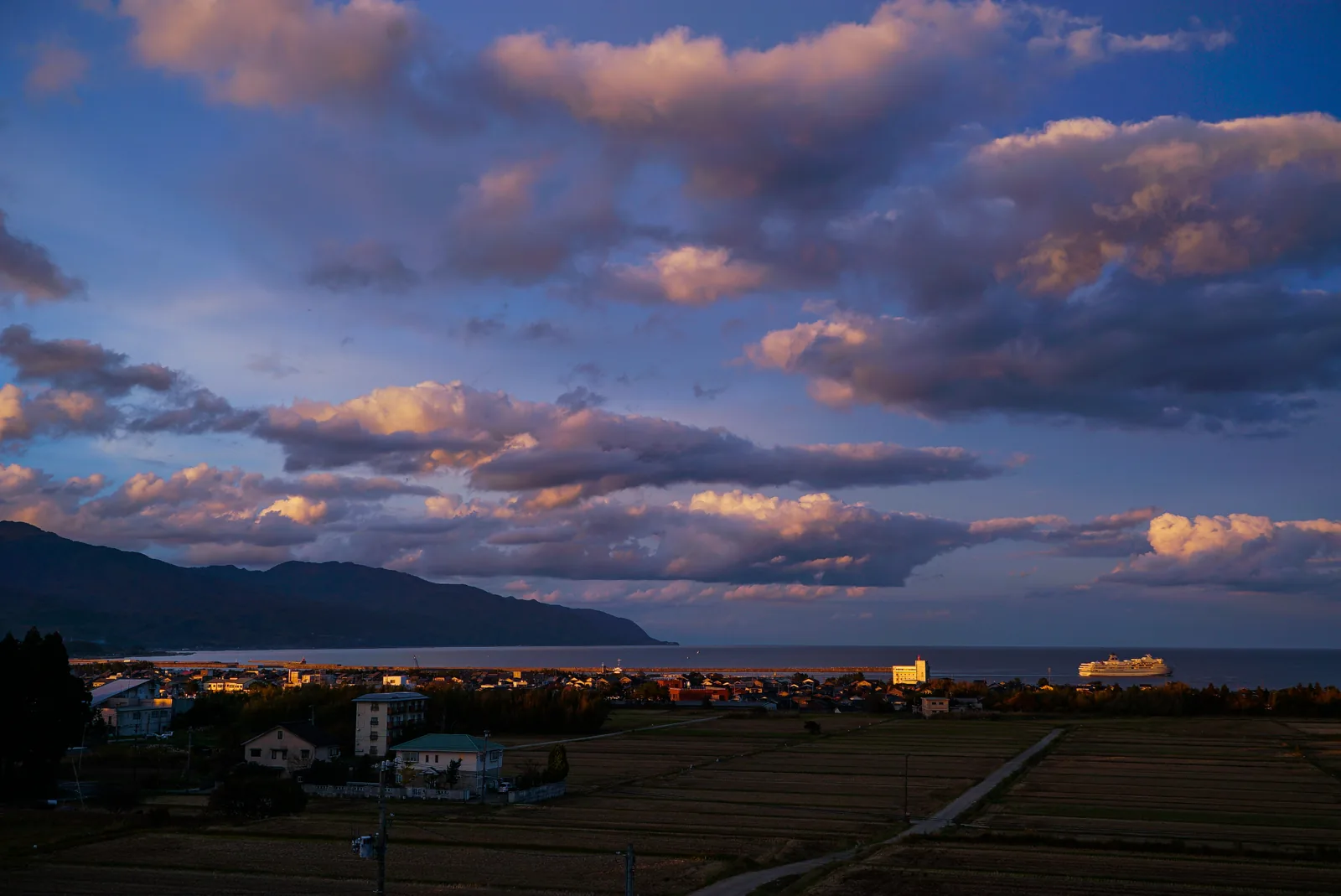
Two days on Sado Island by ferry from Niigata: Onogame, the Nanaura Coast sunset, Myosen-ji's pagoda and noh stages, Ogi's tub boats, Shukunegi and getting around.
As the ferry from Niigata Port crosses the Sea of Japan, a large island with a spine of mountains comes into view. Sado Island is big, and the scenery shifts completely from the rocky northern coast to the harbor towns in the south. With two days you can loop the island: the northern and western coasts, the old temples of Mano, and the Ogi Peninsula at the southern tip. This route starts at Ryotsu Port and goes roughly counterclockwise around the island.
Getting to Sado and getting around
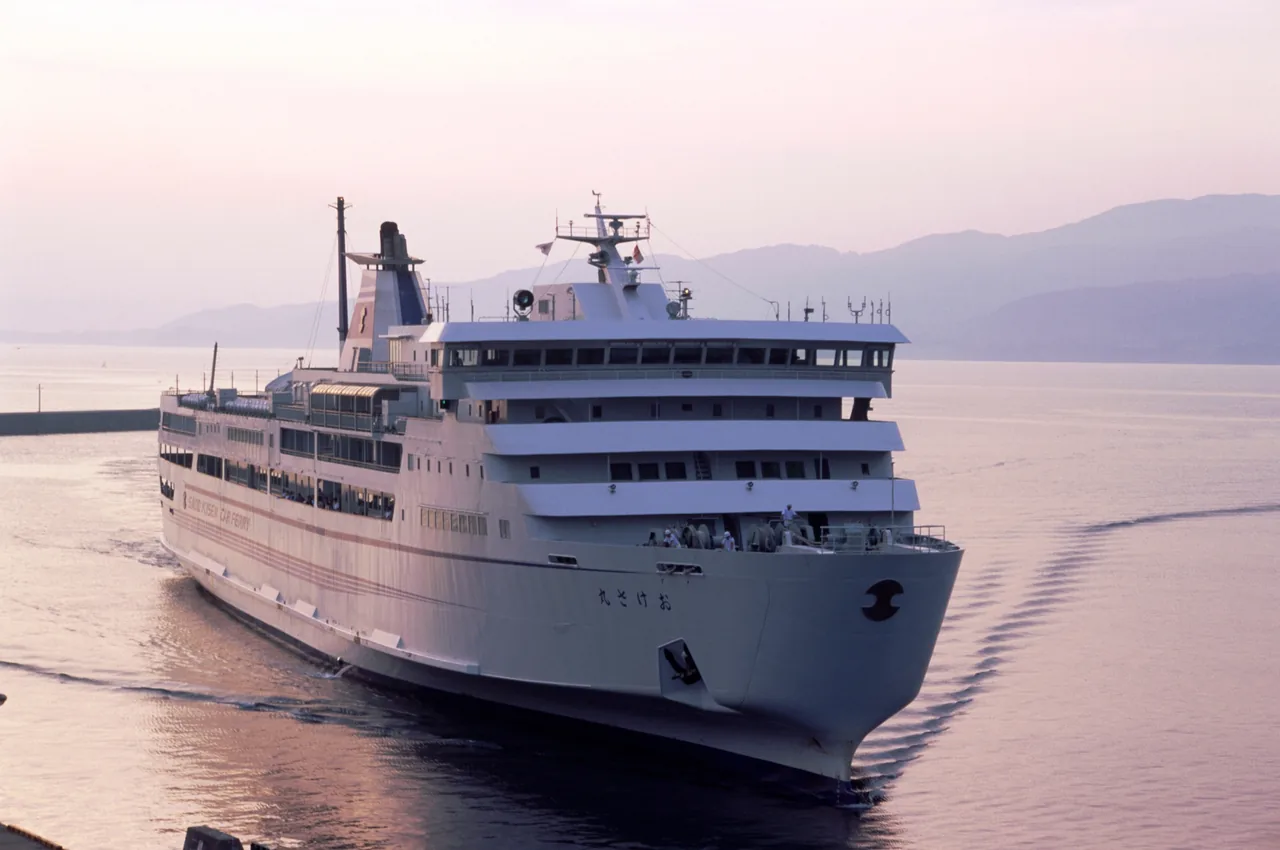
Sado Kisen runs car ferries and faster jetfoils from Niigata Port to Ryotsu Port on Sado. Timetables and journey times change with the season, so check Sado Kisen's official website and book ahead. There's also a route linking Ogi Port in the south of the island with Naoetsu Port in Joetsu.
Sado's sights, Onogame at the northern tip among them, are spread out along the coast. There are local buses, but many sections have few services, so for a two-day trip a rental car is the practical choice. On summer weekends and in the flower season, book your rental car early along with the ferry.
Day 1 morning: Onogame at the northern tip
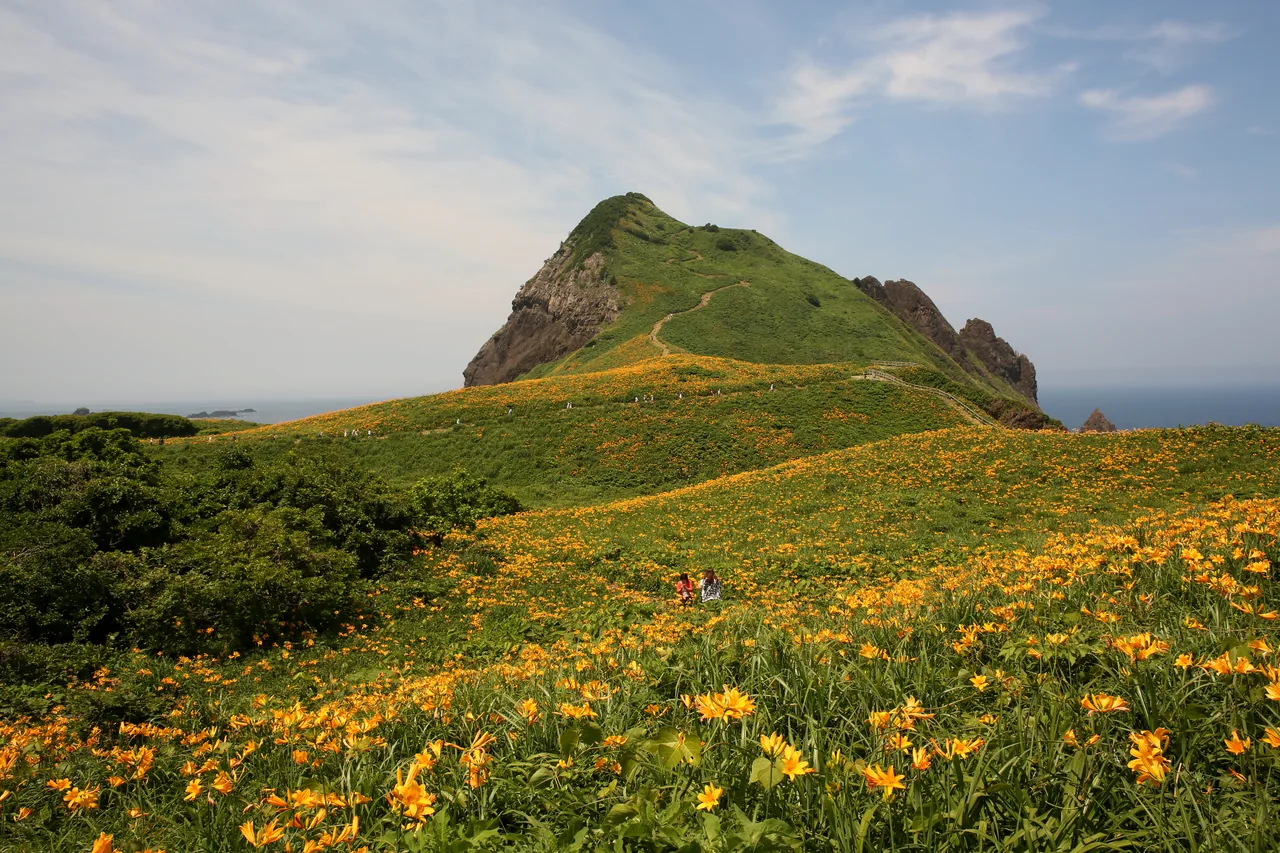
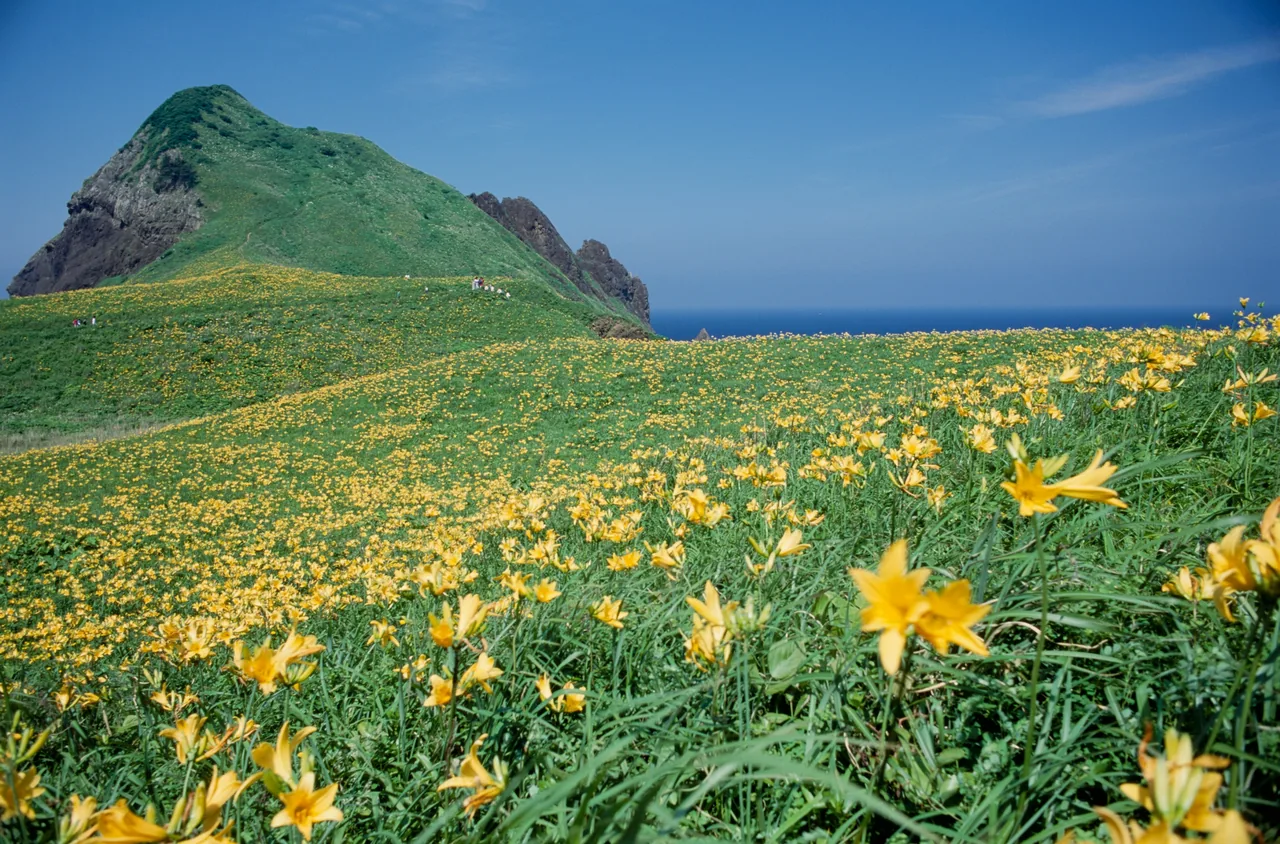
From Ryotsu Port, head north. Onogame is a single 167 m rock jutting into the Sea of Japan, shaped like a turtle crouched toward the sea.
From late May to early June, the slopes around it fill with the yellow flowers of the Tobishima day lily, which grows only in a few places such as Sado and Tobishima Island in Yamagata, and the "Sado Kanzo Week" festival is held. From Onogame, a coastal path leads past Sai-no-Kawara to Futatsugame, an islet joined to the shore or cut off depending on the tide.
Day 1 afternoon: south along the west coast to the Nanaura sunset
Heading south from Onogame along the western coastline brings you to the town of Aikawa. Aikawa prospered from its gold and silver mines in the Edo period, and the "Sado Island Gold Mines" were inscribed as a World Cultural Heritage site in 2024. Stop in if you have time.
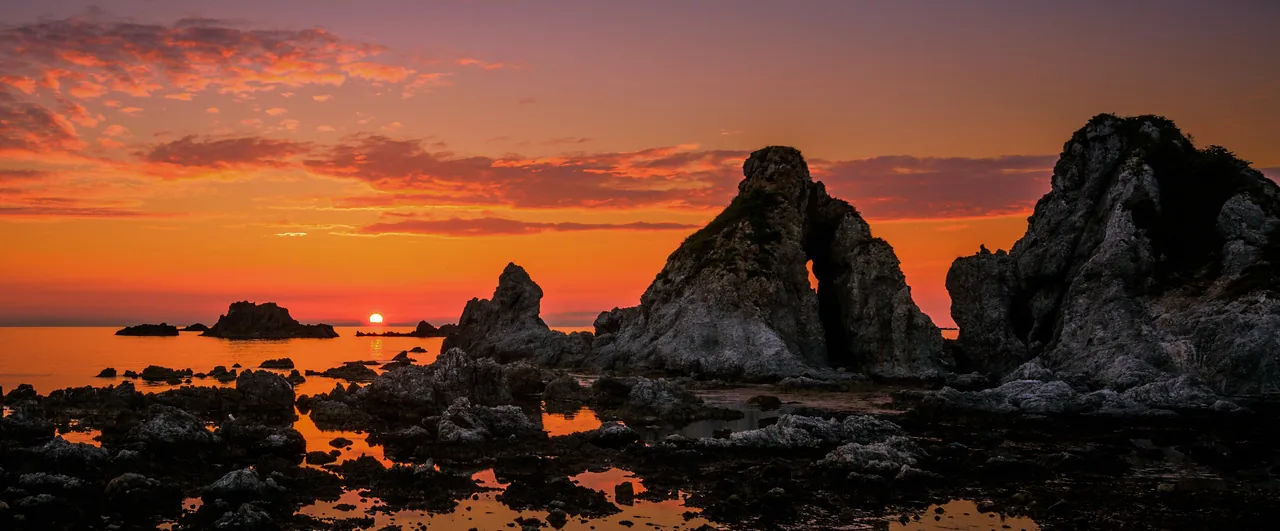
End the first day with sunset on the Nanaura Coast, which runs south of Aikawa. The coast is known for its sunsets, and at Takase stand the Meoto-iwa, two rocks side by side. With the setting sun behind them, the rocks become black silhouettes. Look up the sunset time and arrive a little early so you can wait without rushing. Take care driving after dark and watch your footing on the rocks.
Day 2 morning: Mano's five-story pagoda and noh stages
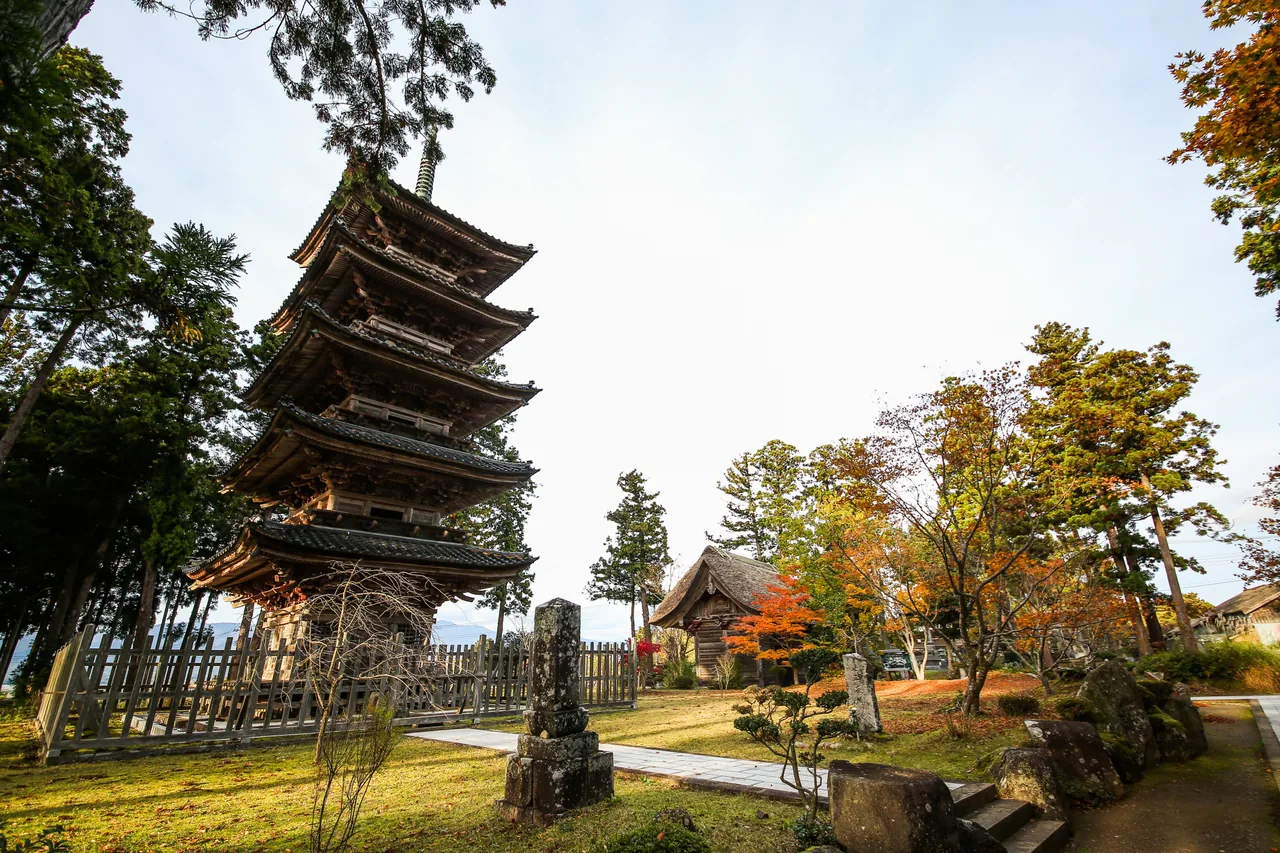
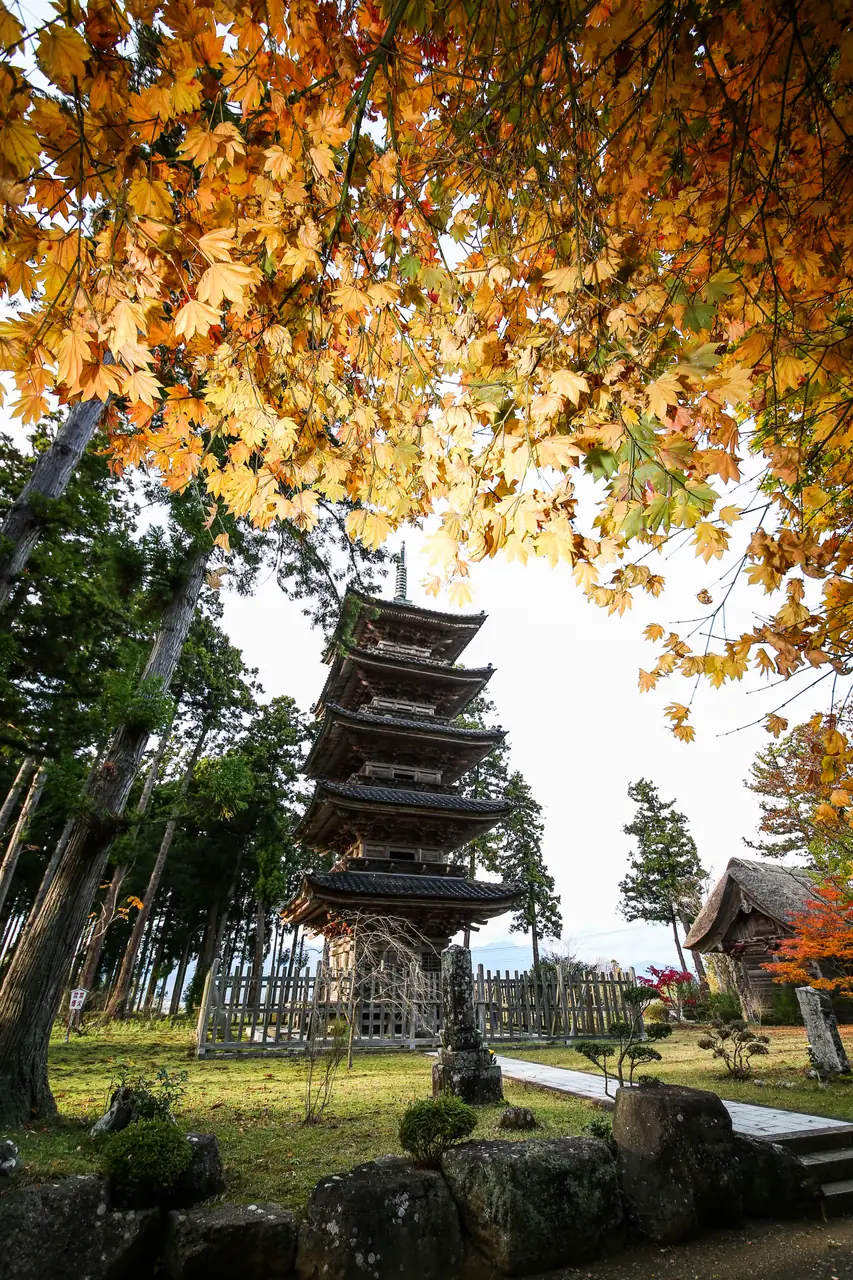
On day two, head to the Mano district, south of the Kuninaka Plain in the middle of the island. Myosen-ji Temple has a five-story pagoda. Completed in 1825 by two generations of carpenters, father and son, from Aikawa, the roughly 24 m pagoda is an Important Cultural Property. The temple grounds also hold the grave of Hino Suketomo, who was exiled to Sado at the end of the Kamakura period.
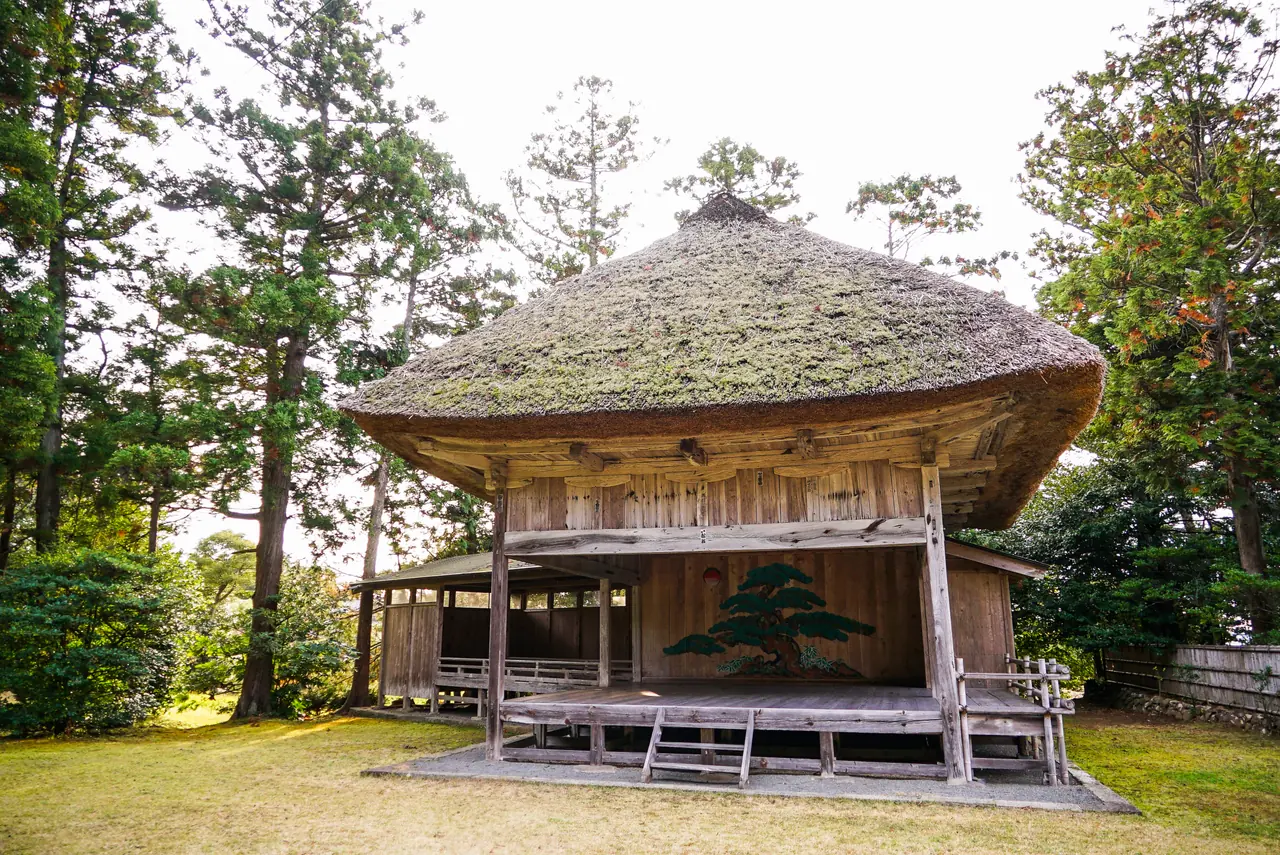
Sado is an island where noh thrives, and noh stages survive at shrines across the island. The stage at Daizen Shrine in Takeda, near Mano, has the oldest surviving record of noh among Sado's stages (from 1823), and takigi noh (noh by firelight) is performed there in early summer.
Day 2 afternoon: Ogi's tub boats and Shukunegi
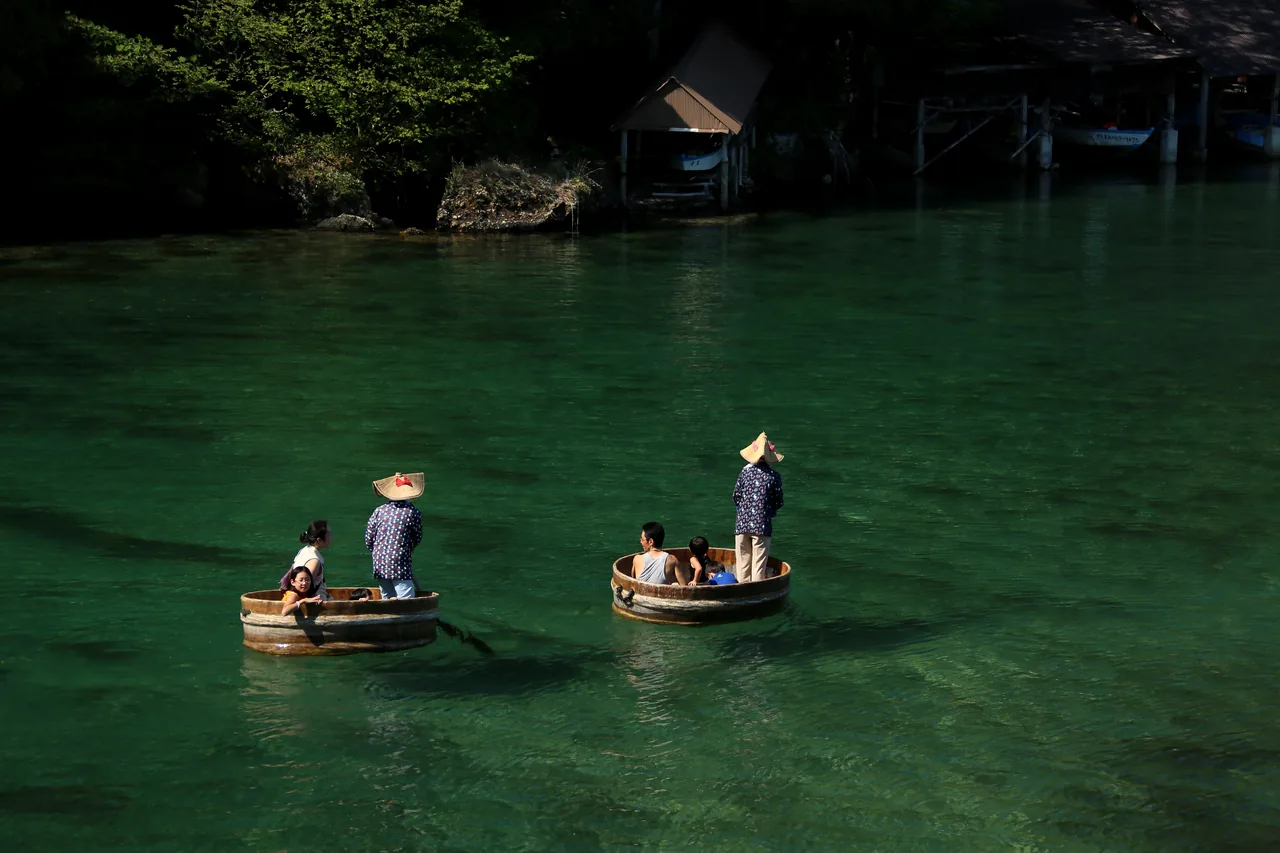
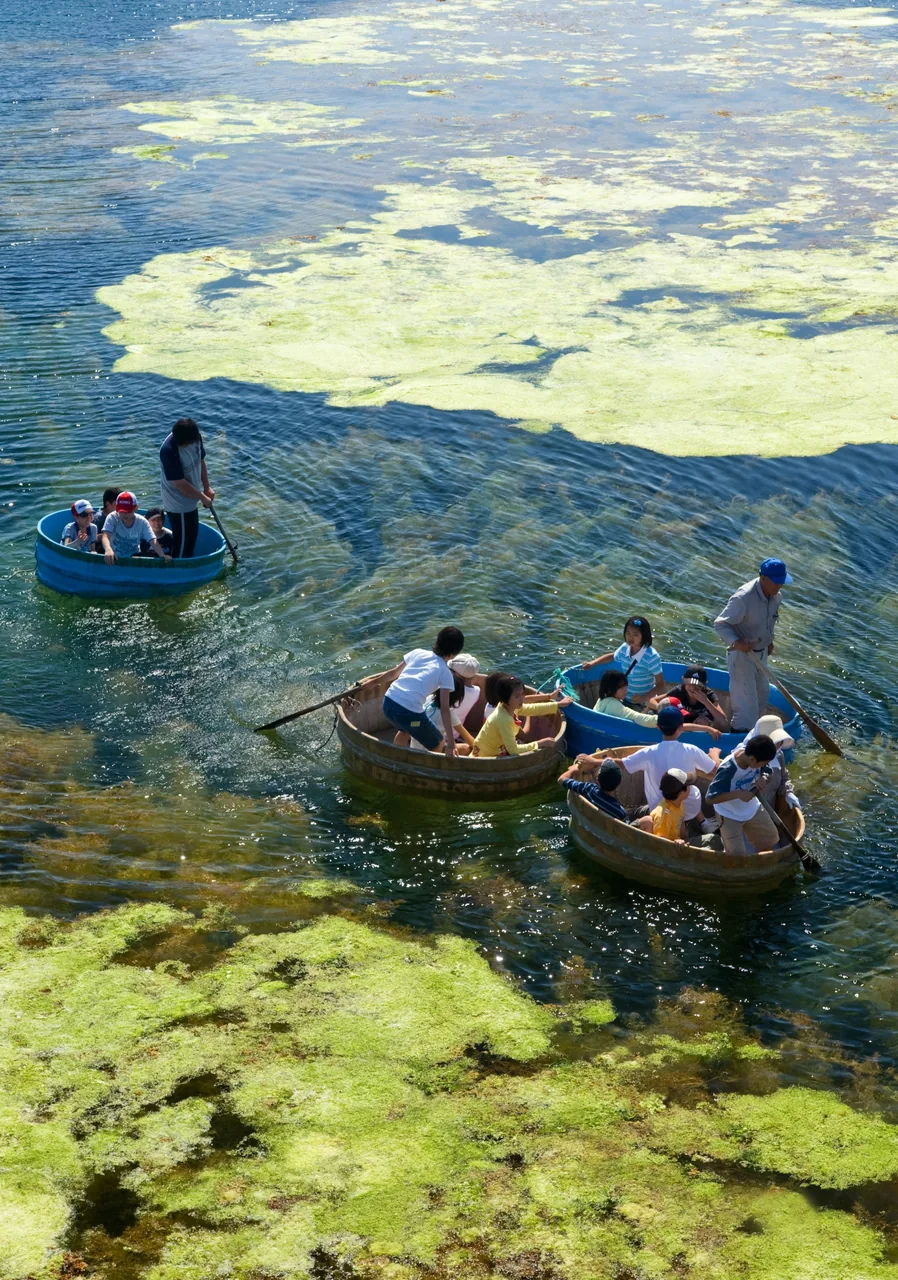
On the Ogi Peninsula, which juts out in the southwest, you can ride a tarai-bune, a boat shaped like a big wooden tub. Easy to turn in rocky inlets, tub boats have long been used for "iso-negi" fishing, gathering shellfish and seaweed from the rocks. You can ride one in three places:
- Ogi Port: Rikiya Kanko Kisen, rowed by women boat operators
- Yajima and Kyojima: Yajima Taiken Koryukan, in a cove where tub boats are still used for fishing
- Shukunegi: "Shukunegi Hangiri"
Some operators close in winter, so check that they're running before you go.
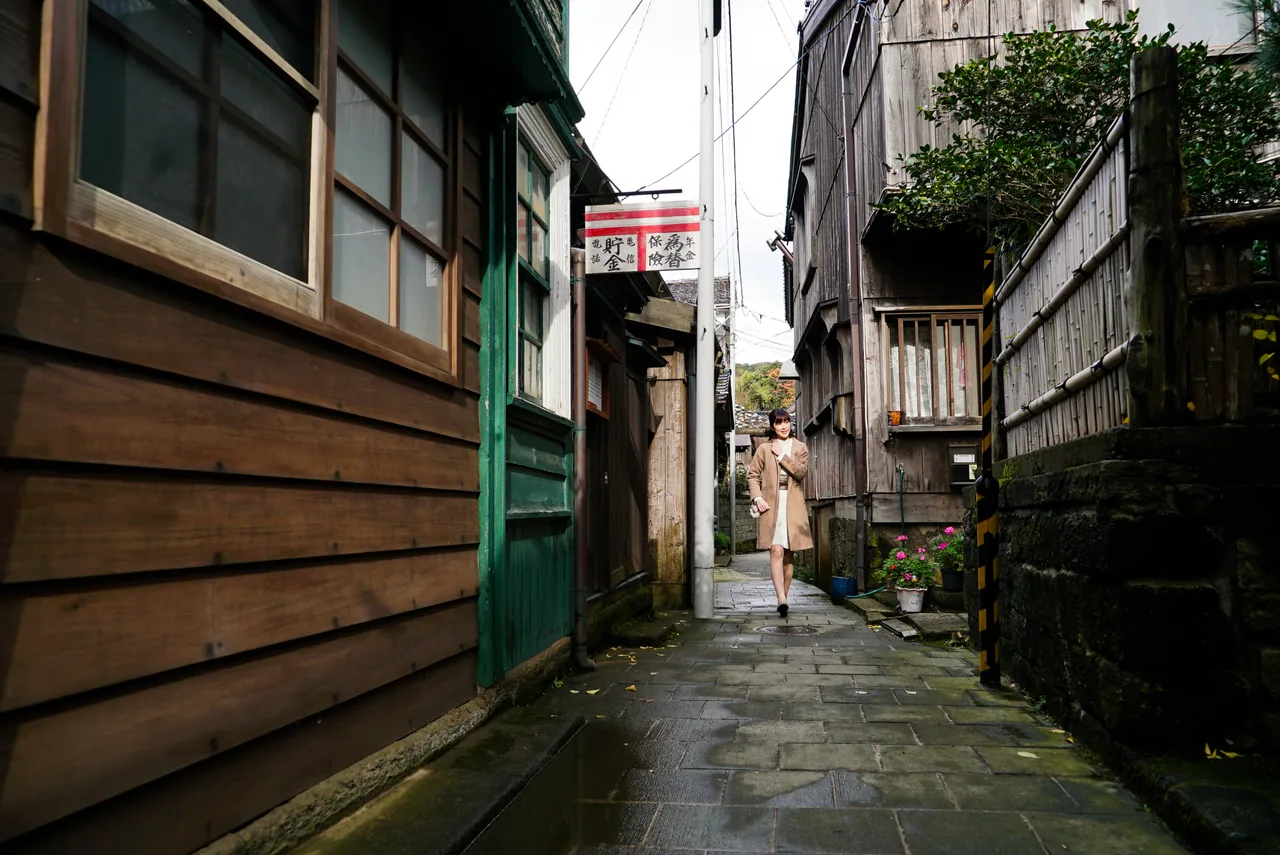
After the tub boat, head to the village of Shukunegi. This harbor village prospered from coastal shipping in the Edo period, and nearly everyone in it worked in the trade as ship owners, sailors or shipwrights. Board-clad houses are packed tightly into a small valley, and in 1991 the village was designated a nationally Important Preservation District for Groups of Traditional Buildings. It's known for the "Sankaku-ya," a house shaped like a ship's bow. People still live here, so walk quietly and don't peer into homes or gardens.
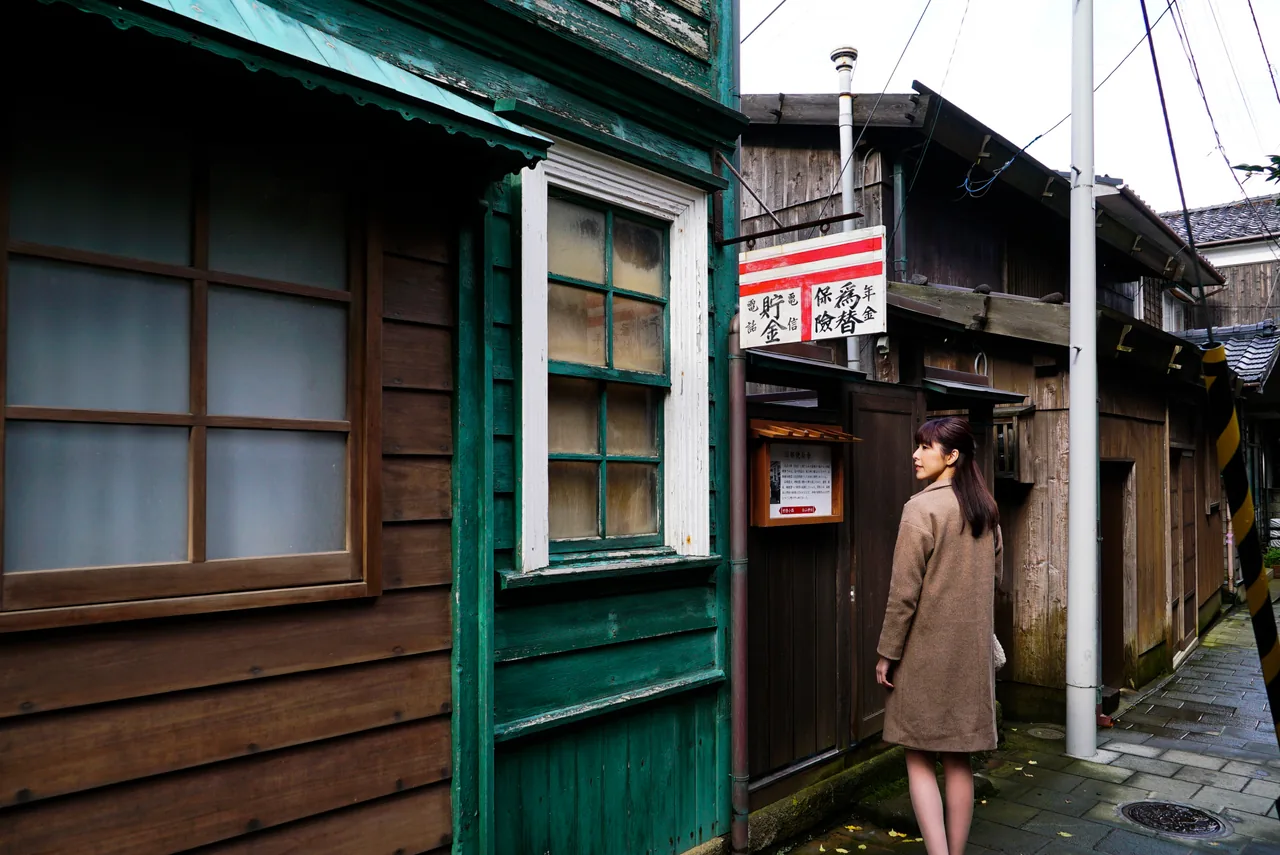
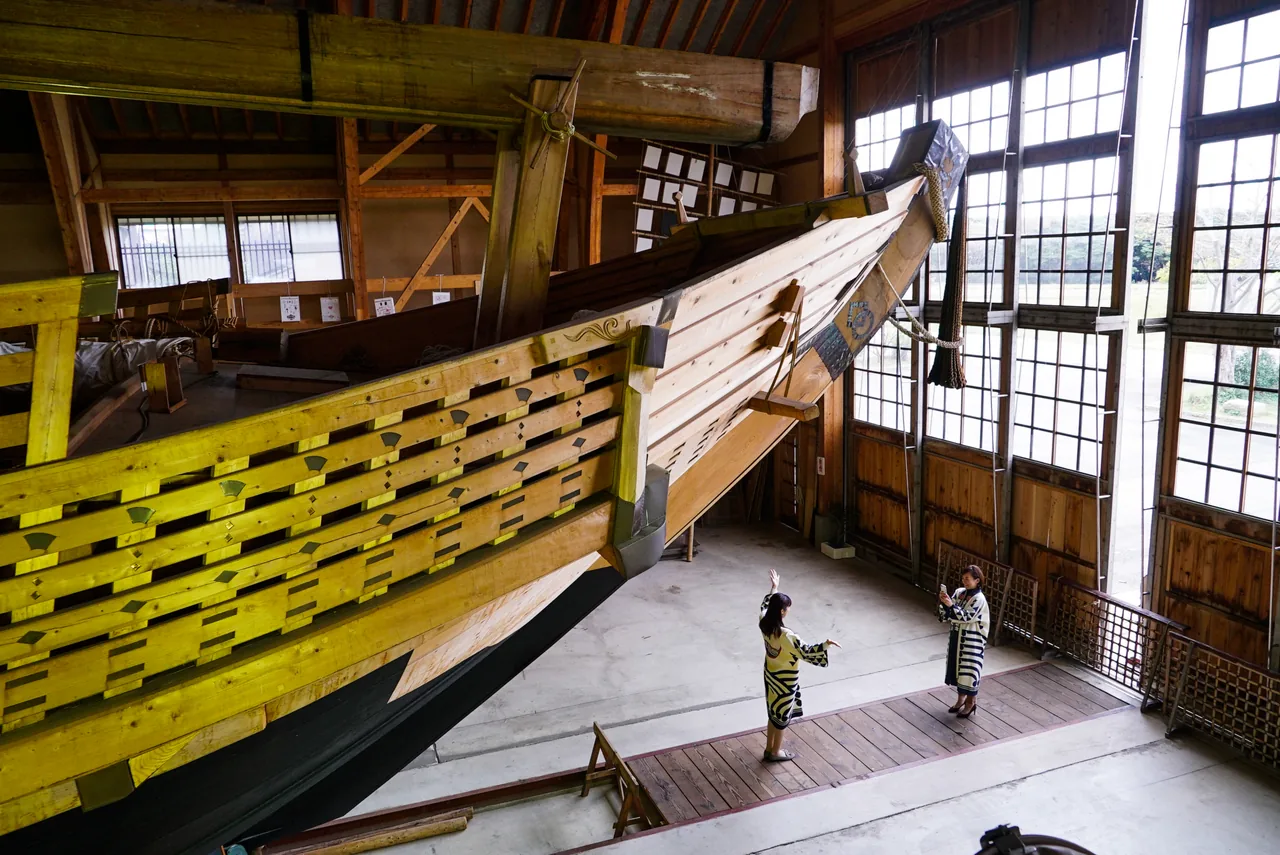
Right next door, the Sado Kokuogi Folk Museum occupies the wooden building of the former Shukunegi Elementary School, built in 1920. In the adjoining Sengokubune Exhibition Hall you can look up at the Hakusan-maru, a full-size reconstruction of an Edo-period cargo ship.
The ferry home, and when to go
To head back, return to Ryotsu Port for a ferry to Niigata, or cross from Ogi Port to Naoetsu Port and continue your trip from the Joetsu side. Either way, plan the last stop of day two around the ferry timetable.
For flowers, come from late May to early June when the Tobishima day lilies bloom at Onogame; for the sea and sunsets, summer is best. In winter the Sea of Japan is often rough and ferries can be cancelled, so leave slack in your schedule. Sado travel information is available on the Sado tourism website run by the Sado Tourism Association.