Sado Island Noh and Performing Arts: Noh Stages, Puppets, Okesa
This guide is translated from the Japanese edition. Read the Japanese edition
Sado Island noh and folk arts: the history of its 30-plus noh stages, takigi noh at Daizen Shrine, Bunya puppets, Sado Okesa and how to find a show.
On an early-summer night, bonfires crackle in a shrine compound surrounded by rice fields, and a masked actor moves slowly across an old wooden stage. Sado Island still has more than 30 noh stages, most of them standing in village shrines. Noh is only part of the picture: the island also keeps alive Bunya puppet theater, in which a single performer works each puppet, the folk song and dance Sado Okesa, and onidaiko demon drum dances that differ from one village to the next.
Why Sado is called the "island of noh"
Sado's ties to noh go back to the Muromachi period. In 1434, Zeami, the actor and playwright who perfected noh, was exiled to the island. Noh spread widely only in the early Edo period, and the turning point was Okubo Nagayasu, who was sent to govern Sado and its gold and silver mines and who came from a family of noh performers. He is said to have brought actors and musicians over from the mainland to perform, and in 1605 he built Kasuga Shrine on the Kasugazaki headland in Aikawa. The shrine's noh stage followed in 1645.
Noh, once an accomplishment of the samurai class, gradually became part of village shrine festivals. At its Edo-period peak the island is said to have had about 200 noh stages, and more than 30 survive today. Most stand in the grounds of village shrines, and on festival days local people have been both the performers and the audience.
Daizen Shrine's noh stage and early-summer takigi noh
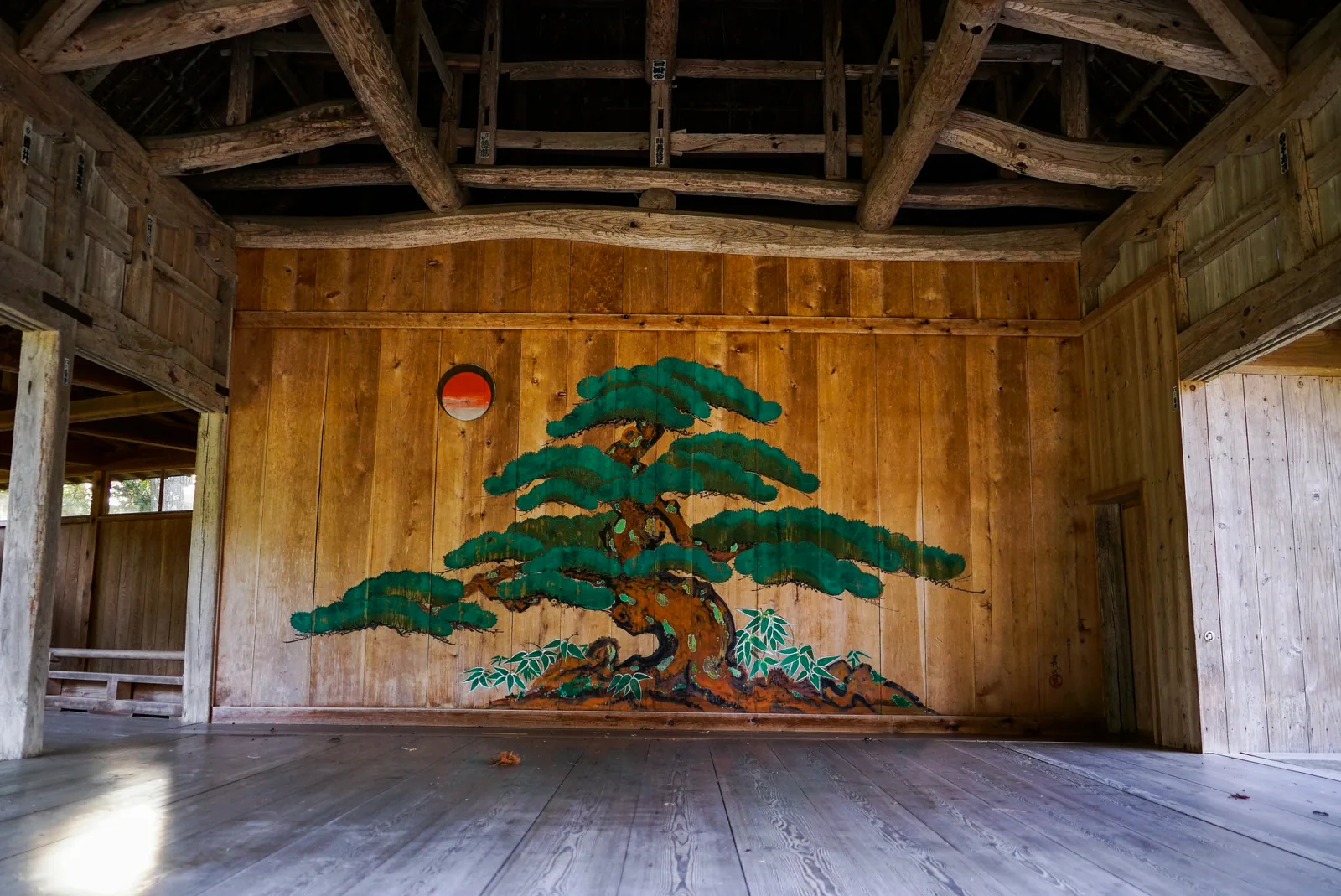
Daizen Shrine stands in the Takeda district, at the southern edge of the Kuninaka Plain in the middle of the island. Of all Sado's noh stages, its stage has the oldest surviving record of a noh performance, dating from 1823. The present stage was rebuilt in 1846.
Every year, usually in early June, the shrine holds takigi noh, noh performed by firelight. It starts around dusk, with bonfires lighting the stage. Because the stage is outdoors, arrangements can change with the weather. Dates differ from year to year, so check that year's announcement before you plan.
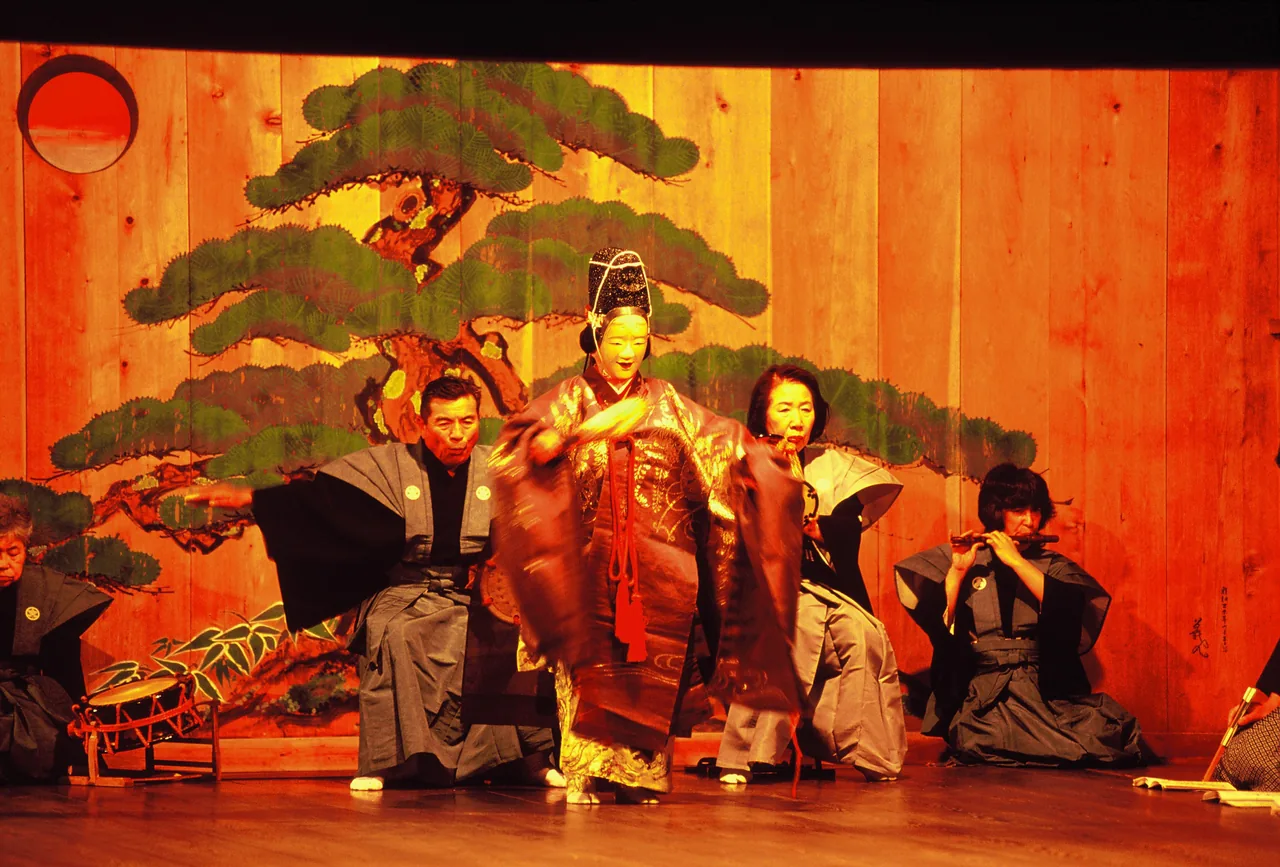
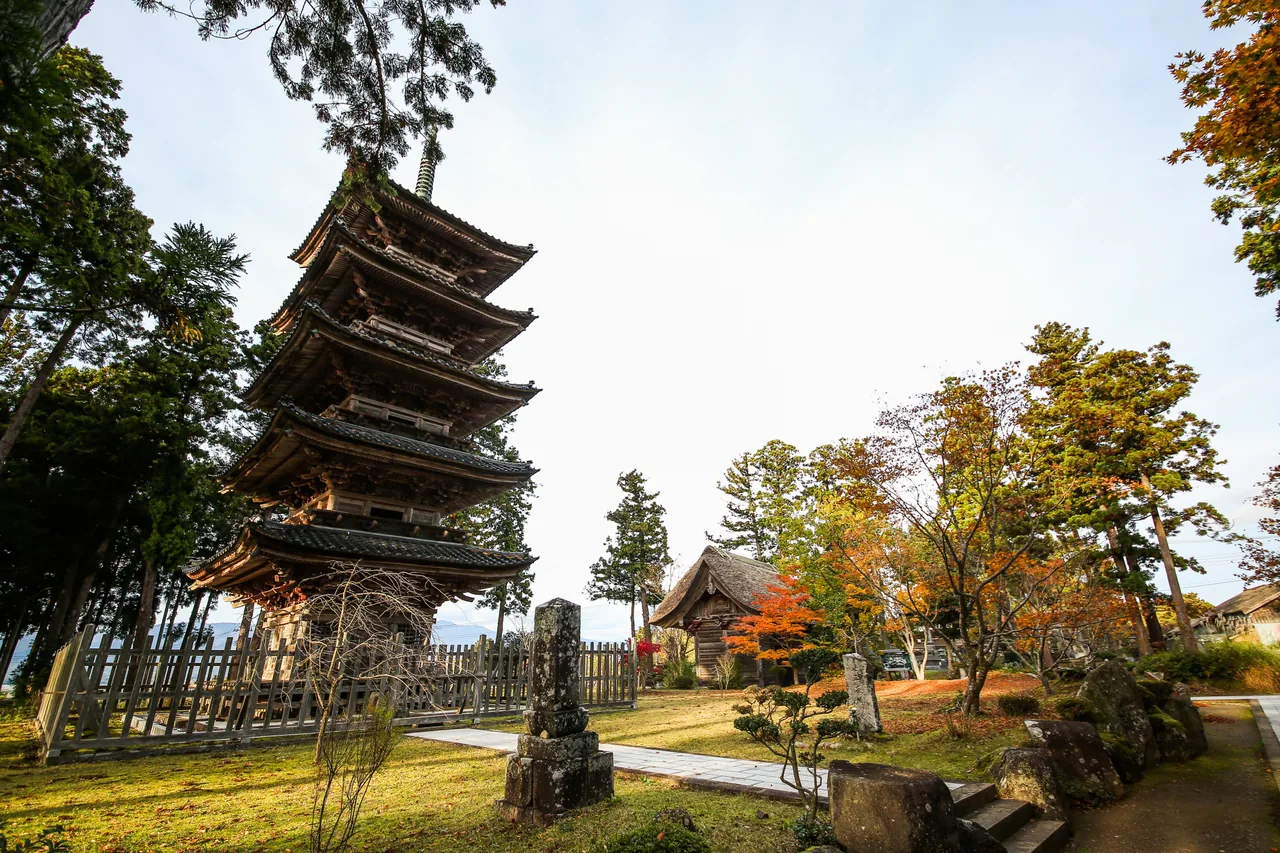
Takeda is in the same Mano area as Myosen-ji Temple, known for its five-storey pagoda, so you can visit the temple during the day and stay for takigi noh in the evening. If you go to an evening performance, sort out your ride back first, whether a rental car or a pickup arranged with your inn.
Bunya puppets, worked by a single performer
Three forms of puppet theater have come down on Sado: Bunya puppets, Sekkyo puppets and Noroma puppets. Together they are designated an Important Intangible Folk Cultural Property of Japan as "Sado puppet theater." In all three, each puppet is handled by one person, which gives them a different look and rhythm from bunraku, where three puppeteers work a single figure.
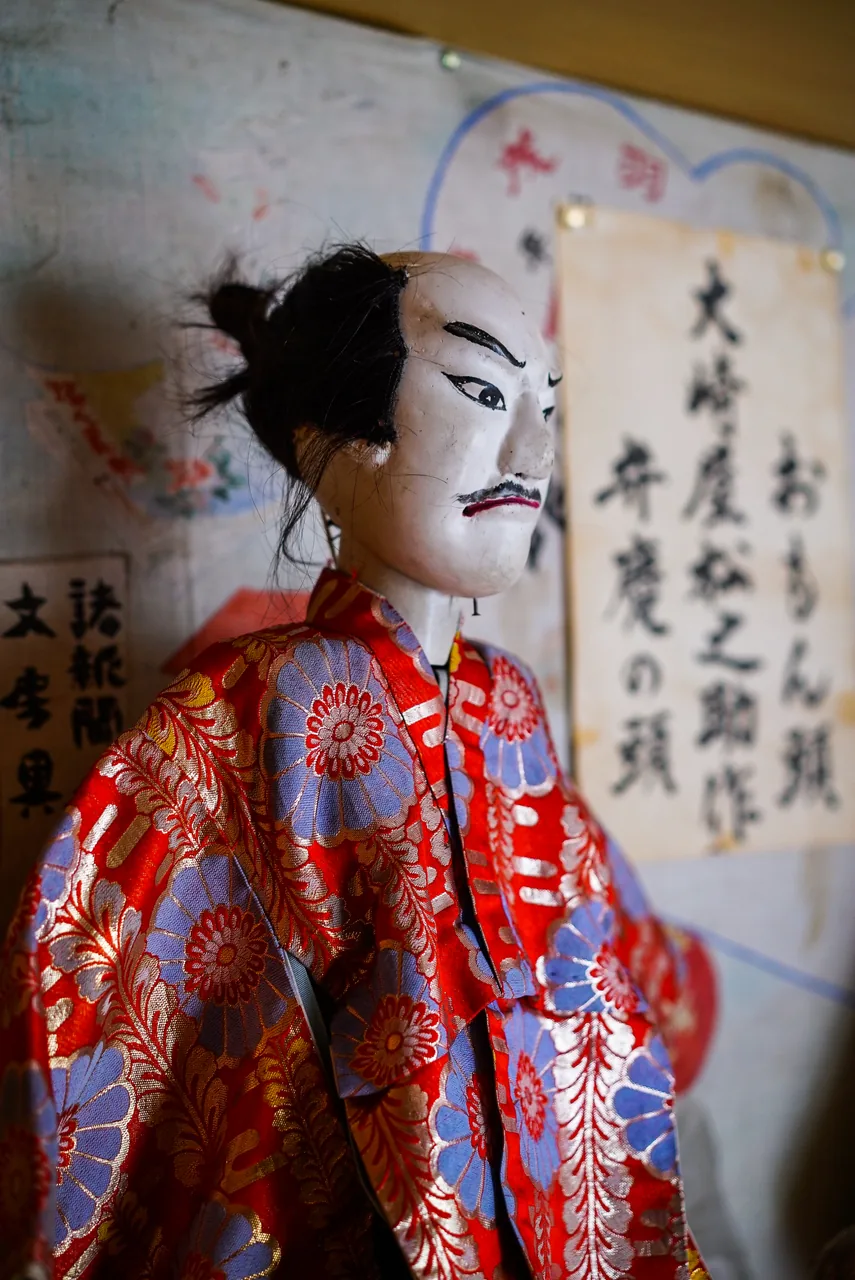
Bunya puppet theater is performed to Bunya-bushi, a style of joruri narrative chanting that emerged in the Edo period. To the narrator's chanting and the shamisen, one performer moves the puppet's head and hands to play out each scene. After the Second World War the tradition was at risk as performers dwindled, but islanders worked to preserve it, and troupes on the island still perform today.
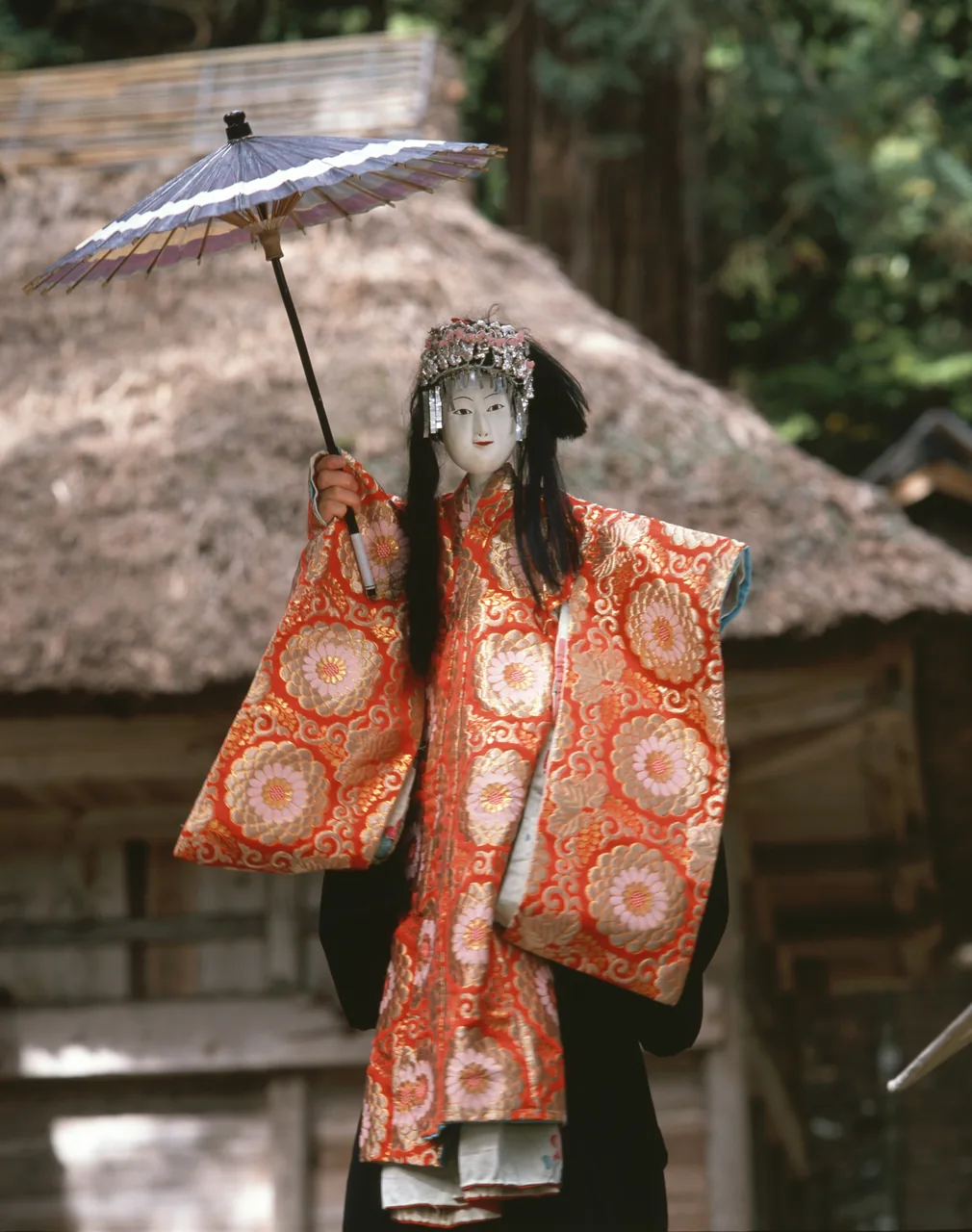
Performances take place at regular shows held by the preservation society and at events around the island. There is no theater staging them every day, so once your travel dates are set, check whether a performance falls during your stay.
Sado Okesa and onidaiko: arts you meet on festival days
Sado Okesa is now known as the signature folk song and dance of Sado. It began as a special piece performed by geisha, and unlike other Sado folk songs, its accompaniment includes a flute. A Sado folk song troupe is made up of singers, dancers and musicians on drums and shamisen, and more than 20 groups on the island perform and pass on the tradition. The songs have long been performed most often in August, the month of Obon.
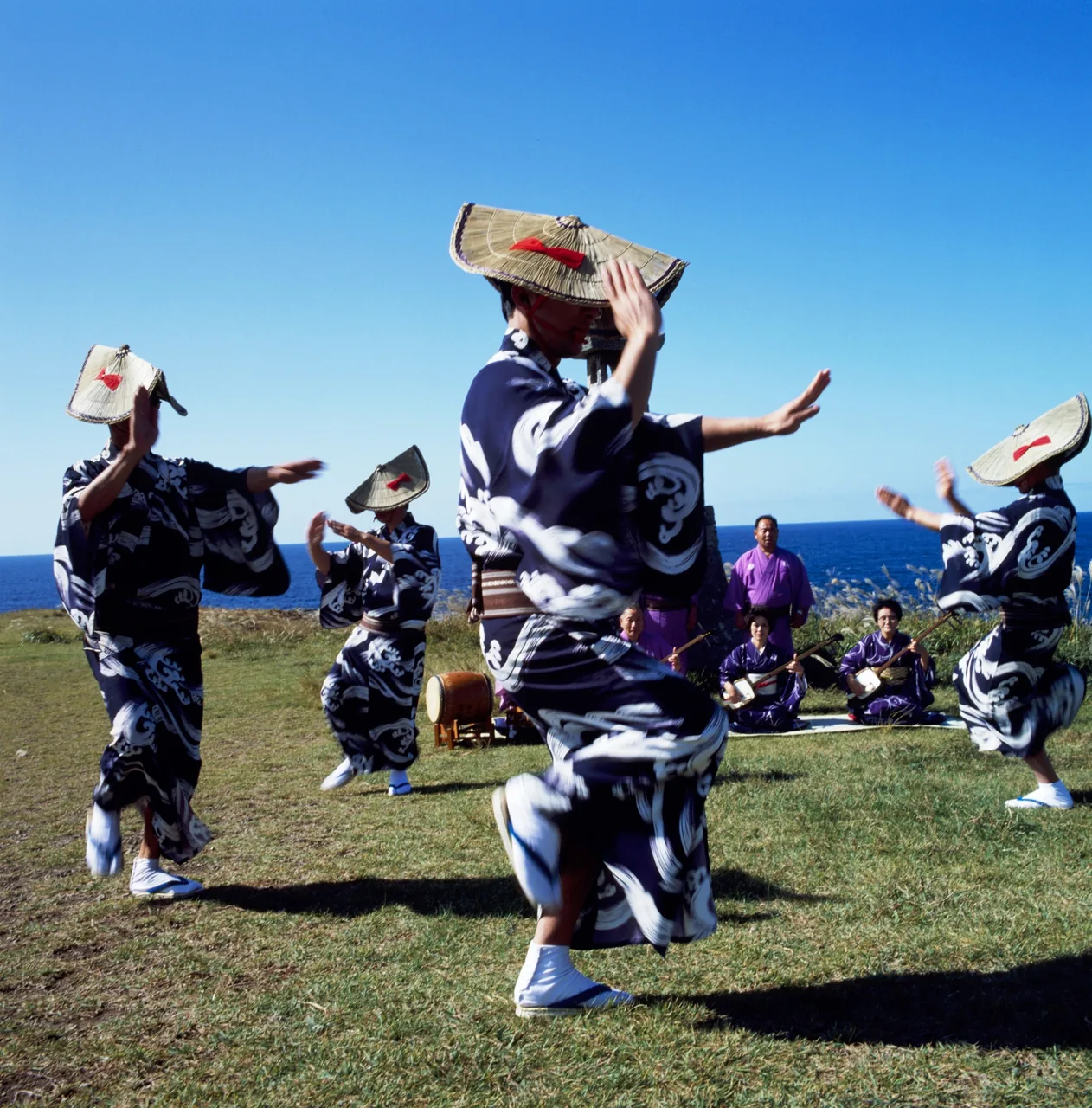
Onidaiko is a vigorous dance in which performers in demon masks move to the beat of taiko drums, and it appears at festivals across the island. The style differs a little from village to village, and in some villages the troupe goes from house to house on festival days. Visit on a festival day and you may come across a group drumming its way down the road.
How to see Sado's performing arts as a visitor
Most of Sado's performing arts are staged for shrine festivals and seasonal events, so the chances to see them are limited. To fit one into your trip, research in this order:
- Search the event listings on Visit Sado, the official site of the Sado Tourism Association, for takigi noh, puppet shows and festivals during your travel dates.
- Confirm the venue and start time, and arrange your transport back (rental car, taxi or a pickup from your inn).
- Outdoor performances may change venue or program in the rain, so check the organizer's notice the day before or on the day.
For evening shows, a flashlight, insect repellent and an extra layer for chilly nights come in handy. Follow the venue's rules on photography; as a rule, avoid flash and any camera sounds.
The order for touring the island and how to take the ferry are covered in the Sado Island two-day itinerary. If you plan a night in Mano to match the takigi noh season, you can enjoy both the performing arts and the island's sights without rushing.